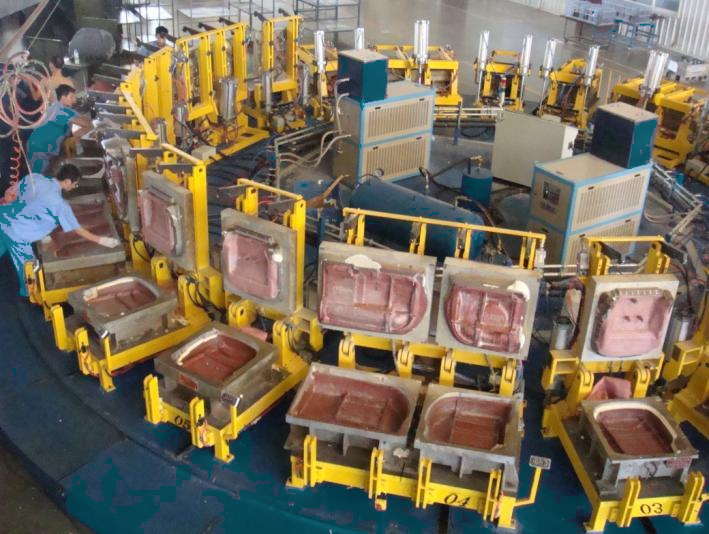
A headrest PIP foaming solution integrating high-pressure PU metering, a mixing head and an indexed turntable for injection, curing and part removal.

Explore polyurethane foaming and composite molding routes for automotive parts. Select equipment and automation around the material system, part design and production target.
Compare routes by component, material system, molding method and takt target. Review the equipment interfaces and qualification requirements for your selected application.
A headrest PIP foaming solution integrating high-pressure PU metering, a mixing head and an indexed turntable for injection, curing and part removal.
A dual-density automotive seat foaming solution combining three-component high-pressure metering, robotic pouring and a turntable for soft and support layers.
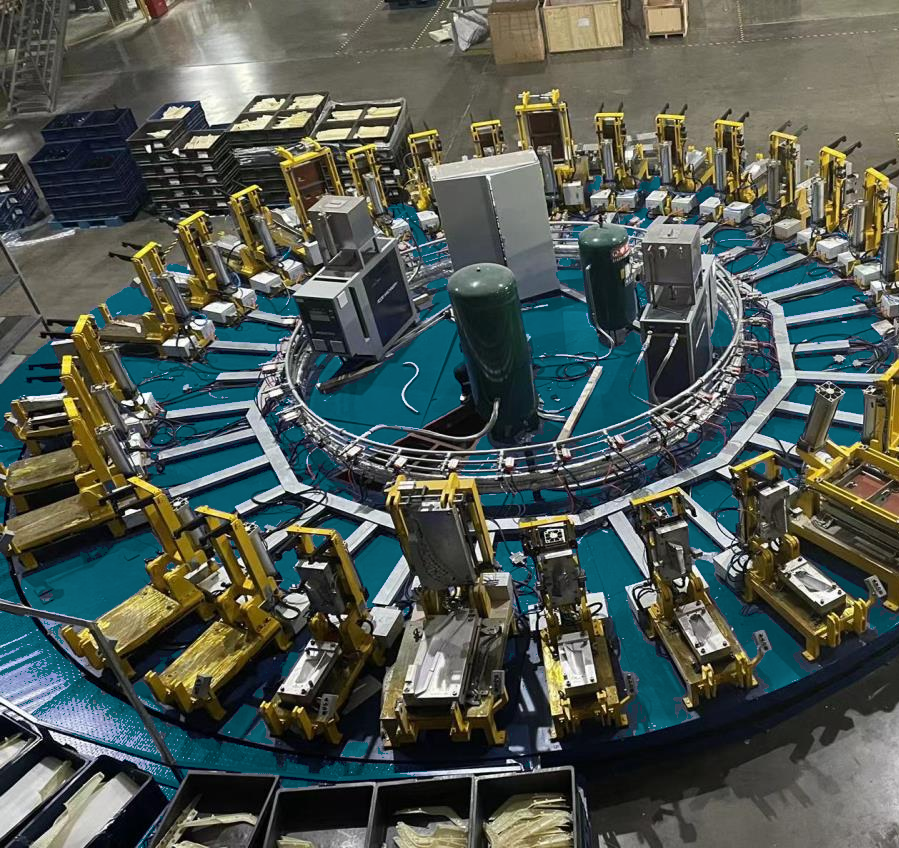
A rotary-table car seat cushion solution integrating high-pressure PU foaming, mold carriers, temperature control and robotic pouring for flexible seat foam production.
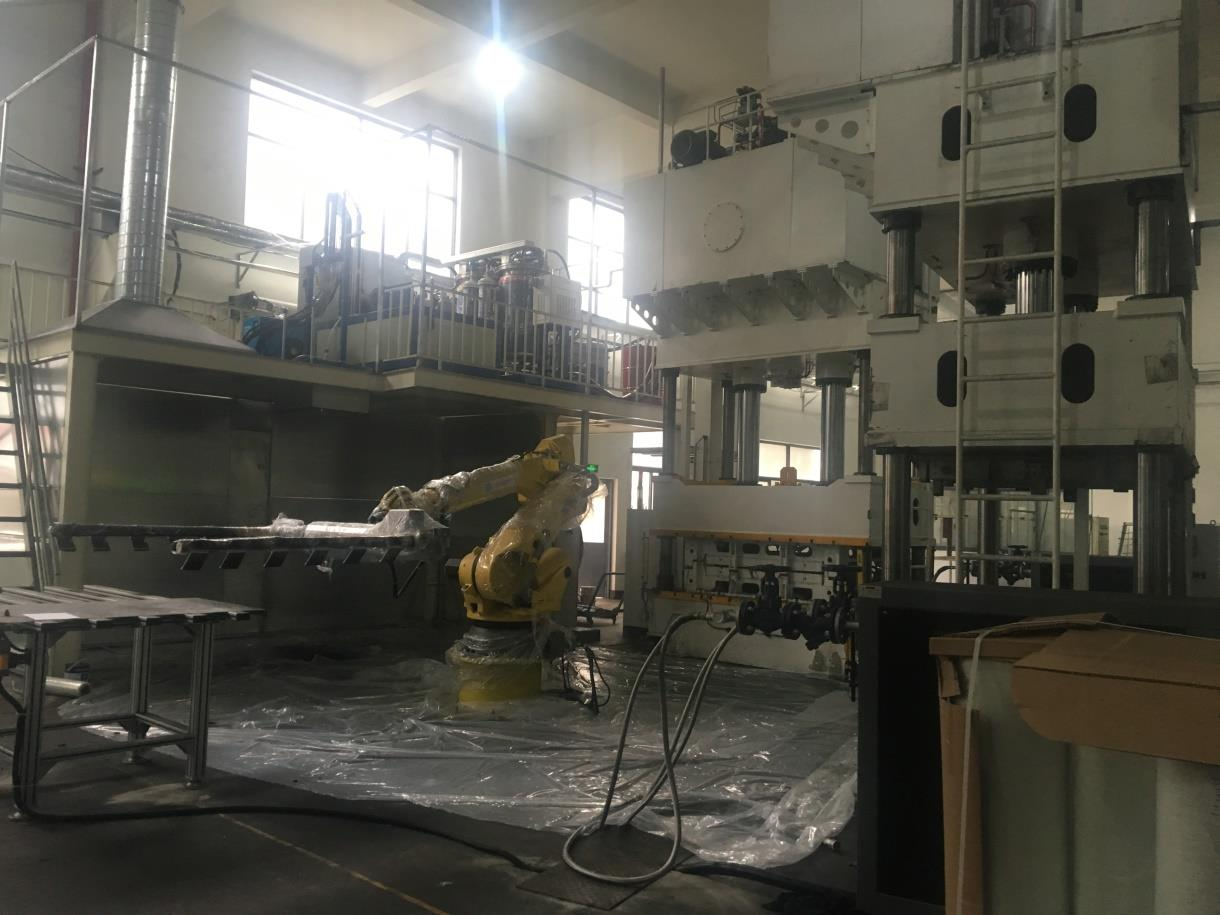
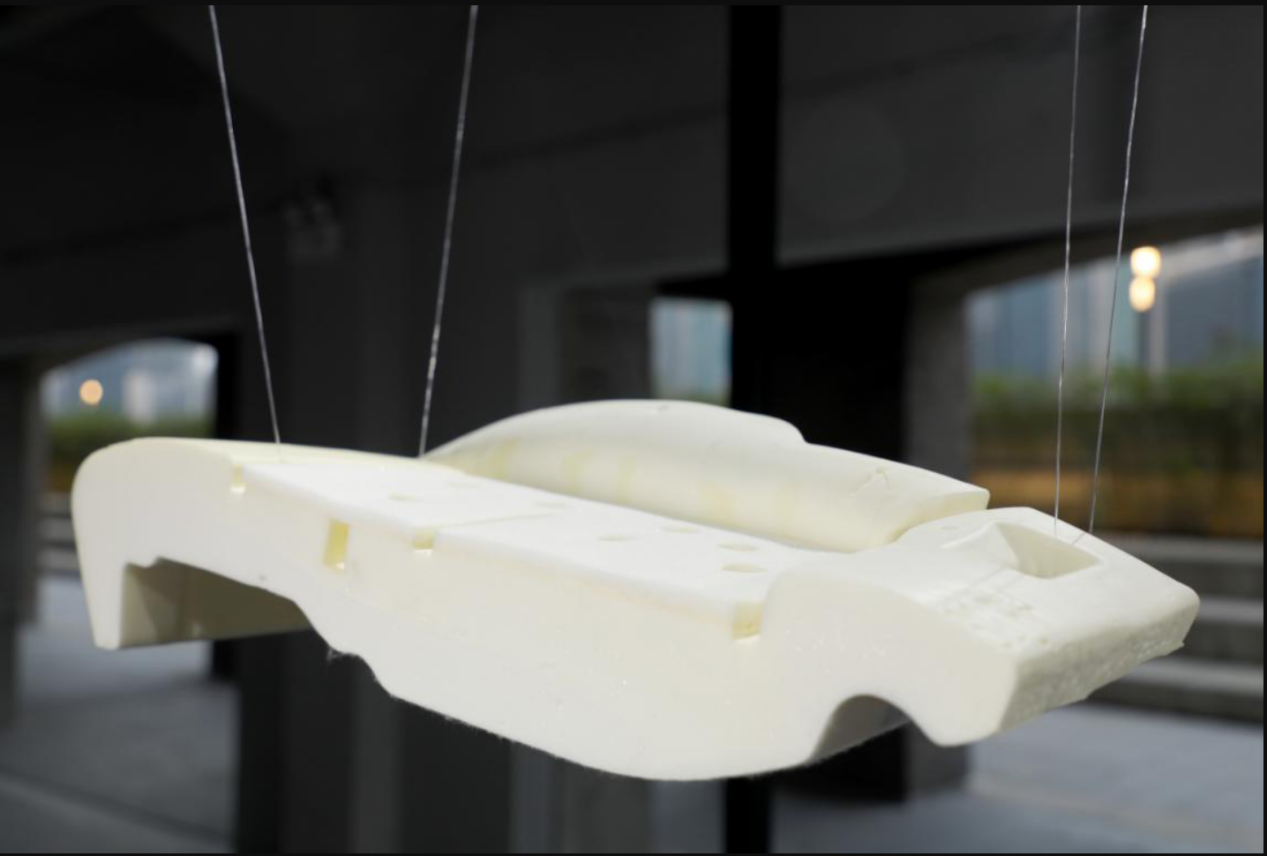
An automotive acoustic-pad foaming solution combining high-pressure PU metering, hydraulic mold carriers, curing and automatic edge trimming.
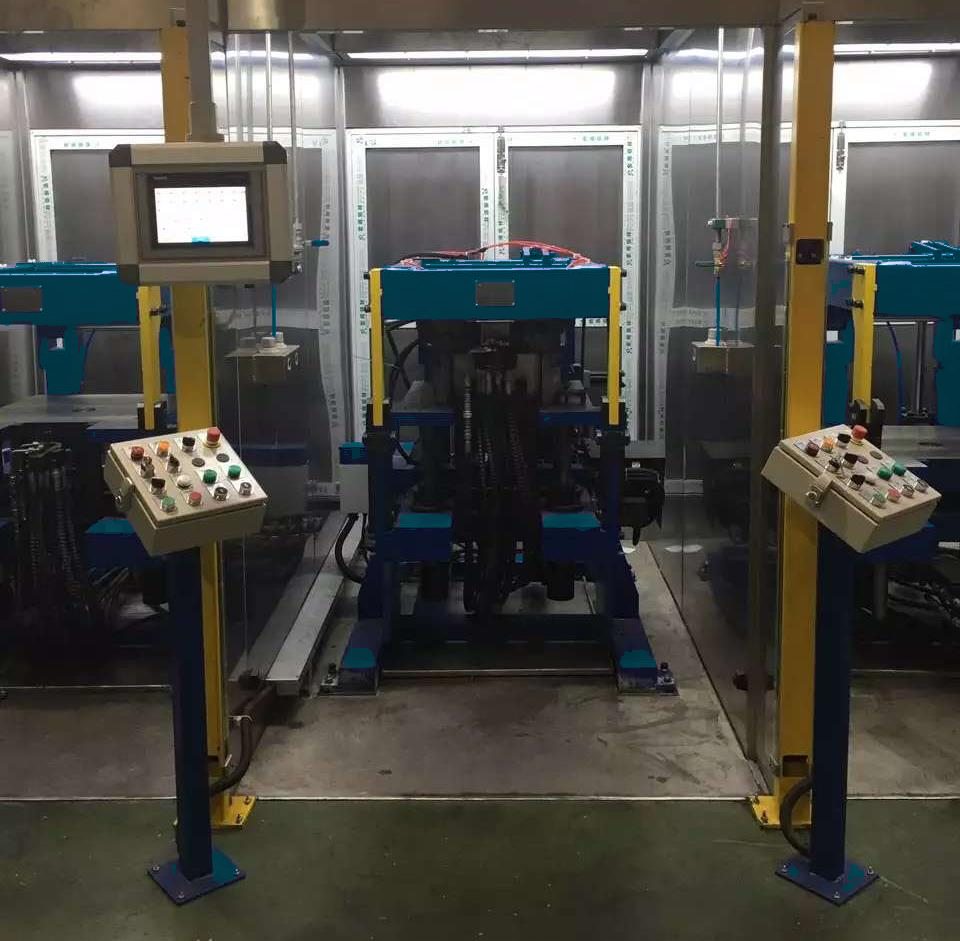
A steering-wheel integral skin foaming solution integrating high-pressure PU metering, multicolor mixing heads and a six-station hydraulic mold line.
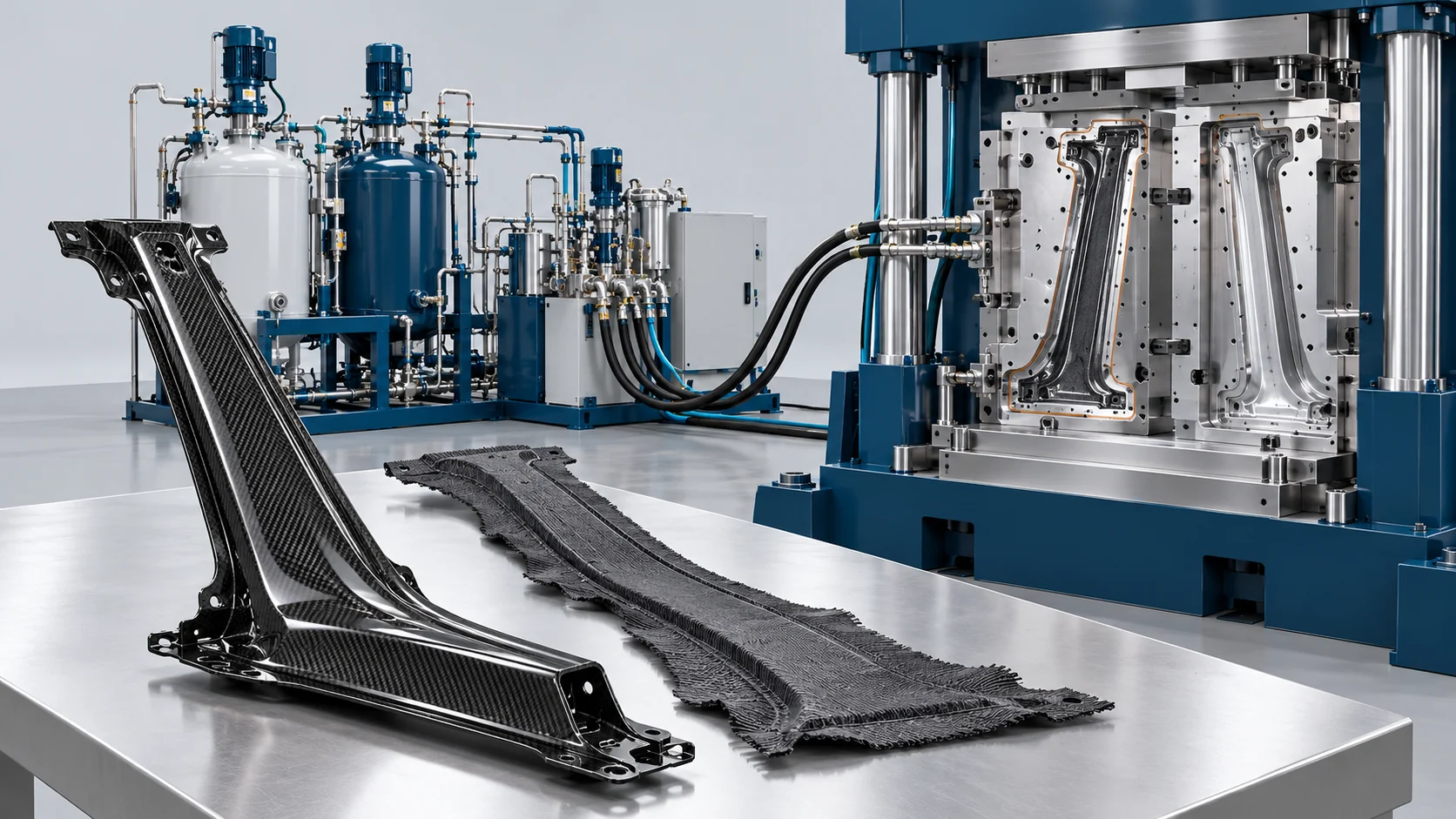
HP-RTM equipment for carbon-fiber body-in-white components. The reference B-pillar project reports 60% lower component weight and a 3-minute complete molding cycle; structural performance requires qualification.
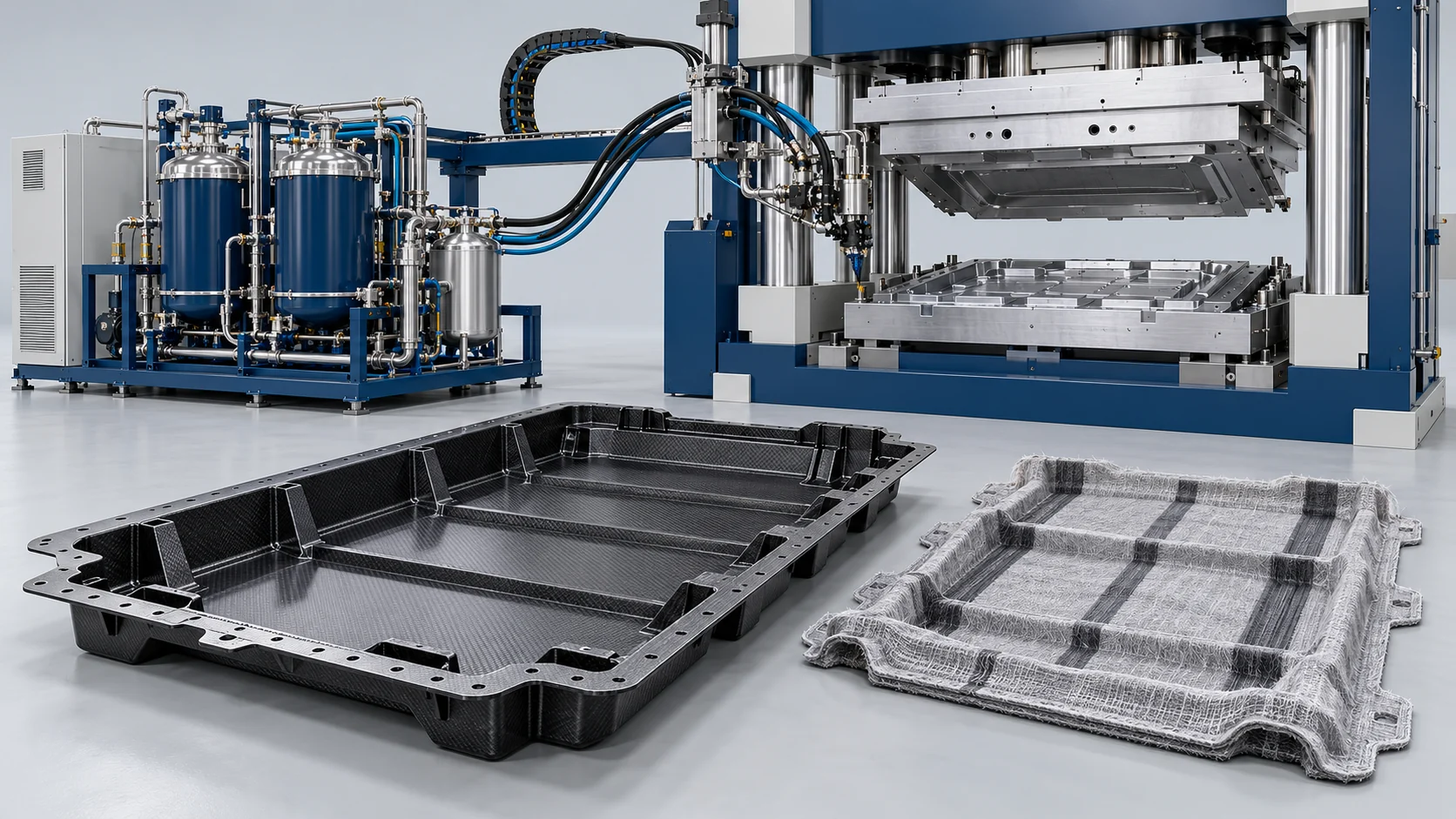
HP-RTM for composite EV battery trays. The reference project reports 40% lower tray weight versus its aluminum baseline; UL94 V-0 applies to tested material specimens, with pack safety validated separately.
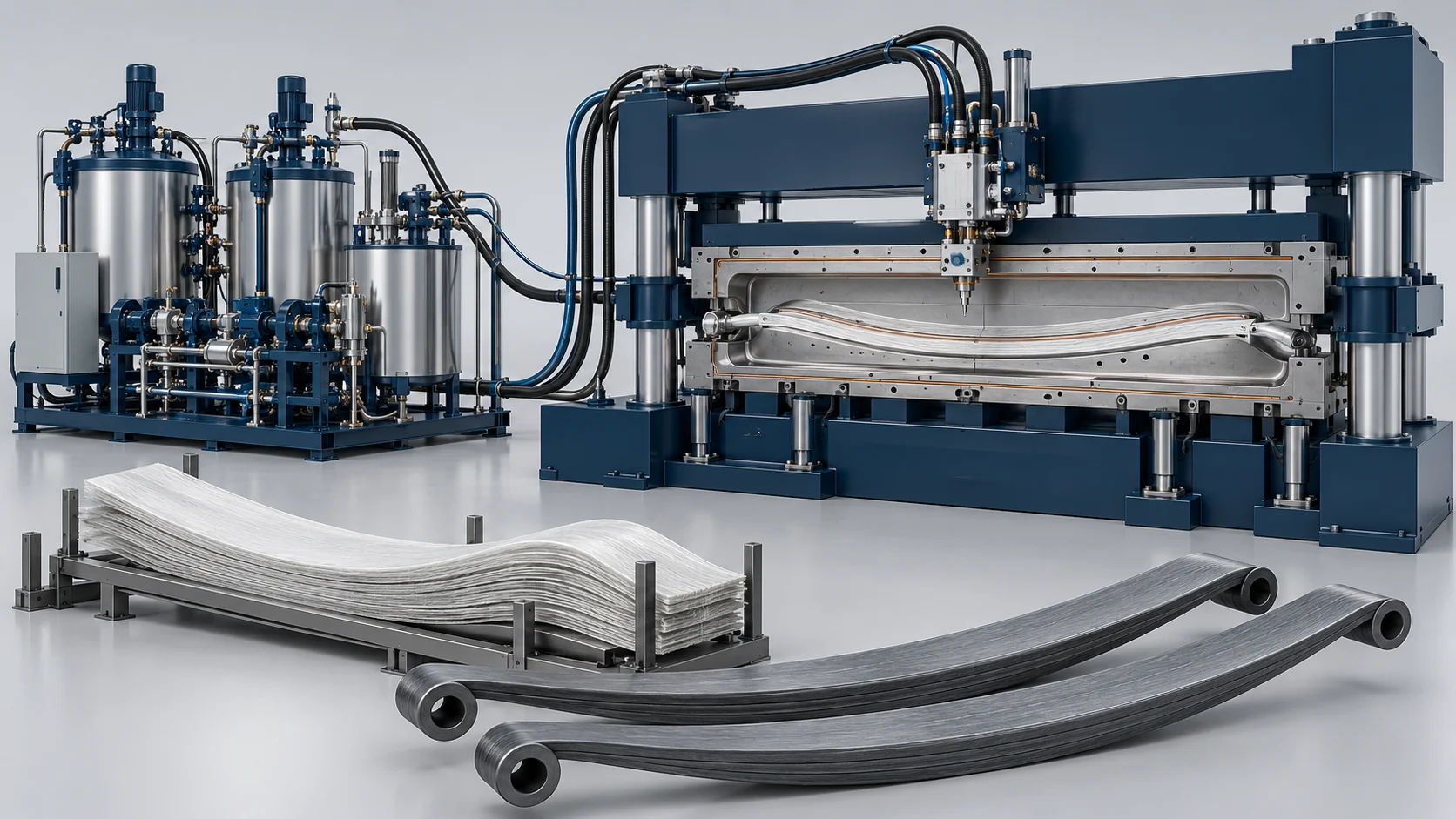
HP-RTM equipment for composite leaf springs. The reference project reports 65% lower spring weight and over one million fatigue cycles; results depend on the qualified spring design and material.
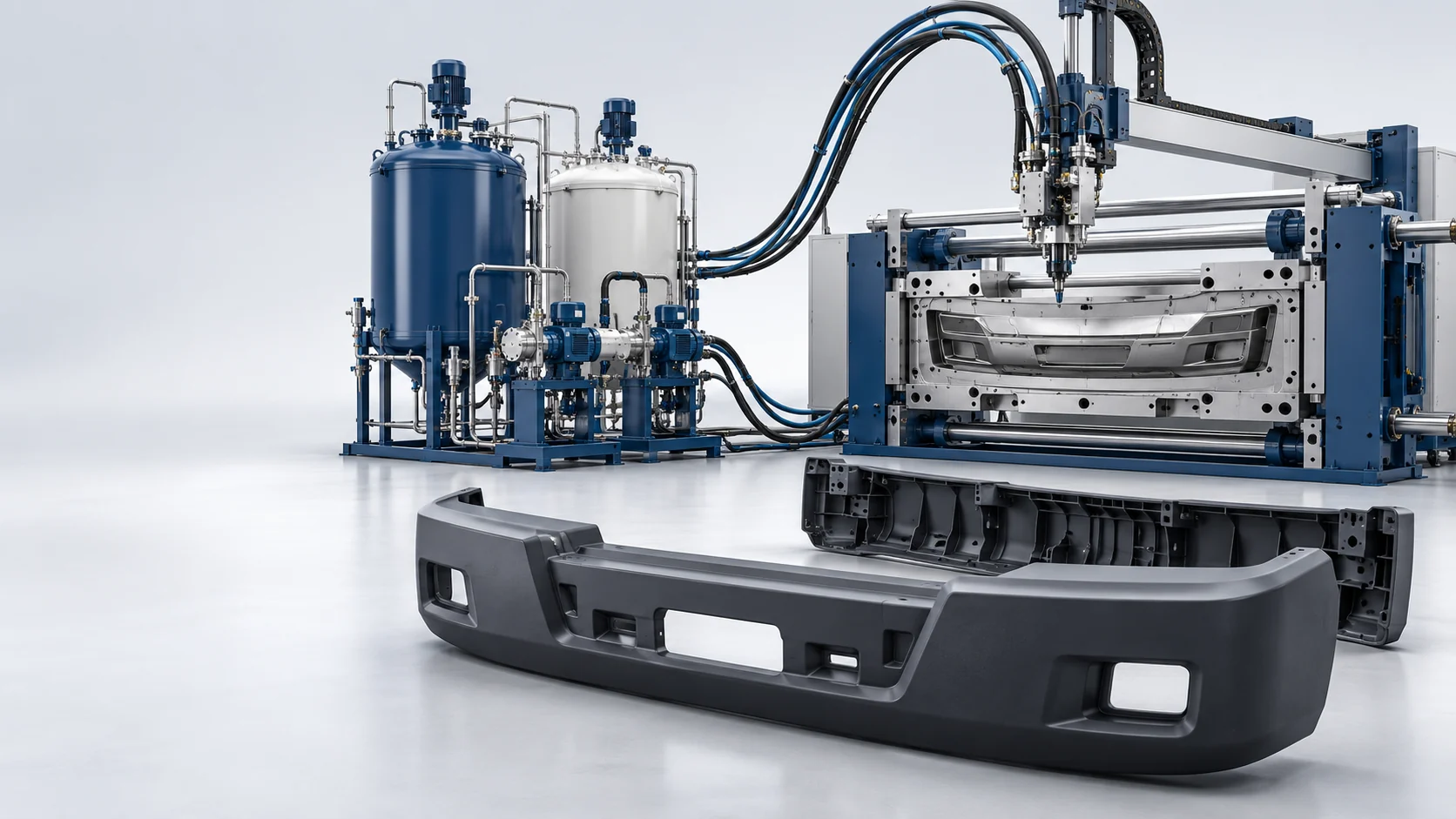
Haifeng delivers an industrial RIM solution for heavy-duty truck bumpers, cutting component weight by 45% with 100% impact resilience at -40°C.
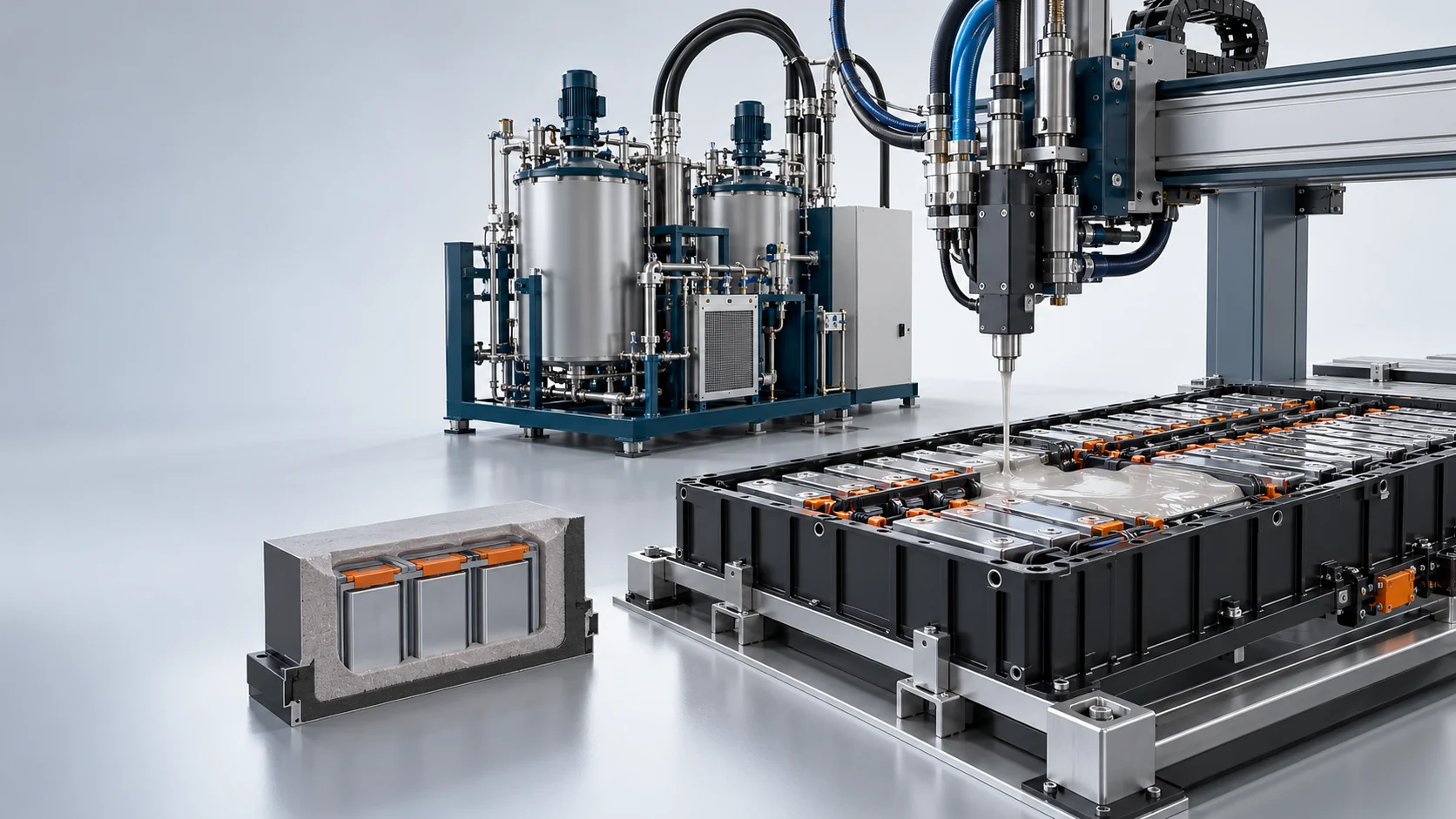
Configured PU dispensing for EV cell encapsulation, with material inspection and separate battery-pack safety validation.
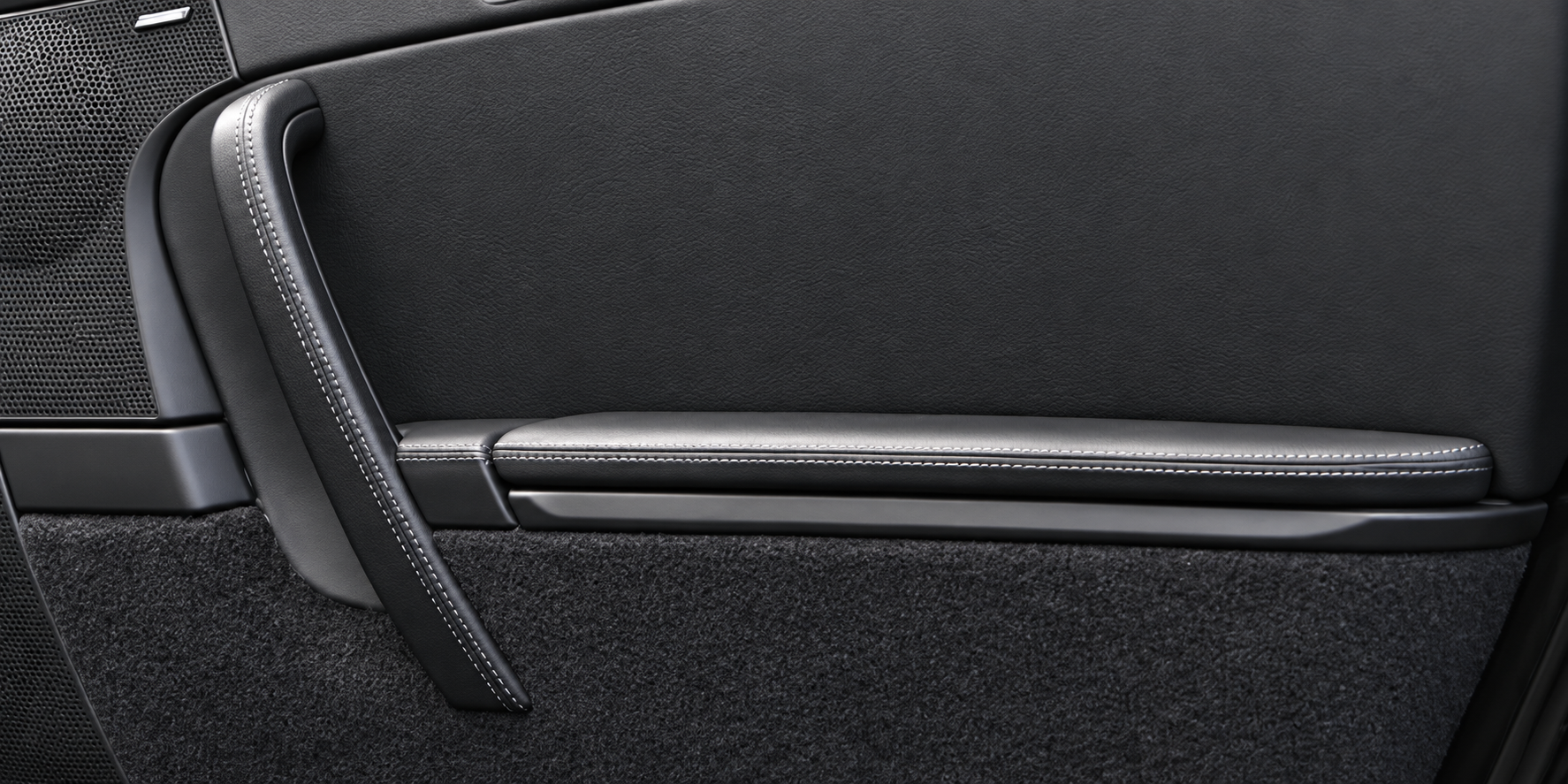
Haifeng provides a turnkey RIM solution for automotive door panels, cutting substrate weight by 30% while eliminating surface sink marks across complex ribs.
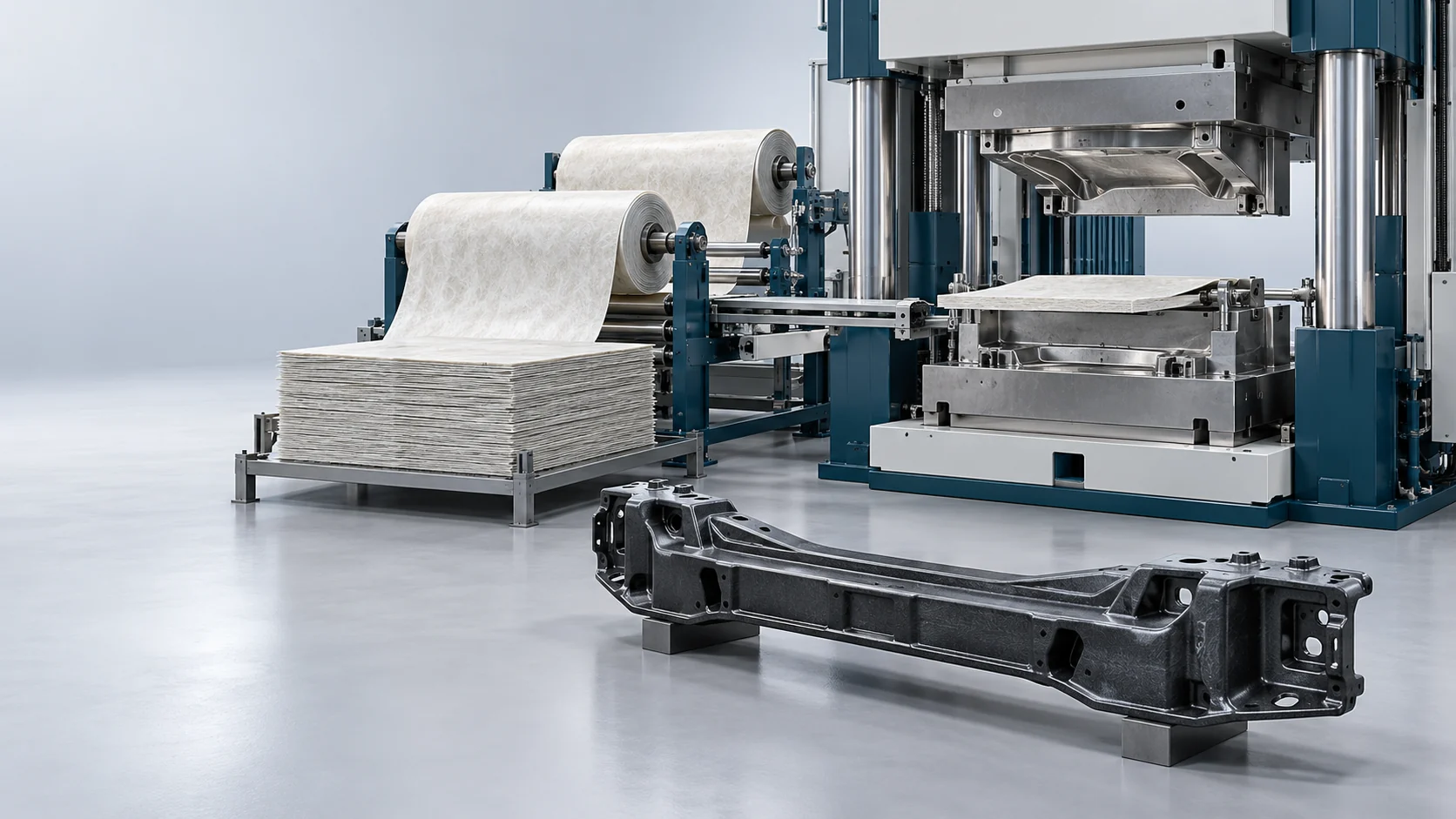
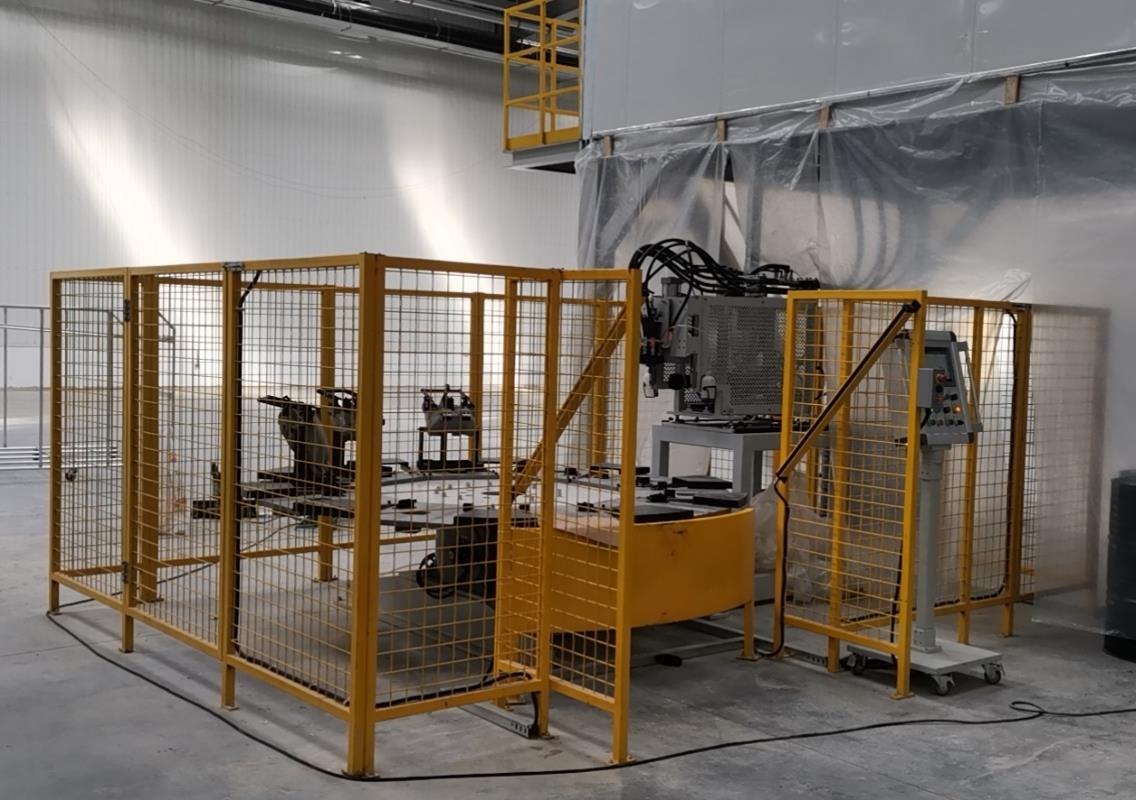
Automotive composite spray-transfer molding integrating fabric preparation, metered PU spraying, transfer to the mold, heated forming and automated unloading.
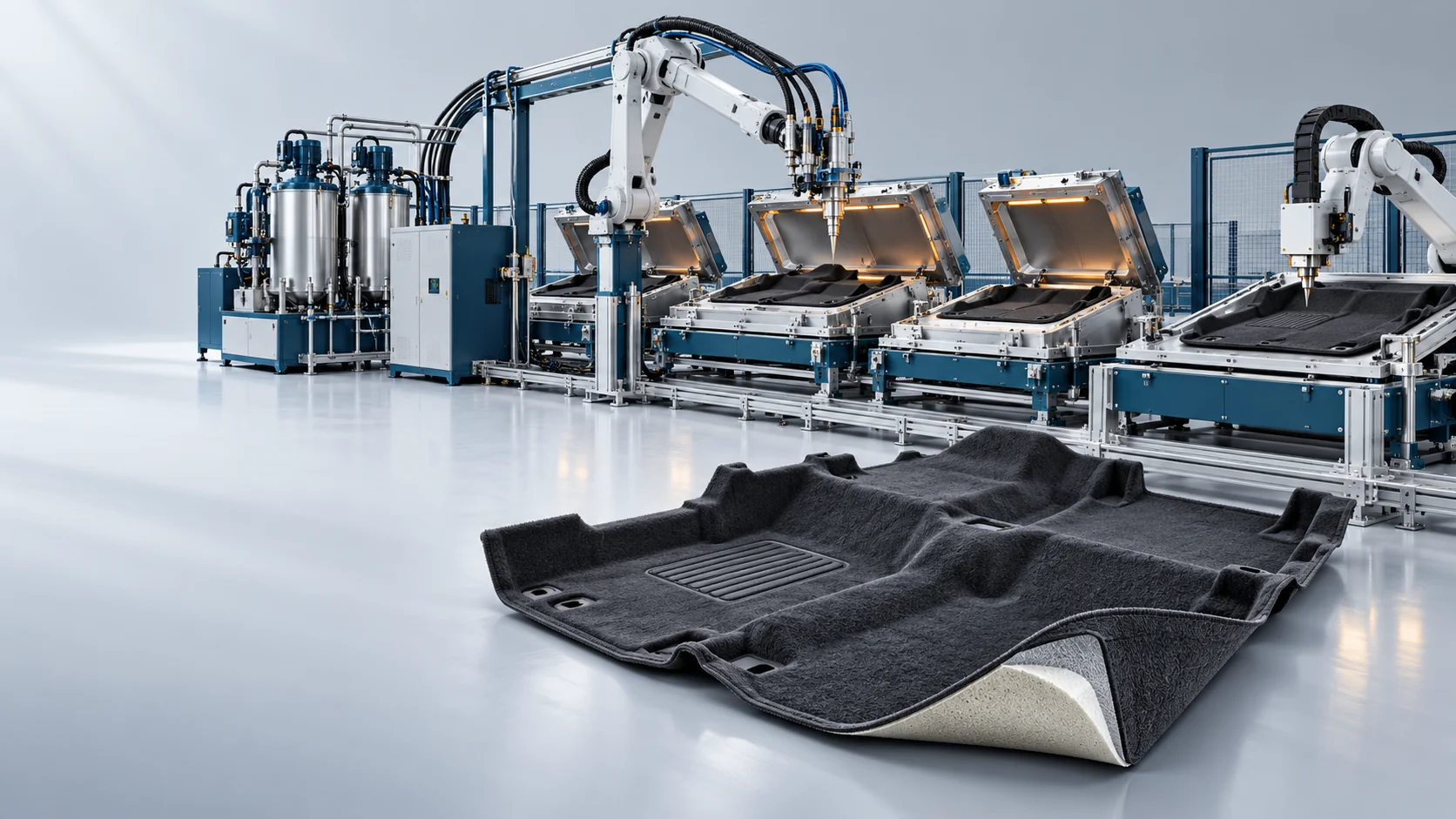
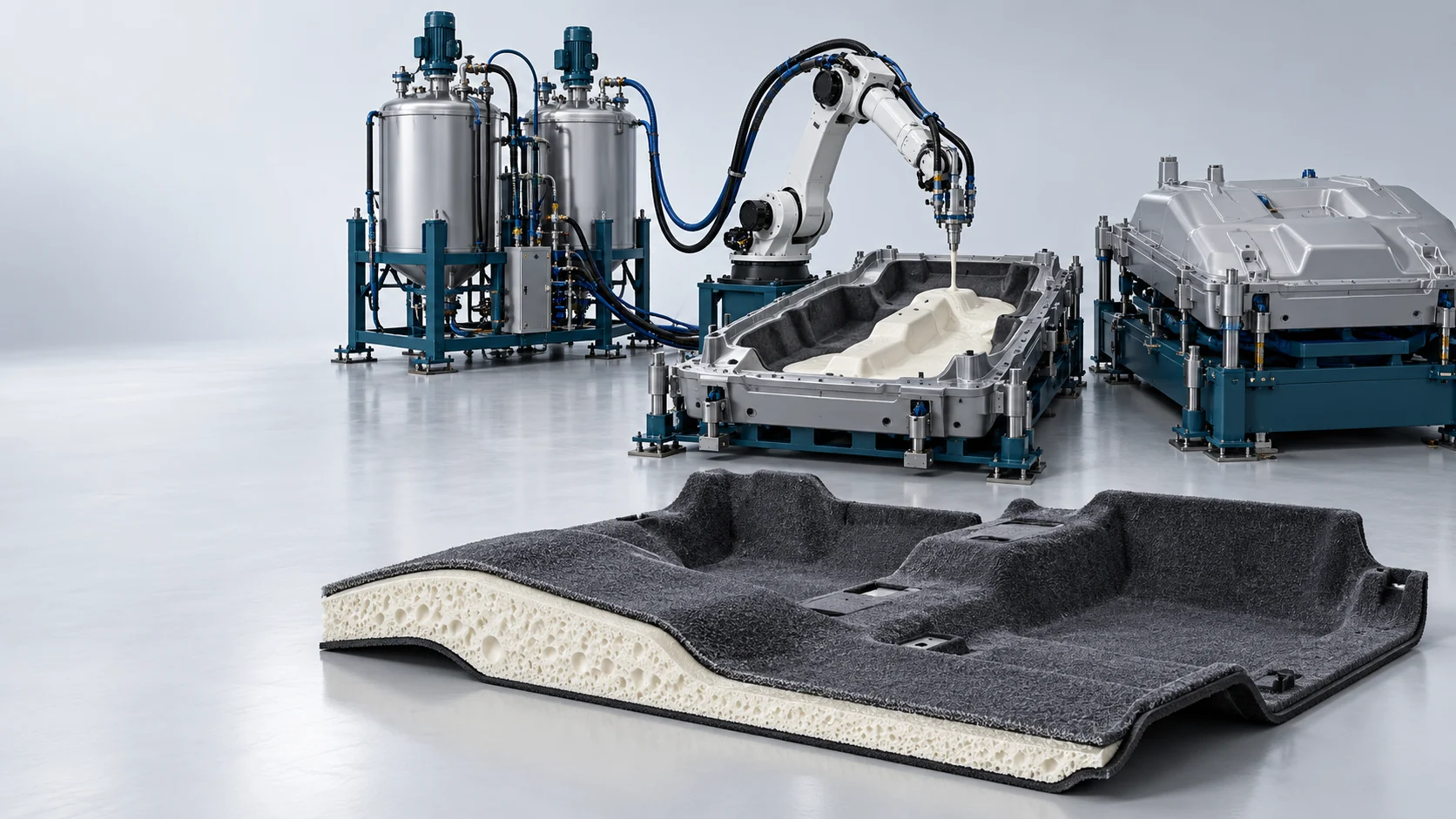
An automotive carpet PU foaming solution integrating high-pressure metering, robotic pouring, carpet molds, hydraulic and vacuum systems, curing and part removal.
Automotive SMC sheet molding solution: fiber-reinforced resin charges, heated matched-mold compression, press planning and structural-part validation.
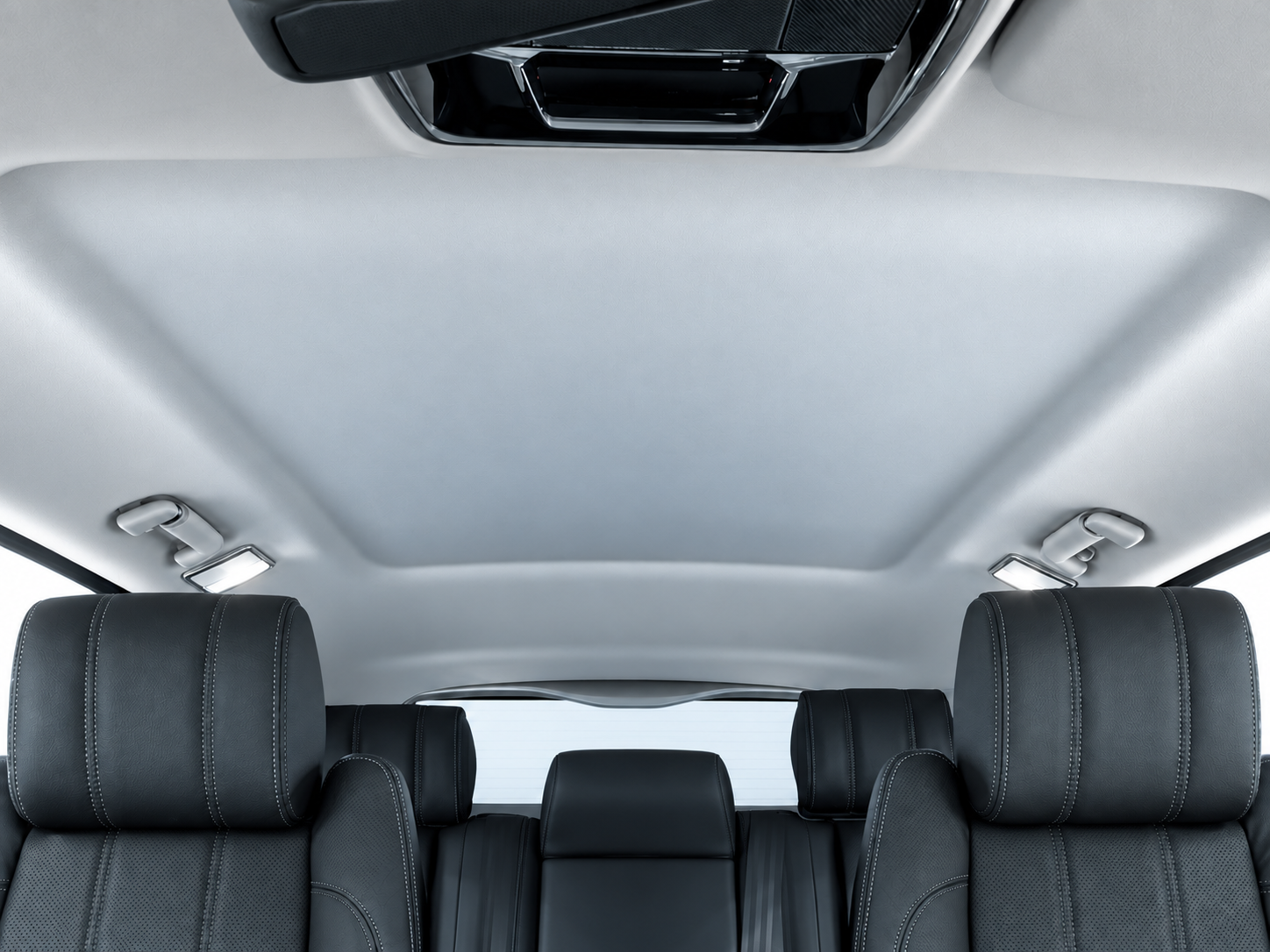
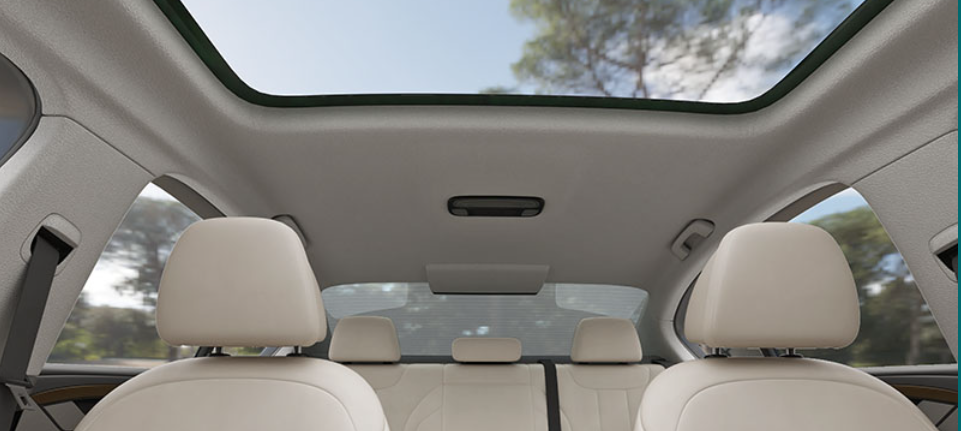
Box Foaming solution for automotive headliner blanks: low-pressure metering, dynamic mixing, box pouring, free rise, curing and slicing before forming.
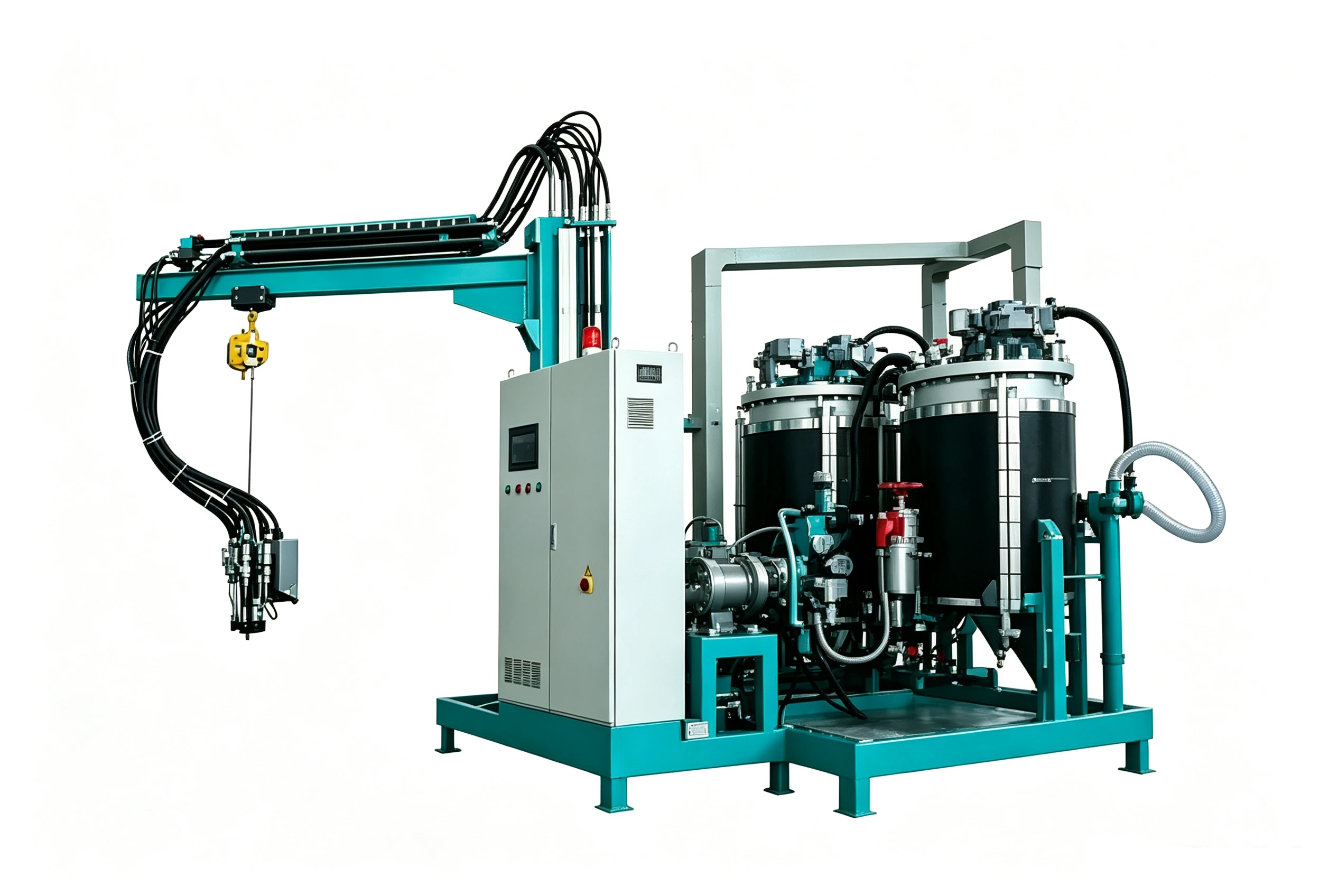
Haifeng provides a turnkey integral skin PU molding solution for steering wheels, delivering Class-A in-mold finishes and -40°C to 120°C all-weather grip durability.
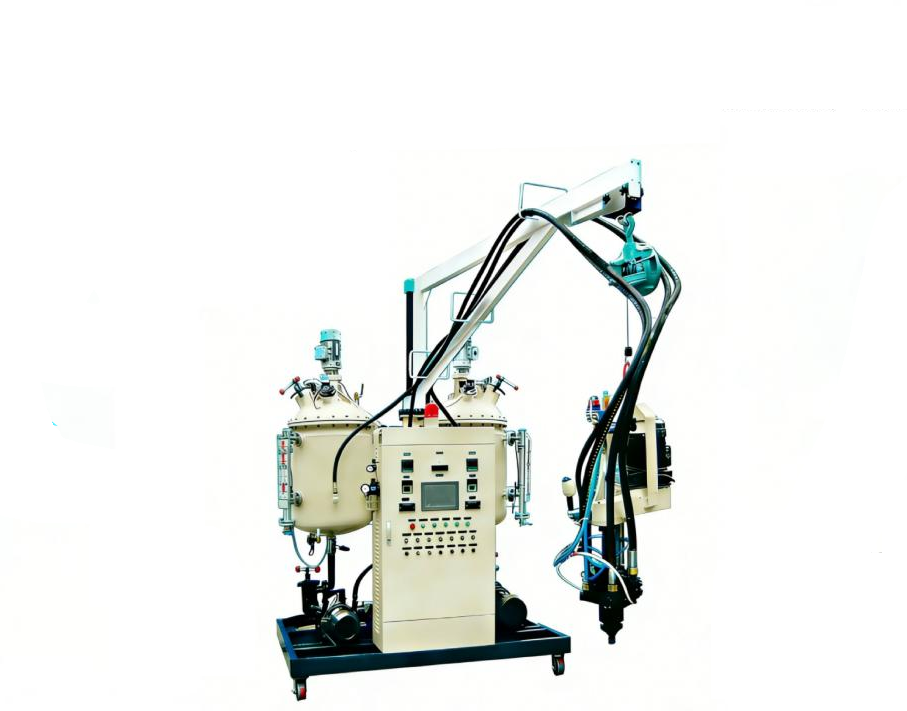
PU dashboard backfoaming with metered dispensing, mold positioning and inspection configured for the skin, substrate and cavity geometry.
Haifeng delivers an automated LFI solution for large RV roof canopies, cutting weight by 40% with seamless one-piece all-weather stability.
Haifeng delivers a turnkey RIM molding solution for automotive spoilers, reducing tooling Capex by 55% with zero sink marks and 180s cycle times.
Haifeng delivers a turnkey polyurethane foaming solution for automotive carpets, providing 120–140 kg/m³ acoustic backing with zero edge-crush defects.
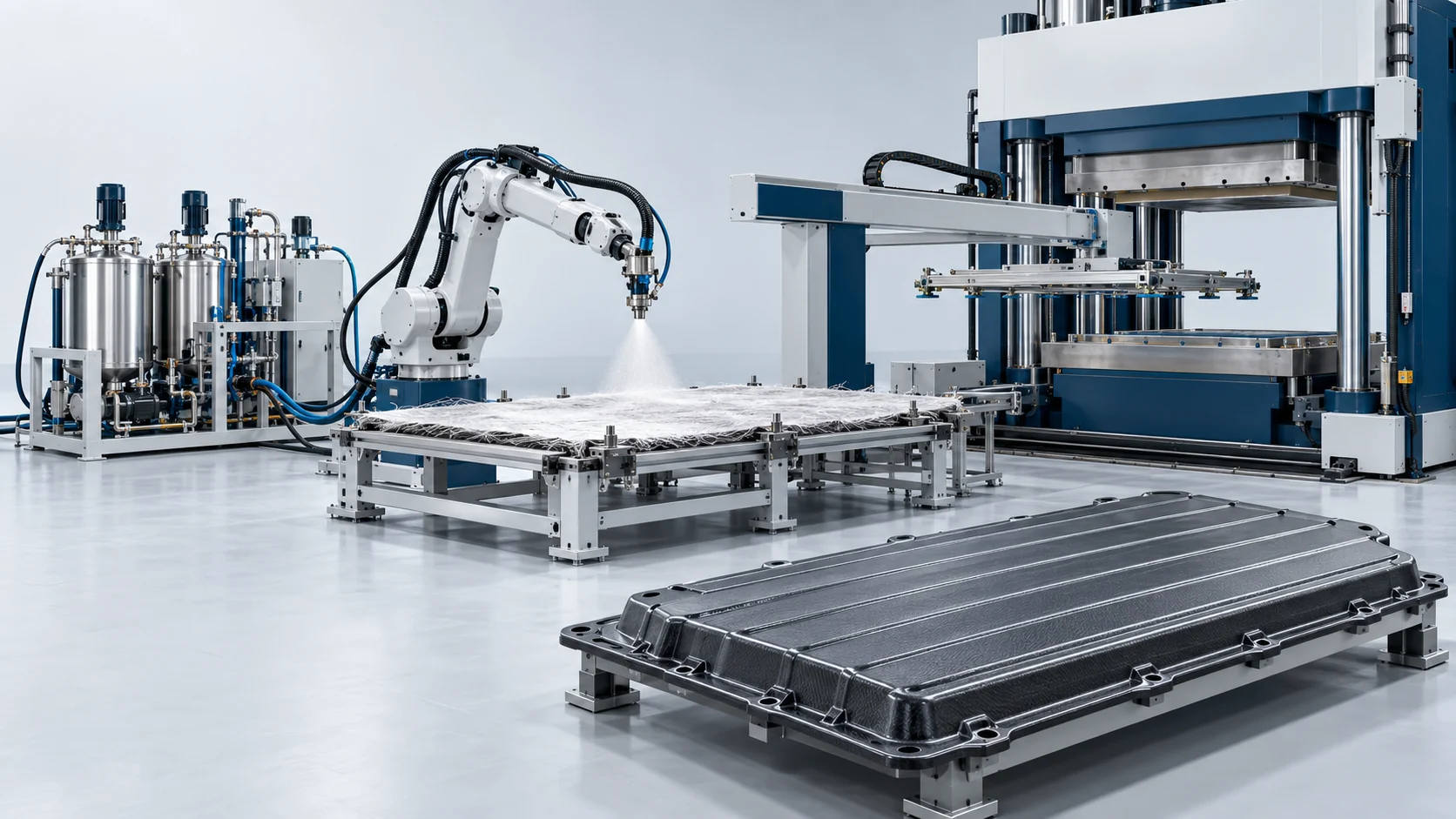
Spraying Transforming Molding (STM) for EV battery covers: PU spray, glass-fiber reinforcement, robotic transfer, 500-ton compression molding and pack validation.
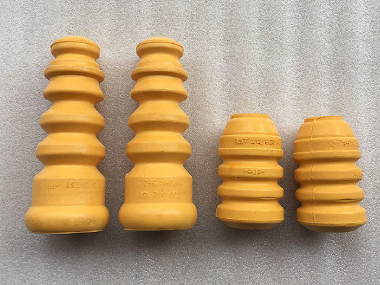
Haifeng delivers a turnkey microcellular elastomer molding solution for chassis NVH jounce bumpers, providing high volumetric compressibility and dynamic fatigue life.
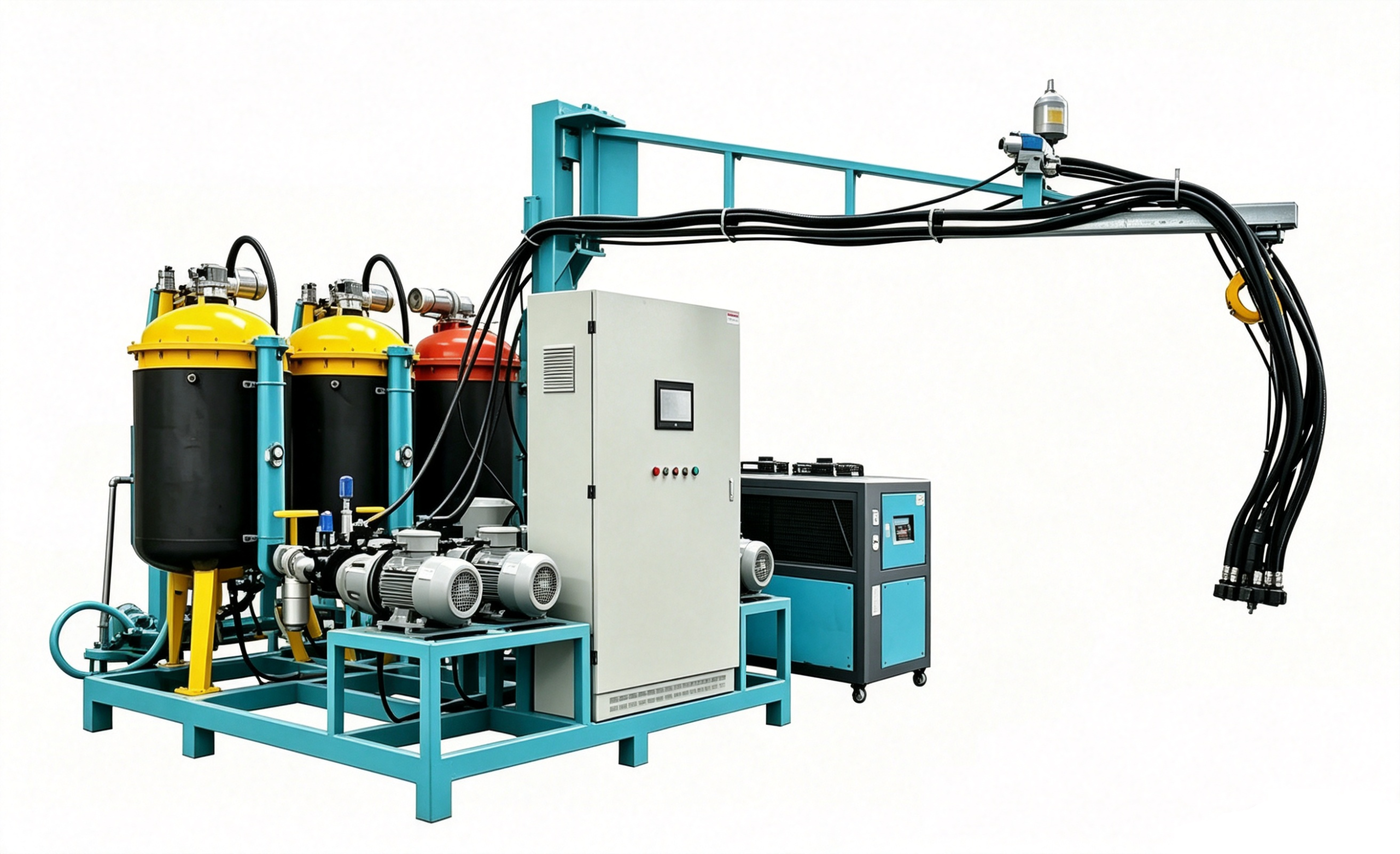
Haifeng provides a turnkey multi-stream PU foaming line for dual-hardness automotive seats, delivering seamless in-mold zone comfort and fast 180s cycle times.
Automotive seat and interior foaming, integral-skin molding, RIM/LFI and structural composite molding use different configurations. Plan material delivery, tooling, forming and inspection for the chosen component.
Provide the seat, headrest, interior trim, damping part or structural composite drawing and the required material and acceptance tests.
Prepare PU components or the specified resin and reinforcement; define temperature, supply and conditioning around the selected formulation.
Arrange molds, inserts, skins or fiber preforms and coordinate clamping, release and any required vacuum.
Use the selected pouring, injection, RIM/LFI or composite molding route. Match shot size, mixing and handling to the component.
Establish material-specific residence time and tool temperature, then coordinate part removal without treating one component cycle as a universal line rating.
Trim and inspect the part, retain process records and conduct the applicable comfort, adhesion, durability or structural tests.
Review PU metering and foaming machines for seats, headrests, carpets, dashboards and damping parts alongside separate RIM/LFI and HP-RTM equipment for the relevant automotive applications. Tooling and robot interfaces are specified for each component.
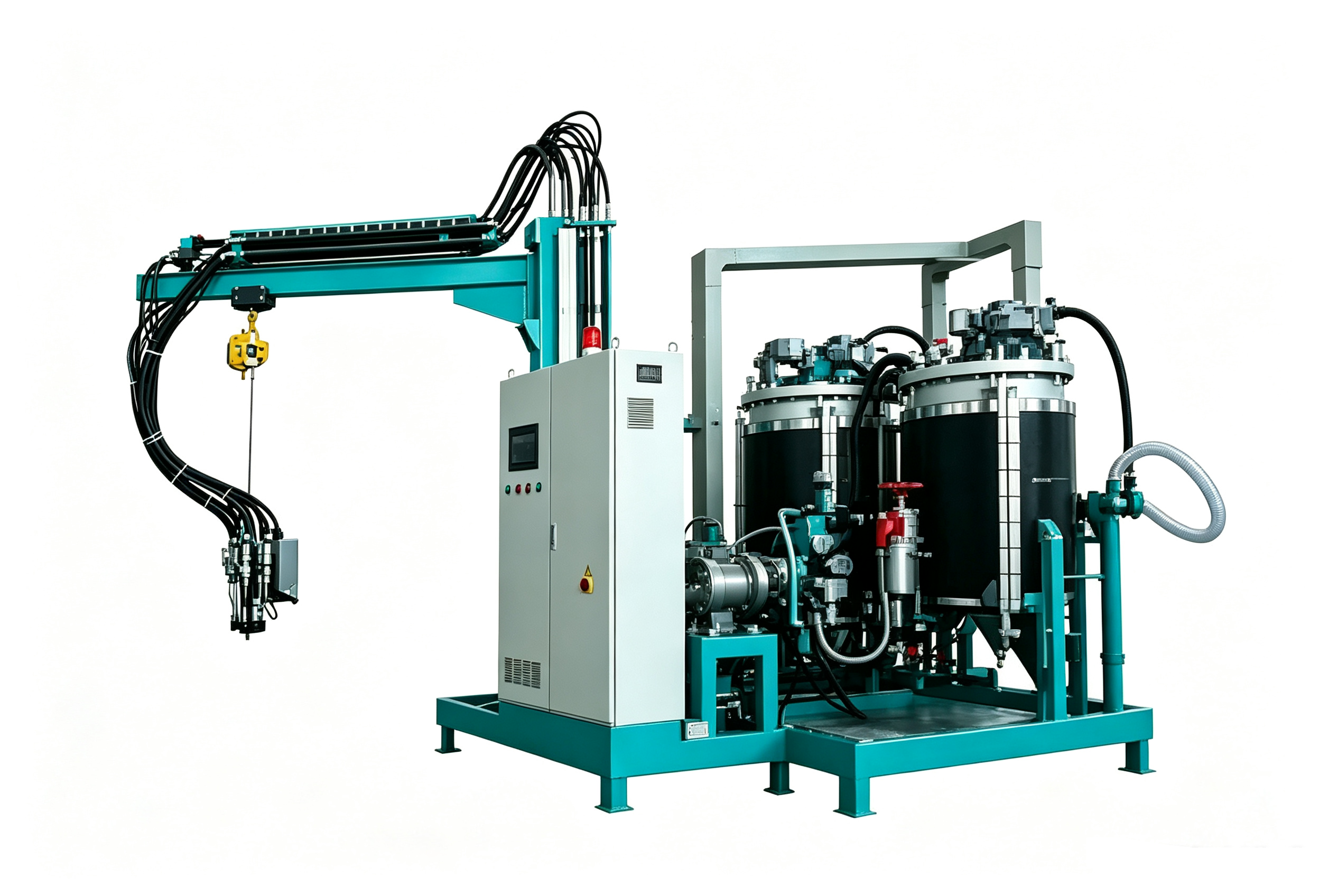
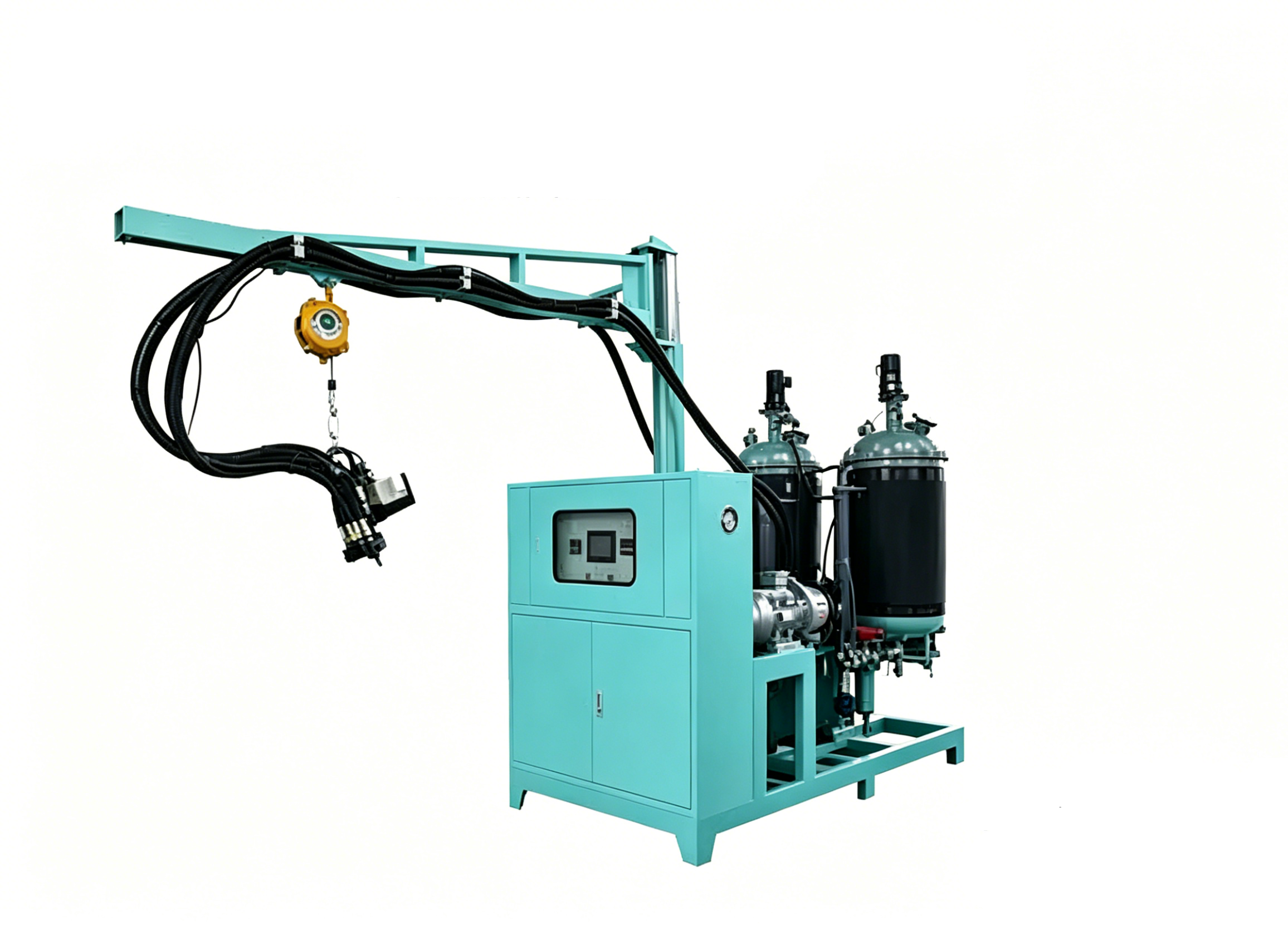
High-Pressure PU Foaming Machine for Headrests. Review equipment functions, material requirements and configuration options for your production process.
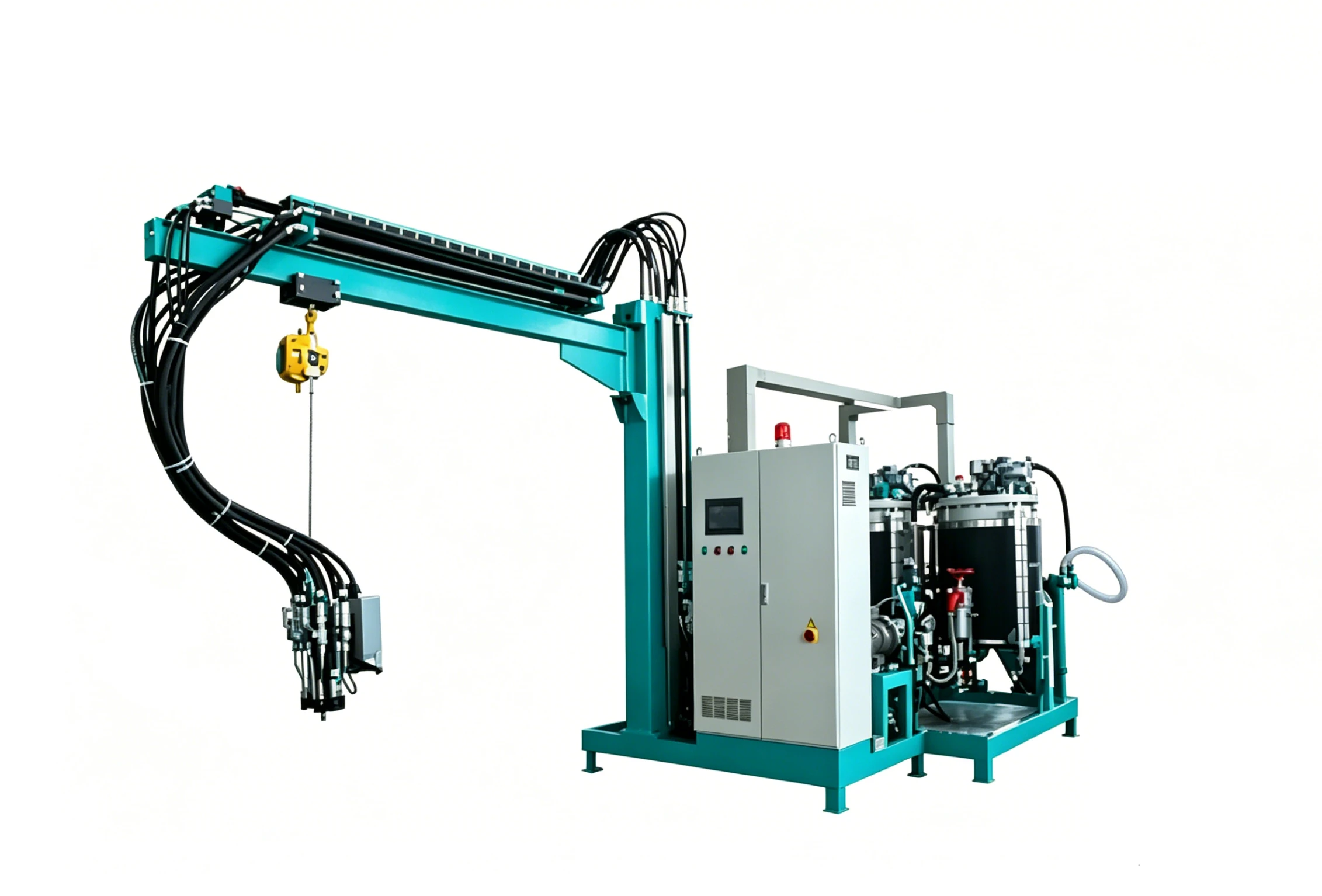
High-Pressure PU Foaming Machine for Car Seat Cushions. Review equipment functions, material requirements and configuration options for your production process.
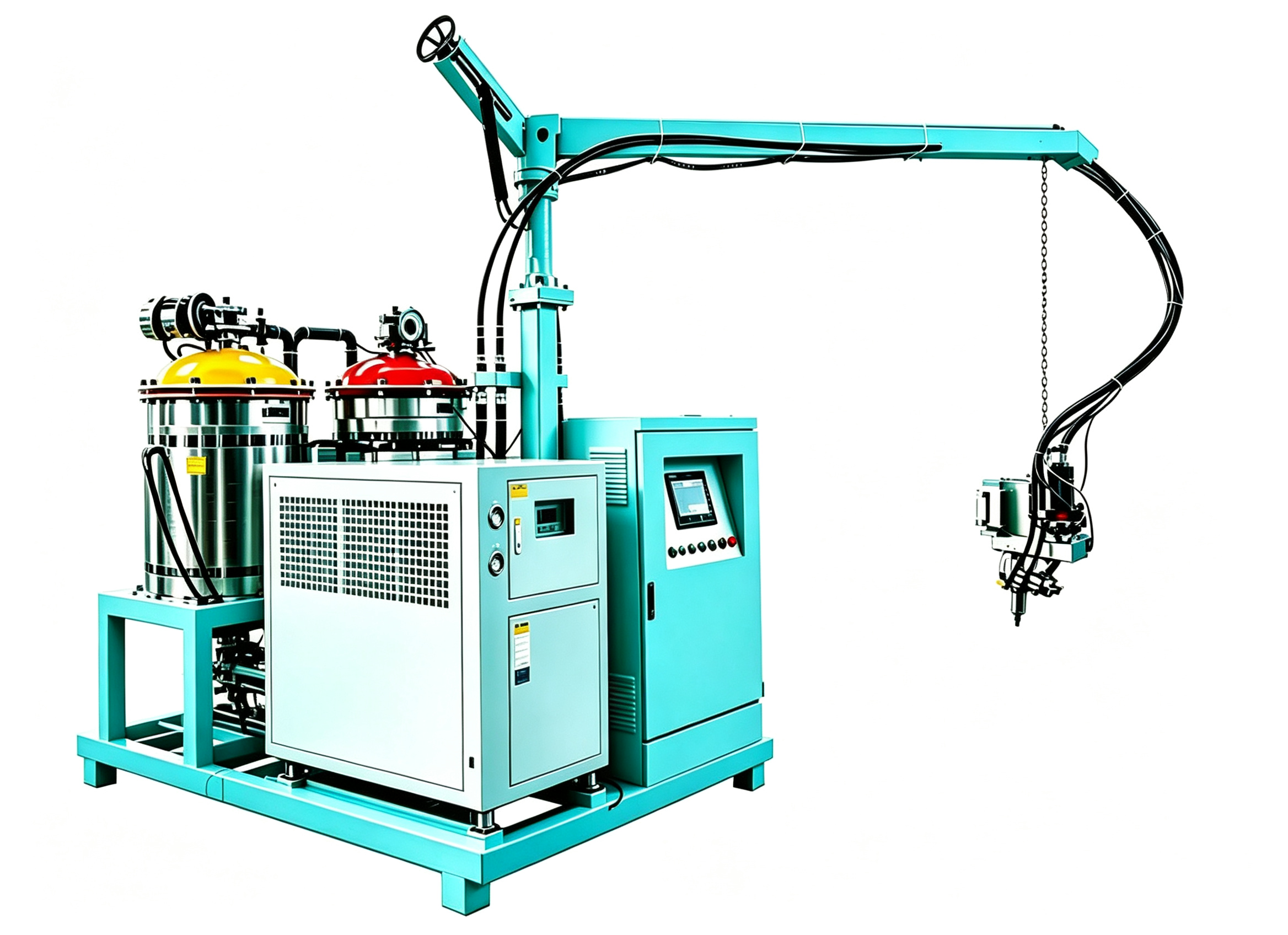
Low-Pressure PU Foaming Machine for Self-Skinning Steering Wheels. Review configuration, material requirements and process interfaces with Haifeng.
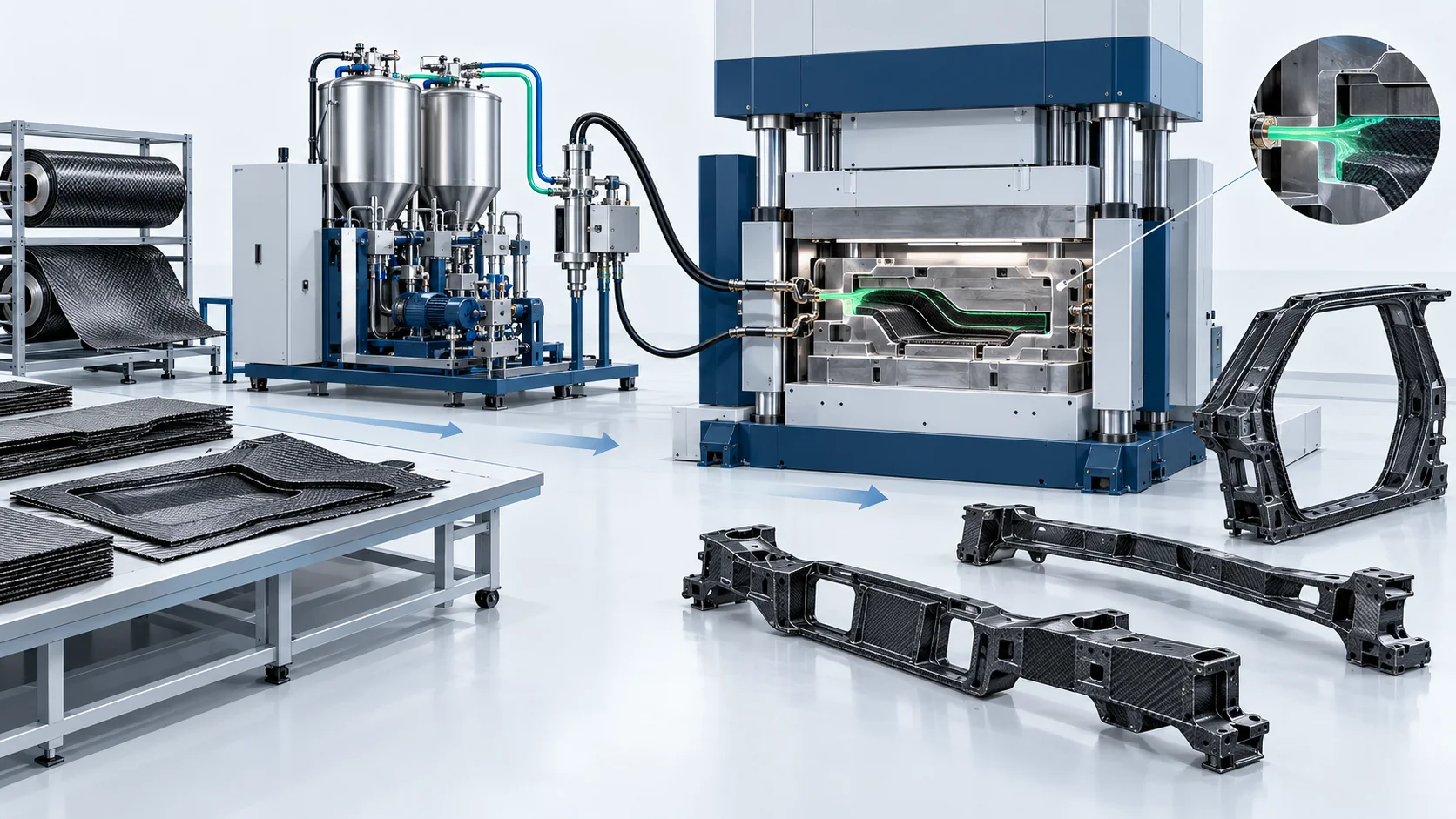
HP-RTM metering and injection equipment for carbon-fiber B-pillars, roof crossmembers and floor beams, integrating ratio control, vacuum-assisted closed tooling and resin-specific cure management.
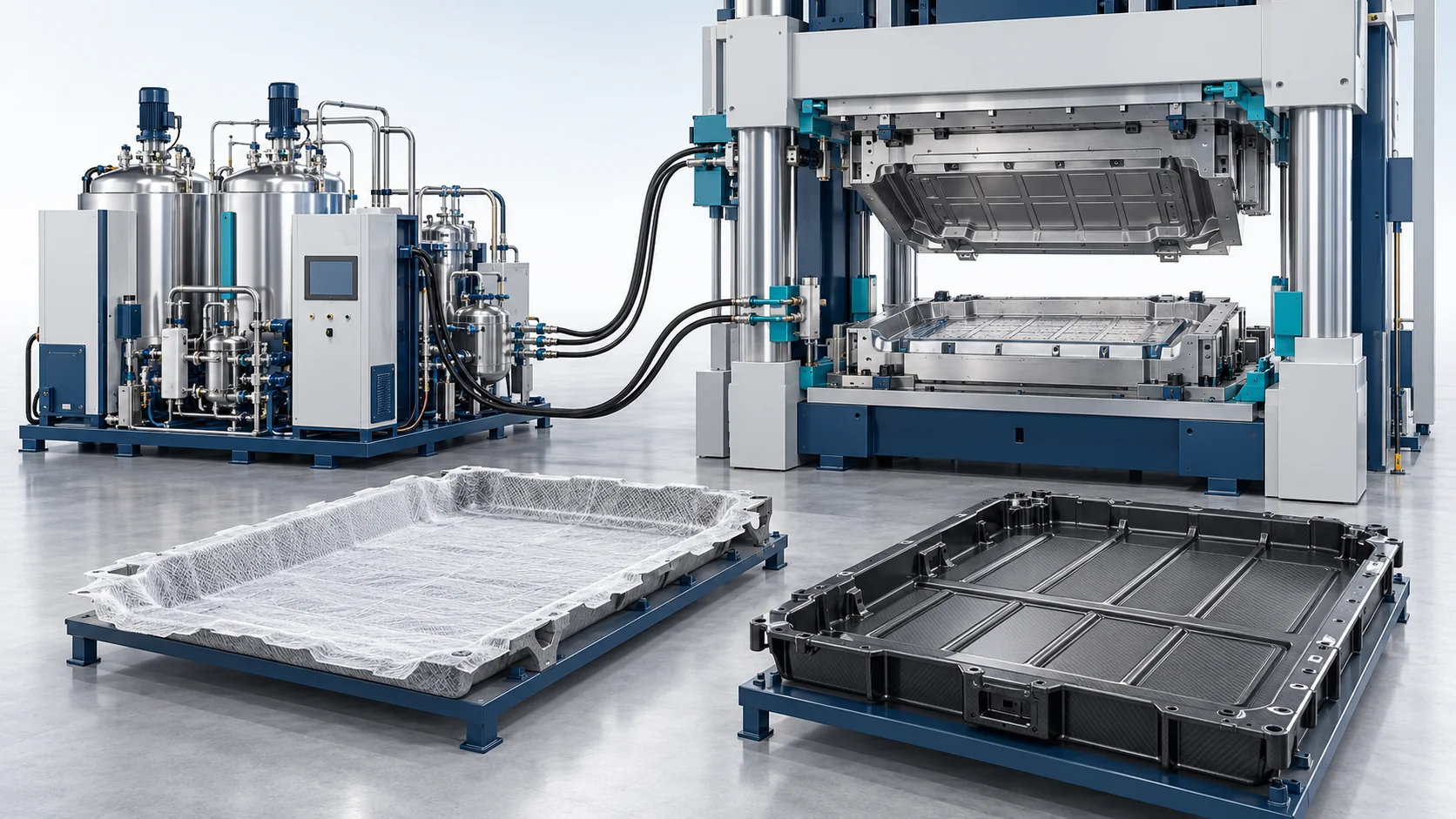
HP-RTM resin injection equipment for composite EV battery lower trays and enclosures, combining higher-output metering, coordinated gate control, vacuum tooling and large-mold thermal management.
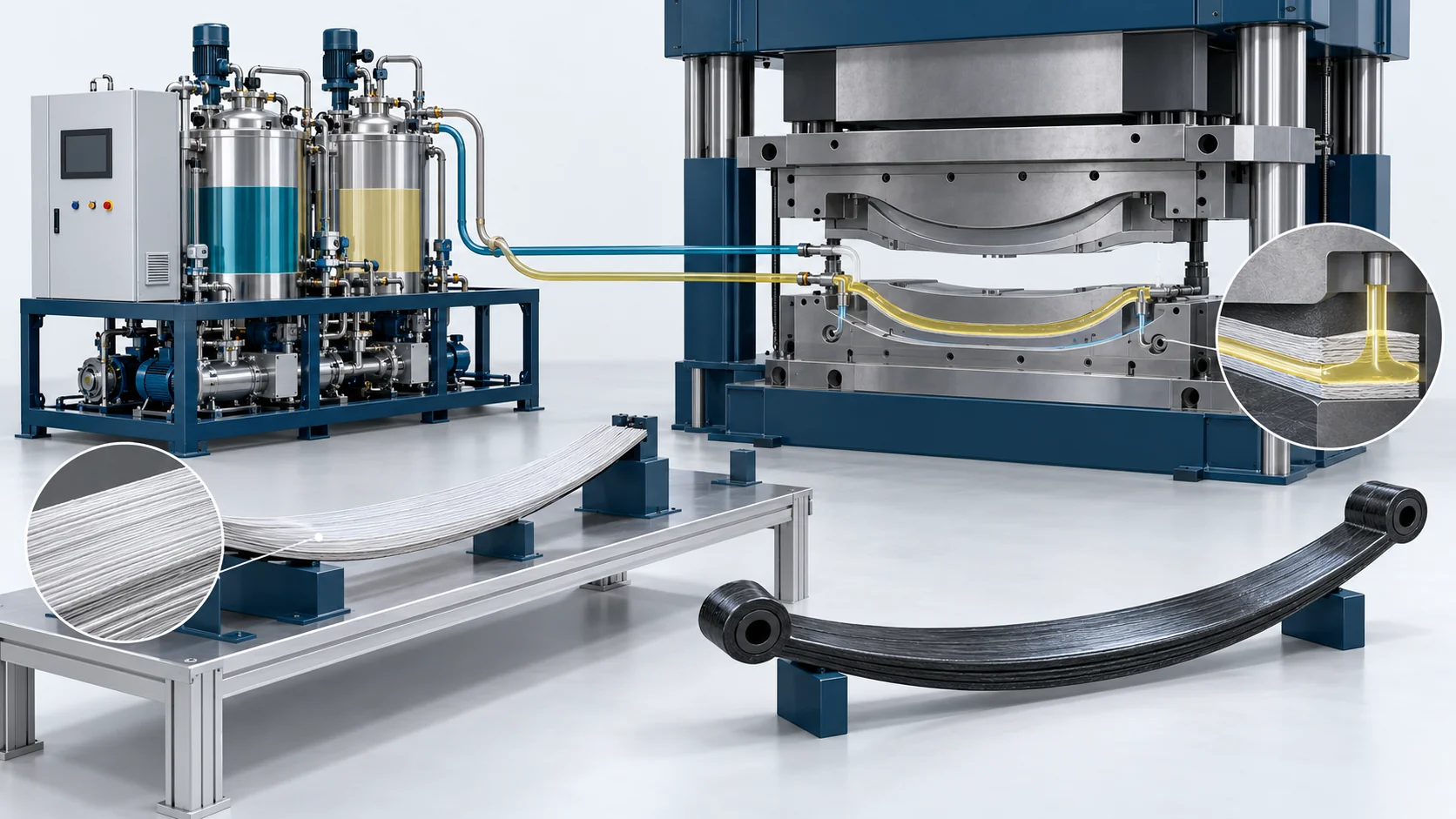
HP-RTM resin metering and injection equipment for composite suspension leaf springs, configured for thick unidirectional glass-fiber preforms, mold vacuum and multi-zone thermal control.
Configured PU RIM delivery for automotive parts, with selected filler or reinforcement, tooling and material-processing interfaces.
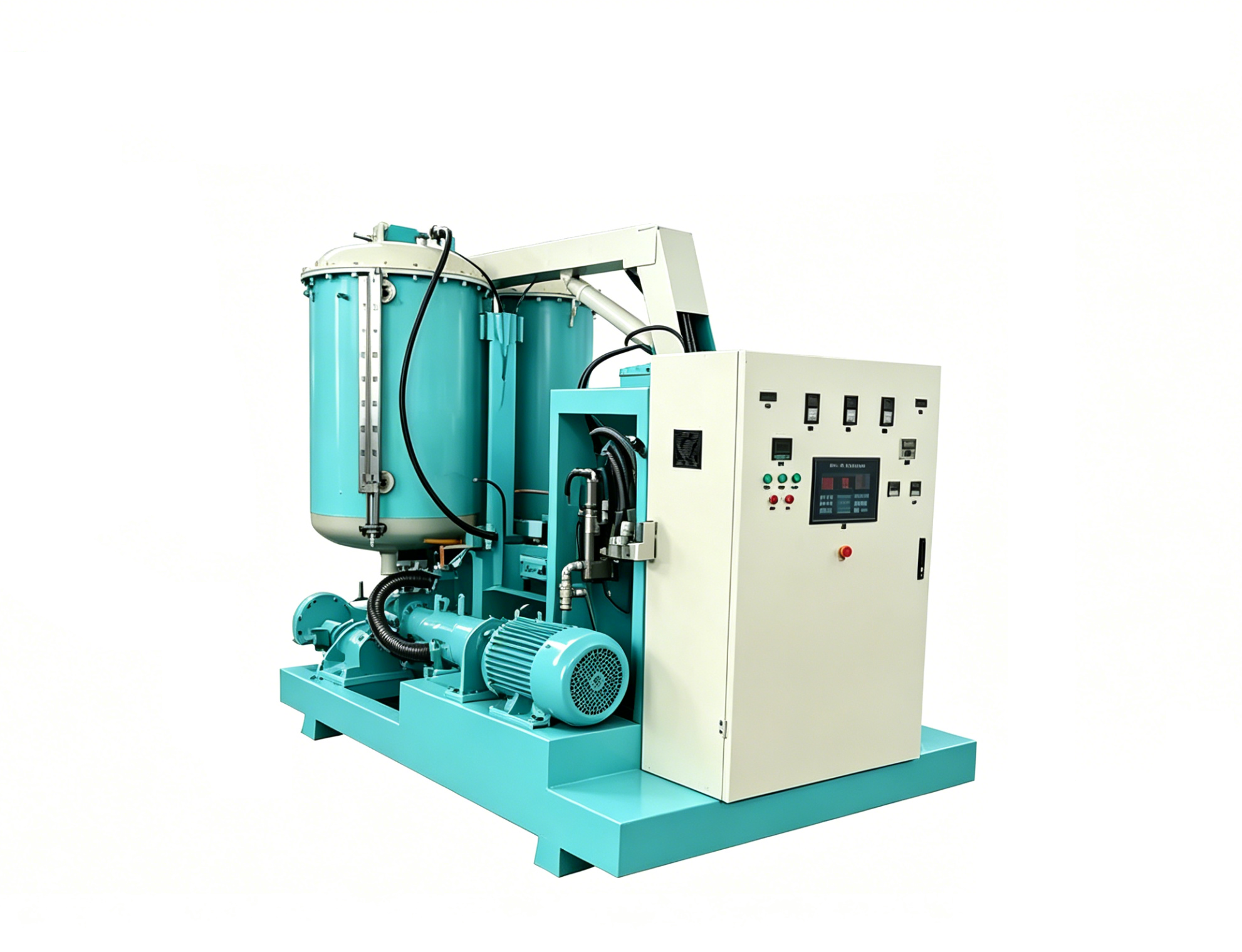
RIM material preparation, metering and mixing for PU parts, with filler, reinforcement and tooling interfaces defined for the formulation.
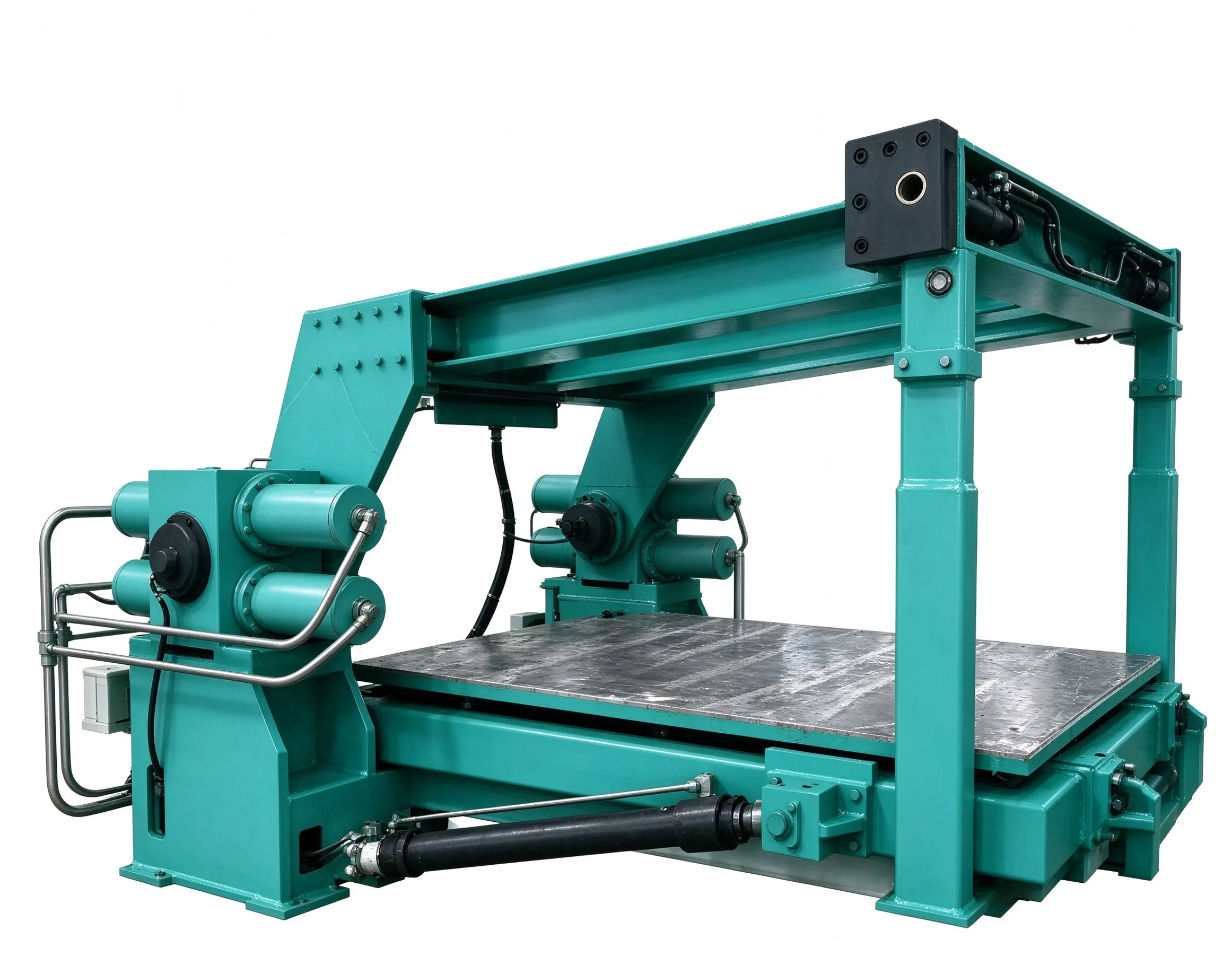
High-Pressure PU Foaming Machine for Automobile Carpets. Review configuration, material requirements and process interfaces with Haifeng.
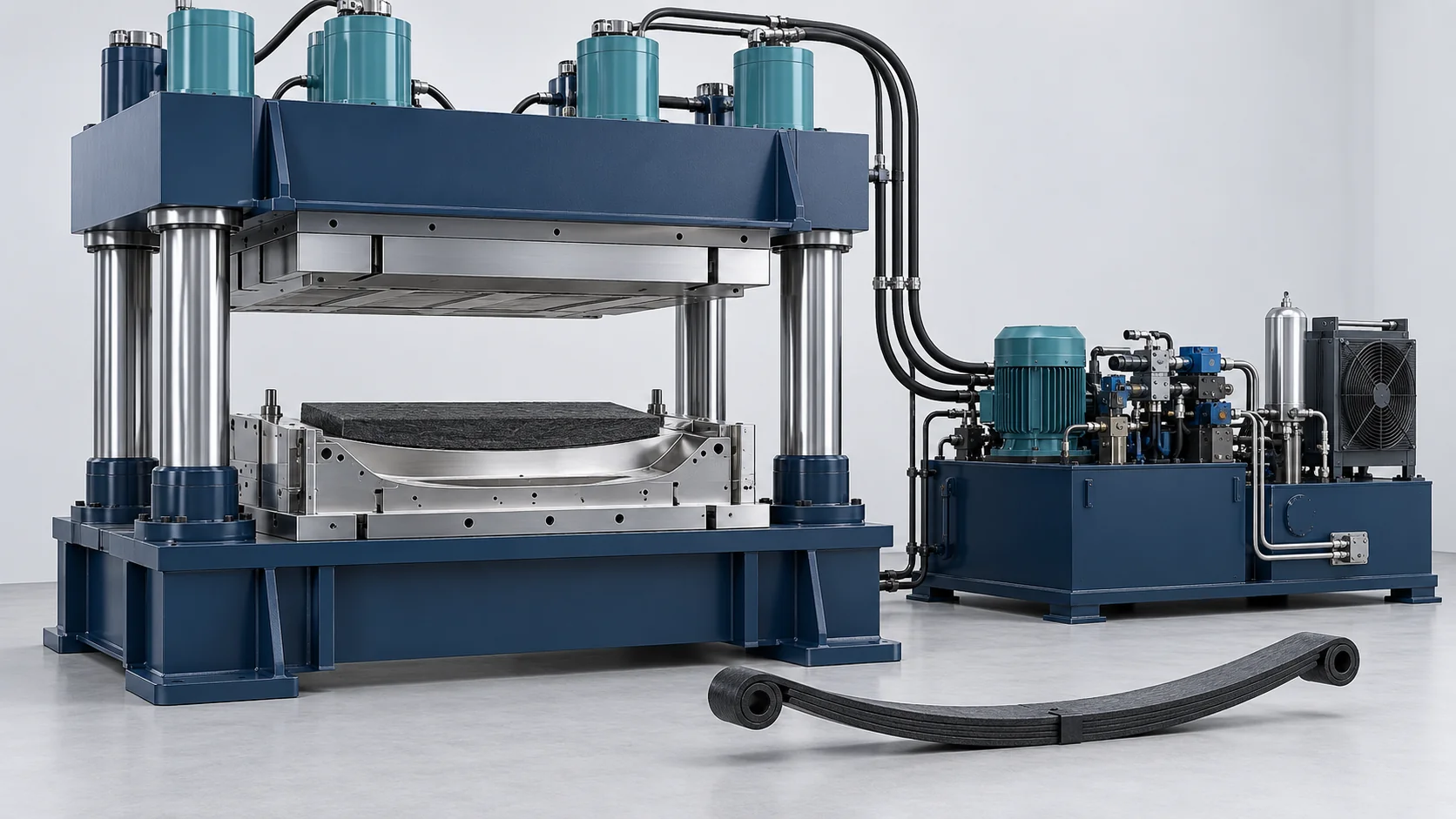
A multi-cylinder hydraulic compression press with active platen leveling for specified composite tooling and solid preforms.
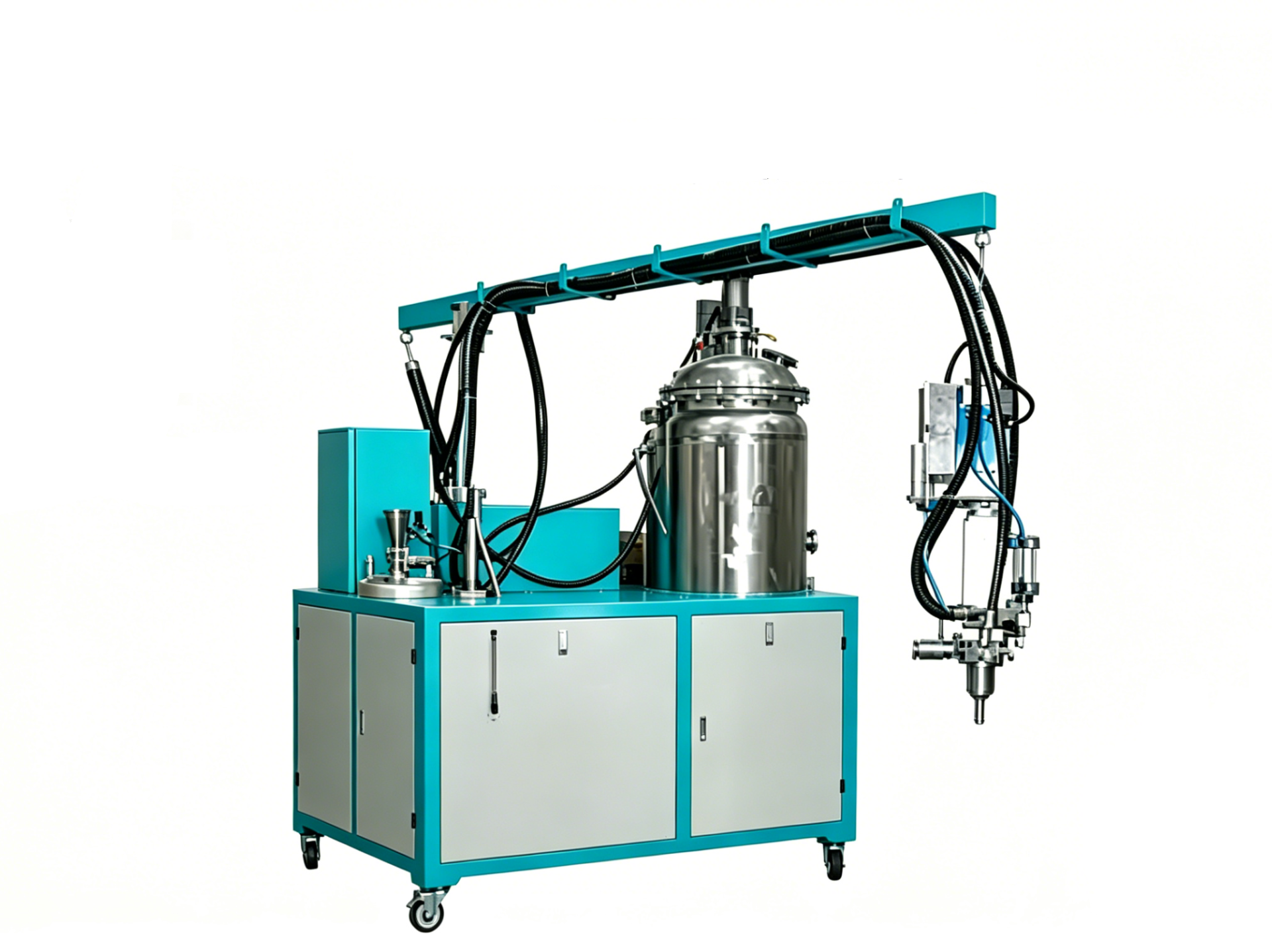
General-purpose PU pouring foaming machine, featuring high-precision metering for uniform cell structure. Suitable for flexible/rigid foams, cushioning, insulation, and diverse molding applications.
High-Pressure PU Foaming Machine for Steering Wheels. Review equipment functions, material requirements and configuration options for your production process.
Low-pressure PU supply for dashboard molding and back-foaming, with material conditioning and skin/carrier interfaces defined for the part.
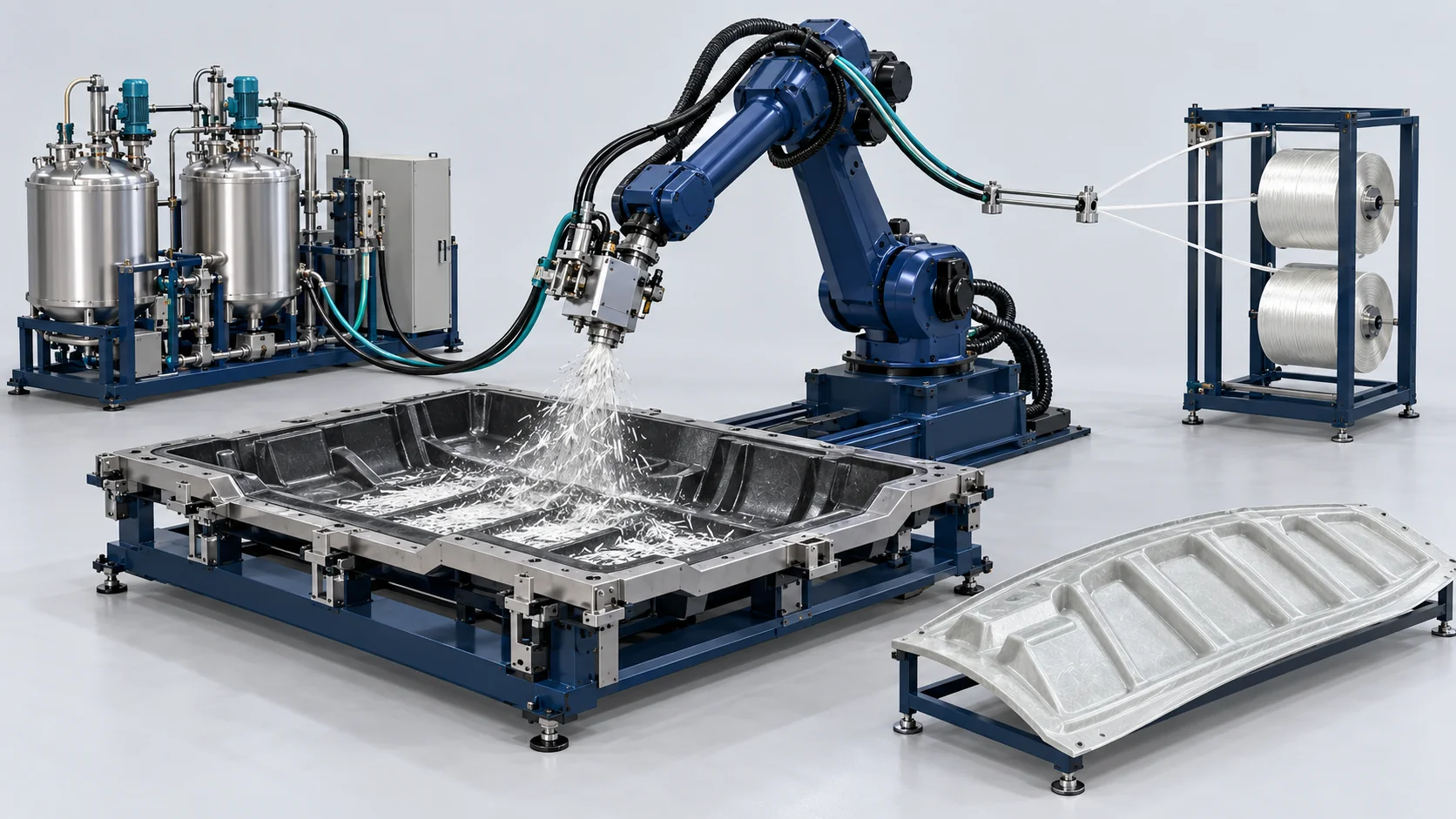
Robotic chopped-fiber deposition and PU delivery for configured LFI applications, with separately defined closed-mold RIM interfaces.
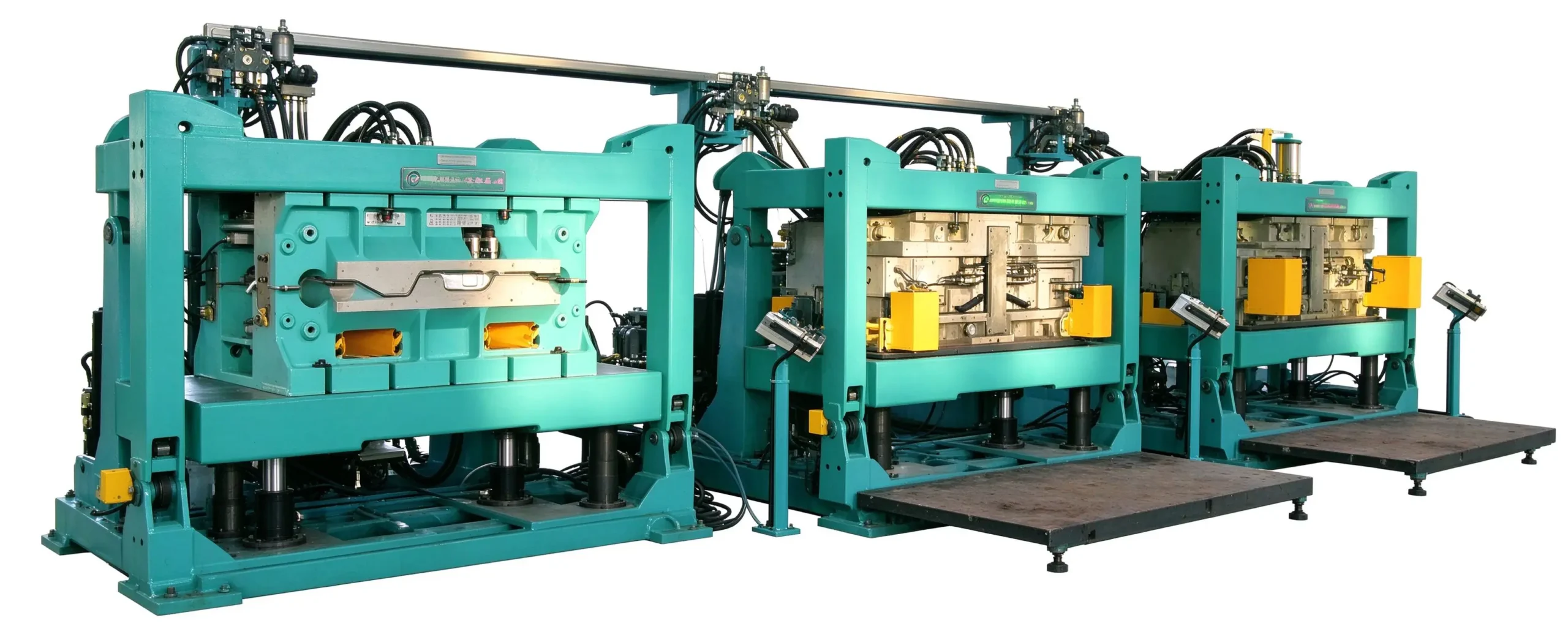
High-pressure PU metering and impingement mixing for automotive acoustic pads, with configured mold carriers and material-specific processing.
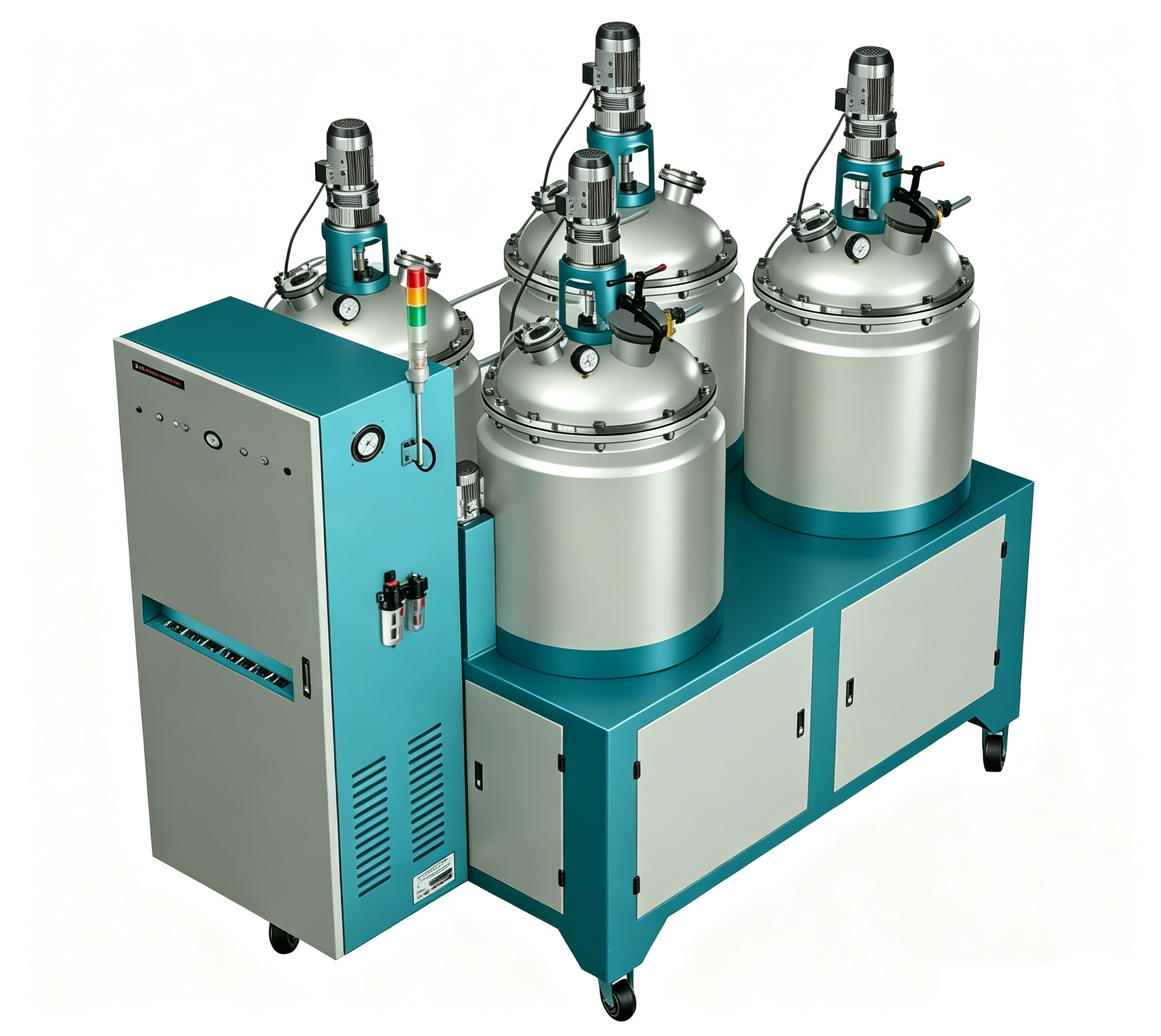
Low-pressure PU preparation, metering and mixing for specified suspension stops, with formulation, tooling and curing conditions reviewed.
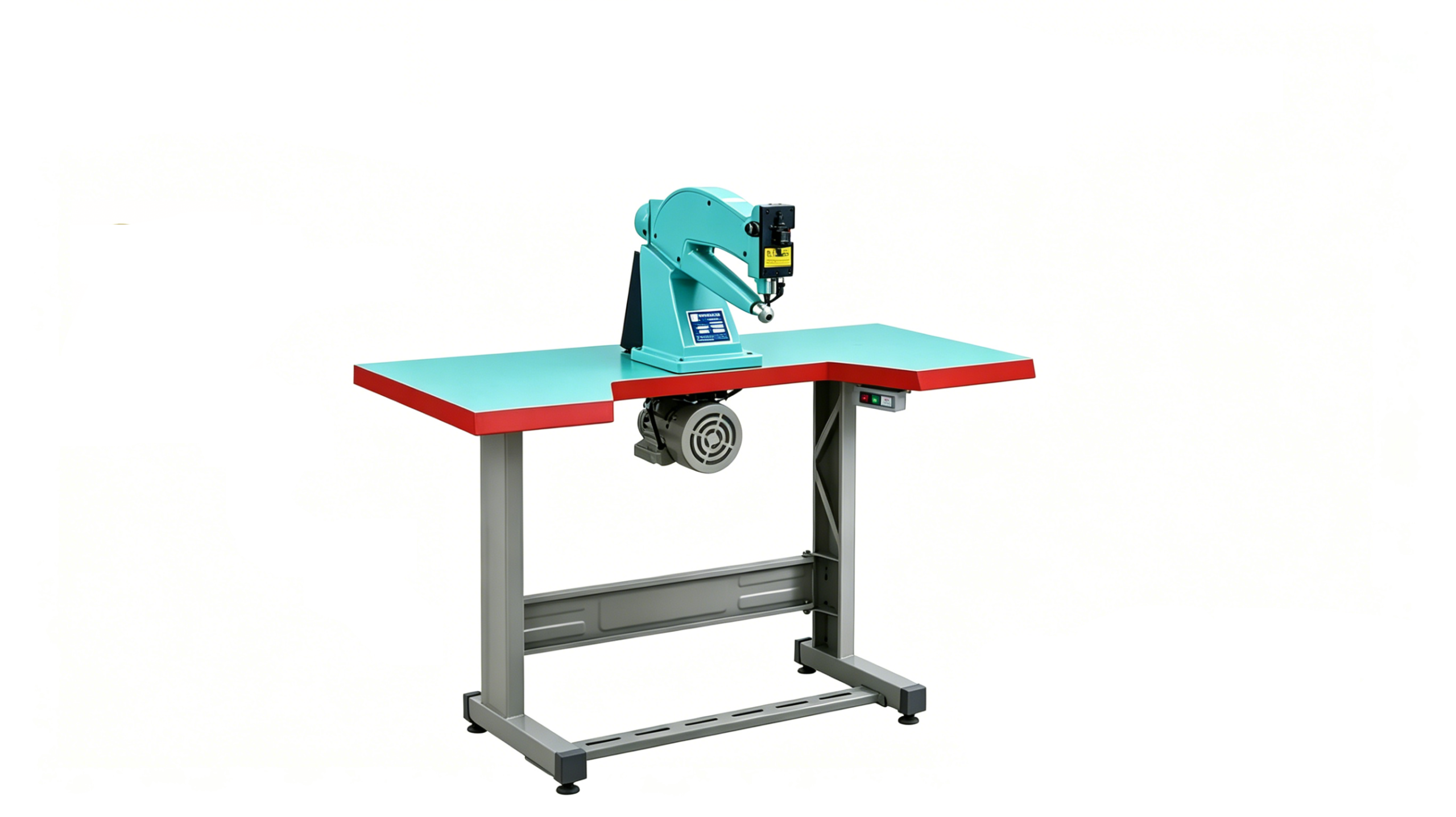
Automatic trimming machine designed for auto buffer block flash removal, delivering high-precision cutting for smooth edges. Ideal for shock absorber blocks and polyurethane elastomer parts finishing.
Explore the published automotive components application and project records selected from this category's solution pages. Each record describes its own material, process and equipment scope; project figures and industry references are not universal machine ratings or independently verified results for a new installation.
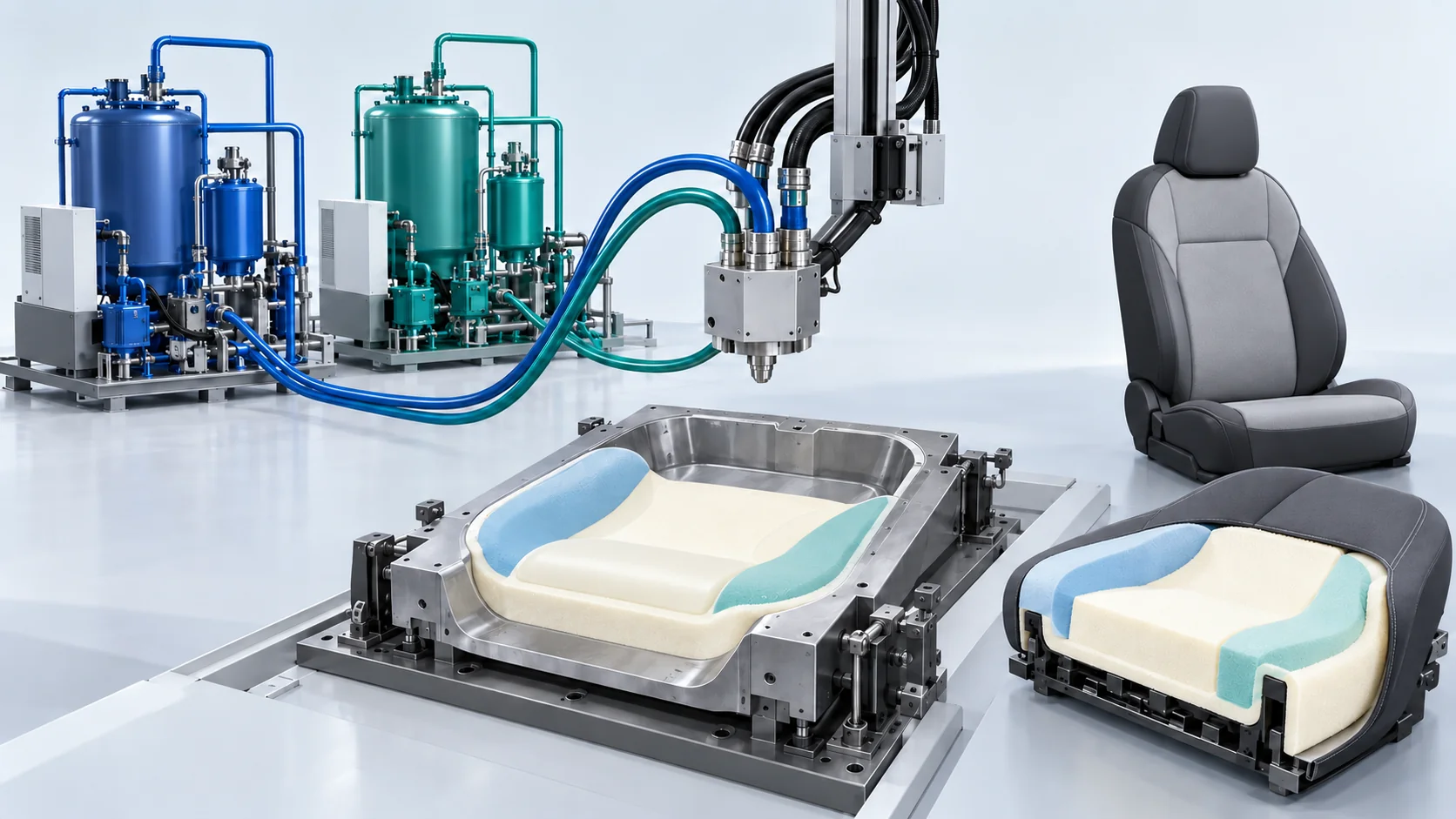
Haifeng delivered an automated multi-stream PU foaming line for dual-hardness automotive seats, achieving 70% resilience and 180s cycle times.
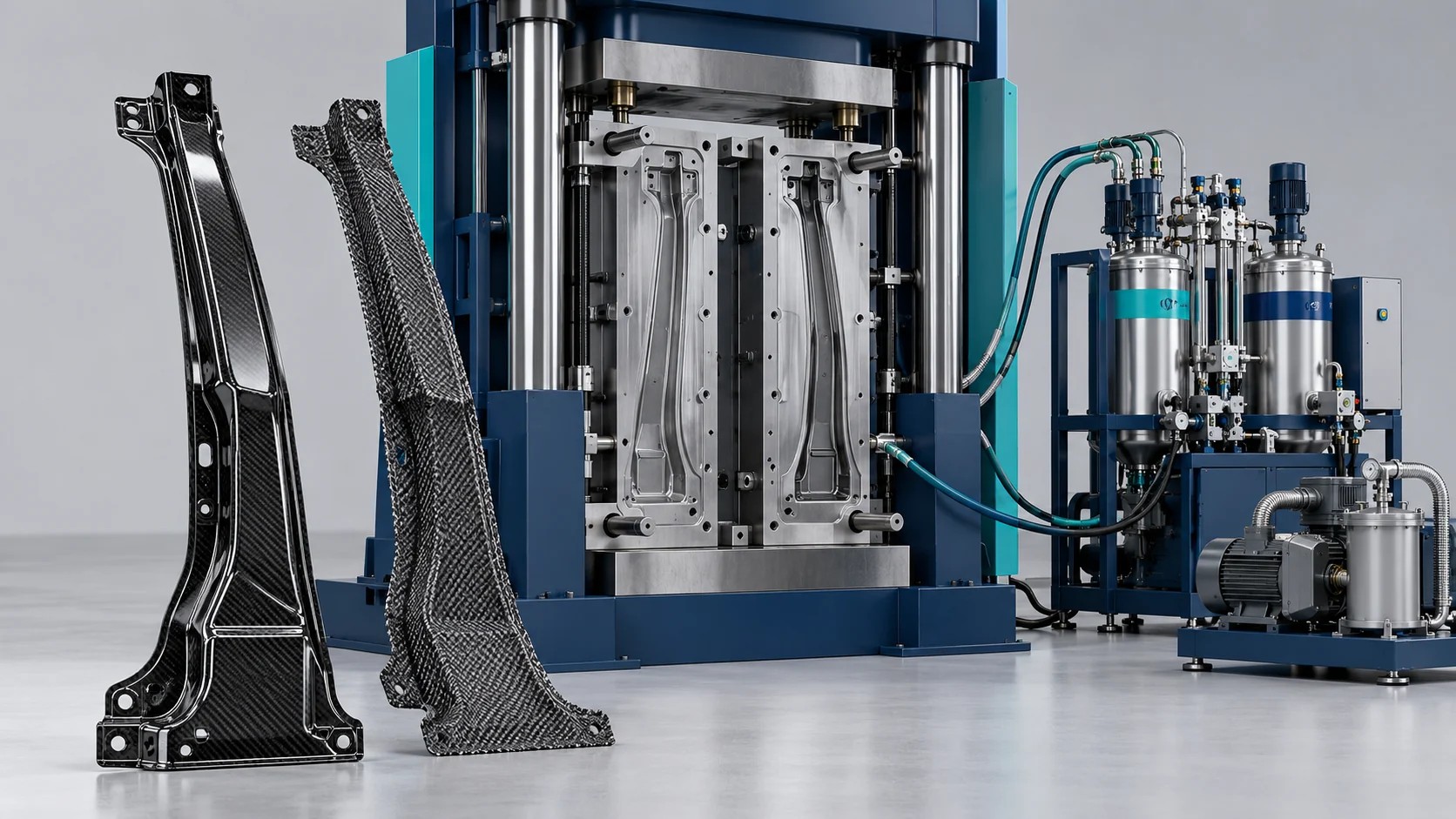
Haifeng delivered an automated HP-RTM line for carbon fiber B-pillars, reducing B-pillar component weight by 60% with a reported 3-minute complete molding/demolding cycle.
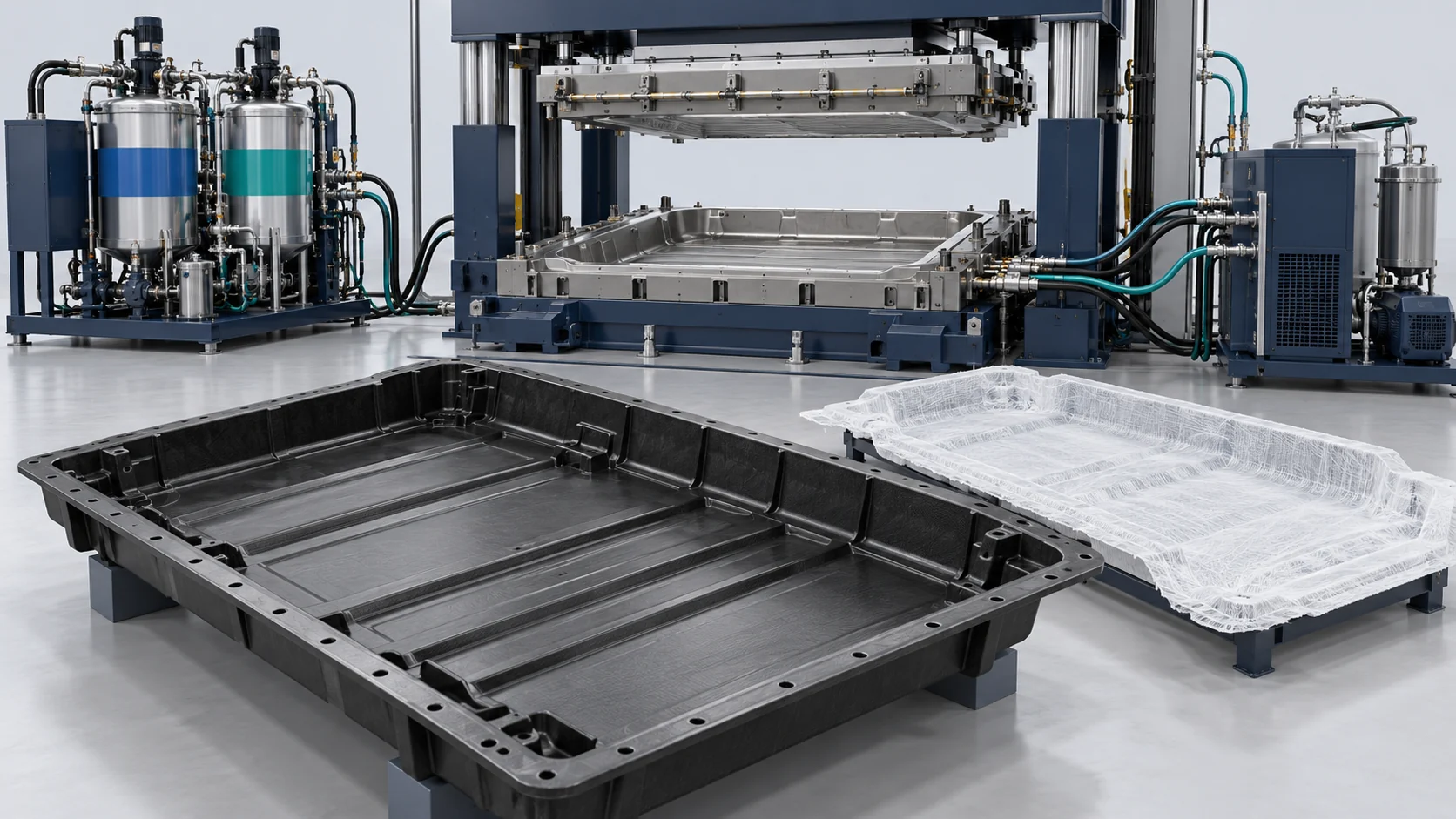
Haifeng engineered an automated HP-RTM system for EV battery enclosures, achieving a 40% weight reduction and robust structural safety with 4-minute cycles.
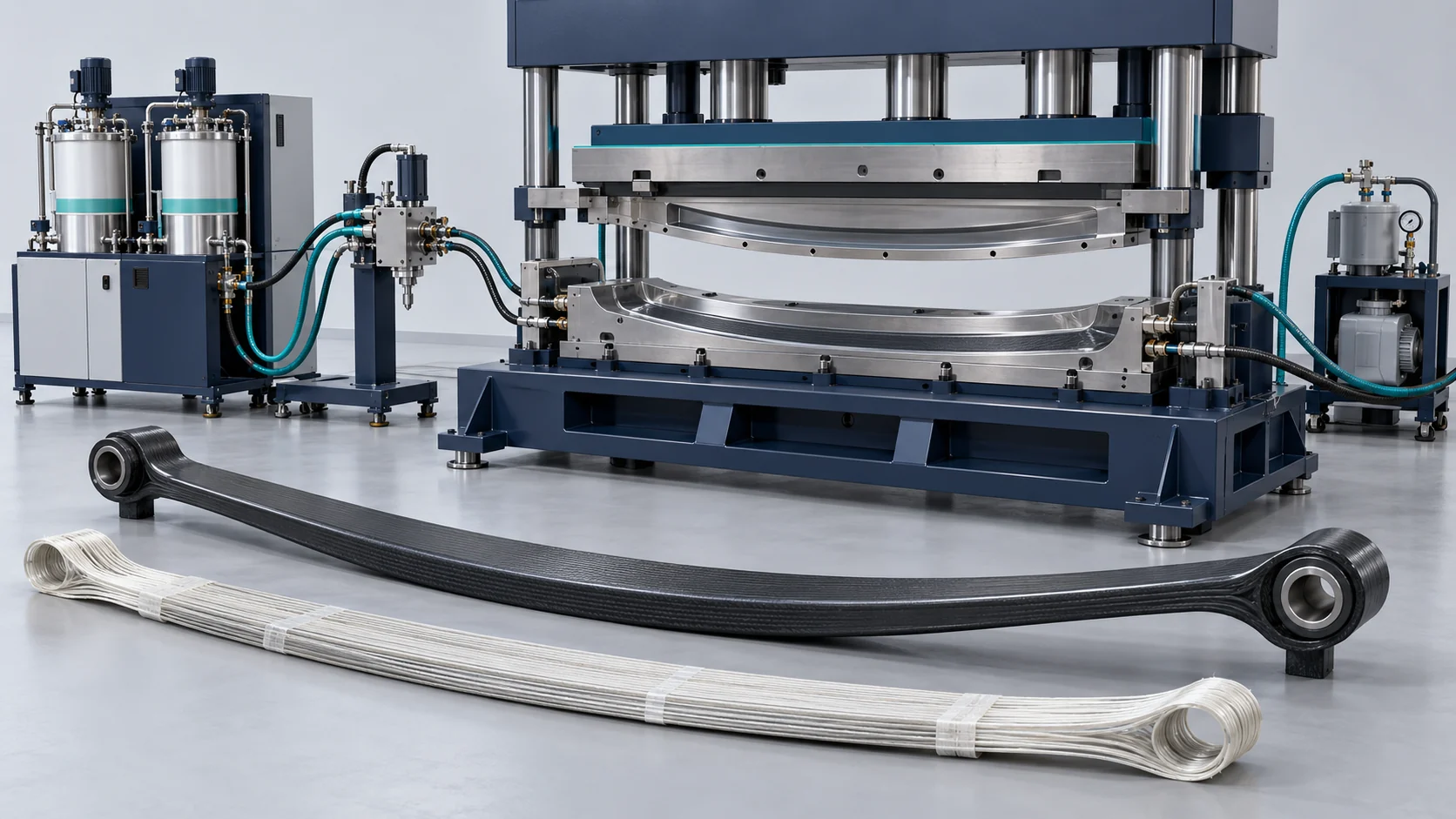
Haifeng commissioned an automated HP-RTM line for composite leaf springs, reducing suspension weight by 65% and passing 1 million dynamic fatigue cycles.
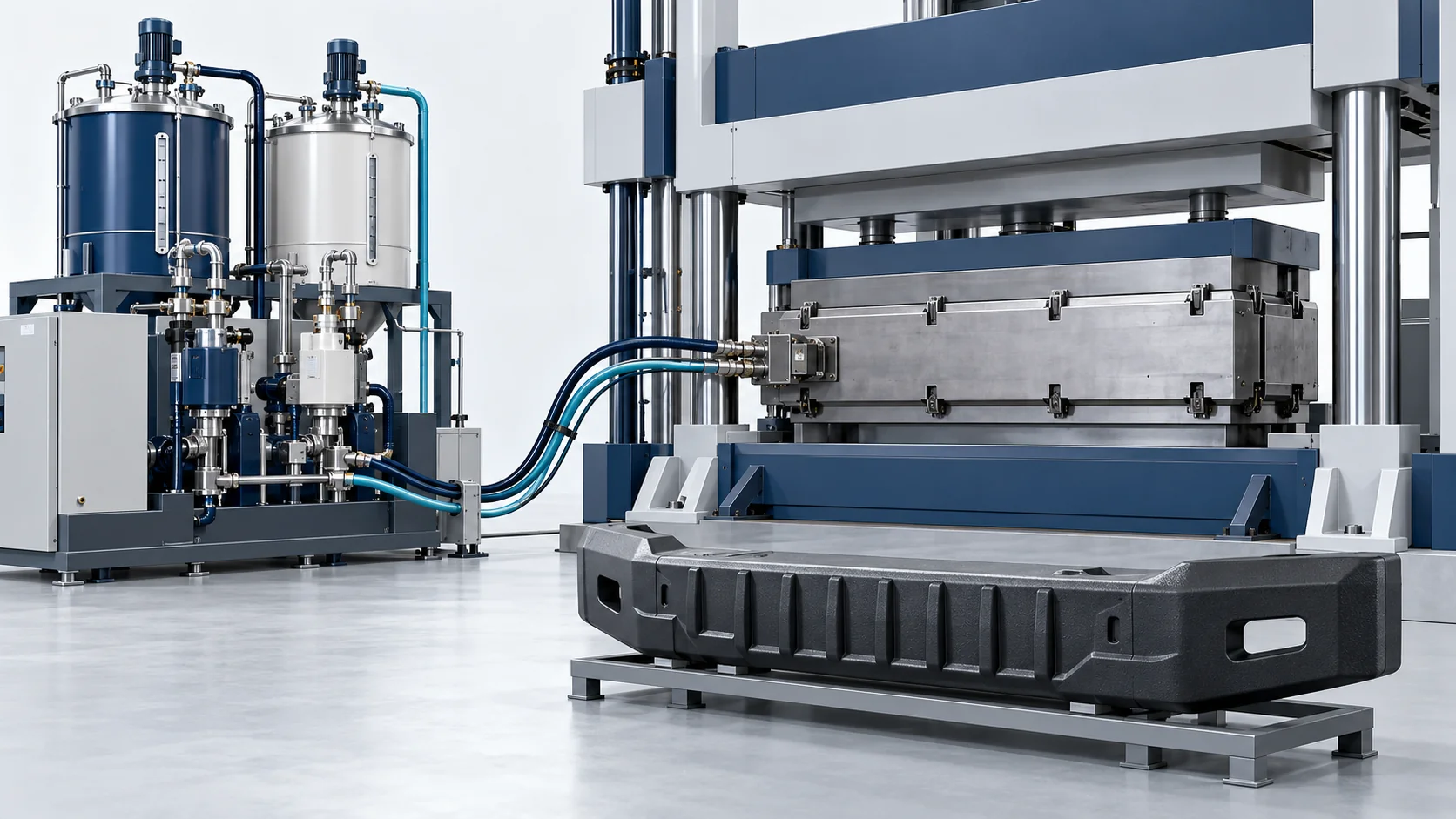
Haifeng delivered a high-output RIM dosing system for heavy truck bumpers, cutting weight by 45% with 100% cold-impact pass rates at -40°C.
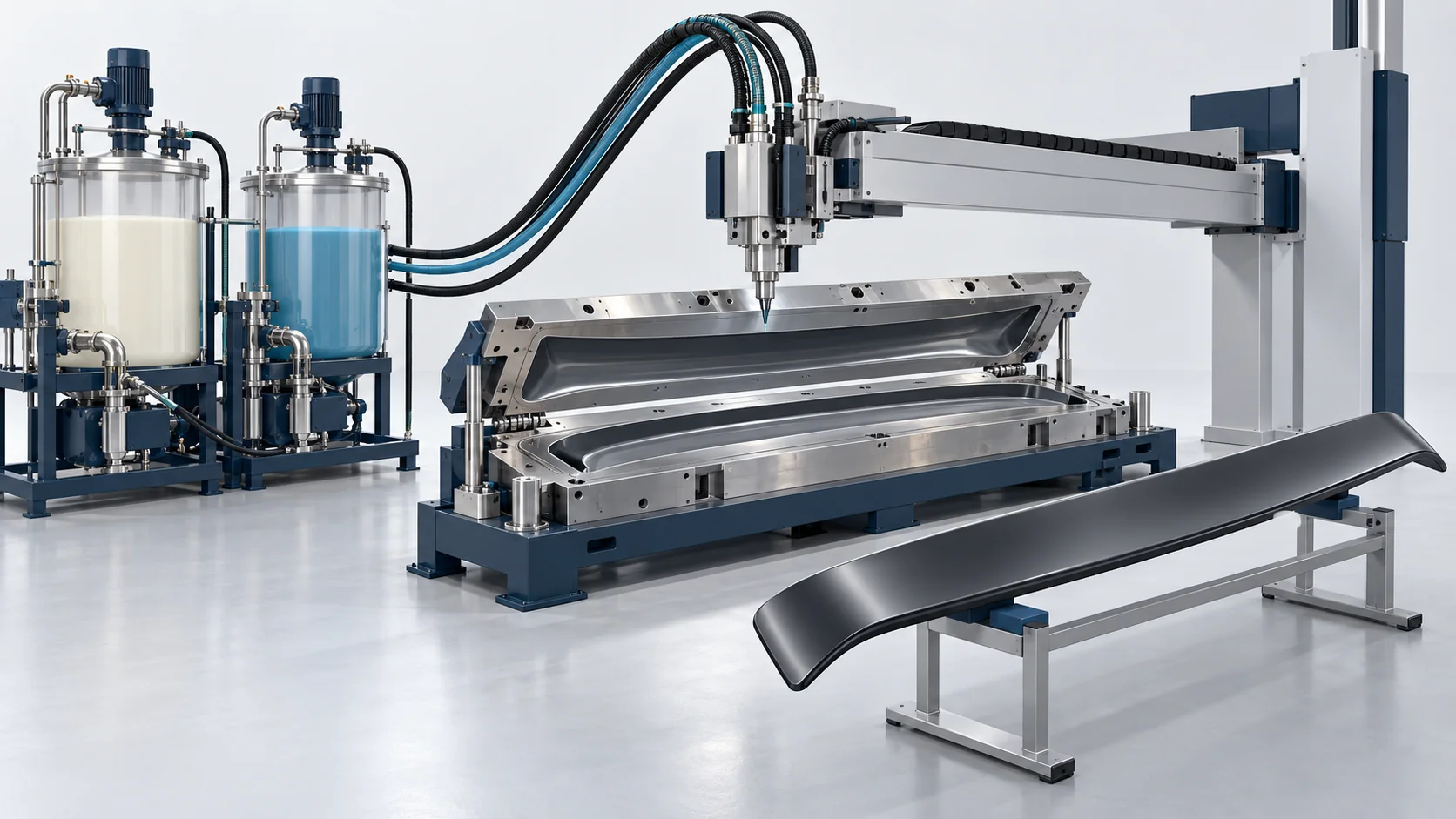
Haifeng delivered a high-pressure RIM dosing system for sedan spoilers, cutting tooling Capex by 55% with zero sink marks and 180s cycle times.
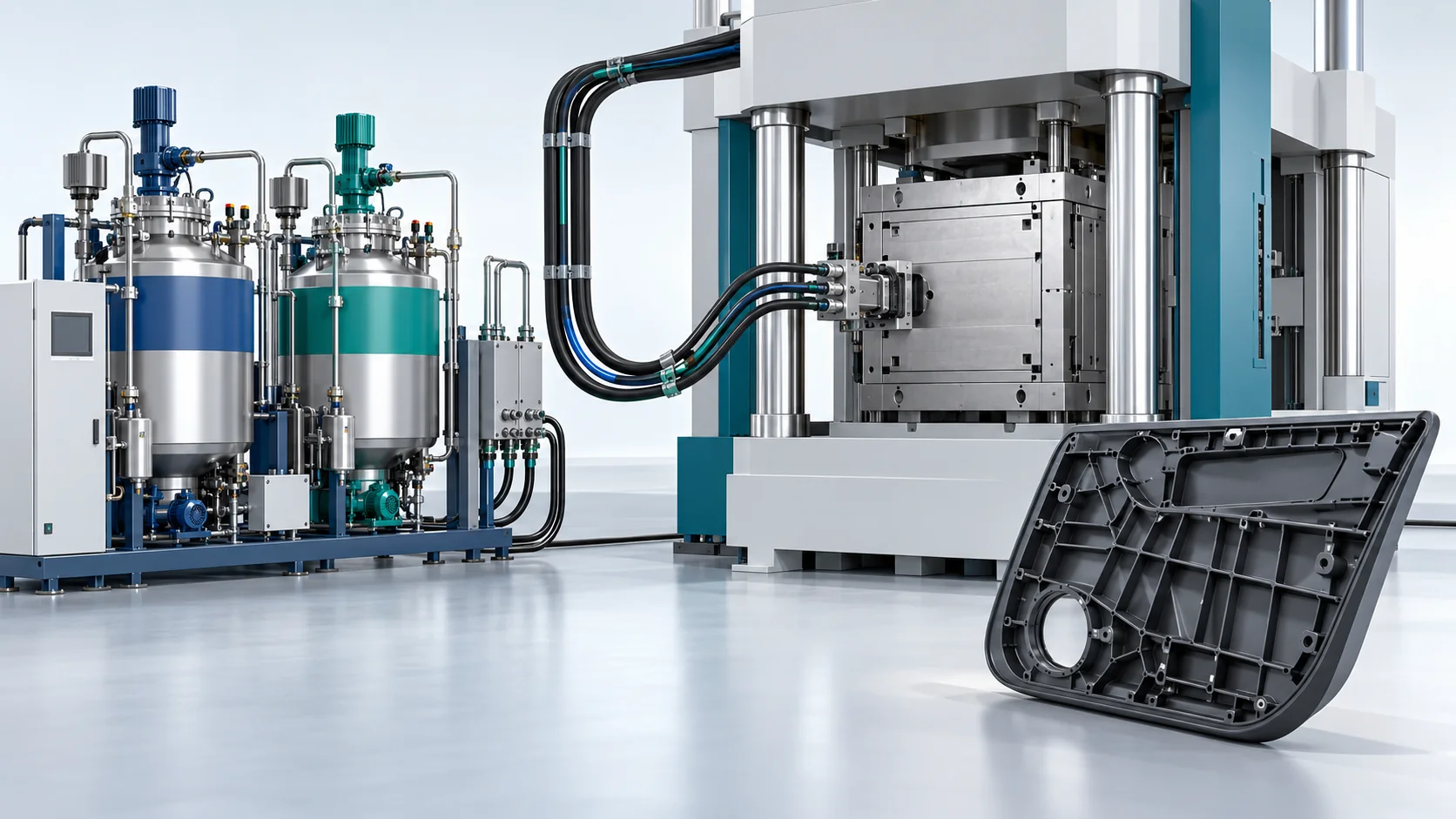
Haifeng delivered a high-pressure RIM dosing system for automotive door panels, cutting substrate weight by 30% with zero surface sink marks.
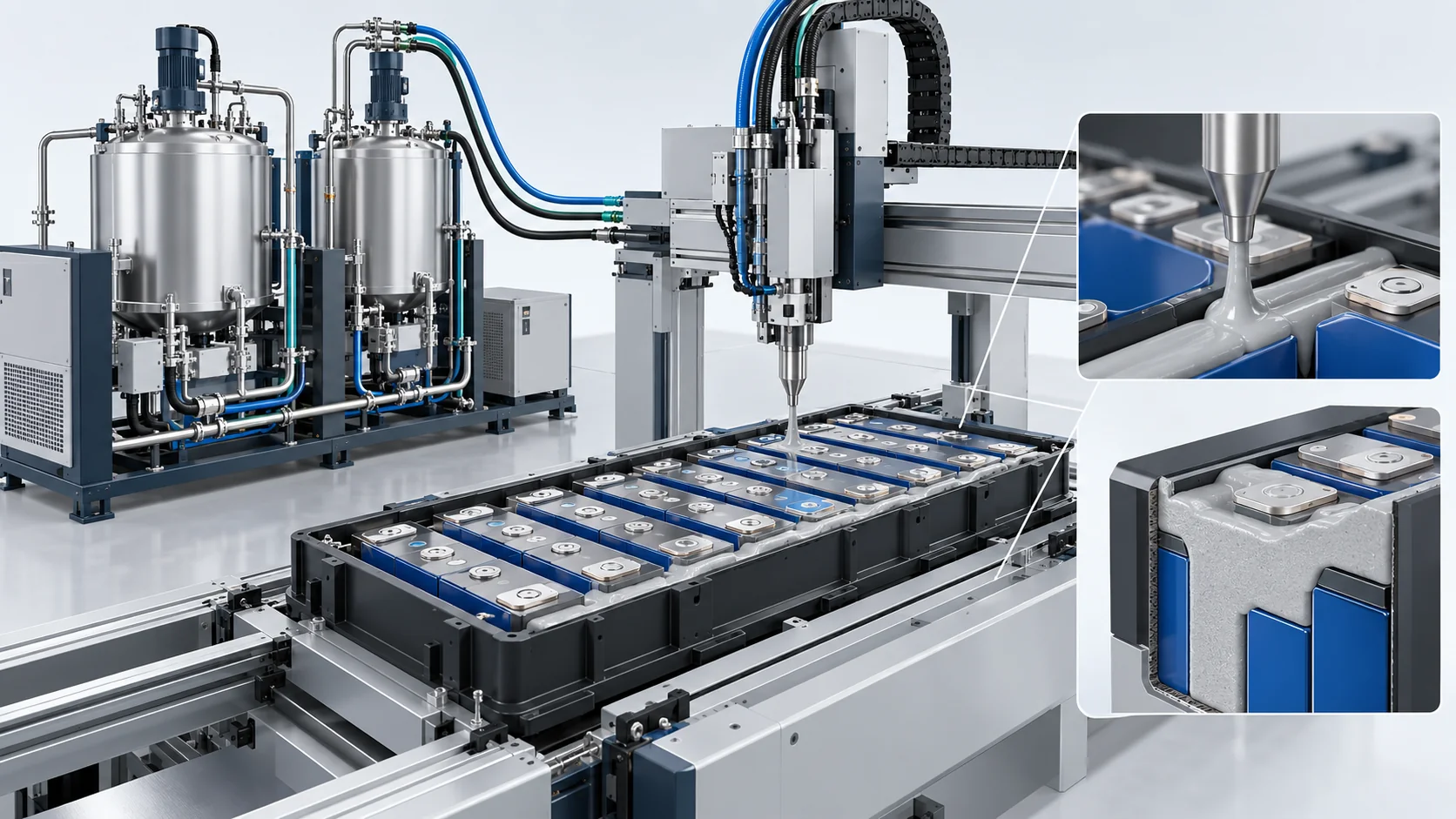
Haifeng delivered an automated PU potting line for EV battery cells, enabling UL94 V-0 flame encapsulation and 35% faster cycle times under GB 38031-2025.
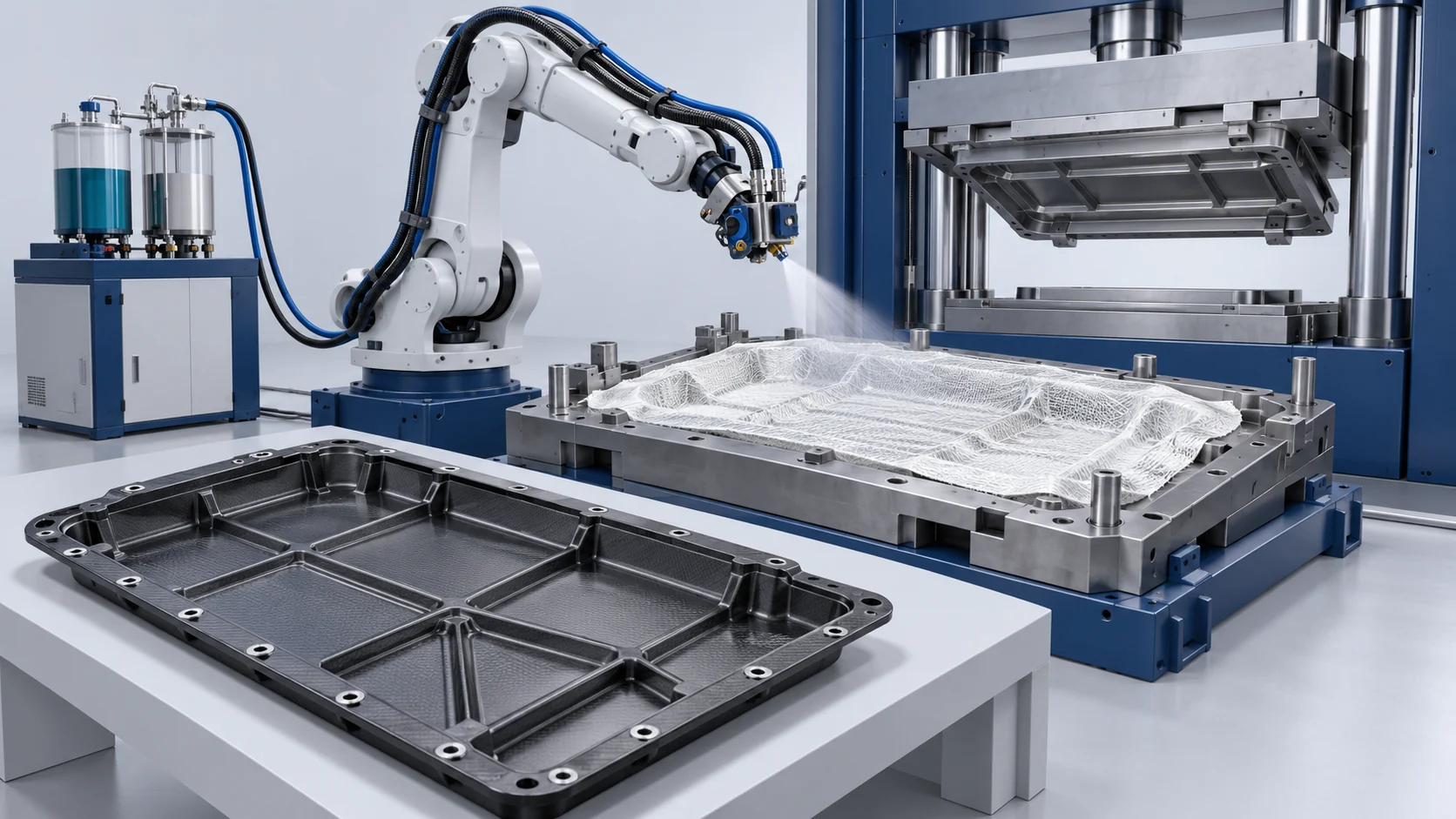
A fiber-reinforced PU composite cover protects a high-voltage battery pack from environmental exposure and mechanical loads while integrating mounting and sealing features.
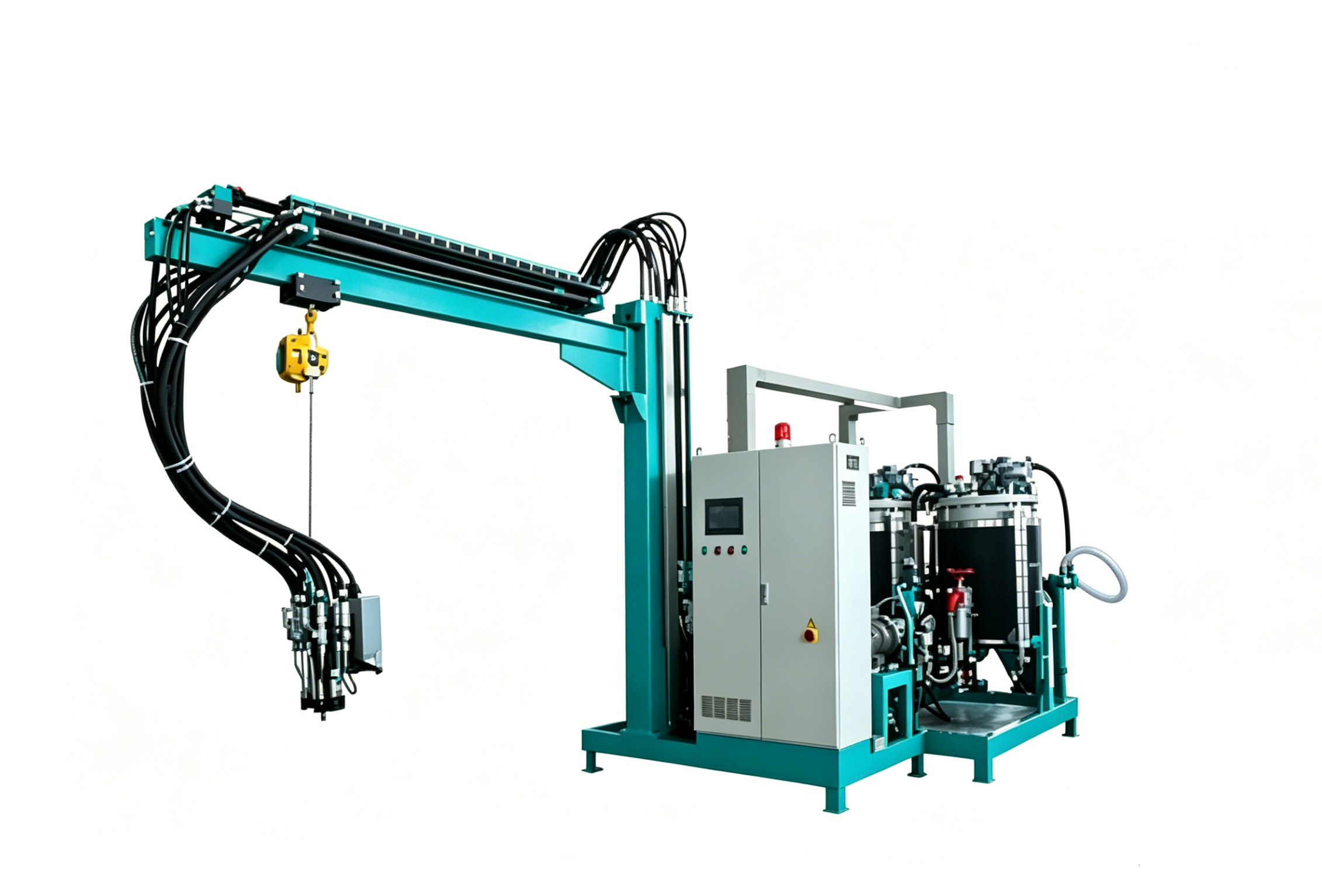
Automotive Seat Polyurethane Foaming Line Upgrade Cuts Defect Rate from 11% to 1. 5% highlights an advanced polyurethane foaming solution that improves product consistency, reduces defects, and enhances automotive seat manufacturing efficiency.
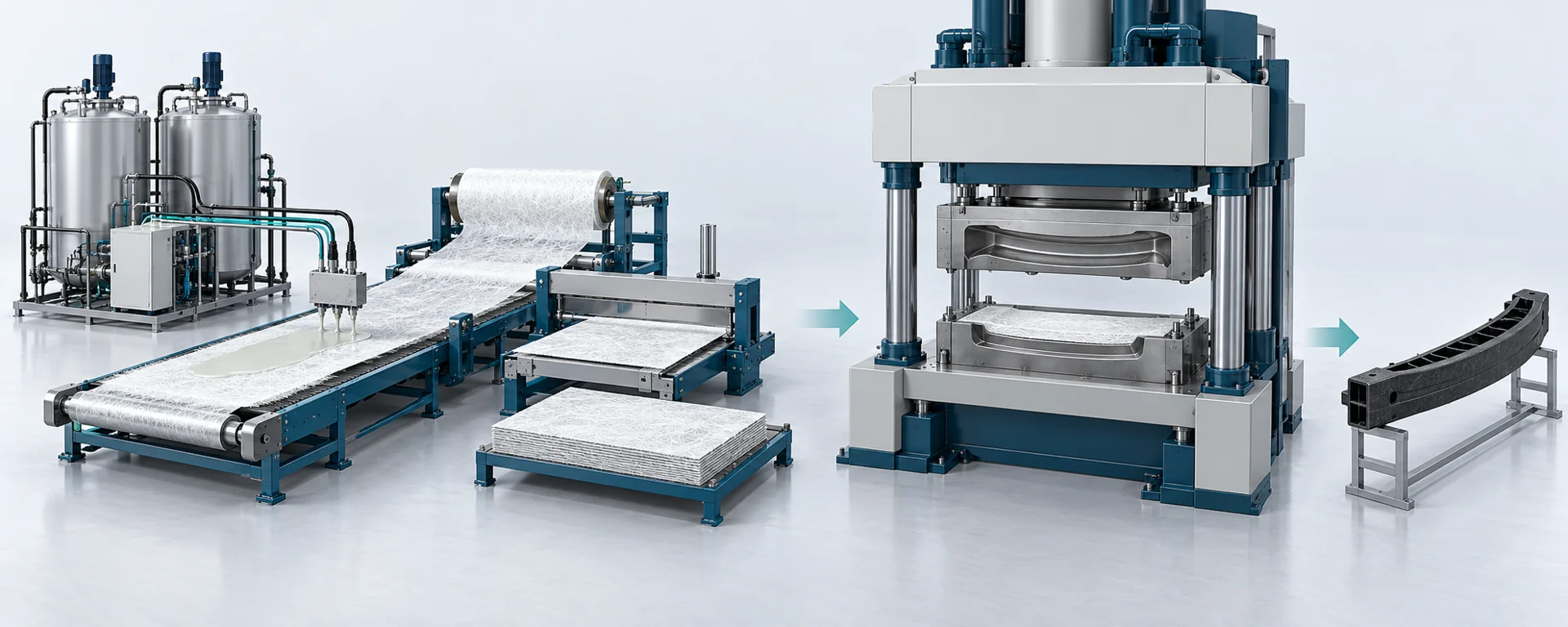
Haifeng delivered a turnkey PU-SMC molding line for automotive bumper beams, achieving 40% weight reduction and a 2.5-minute demold cycle.
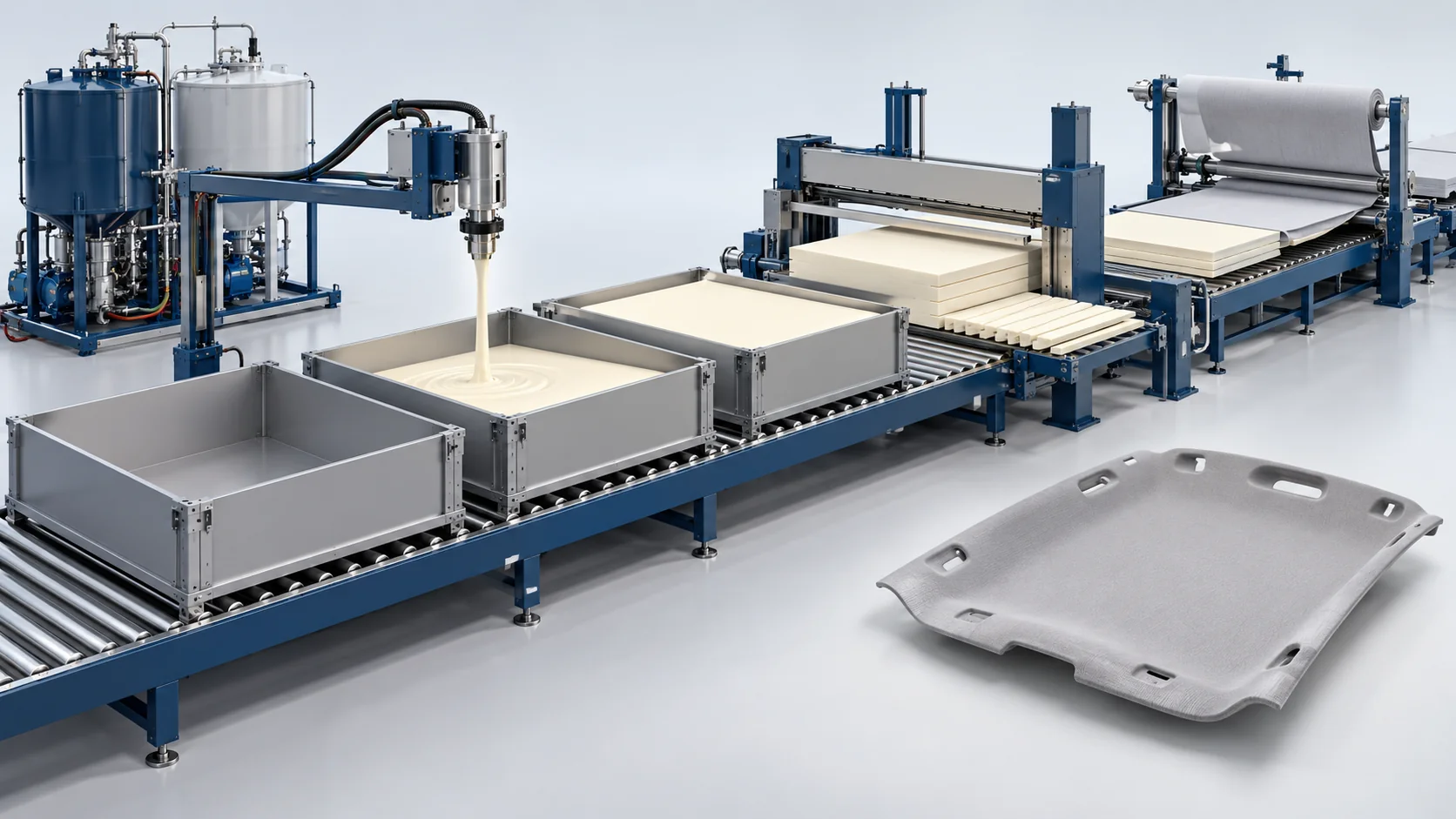
Automotive headliner Box Foaming project using low-pressure metering and dynamic mixing, followed by curing and slicing of semi-rigid PU foam blocks.
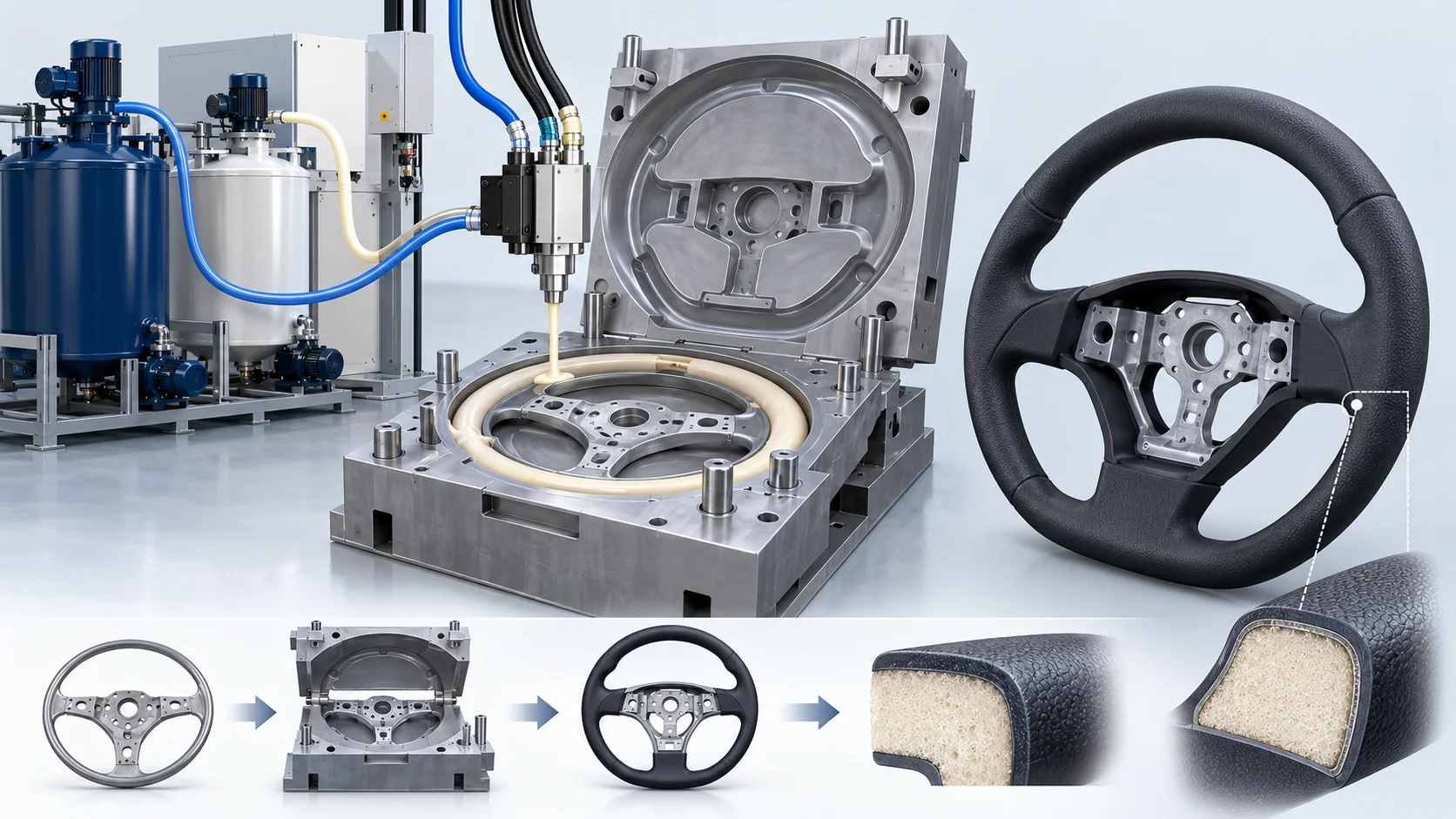
Haifeng delivered an automated integral skin PU molding line for steering wheels, achieving 100% in-mold coating adhesion and fast 120s cycles.
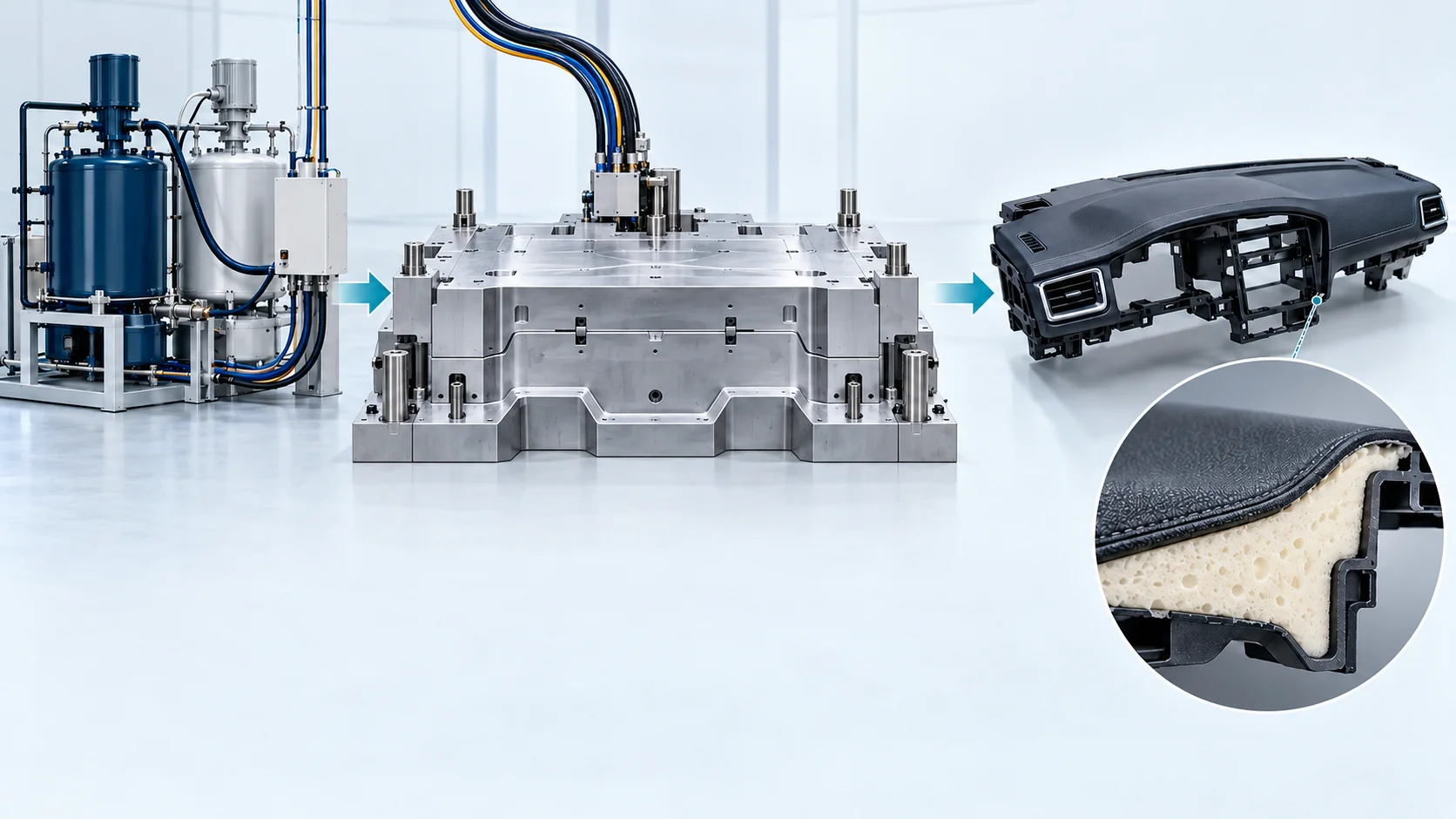
Haifeng delivered an automated PU backfoaming line for automotive dashboards, achieving void-free
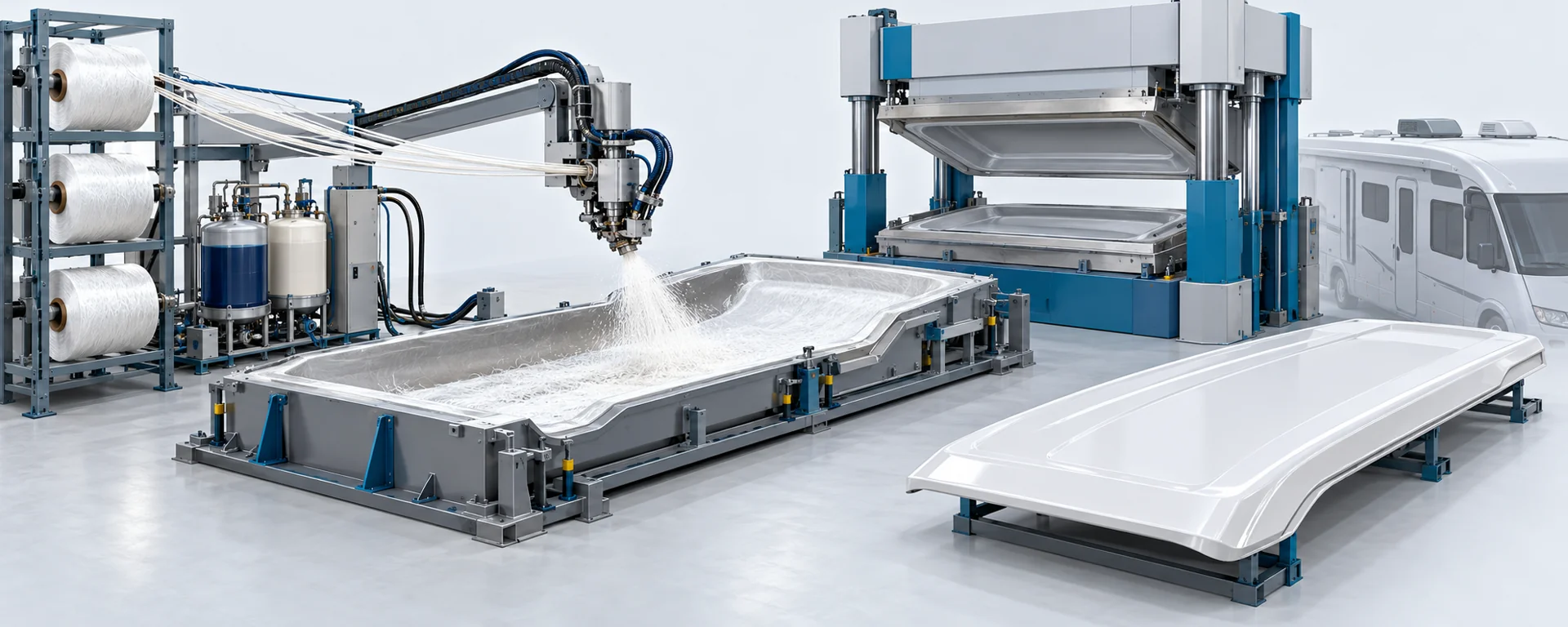
Haifeng delivered an automated LFI system for large RV roof canopies, cutting weight by 40% with seamless one-piece structural stability.
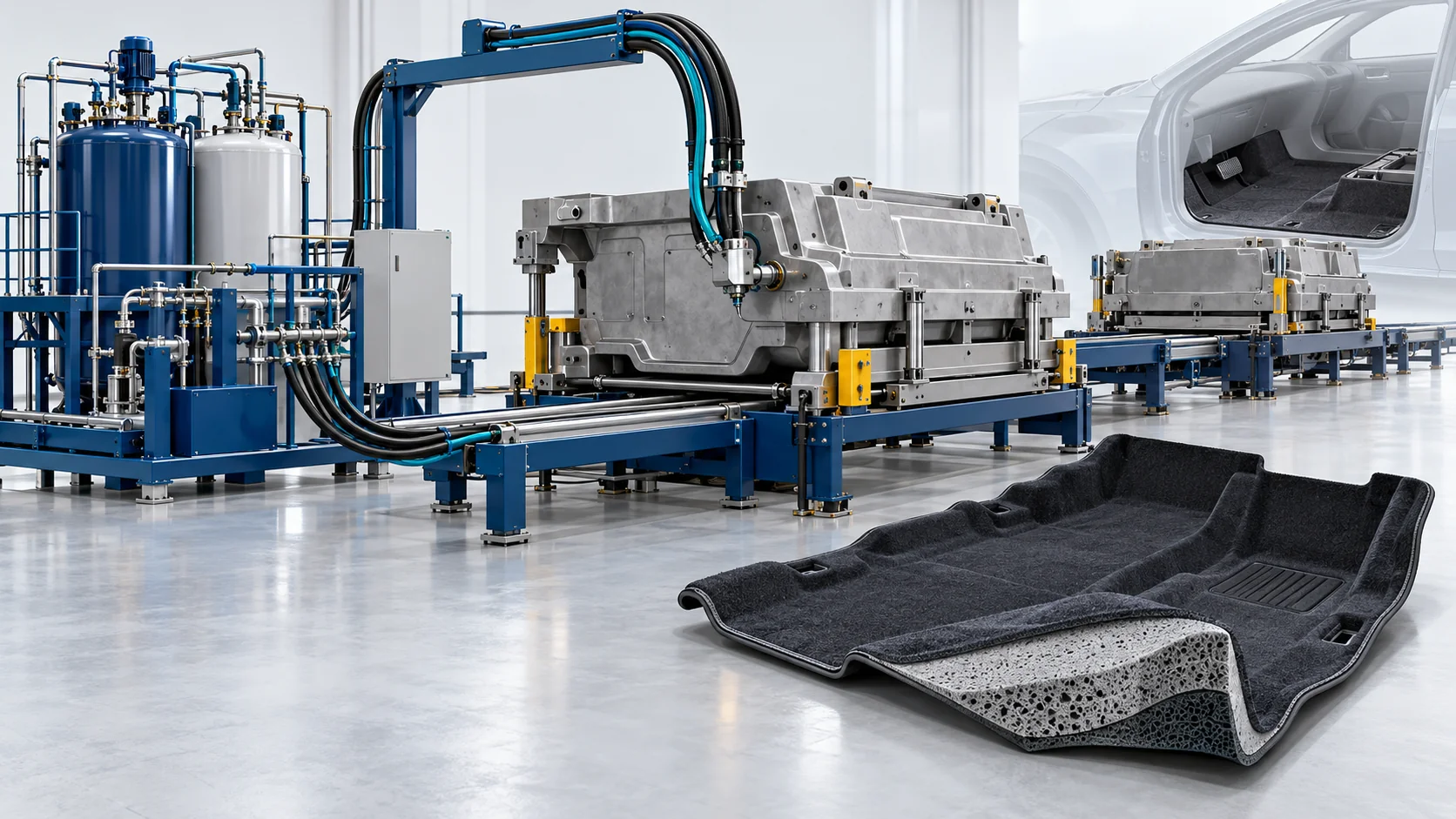
Haifeng delivered an automated PU backfoaming line for automotive carpets, cutting cabin vibration by 18 dB with precise 90s cycle times.
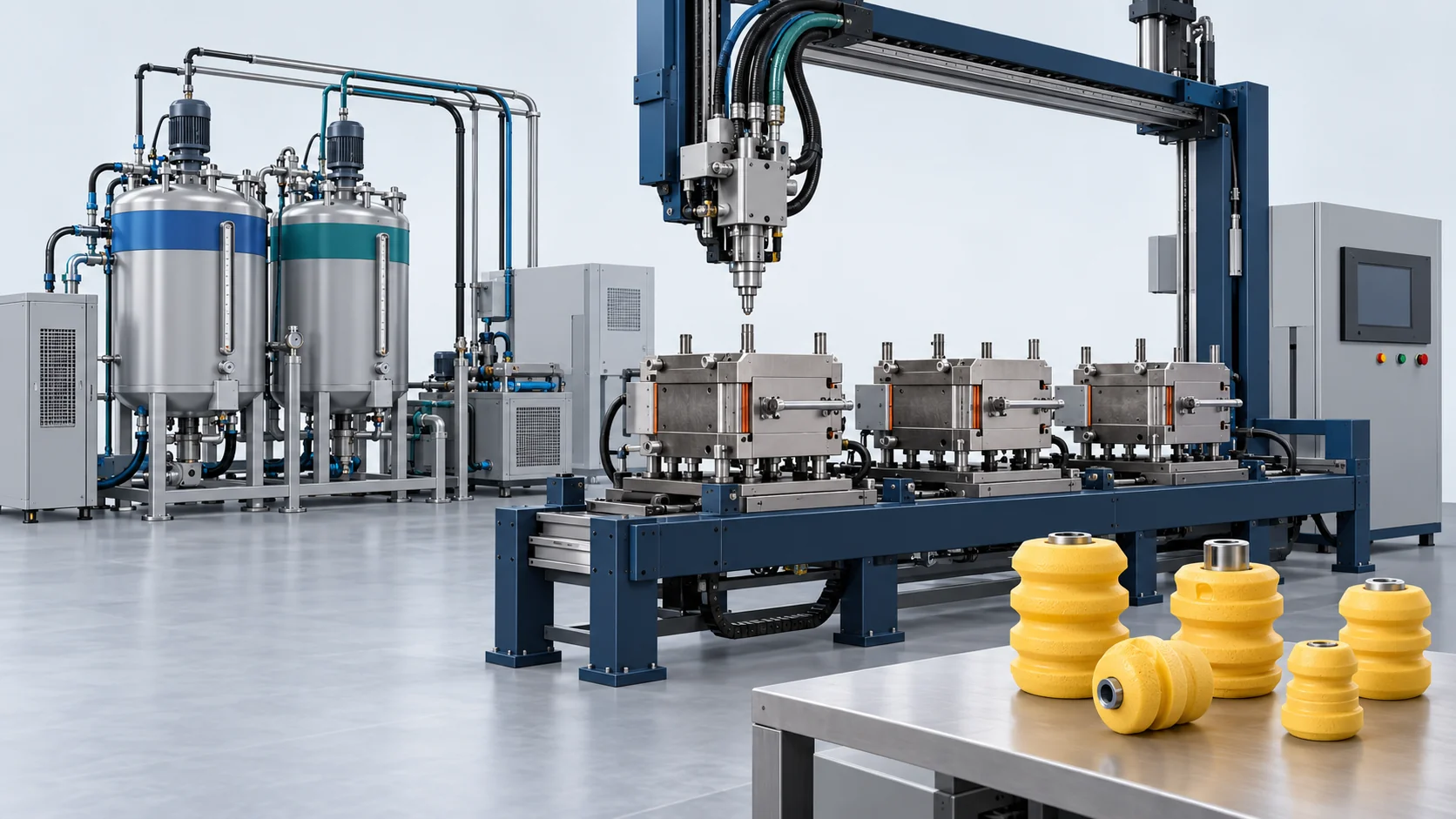
Haifeng delivered an automated microcellular elastomer casting line for chassis jounce bumpers, achieving >3M fatigue cycles and ±0.5% dosing precision.
Start with the part construction and material system. Review the matching route for foam components, solid molded parts or fiber-reinforced structures; these routes require different tooling and equipment.
Shared metering or handling equipment may be possible, but shot size, materials, molds, changeovers and takt requirements must be reviewed for each part.
Provide part drawings, material data, target output, quality requirements and factory utilities. Vehicle or component qualification remains specific to the finished part and its test plan.
Tell us your material system, part dimensions and production target. Our team will reply within one business day. Once requirements are clear, we provide a preliminary proposal within two business days.