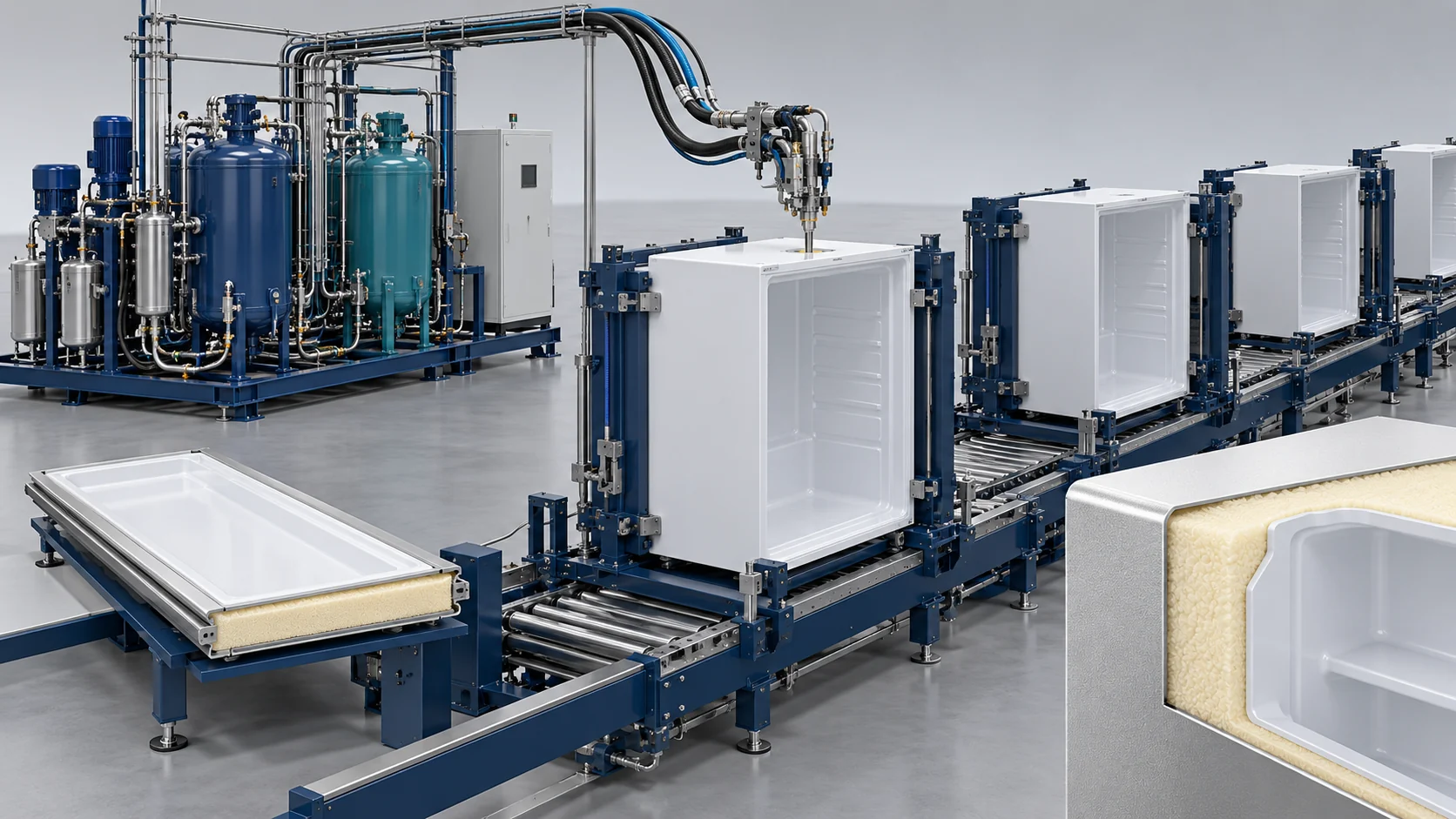
Cabinet Cavity Foaming
Refrigerator and Freezer PU Insulation Foaming Solution
Refrigerator and freezer cabinet and door insulation foaming with configured PU metering, mixing and injection, coordinated with fixtures and handling equipment.

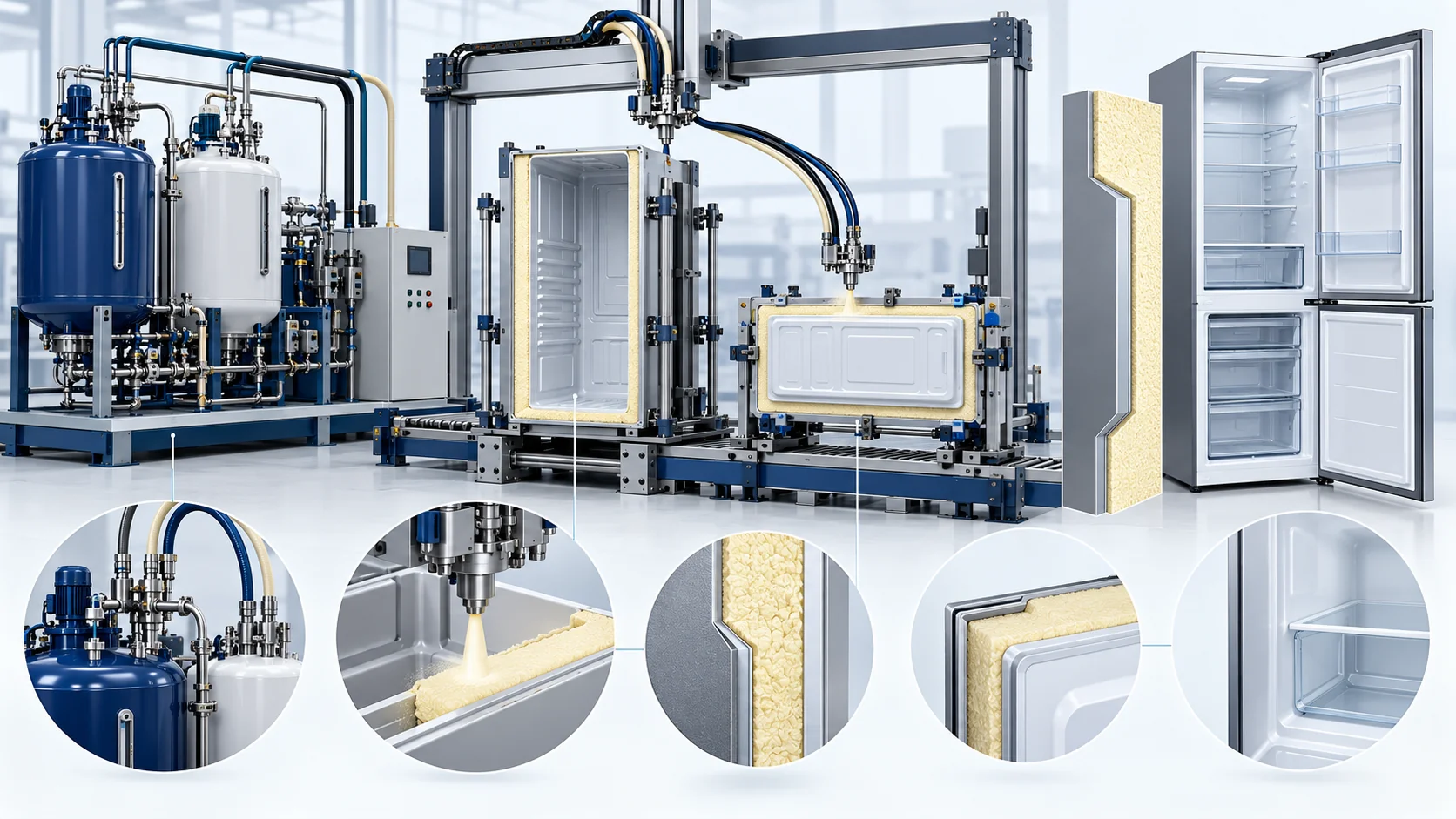
Explore PU insulation foaming for refrigerator and freezer cabinets, doors and water tanks. Review VIP placement, blowing-agent handling, fixtures and thermal control for the selected enclosure.
Compare cabinet, door and VIP-assisted insulation by cavity geometry, blowing-agent system, shot requirements, tooling and output. Review other appliance enclosures separately.
VIP placement and the selected blowing-agent system are configuration conditions, not interchangeable appliance routes.
Refrigerator and freezer cabinet and door insulation foaming with configured PU metering, mixing and injection, coordinated with fixtures and handling equipment.
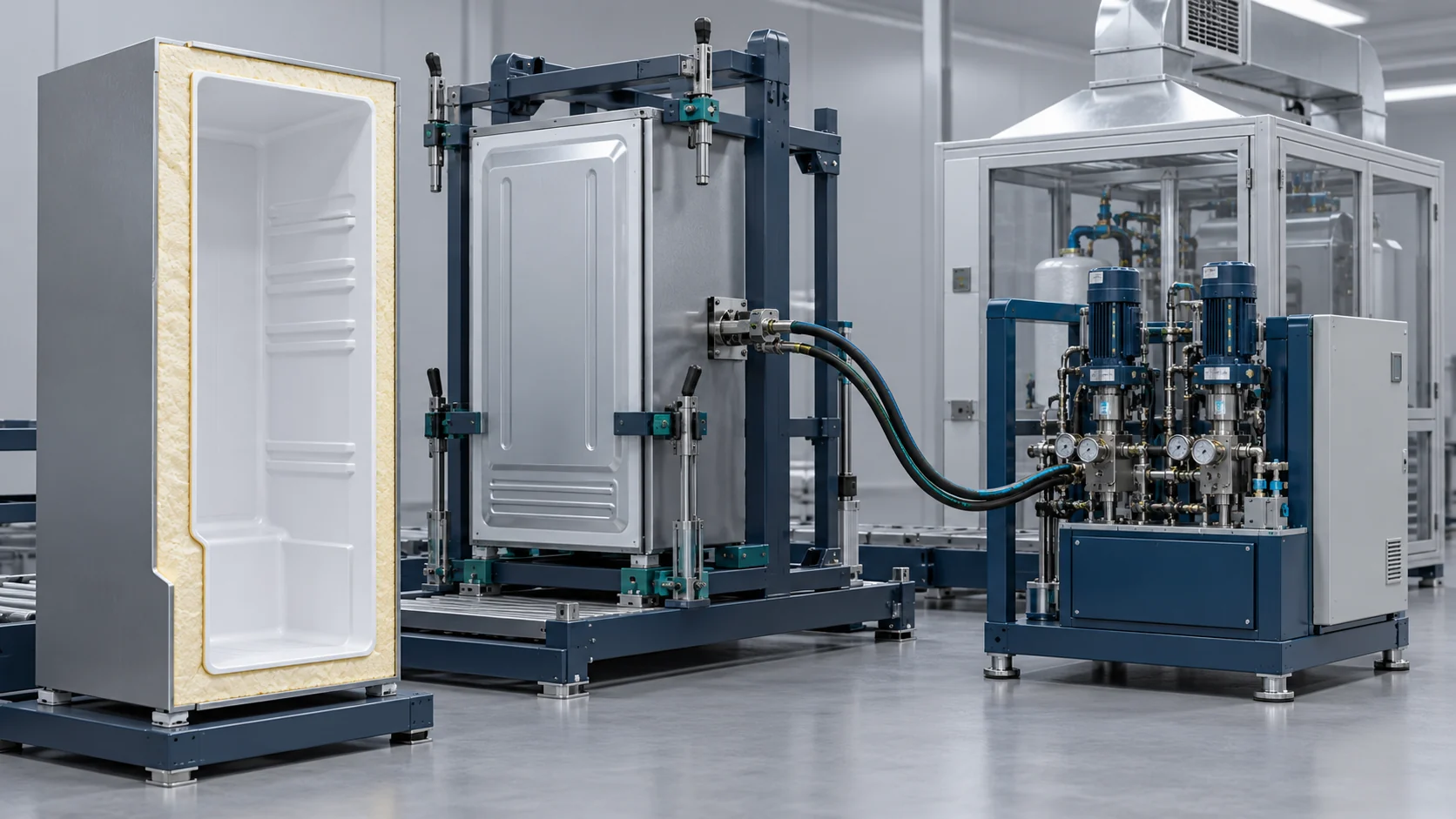
Cyclopentane foaming with configured premixing, vacuum-assisted filling and project-specific ventilation, gas detection and safety interlocks. Certificates are reviewed for the ordered equipment.
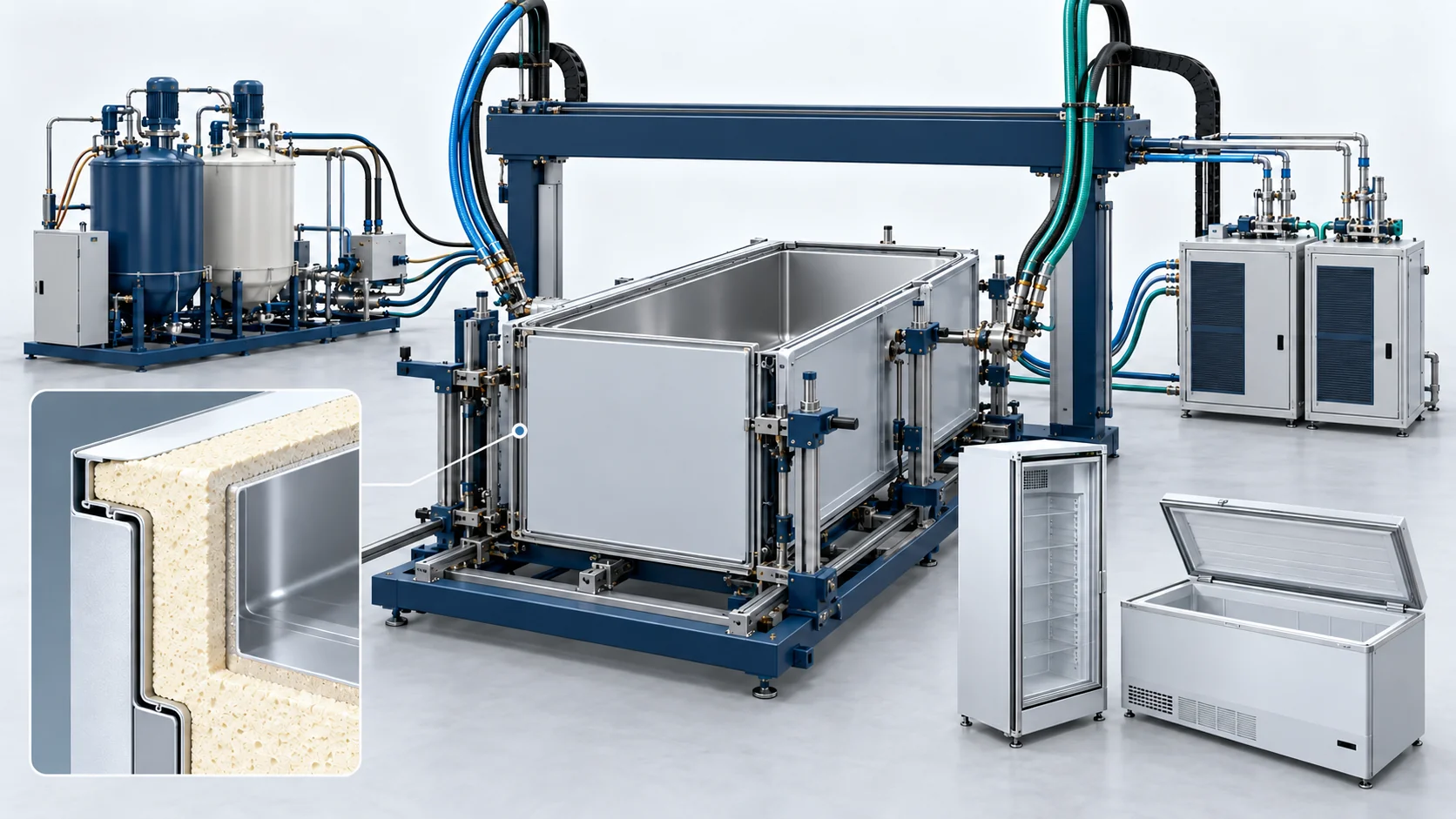
Plan high-mix freezer cabinet foaming with adjustable fixtures, two-head injection, coordinated temperature control and model-specific changeover procedures.
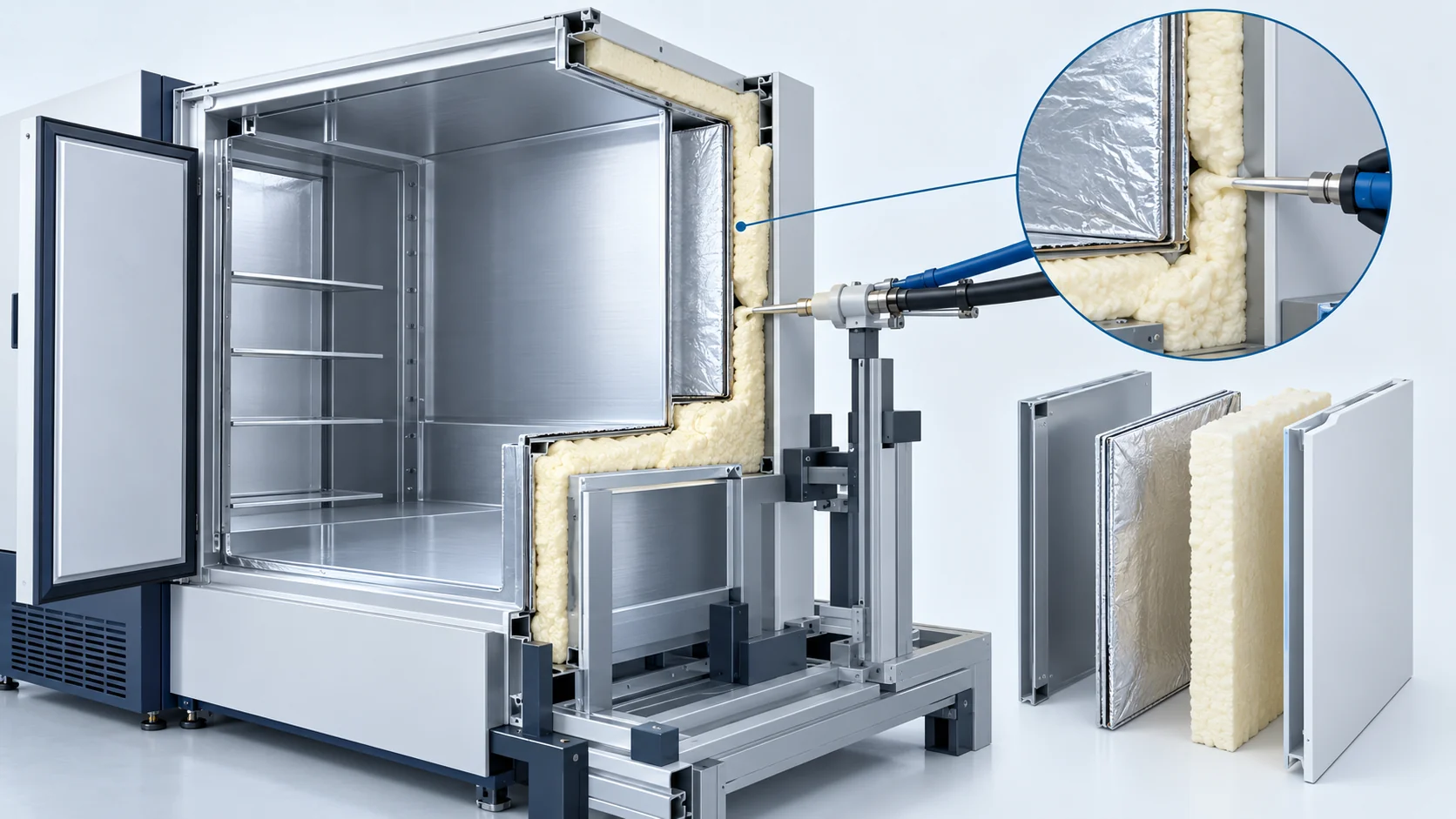
Plan gentle polyurethane dispensing around vacuum insulation panels, with positioning, cavity pressure control, temperature management and insulation inspection.
VIP placement, protection and inspection depend on the freezer construction; panel presence alone does not establish appliance qualification.
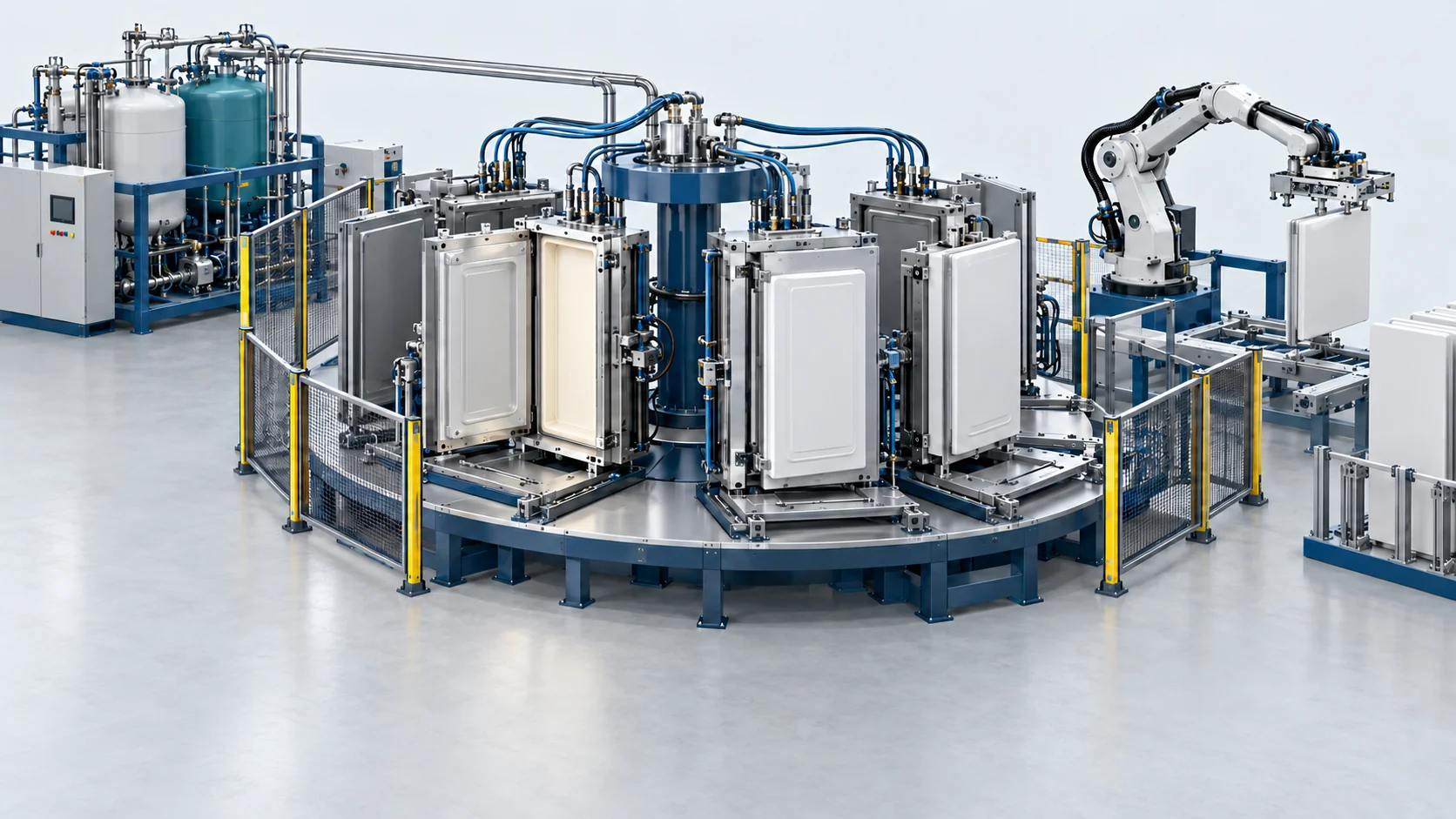
Configure refrigerator door injection, indexed fixture handling, thermal control and robotic interfaces around door geometry and the required production rate.
Water-tank enclosures extend beyond refrigerators and freezers and require their own tooling and appliance tests.
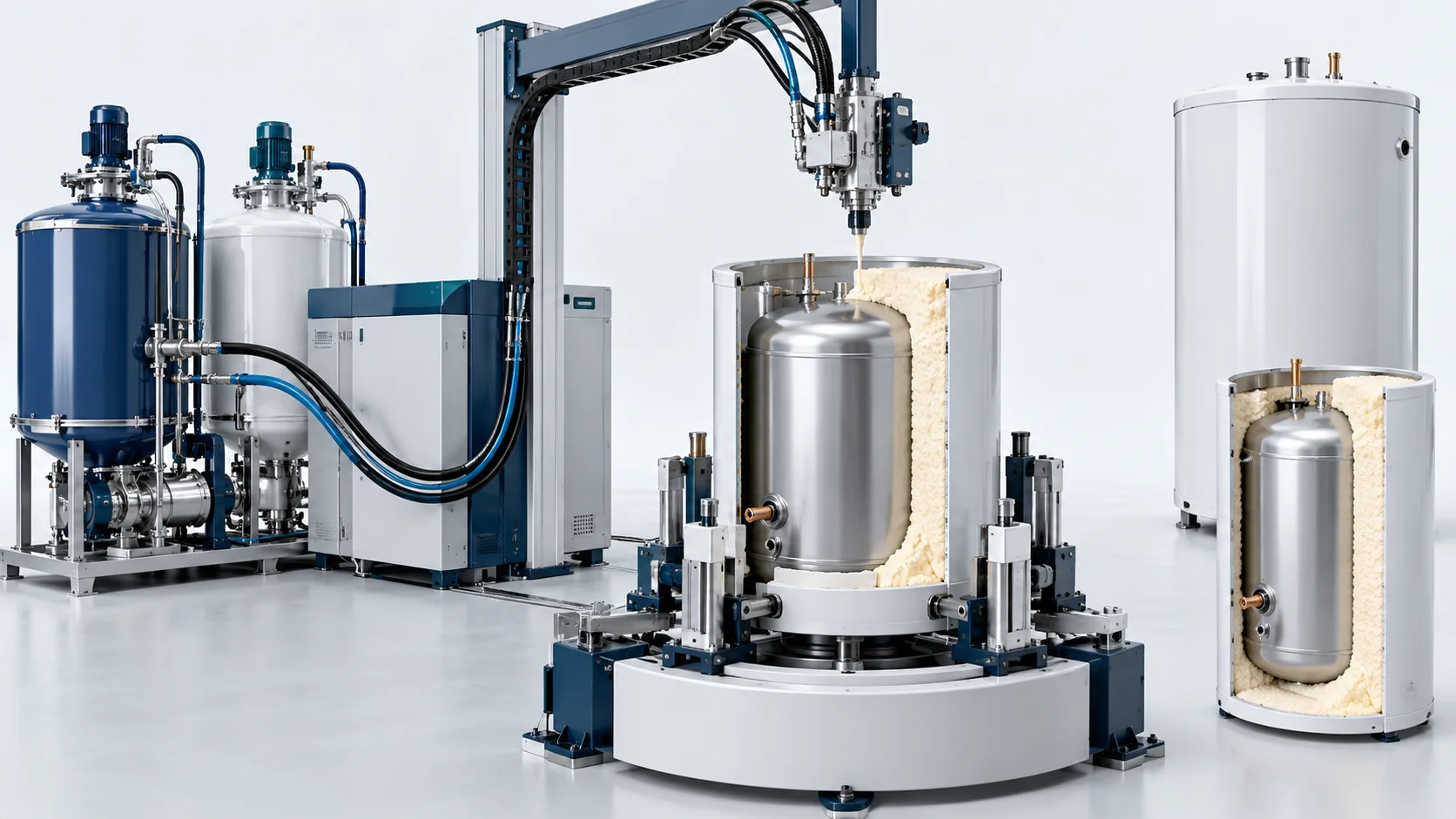
Configure small-shot polyurethane insulation around appliance water tanks with indexed tooling, controlled dispensing and project-specific enclosure safety.
Refrigerator cabinets, rotary doors, commercial freezers, VIP-assisted freezer assemblies and water-tank insulation require product-specific fixturing and fill paths. The formulation determines the conditioning and safety arrangements.
Confirm cabinet, door, freezer or water-tank geometry, insulation thickness and any vacuum insulation panel arrangement.
Locate skins, liners, inserts and seals in the appropriate cabinet or door fixture and establish the fill path.
Prepare the selected PU components and, where applicable, the agreed cyclopentane premixing and safety interfaces.
Coordinate shot size, mixing, injection position and venting with the part volume and formulation.
Maintain the required fixture residence and temperature, then release and transfer the insulated assembly.
Check fill, density distribution and assembly quality and perform the agreed insulation and finished-product tests.
Review refrigerator/freezer foaming machines and the referenced cyclopentane safety and premixing system. Blowing-agent handling, fixtures, vacuum panels and door or cabinet transfer are specified for the actual product.
Match the listed machine to the cabinet or enclosure, fixture, blowing agent and thermal-control requirements.
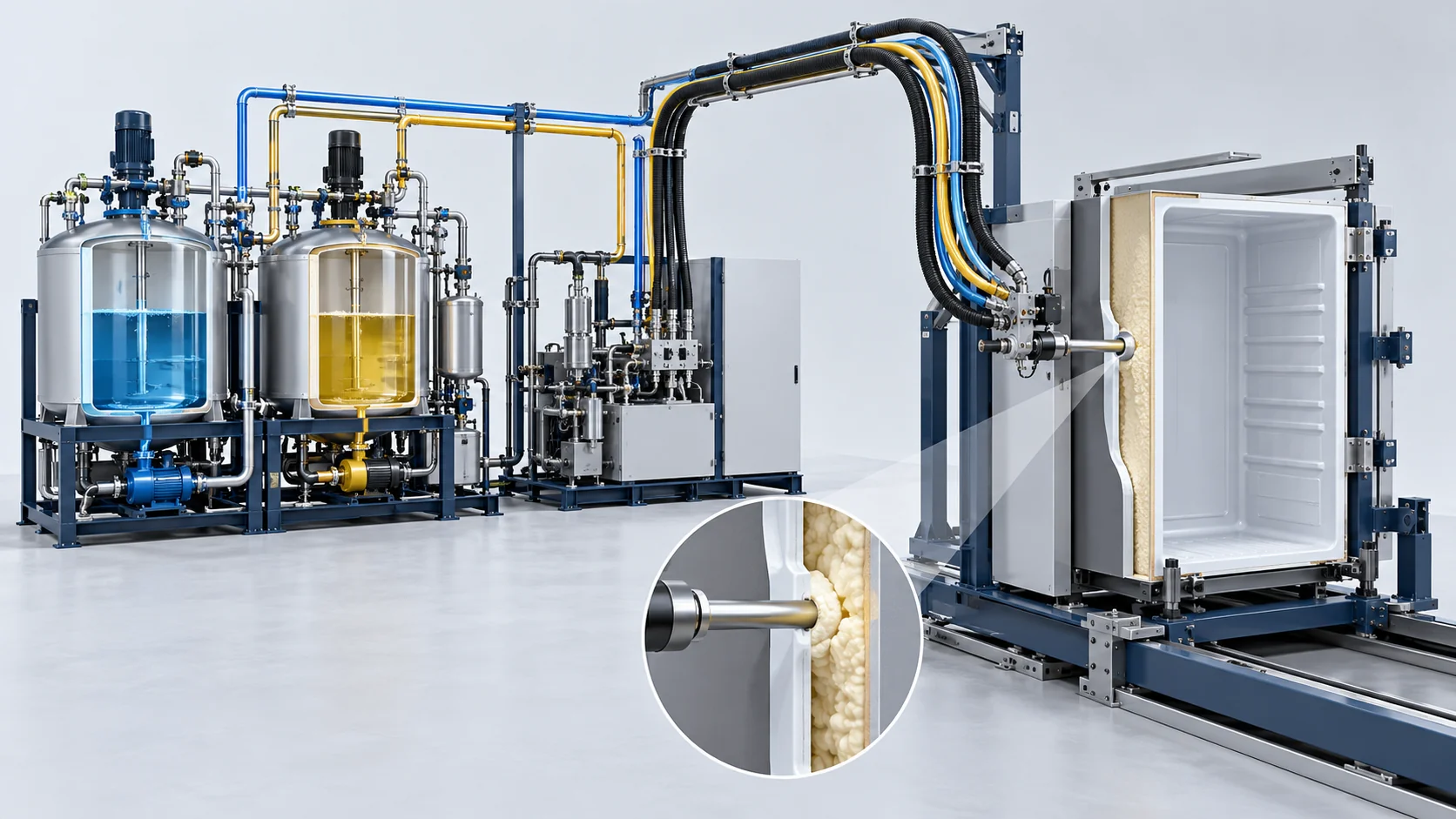
Cyclopentane PU Foaming Machine for Refrigerators and Freezers. Review configuration, material requirements and process interfaces with Haifeng.

High-Pressure PU Foaming Machine for Refrigerators. Review equipment functions, material requirements and configuration options for your production process.
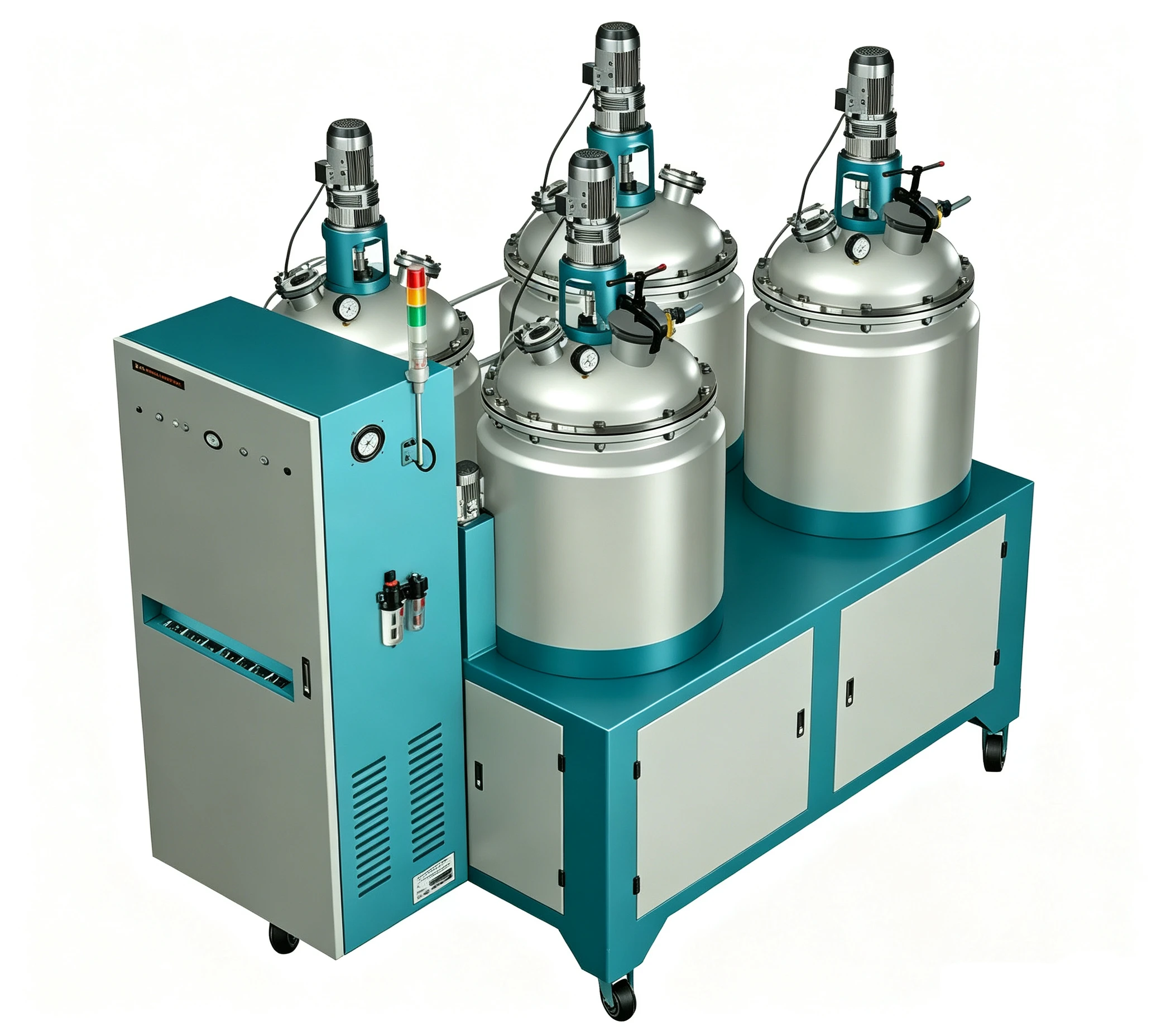
Low-Pressure PU Foaming Machine for Refrigerator Rigid Foam. Review configuration, material requirements and process interfaces with Haifeng.
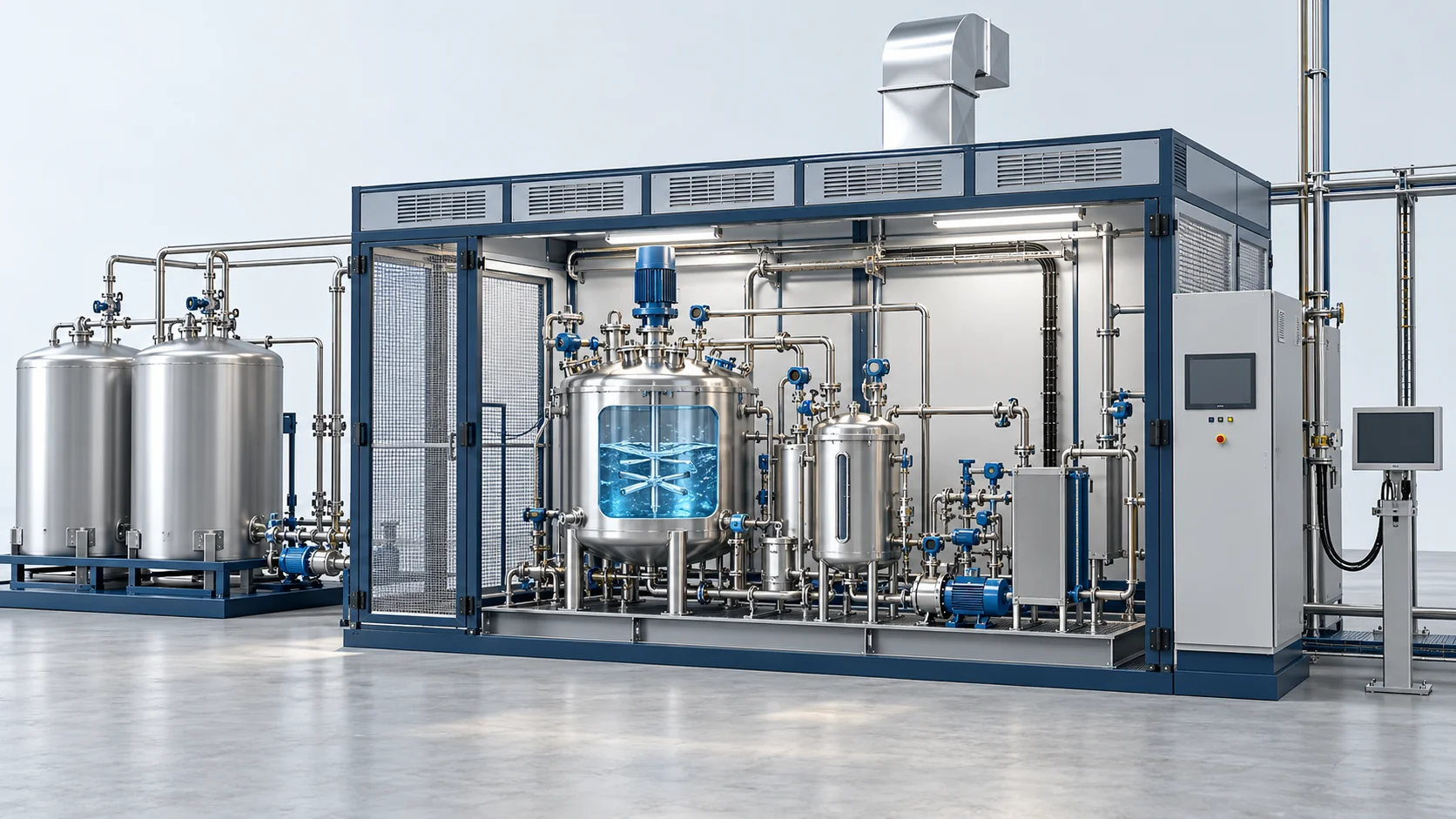
Cyclopentane Safety and Premixing System for PU Foaming. Review configuration, material requirements and process interfaces with Haifeng.
Explore the published refrigerators & freezers application and project records selected from this category's solution pages. Each record describes its own material, process and equipment scope; project figures and industry references are not universal machine ratings or independently verified results for a new installation.
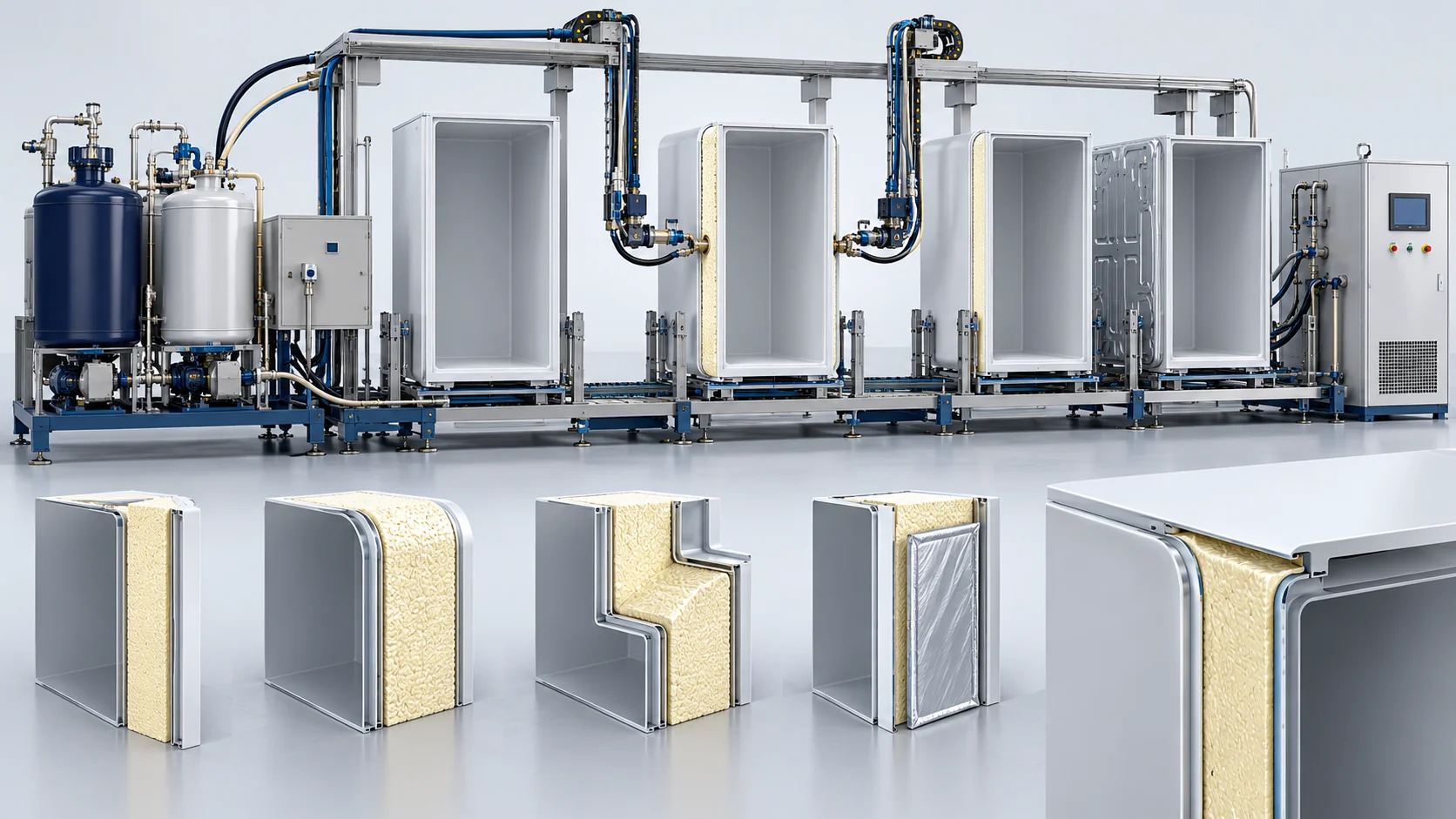
Project review brief for flexible commercial freezer foaming. Equipment configuration, implementation scope and reported outcomes.
Tool-change, mold-residence and shift output have different endpoints. Confirm shot/handling time, product mix, good-cabinet counts and operating hours.
Process illustration; not a verified installation photograph.
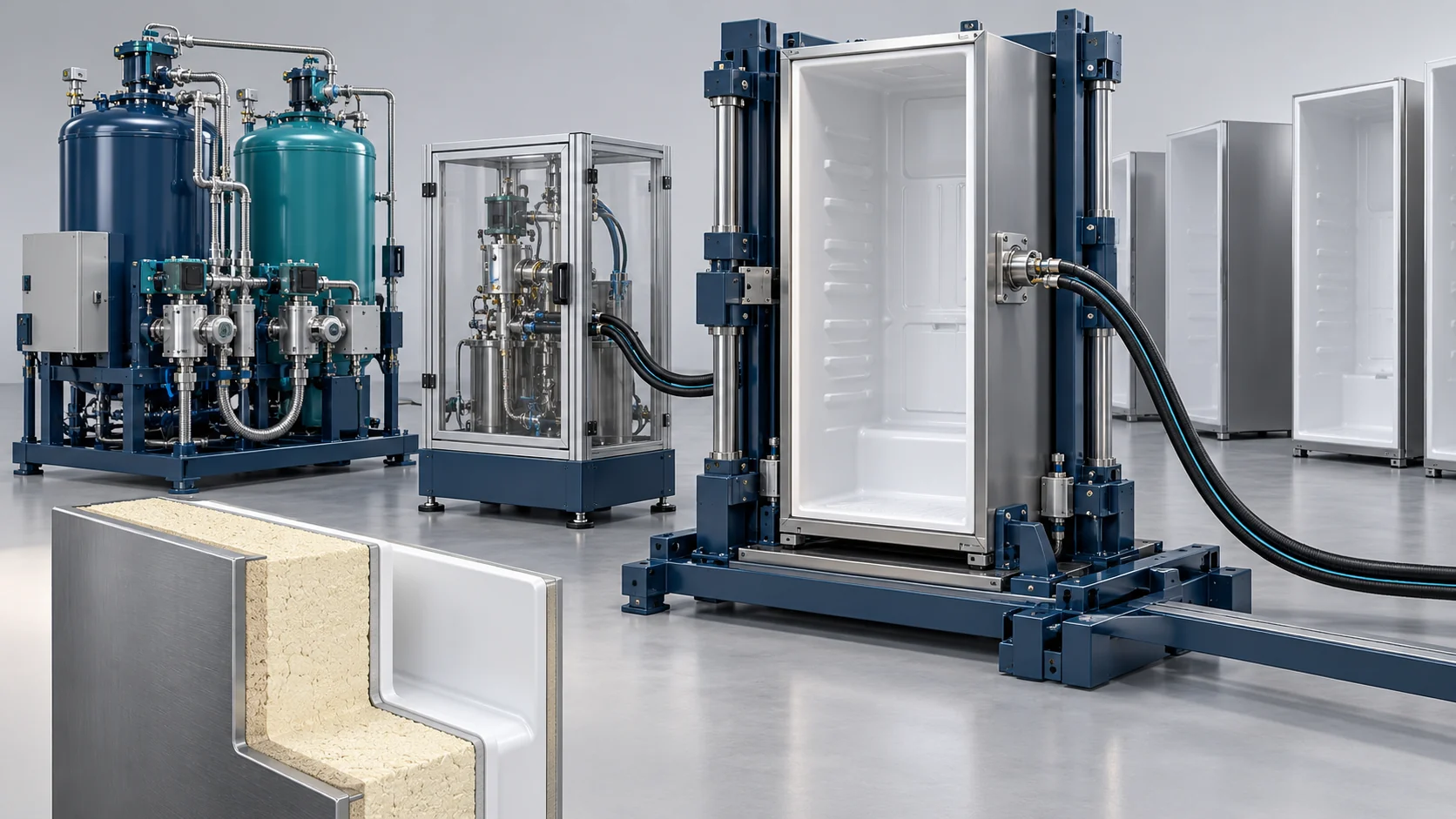
Review Refrigerator Cyclopentane Foaming Line in China, including process configuration, related equipment and application requirements. Project figures require stated conditions.
Foam conductivity and density are material results under the stated tests. Cabinet flatness and appliance energy performance need their own construction and inspection records.
Process illustration; not a verified installation photograph.
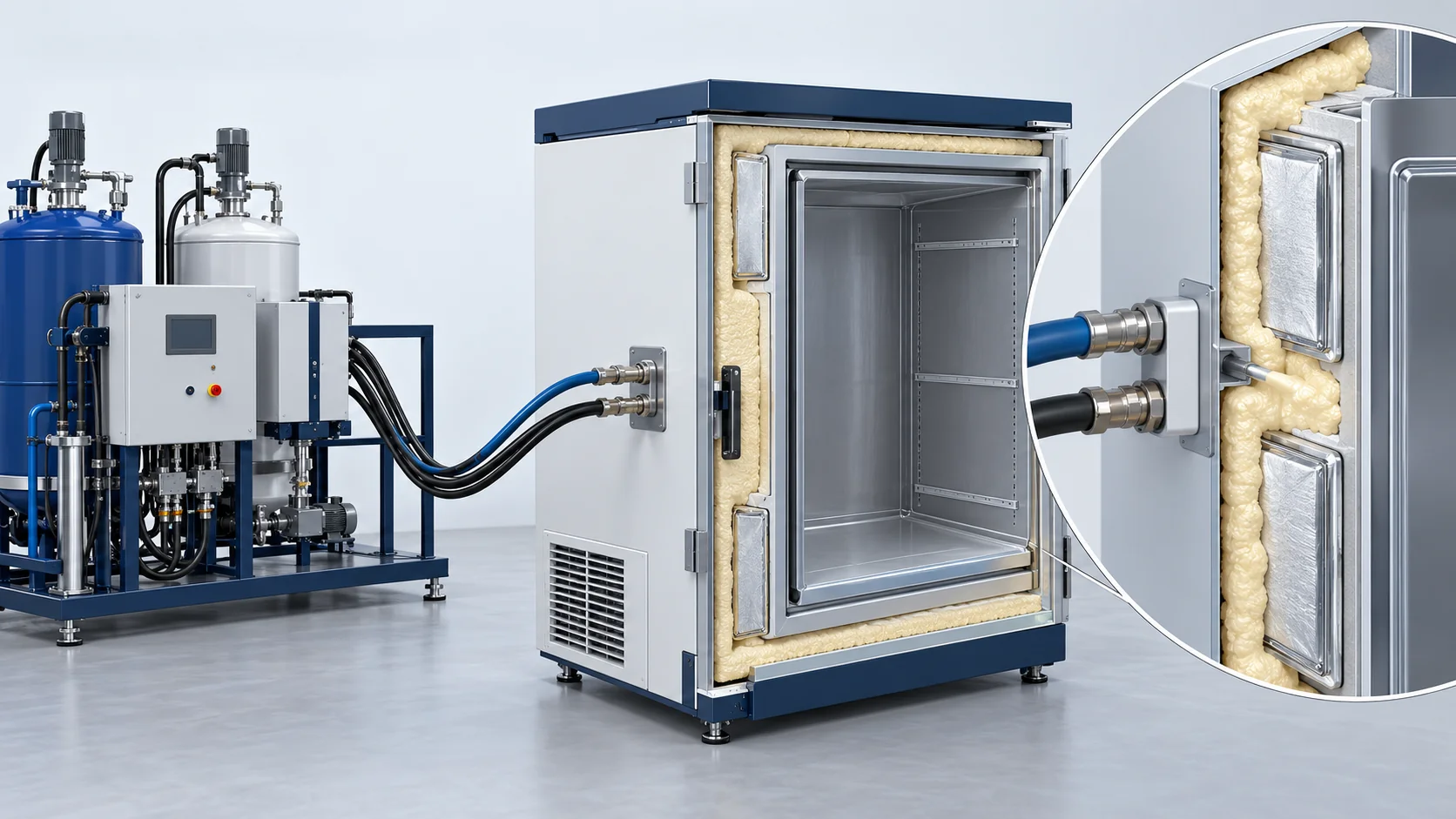
Project review brief for vip-integrated ultra-low-temperature freezer foaming. Equipment configuration, implementation scope and reported outcomes.
Cold-hold time depends on cabinet loading, sensors and ambient conditions. Sample puncture inspection does not establish every VIP panel vacuum integrity; thermal resistance needs the actual wall boundary.
Process illustration; not a verified installation photograph.
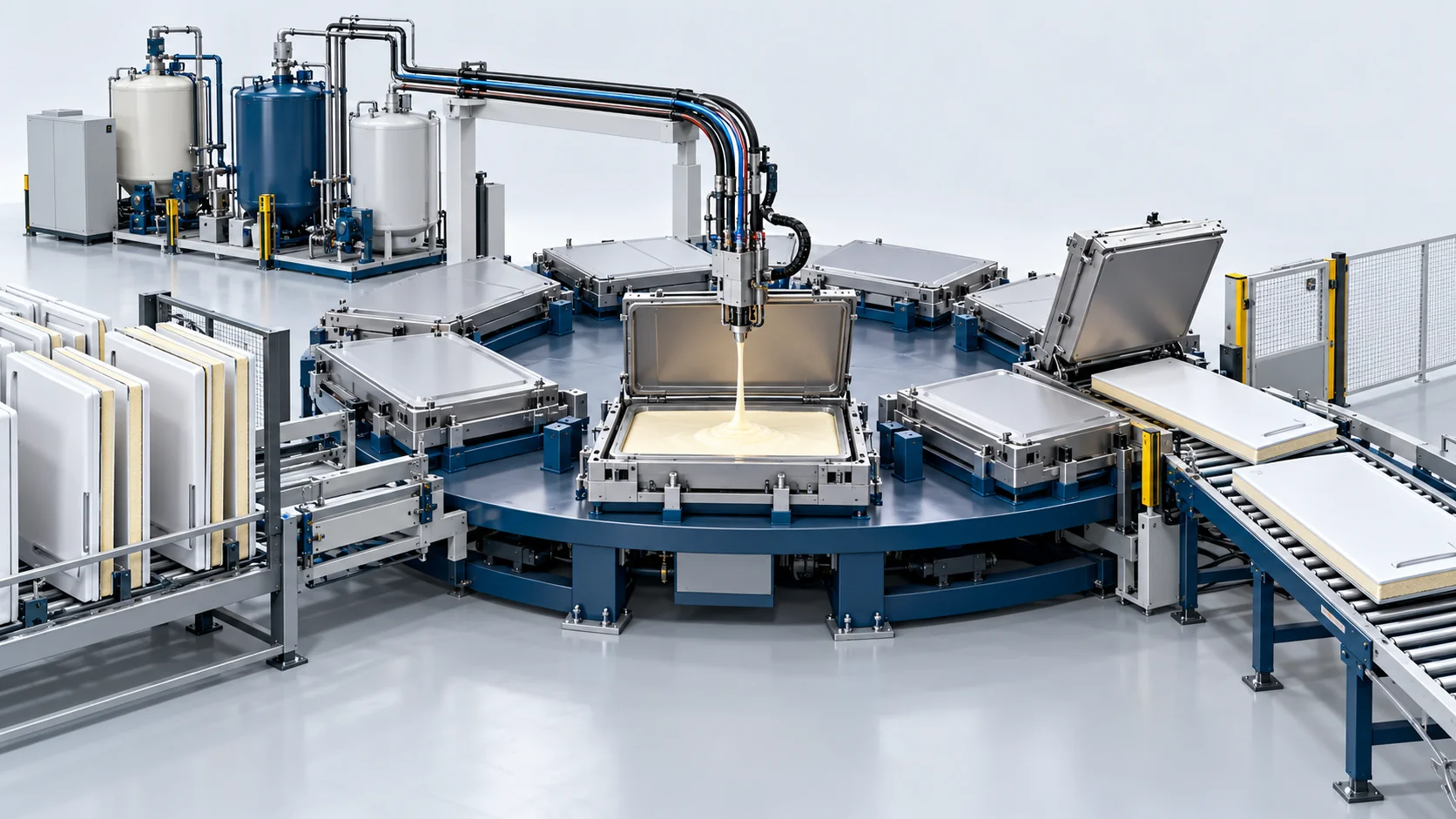
Project review brief for rotary refrigerator door foaming. Equipment configuration, implementation scope and reported outcomes.
Door output interval and cure dwell currently need a station-balance reconciliation. Footprint rounding and density variation require the original layout and sampling definition.
Process illustration; not a verified installation photograph.
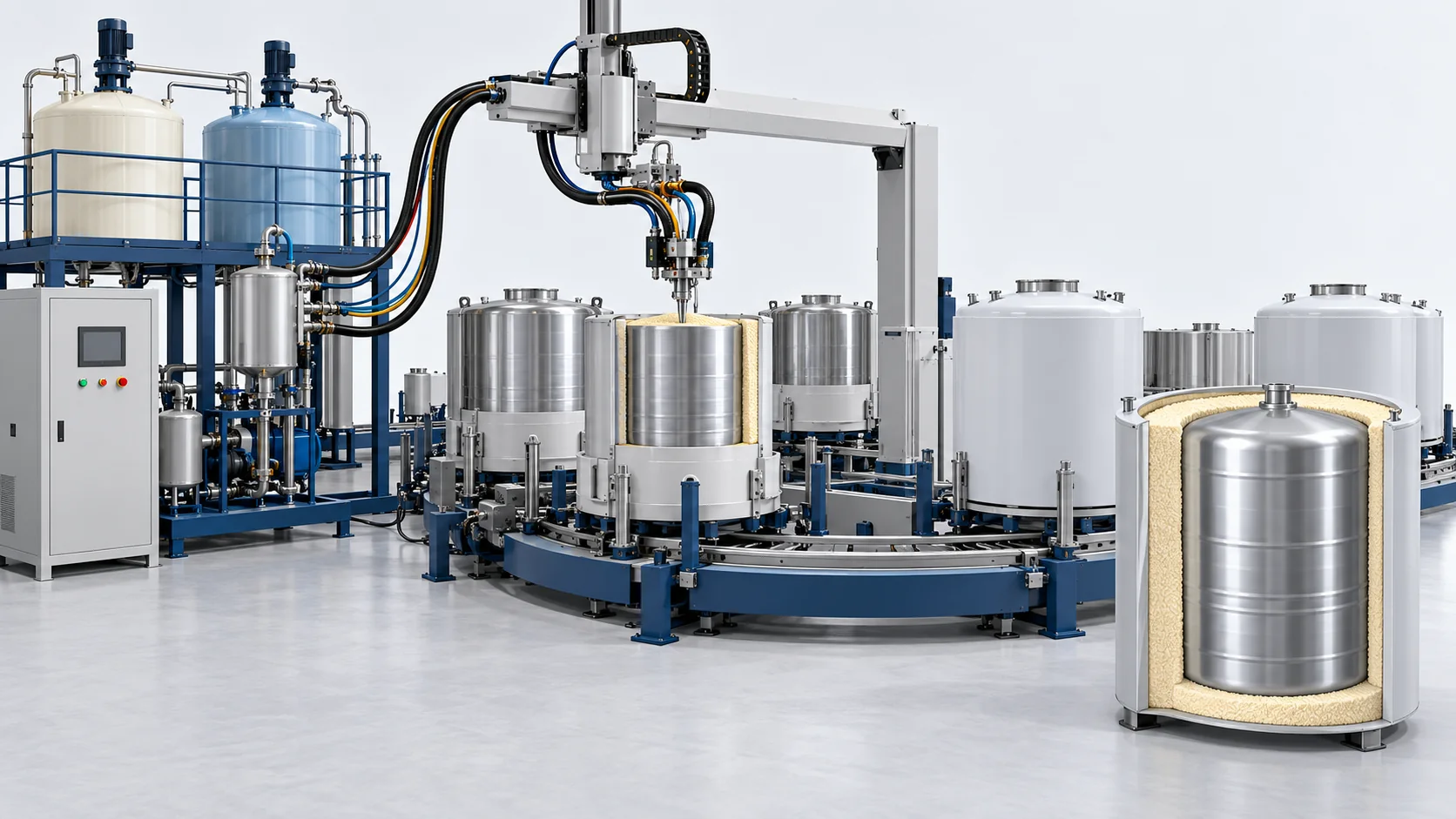
Project review brief for compact water tank insulation foaming. Equipment configuration, implementation scope and reported outcomes.
Reconcile indexing and cure residence before quoting tank output. Standby loss is an appliance test; shot-weight variation and component ratio are different quantities.
Process illustration; not a verified installation photograph.
Material-system demolding results are separate from complete line output.
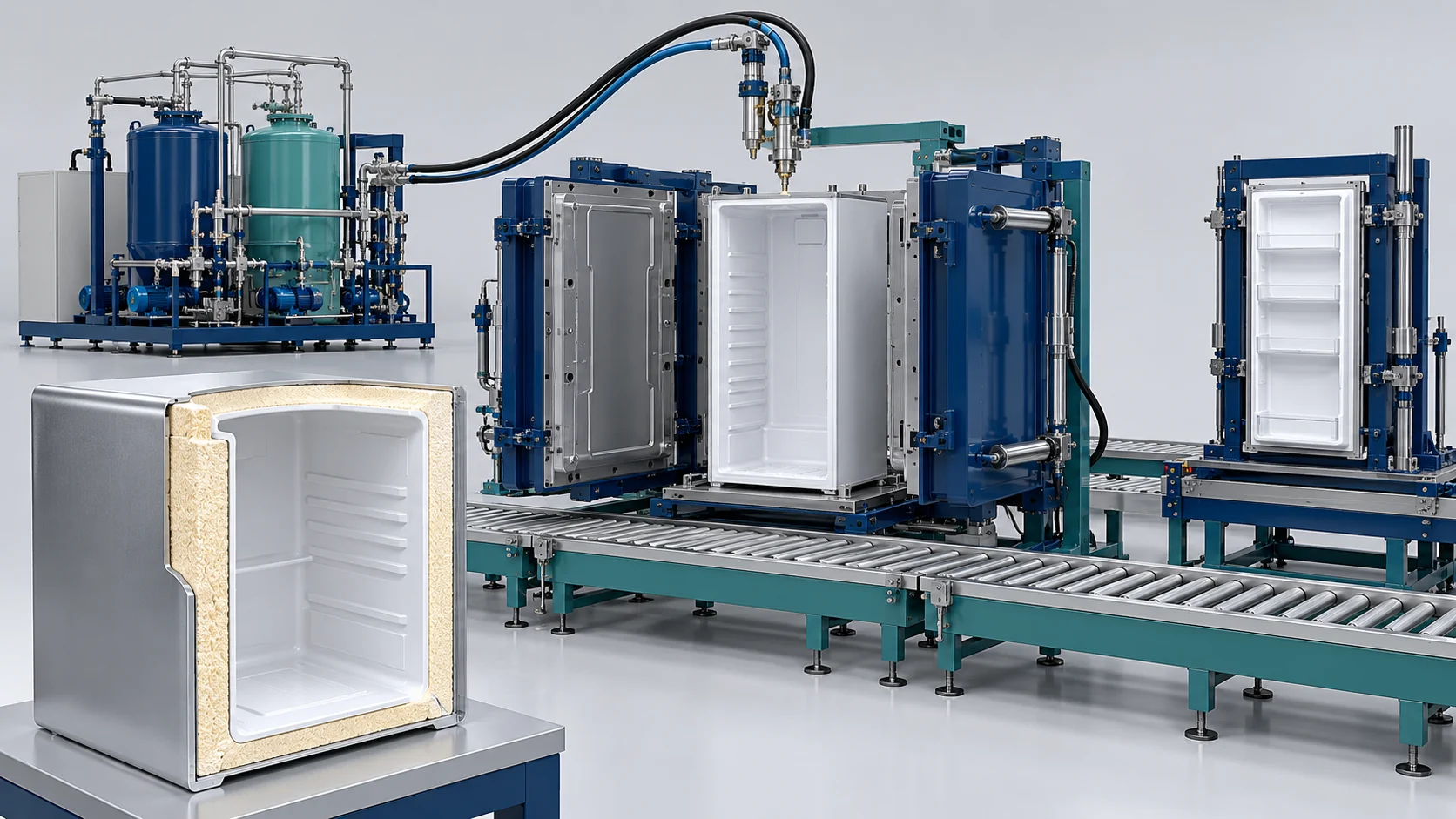
A public material-supplier reference on refrigerator PU foam demolding, distinguishing material-system results from complete line output; not a Haifeng delivery record.
Public material-supplier demolding reference, not a Haifeng delivery. Faster material demolding does not by itself establish a complete-line output increase.
Process illustration; not a verified installation photograph.
Fixture geometry, shot size, thermal control, handling and cycle balance are selected for the enclosure being produced.
Review panel positioning, protection, cavity pressure and inspection requirements together with the selected foam system.
Provide material data, factory layout and the required project documentation so ventilation, detection, controls and site interfaces can be defined.
Tell us your material system, part dimensions and production target. Our team will reply within one business day. Once requirements are clear, we provide a preliminary proposal within two business days.


