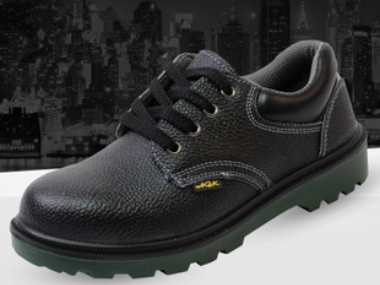
PU Sole Molding
PU Safety Shoe Production Solution
Haifeng designs new PU safety shoe lines and modular upgrades with metering, molds, formulation support, commissioning and training.

Explore PU sole and insole molding routes. Configure metering, mixing, mold handling and automation around your footwear design, material system and production target.
Select by sole or insole construction, density, hardness, mold format and output. Direct injection onto uppers requires a separately confirmed equipment configuration.
Haifeng designs new PU safety shoe lines and modular upgrades with metering, molds, formulation support, commissioning and training.
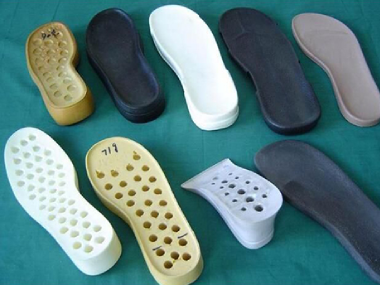
Focusing on the key challenges in traditional shoe sole production, while also considering factors such as stability, environmental friendliness, production efficiency, and cost optimization.
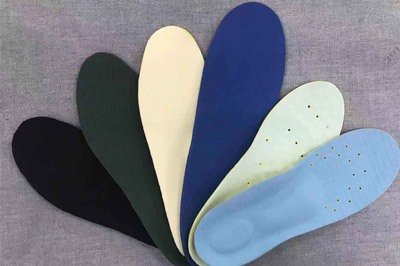
PU insole molding with low-pressure metering, material degassing, prototype and production molds, and configured color changes and automated handling.
Sole-component casting, insole molding and direct injection onto shoe uppers use different tooling and handling arrangements. Plan PU conditioning, metering, molding and cure around the selected footwear construction.
Confirm sole or insole geometry, safety-shoe construction and whether the route casts a separate component or injects onto an upper.
Prepare the selected polyol and isocyanate system, additives and component temperatures for the qualified formulation.
Arrange release, mold temperature and any required upper placement or inserts for the chosen footwear route.
Mix and deliver the defined shot into the footwear tooling with the selected rotary, conveyor or manual handling arrangement.
Establish the formulation-specific cure residence and remove the component or shoe using the agreed handling method.
Trim and check dimensions, appearance and the specified density, hardness or bonding requirements for the footwear product.
Compare low-pressure PU equipment for shoe soles, safety shoes, general shoe production and insoles. Mold population, shot size, the selected formulation and upper-handling requirements determine the line configuration.
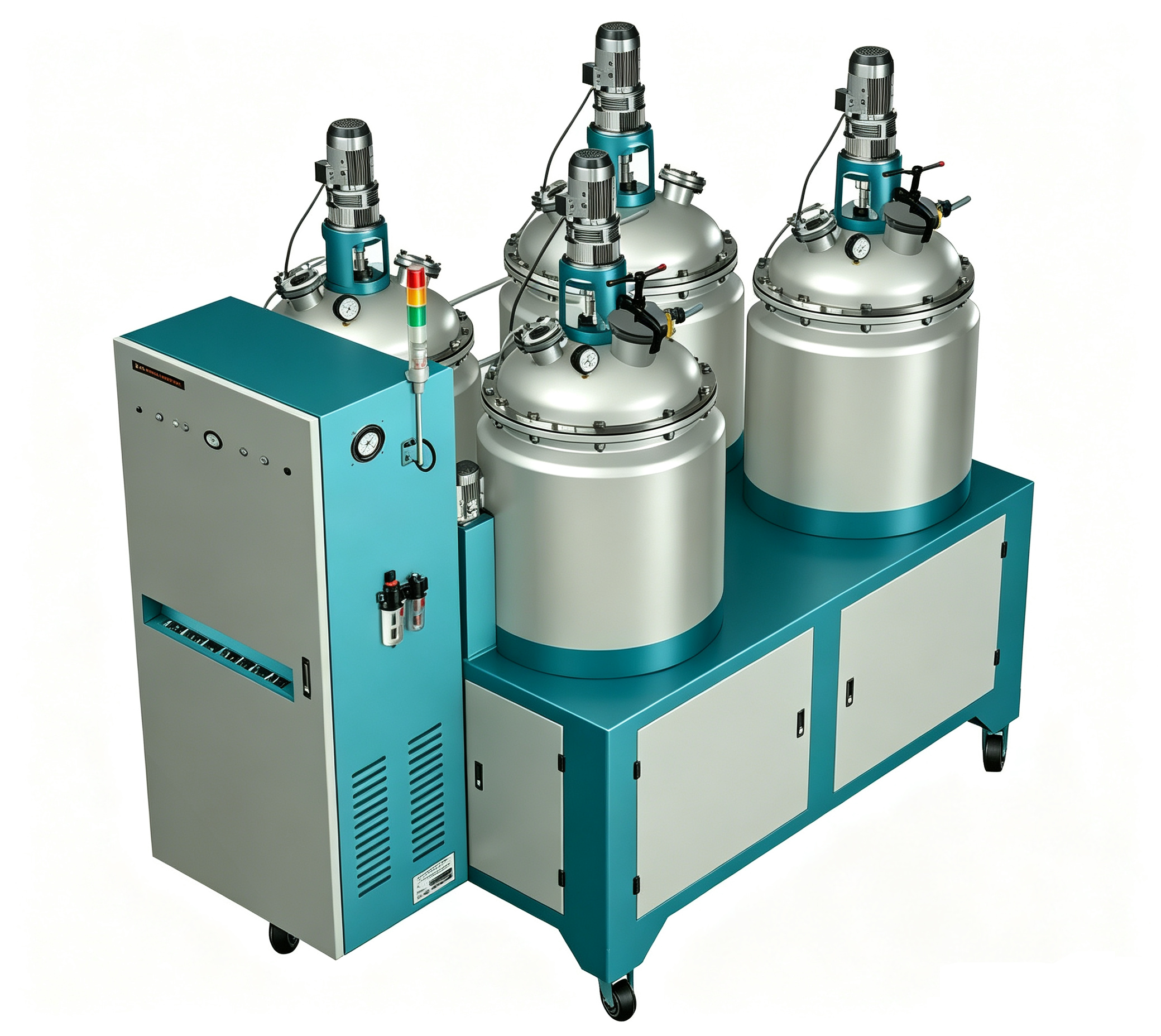
Low-pressure PU metering and mixing for insole molding, with material conditioning and mold interfaces configured for the selected product.
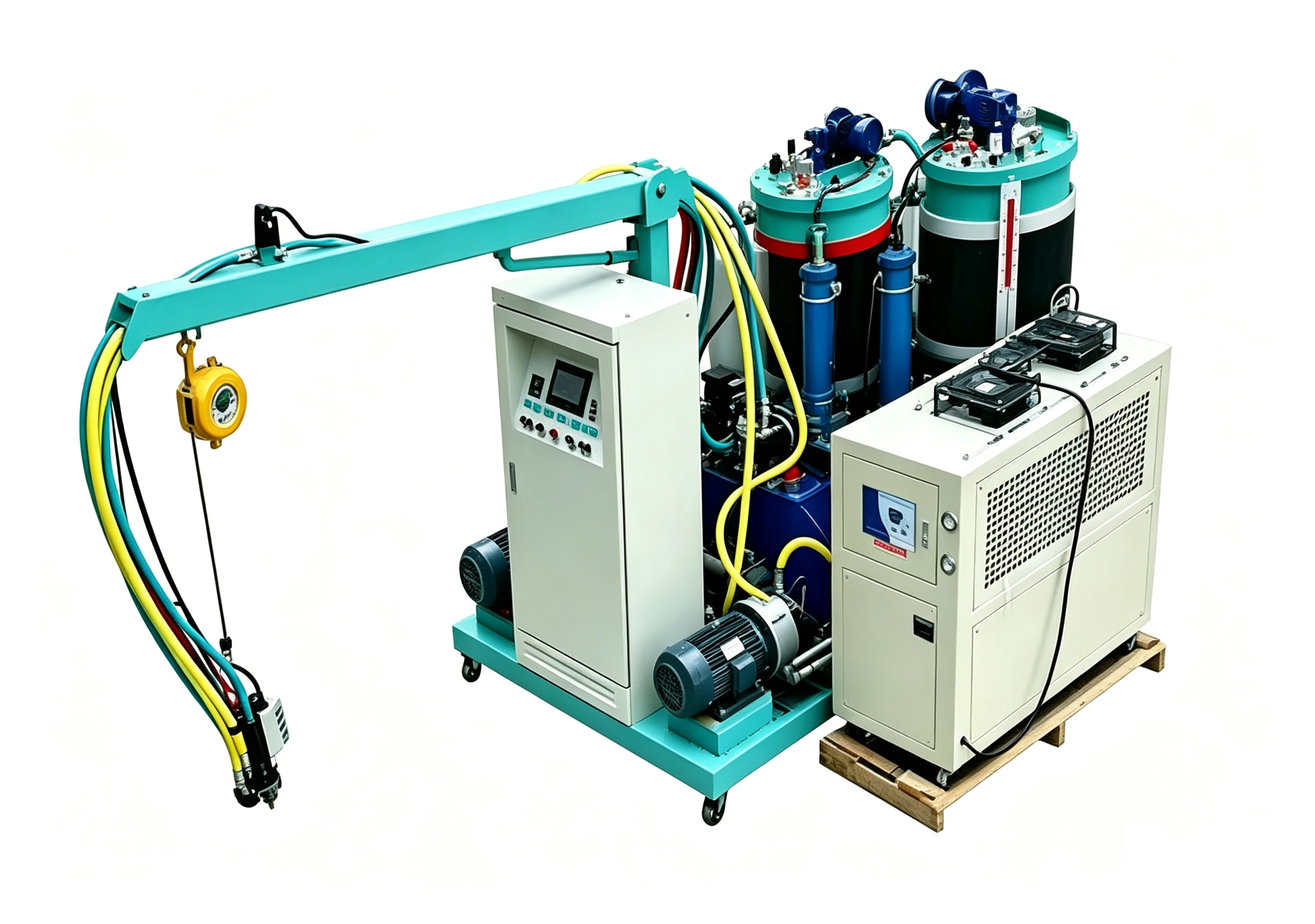
Low-pressure PU delivery for safety-shoe soles, with metering, mold handling and material circuits selected for the footwear construction.
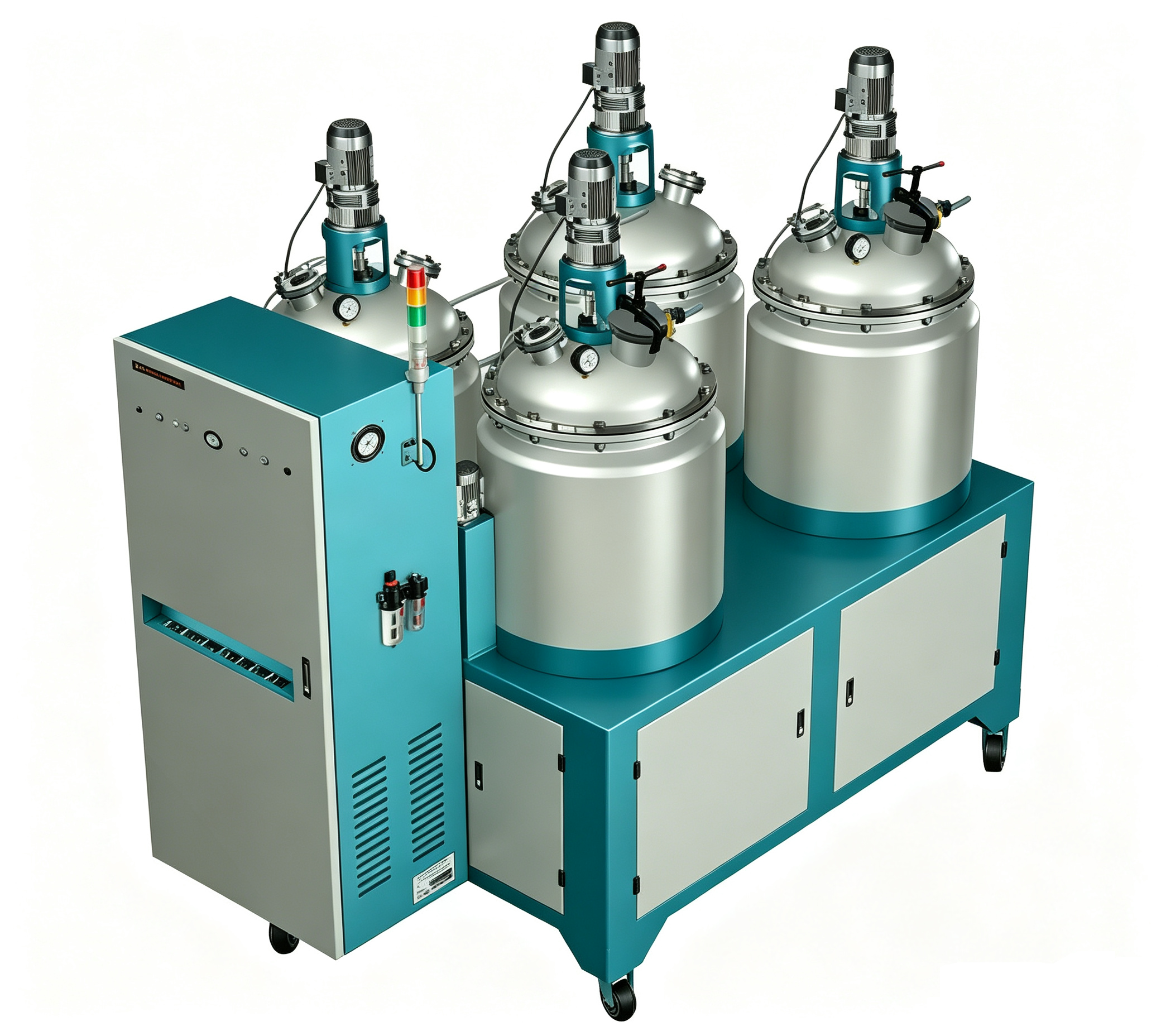
Low-pressure PU metering and mechanical mixing for sole molding, configured for formulation viscosity, shot demand and tooling.
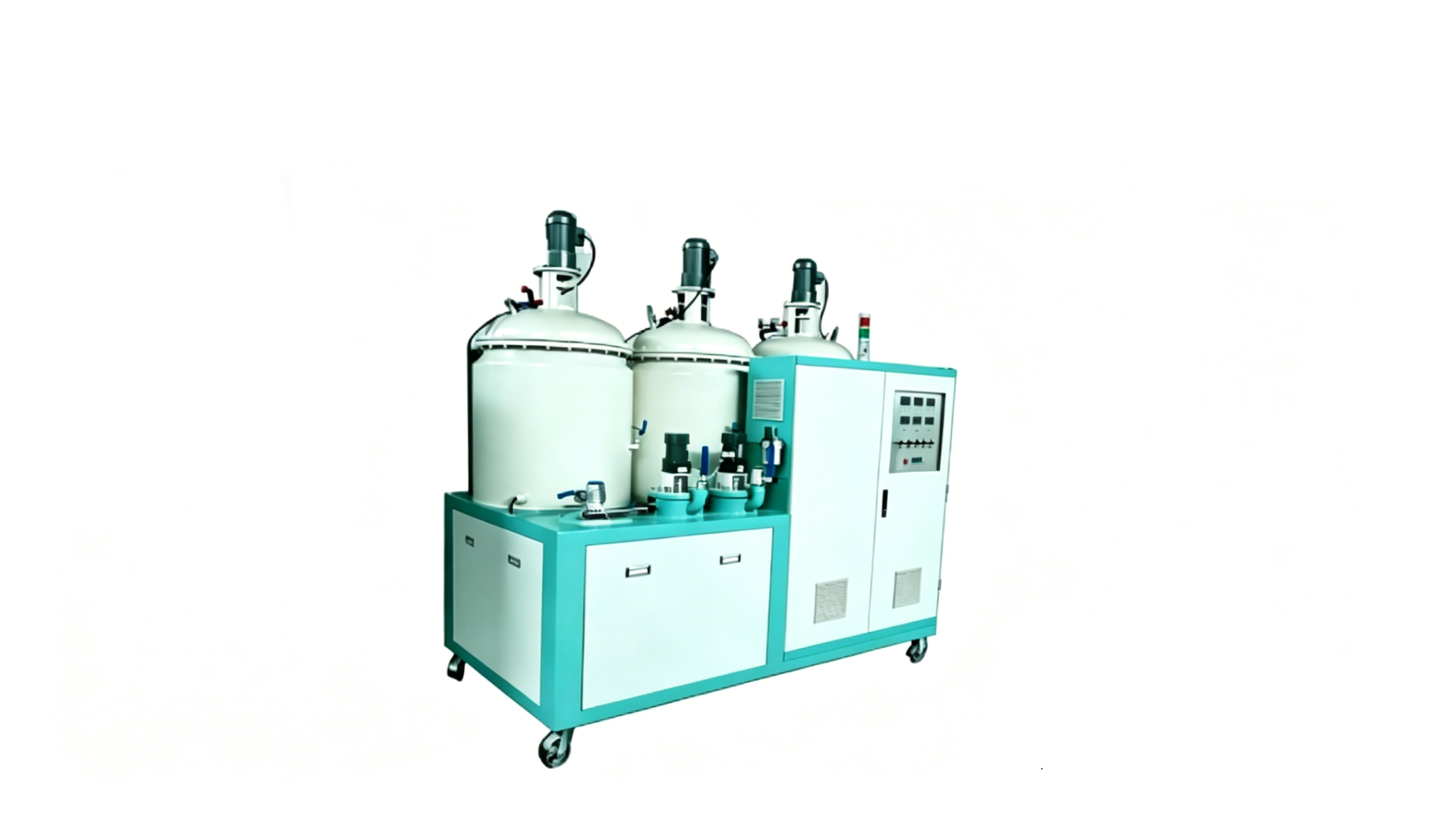
PU preparation and low-pressure dispensing for footwear molding, with line and mold interfaces defined for the selected process.
Explore the published pu footwear application and project records selected from this category's solution pages. Each record describes its own material, process and equipment scope; project figures and industry references are not universal machine ratings or independently verified results for a new installation.
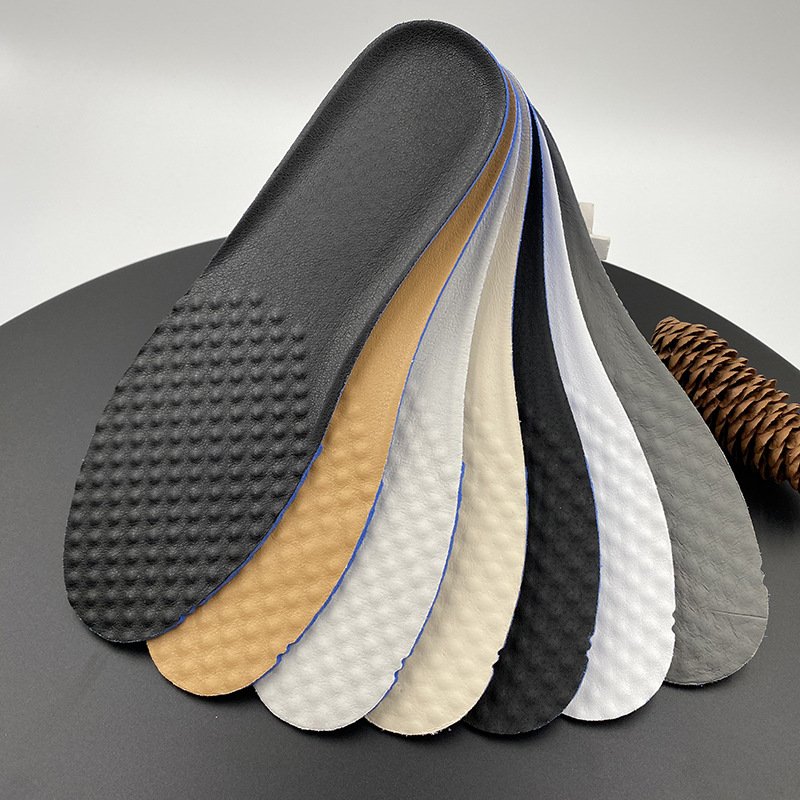
Sports Brand Insole Line Upgrade +50% Daily Output demonstrates a high-efficiency polyurethane insole production solution designed to increase daily output, improve process stability, and optimize footwear manufacturing efficiency.
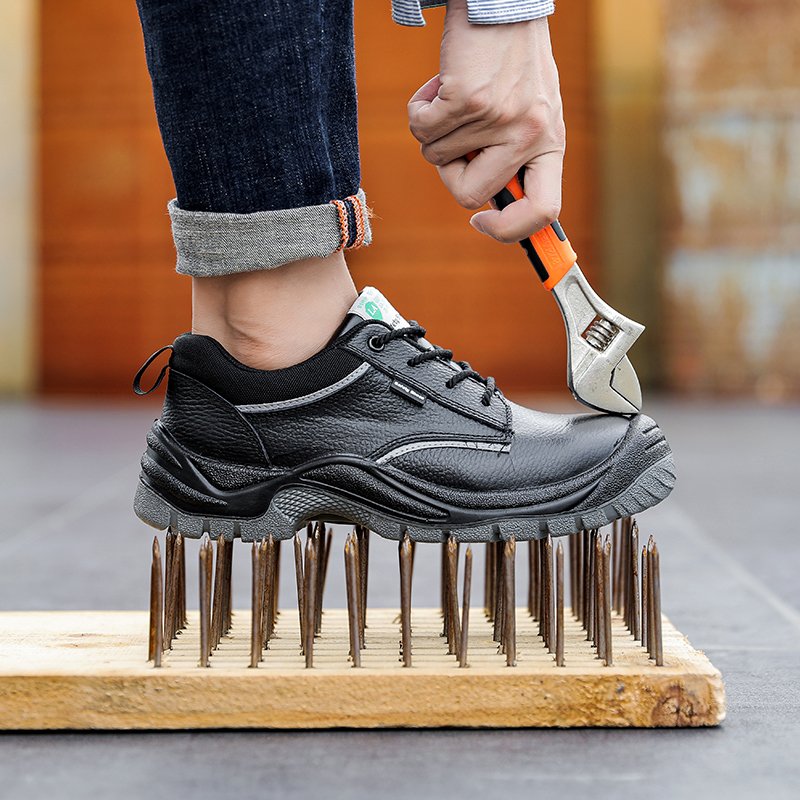
Safety Shoe Polyurethane Line Upgrade +220% Daily Output highlights a high-output polyurethane production solution for safety footwear, improving production capacity, process efficiency, consistency, and manufacturing performance.
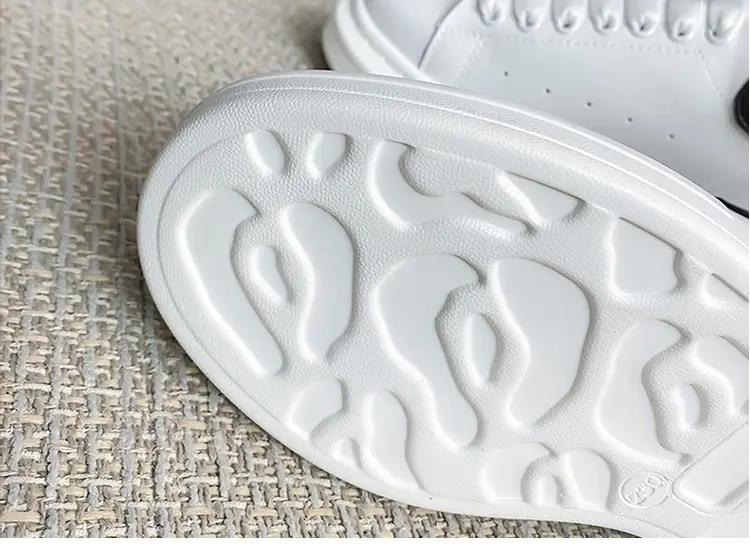
PU Sole Line Upgrade +44% Daily Output showcases an upgraded polyurethane sole production solution that improves daily production capacity, manufacturing efficiency, process stability, and overall footwear production performance.
Review part volume, density, hardness, rebound requirements and mold handling. The selected formulation and tooling determine the production configuration.
Possible changeovers depend on material compatibility, feed arrangement, cleaning and the agreed trial conditions.
These are formulation and finished-product properties. Define the required tests and qualification basis separately from equipment acceptance.
Tell us your material system, part dimensions and production target. Our team will reply within one business day. Once requirements are clear, we provide a preliminary proposal within two business days.


