
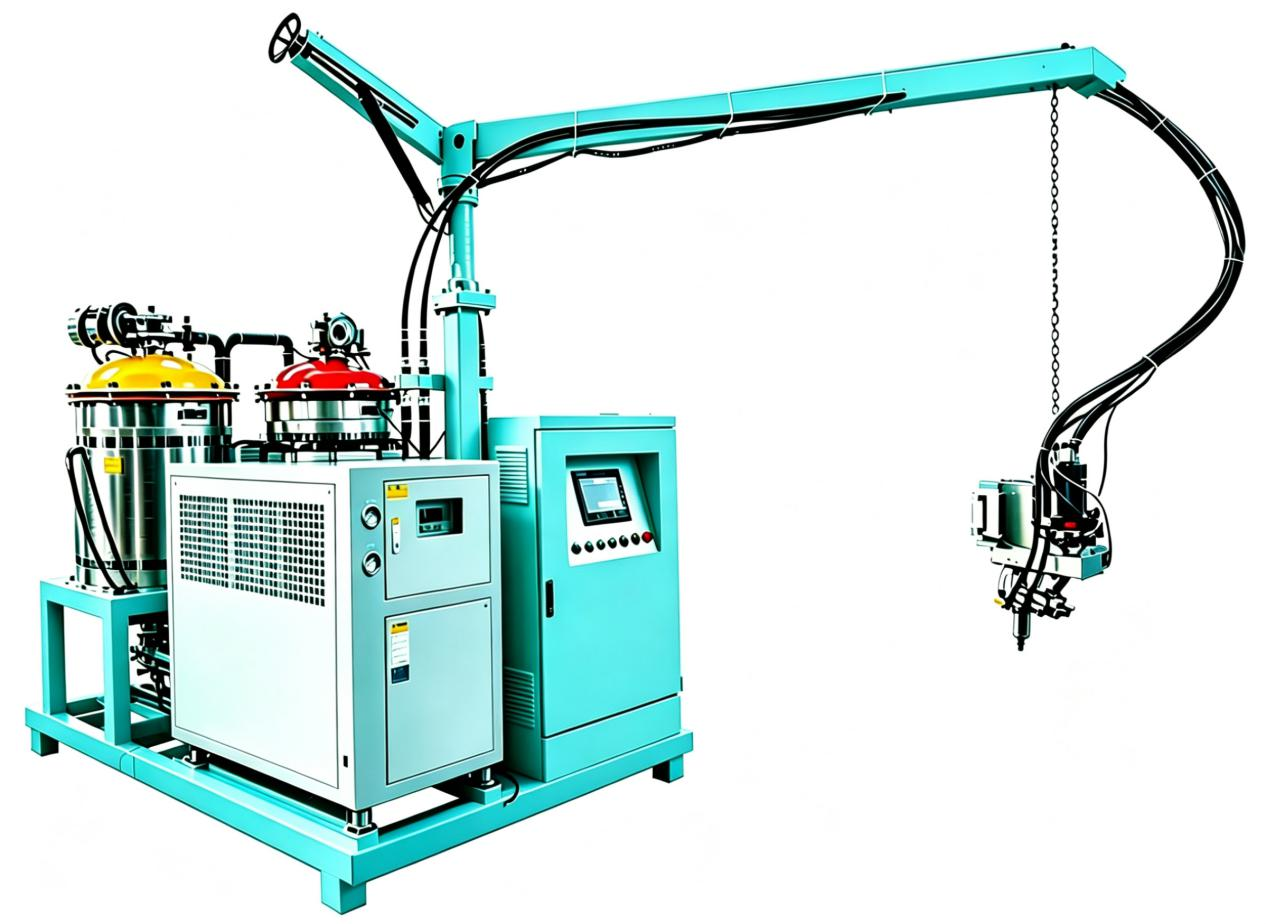
Low-Pressure PU Foaming Machine | Self-Skinning Steering Wheels
Low‑pressure PU system for self‑skinning steering wheels, with laminar flow injection, ±0.3% metering, ±0.5°C closed‑loop temp control, and solvent‑free VOC‑compliant operation.
Discharge Flow Rate
50~300 g/s
Mix Ratio (A:B)
100 : 50~150
Mixing Head Speed
5,200 rpm (adjustable)
Metering Accuracy
±0.3%
Product Overview
The HF‑LPM‑1A1B‑A is a low‑pressure PU system for self‑skinning steering wheels, featuring laminar flow injection, ±0.3% accuracy, and ±0.5°C temperature control.
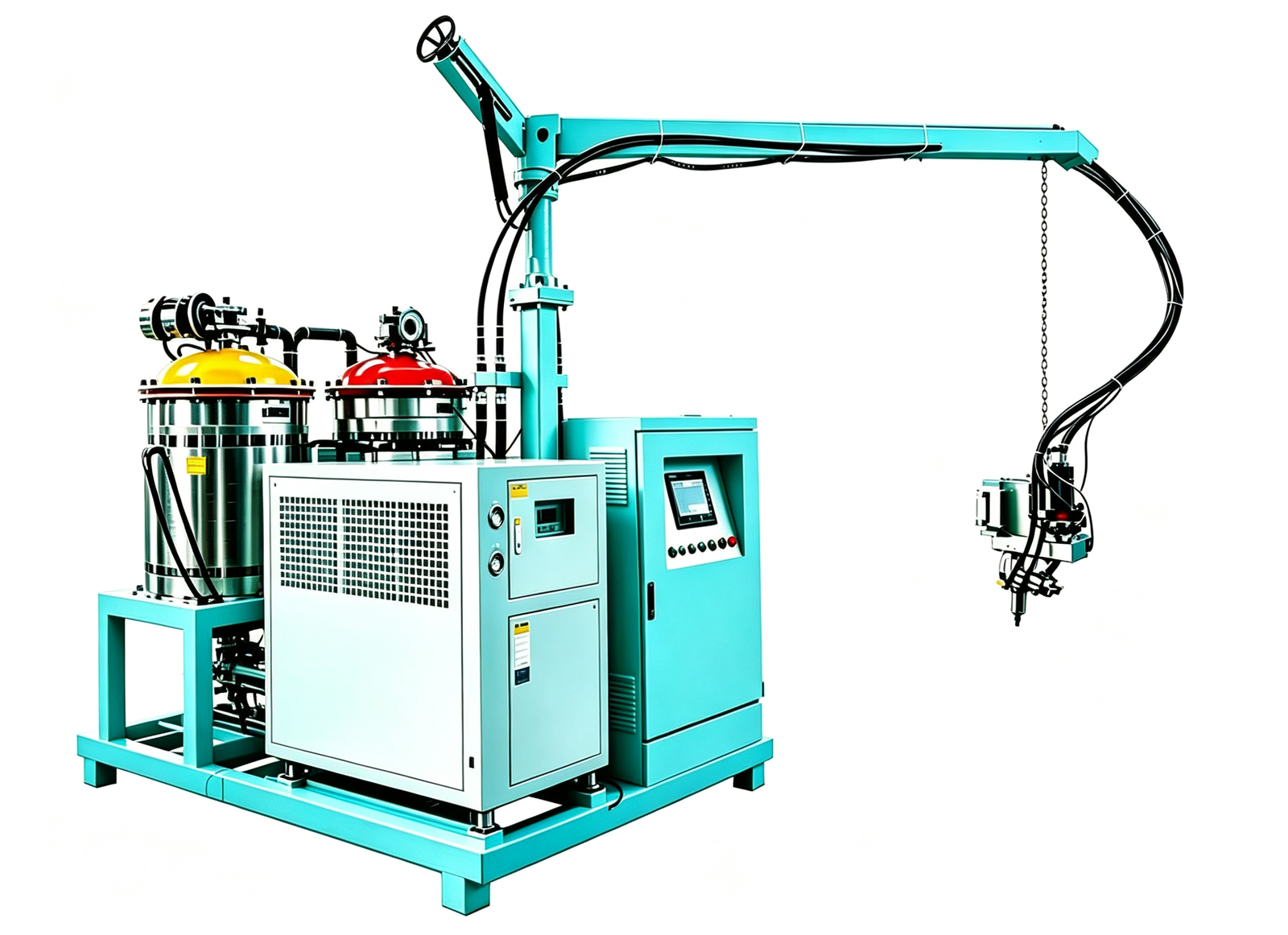
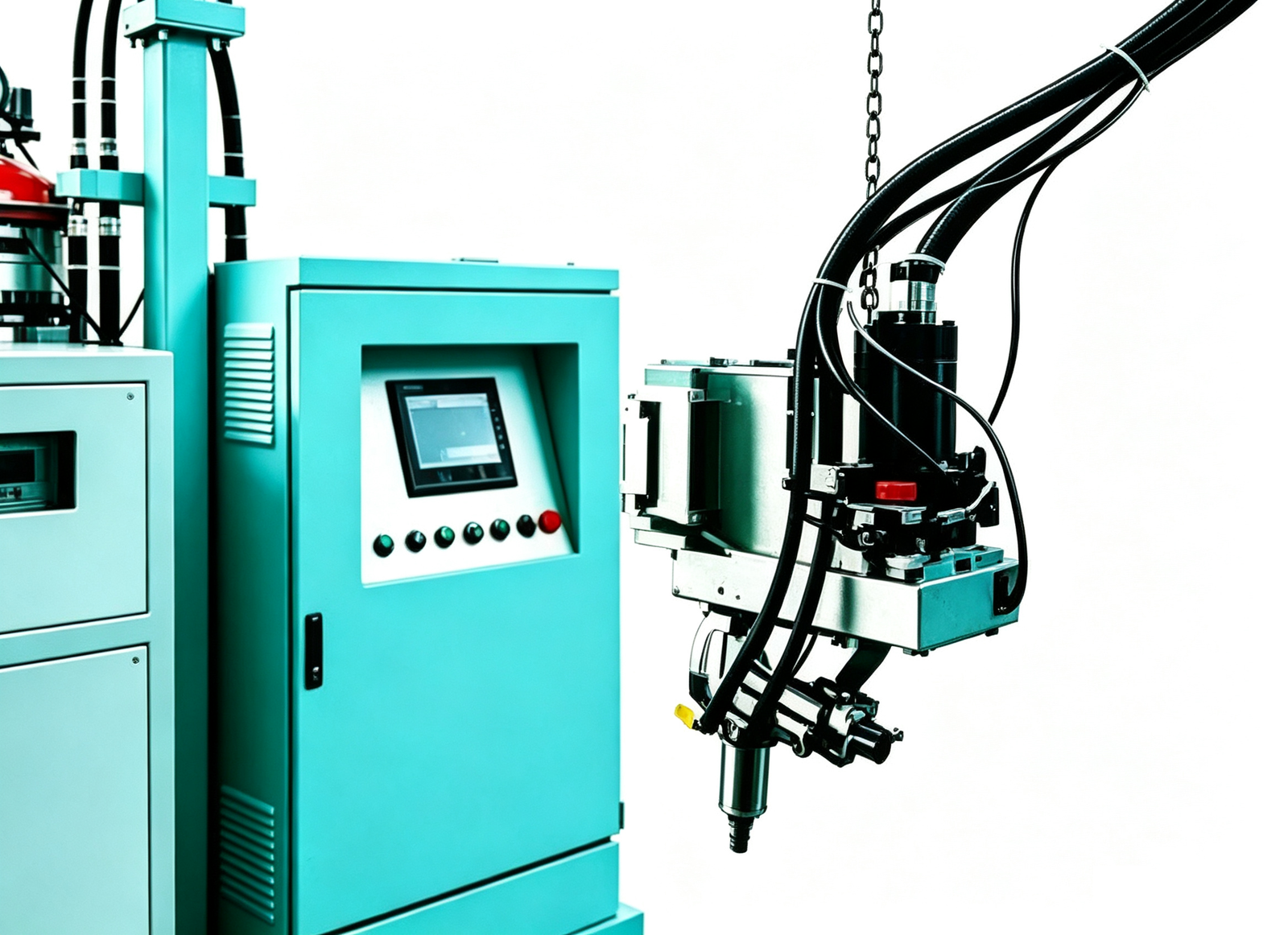
The HF-LPM-1A1B-A is a low-pressure PU foaming system dedicated to manufacturing self-skinning steering wheels for passenger cars, trucks, yachts, agricultural machinery, and golf carts, achieving integrated one-step molding of the skeleton and outer skin. The machine features a 200L tank system, discharge flow of 50–300 g/s, adjustable A:B ratio of 100:50–150, and a mixing head speed of 5,200 rpm. Precision gear metering pumps with closed-loop VFD control maintain ±0.3% accuracy. Laminar low-pressure injection creates smooth, orderly flow that exhausts trapped air, fundamentally reducing bubble defects and producing a dense, smooth outer skin without secondary covering. The systematic closed-loop thermodynamic system—three-layer jacketed tanks, pipeline heat tracing, and mixing head temperature locked within ±0.5°C—links with mold temperature controllers to enable rapid skin densification and minimize pinholes and orange peel. The PLC monitors injection volume, ratio, and mixing in real time, ensuring unified weight, density, and hardness across the batch. Solvent-free formulations emit no VOC, meeting automotive interior VOC and odor standards. Compact structure supports optional MES/ERP interfaces for traceability and remote O&M, with multi-formula storage for one-click recall and fast mold changeover.
Production Workflow
Material Preparation & Temperature Setting
Load polyol and isocyanate into 200L three‑layer jacketed tanks; set material temperature and mold temperature with ±0.5°C closed‑loop control.
Recipe Selection & Parameter Setting
Choose stored steering wheel formula on PLC touch screen; set A:B ratio (100:50‑150) and flow (50‑300 g/s) per model.
Laminar Flow Injection & Molding
PU material is injected into the mold cavity in laminar flow, displacing air from bottom to top; self‑skinning outer skin forms as material cures.
Demolding, Trimming & System Cleanup
Open mold; remove finished steering wheel; trim flash if needed; automatic cleaning cycle prepares the system for the next run.
Technical Specifications
Specifications are based on standard configurations. Customizable component counts (2‑6) and optional MES/ERP data interfaces available.
| Technical Parameter | HF-LPM-1A1B-A |
|---|---|
| Discharge Flow Rate | 50–300 g/s |
| Raw Material Mix Ratio | A:B = 100:50–150 |
| Tank Volume | 200 L |
| Total Motor Power | 11 kW |
| Mixing Head Rotational Speed | 5,200 rpm (adjustable) |
| Metering Accuracy | ±0.3% |
| Core Features | Laminar injection, superior surface finish, precision metering, batch consistency, solvent-free |
| Warranty Period | 1 year |
| Net Weight | 1,000 kg |
| Certifications | Confirm applicable documents for the quoted configuration |
| Brand Name | Haifeng |
Key Advantages
Six engineering and production benefits that deliver premium self‑skinning steering wheels with superior surface quality, batch consistency, and automotive‑grade environmental compliance.
Laminar Low‑Pressure Injection for Premium Surface Quality
Low‑pressure laminar flow pushes materials into mold cavities while fully exhausting trapped air, fundamentally reducing bubble defects. Outer skin is dense and smooth without secondary covering procedures.
Linked Temperature Control to Eliminate Defects at Source
Three‑layer jacketed tanks + pipeline heat tracing + mixing head discharge temperature locked within ±0.5°C. PLC links with mold temperature controllers to create optimal temperature gradient, minimizing pinholes and orange peel.
Precision Metering for Outstanding Batch Consistency
Precision gear metering pumps with closed‑loop VFD control maintain ±0.3% accuracy. PLC monitors injection volume, ratio, and mixing in real time, ensuring unified weight, density, and hardness across all steering wheels.
Solvent‑Free Eco‑Friendly System (VOC Compliant)
Supports solvent‑free formulations with no VOC emissions. Molded products meet automotive interior VOC and odor standards, satisfying increasingly strict air quality requirements of vehicle manufacturers.
Compact, Energy‑Saving & Flexible Manufacturing
Compact footprint with flexible layout and low energy consumption. Optional MES/ERP interfaces enable real‑time data traceability and remote O&M. Fast mold positioning and one‑click recipe recall shorten changeover time.
Multi‑Formula Storage for Digital Workshop Integration
Control system stores multiple steering wheel formulas for different vehicle models. Supports small‑batch, multi‑style production and facilitates the construction of digital workshops with full traceability.
Complete Your Production Line
Integrate the product with our full range of auxiliary equipment for a turnkey polyurethane processing system.
Epoxy Pouring Machine | Printing Rollers
Low Pressure Polyurethane Machine
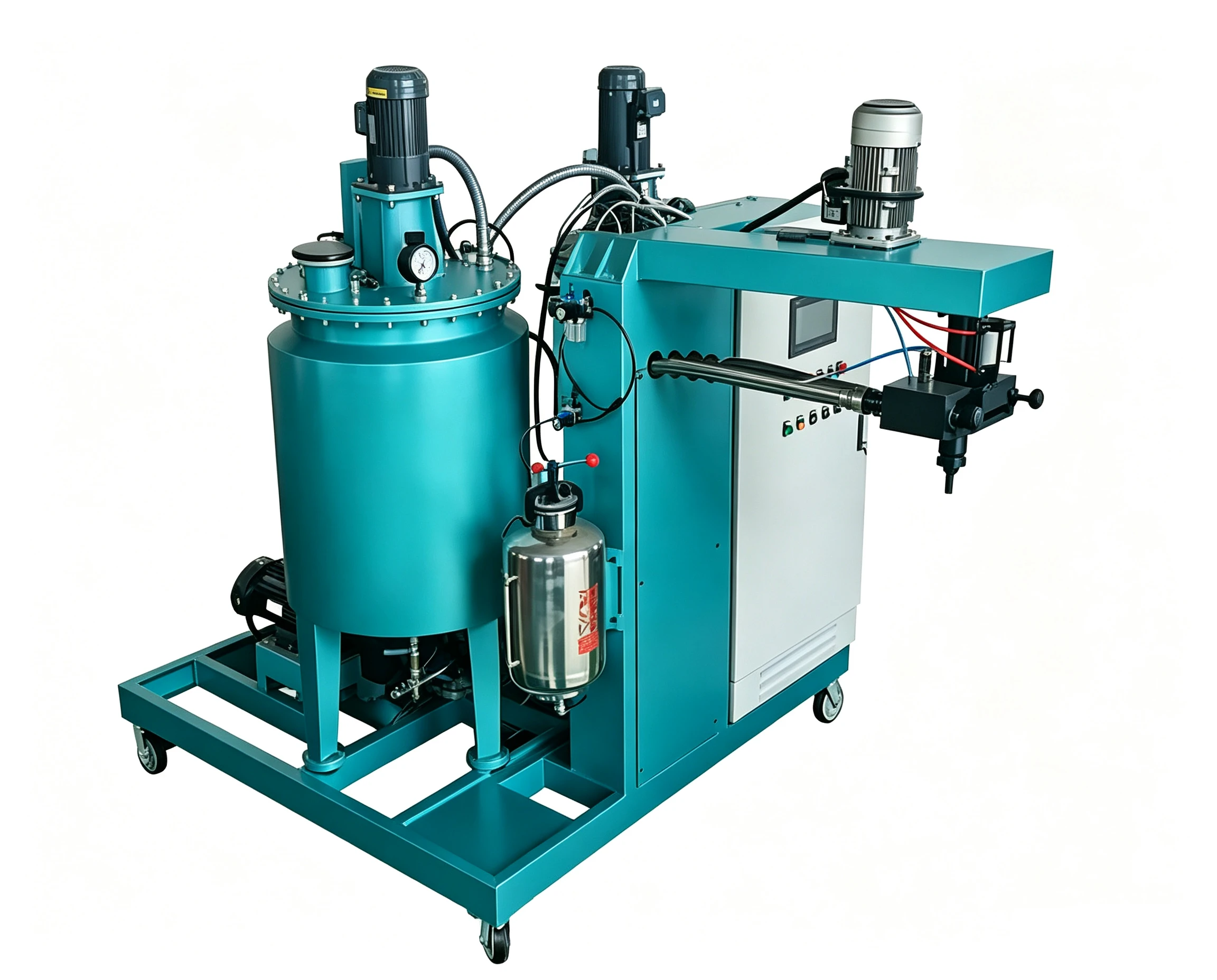
PU Elastomer Casting Machine | Hydraulic Seals
Polyurethane Machinery &Equipment
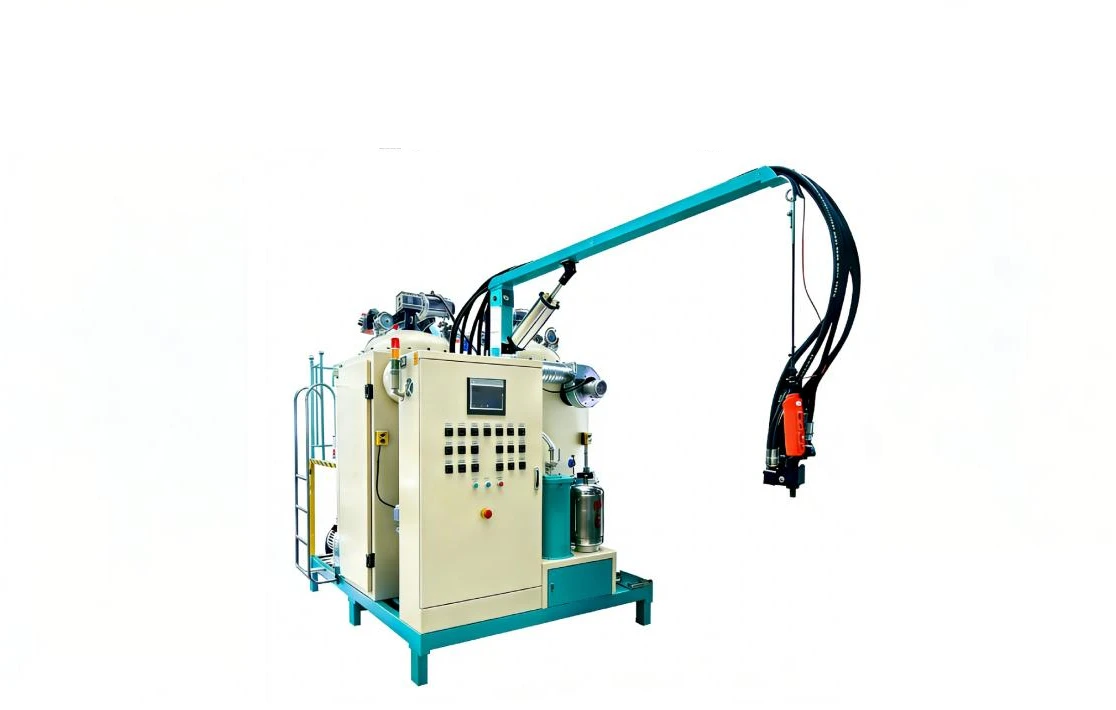
MC Nylon Casting Machine | Cast Nylon Parts
MC Nylon Casting Machines
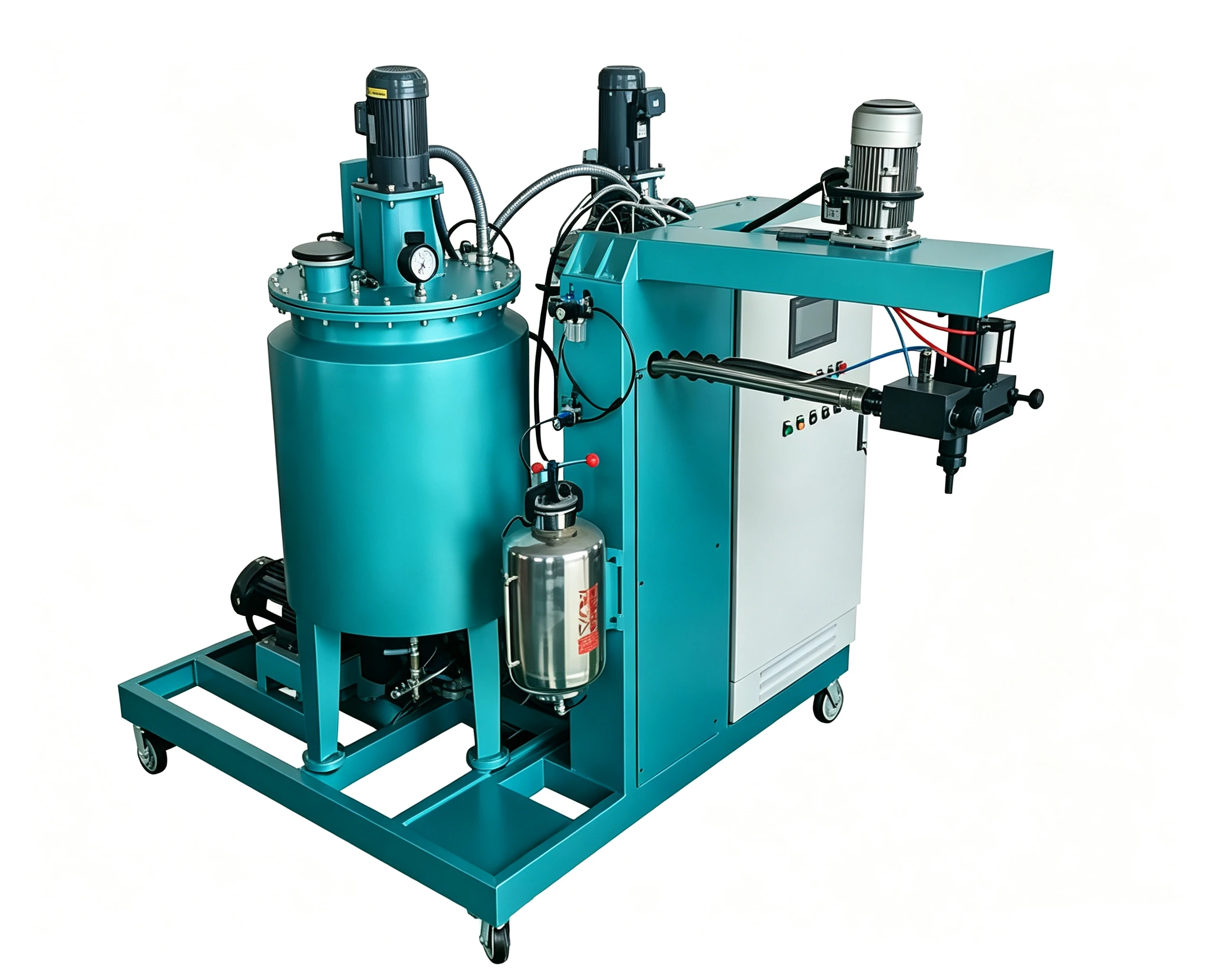
PU Elastomer Casting Machine | Cold Rolling Rollers
Polyurethane Machinery &Equipment


