
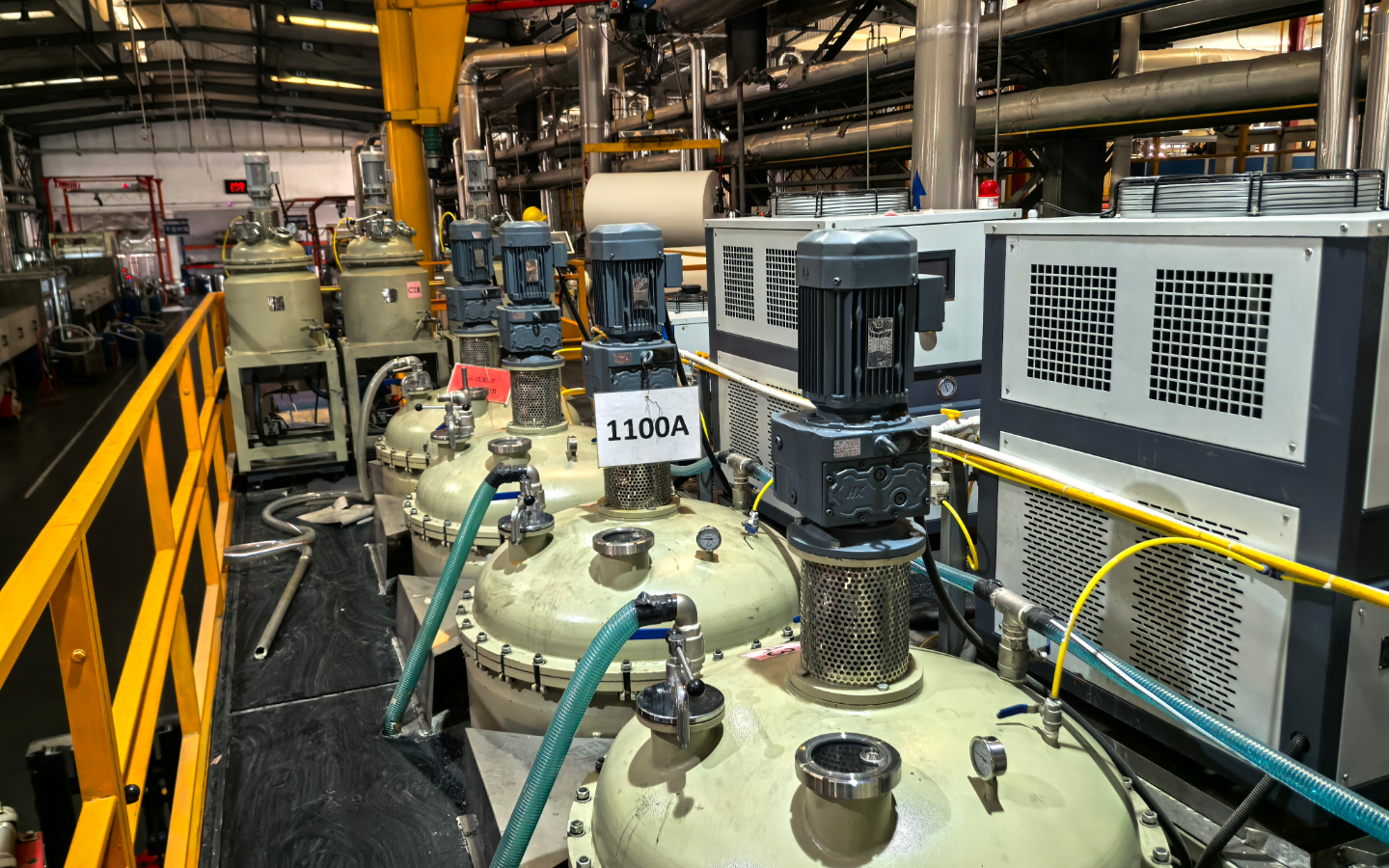
Automotive PU Manufacturing Turnkey Plant
Automotive PU and Composite Manufacturing Equipment
Turnkey lines for automotive interiors and structural parts — precision metering, molding and curing configured to your part, material and target output. Each line is engineered as a system, from dosing to demolding.
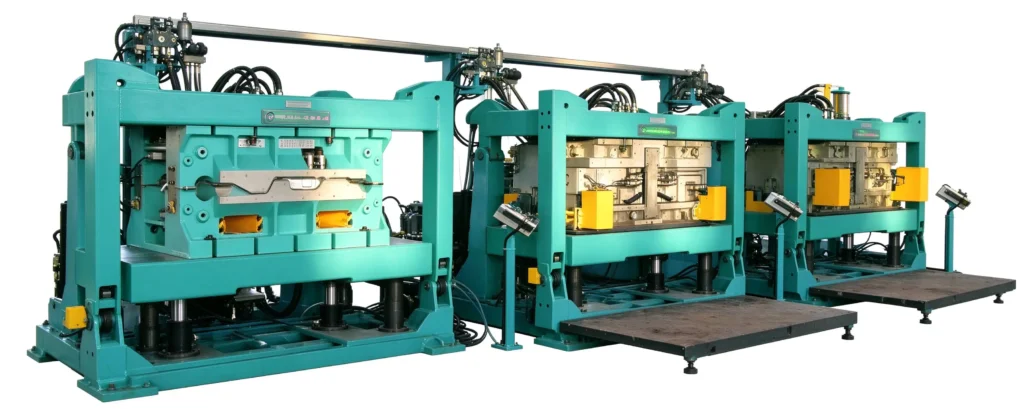
High-Pressure PU Foaming Machine | Automobile Acoustic Pads
High-pressure PU foaming machine for automotive acoustic pads with 50-1000 g/s pouring, ±0.3% metering accuracy, two-stage mixing and hydraulic mold integration.
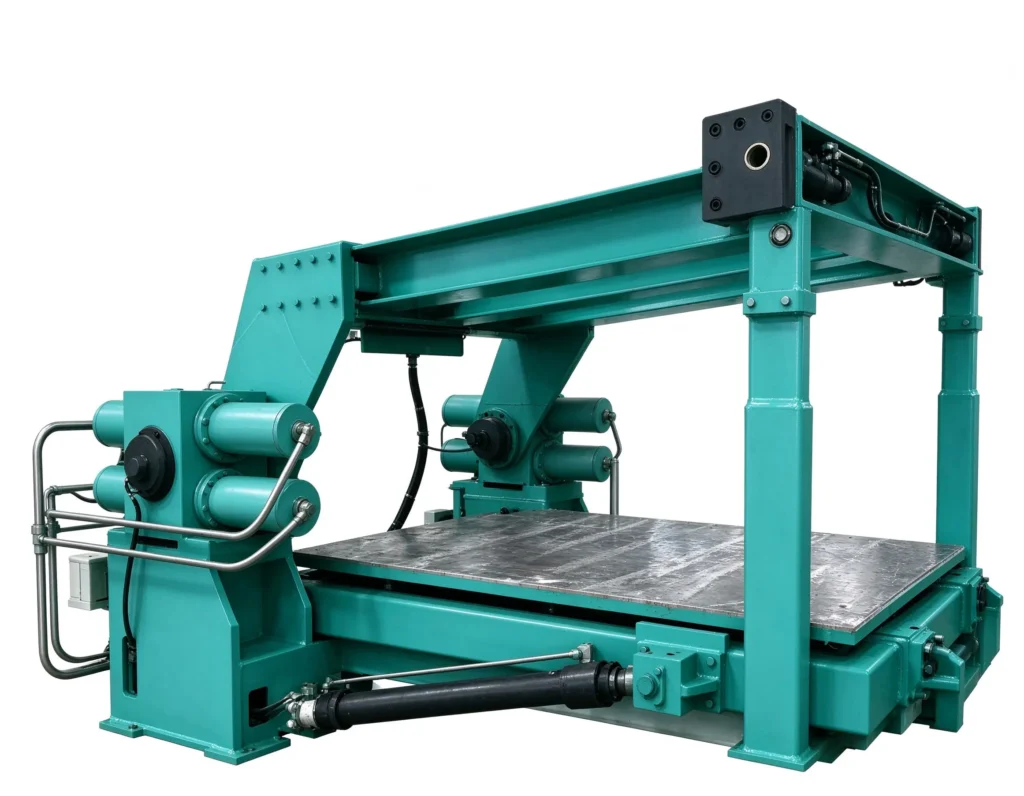
High-Pressure PU Foaming Machine | Automobile Carpets
High-pressure PU foaming machine for automobile carpets with 50-1000 g/s flow & ±0.3% accuracy. Robotic pouring, CE & ISO certified. Get a free quote.
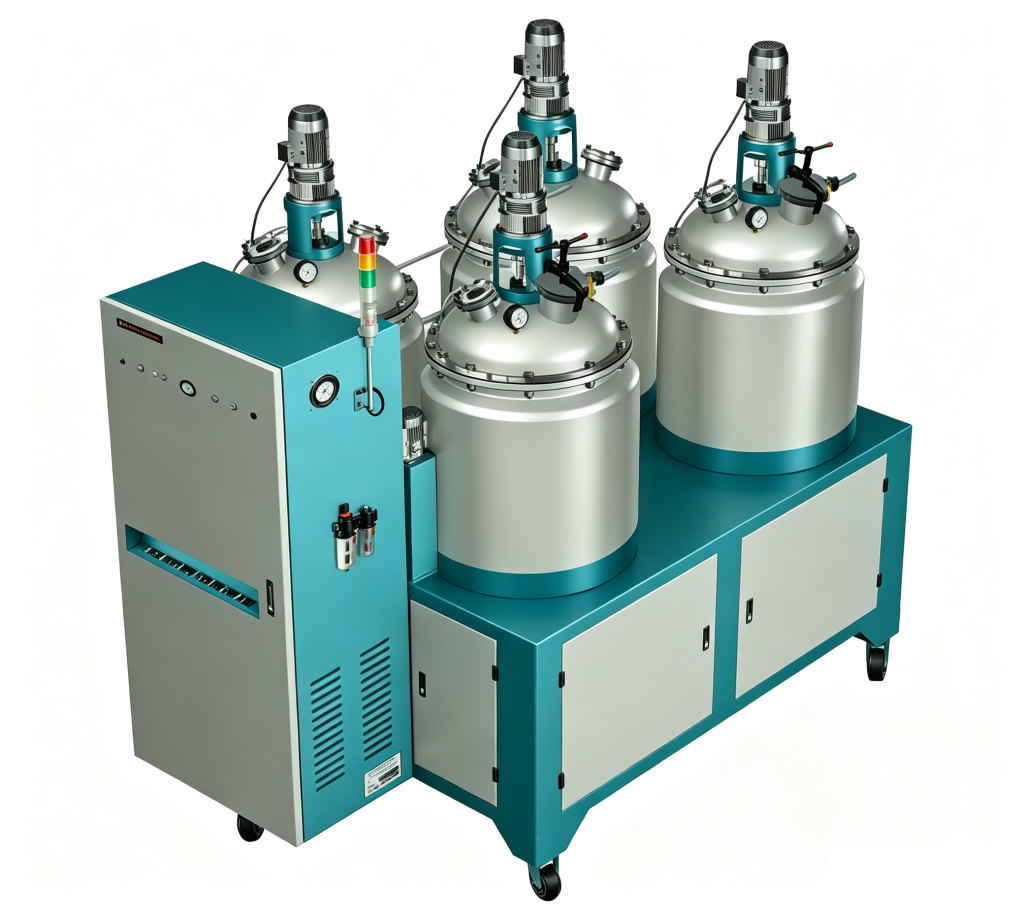
Low-Pressure PU Foaming Machine | Bump Stops
Low-pressure PU foaming machine for automotive bump stop production, delivering high cushioning performance and long-term durability. Ideal for suspension system shock-absorbing components.
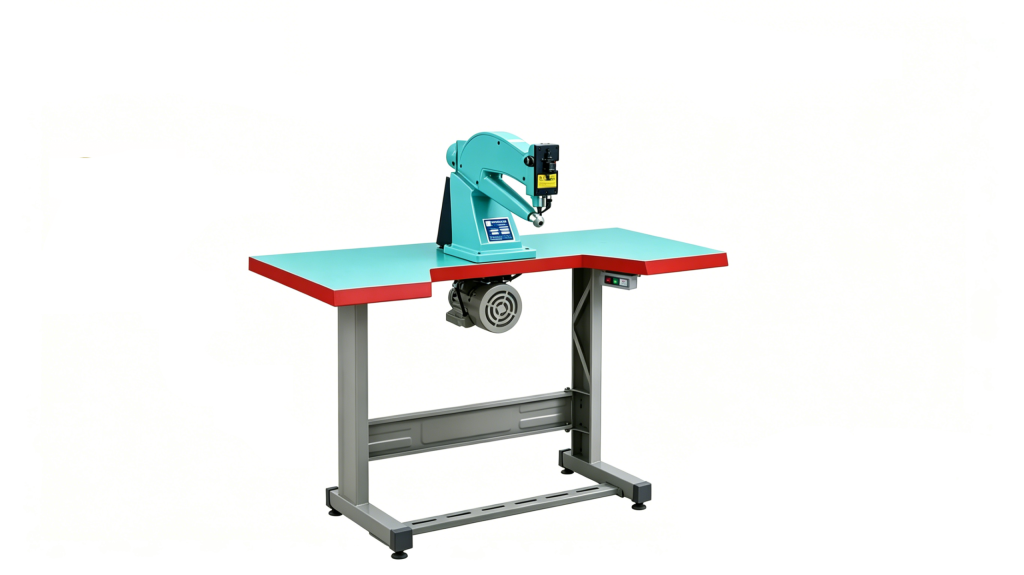
Auto Buffer Block Trimming Machine | Auto Parts
Automatic trimming machine designed for auto buffer block flash removal, delivering high-precision cutting for smooth edges. Ideal for shock absorber blocks and polyurethane elastomer parts finishing.
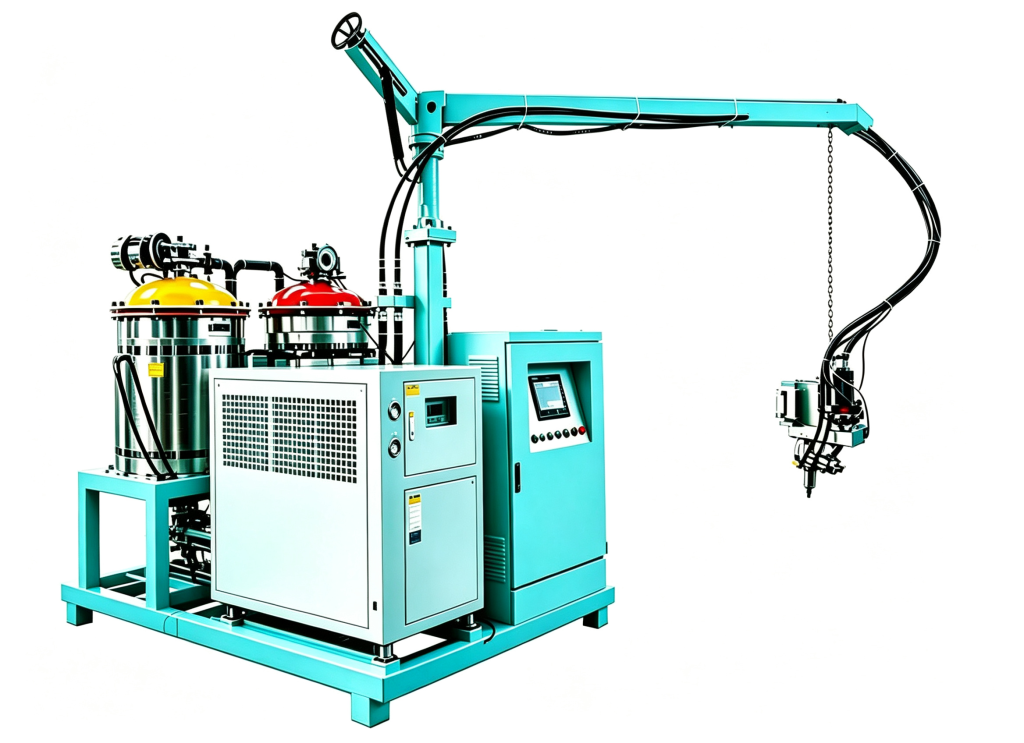
Low-Pressure PU Foaming Machine | Self-Skinning Armrests
PU foaming machine for self-skinning armrests, producing a durable dense skin and a soft comfortable core. Ideal for automotive interiors and seat armrests.
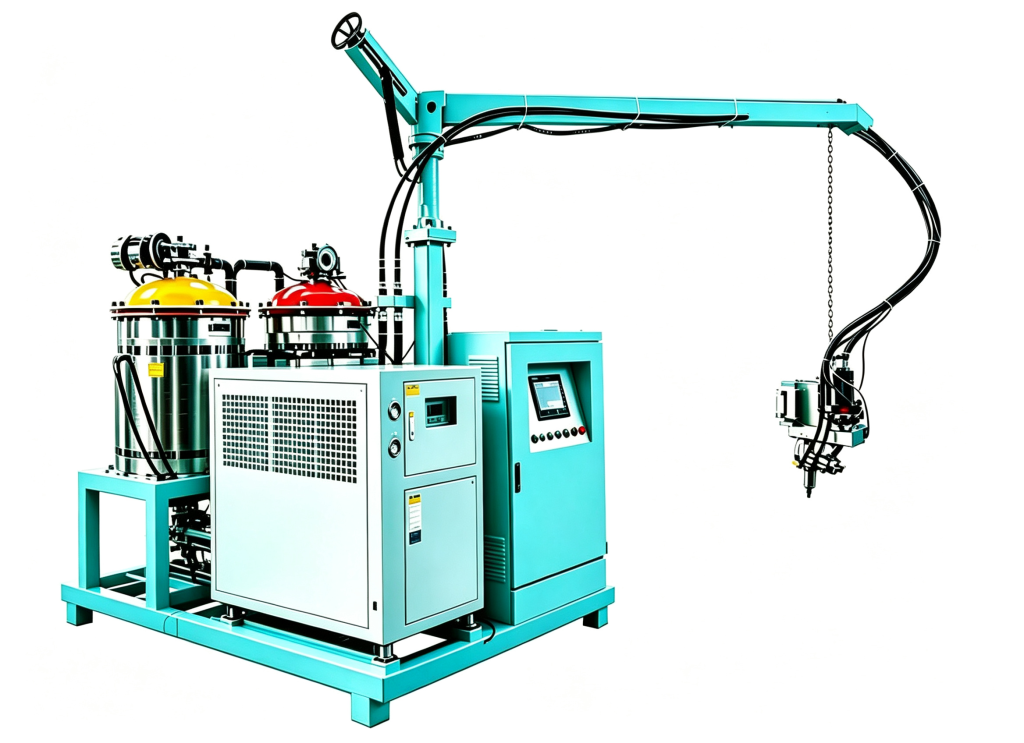
Low-Pressure PU Foaming Machine | Self-Skinning Steering Wheels
PU foaming machine for automotive steering wheel covering, ensuring fine surface texture and high wear resistance. Ideal for steering wheels, armrests, and interior trim production.
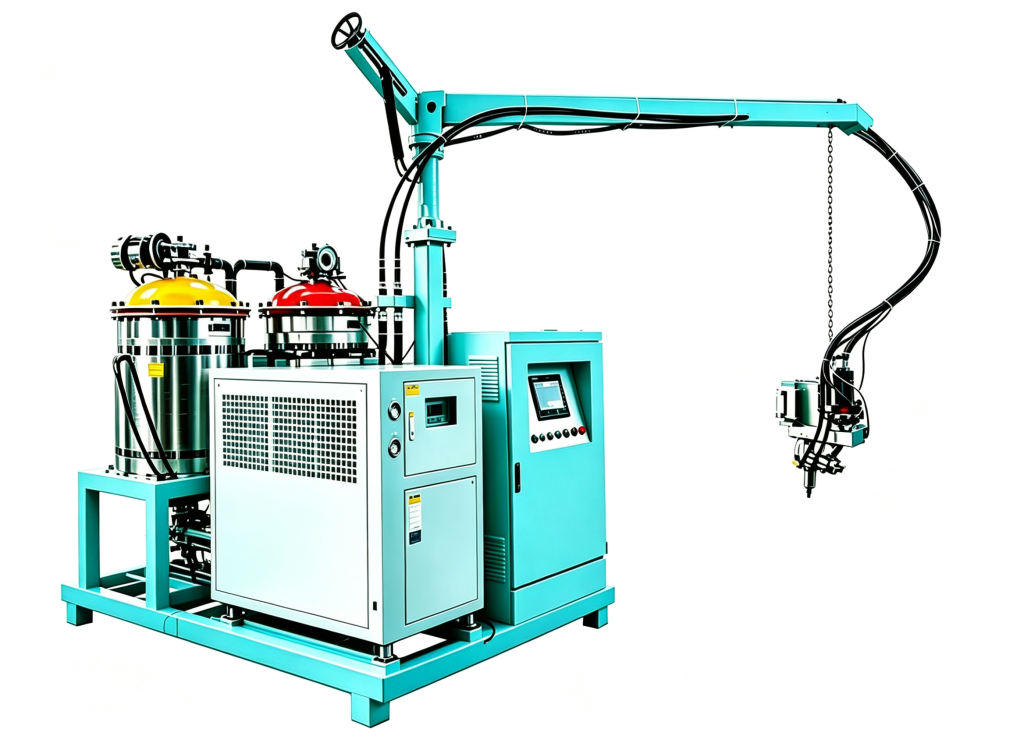
Low-Pressure PU Foaming Machine | Self-Skinning PU Seats
PU foaming machine for self-skinning seats, producing a durable dense skin and comfortable soft core. Ideal for automotive, medical, and office seating.
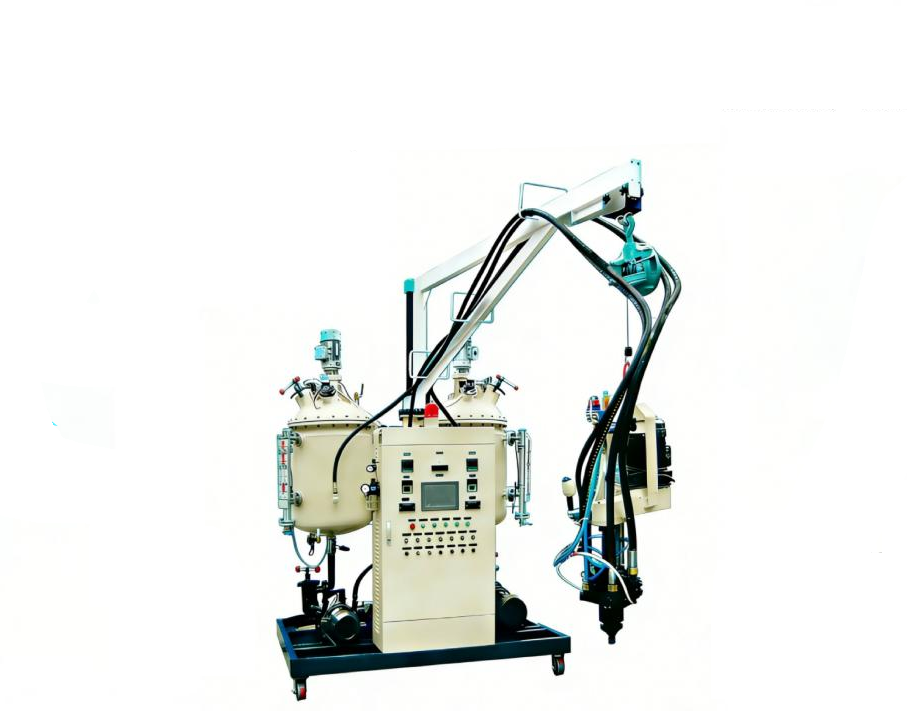
Low-Pressure PU Foaming Machine | Auto Dashboards
PU foaming machine for automotive dashboard skin production, ensuring fine surface texture and high wear resistance. Ideal for instrument panels and interior trim components.
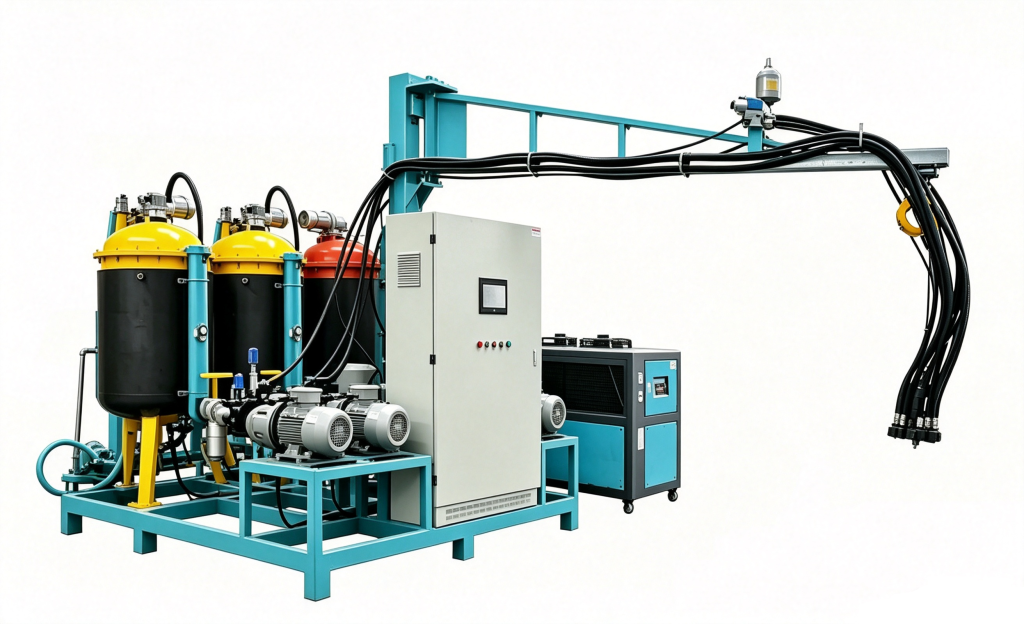
RIM Composite PU Foaming Machine | Auto Parts
RIM composite PU foaming machine for automotive parts, processing glass fiber/filler-reinforced systems. Delivers lightweight high-strength components for interior, exterior, and structural applications.
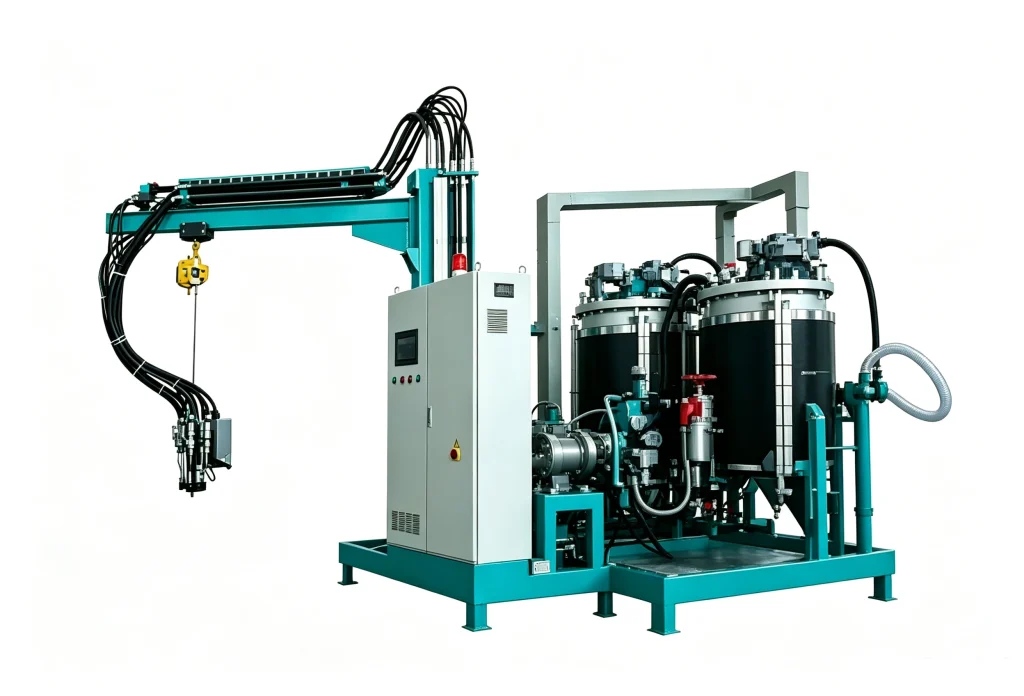
High-Pressure PU Foaming Machine | Steering Wheels
High-pressure PU foaming machine for steering wheel covering, ensuring fine surface texture and high wear resistance. Ideal for automotive interior parts like steering wheels and armrests.
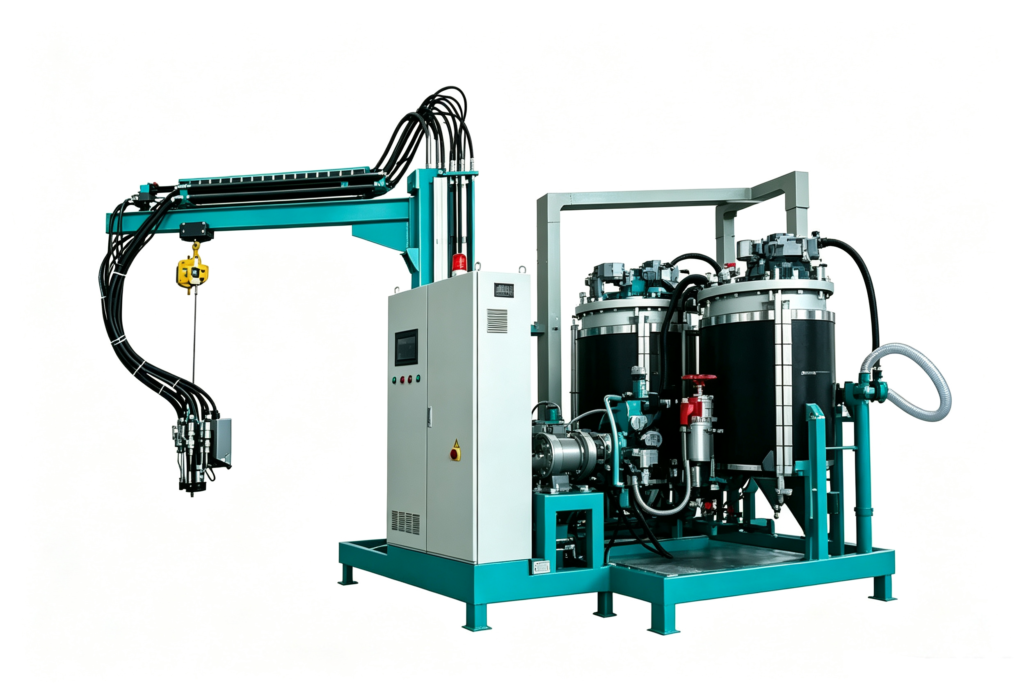
High-Pressure PU Foaming Machine | Headrests
High-pressure PU foaming machine for automobile headrests with 50-1000 g/s flow & ±0.3% accuracy. Turntable line, CE & ISO certified. Get a free quote.
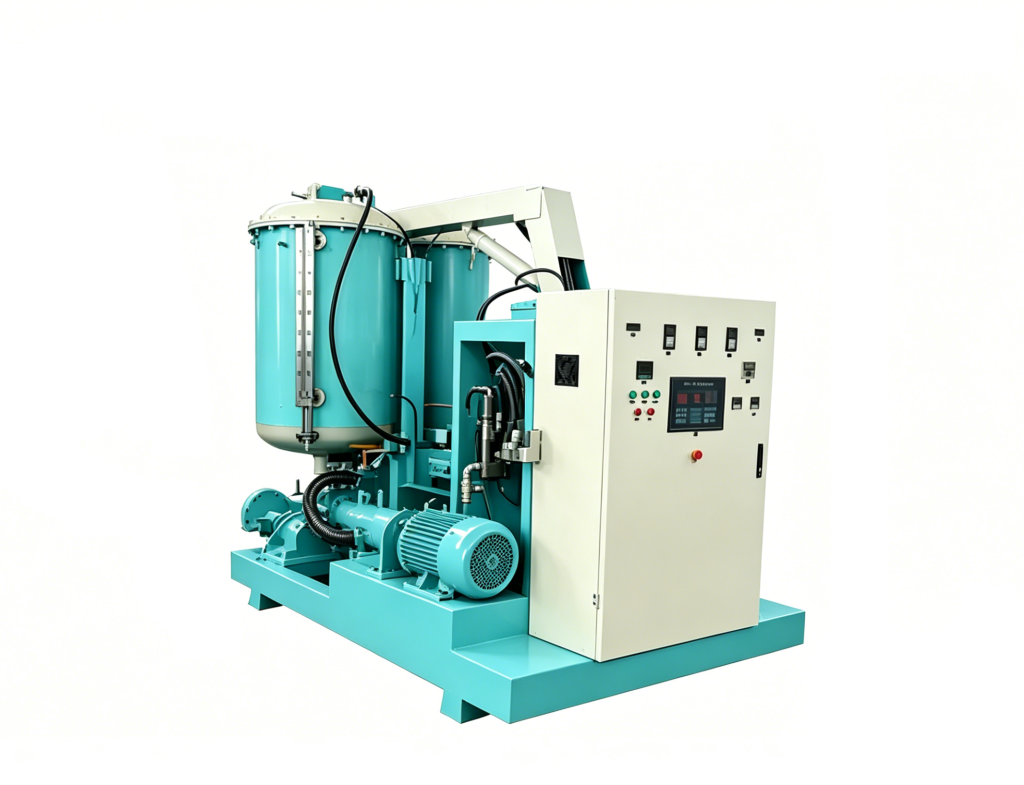
General RIM PU Molding Machine | Composite Parts
General-purpose RIM PU molding machine for glass fiber/filler-reinforced composites, producing lightweight high-strength parts. Widely used in automotive, construction, and heavy industrial applications.
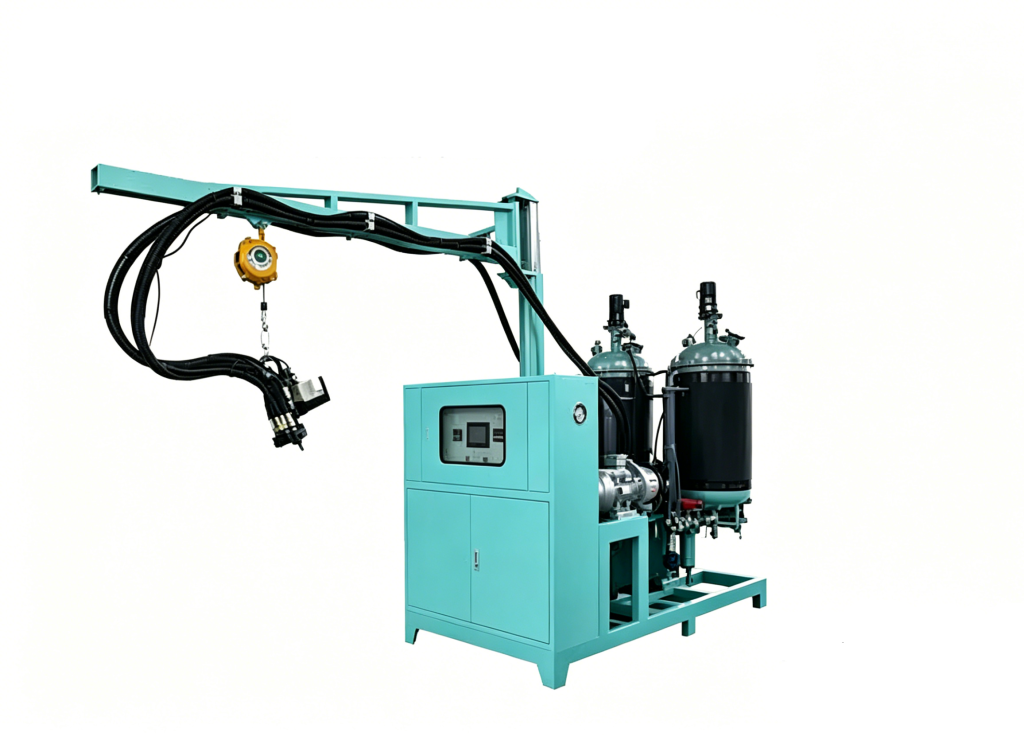
RRIM PU Molding Machine | Fiber-Reinforced Composites
Reinforced reaction injection molding machine for PU, processing glass fiber/filled systems. Delivers high strength and dimensional stability. Ideal for automotive exterior and structural parts.
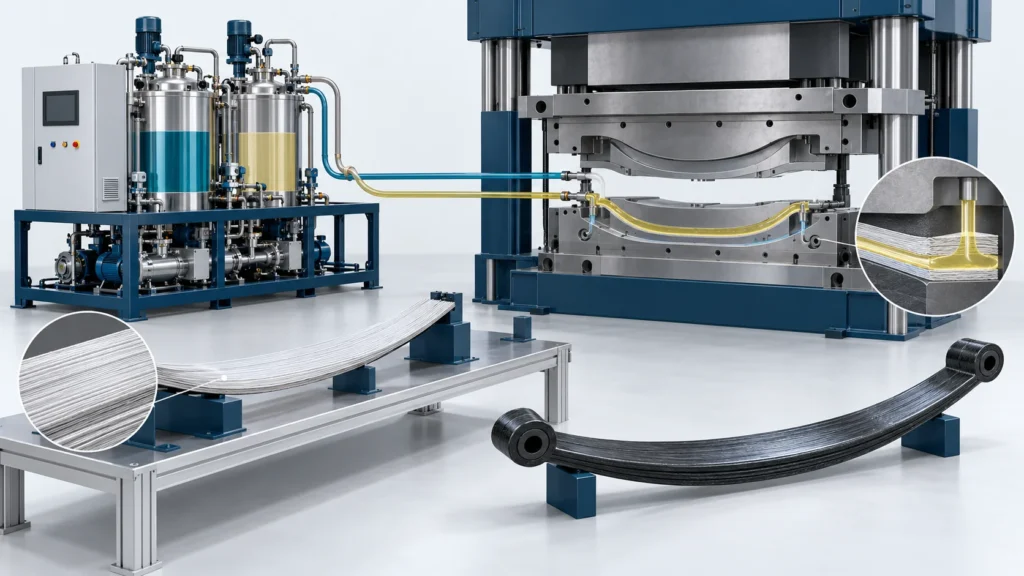
HP-RTM Machine | Composite Leaf Springs
HP-RTM resin metering and injection equipment for composite suspension leaf springs, configured for thick unidirectional glass-fiber preforms, mold vacuum and multi-zone thermal control.
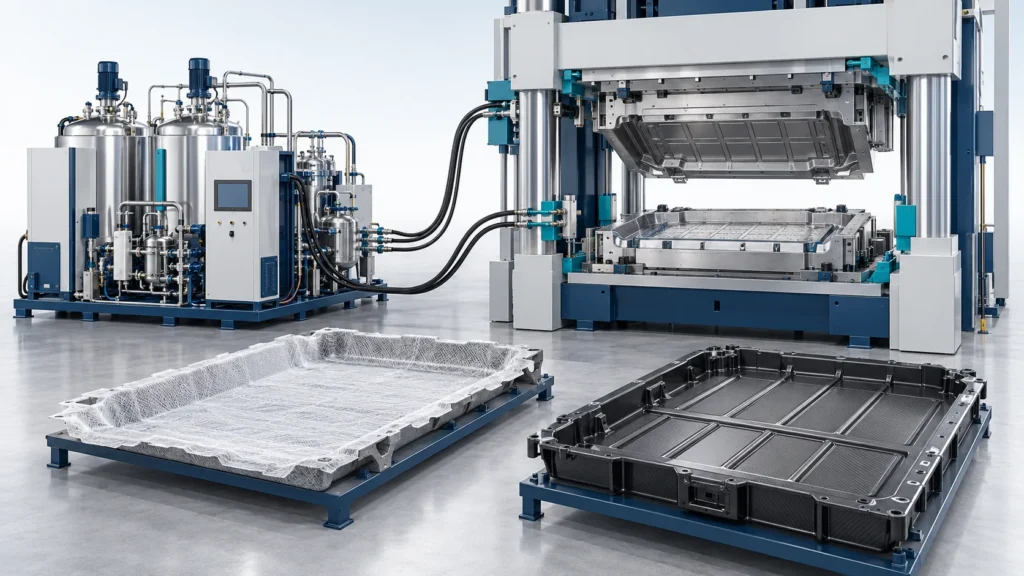
HP-RTM Machine | EV Battery Trays
HP-RTM resin injection equipment for composite EV battery lower trays and enclosures, combining higher-output metering, coordinated gate control, vacuum tooling and large-mold thermal management.
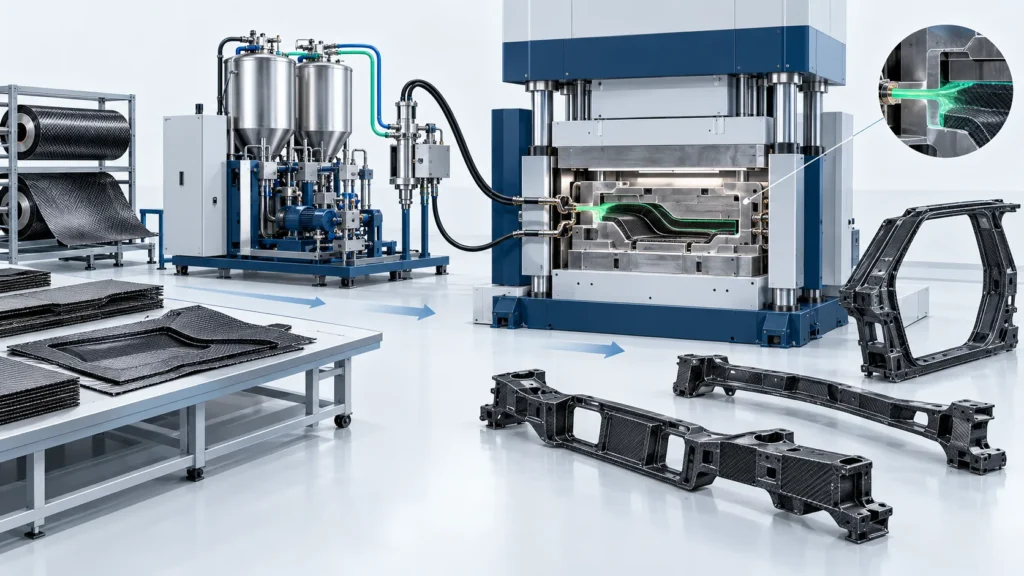
HP-RTM Machine | Carbon Fiber Body-in-White
HP-RTM metering and injection equipment for carbon-fiber B-pillars, roof crossmembers and floor beams, integrating ratio control, vacuum-assisted closed tooling and resin-specific cure management.
Discuss your automotive PU or composite application with our engineers.
Discuss My ApplicationAutomotive Applications
Application differences change line scope — part size sets mold-carrier area, material sets dosing and mixing pressure, and output sets cycle and station count. Tell us your part family and we will scope the line accordingly.
Seats & Headrests
High-resilience and dual-density cushions, backrests and headrests on rotary or turntable lines; dosing accuracy and target output drive station count.
Interior Carpets
Formed carpets and floor mats with robotic pouring and mold turnover; mold-board size determines the molding machine and line footprint.
Acoustic Insulation
Flexible and semi-rigid acoustic pads on hydraulic mold carriers; uniform large-area pouring and trimming are the key process tasks.
Steering Wheels
Integral-skin steering wheels and armrests on six-station hydraulic frames; closed-loop pigment control ensures batch-to-batch color consistency.
Dashboard Self-Skinning
Low-pressure in-mold casting for instrument panels; closed-loop temperature control supports low-VOC, low-fogging interior materials.
Structural Composites
HP-RTM and RIM composite parts for headliners, door panels and battery covers; fiber reinforcement sets mixing pressure and line automation.
Automotive PU and Composite Manufacturing Routes
Explore polyurethane molding and composite application engineering for automotive interiors, suspension components, battery parts and structural bodies. Process, materials and output determine the equipment scope.
PU Jounce Bumper and Suspension Stop Solution
Microcellular PU suspension stops with progressive load response, impact-energy absorption and NVH control.
Engineering Considerations
Spraying Transforming Molding (STM) Battery Cover Solution
Robotically sprayed PU and glass-fiber reinforcement for molded EV battery covers and underbody shields.
Engineering Considerations
Automotive Carpet PU Back-Foaming and Acoustic Insulation
Zoned PU carpet back-foaming for acoustic insulation, floor fit and bio-based material options.
Engineering Considerations
Automotive Seat Cushion and Backrest PU Foaming
High-resilience PU seat foam with tuned comfort zones, multi-component dosing and emission validation.
Engineering Considerations
PU RIM Solution for Lightweight Automotive Spoilers
Closed-mold PU RIM for lightweight spoilers, integrated exterior features and qualified surface finishes.
Engineering Considerations
LFI PU Composite Roof Panels for RVs and Vehicles
Robotic LFI processing combines cut glass fiber and PU for reinforced RV roofs and large vehicle panels.
Engineering Considerations
Automotive Dashboard PU Back-Foaming Solution
Semi-rigid PU back-foam between instrument-panel skin and carrier with fill, vent and airbag-area control.
Engineering Considerations
Integral-Skin PU Steering Wheel Foaming Solution
One-shot integral-skin PU around wheel skeletons, with grip, wear and skin-consistency validation.
Engineering Considerations
Semi-Rigid PU Box Foam for Automotive Headliner Blanks
Semi-rigid PU box foam cured, sliced and laminated into acoustic automotive headliner cores.
Engineering Considerations
Automotive SMC Sheet and Compression Molding Solution
Traditional SMC sheet charge and heated matched-mold compression for automotive structural and exterior parts.
Engineering Considerations
HP-RTM Composite Suspension Leaf Springs
Resin metering, tool vacuum and zoned thermal control configured for unidirectional glass-fiber suspension spring preforms and thick center sections.
Engineering Considerations
HP-RTM Composite EV Battery Trays
Application engineering for large battery lower trays and enclosures, with coordinated resin delivery, gate layout, inserts, sealing flanges and mold temperature control.
Engineering Considerations
HP-RTM Carbon-Fiber Body Structures
Metering and injection configurations for carbon-fiber B-pillars, roof crossmembers and floor beams, coordinated with vacuum, press interfaces and resin-specific cure recipes.
Engineering Considerations
Send Your Part, Material and Target Output for Scoping
Automotive PU and Composite Process Guides
Selected guides on seat foam, integral-skin parts, semi-rigid interiors, VOC control and reinforced reaction injection molding.
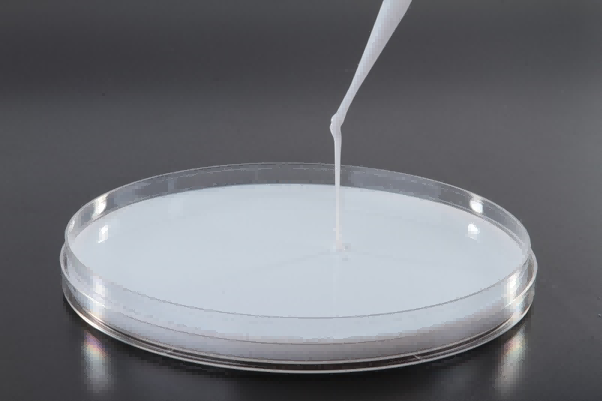
Integral Skin Polyurethane Foam: Process and Properties
If you have ever pulled an automotive armrest or steering-wheel cover out of the mold and found a skin that is too thin, too thick, or covered in pinholes, you already know why integral skin foam is both useful and easy to get wrong. The material is not a coated foam; it is a self-skinning […]
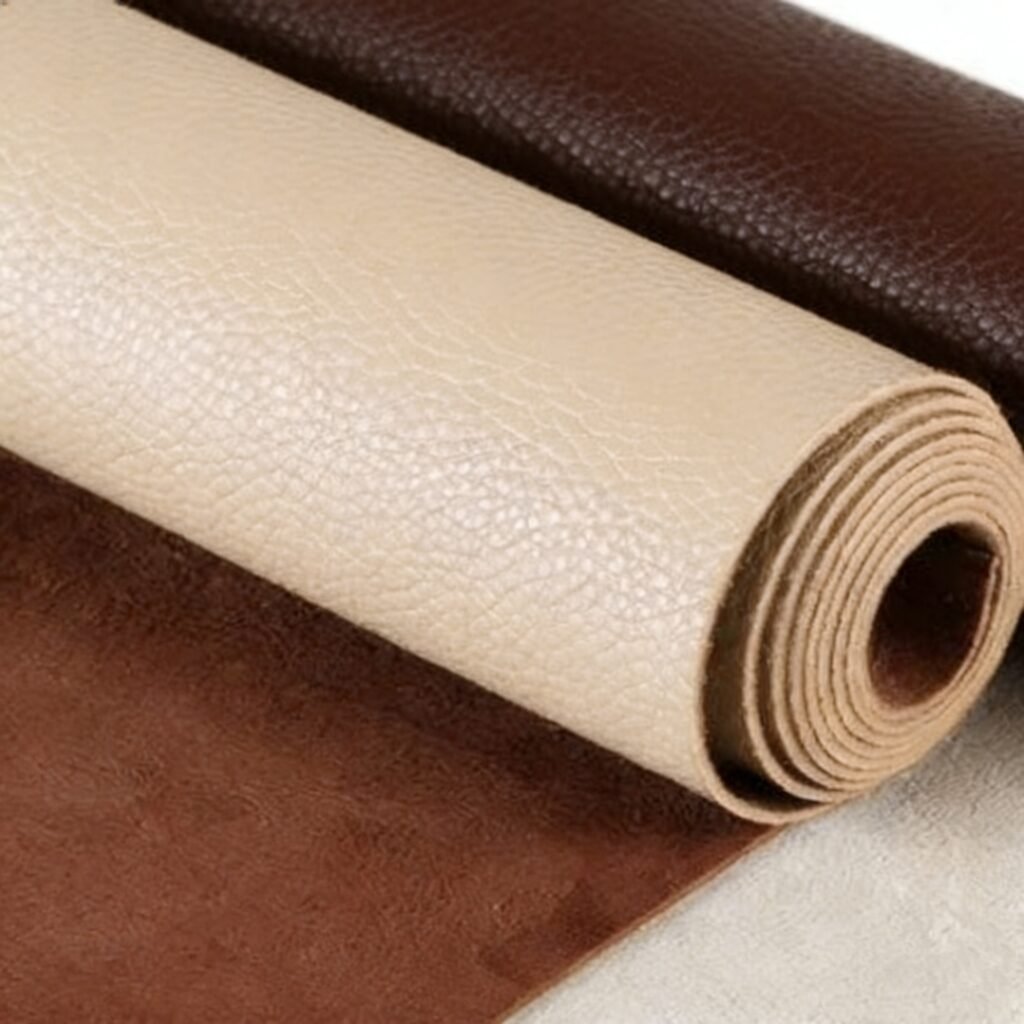
What Is High-Resilience (HR) Polyurethane Foam? A Guide
A foam that feels springy in a showroom can still fail a resilience check on the production floor. High-resilience (HR) polyurethane foam is not simply “better” foam — it is a defined flexible foam class built around high molecular weight polyols, a strong load-bearing network, and controlled cell opening so the material returns energy quickly […]
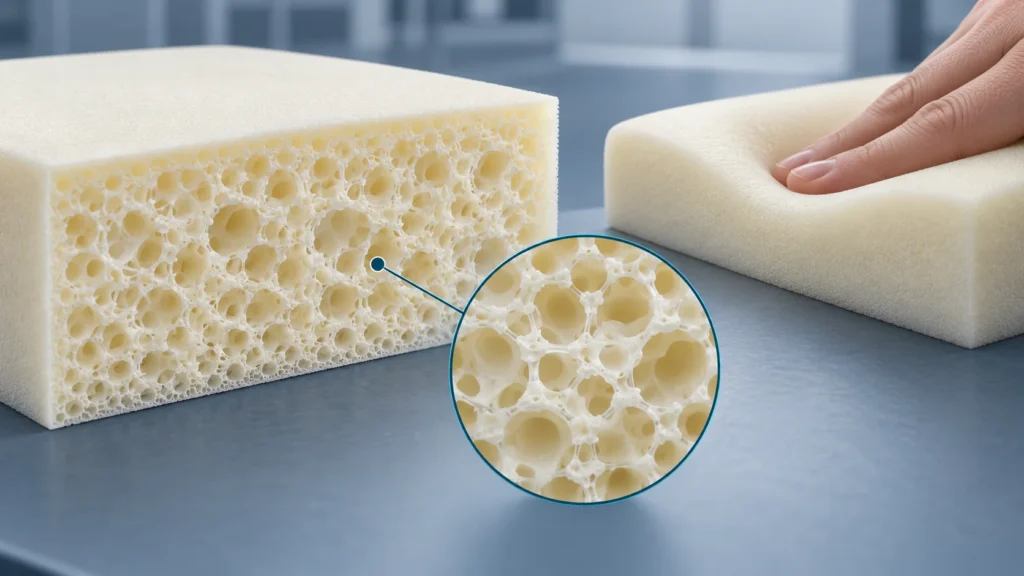
What Is Semi-Rigid Polyurethane Foam?
Semi-rigid polyurethane foam sits between flexible seating foam and rigid insulation board, and that middle position creates most of the confusion in part design. In production terms, it is a microcellular or partially crosslinked polyurethane system with enough open or closed cell structure to compress under load while still recovering most of its shape. I […]
Not Sure Which Line Fits Your Workshop?
Talk with an EngineerWhy Partner With Haifeng
We scope each automotive line around your parts, materials and output, and support the equipment with engineering follow-through from trial pouring to production.
Equipment Matching by Process
Dosing, mixing and carrier size are selected per material and part, not from a fixed catalog.
Line Integration Support
Host, mold carrier, tooling and control logic are coordinated around your layout and automation level.
Trial Pouring Confirmation
Representative-part pouring validates dosing, mix and demolding before the line is released for production.
Documented Quality and Compliance
CE, ISO 9001 and EN 60204-1 documentation supports customer audits and project qualification.
Send Your Requirements for an Automotive PU Line
Share your parts, materials, target output and workshop conditions. Our engineers will scope the equipment and reply with a proposed configuration.


