
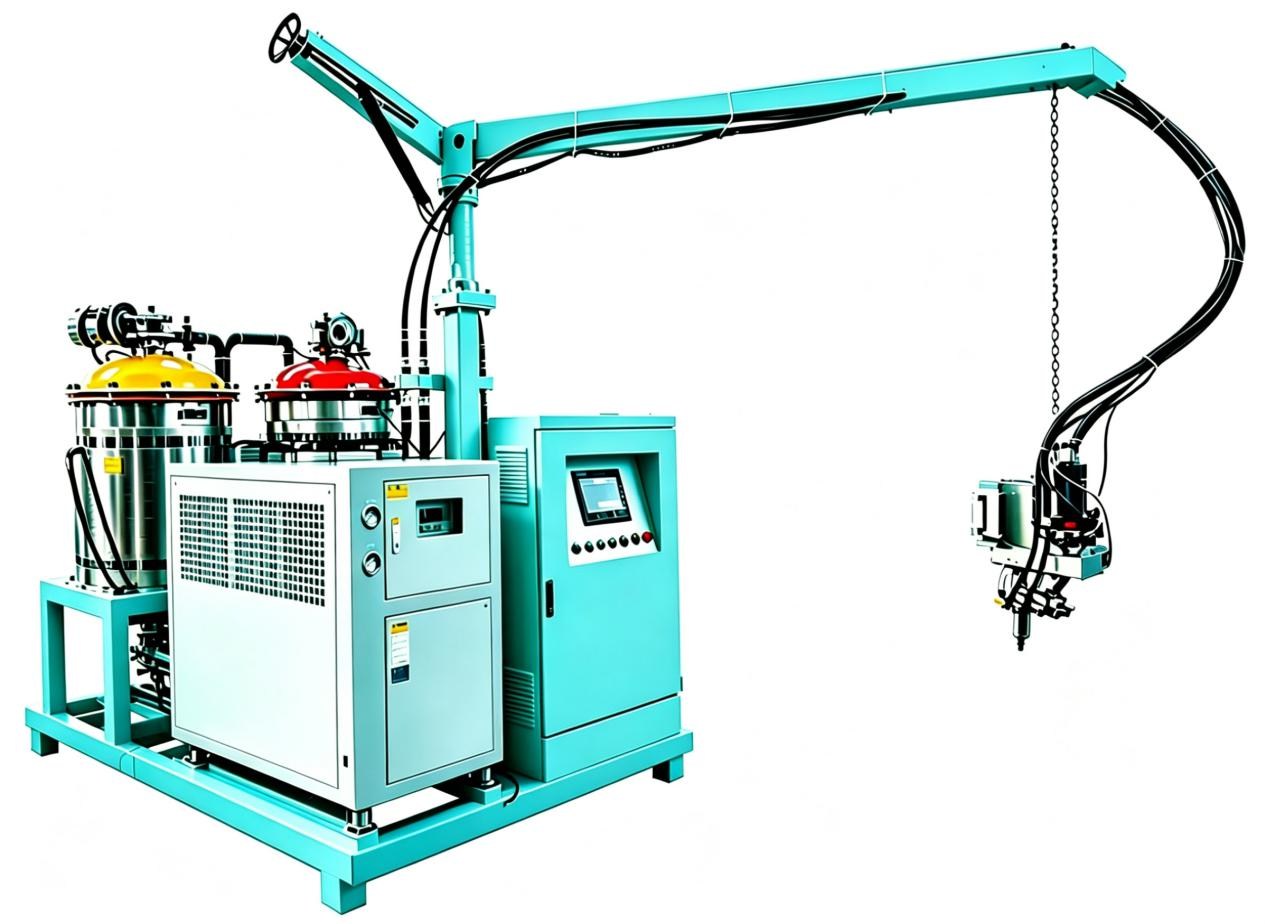
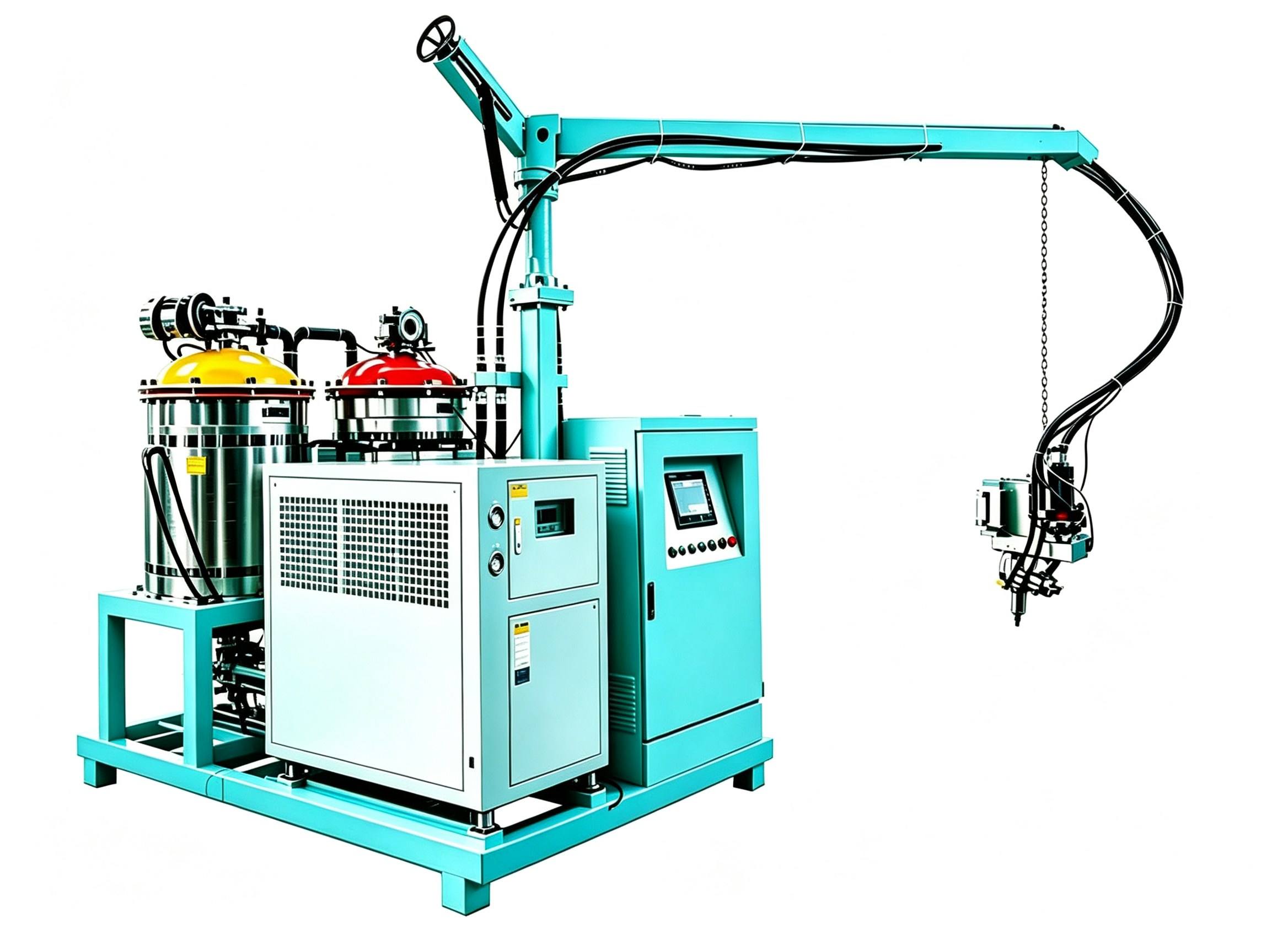
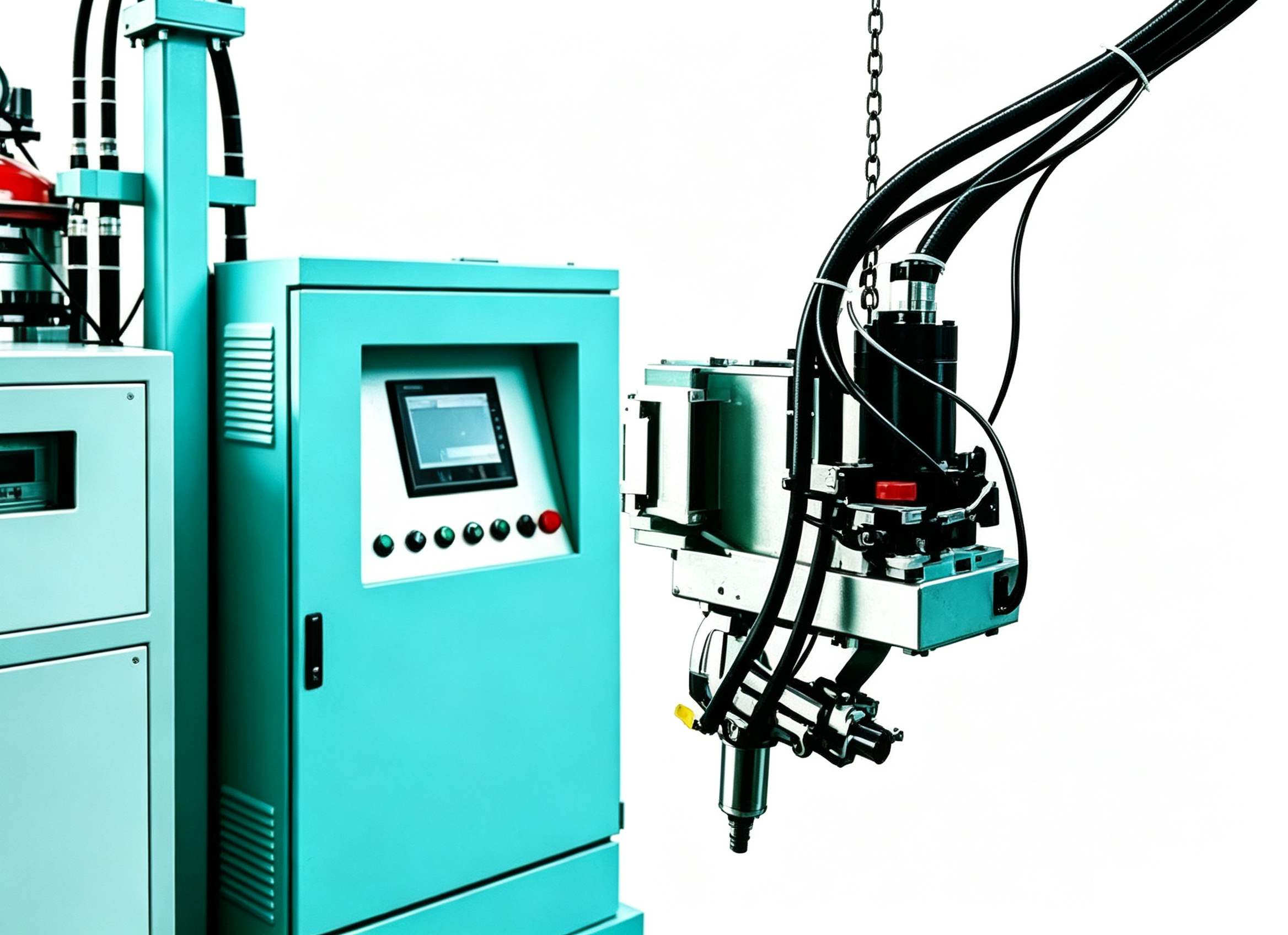
Low-Pressure PU Foaming Machine | Self-Skinning PU Seats
Low-pressure PU material preparation, metering and mechanical mixing for self-skinning seats and headrests, with recipe control and tooling interfaces selected for the product.
Discharge Flow Rate
50–300 g/s
Mix Ratio (A:B)
A:B = 1:1–4 (adjustable)
Metering Accuracy Reference
±0.3%
Tank Capacity
200 L
Product Overview
The HF‑LPM‑1A1B‑A is a low‑pressure PU system for self‑skinning seats & headrests, with hard outer skin, soft micro‑elastic core, ±0.3% accuracy, and PLC automation.
The listed HF-LPM-1A1B-A application configuration supplies PU material conditioning, metering and mixing for self-skinning seats and headrests. Reference data include a 200 L tank arrangement, 50–300 g/s delivery and a 5,200 rpm mixing-head speed.
The described gear pumps with closed-loop variable-speed control supports the selected material-delivery settings. Coordinate formulation, shot weight, mold temperature, filling, venting and cure with the seat geometry, inserts, tooling and any rotary or robotic handling.
The integral-skin structure, hardness, appearance, dimensions, emissions and durability depend on the formulation and molding process. Finished-part requirements, material changes, operator tasks and commissioning are defined for the supplied package.
Production Workflow
Material Preparation & Recipe Selection
Load polyol and isocyanate into 200L tanks; select stored seat formula on PLC touch screen; set A:B ratio (1:1‑1:4) and flow (50‑300 g/s).
Precision Metering & Mixing
Meter the components using the configured gear pumps and closed-loop controls, then mix using the selected head. The listed references are ±0.3% metering accuracy and 5,200 rpm mixing speed under agreed conditions. Validate mixing and residual voids with the chosen self-skinning formulation and tooling.
Self‑Skinning Pouring & Molding
Material is poured into the mold; outer skin densifies while inner core remains soft and micro‑cellular—forming the hard‑skin/soft‑core structure in one cycle.
Demolding, Self‑Cleaning & Next Cycle
Demold the cured seat or headrest and run the specified mixing-head cleaning cycle. Color or material changes follow the agreed cleaning procedure and carryover limits; required downtime depends on the selected formulation and equipment configuration.
Need a quote for this equipment?
Request a QuoteTechnical Specifications
Specifications are based on standard configurations. Customizable component counts (2‑6), modular line configurations, and robotic arm integration available.
| Technical Parameter | HF-LPM-1A1B-A |
|---|---|
| Discharge Flow Rate | 50–300 g/s |
| Raw Material Mix Ratio | A:B = 1:1–4 (adjustable) |
| Tank Volume | 200 L |
| Total Motor Power | 11 kW |
| Mixing Head Rotational Speed | 5,200 rpm (adjustable) |
| Metering Accuracy | ±0.3% |
| Core Features | Hard-skin soft-core comfort, long service life, one-tap flexible production, low VOC, eco-friendly |
| Warranty Period | 1 year |
| Net Weight | 1,000 kg |
| Certifications | Confirm applicable documents for the quoted configuration |
| Brand Name | Haifeng |
Key Advantages
Six engineering and production benefits that deliver comfortable, durable self‑skinning seats with precision control, flexible automation, and eco‑friendly performance.
Product and Tooling Interfaces
Review the seat geometry, inserts, tooling and any rotary or robotic handling together with shot size, filling and cure for the selected PU formulation.
Controlled Material Delivery
The described arrangement uses gear pumps with closed-loop variable-speed control. The listed ±0.3% reference requires a defined measured quantity, operating window and calibration method.
Recipe and Changeover Planning
Stored recipes support setup. Material, pigment, cleaning and tooling changes determine the actual changeover sequence and first-part acceptance.
Finished-Part Validation
Evaluate skin formation, hardness, dimensions, appearance, durability and any emissions requirements on representative finished parts.
Discuss Your Equipment Configuration
Share your product, materials, tooling and production requirements so we can review the equipment and interfaces for your project.
Explore Other Equipment
Browse other equipment in our catalog. These listings are for product discovery; compatibility and production-line scope are confirmed separately for your material, process and output requirements.
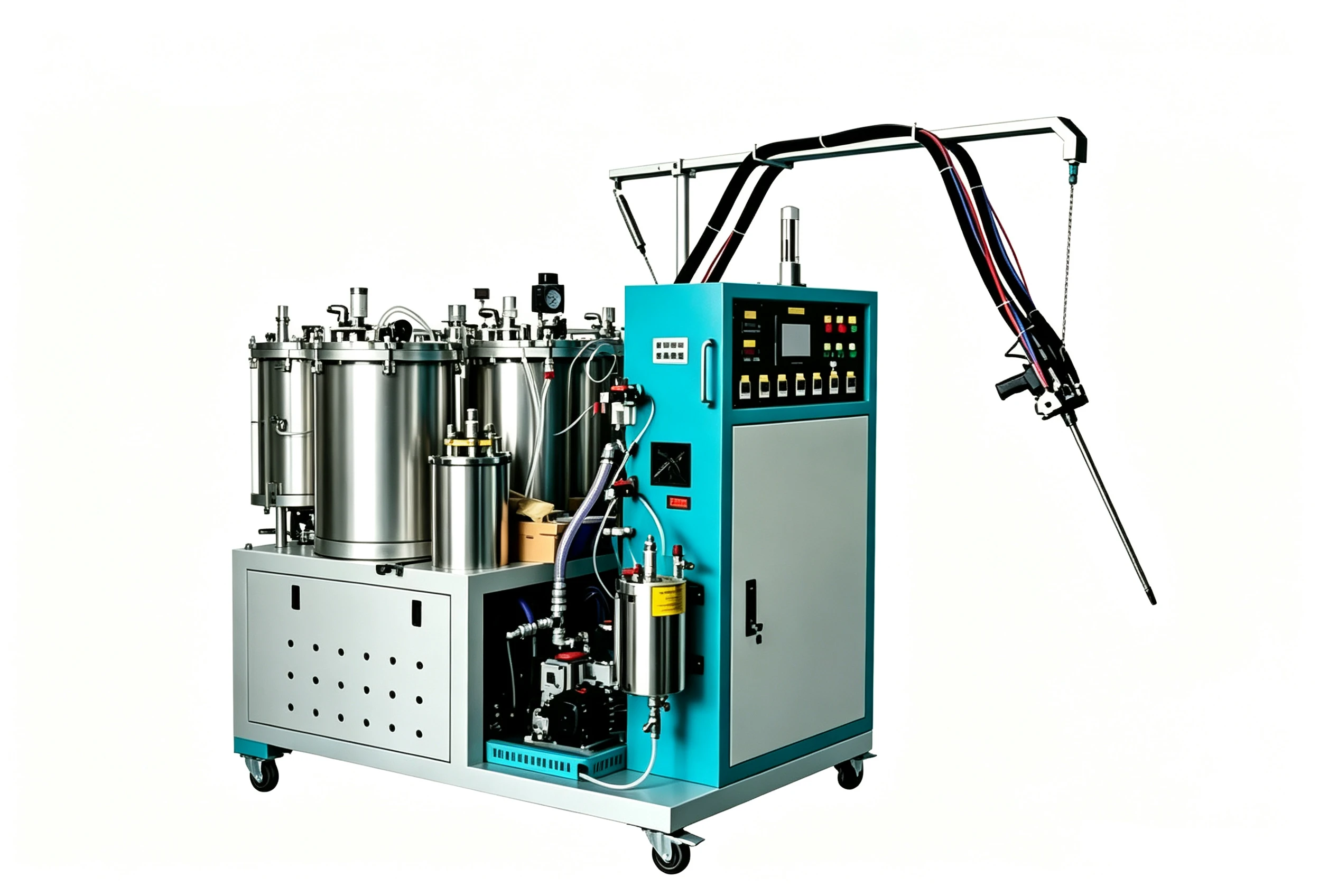
Epoxy Pouring Machine | Printing Rollers
Metering, Mixing & Resin Casting Equipment
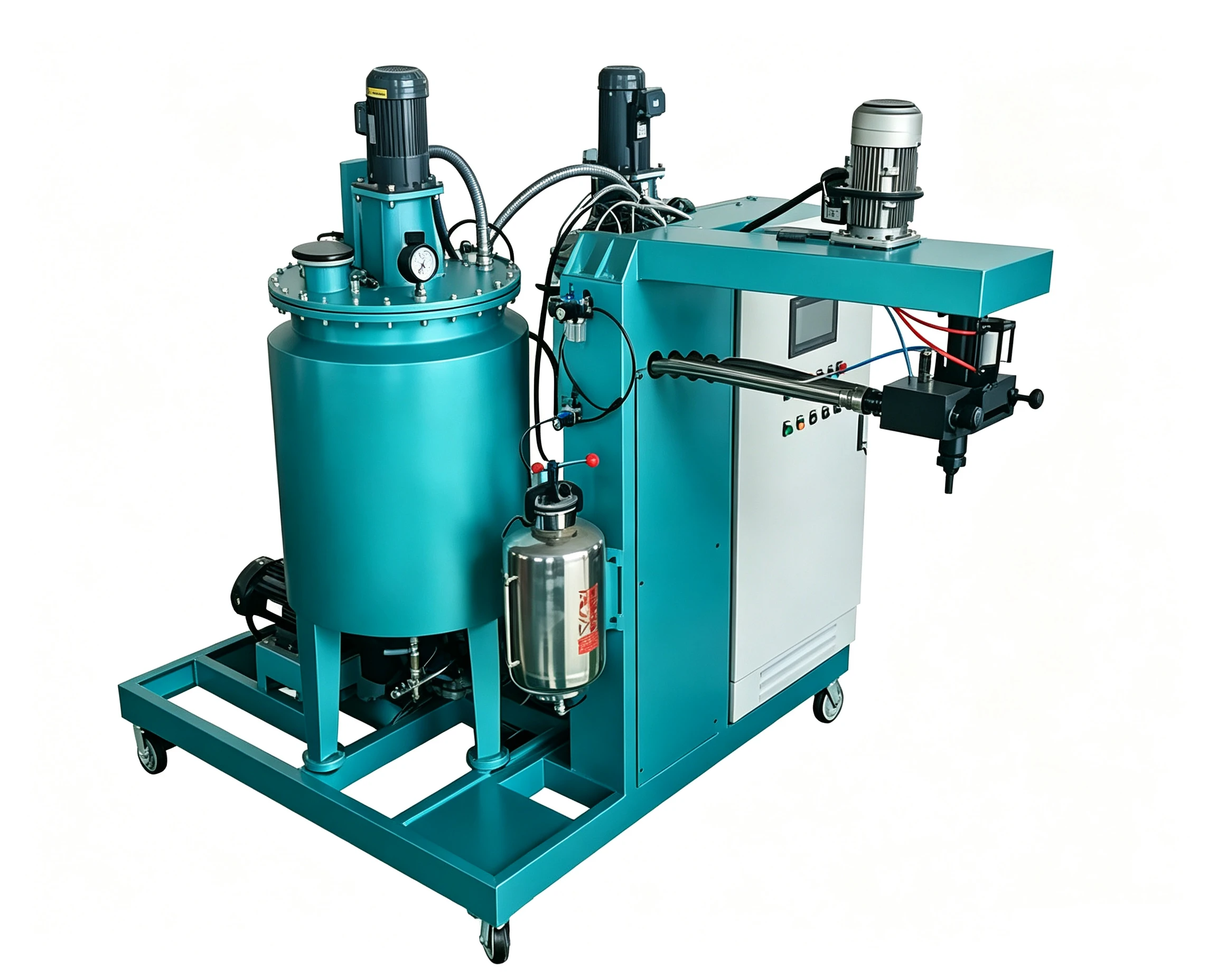
PU Elastomer Casting Machine | Hydraulic Seals
Polyurethane Machinery & Equipment
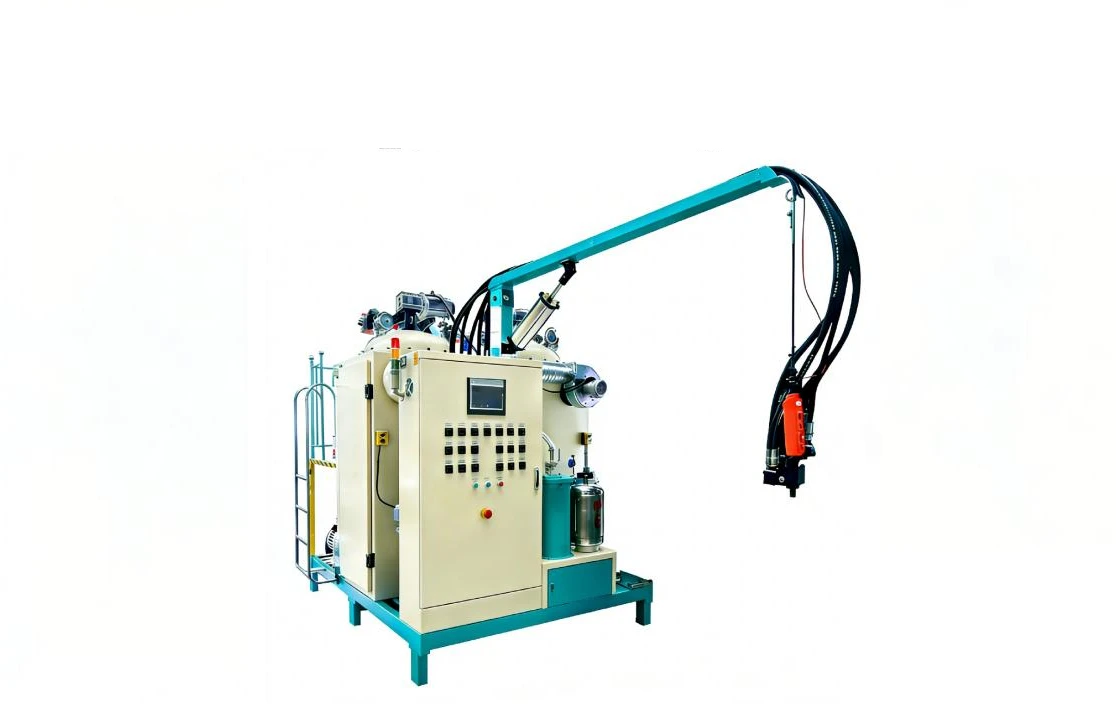
MC Nylon Casting Machine | Cast Nylon Parts
MC Nylon Casting Machines
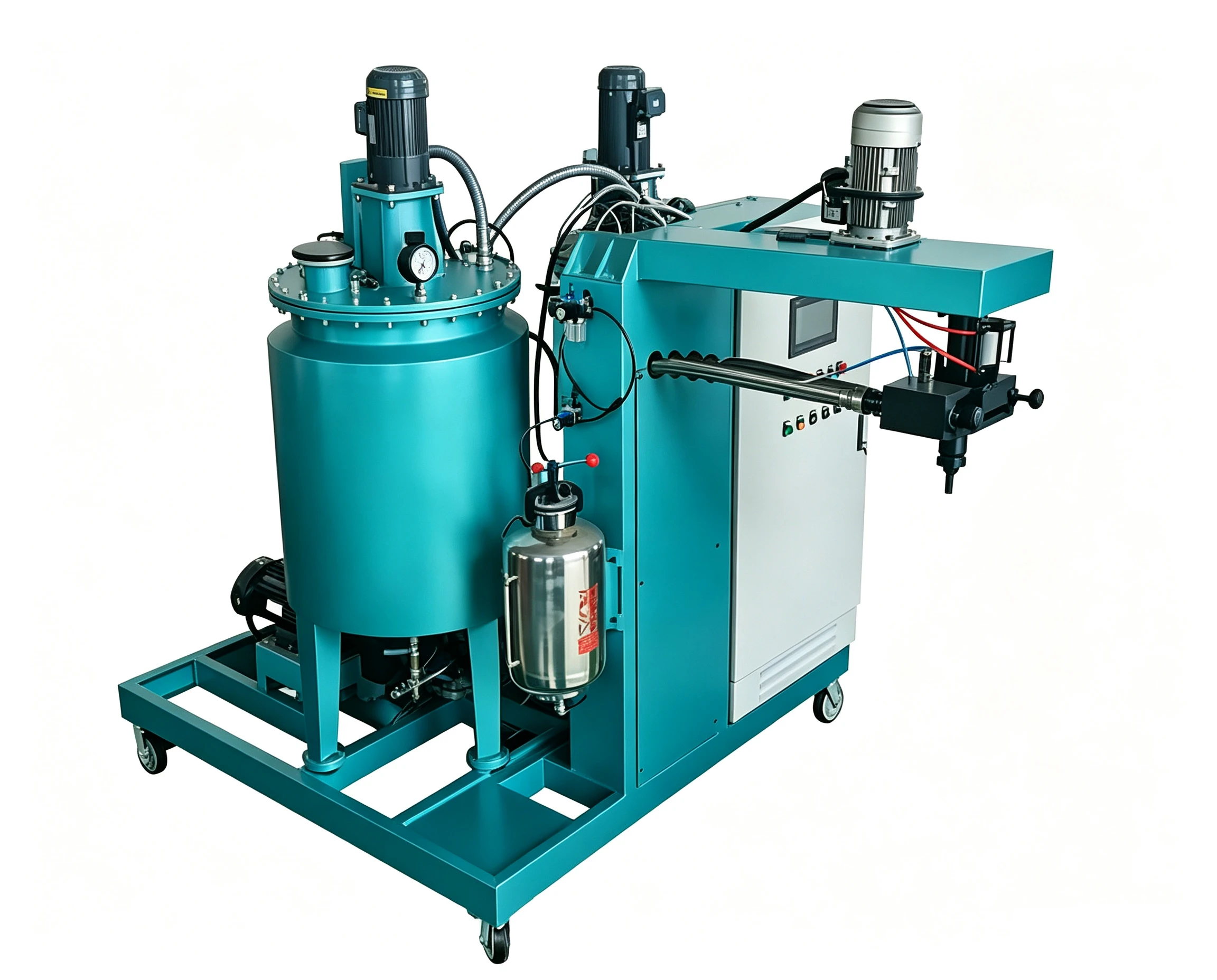
PU Elastomer Casting Machine | Cold Rolling Rollers
Polyurethane Machinery & Equipment
Frequently Asked Questions
How is the self-skinning structure selected?
What does the metering reference establish?
Does the equipment establish VOC or fire classification?
How are changeovers and installation scheduled?
Ready to discuss your project?
Contact Our Team


