If you have ever pulled an automotive armrest or steering-wheel cover out of the mold and found a skin that is too thin, too thick, or covered in pinholes, you already know why integral skin foam is both useful and easy to get wrong. The material is not a coated foam; it is a self-skinning polyurethane system that forms its dense surface and cellular core in the same shot. Getting that skin right is mostly a matter of process control, not a paint room.
What Integral Skin Polyurethane Foam Is
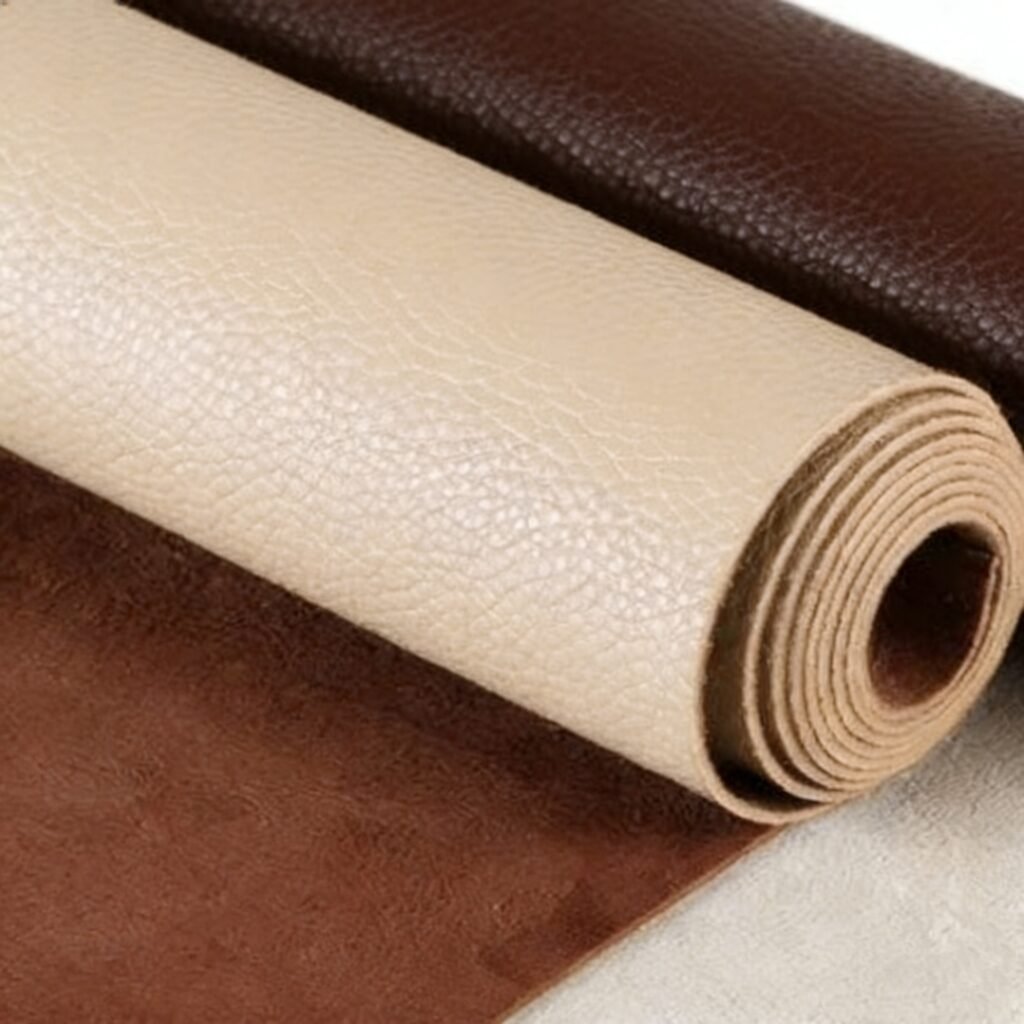
Integral skin polyurethane foam is a molded polyurethane that produces a compact, tack-free outer skin and a lower-density cellular core in one closed-mold operation. Unlike a part that receives a separate coating after demolding, the skin and core are the same chemical system reacting under different local conditions.
The outer layer forms because the foam mixture at the mold surface remains dense while the center expands. That difference is visible in the density profile: overall apparent density, measured according to ISO 845 [1], is lower than the skin density but higher than what a free-rise foam of the same formulation might produce. The result is a part with useful surface durability and an attractive molded finish, combined with lighter weight and controlled cushioning or feel in the interior.
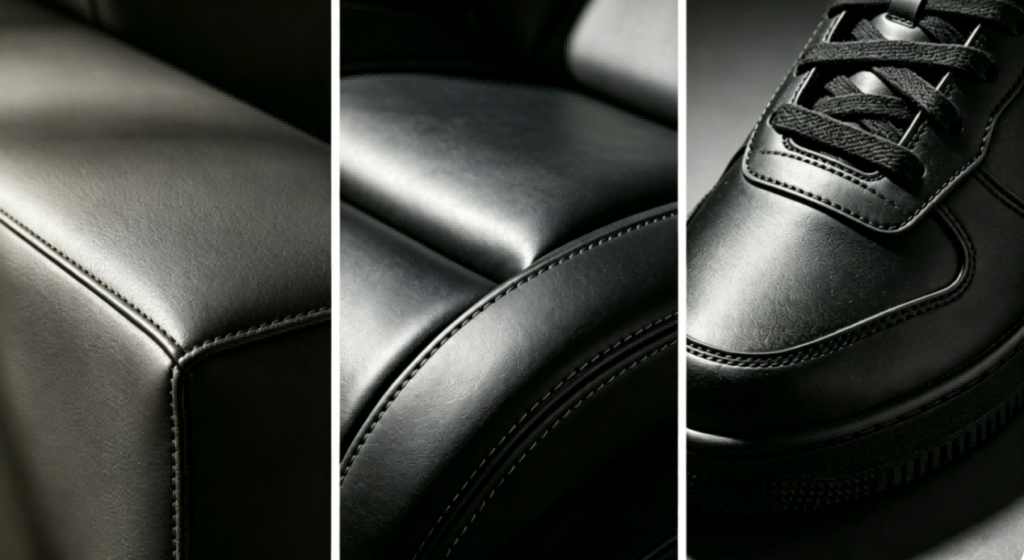
This is why integral skin polyurethane is common in automotive armrests, steering wheels, gear knobs, handles, headrests, bicycle saddles, machine grips, and some footwear and medical components. The surface can accept grain, color, and fine detail directly from the mold.
How the Skin Forms
The skin does not come from a different raw material. It forms because blowing, gelling, temperature, and mold-wall pressure do not behave the same way at the surface as they do in the center.
At the mold wall, the reaction loses heat into the mold, and pressure suppresses gas nucleation near the surface. The blowing agent or dissolved gas has less opportunity to form cells, so the polymer remains comparatively compact and cures into a dense skin. Toward the center, the exotherm is retained. The blowing reaction nucleates cells, and the core expands.
That mechanism means mold temperature, part wall thickness, fill factor, and demold time strongly influence skin thickness. A hotter mold tends to produce a thicker skin, while a colder mold can slow the surface reaction enough to create pinholes, surface porosity, or a weak transition layer.
Integral skin parts are specified by both skin hardness and core density, so the outer layer and the cellular center need separate design attention. <Shore A Vs Shore D Hardness In Polyurethane> covers how durometer values map to these two distinct zones.
Process Variables That Control the Part
Material and Mold Temperature
Component viscosity and reaction rate change with temperature. If the polyol and isocyanate are not conditioned consistently, the mixing head may see a different viscosity from shot to shot. The mold surface temperature then controls how quickly the outer layer skins over.
A stable mold temperature range is often more important than chasing a single ideal setpoint because the reaction exotherm and part geometry shift the effective thermal conditions from zone to zone. Temperature imbalance across the mold is one of the most common causes of uneven skin.
Metering and Mixing
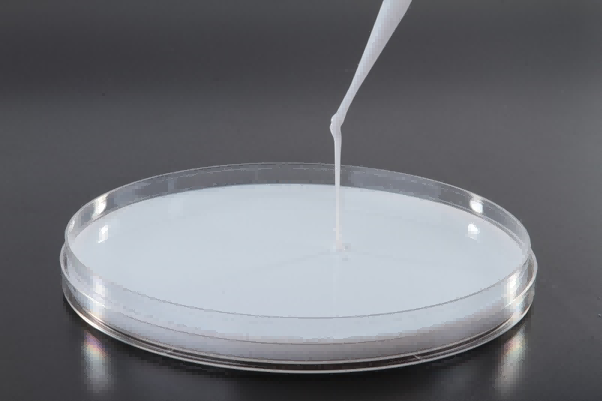
Integral skin foaming is a two-component reaction, sometimes with additional color paste or additive streams. Any ratio error moves the gelling and blowing reactions out of balance. On modern high-pressure metering units, dynamic ratio control can be held within a few tenths of a percent. That level matters because a small change in isocyanate index affects crosslink density, skin hardness, and cell structure in the core.
Mixing quality is equally important. Poor mixing leaves soft or sticky regions inside the part, even when the overall ratio is correct. High-pressure impingement mixing generally gives more homogeneous skin and core development than slow mechanical stirring.
Shot Weight and Venting
If the dispensed mass does not match the mold cavity, the result is either a short shot or excessive flash. Vents must let air escape without allowing enough material out to lower internal pressure and disturb skin formation. Correct shot weight is a calculation based on part geometry, target density, and retained material in the runner or sprue.
A misleading shot-weight target is a common source of short shots, flash burns, and inconsistent skin. <How To Calculate Shot Weight In Polyurethane> covers how to derive actual dispense mass from part geometry and density.
Demold and Post-Cure
Demold too early and the skin may be too weak to survive ejection without tearing or marking. Demold too late and cycle time is lost for no quality gain. Some integral skin parts benefit from a short post-cure to complete surface cure and let physical properties stabilize before testing. The schedule depends on formulation, part mass, and whether the part is flexible or semi-rigid.
Properties and What They Control
The meaningful properties of an integral skin part are not a single hardness number. They form a gradient: compact skin, transition layer, and cellular core.
- Skin hardness is measured with a Shore A or Shore D durometer according to ISO 868 [2]. The surface layer usually gives the harder reading, but sample thickness, time before measurement, and test location all affect the result. This value influences touch, abrasion resistance, and how the part accepts grain detail.
- Core density affects weight, cushioning, and cycle cost. Apparent density per ISO 845 [1] is often the quickest check after demold for detecting fill or mixing problems.
- Tensile strength, tear strength, elongation, compression set, and resilience can be evaluated by the test methods in ASTM D3574 [3]. These indicate whether the part may crack on flex, tear at the skin-to-core transition, or take a set under load.
- Surface quality—pinholes, flow marks, gloss, and seam lines—is usually a process result rather than a pure raw-material result. Most surface defects trace back to temperature, venting, shot mass, or mold release.
For molded flexible parts used in load-bearing service, ISO 5999 [4] can provide a useful benchmark for classification and mechanical requirements. This applies to applications such as armrests, headrests, industrial handles, and machinery pads.
Equipment Requirements
Integral skin parts can be made on low-pressure or high-pressure machines. The equipment decision should follow part geometry, output target, and the need for consistent skin.
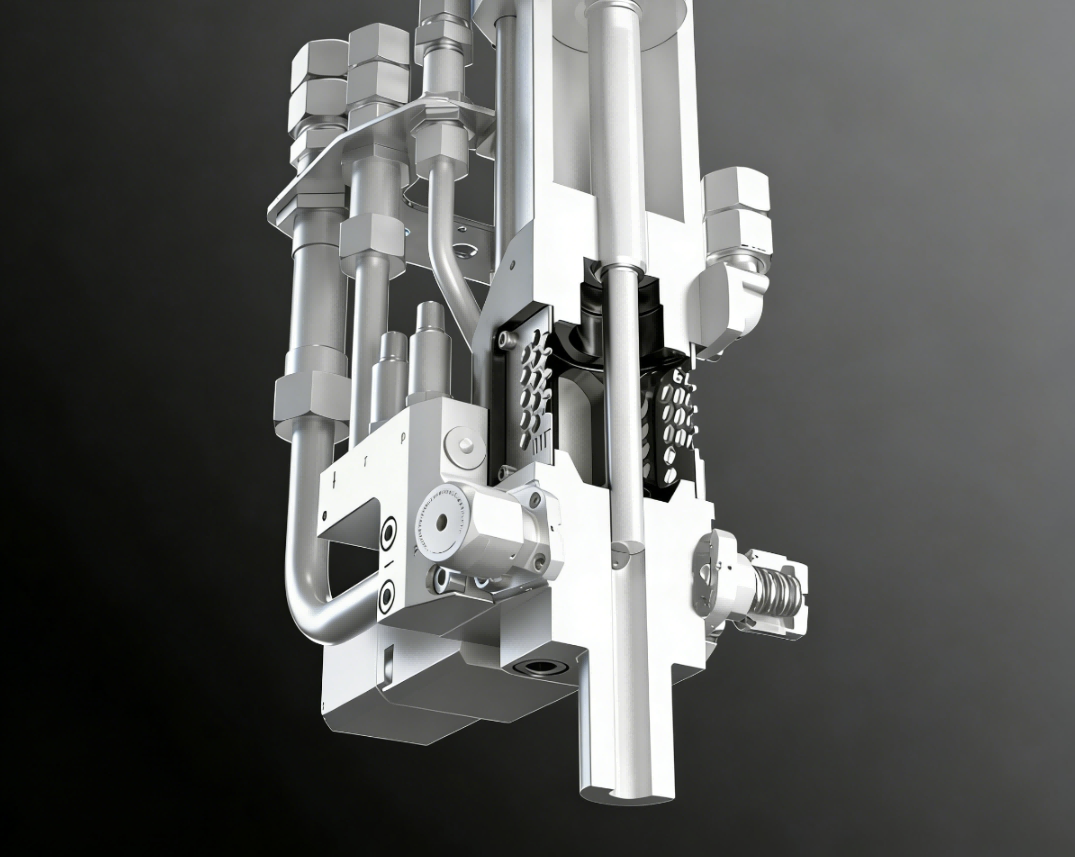
For larger or higher-output parts, high-pressure impingement mixing is usually the more reliable route. It mixes quickly without a mechanical stirrer, reducing air entrapment and supporting a more uniform density profile. For small, complex parts or shorter runs, a low-pressure machine with precise metering and a well-maintained mixing head can work well if the material system is formulated for it.
The equipment attributes that matter most are:
- Metering repeatability: ratio deviation should stay within a tight band from shot to shot.
- Temperature control: polyol, isocyanate, additive tanks, the mixing head, and the mold carrier all need stable thermal control.
- Mold carrier clamping and cycle: a rotary or shuttle carrier with consistent clamp force prevents part-to-part variation.
- Cleanable mixing head: integral skin systems can gel quickly, so a head that cannot be purged cleanly will create quality drift later in the run.
This is the point where material chemistry and equipment engineering need to be considered together. The same formulation will behave differently on an underheated mold carrier, a worn metering pump, or a mixing head with leaking seals.
Need help with an existing or planned integral skin line? Send your current A/B ratio, mold and material temperatures, calculated shot weight, and a few part photos to Info@chinahaifeng.com or WhatsApp +86 13566296633 for a process-level review.
Integral Skin Foam vs. RIM/RRIM
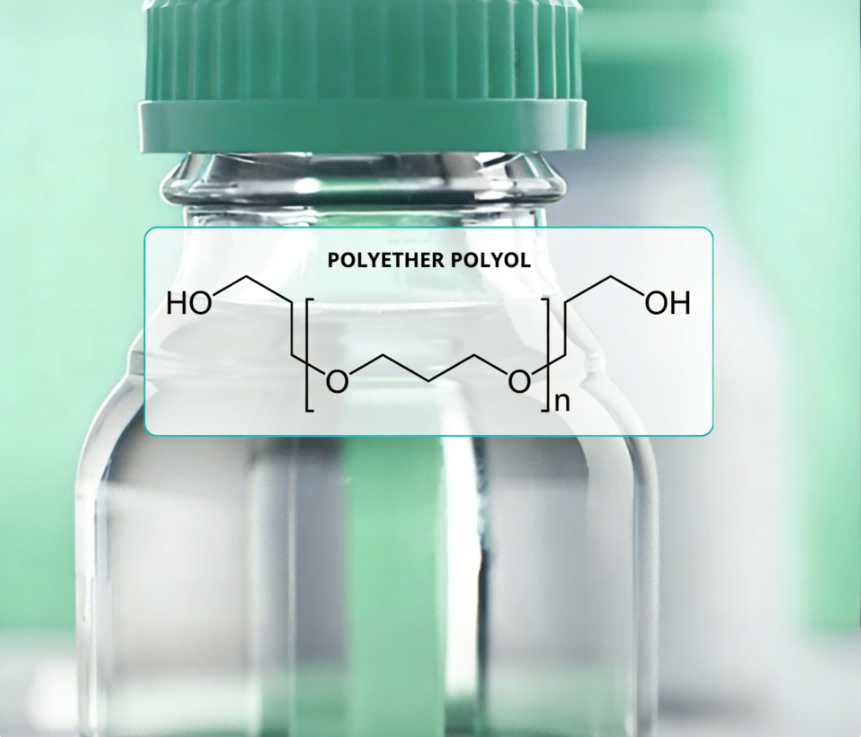
Integral skin foam belongs to the same broad polyurethane molding family as reaction injection molding, but it is not automatically a structural process. RIM and RRIM are aimed at larger, often structural or reinforced parts where high-pressure mixing and fiber or filler reinforcement provide higher stiffness and better dimensional stability. Integral skin foam, by contrast, is usually selected for tactile surfaces, low-to-moderate load parts, and applications where a dense skin over a softer interior is the primary value.
If the part must carry structural loads, the comparison matters at the equipment level. <RRIM Vs RIM Which Process Suits Your Structural Part> covers when reinforcement and higher-pressure mixing become necessary.
How to Specify an Integral Skin Part
Use this checklist when releasing a new part or troubleshooting an existing one.
| Parameter | What to confirm | Why it matters |
|---|---|---|
| Overall molded density | Target value and test location | Sets weight, cushioning, and fill factor |
| Skin hardness | Shore A or Shore D according to ISO 868 [2] | Determines touch, wear, and tear resistance |
| Skin thickness | Minimum and maximum by zone | Controls appearance and flex life |
| Shot weight | Calculated dispense mass | Prevents short shots and flash |
| Mold temperature | Range, not just a setpoint | Drives skin formation and surface finish |
| Demold time | Minimum green strength for ejection | Balances quality and cycle time |
| Color and surface | Gloss, grain, and post-demand | Affects perceived quality and scrap rate |
This table is a design-review tool, not a substitute for molding trials. The line variables interact, so when troubleshooting, change one factor at a time.
End CTA — Specify the Process, Not Only the Part
If you are planning a new integral skin foam line or trying to stabilize an existing one, send this information to Info@chinahaifeng.com or WhatsApp +86 13566296633:
- Target overall density and Shore hardness range
- Part mass, wall thickness, and required skin thickness
- Current A/B ratio and material temperatures, if running
- Required cycle time and mold carrier style
- Photos of current defects: short shots, pinholes, thick or thin skin, flash, or tearing
We will respond with a process-level review focused on metering, mixing, mold temperature, and shot weight—not a generic brochure.
Frequently Asked Questions
Is integral skin foam the same as flexible molded foam with a coating?
No. A coated foam is made separately and coated after demolding. Integral skin foam forms its skin in the mold during the same reaction. The skin and core are chemically compatible and fused, which reduces peeling risk.
What is the difference between integral skin foam and rigid structural polyurethane foam?
Integral skin foam is usually flexible or semi-rigid, with a dense surface and softer cellular core. Rigid structural foam is designed for stiffness, low creep, and load-bearing duty, often with high closed-cell content. If the part is structural, evaluate RIM or RRIM.
Why does my part have thin skin on one side but thick skin on the other?
This usually points to a mold temperature imbalance, a filling pattern issue, or a wall-thickness difference. Heat transfer from the mold controls where skin forms. Check heating and cooling circuits, vent location, and whether the material chills before it reaches the far wall.
Can integral skin polyurethane be used outdoors?
It depends on the formulation. Standard aromatic systems can yellow and degrade under prolonged UV exposure. If outdoor service matters, specify an aliphatic or UV-stabilized system and test under the actual temperature, moisture, and light conditions.
What equipment do I need to start?
At minimum you need a two-component metering unit with temperature control, a mixing head, and a mold carrier that maintains clamp force and mold temperature. The choice between low-pressure and high-pressure mixing depends on part size, output, and the viscosity and reaction profile of the material system.
References
[1] ISO 845:2006, Cellular plastics and rubbers — Determination of apparent density, International Organization for Standardization, Geneva, Switzerland, 2006.
[2] ISO 868:2003, Plastics and ebonite — Determination of indentation hardness by means of a durometer (Shore hardness), International Organization for Standardization, Geneva, Switzerland, 2003.
[3] ASTM D3574-17, Standard Test Methods for Flexible Cellular Materials—Slab, Bonded, and Molded Urethane Foams, ASTM International, West Conshohocken, PA, 2017.
[4] ISO 5999:2013, Flexible cellular polymeric materials — Polyurethane foam for load-bearing applications excluding carpet underlay — Specification, International Organization for Standardization, Geneva, Switzerland, 2013.
If you’re interested, check out these related articles:
The Role Of Rise Time In Polyurethane Foaming
Measuring Polyurethane Foam Resilience A Practical Test Guide
What Is Semi Rigid Polyurethane Foam