
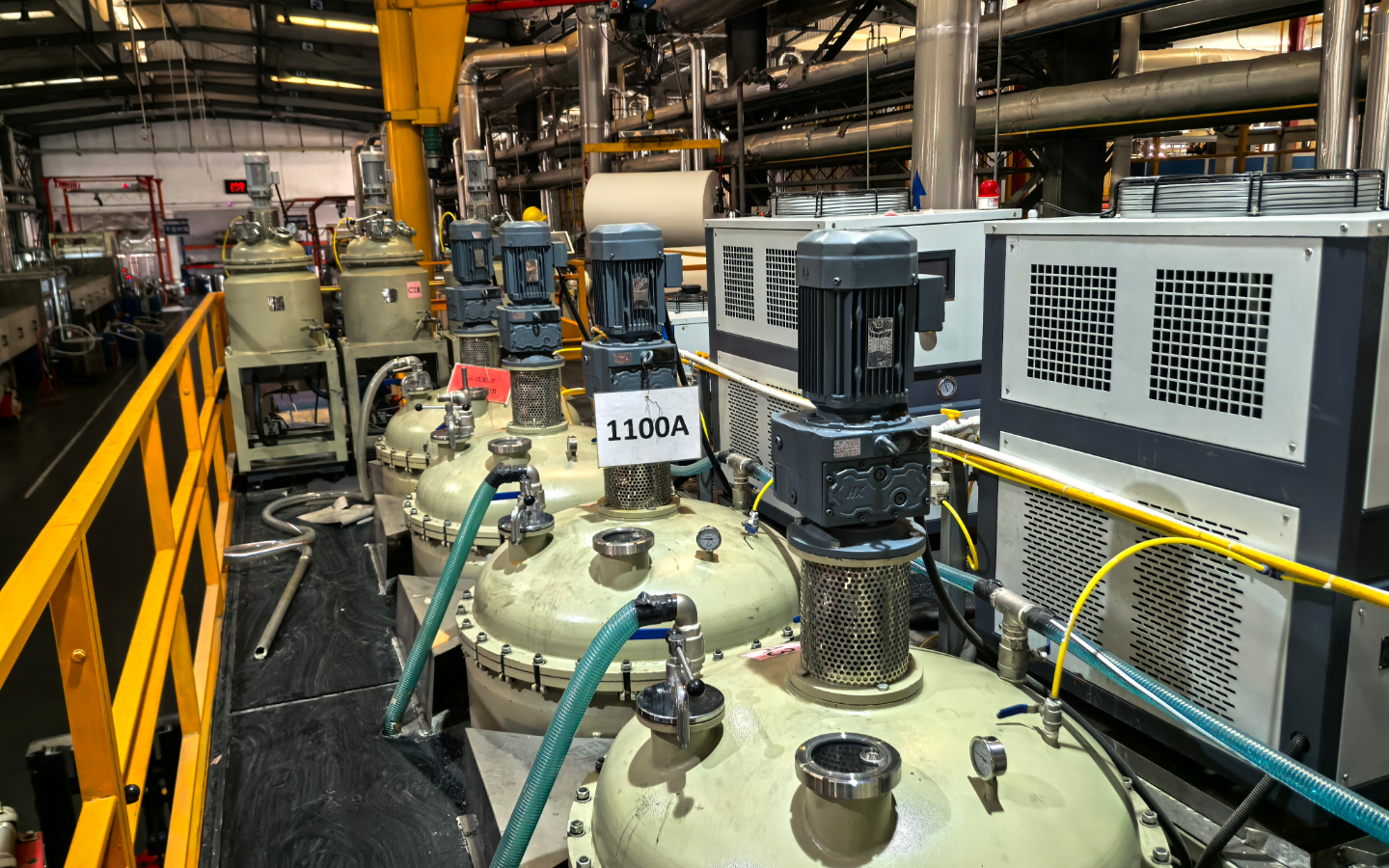
Sandwich Panel Turnkey Plant
Plan factory-made sandwich panels around the core material, facing, panel dimensions and production target. Compare continuous PU/PIR foaming, rock wool lamination, phenolic processing and batch PU pressing.
Sandwich Panel Production Equipment
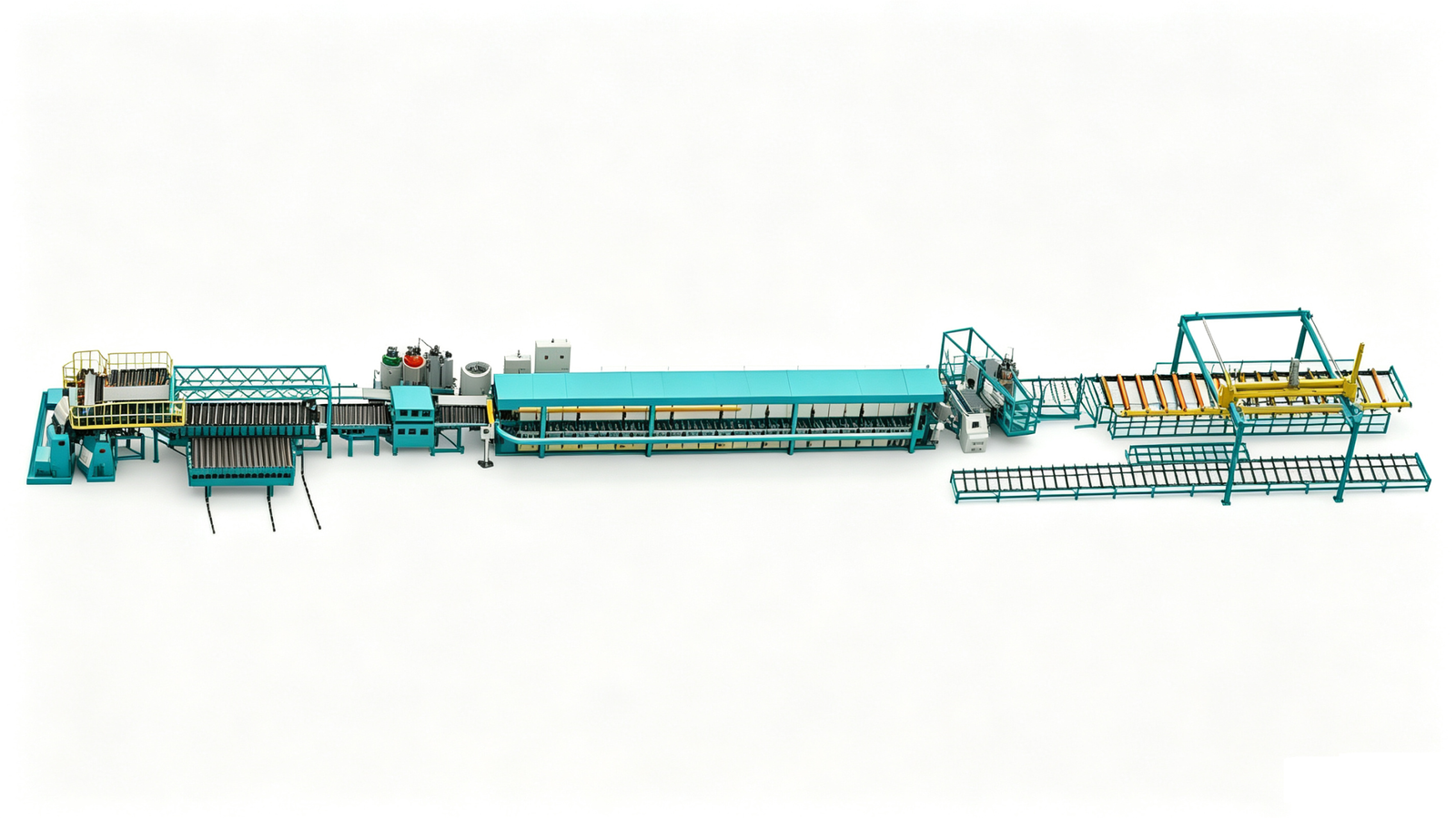
Compare complete PU/PIR, rock wool and phenolic production configurations, batch PU presses and pentane-handling systems. The 30 m HF-PIR-30M has a listed 15 m/min speed limit; the industrial-building brief uses a separate 24 m, 3–9 m/min reference, and its related 30 m project reports 12 m/min on 50 mm panels. Actual operating output is selected for panel thickness, formulation, cure residence and order mix.
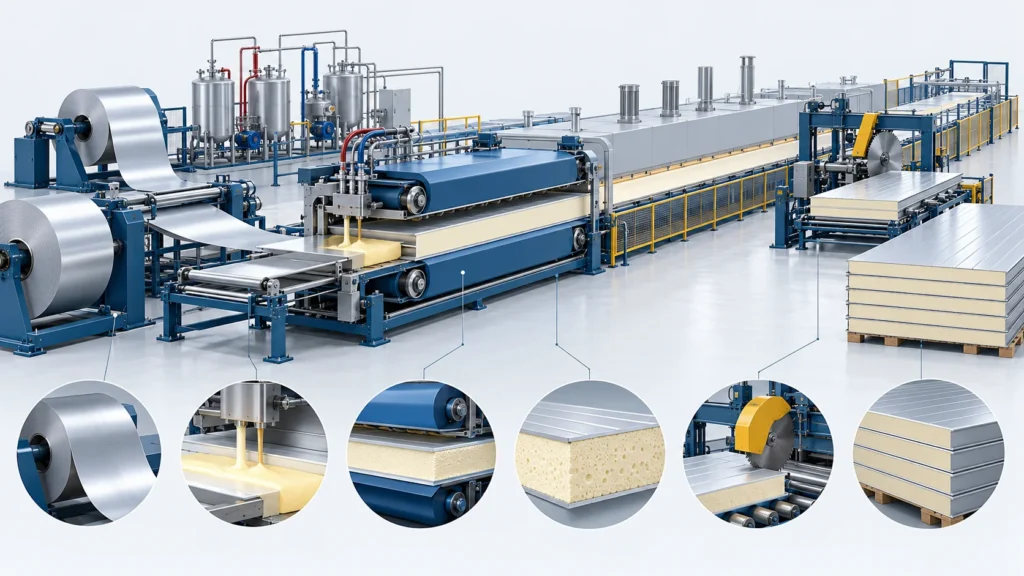
Continuous PIR Sandwich Panel Line | Insulation Panels
30 m continuous PIR panel configuration with metering, laydown, heated lamination and synchronized cutting. Finished-panel fire classification depends on the tested construction.
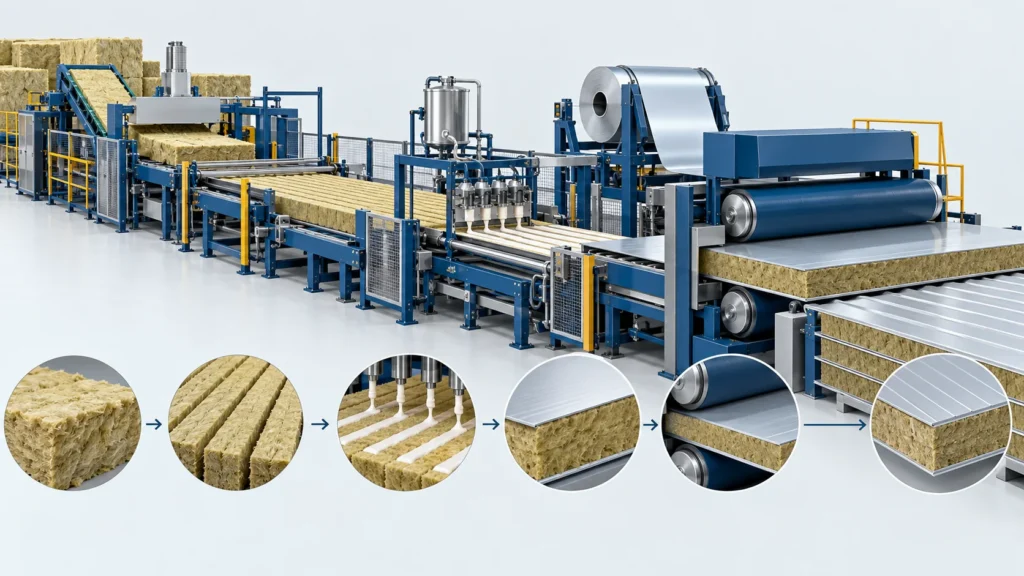
Continuous Rock Wool Sandwich Panel Line | Insulation Panels
Continuous mineral-wool slitting, orientation, adhesive application and lamination, with separately configured PU edge foaming where required.
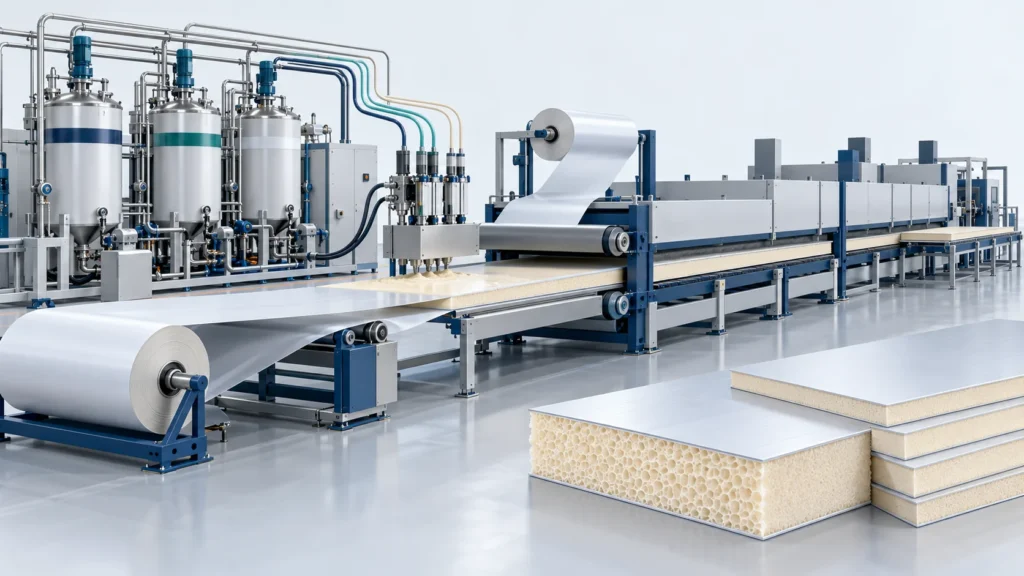
Continuous Phenolic Sandwich Panel Line | Insulation Panels
Continuous phenolic-resin panel processing with compatible wetted materials, configured mixing and controlled curing. Smoke, toxicity and fire performance require testing of the selected formulation and panel.
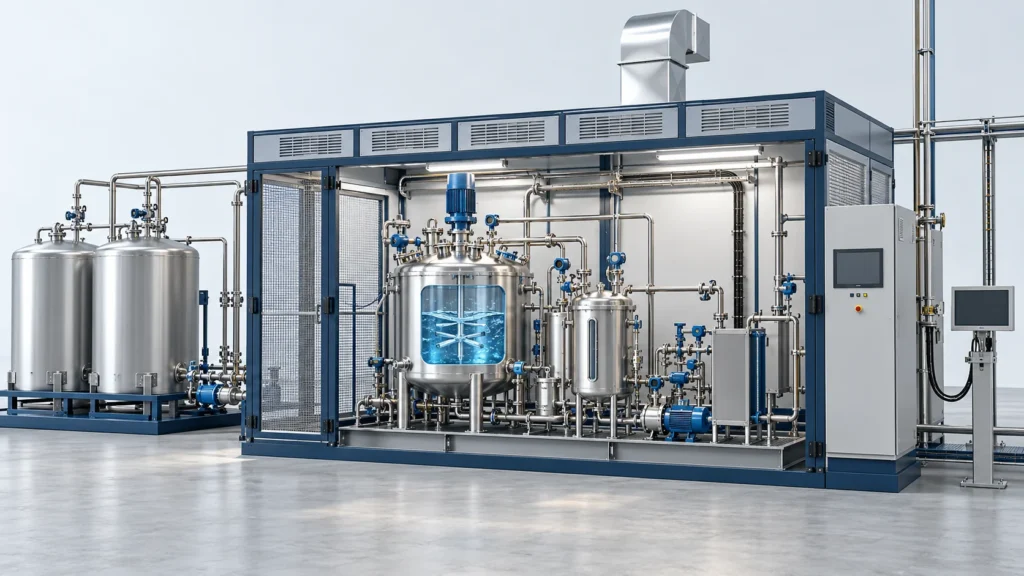
Cyclopentane Safety and Premixing System | PU Foaming
Cyclopentane storage/feed, premixing or inline blending and monitoring interfaces configured for a PU/PIR panel line. The project schedule defines supply boundaries and equipment documentation.
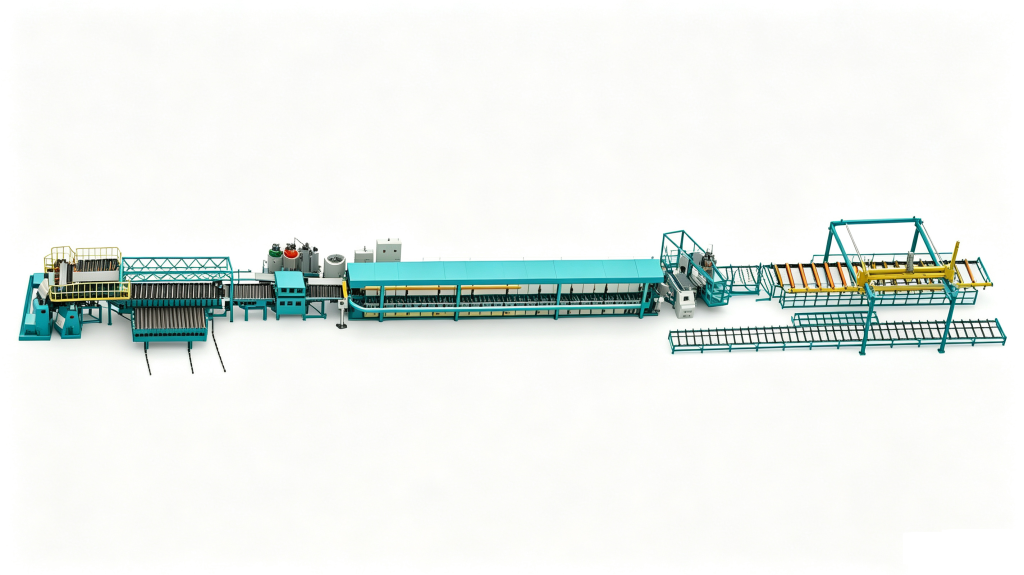
Continuous PU Sandwich Panel Line | Insulation Panels
Fully‑continuous rigid foam system for building insulation & cold storage panels, with stepless speed regulation (1‑15 m/min), 30‑200 mm thickness, and full‑line linkage control.
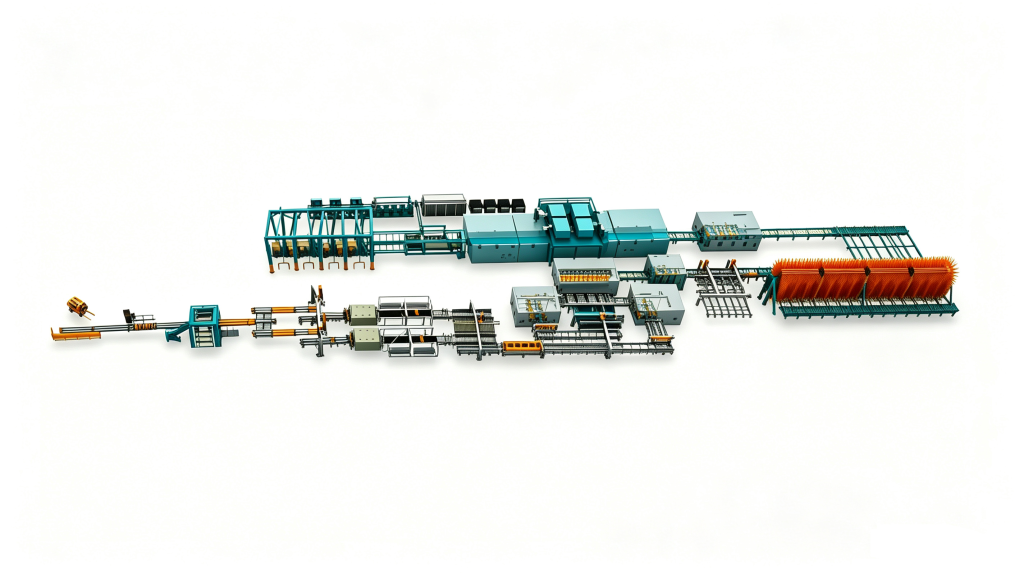
Batch PU Sandwich Panel Line | Custom Panels
Batch‑type rigid foam system for custom sandwich panels & special‑shaped panels, with hydraulic mold clamping, 20‑300 mm thickness range, and solvent‑free air purge cleaning.
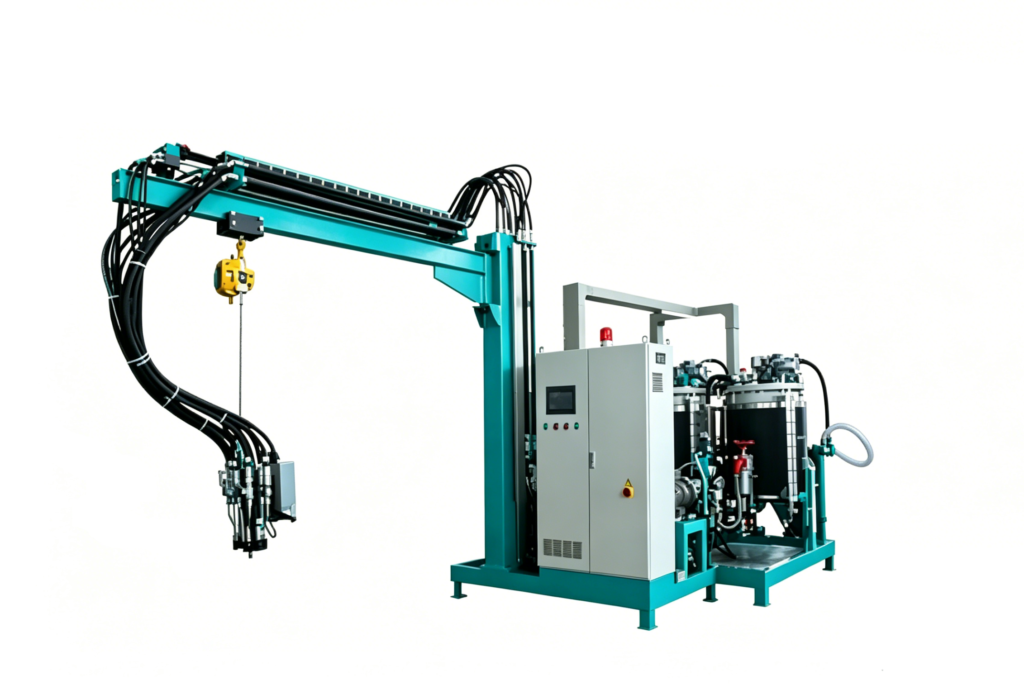
High-Pressure PU Foaming Machine | Sandwich Panels
High-pressure continuous foaming system for building insulation sandwich panels with large-flow precise mixing
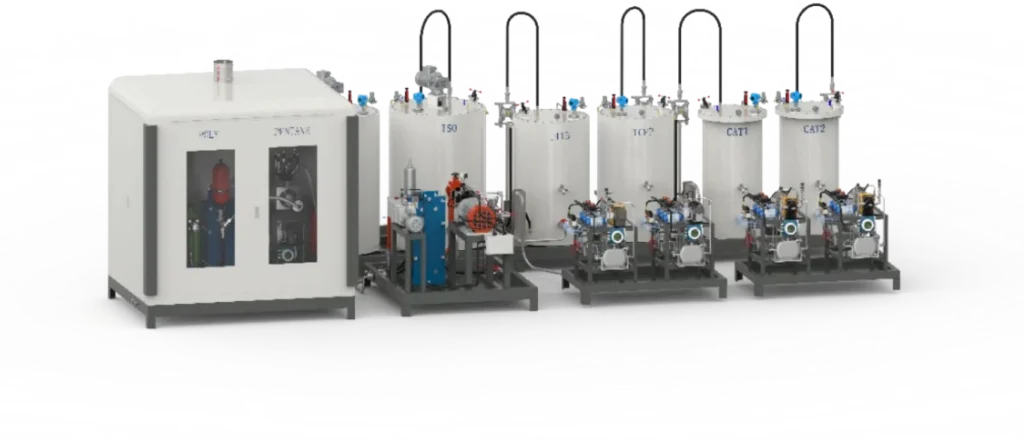
Five-Component High-Pressure PU/PIR Foaming System | Sandwich Panels
Five-component PU/PIR metering for sandwich panels, with independent polyol, isocyanate, catalyst and blowing-agent circuits, flow monitoring and line integration.
Discuss Your Panel Material, Dimensions, Output and Factory Conditions
Plan Your Production LinePanel Applications and Manufacturing Routes
Select the end-use application, then match core material and facing to a continuous or discontinuous process. Line speed, order flexibility and factory layout determine the final configuration.
Industrial Buildings
Wall, roof and partition panels for factories, warehouses and steel building envelopes.
Cold Storage
Thick insulated wall, ceiling and door panels for cold rooms and freezer facilities.
Cleanrooms
Flat-surface wall and partition panels with sealed joints for controlled environments.
Modular Buildings
Wall and roof panels for prefabricated houses, container buildings and site accommodation.
Continuous PU/PIR Lines
Best suited to repeated panel profiles and sustained output. Coordinate coil profiling, reactive dosing, double-belt curing, cutting and handling; thickness and formulation determine viable speed.
Rock Wool Lamination
Uses mineral-fiber slitting and orientation, adhesive dosing and double-belt lamination. Optional PU edge sealing is selected around joint, handling and moisture requirements.
Phenolic Panel Production
Uses compatible phenolic-resin and acid handling, dynamic mixing and controlled curing. Facing material, corrosion resistance and formulation define the configured process.
Discontinuous PU Pressing
Suitable for custom dimensions and cam-lock cold-room panels. Alternating press beds coordinate loading, injection, curing and demolding; order mix and press utilization determine throughput.
Cyclopentane System Integration
Coordinate storage, transfer, pre-mixing, ventilation, gas detection and interlocks with the foaming line and the agreed installation requirements.
Sandwich Panel Production Solutions
Explore four building applications and a dedicated discontinuous PU production route. Each solution links to equipment selection, process specifications and the corresponding project case.
Industrial Building Panels
Continuous PU/PIR production for industrial walls and roofs, combining coil profiling, controlled foam dispensing and double-belt curing.
Key Configuration Features
Cold Storage Panels
PU/PIR systems for thick cold room panels, with continuous and batch routes selected around dimensions, insulation and joint requirements.
Key Configuration Features
Cleanroom Panels
PU/PIR and rock wool configurations for flat panel surfaces, sealed joints and controlled-environment wall and partition systems.
Key Configuration Features
Modular Building Panels
Production configurations for prefabricated and container buildings, matched to panel sizes, joint profiles and the required mix of orders.
Key Configuration Features
Discontinuous PU Sandwich Panels
High-pressure injection and alternating hydraulic press beds for custom cold room panels, freezer doors and embedded cam-locks.
Key Configuration Features
Share Your Core Material, Facing, Thickness and Target Output
Sandwich Panel Materials and Process Guides
Selected technical guides on thermal conductivity, closed-cell insulation, compressive strength, blowing agents and flame-retardant formulation.
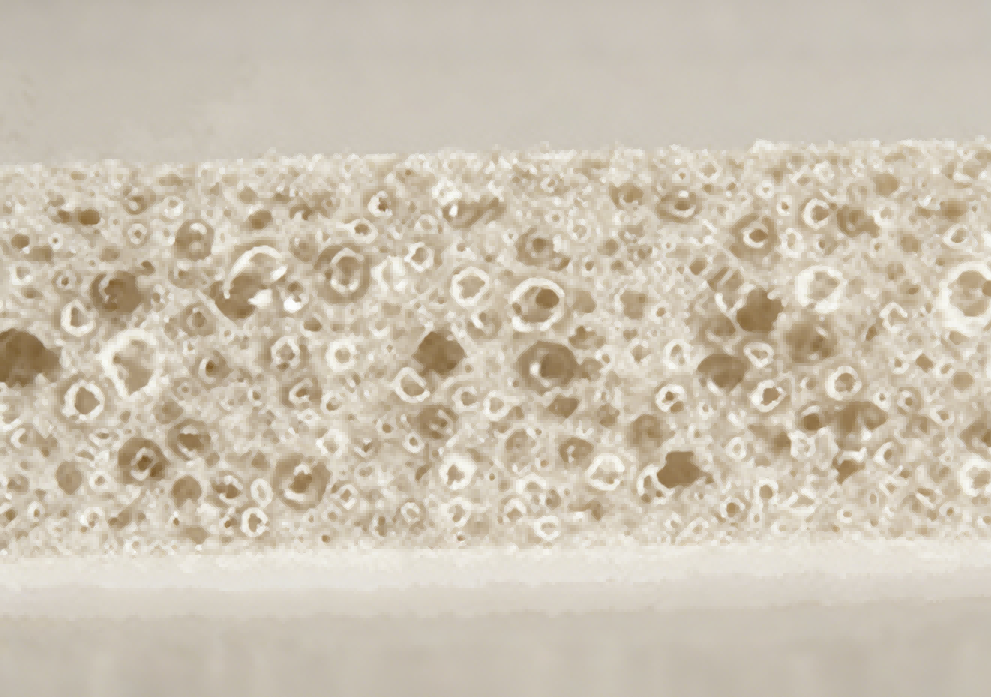
Thermal Conductivity in Rigid Foam: Understanding K-Value
K-value is not a marketing number. In rigid polyurethane insulation, it is the measured rate at which heat moves through a unit thickness of foam under steady-state conditions. If the K-value rises by 0.002 W/(m·K), the energy penalty compounds across thousands of square meters of panels over the life of a cold store, roof, or […]
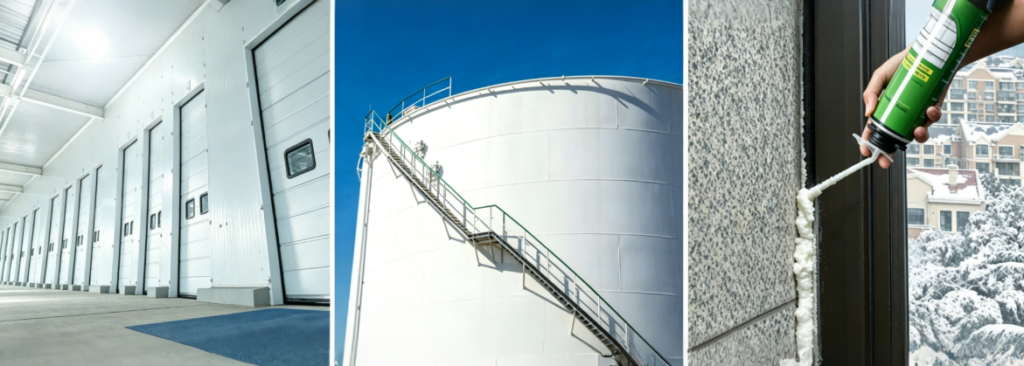
Closed-Cell Polyurethane Foam for Insulation: Why It Still Wins
Insulation failure in a cold store or metal-faced building panel rarely announces itself. It shows up as rising compressor hours, condensation along panel joints, slow drift in core density, or boards that no longer sit flat after one season. Engineers specify closed-cell polyurethane foam because it attacks those failure modes at the same time: low […]
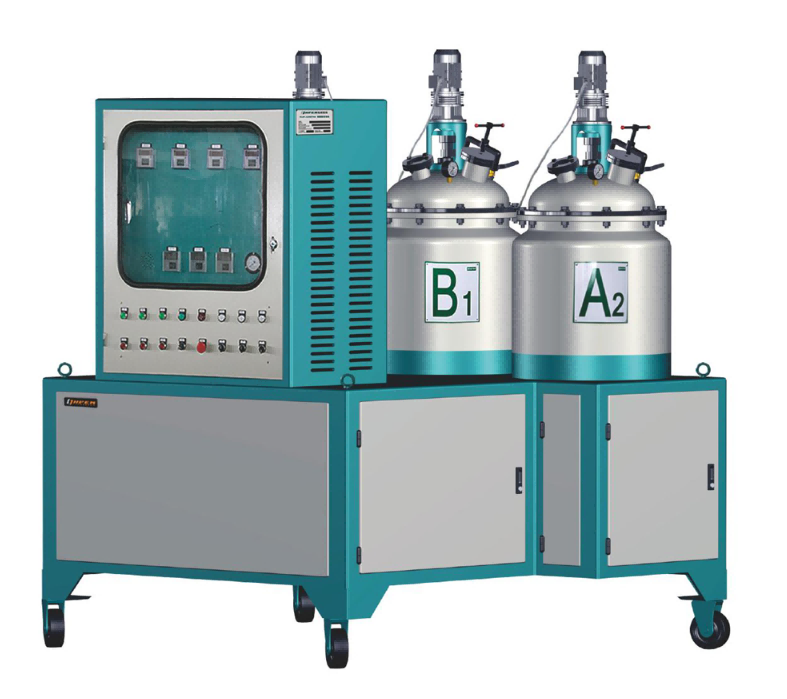
Closed-Cell Content and Rigid Foam Insulation Performance
Rigid polyurethane insulation can pass a density check on paper and still underperform in the field. The usual reason is not the foam’s gross density but its cell structure — specifically, how many cells are truly closed. A small shift in closed-cell content changes the gas trapped inside the foam, and that gas is doing […]
Not Sure Whether a Continuous or Discontinuous Line Fits Your Project?
Talk with an EngineerWhy Work with Haifeng on a Sandwich Panel Line
A complete line needs coordinated material handling, metering, forming, curing, cutting and controls. Haifeng defines the configuration and delivery scope around your panel specification, output target and factory conditions.
Equipment Matched to Your Panels
Core chemistry, facing material, thickness and joint design guide the equipment and processing route.
Complete Line Integration
Coordinate raw material preparation, metering, forming or pressing, curing, cutting and handling within the agreed supply scope.
Configured Material and Safety Systems
Specify wetted materials, temperature control, gas detection and interlocks for the selected formulation and installation.
Commissioning and Operator Training
Plan installation, connected trials and operator training with defined acceptance conditions and contractual warranty terms.
Let’s Plan Your Sandwich Panel Production Line
Share the application, core material, facing type, panel thickness, annual output and project location. Haifeng can review your requirements and propose a coordinated equipment and line configuration.


