
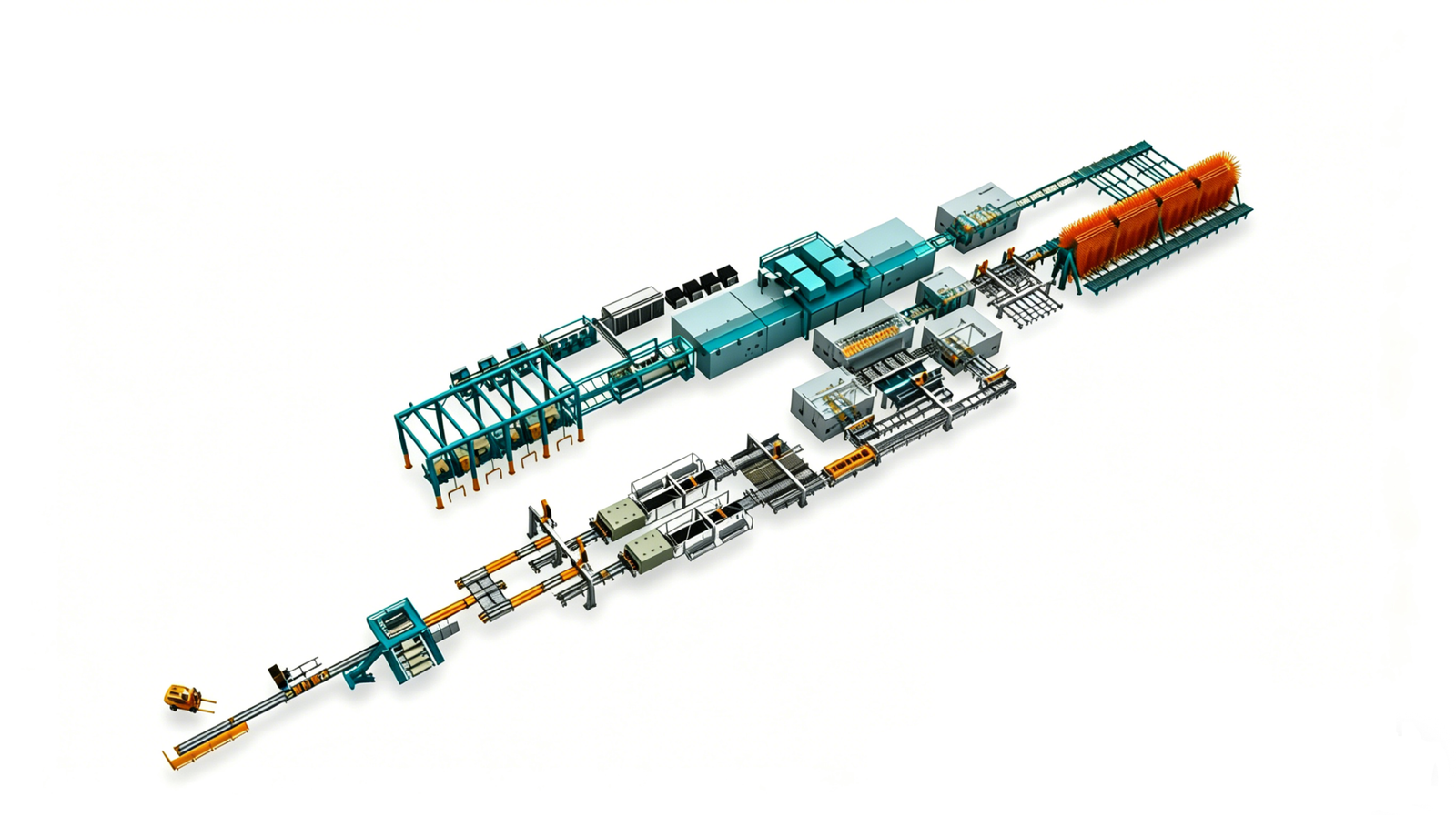
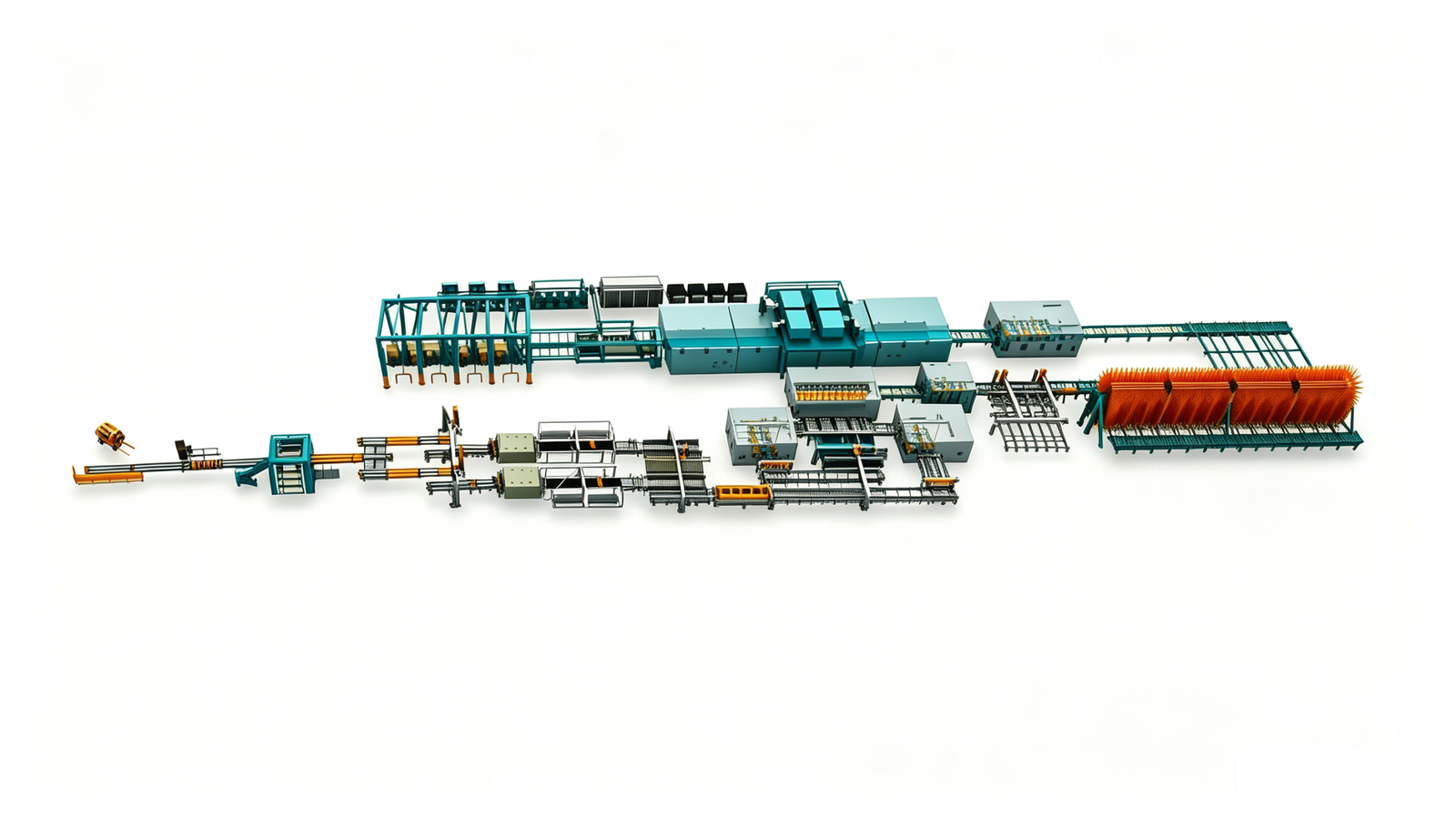
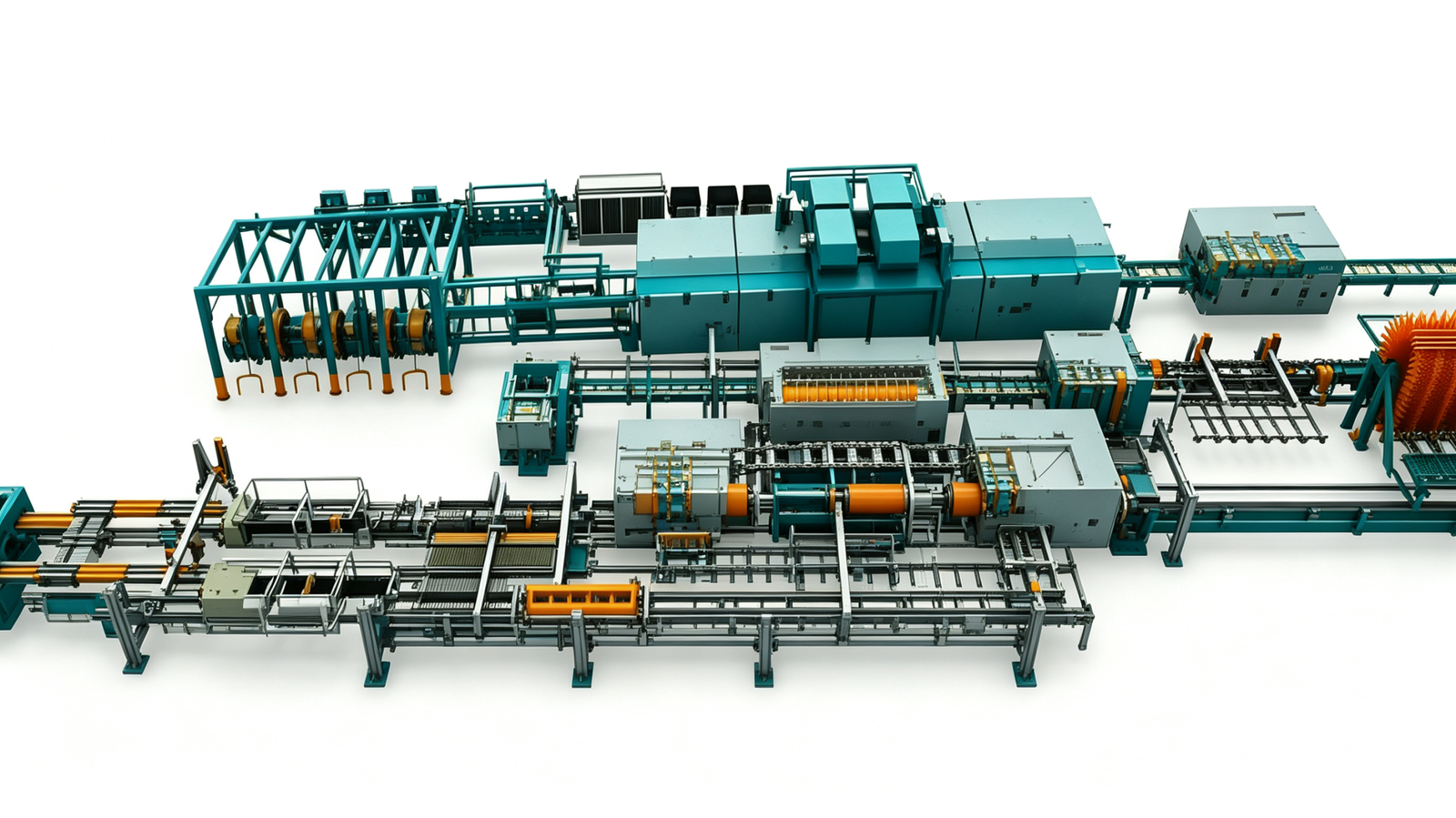
Batch PU Sandwich Panel Line | Custom Panels
Batch‑type rigid foam system for custom sandwich panels & special‑shaped panels, with hydraulic mold clamping, 20‑300 mm thickness range, and solvent‑free air purge cleaning.
Mold Forming Cycle
3~10 min/panel
Metering Accuracy
≤ ±0.3% full range
Panel Thickness Range
20~300 mm
Mixing Pressure
8~15 MPa
Product Overview
The HF‑CLPS‑Batch is a batch‑type PU sandwich panel line for custom/special‑shaped panels, offering hydraulic clamping, 20‑300 mm thickness, and precise single‑mold control.
The HF-CLPS-Batch is a batch-type PU sandwich panel line for customized, special-shaped, and small-batch panels with non-standard specifications. It suits laboratory sampling, non-standard building materials, and specialized insulation panels, meeting requirements for flexible mold change, panel customization, and dense, controlled cell structure. The system features a hydraulic mold clamping system with precise temperature control, independent two-component temperature management (20–45℃) in 100L/200L tanks, and PLC + touch screen control. Single-mold foaming control ensures precise forming across a wide panel thickness range of 20–300 mm. The mixing head operates at 8–15 MPa with ≤±0.3% metering accuracy, ensuring consistent foam density and ratio stability (100:100–130). The automatic air purge cleaning is solvent-free and eco-friendly. With a compact footprint and low investment, this line suits small-to-medium capacity and multi-variety flexible production.
Production Workflow
Mold Preparation & Setup
Install selected mold for desired panel size/shape; set hydraulic clamping pressure and mold temperature (20‑45℃) per insulation requirements.
Recipe Selection & Ratio Setting
Choose stored formula on PLC touch screen; set A:B ratio (100:100‑130) and cycle time (3‑10 min) per panel thickness and density target.
Foam Injection & Molding
Inject PU rigid foam into closed mold at 8‑15 MPa; foam fills cavity and cures under controlled temperature and pressure.
Demolding & Cleaning
Open hydraulic clamp after curing cycle; remove finished panel; trigger automatic air purge cleaning to prepare mixing head for next mold.
Technical Specifications
Existing model configuration references. Confirm thickness, material recipe, mold or belt duty, measurement conditions and acceptance tests; linked project figures describe separate configurations.
| Technical Parameter | HF-CLPS-Batch |
|---|---|
| Single Mold Forming Cycle | 3~10 min/panel |
| Mixing Pressure | 8~15 MPa |
| Dynamic Metering Accuracy | ≤±0.3% (Full range) |
| Raw Material Ratio | Polyether : Isocyanate = 100:100~130 |
| Tank Capacity | 100 / 200 L |
| Material Temperature Control | 20~45℃ (Two-component Independent Control) |
| Molding System | Hydraulic Mold Clamping + Precise Temperature Control |
| Cleaning System | Automatic Air Purge Cleaning (Solvent-free & Eco-friendly) |
| Control System | PLC + Touch Screen + Single Mold Precise Control |
| Applicable System | Polyurethane Rigid Foam Insulation System |
| Applicable Panel Thickness | 20~300 mm |
| Warranty | 1 year |
| Certifications | Confirm applicable documents for the quoted configuration |
Key Advantages
Six engineering benefits that make this line ideal for flexible, customized sandwich panel production with low investment and easy operation.
Batch Molding with Quick Mold Change
Designed for non‑standard and special‑shaped panel production; molds can be changed quickly to accommodate different sizes and profiles with minimal downtime.
Wide Panel Thickness Range
Supports 20‑300 mm panel thickness on a single machine, covering insulation boards, structural panels, and specialized composite panels.
Precise Single‑Mold Foaming Control
Control mold temperature, shot and cure conditions for the selected panel. Finished-part quality is verified through the agreed inspections.
Solvent‑Free Automatic Air Purge Cleaning
Eco‑friendly cleaning system eliminates chemical solvents, simplifies operation, and keeps the production environment clean and safe.
Compact Footprint & Low Investment
Small equipment footprint reduces factory space requirements; low initial investment makes it accessible for small‑to‑medium capacity and flexible production needs.
Simple Operation for Easy Adoption
User‑friendly PLC + touch screen interface with intuitive controls; new operators can master the system quickly with minimal training.
Complete Your Production Line
Integrate the product with our full range of auxiliary equipment for a turnkey polyurethane processing system.
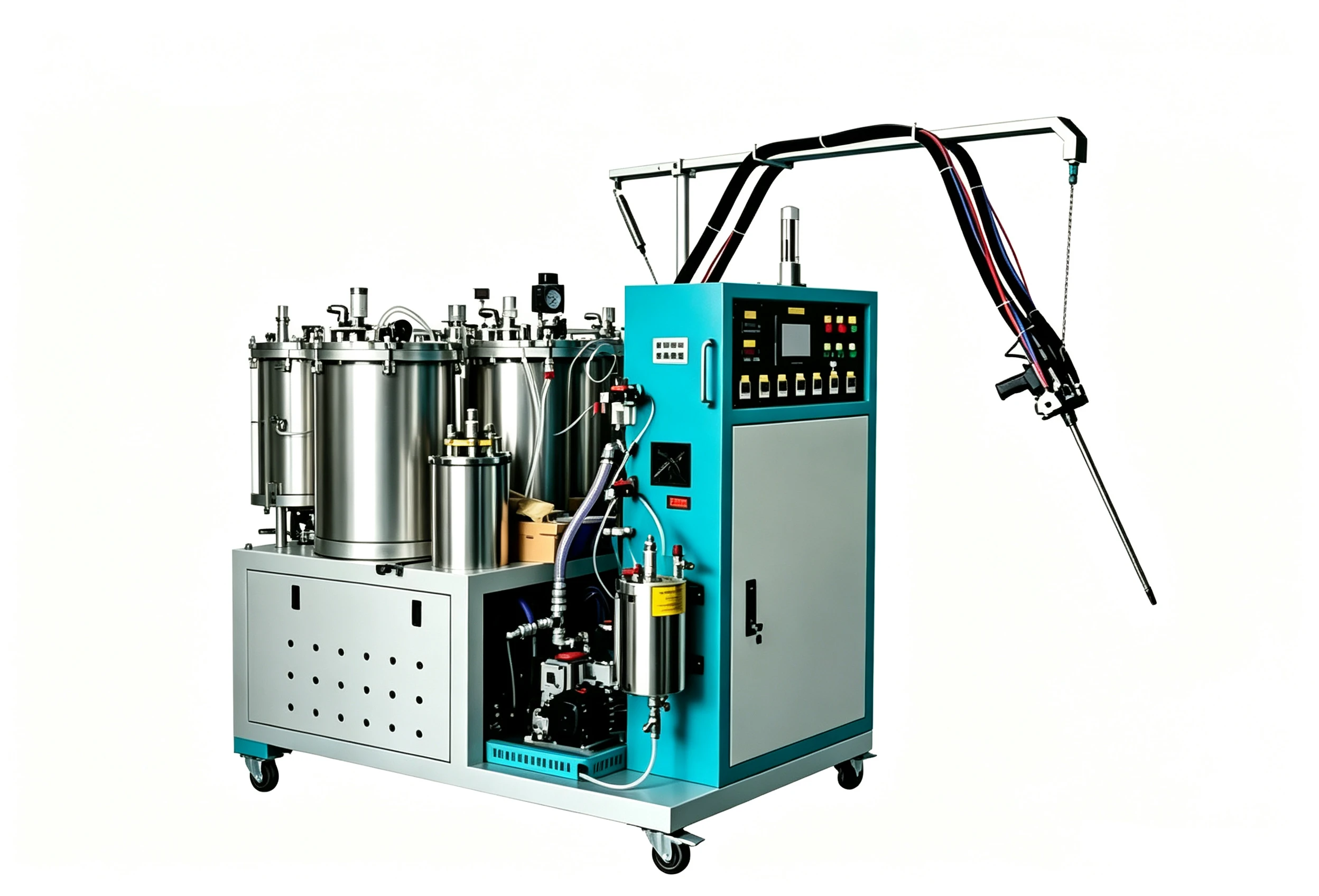
Epoxy Pouring Machine | Printing Rollers
Low Pressure Polyurethane Machine
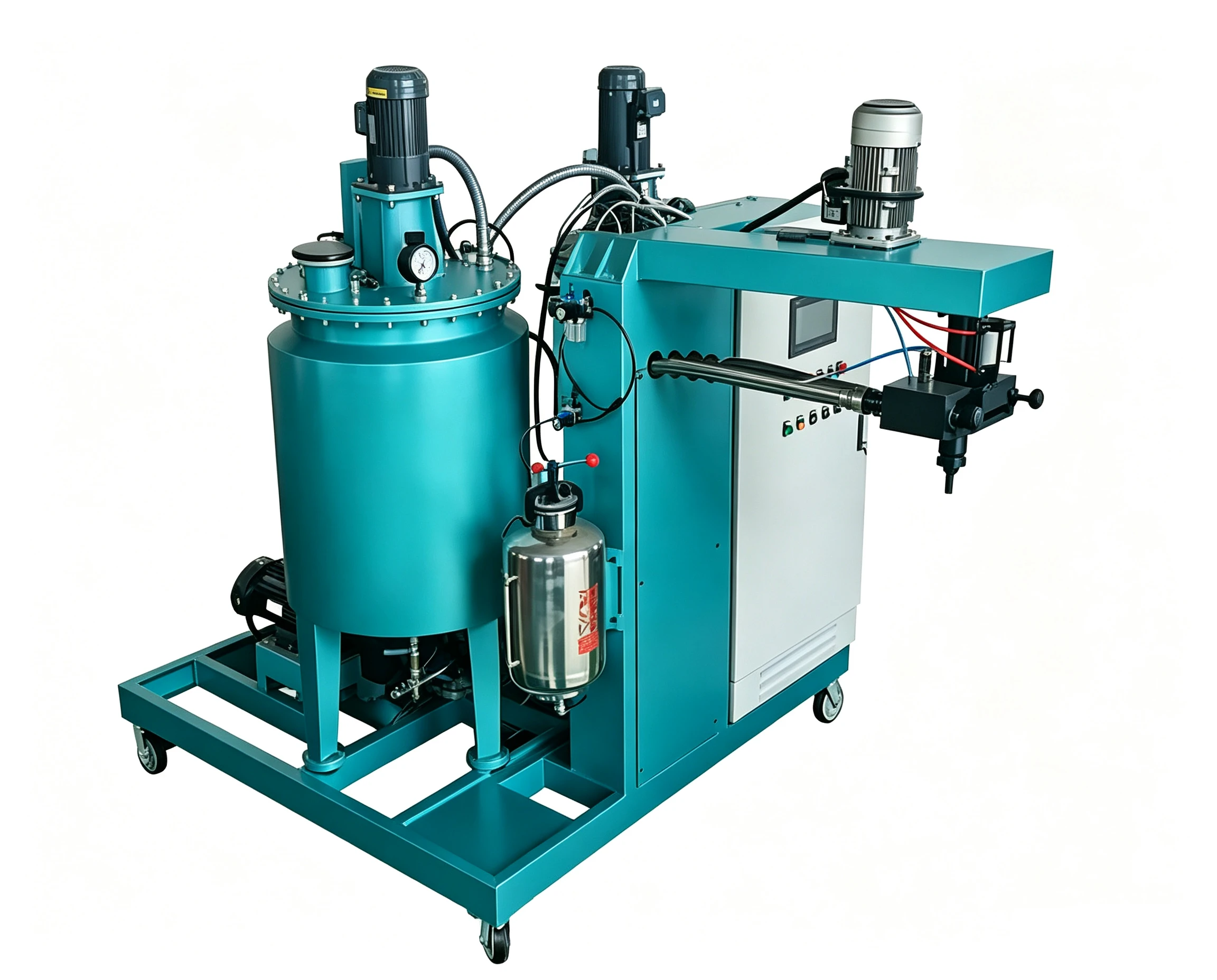
PU Elastomer Casting Machine | Hydraulic Seals
Polyurethane Machinery &Equipment
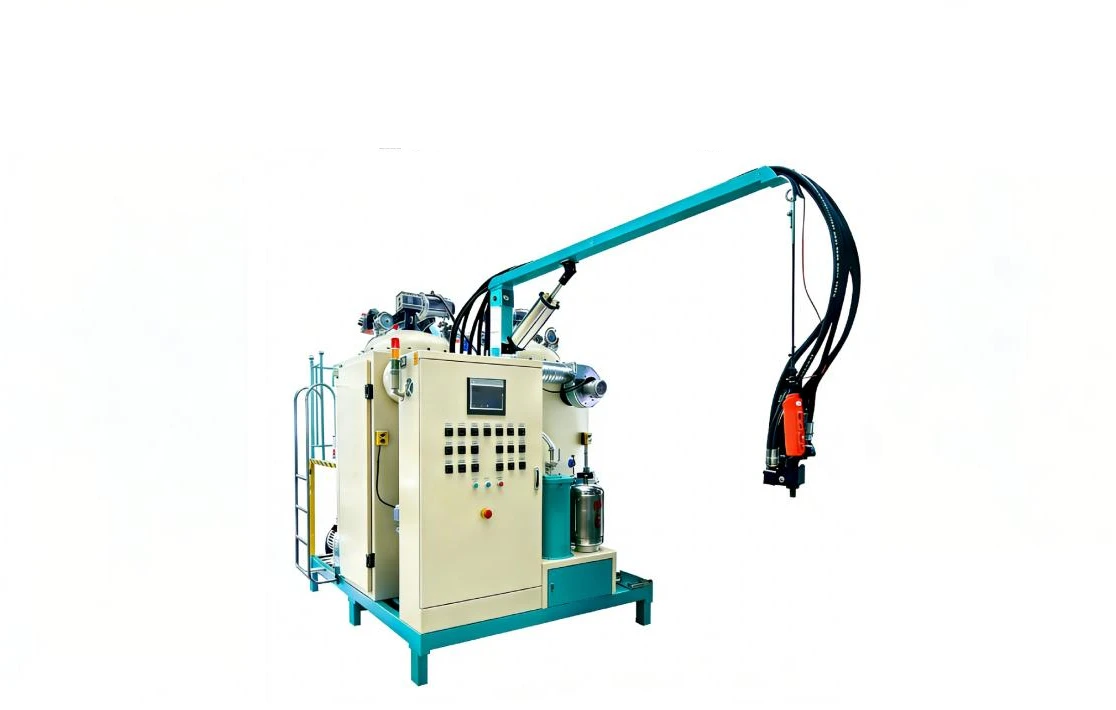
MC Nylon Casting Machine | Cast Nylon Parts
MC Nylon Casting Machines
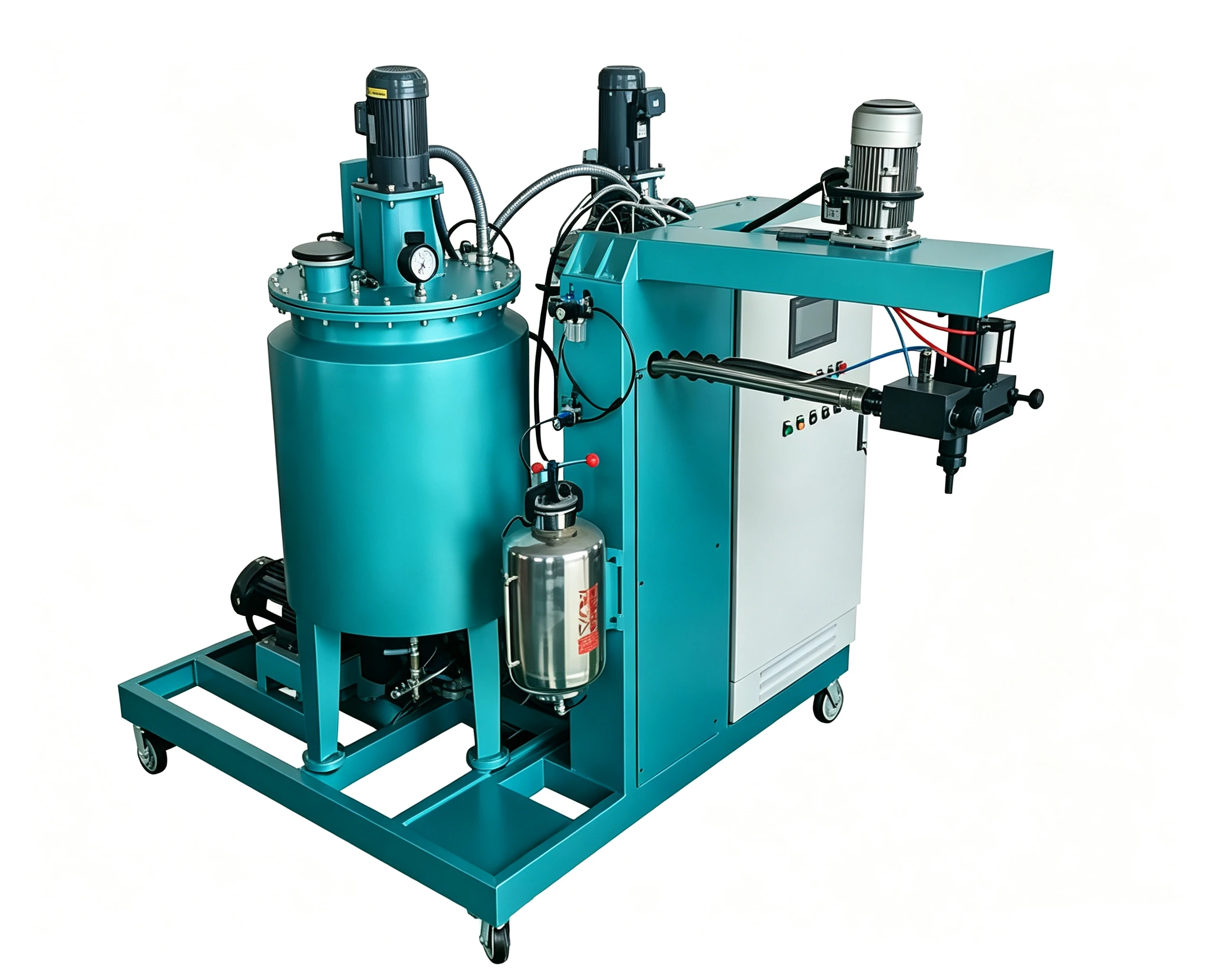
PU Elastomer Casting Machine | Cold Rolling Rollers
Polyurethane Machinery &Equipment


