
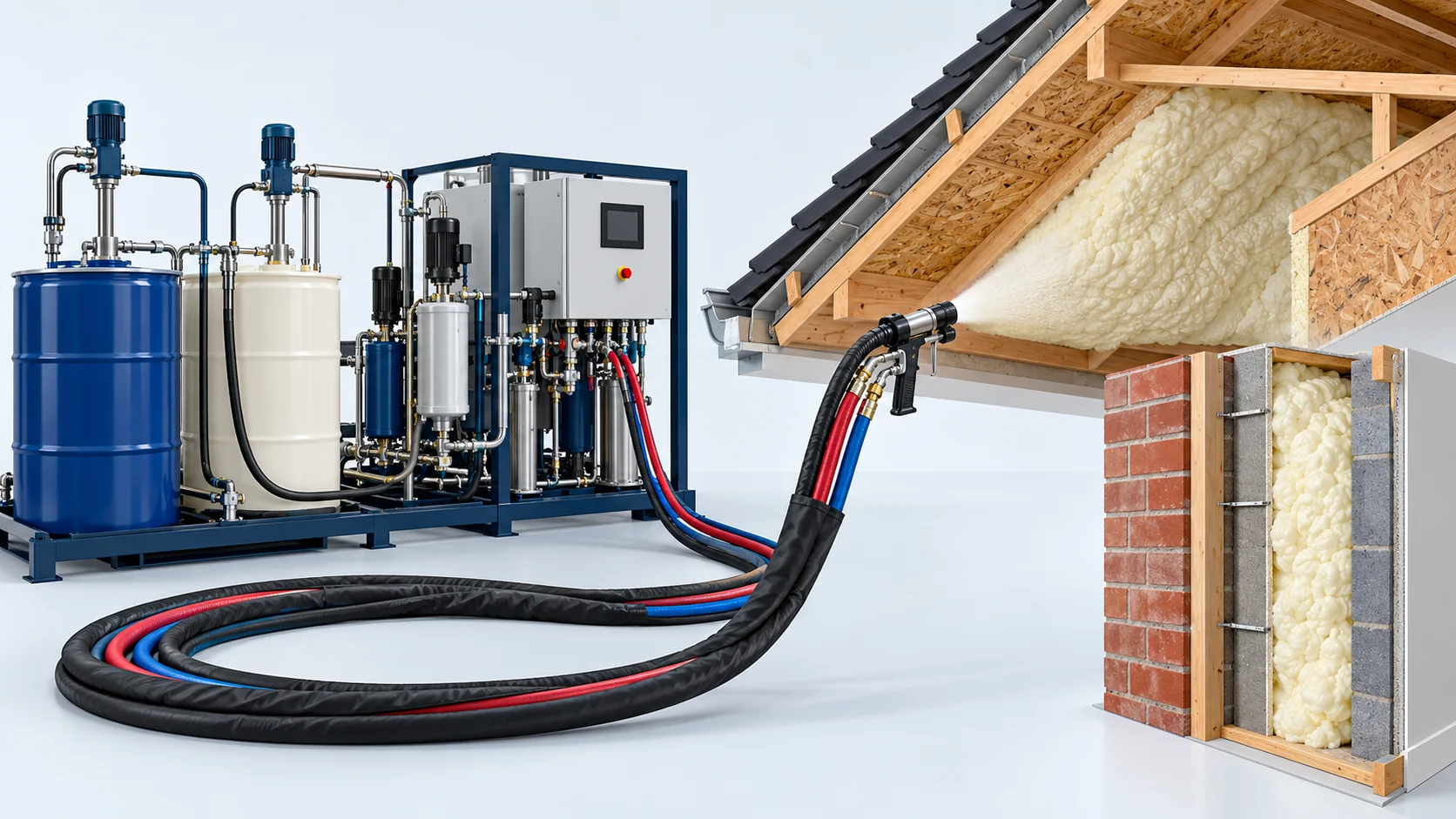
PU Spray and Cavity Insulation Turnkey Plant
Plan site-applied PU spray insulation and specified cavity injection for roofs, walls, cold rooms, tanks and retrofit structures. Match the equipment to the formulation, substrate and working conditions.
Spray and Cavity Insulation Applications
Compare the application, geometry and production or site conditions before configuring the system.
Industrial Roofs and Warehouses
On-site SPF application coordinated with substrate preparation and the selected protective finish.
Walls and Building Envelopes
Exterior wall spraying and controlled injection into specified building cavities.
Cold Rooms and Freezer Buildings
In-situ insulation for walls, ceilings, corners and other specified cold-room details.
Storage Tanks and Vessels
External spray insulation or annular injection with application-specific materials and thermal requirements.
Irregular Structures and Retrofit
Application planning for curved structures, overhead areas and existing roofs.
Five Spray and Cavity Insulation Solutions
Each solution defines its application and equipment interfaces. Insulation, moisture, adhesion and corrosion outcomes depend on materials, substrate preparation, construction details and inspection.
Roof Spray Insulation
Plan site-applied foam insulation around roof condition, substrate preparation, material selection, thickness and the specified protective finish.
Process and Configuration
Exterior Wall and Building Envelope
Configure exterior spraying or specified cavity injection around wall construction, substrate condition and the selected insulation system.
Process and Configuration
Cold Storage Insulation
Match site-applied insulation equipment to the cold-room substrate, thickness, moisture-control details and service requirements.
Process and Configuration
Tank and Vessel Insulation
Plan external spraying or separately specified annular injection around vessel geometry, temperature, cladding and inspection requirements.
Process and Configuration
Special Structures and Retrofit
Assess the existing surface and access conditions before selecting spraying, preparation and the protective finish for an irregular or retrofit structure.
Process and Configuration
Spray Insulation and Protective-Finish Equipment
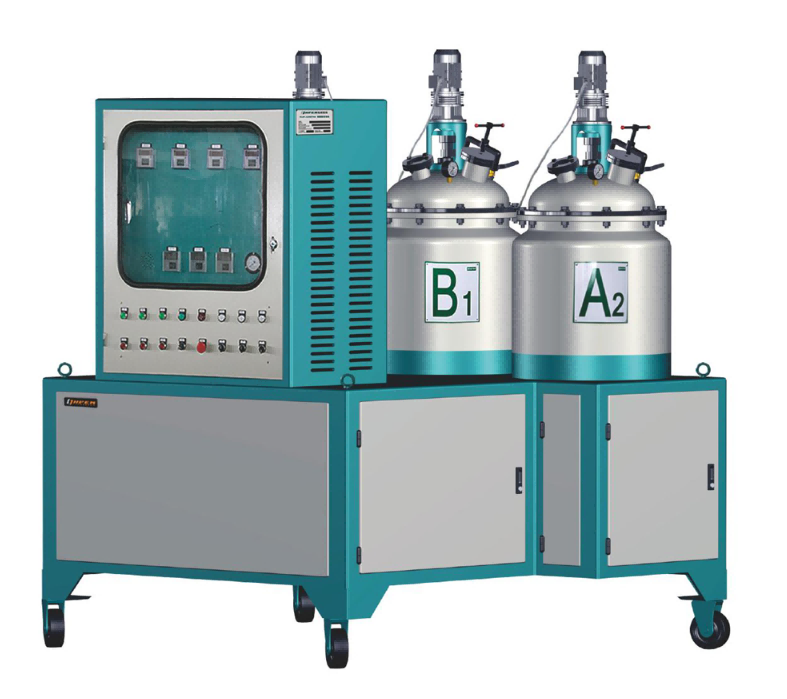
The spraying platform and cold-storage foaming platforms serve different application interfaces. Select spraying or cavity injection and confirm formulation compatibility; no single platform is assumed to switch between every route.
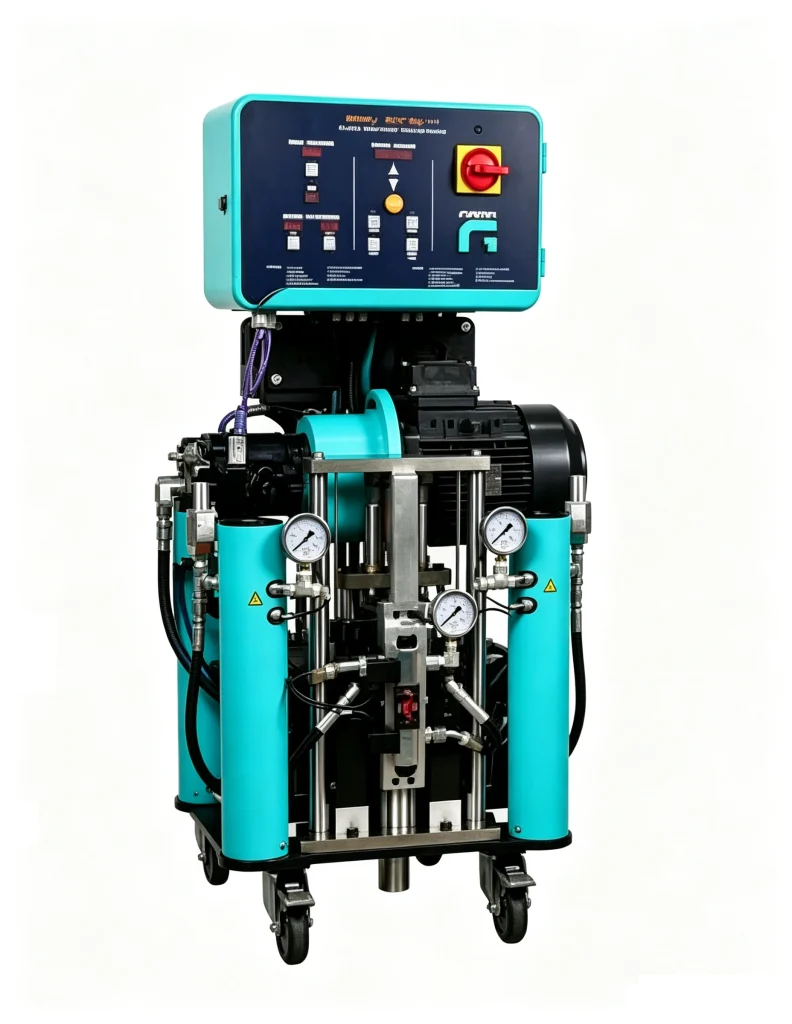
PU Spray Machine | Cold Storage Insulation
PU spraying machine designed for cold storage and refrigerated facility insulation, delivering high adhesion and closed-cell structure for superior thermal performance. Ideal for large cold rooms and pipe insulation.
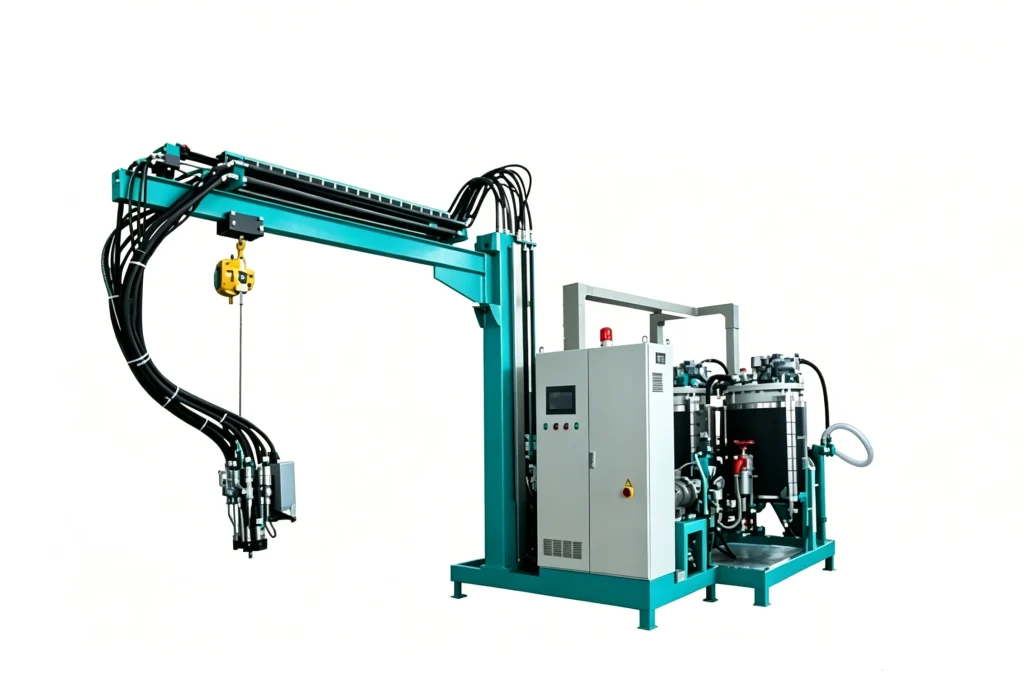
High-Pressure PU Foaming Machine | Cold Rooms
High-pressure PU foaming machine designed for cold room rigid foam insulation, delivering superior thermal performance and high closed-cell content. Ideal for cold storage and refrigerated facility construction.
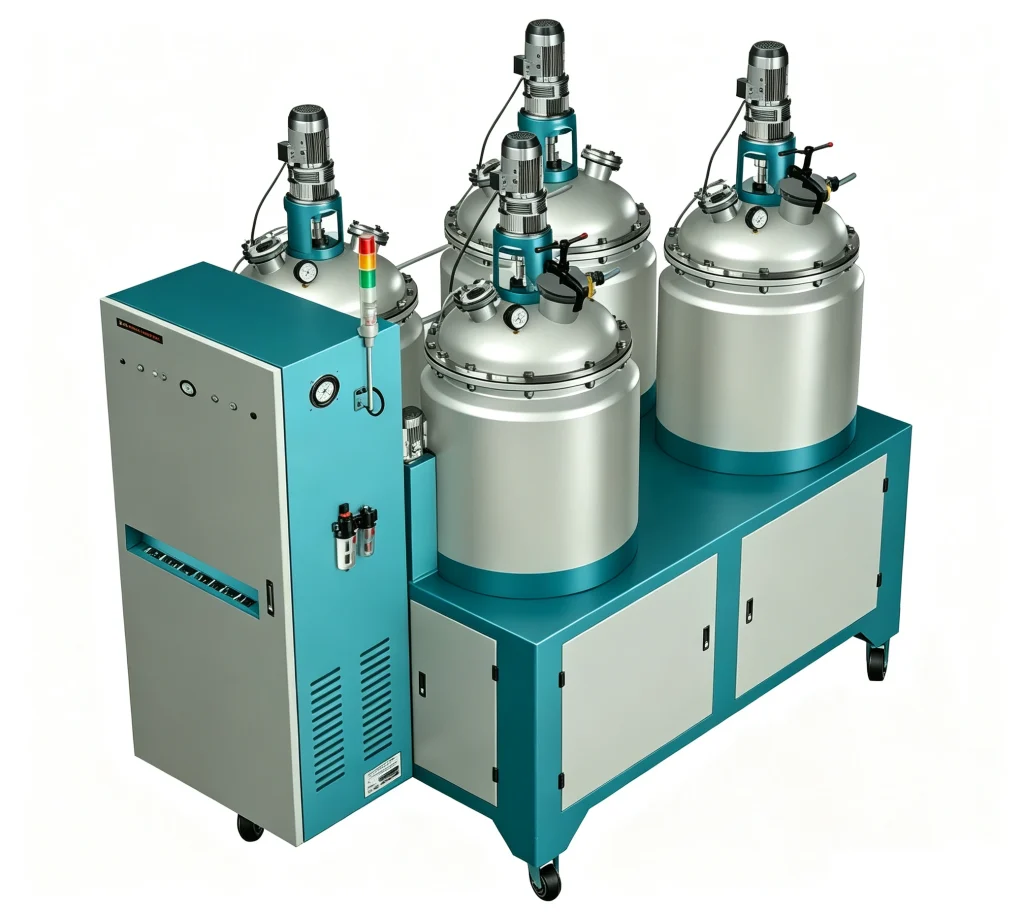
Low-Pressure PU Foaming Machine | Cold Storage
2A2B polyurethane foaming machine for cold storage rigid foam insulation, featuring high-precision metering for low thermal conductivity and high closed-cell content. Ideal for insulated panels and pipe insulation.
Plan Your Spray or Cavity Insulation Equipment Project
Polyurethane Insulation Materials and Process Guides
Selected guides on thermal conductivity, closed-cell structure and foam properties.
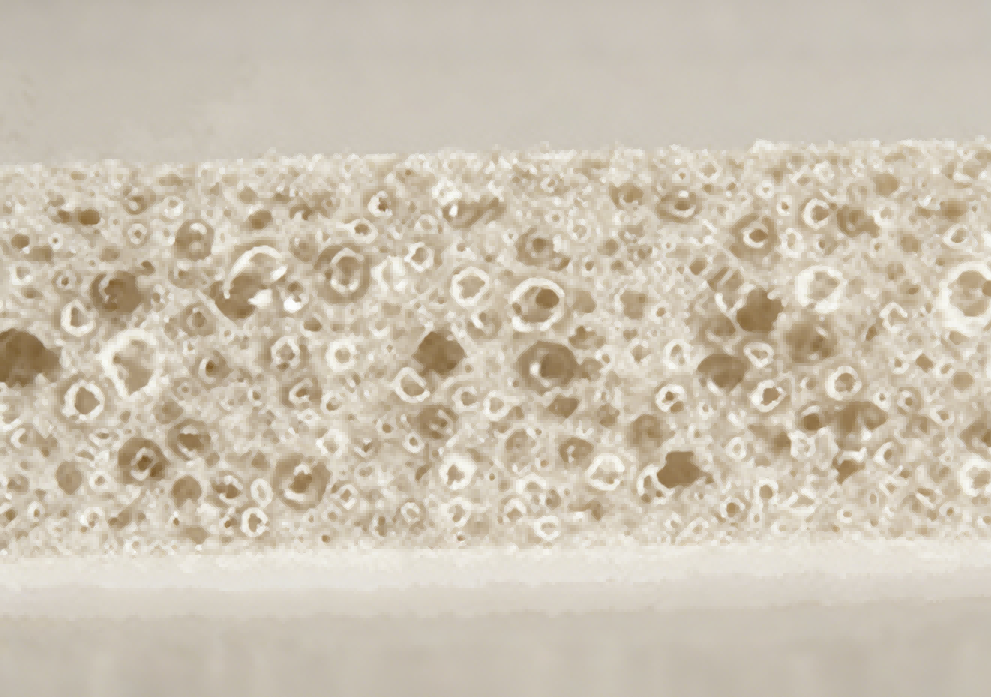
Thermal Conductivity in Rigid Foam: Understanding K-Value
K-value is not a marketing number. In rigid polyurethane insulation, it is the measured rate at which heat moves through a unit thickness of foam under steady-state conditions. If the K-value rises by 0.002 W/(m·K), the energy penalty compounds across thousands of square meters of panels over the life of a cold store, roof, or […]

Closed-Cell Polyurethane Foam for Insulation: Why It Still Wins
Insulation failure in a cold store or metal-faced building panel rarely announces itself. It shows up as rising compressor hours, condensation along panel joints, slow drift in core density, or boards that no longer sit flat after one season. Engineers specify closed-cell polyurethane foam because it attacks those failure modes at the same time: low […]
Closed-Cell Content and Rigid Foam Insulation Performance
Rigid polyurethane insulation can pass a density check on paper and still underperform in the field. The usual reason is not the foam’s gross density but its cell structure — specifically, how many cells are truly closed. A small shift in closed-cell content changes the gas trapped inside the foam, and that gas is doing […]
For factory-made panels, doors and refrigerated transport components, review the separate cold-chain production routes.
Explore Cold-Chain ProductionHaifeng Insulation Equipment and Process Integration
Match metering, temperature control, material transfer, mixing, spraying or injection and process records to the selected formulation and application. Equipment delivery and construction responsibilities are defined for each project.
Application-Specific Equipment
Select delivery capacity, hose or injection geometry and temperature-control functions for the stated task.
Integrated Material Delivery and Controls
Coordinate component supply, ratio control, heating, mixing and the application head.
Commissioning and Operator Training
Provide installation, operating setup and operator training within the agreed delivery scope.
Warranty and Equipment Support
Confirm warranty coverage, commencement, spare parts and service responsibilities in the equipment agreement.
Plan Your Spray or Cavity Insulation Equipment Project
Provide substrate, area, thickness, foam material, site temperature, access conditions, protective finish and required application output.


