PIR vs. PU Rigid Foam: Key Differences and Selection Guide
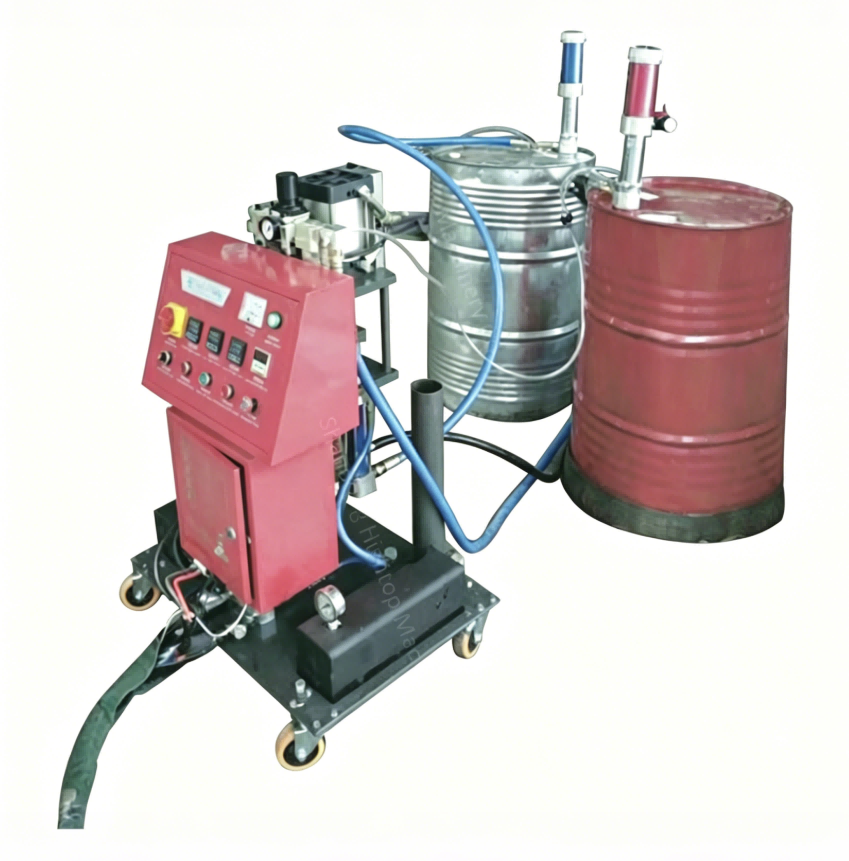
Compare PIR and PU rigid foam chemistry, insulation and fire-performance considerations, and the formulation and equipment changes involved in selecting a production route.


Compare PIR and PU rigid foam chemistry, insulation and fire-performance considerations, and the formulation and equipment changes involved in selecting a production route.

Explore PMDI-based rigid polyurethane foam applications and the material conditioning, ratio control, mixing and equipment requirements behind insulation production.

Learn how to measure polyurethane pot life under defined conditions and translate a laboratory result into a practical dispensing window for the production line.

Compare one-shot, prepolymer and quasi-prepolymer polyurethane routes, including their effects on viscosity, metering, tank configuration, curing and process selection.

Understand the reaction between hydroxyl and NCO groups, and how stoichiometry, moisture, catalysts, temperature and mixing affect polyurethane processing.

Explore how nucleation sets polyurethane foam cell size and uniformity, and how mixing, pressure and temperature influence the resulting cell structure.

Understand NCO content, equivalent-weight calculations and the effects of batch variation on polyurethane formulation, curative dosing and production control.

Review NCO-group reactions in polyurethane gelling, blowing and crosslinking, with links between chemical measurements, formulation balance and equipment control.

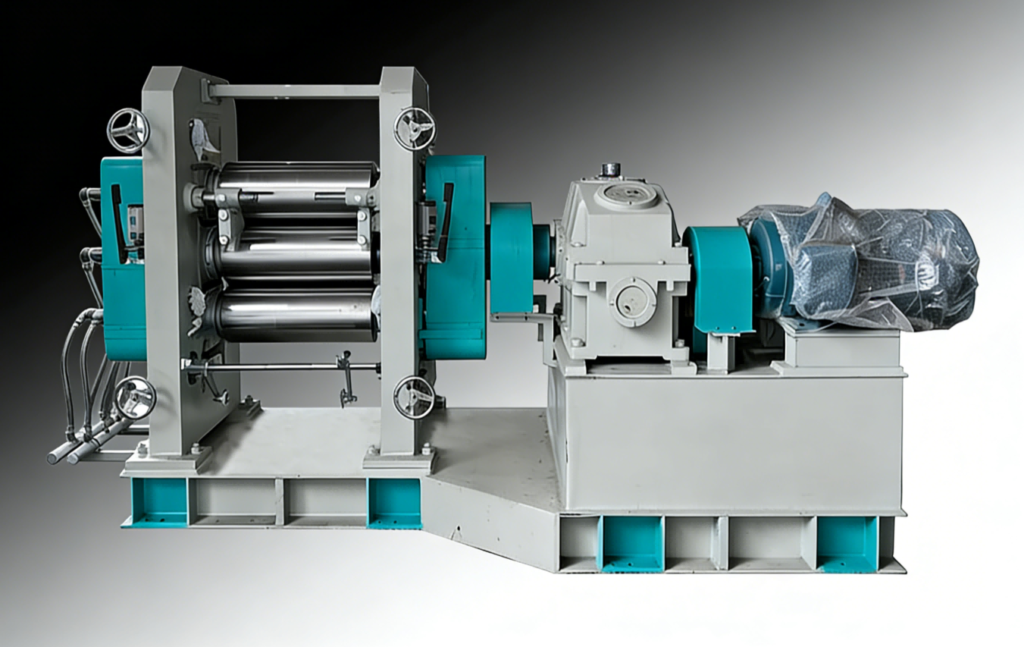
Explore millable polyurethane processing on rubber equipment, its typical properties and applications, and the differences from cast polyurethane and TPU.

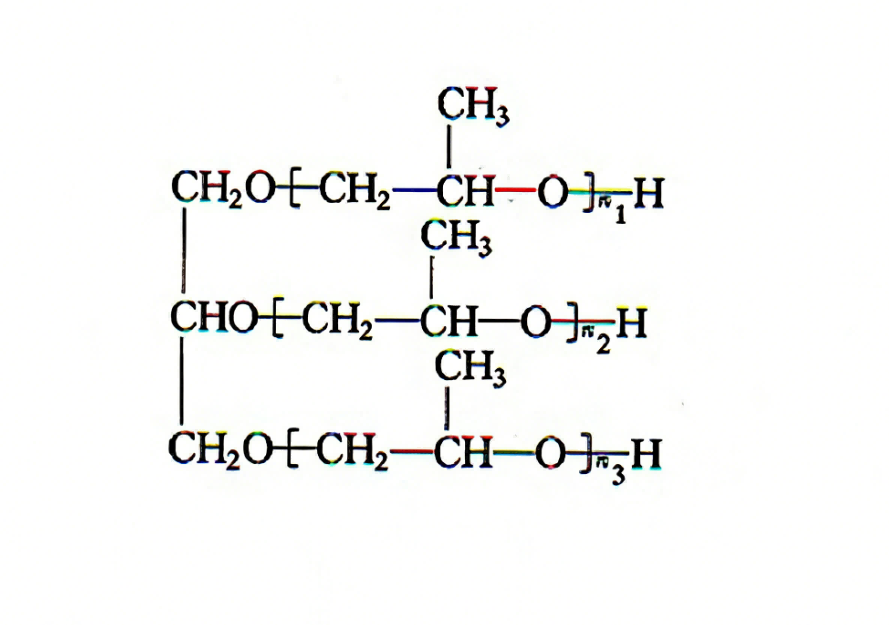
Understand how polyol and prepolymer molecular weight influence polyurethane properties, viscosity, material consistency and metering equipment requirements.