Why Polyurethane Turns Yellow: Causes and How to Prevent It
Explore polyurethane yellowing causes and review material selection, additives, heat exposure and process controls used to protect appearance.


Explore polyurethane yellowing causes and review material selection, additives, heat exposure and process controls used to protect appearance.

Distinguish polyurethane pot life from cure time, and relate the liquid working window and final property development to dispensing and production planning.

Review polyurethane water-absorption measurement using ASTM D570 and ISO 62, with attention to specimen conditioning, immersion and interpretation of results.

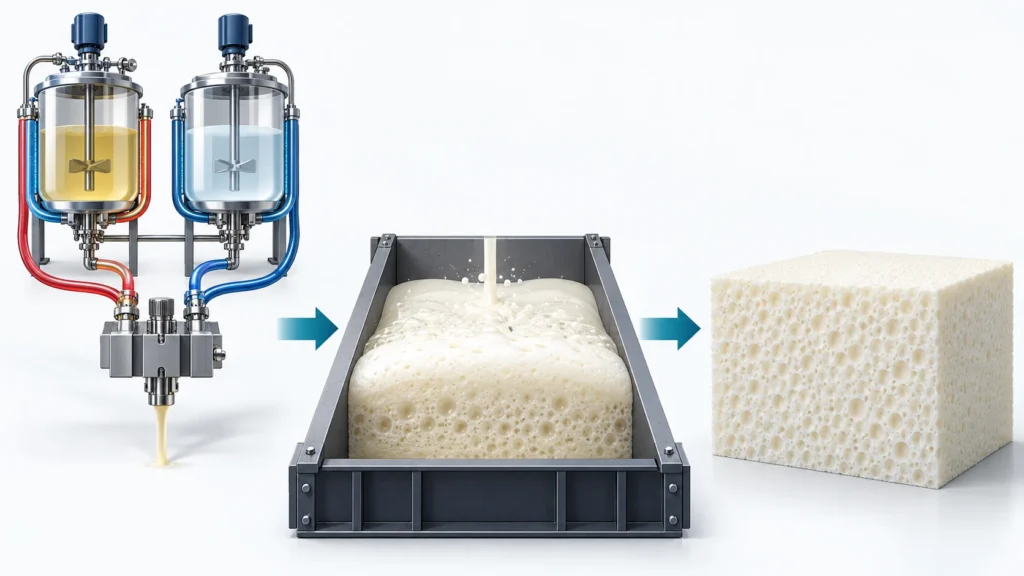
Explore water-blown polyurethane chemistry, the reaction profile and machine controls, including the effects of water content, ratio and temperature on foam.

Diagnose polyurethane voids through gas, moisture, mixing, mold filling and shrinkage, and review checks that distinguish different defect mechanisms.

Review polyurethane VOC sources and the formulation, temperature, cleaning, extraction and verification measures discussed for production-line emission control.

Explore how polyurethane viscosity affects pump selection, ratio control, mixing and delivery, and why equipment must match the full operating-temperature window.

Understand vacuum degassing in polyurethane processing, its limits and the tank, pump, temperature and control considerations involved in managing entrained gas.

Explore the urethane linkage, its formation from hydroxyl and isocyanate groups, and the reaction and processing variables that influence polyurethane properties.

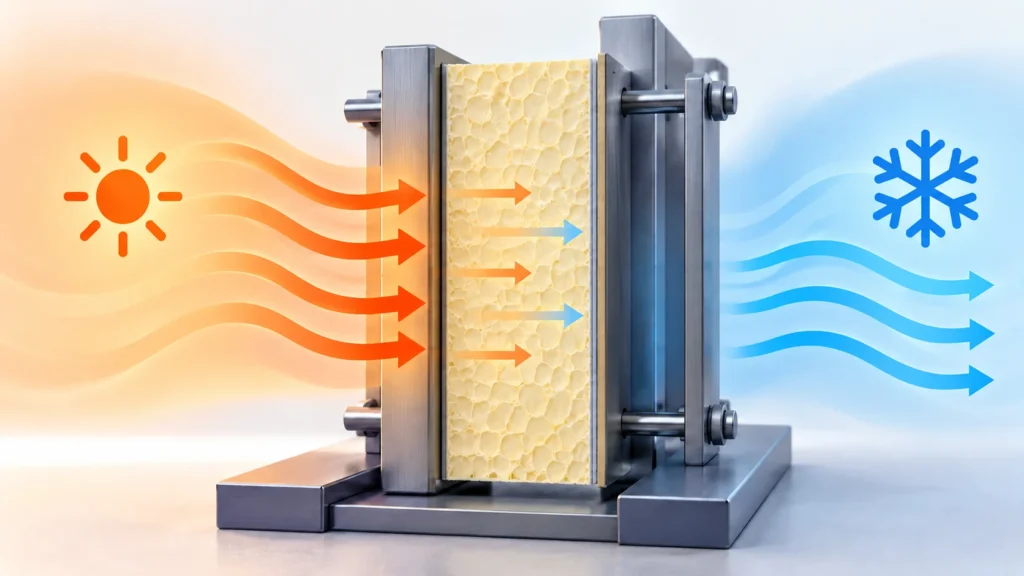
Understand thermal conductivity in polyurethane insulation, including measurement conditions and the effects of cell gas, structure, moisture and aging.