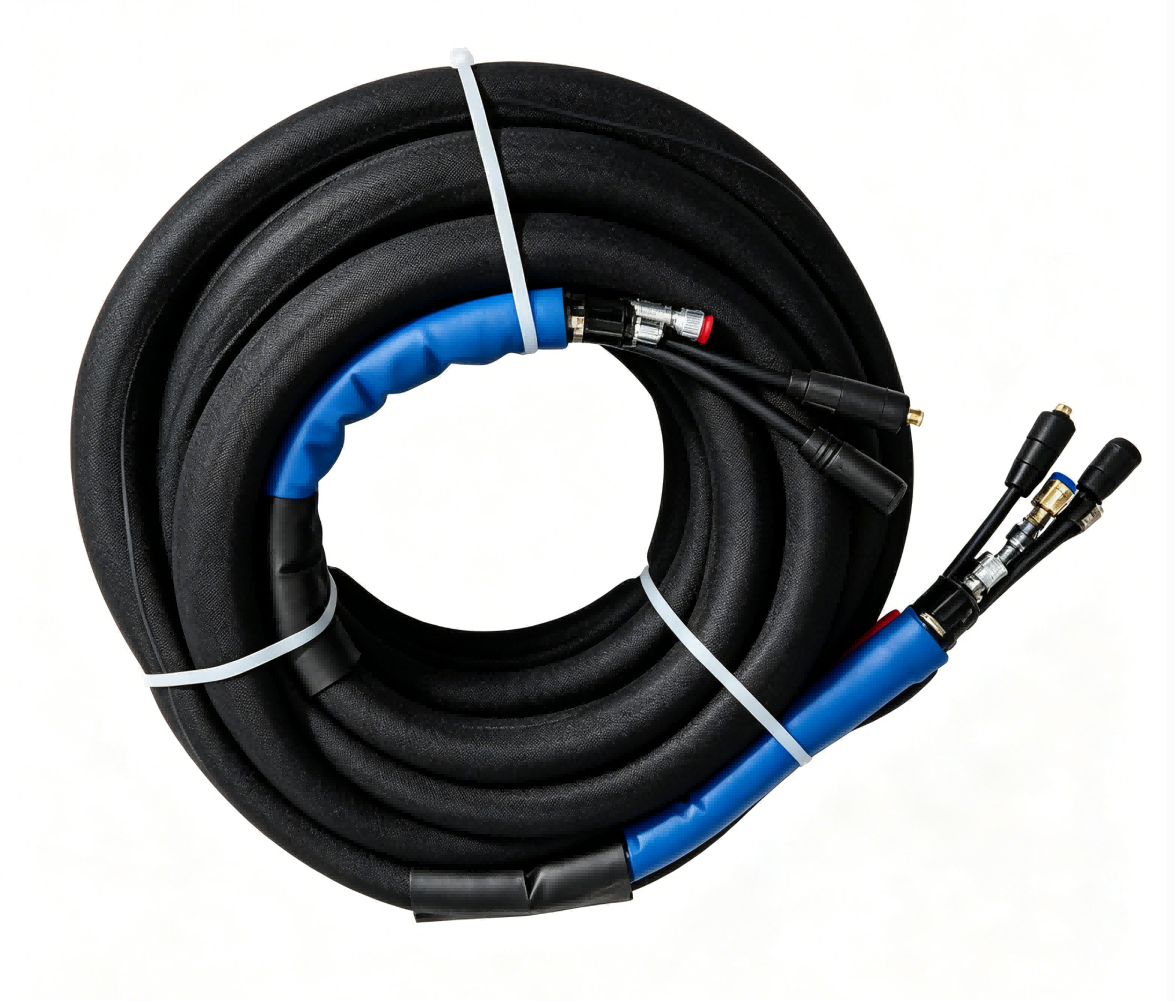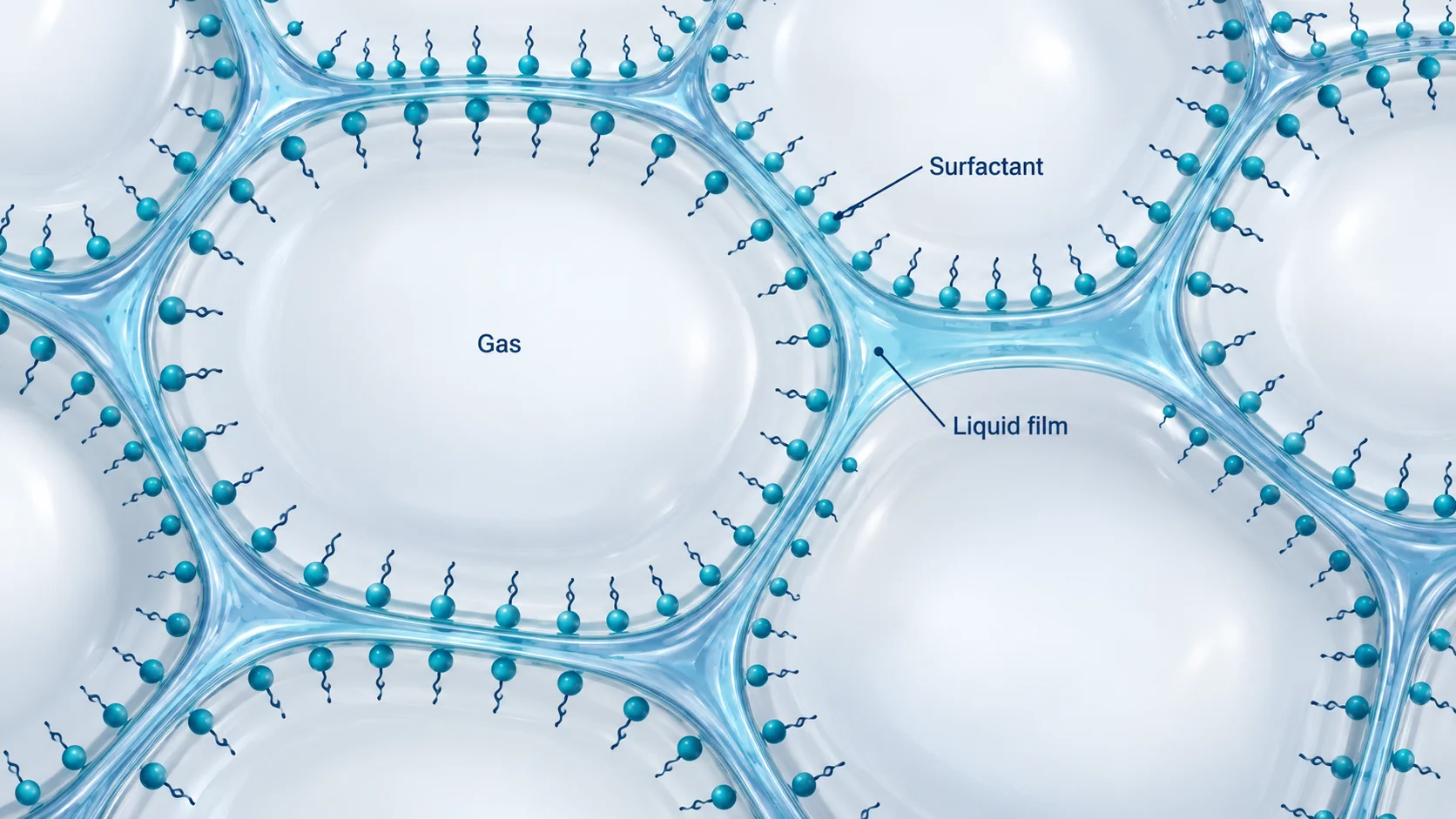
Why Vacuum Degassing Matters in Polyurethane Processing
Understand vacuum degassing in polyurethane processing, its limits and the tank, pump, temperature and control considerations involved in managing entrained gas.


Understand vacuum degassing in polyurethane processing, its limits and the tank, pump, temperature and control considerations involved in managing entrained gas.

Explore the urethane linkage, its formation from hydroxyl and isocyanate groups, and the reaction and processing variables that influence polyurethane properties.

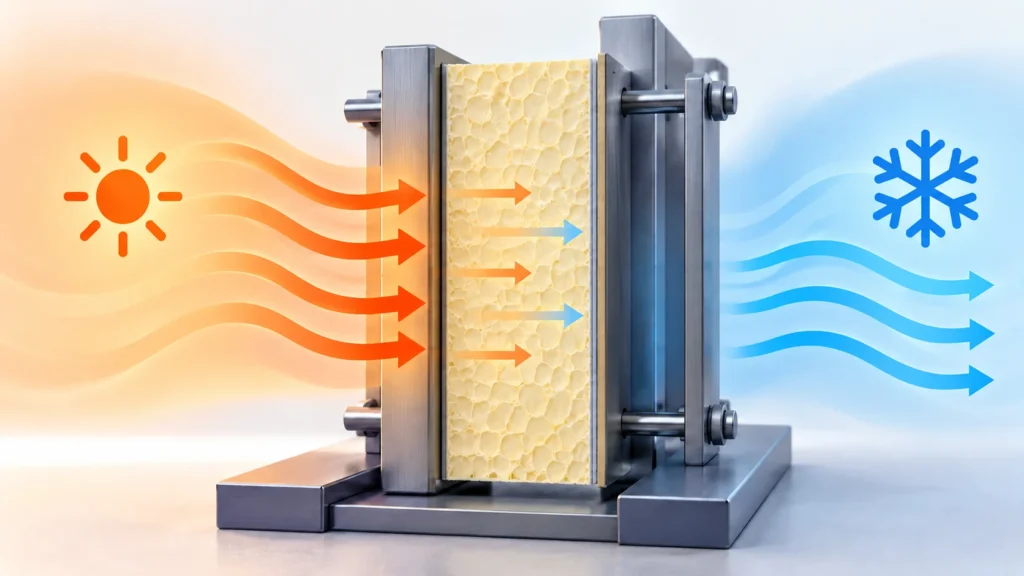
Understand thermal conductivity in polyurethane insulation, including measurement conditions and the effects of cell gas, structure, moisture and aging.

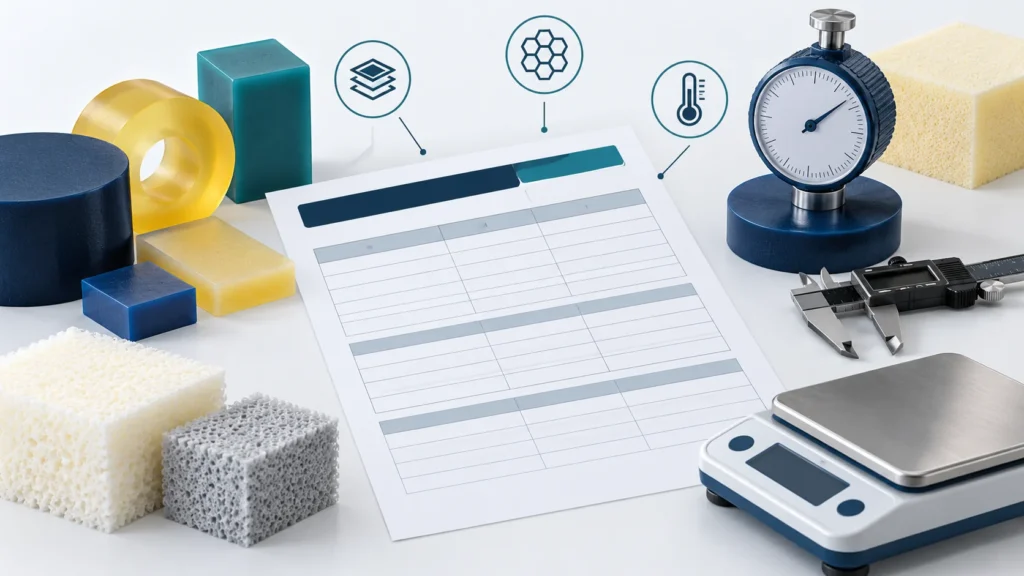
Learn how to read a polyurethane technical data sheet, separate processing values from test results, and interpret hardness, density and mechanical properties in context.

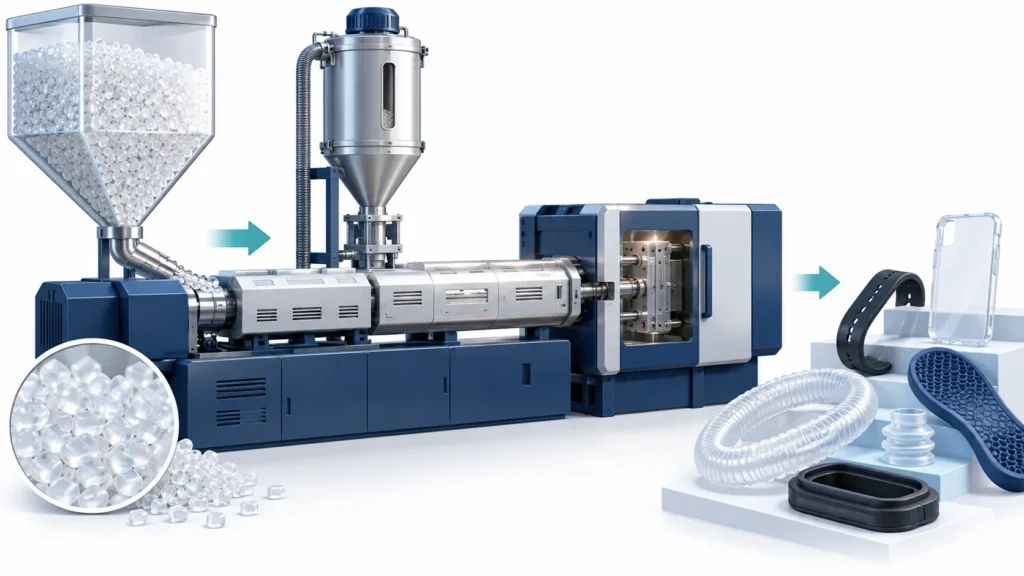
Explore TPU structure, grade selection and melt processing, and understand how thermoplastic polyurethane differs from liquid reactive polyurethane systems.

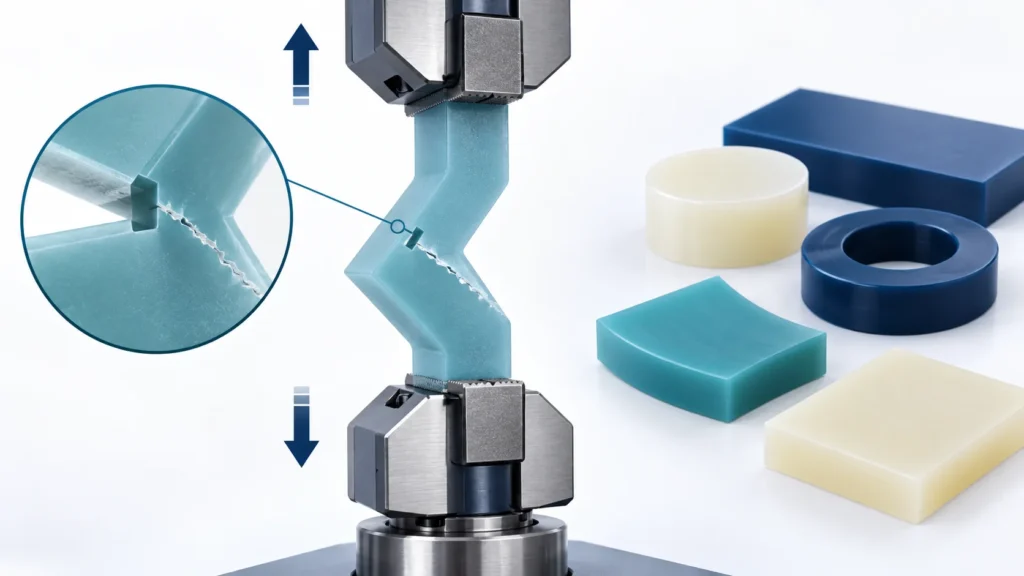
Understand polyurethane tensile strength, test methods and specimen conditions, and review how chemistry and processing influence the reported result.

Review polyurethane tear-strength improvement through formulation, mixing, metering, degassing and cure, with attention to defects that initiate crack growth.

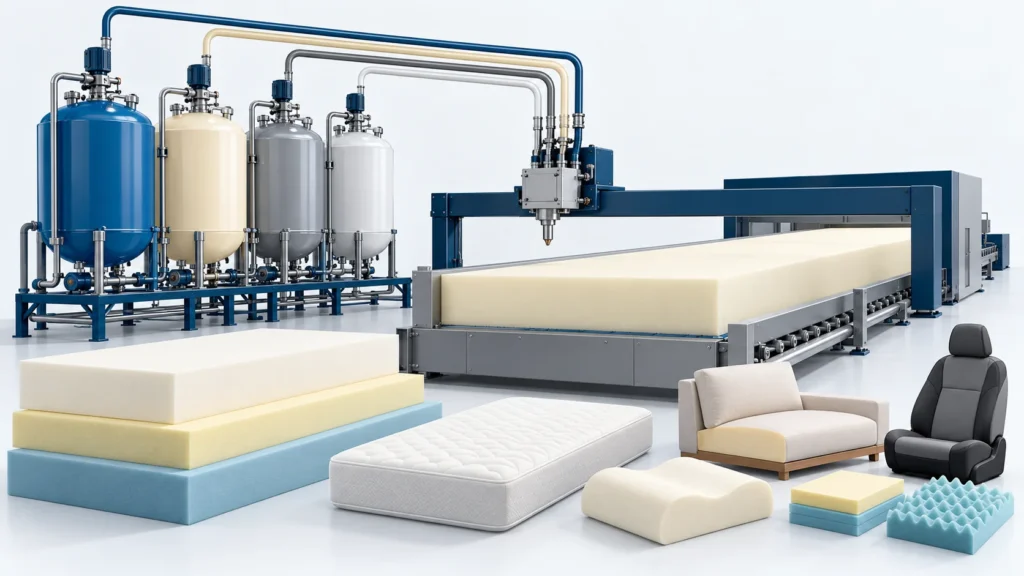
Explore TDI-based flexible polyurethane foam applications and grades, with process and equipment considerations for slabstock, molded seating and specialty foams.

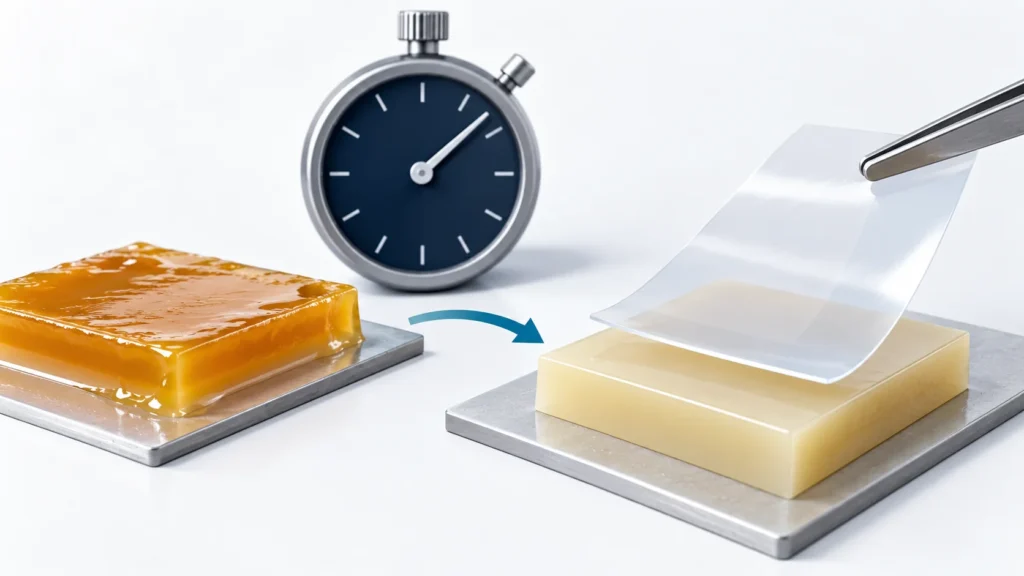
Understand polyurethane tack-free time, review line and laboratory measurement, and relate surface-cure readiness to handling and cycle planning.
Distinguish silicone oil from silicone surfactants in polyurethane, and review their roles in foam stabilization, release, adhesion and contamination control.