What Is a Polyurethane Elastomer? A Production Engineer’s Guide
Explore polyurethane elastomer chemistry, material types, hardness and mechanical properties, with production considerations for selecting a processing route.


Explore polyurethane elastomer chemistry, material types, hardness and mechanical properties, with production considerations for selecting a processing route.

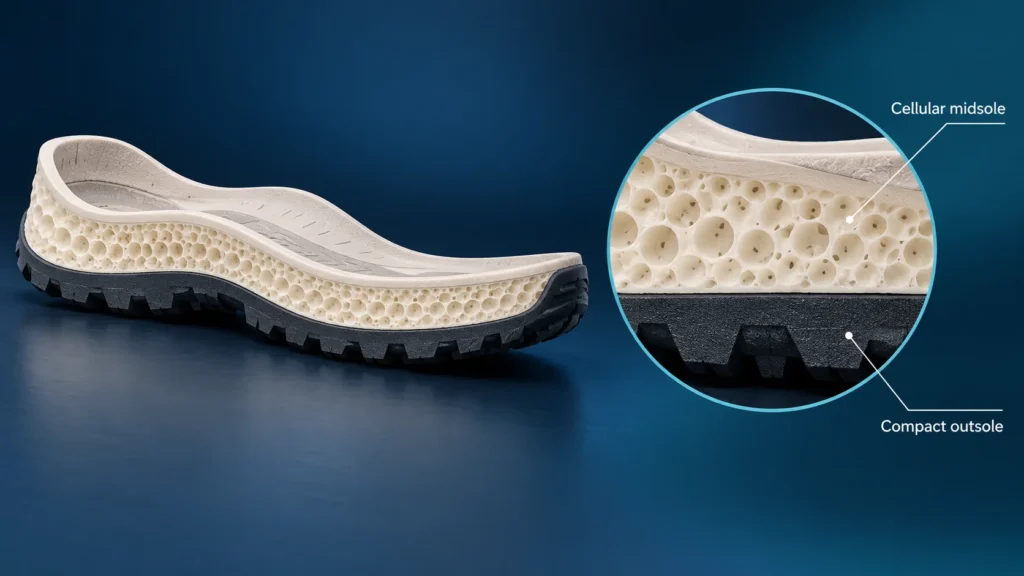
Explore dual-density polyurethane sole production, from the two-layer design and pouring sequence to the metering and reaction controls needed for consistent molding.

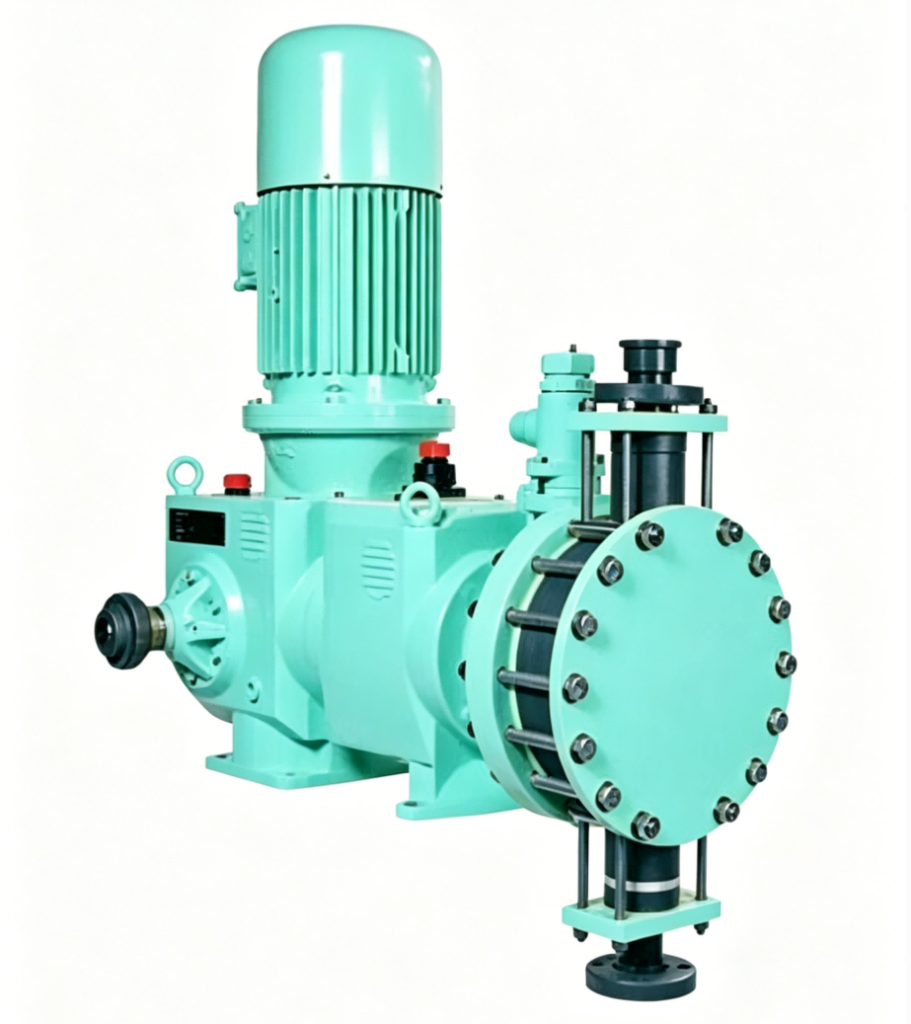
Compare dynamic and high-pressure impingement mixing for polyurethane, including shot size, viscosity, cleaning, maintenance and process-selection trade-offs.

Review DEG use in polyurethane formulation, its role in hard-segment balance, and the dosing, NCO-balance and equipment checks associated with its addition.

Understand how polyurethane demold time affects mold occupancy and production output, with a review of early-release risks, delayed release and cycle-planning variables.

Explore polyurethane dimensional stability under temperature, moisture and load, and review the material and machine controls that influence finished dimensions.

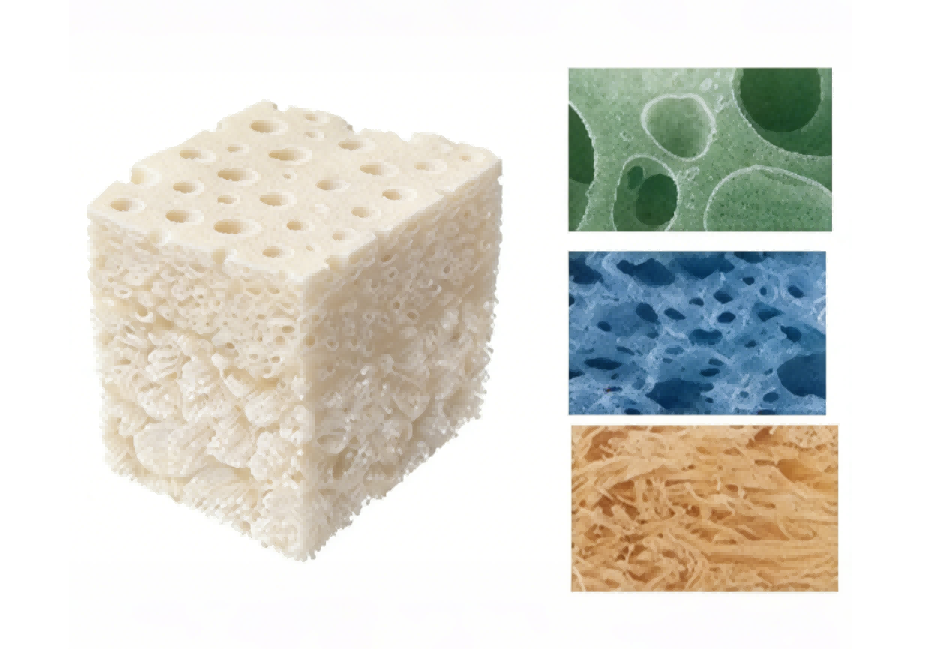
Distinguish polyurethane density from hardness, compare foam and solid-elastomer behavior, and review how to specify both properties without treating them as equivalent.

Explore day-tank functions in polyurethane foaming, with sizing and maintenance checks for material level, temperature, recirculation and production demand.

Understand cast polyurethane processing from prepolymer preparation and curative conditioning to metering, casting and curing, and compare CPU with other material forms.

Review polyurethane cure control through material and mold temperature, stoichiometry, catalysts and reaction monitoring, distinguishing demold readiness from full cure.