The production line shows the same pattern again: a replacement bushing or roller comes in hard, but after a few hundred operating hours the surface is grooved, the dimensions are gone, and downtime follows. The usual conclusion is to request a harder material. That fix works only when the failure is caused by hardness; in abrasive wear, hardness matters, but microstructure and processing often matter more.

Why Abrasion Resistance Is More Than Hardness
A polyurethane elastomer is not a single-phase plastic. It contains hard segments that cluster into domains and soft segments that carry elastic deformation. Abrasion resistance comes from how those domains recover after a sharp particle slides or rolls across the surface. A formulation with high Shore hardness but poor segment packing can still lose material through micro-cutting or fatigue [4][5].
Hardness is a starting point, not a wear guarantee. <Shore A Vs Shore D Hardness In Polyurethane> covers how durometer choice changes the mechanical behavior behind abrasion life.
Three wear modes dominate in practice. Micro-cutting occurs when a hard asperity shears the surface. Fatigue wear comes from repeated local deformation that eventually opens small cracks. Tearing takes over when sharp edges catch and propagate a cut. A good abrasion-resistant elastomer resists all three, not just indentation.
The Material Reasons Polyurethane Elastomers Resist Abrasion
Hard segments, soft segments, and recoverable deformation
The hard segments act as physical crosslinks and give the material its modulus. The soft segments give it elongation and recovery. When a sliding particle deforms the surface, the soft segments stretch; the hard domains limit permanent flow. Because the deformation is largely reversible, the surface does not build up the micro-cracks that become wear particles. That recovery is one of the main reasons polyurethane can outperform much harder rigid plastics in abrasive environments.
Hydrogen bonding and phase separation
Polyurethane’s urethane groups form hydrogen bonds that act as reversible links between chains. Under load, some links break and re-form; this dissipates energy without permanently damaging the network. The degree of phase separation between hard and soft segments changes that behavior. A well-phase-separated system has a clearer hard-domain structure and generally better abrasion resistance, provided the formulation also retains enough tear strength [1][3].
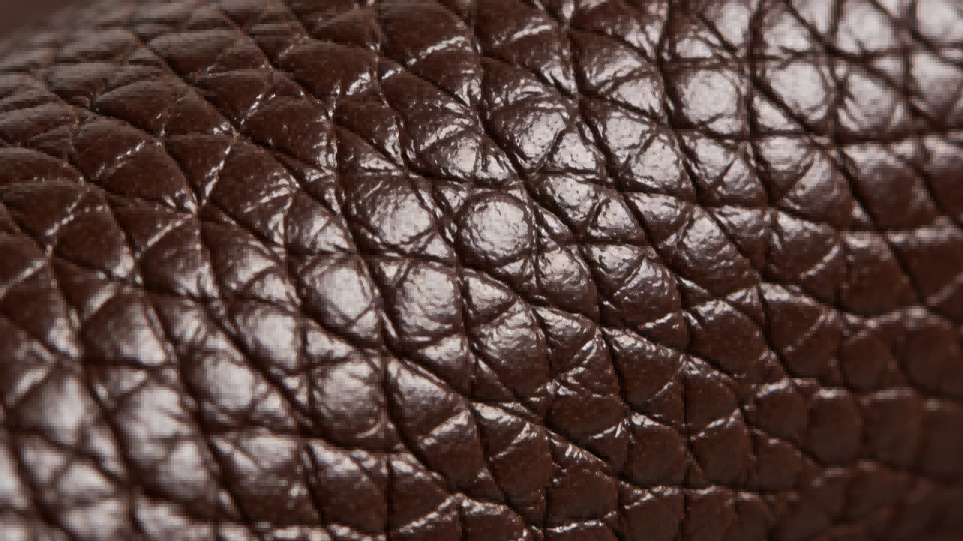
Polyester versus polyether backbones
Polyester-based polyurethanes tend to offer higher abrasion resistance and oil resistance; polyether-based systems usually provide better hydrolysis resistance and low-temperature flexibility. The choice is not absolute. A polyester formulation used in wet service can fail early through degradation even if its dry abrasion number is excellent. Service environment selects the backbone before the wear test does.
Process Variables That Decide Abrasion Life
Mixing ratio and metering accuracy
Abrasion resistance is a formulation property only if the mixed ratio in the mold matches the design. A deviation of one percentage point in the component ratio can shift hard segment content, crosslink density, and final wear life. On critical parts, casting equipment should control dynamic metering accuracy within ±0.3% across the shot. Haifeng’s elastomer casting machines use closed-loop servo metering and multi-formula storage to keep that ratio repeatable from shot to shot.
Degassing, mold temperature, and post-cure
Trapped gas becomes surface and subsurface voids, which are starting points for abrasive wear. Vacuum degassing below -0.095 MPa is common on high-wear rollers and seals to remove gas before the shot. Mold temperature then controls gel time and surface skin formation, while post-cure completes hard segment ordering. A short post-cure can leave the surface soft enough to pass a quick durometer check yet still wear early in service [4].
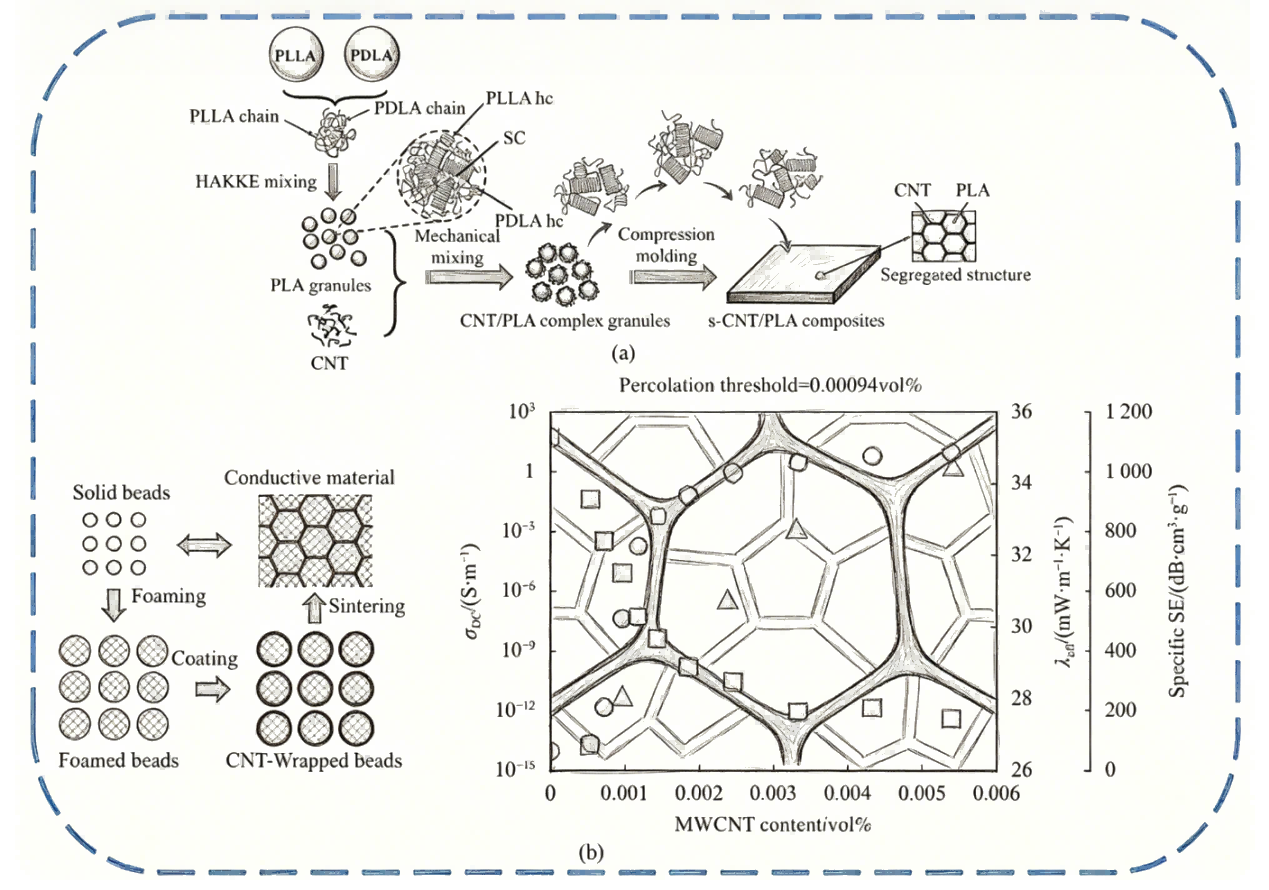
Metering accuracy, degassing, and cure temperature all show up later as surface loss or early wear. <How Polyurethane Rollers Are Made From Casting To Cure> covers the casting steps that determine whether an abrasion-resistant roller stays that way.
Mid-article CTA: If you are casting rollers, seals, or bushings where abrasion life is the acceptance criterion, request a process audit before changing the formulation. Haifeng Polyurethane Machinery can review your mixing ratio stability, degassing setup, and cure cycle. Contact us at Info@chinahaifeng.com or WhatsApp: 86 13566296633 and we will help route the inquiry to a casting engineer.
How Abrasion Resistance Is Measured
Abrasion resistance is not one universal number. The most commonly used tests rotate the specimen against a standardized abrasive sheet and report relative volume loss or a resistance index [1][2][3]. The table below shows the main references for solid cast elastomers.
| Standard | Reported metric | Wear mode simulated | Important limitation |
|---|---|---|---|
| ISO 4649 / DIN 53516 | Relative volume loss (mm³) | Sliding abrasive wear on a rotating drum | Numbers are comparable only under identical load, path, and reference compound |
| ASTM D5963 | Abrasion resistance index (%) | Rotary drum abrasion | Same method required for valid comparison; do not mix with ISO indices |
| Shore durometer (ISO 48-4 / ASTM D2240) | Hardness | None directly | Hardness predicts indentation, not abrasive wear life |

The common purchasing error is to compare an ISO 4649 volume loss value with an ASTM D5963 index or to use Shore hardness as if it were the wear rating. Those are different measurements. A specification should state the test method, test load, abrasive reference, and acceptance limit together.
In high-wear structural applications, reinforcement changes the wear mechanism more than hardness alone. <RRIM Vs RIM Which Process Suits Your Structural Part> covers when reinforced reaction injection molding is the better production route.
Designing for Abrasion: A Decision Framework
Before changing material, define the failure mode. Use this order:
- Write down the service temperature range, chemical contact, and whether the part sees dry sliding, wet slurry, or impact.
- State the current durometer and the tear strength, not hardness alone [4][5].
- Fix the mixing ratio tolerance on the production machine; a formulation change cannot correct an uncontrolled process.
- Verify degassing and post-cure with actual parts, not only resin data sheets.
- Require wear-test data by the same standard and reference compound you will use for incoming inspection [1][2][3].
For a casting or foaming line producing high-wear polyurethane parts, the practical question is whether your current equipment can hold the ratio and degassing conditions that the formulation assumes. If ratio drift or gas voids are the suspected cause, the first step is process capability, not a harder grade.
End CTA: Haifeng Polyurethane Machinery supplies elastomer casting and polyurethane processing equipment for rollers, seals, bushings, and wear parts. If you need engineering support for an abrasion-critical production line, send the part geometry, failure photos, current durometer target, and annual volume to Info@chinahaifeng.com or WhatsApp: 86 13566296633. We respond with process recommendations rather than a one-size-fits-all machine quote.
Frequently Asked Questions
Is a harder polyurethane always more abrasion-resistant?
No. Higher Shore hardness improves resistance to indentation and micro-cutting in some cases, but if hardness is achieved by reducing soft segment content too far, the elastomer can lose recovery and tear strength. The result may be a harder part that chips or cracks earlier under fatigue wear [4][5].
Which polyurethane is more abrasion-resistant: polyester or polyether?
Polyester-based polyurethanes generally have the higher dry abrasion resistance, but they are more sensitive to hydrolysis in warm or humid service. Polyether-based systems trade some dry abrasion performance for better hydrolysis resistance and low-temperature flexibility. The service environment decides which backbone is more durable.
How is abrasion resistance measured for a cast polyurethane part?
Most solid elastomer parts are tested by the rotary drum method under ISO 4649, DIN 53516, or ASTM D5963 [1][2][3]. The test reports relative volume loss in cubic millimetres or an abrasion resistance index in percent. Values from different standards or different reference compounds are not directly interchangeable.
Can processing errors reduce abrasion resistance even with the right formulation?
Yes. Off-ratio mixing changes hard segment content and crosslink density; trapped gas creates surface voids that initiate wear; insufficient post-cure leaves a softer, less ordered surface. That is why abrasion-critical parts require metering accuracy, degassing, and cure control, not just the right resin system.
References
[1] ISO 4649:2017, Rubber, vulcanized or thermoplastic — Determination of abrasion resistance using a rotating cylindrical drum device.
[2] DIN 53516, Testing of rubber and elastomers — Determination of abrasion resistance.
[3] ASTM D5963-04(2019), Standard Test Method for Rubber Property—Abrasion Resistance (Rotary Drum Abrader).
[4] ISO 48-4:2018, Rubber, vulcanized or thermoplastic — Determination of hardness — Part 4: Indentation hardness by durometer method (Shore hardness).
[5] ASTM D2240-15(2021), Standard Test Method for Rubber Property—Durometer Hardness.
If you’re interested, check out these related articles:
What Is Semi Rigid Polyurethane Foam
Causes Of Shrinkage In Polyurethane Foam How To Control It
What Is Spray Polyurethane Foam Composition And Application