
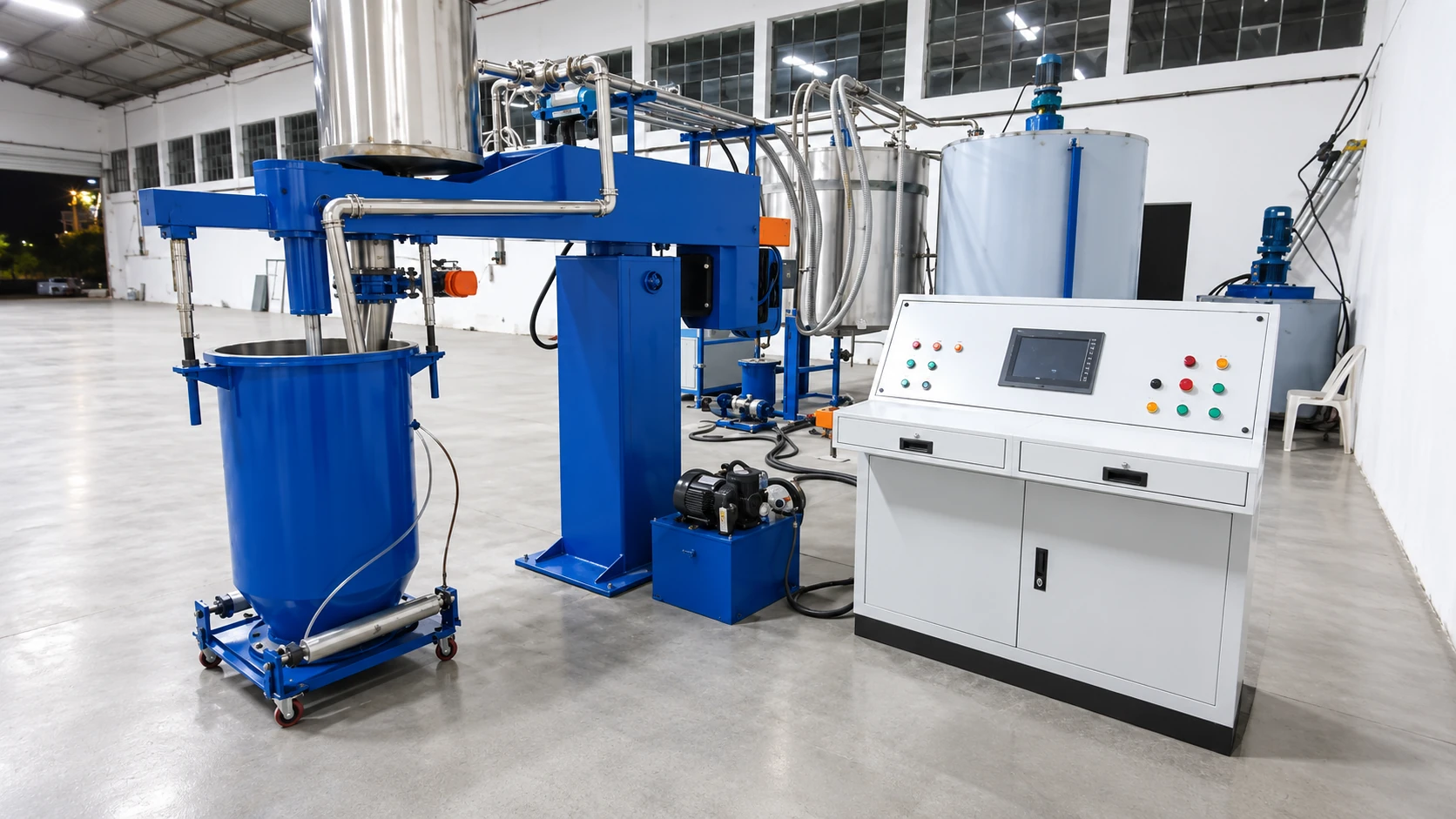
Flexible PU Foam Block Box Foaming Solution
Semi-automatic batch production of flexible polyurethane foam blocks, integrating material preparation, barrel mixing, free rise, conditioning and cutting.
Batch Box Foaming for Flexible PU Blocks
Haifeng configures a batch Box Foaming route for flexible polyurethane blocks used in furniture padding and related foam products. The selected semi-automatic route prepares PPG, POP and TDI, weighs minor ingredients, mixes in a tilting barrel and pours into individual box molds. Free rise, conditioning and cutting are separate stages, with formulation and production trials defining the operating conditions.
Box Foaming Production Workflow
Separate mixing and pouring from foam rise, conditioning and cutting.
Prepare Materials
Condition main raw materials and weigh silicone, catalysts, water and pigments according to the recipe.
Mix and Pour
Pump the main materials into the mixing barrel, add weighed minor ingredients, mix and pour into the selected mold.
Free Rise and Condition
Allow the foam to rise, then demold and condition the block before downstream cutting.
Selected Configuration and Equipment Gallery
Semi-automatic batch configuration and illustrated equipment options.
Semi-Automatic Batch Box Foaming Configuration
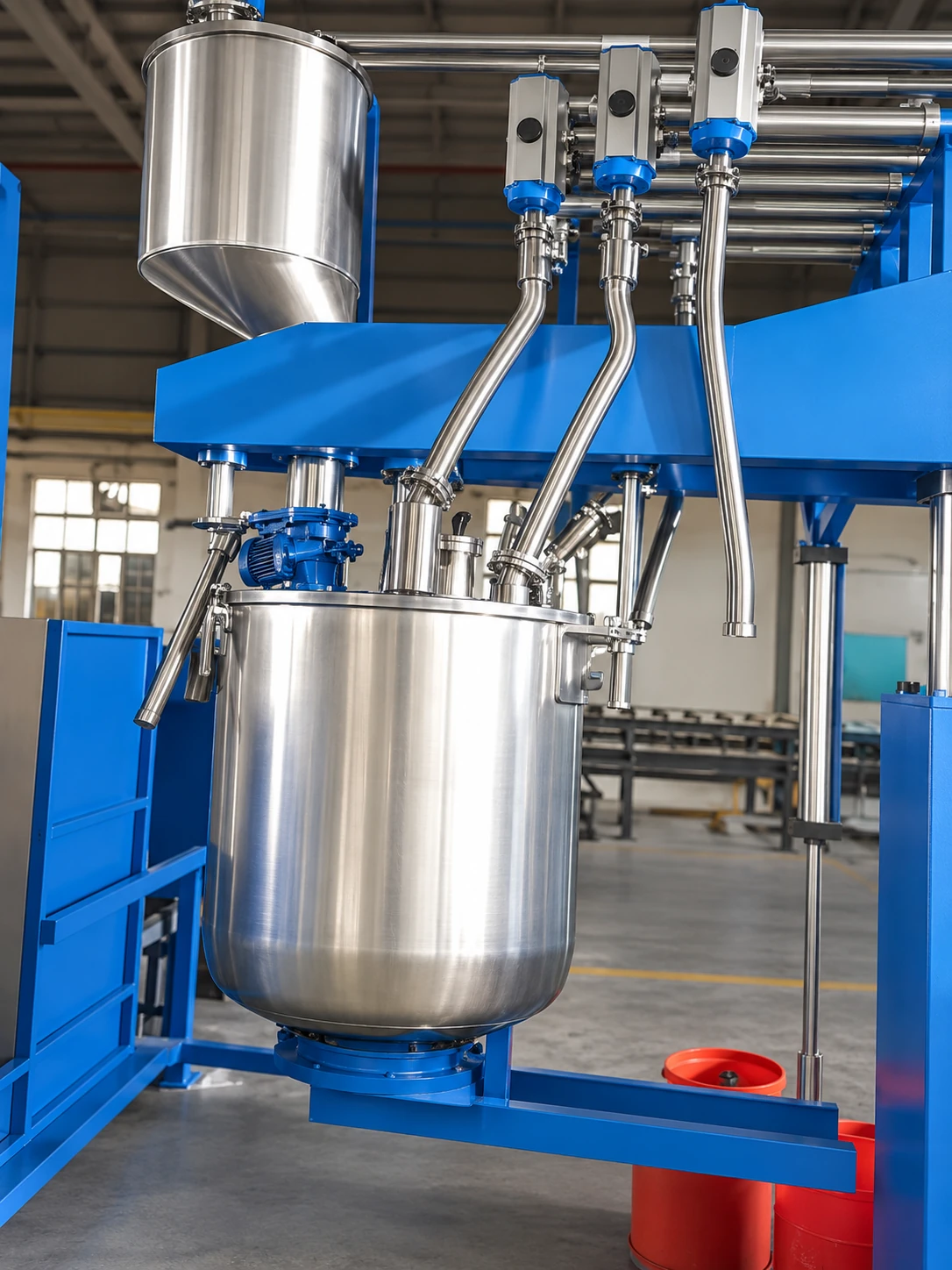
This route meters main raw materials into a mixing barrel, manually adds weighed minor ingredients, mixes at high speed and pours into individual molds. Foam rises freely, then is demolded, conditioned and cut. The configuration below describes the semi-automatic barrel-mixing route from the supplied technical brief.
| Parameter / Module | Selected Semi-Automatic Configuration | Scope / Selection Notes |
|---|---|---|
| Material system | PPG, TDI, POP; silicone surfactant, A33, T9, water and pigment additives | Main materials are pump-fed; minor additives are manually weighed for the recipe. |
| Foam density | 8–80 kg/m³ | Configuration range; confirm formulation and block quality through trials. |
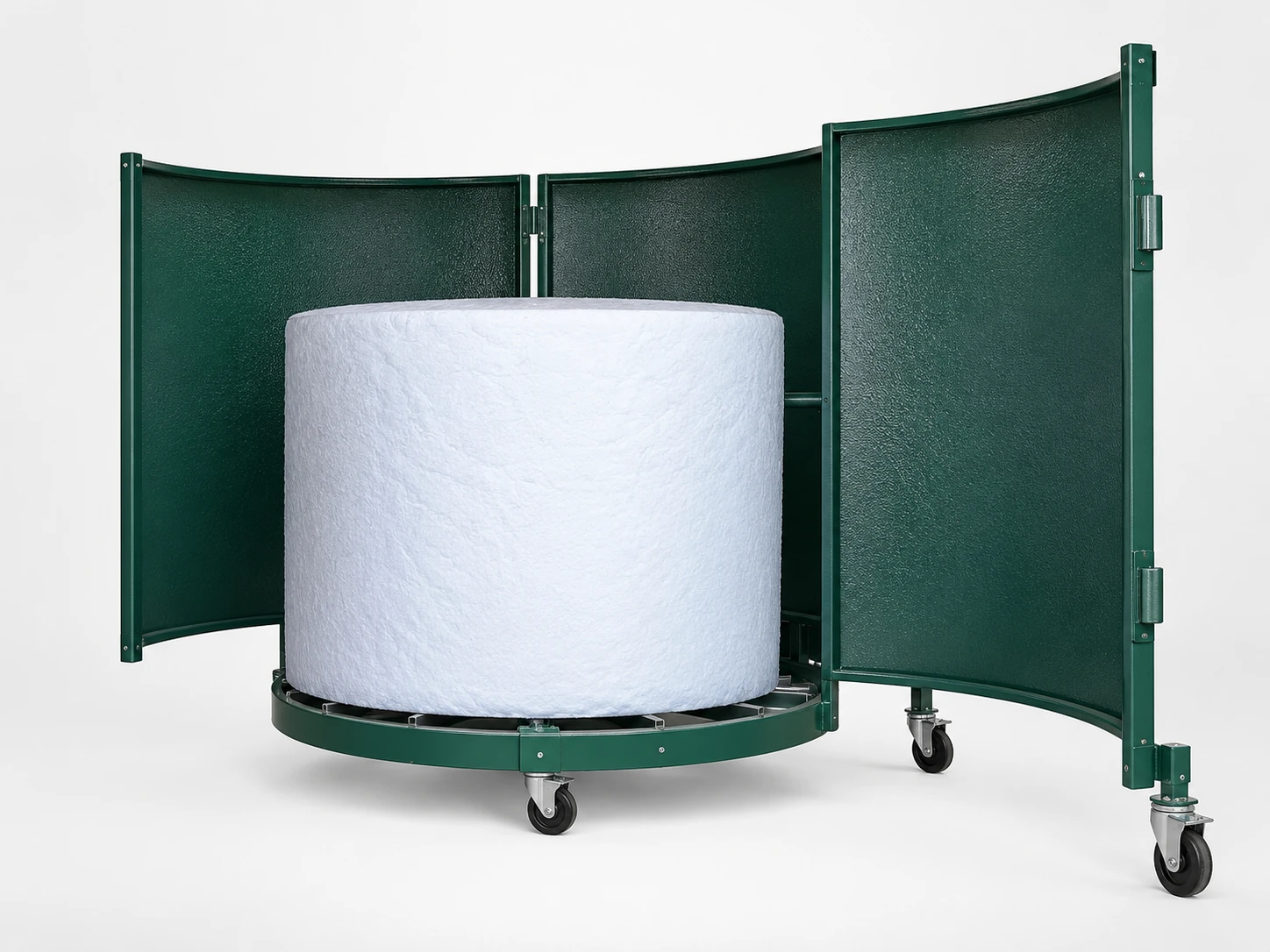
| Standard square mold | 1,050 × 1,050 × 1,200 mm; two sets | Circular and other molds in the gallery are reference options, not the included square-mold specification. |
| Maximum single pour | Approx. 60 kg | Pour weight; not an output flow in kg/min. |
| Metering accuracy | ±0.5% as stated for the metering system | Main-material metering; manually added minor ingredients require separate weighing control. |
| Mixing barrel | 560 mm diameter; pneumatic tilting | High-speed batch mixing followed by pouring into the box mold. |
| Mixing motor / maximum speed | 11 kW / up to 6,000 r/min | Selected semi-automatic configuration; other reference machines differ. |
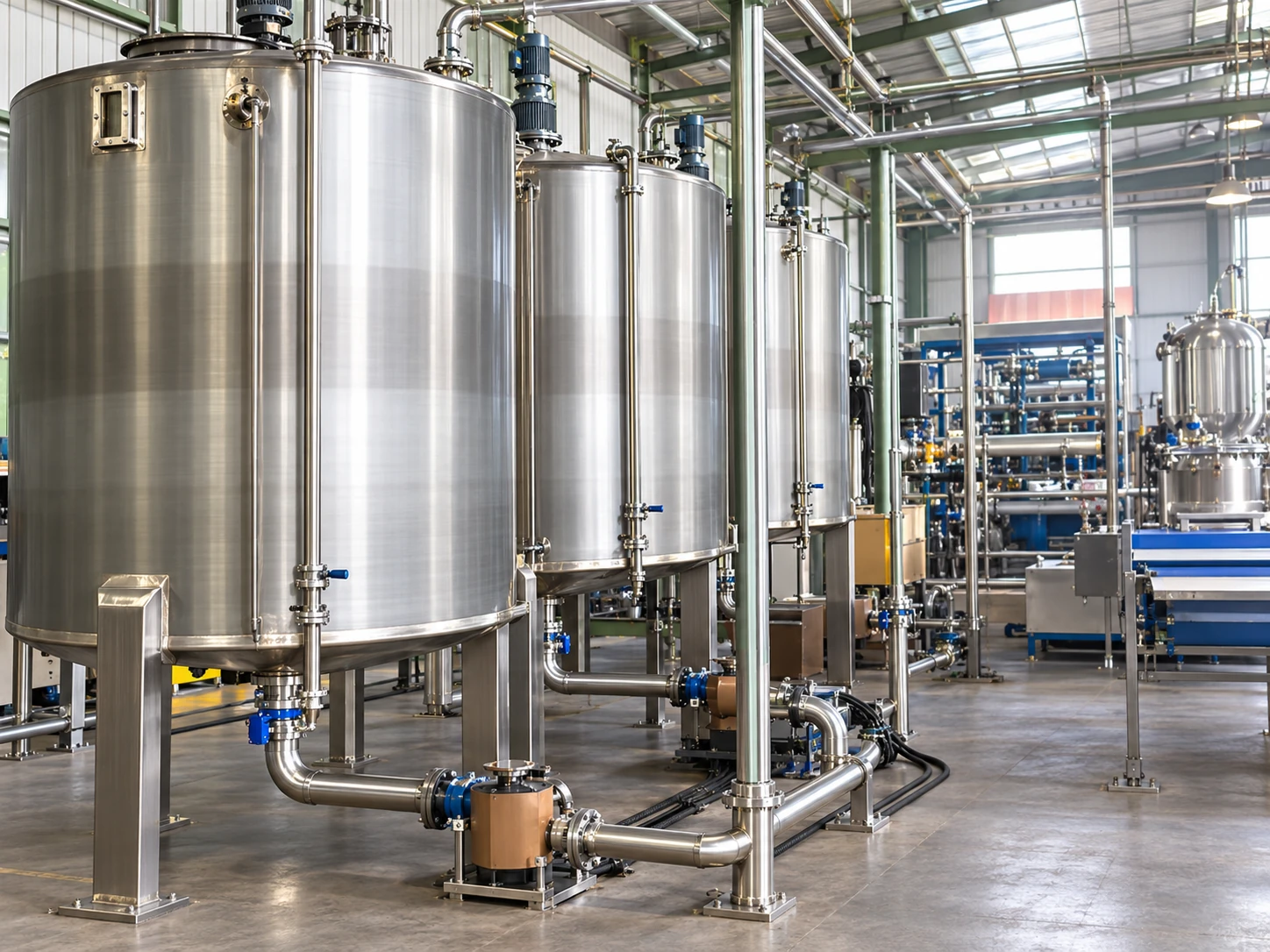
| Main material tanks | PPG 3 t / TDI 3 t / POP 3 t as specified | Mass-capacity notation; no conversion to m³ without material density. |
| Machine envelope | Approx. 3,500 × 2,500 × 2,800 mm | Includes the three main tanks in the supplied configuration description. |
| Temperature conditioning | Tank coils with heating/cooling water circulation; stated control range 20–50°C | The described preconditioning step uses 20–40°C, adjusted to the formulation. |
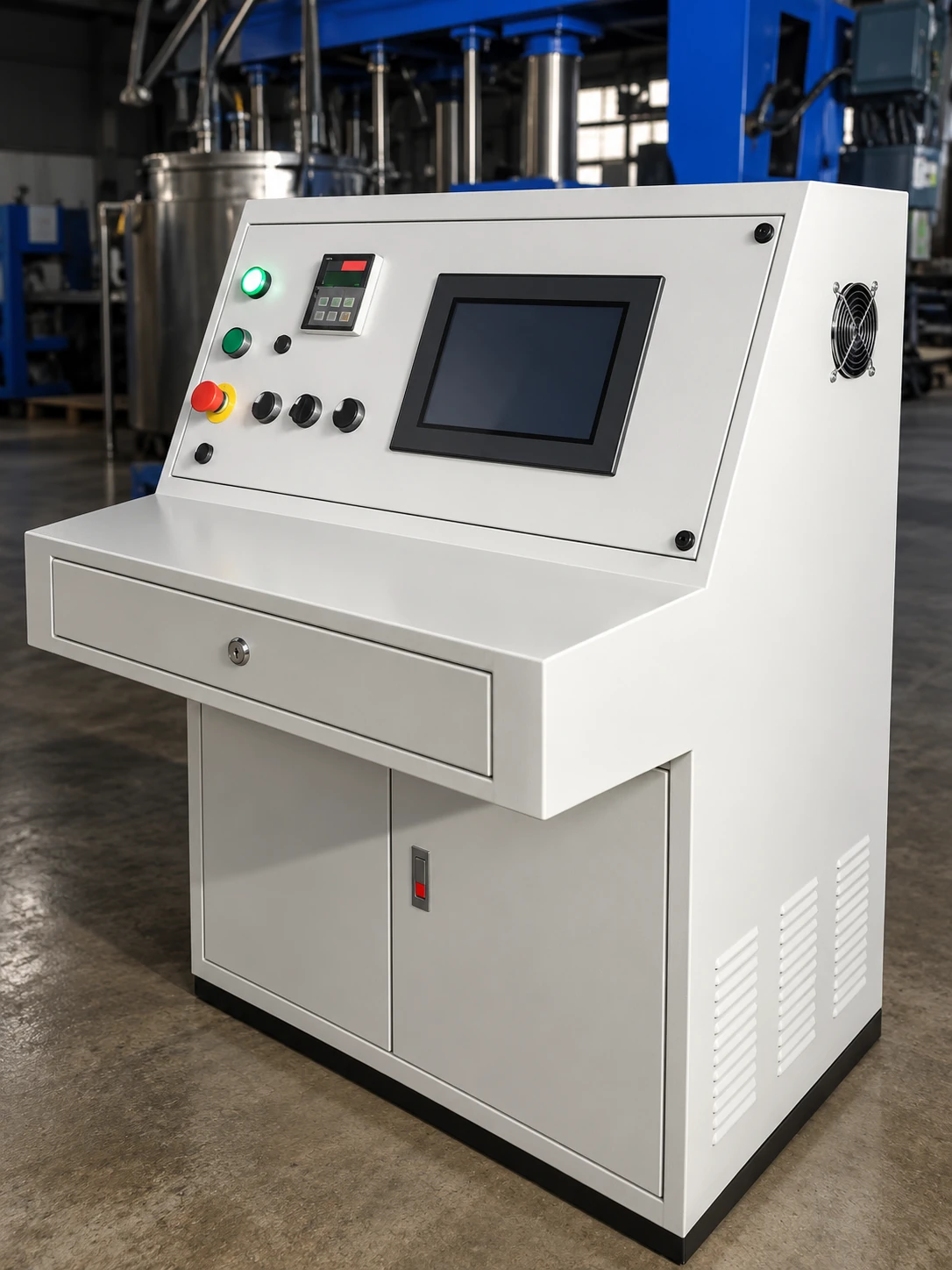
| Controls | Mitsubishi PLC, Delta 10-inch HMI and inverter | Final brands, models and valve selection follow the agreed equipment schedule. |
| Main machine power | 52 kW stated | Complete-line utility load to be confirmed because source totals differ. |
| Horizontal rotary cutter | 1,500 × 2,000 mm cutting area; 1,200 mm cutting height; 2–150 mm thickness | 8.92 kW motor; 10,000 mm blade; table speed 0–3.5 r/min; thickness control. |
| Vertical cutter | Inner table 1,720 × 2,440 mm; outer table 2,000 × 2,440 mm | 1,200 mm cutting height; 600 mm fence; 8,900 mm blade; 1.74 kW motor; spare blade and grinding wheel. |
| Workspace / staffing | Recommended workshop ≥20 × 10 m; 2–3 trained operators | Allow raw-material storage, box handling, ventilation, curing and cutting access. |
| Electrical supply | Three-phase 380 V ±5%, 50 Hz; reliable grounding | Final load schedule includes the selected compressor, chiller, cutting machines and auxiliaries. |
| Compressed air | 0.6–0.8 MPa; dry, oil-free air; ≥1.5 m³/min | For pneumatic tilting and valves; confirm compressor sizing. |
| Cooling water | ≤25°C; circulation flow ≥3 m³/h | Coordinate with the selected heat-exchange and chiller equipment. |
| Ambient conditions | 15–35°C; relative humidity ≤80%; no condensation | Provide a ventilated hardened floor and suitable material-storage area. |
| Curing and cutting | Documented free-rise/demolding interval approx. 20–40 min; conditioning ≥24 h | Recipe-dependent references; confirm safe demolding and cutting readiness through trials, separate from mixing/pouring time. |
Equipment and Supply Interfaces
The proposed package includes the mixing unit with three main tanks and controls, two square molds, horizontal and vertical cutting equipment and routine spares. Material feeding automation, a chiller, material heating and nitrogen-supply interfaces are configured to the project. Confirm the equipment schedule, layout, utility demand, service terms and delivery plan before ordering.
Production Planning
Batch output depends on formulation, block density, rise time, box changeover, curing space and cutting capacity. The supplied brief lists example pour weights of approximately 16 kg at 12 kg/m³, 33 kg at 25 kg/m³ and 59 kg at 45 kg/m³ for the stated square mold. These are planning examples rather than measured customer outcomes or guaranteed shift production.
Box Foaming Equipment and Mold Reference Gallery
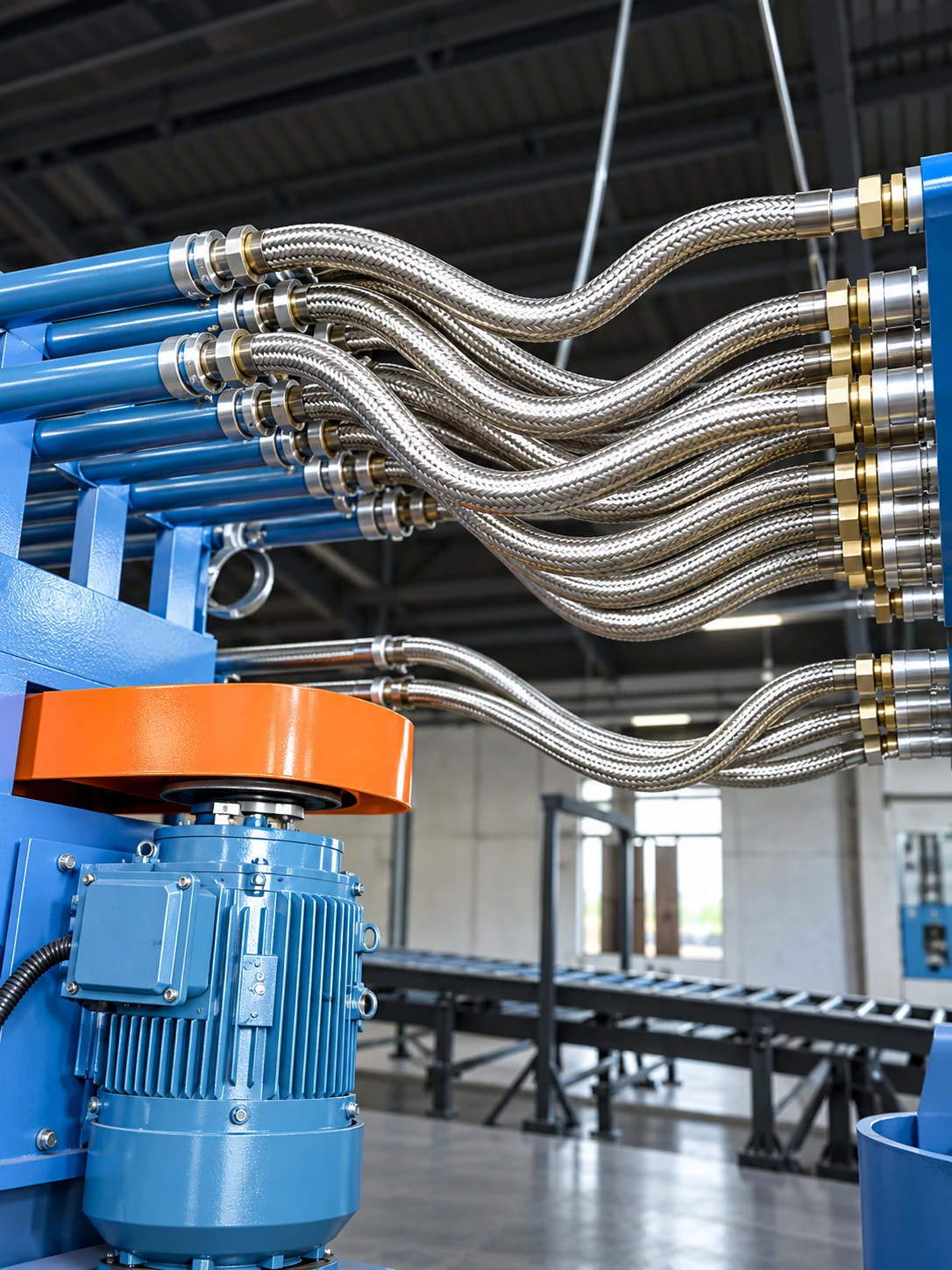
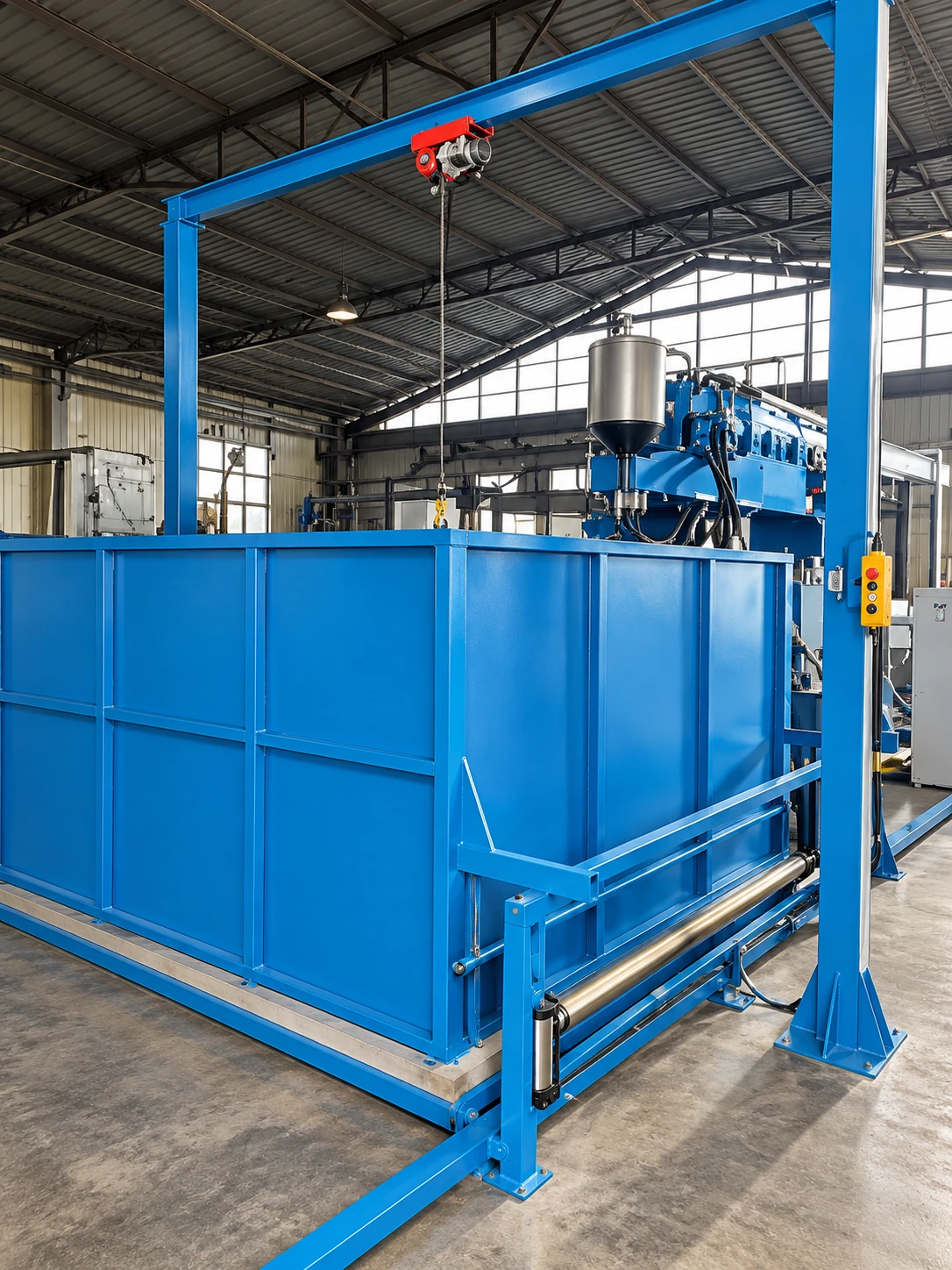
Equipment illustrations show the mixing assembly, material tanks, controls and square/circular mold options. Individual images may represent different equipment configurations; model ratings and dimensions are defined by the selected technical schedule.
Related Box Foaming and Cutting Equipment
Product 872 is a related low-pressure machine family; product 1779 is related cutting equipment. Neither link establishes the complete tilting-barrel package. Confirm the actual equipment schedule and material/mold interfaces.
Low-Pressure Box Foaming Machine | Foam Blocks
Low-pressure polyurethane metering and dynamic mechanical mixing for batch Box Foaming. The reactive mixture is poured into a box mold for free rise, then the foam block is cured and conditioned before slicing. Configure the machine to the formulation, block dimensions and required production capacity.
PU Foam Cutting and Slicing Equipment | Foam Blocks
Haifeng supplies PU foam cutting equipment for slabstock blocks, with synchronized cut-off and configurable slicing or CNC contour modules for furniture padding.
Automatic Box Foaming Machine | Flexible PU Foam
Automatic box foaming equipment for batch production of flexible polyurethane foam. The supplied configuration includes raw-material mixing, foam forming and a touchscreen control system for managing formulations, with automatic and manual operating modes. Foam blocks are produced in individual molds and then transferred to the agreed conditioning and downstream cutting stages.
Manual Vertical Foam Mixing Machine | Batch Flexible PU Foam
Mixes manually charged flexible PU foam raw materials in a bucket using timed high- and low-speed mixing. The mixed charge is poured into a separate mold for foaming.
Manual Base Mounted Foam Mixing Machine | Batch Flexible PU Foam
Mixes manually charged flexible PU foam raw materials using timed high- and low-speed mixing in a base-mounted bucket arrangement. The mixed charge is poured into a separate foaming mold.
Horizontal Foam Block Slicer | Flexible Foam Sheets
Slices foam blocks into sheets using digital thickness settings and a reciprocating worktable. Pressure rollers help retain the foam; a vacuum arrangement is optional.
Automatic Vertical Foam Cutter | Foam Block Conversion
Cuts foam vertically with touchscreen and PLC settings for multiple thicknesses. A fixed aluminum worktable holds foam between retaining plates while the blade carriage travels on linear guides.
Foam Roll Compression Packaging Machine | Flexible Foam Roll Packaging
Compresses foam rolls while wrapping them in packaging film, followed by sealing and cutting. The described arrangement includes automatic loading and unloading.
Box Foaming Selection Questions
What is Box Foaming?
Are all ingredients automatically metered?
What mold shapes are available?
Does the 60 kg value describe output per minute?
When can blocks be cut?
How is the electrical load selected?
How does Box Foaming differ from Continuous Slabstock Foaming?
Does the linked low-pressure machine represent the complete batch package?
Discuss Your Box Foaming Configuration
Share formulation, density, mold dimensions, batch mass, box count, full batch sequence, daily working hours, conditioning space and cutting demand to define the actual package.


