
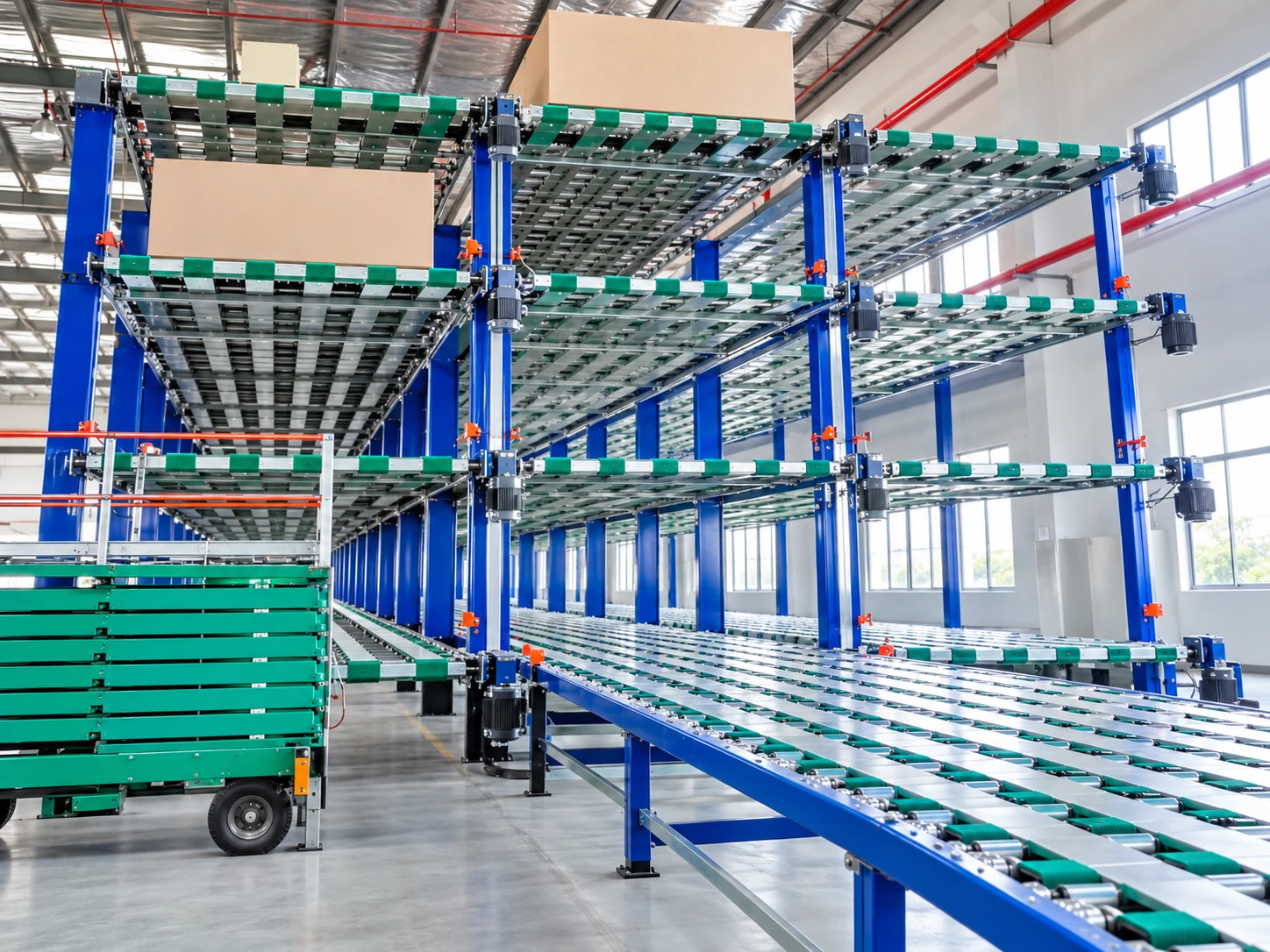
Foam Block Storage and Handling Solution
Coordinate foam block receiving, storage positioning and transfer to cutting with fixed lanes, movable conveyors and optional multi-level racks.
From Foam Block Receiving to Cutting Supply
Haifeng configures foam block handling around the production and downstream cutting schedule. Transfer conveyors move blocks to selected storage positions; fixed lanes or multi-level racks provide a layout suited to the factory and required inventory. HMI instructions, automatic routing and lifting functions are defined for the selected equipment scope. Material conditioning requirements remain part of the formulation and production plan.
Foam Block Storage Workflow
Coordinate receiving, positioning, storage and outbound supply.
Receive Foam Blocks
Coordinate the incoming interface with continuous cut-off or batch block handling. Check block orientation and support.
Transfer and Position
Use the specified conveyor and lifting arrangement to move blocks to assigned positions.
Store and Manage Positions
Hold blocks in the selected lanes or rack positions and manage agreed identification or elapsed-time records.
Layout Selection and Equipment Gallery
Confirm block envelope, load, position demand, factory clearances and transfer interfaces before equipment selection.
Foam Block Storage and Handling Configuration
The storage route receives foam blocks from continuous cut-off or batch demolding, transfers them to defined positions and supplies downstream cutting when the material is ready. Select fixed conveyor lanes, movable transfer conveyors and multi-level storage according to block dimensions, available floor area and the material-handling schedule.
| Selection Item | Engineering Input / Configuration |
|---|---|
| Block envelope and weight | Provide length, width, height, density and actual maximum block mass; confirm the support surface needed to limit handling damage. |
| Storage demand | Define production output, number of recipes, conditioning duration and cutting demand to size the number of storage positions. |
| Layout | Choose single-level fixed lanes or multi-level racks after reviewing building height, service aisles, clearances and foundation conditions. |
| Transfer equipment | Configure lateral transfer and movable conveyor modules to the receiving and discharge interfaces. |
| Lifting interface | For multi-level storage, specify lifting travel, supported load, access protection and transfer positions during engineering. |
| Positioning and control | Select manual/HMI instructions or configured automatic routing, sensors and interlocks to match the operating scope. |
| Batch identification | Agree a block identification and position-recording method; recipe and age tracking integration is a project option. |
| Outbound interface | Coordinate conveyor heights and block orientation with horizontal slicing, vertical cutting or other downstream machinery. |
| Factory utilities | Final motor load, electrical supply, compressed-air needs and cable routes follow the confirmed drive and actuator schedule. |
| Material conditioning | Determine ventilation, spacing and storage duration from the foam formulation and material trials; warehouse automation does not establish cure readiness. |
| Acceptance criteria | Confirm load rating, positional accuracy, transfer speed, throughput and control interfaces in the agreed technical schedule. |
Related Foam Production Routes
Continuous Slabstock Foaming supplies cut foam buns to the receiving interface. Box Foaming supplies individual demolded blocks. Both routes can use a separately configured storage and cutting arrangement.
Storage and Transfer Equipment Gallery
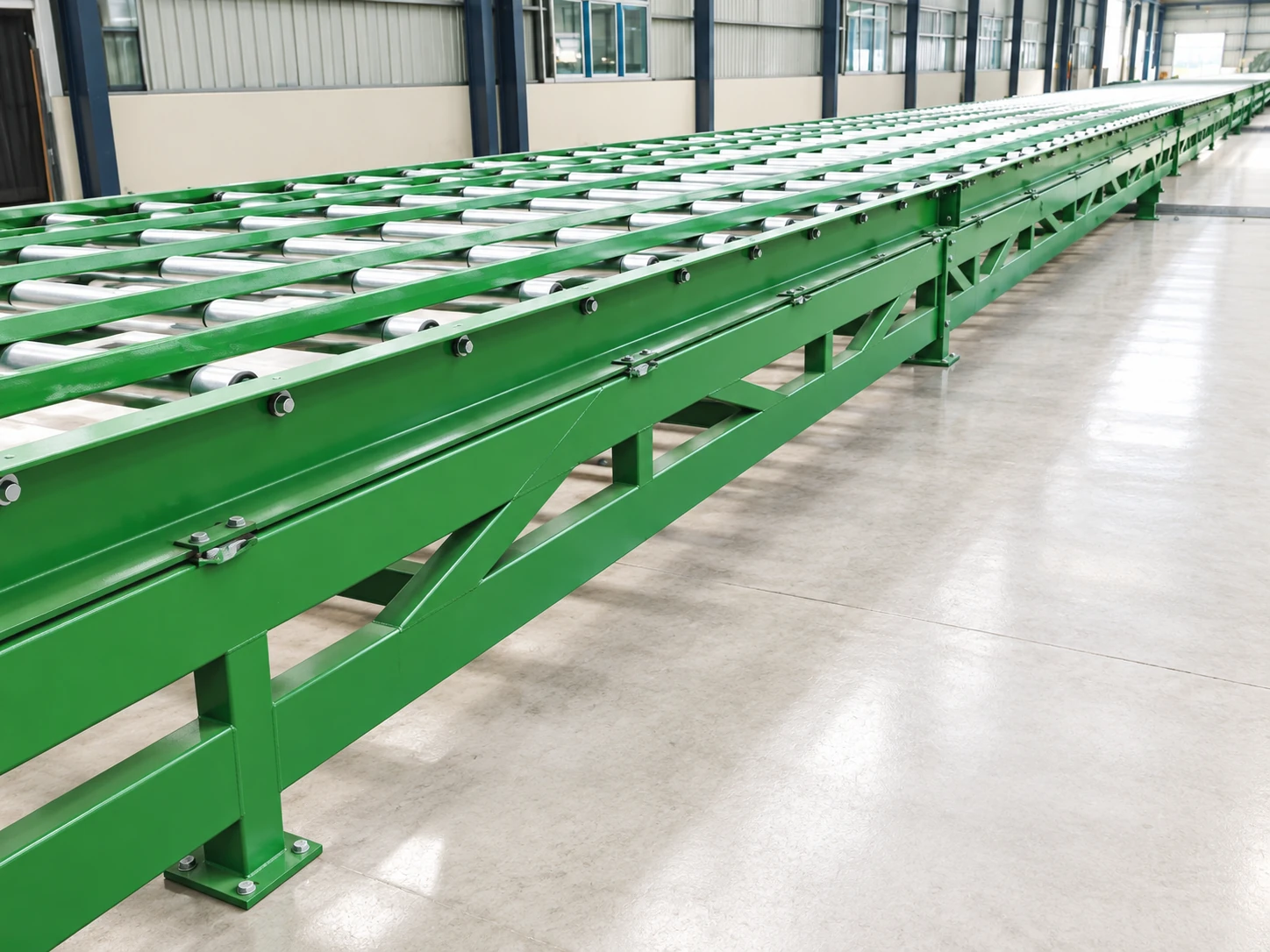
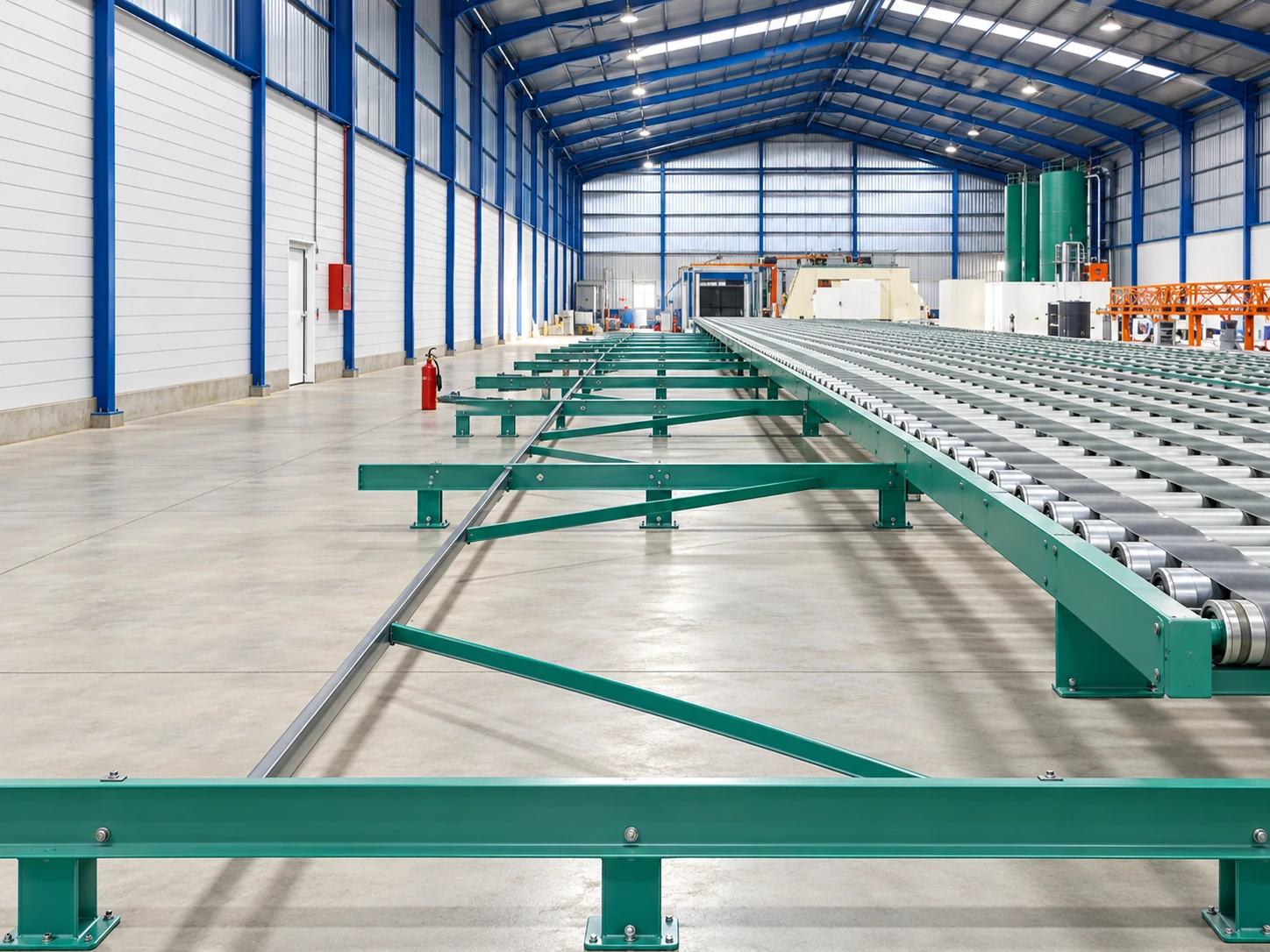
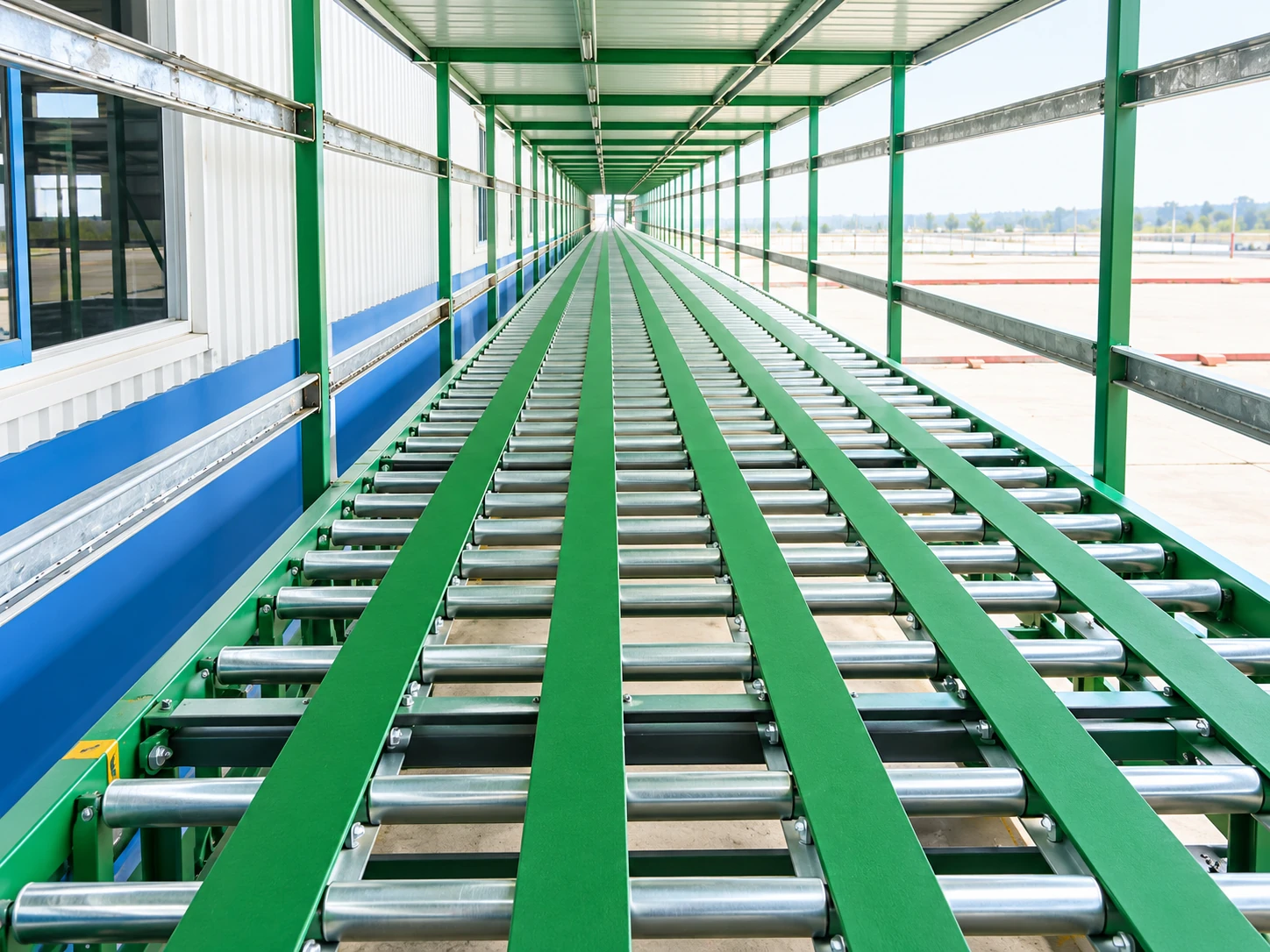
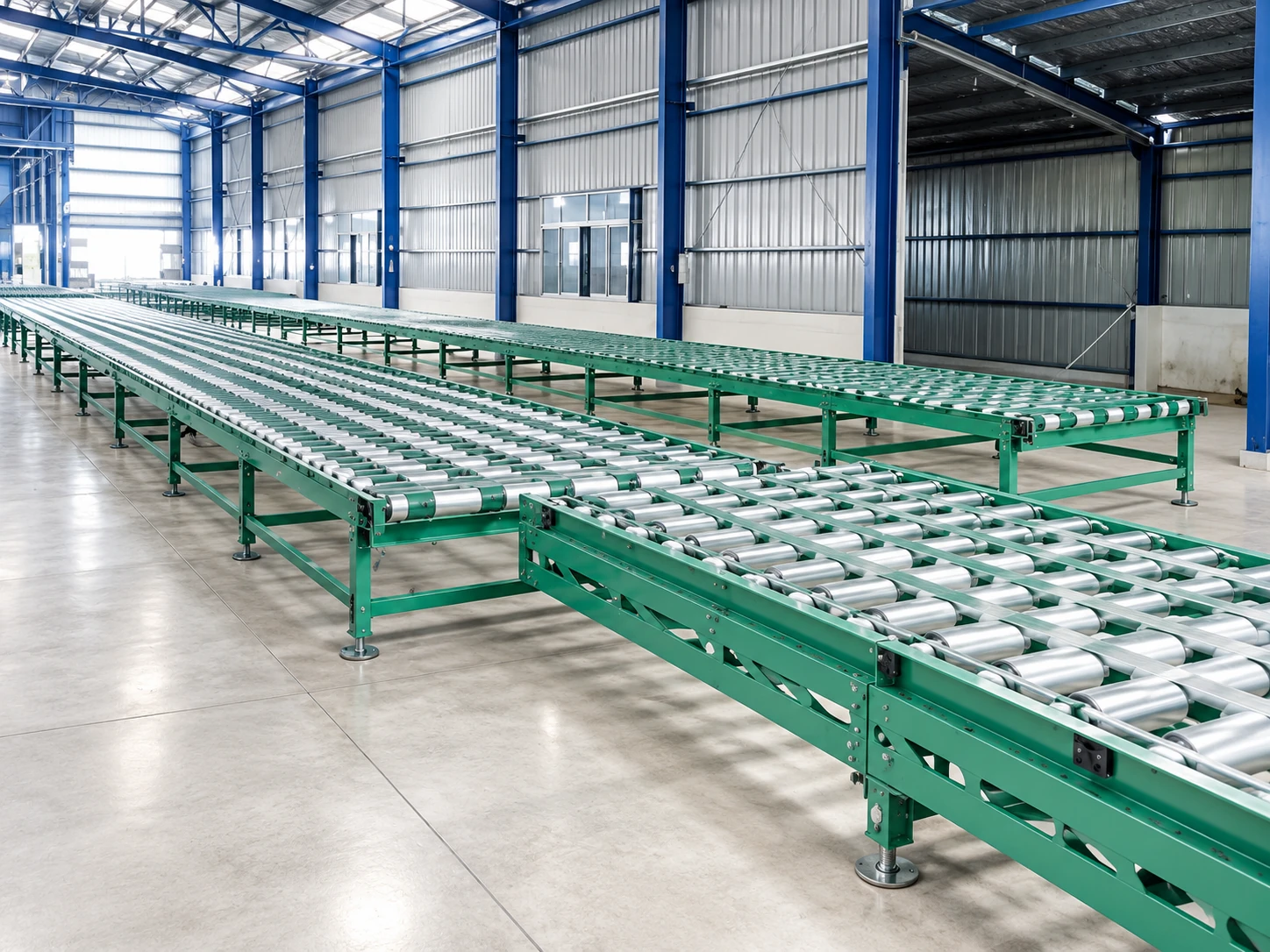
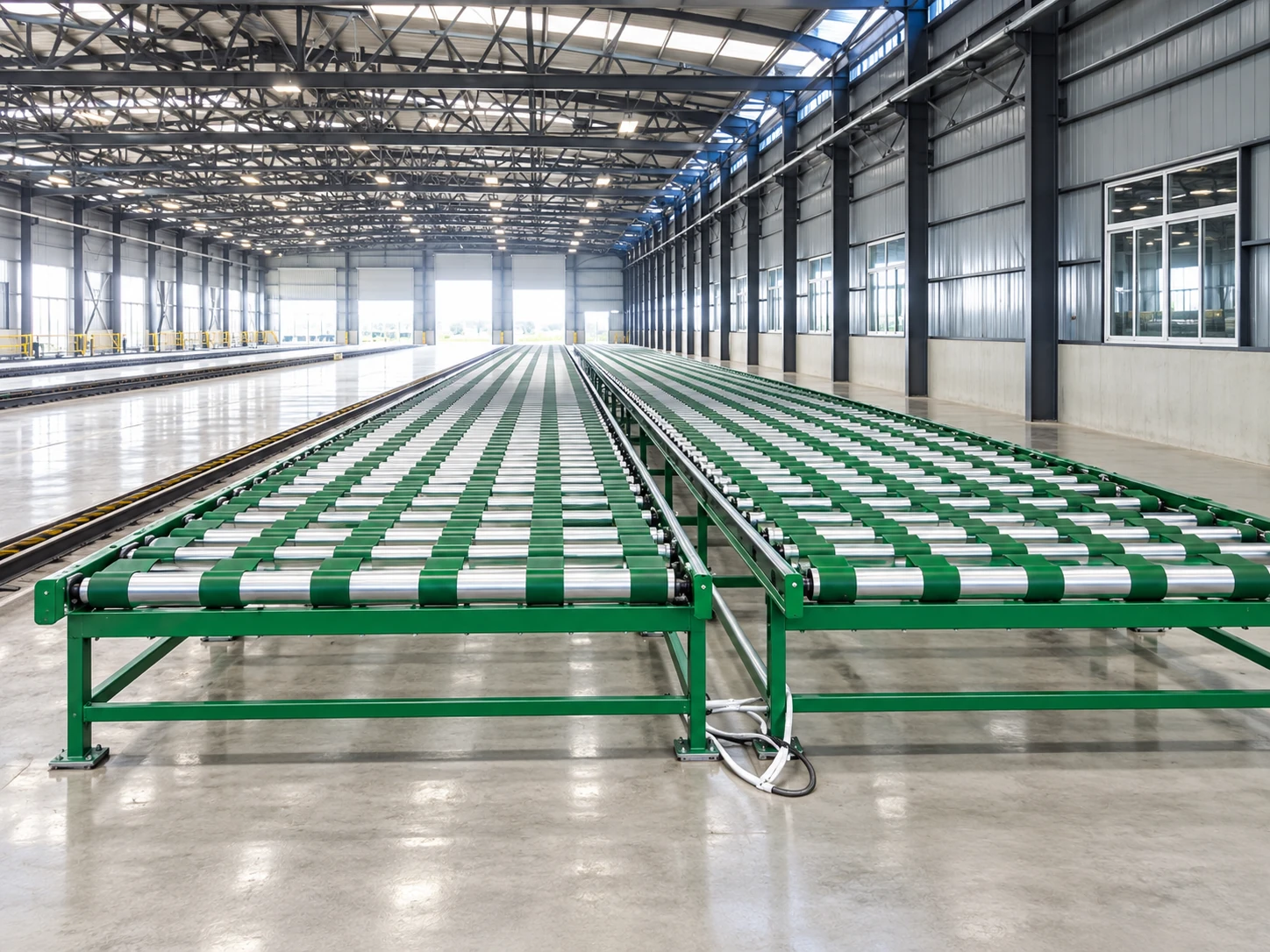
Reference illustrations show lateral transfer, mobile conveyors, fixed storage beds and multi-level storage options. The images explain layout choices; installed dimensions, rack levels and capacity follow the selected project configuration.
Downstream Cutting Interface
Storage discharge can be coordinated with separately selected foam cutting and slicing equipment.
Storage Planning Questions
What does a foam block storage system do?
How do fixed storage lanes differ from multi-level storage?
Can the system handle blocks from continuous and box foaming?
How is storage capacity determined?
Does automated storage determine when foam can be cut?
What automation is available?
What information is needed for a quotation?
Plan Your Foam Block Storage Layout
Share block dimensions, maximum mass, required inventory, conditioning duration, production and cutting rates, factory clear height and preferred automation scope.


