
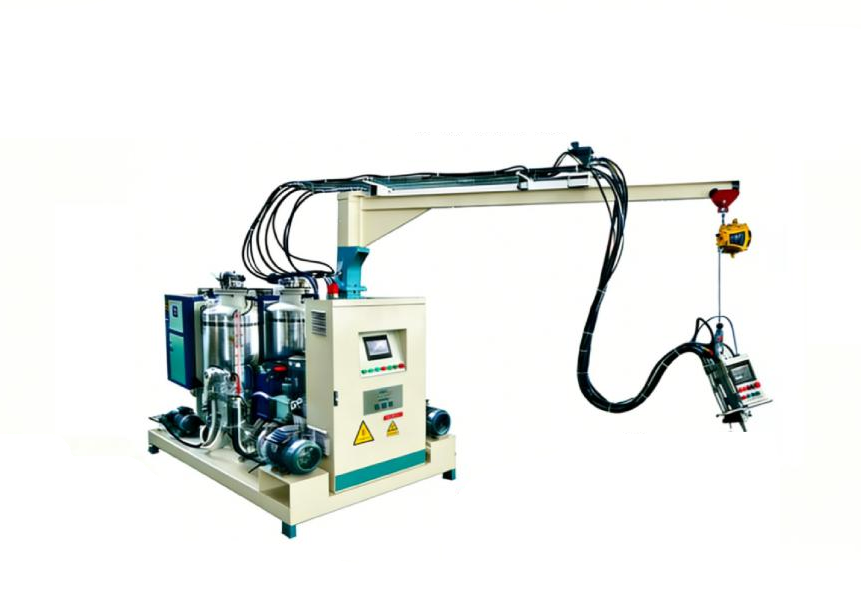
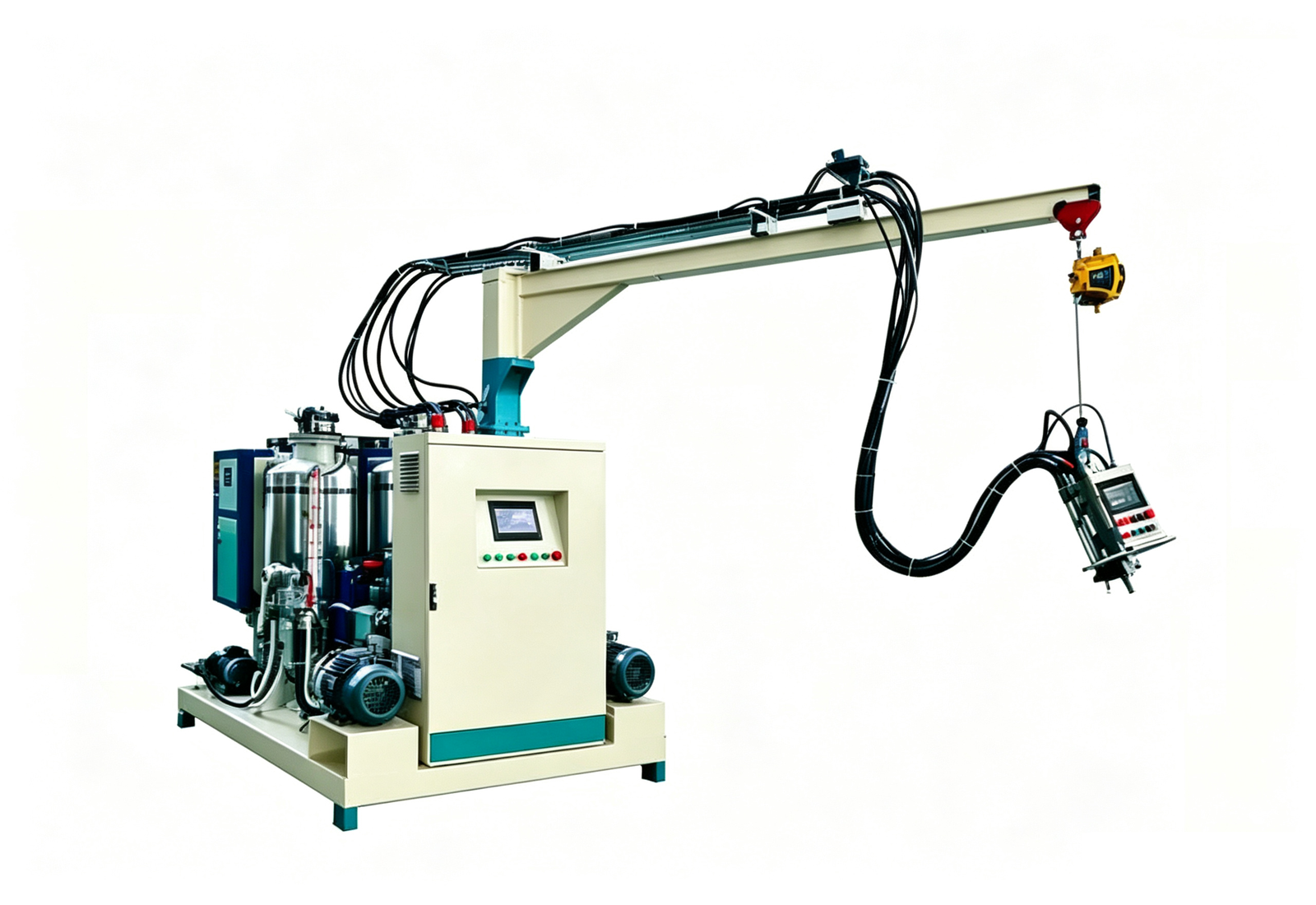
Low-Pressure Box Foaming Machine | Foam Blocks
Low-pressure polyurethane metering and dynamic mechanical mixing for batch Box Foaming. The reactive mixture is poured into a box mold for free rise, then the foam block is cured and conditioned before slicing. Configure the machine to the formulation, block dimensions and required production capacity.
Output Flow Range
1~15 kg/min (customizable)
Metering Accuracy
±0.3%
Mixing Ratio Range
A:B = 1:3 ~ 3:1
Mixing Head Speed
2000~6000 rpm (VFD adjustable)
Product Overview
The HF‑LPM‑1A1B‑LO is a high‑flow PU foaming machine with dual vacuum degassing and servo metering, ensuring near‑zero bubble and consistent foam quality for large box blocks.
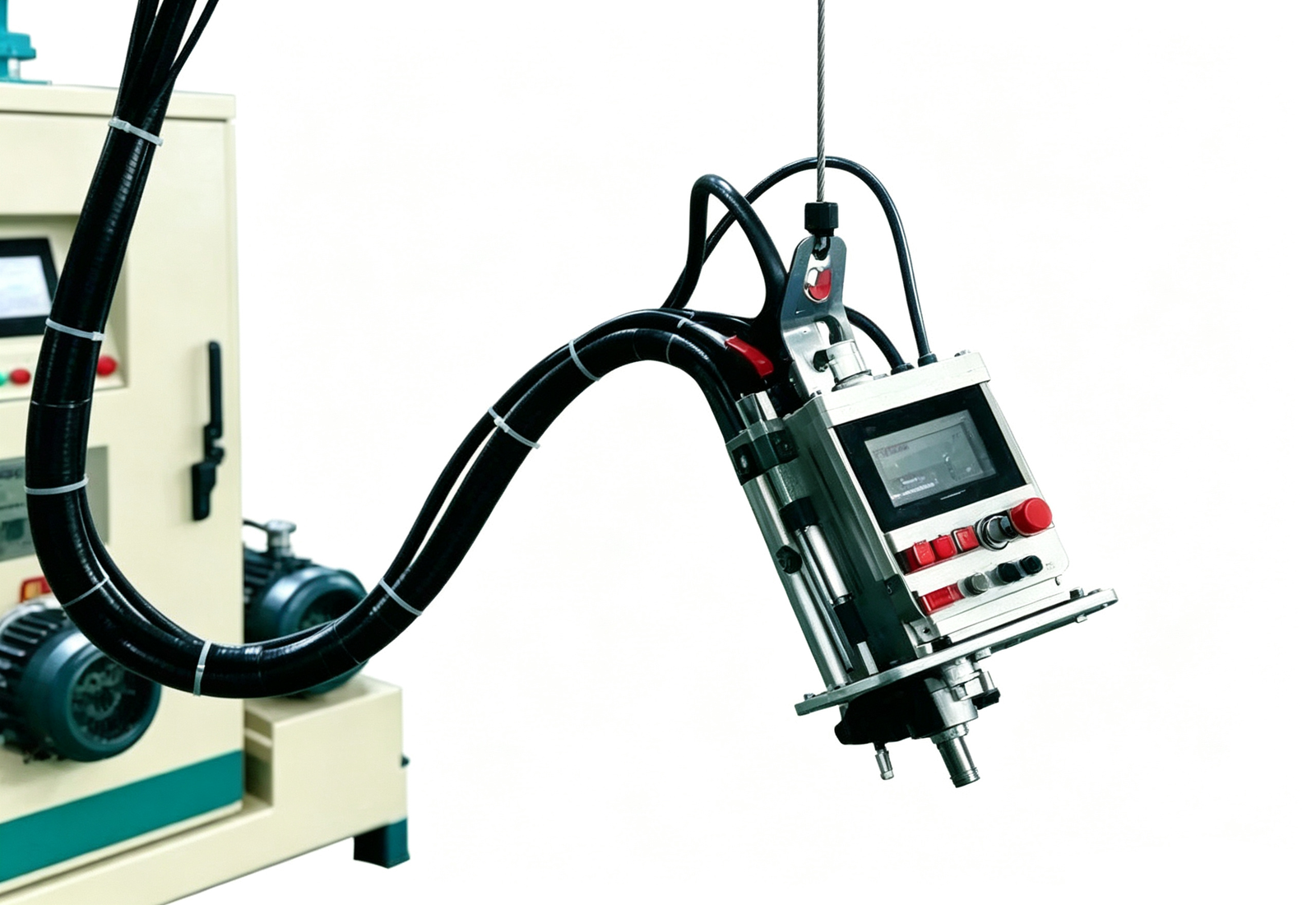
The HF-LPM-1A1B-LO is a high-flow PU foaming machine for producing large box foam blocks. It features a dual vacuum auxiliary degassing system (tank vacuum + pouring head terminal vacuum) that reduces bubble rate by over 70%, combined with a high-shear dynamic mixing head (2,000–6,000 rpm) for fine, uniform cell structure. The servo closed-loop metering system monitors and compensates flow errors in real time, eliminating ratio drift and ensuring absolute A/B proportion stability. With adjustable output flow of 1–15 kg/min (customizable) and a mixing ratio of 1:3–3:1, it handles high-resilience foam, memory foam, rigid insulation, and custom industrial/military PU blanks. PLC control stores multiple recipes with one-click switching, plus automatic cleaning and fault self-diagnosis. The synchronous beat linkage design coordinates with automated conveying lines, entering buffer mode when upstream stations pause. A single pour produces several cubic meters of foam, dramatically improving mass production efficiency.
Production Workflow
Raw Material Degassing
Load polyol and isocyanate into tanks (250‑1000L for A, 200‑800L for B); activate tank vacuum degassing to remove dissolved air and moisture.
Recipe Selection & Ratio Setting
Choose stored formula on touch screen; set A:B ratio (1:3 ~ 3:1) and target output flow (1‑15 kg/min) per foam type.
High‑Shear Mixing & Pouring
Servo pumps deliver precise amounts to dynamic mixing head (2000‑6000 rpm); terminal vacuum further degasses; pour into large box mold with synchronized conveyor motion.
Curing, Demolding & Cleaning
After foam rises and cures, demold the block; automatic cleaning cycle flushes mixing head to prepare for next pour.
Technical Specifications
Specifications are based on standard configurations at ambient conditions. Customizable output, tank sizes, and component counts (2‑6) are available upon request.
| Technical Parameter | HF-LPM-1A1B-LO |
|---|---|
| Output Flow | 1kg/min / 5kg/min / 10kg/min / 15kg/min, non-standard customization supported |
| Mixing Ratio Range | A:B = 1:3 ~ 3:1, adjustable freely |
| Raw Material Tank Capacity | Tank A: 250L / 500L / 1000L; Tank B: 200L / 450L / 800L, customized volume available |
| Installed Power | Configured according to discharge flow & temperature control demands |
| Mixing Head Speed | 2000~6000rpm, frequency conversion adjustable |
| Metering Accuracy | ±0.3% |
| Total Machine Weight | 2200kg (excluding supporting auxiliary equipment) |
| Warranty | 1-year full machine warranty |
| Certifications | Confirm applicable documents for the quoted configuration |
| Brand | Haifeng |
Key Advantages
Five engineering innovations that eliminate bubble defects, ratio drift, and production downtime, ensuring stable output and high equipment OEE (>85%).
Dual Vacuum Auxiliary Degassing
Tank vacuum degassing plus pouring head terminal vacuum reduce bubble rate by over 70%, producing fine, uniform foam cells with no shrinkage or cracking.
Servo Closed‑Loop Metering
Real‑time flow error monitoring and compensation completely eliminate ratio drift, ensuring consistent foam softness and cutting raw material waste.
Stable Long‑Term Continuous Production
Automated high‑precision metering minimizes manual adjustments and downtime; supports 24/7 operation with consistent quality and reliable delivery cycles.
Intelligent PLC Control with OEE >85%
Touch screen stores multiple formulas with one‑click switching; full batch data traceability (ratio, pressure, temperature); built‑in auto‑cleaning and fault self‑check alarm.
Synchronous Beat Linkage Design
Encoder and sensor full linkage enables “mold chasing the mixing head”; upstream stall triggers automatic buffer mode to avoid wasted material and downtime.
Comprehensive After‑Sales Support
1‑year warranty, overseas engineer on‑site installation/commissioning/training, lifetime remote technical guidance, and timely global spare parts supply.
Complete Your Production Line
Integrate the product with our full range of auxiliary equipment for a turnkey polyurethane processing system.
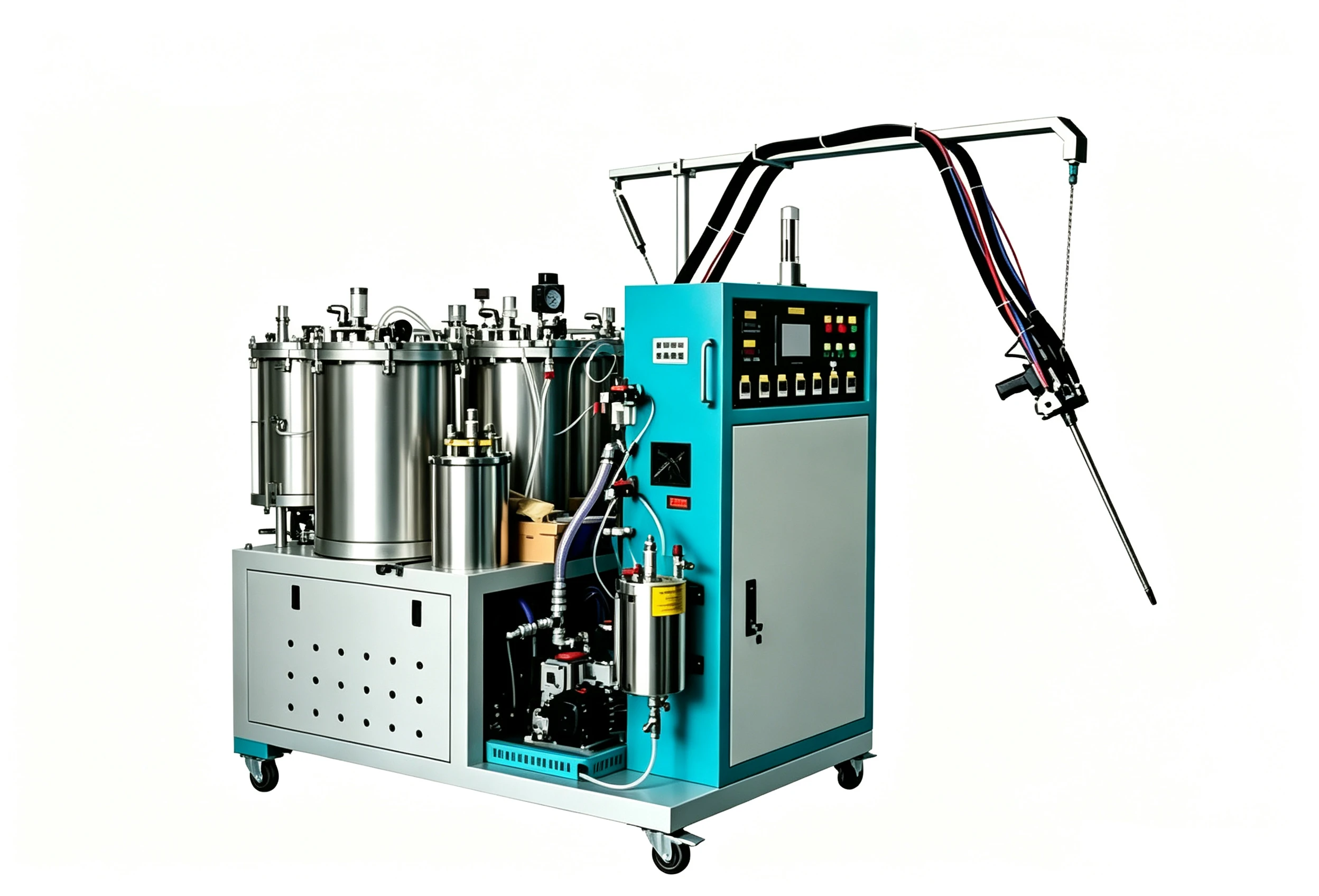
Epoxy Pouring Machine | Printing Rollers
Low Pressure Polyurethane Machine
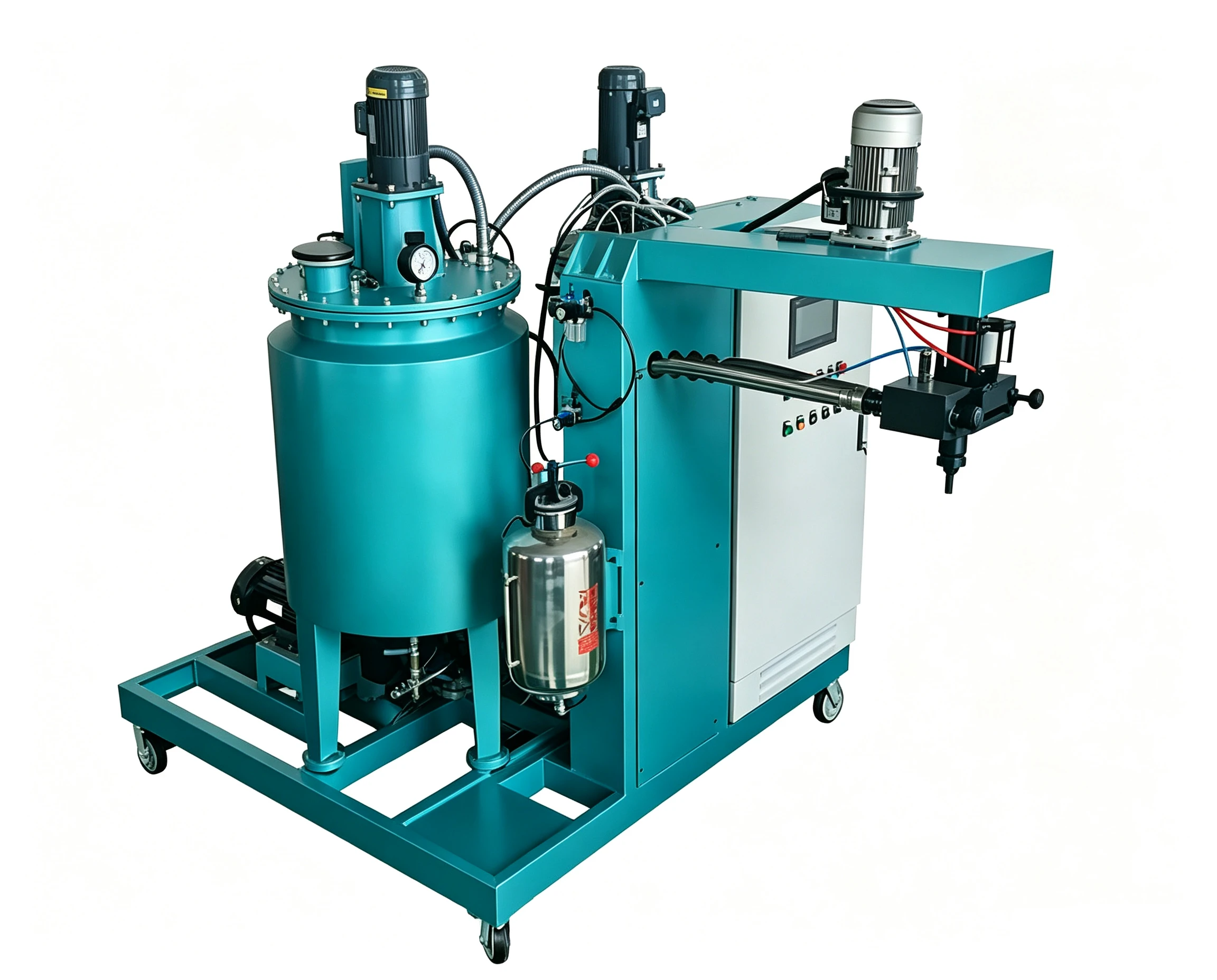
PU Elastomer Casting Machine | Hydraulic Seals
Polyurethane Machinery &Equipment
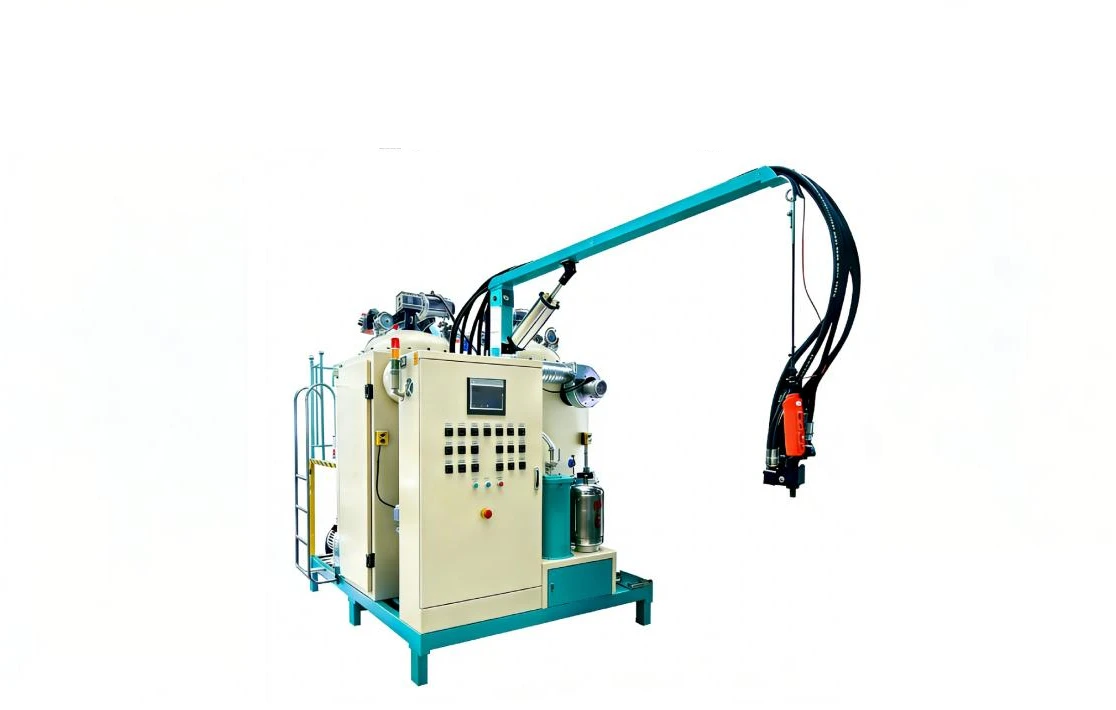
MC Nylon Casting Machine | Cast Nylon Parts
MC Nylon Casting Machines
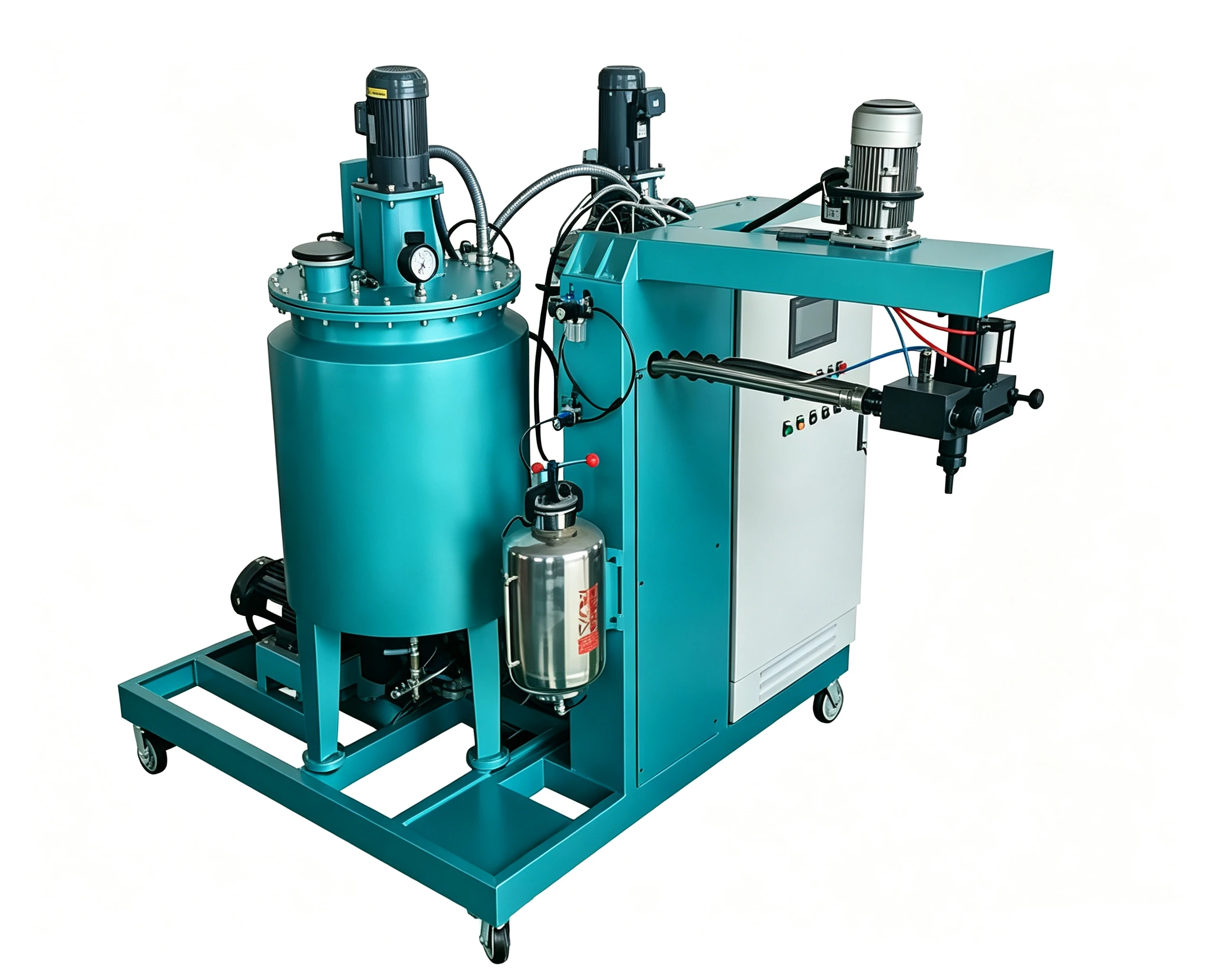
PU Elastomer Casting Machine | Cold Rolling Rollers
Polyurethane Machinery &Equipment


