
How to Evaluate Cell Size in Polyurethane Foam Properly
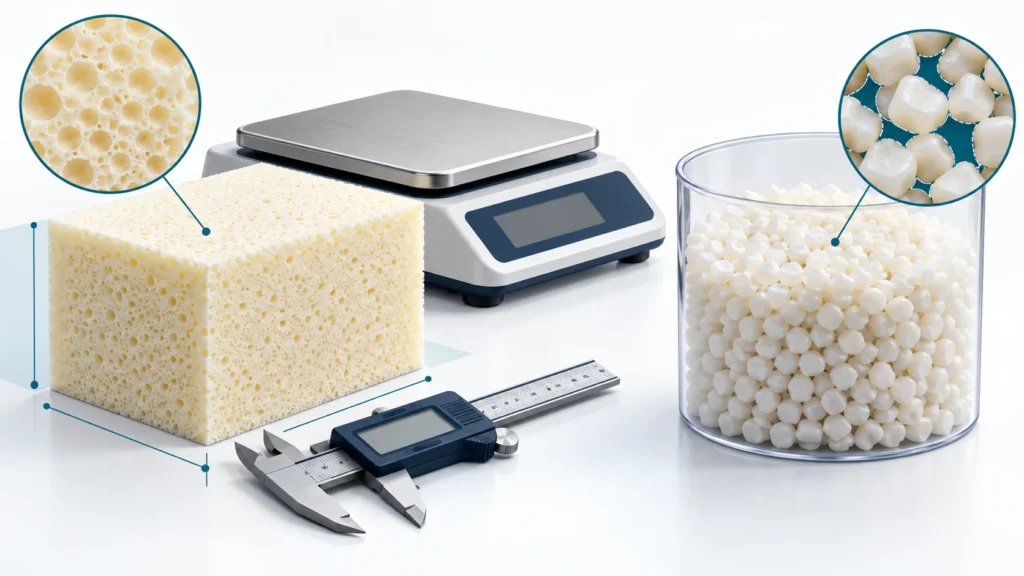
Review a practical polyurethane foam cell-size evaluation method, including representative sampling, calibrated comparison and checks against density and open-cell content.


Review a practical polyurethane foam cell-size evaluation method, including representative sampling, calibrated comparison and checks against density and open-cell content.

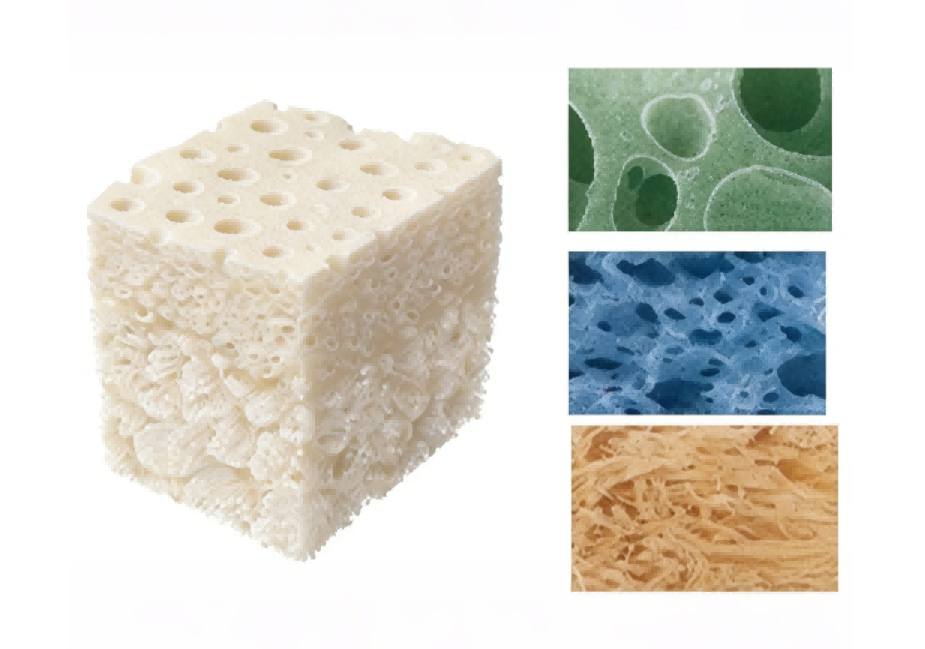
Explore how open and closed cells, cell size and uniformity influence polyurethane foam performance, and how production variables shape those features.

Explore polyurethane catalyst roles in gelling and blowing, and review how catalyst balance and equipment conditions influence reaction timing and foam defects.

Distinguish foam density from bulk density in polyurethane production, and review how the measurement basis affects process interpretation and line specifications.

Diagnose bubbles in polyurethane parts by reviewing moisture, dissolved gas, mold venting, material flow, metering and mixing before changing process settings.

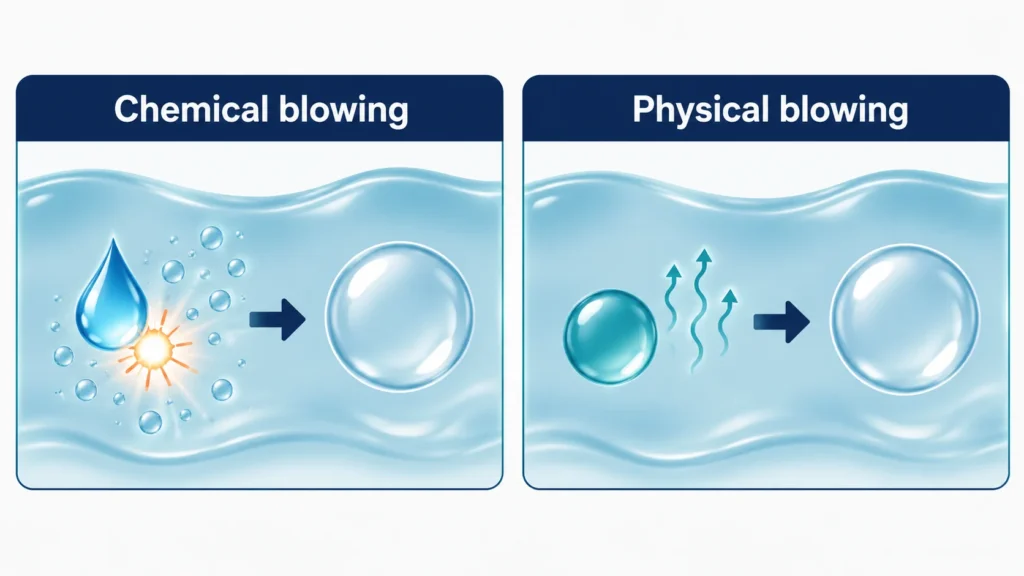
Compare physical and water-based chemical blowing agents for polyurethane, and review how application, material compatibility and equipment needs guide selection.

Explore BDO as a polyurethane elastomer chain extender, with attention to hard-segment development, formulation balance and processing requirements.

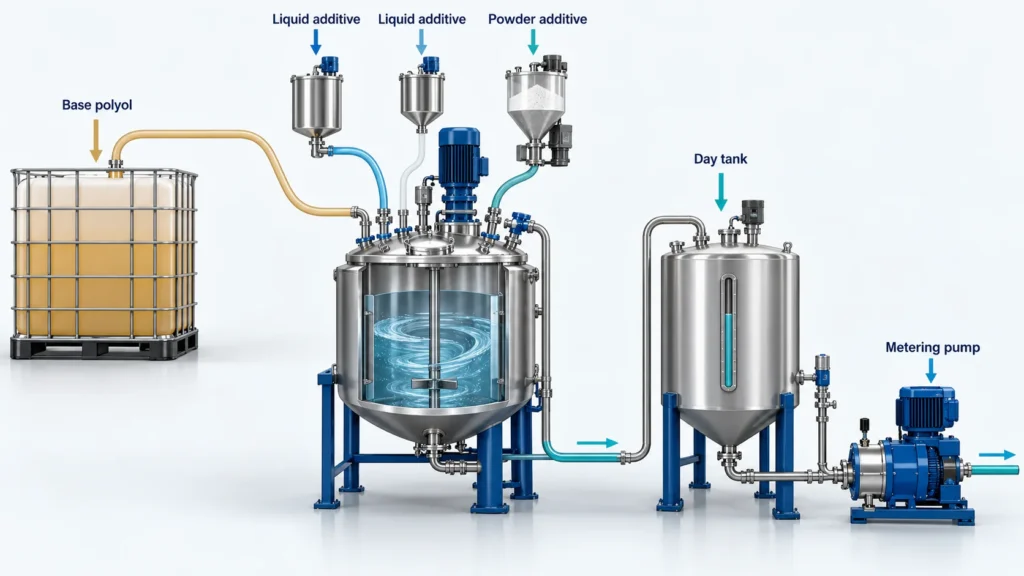
Understand the polyurethane B-side as a formulated system, and review how viscosity, reactivity, storage and conditioning affect dosing and production consistency.

Explore amine catalysts in polyurethane foaming, compare gelling and blowing roles, and relate catalyst selection and dosage to the reaction profile.

Review airflow evaluation in flexible polyurethane foam, including test setup, cell structure and the formulation and processing variables that influence permeability.