

1,4-Butanediol (BDO) is a short-chain diol used as a chain extender in polyurethane elastomers. Its two hydroxyl groups react with isocyanate groups to form urethane links. The resulting properties depend on the prepolymer, stoichiometry, catalyst package and cure schedule; BDO is not a drop-in replacement for an amine curative such as MOCA.
How BDO Extends a Polyurethane Chain
An isocyanate-terminated prepolymer already contains soft segments derived from its long-chain polyol. Reaction with BDO builds the short-chain hard segments. Their structure and organisation influence hardness, stiffness, resilience and compression behaviour. A difunctional chain extender does not, by itself, establish the crosslink density or finished performance of every formulation.

Calculate BDO Dosage from NCO Content and Index
The BDO charge follows the measured free NCO content of the prepolymer and the material supplier’s approved stoichiometry. BDO has a molar mass of approximately 90.12 g/mol and a hydroxyl equivalent weight of approximately 45.06 g/eq. The NCO equivalent is approximately 42.02 g/eq.
For a simplified dry system in which BDO is the only active-hydrogen curative:
BDO mass = prepolymer mass × (NCO wt.% ÷ 100) × 45.06 ÷ [42.02 × (isocyanate index ÷ 100)].
Account separately for water, other chain extenders and other reactive ingredients before using this calculation as a production setting. State whether the supplier specifies isocyanate index, curative percentage of theory or another convention; these are not interchangeable numbers.
At a fixed prepolymer mass and NCO content, increasing BDO increases hydroxyl equivalents and lowers the isocyanate index. It does not create an over-indexed formulation. Reducing the BDO charge raises the index. Neither direction is a universal hardness adjustment: reformulate within the supplier-approved system and verify the required properties.
BDO and MOCA Have Different Cure Chemistry
BDO is a diol; MOCA is an aromatic diamine. They form different hard-segment structures, and their usable temperatures, catalyst requirements, working times and cure schedules depend on the selected prepolymer. A change from MOCA to BDO therefore requires a new material recipe and process validation, rather than copying the same mass ratio or assuming a longer pot life.
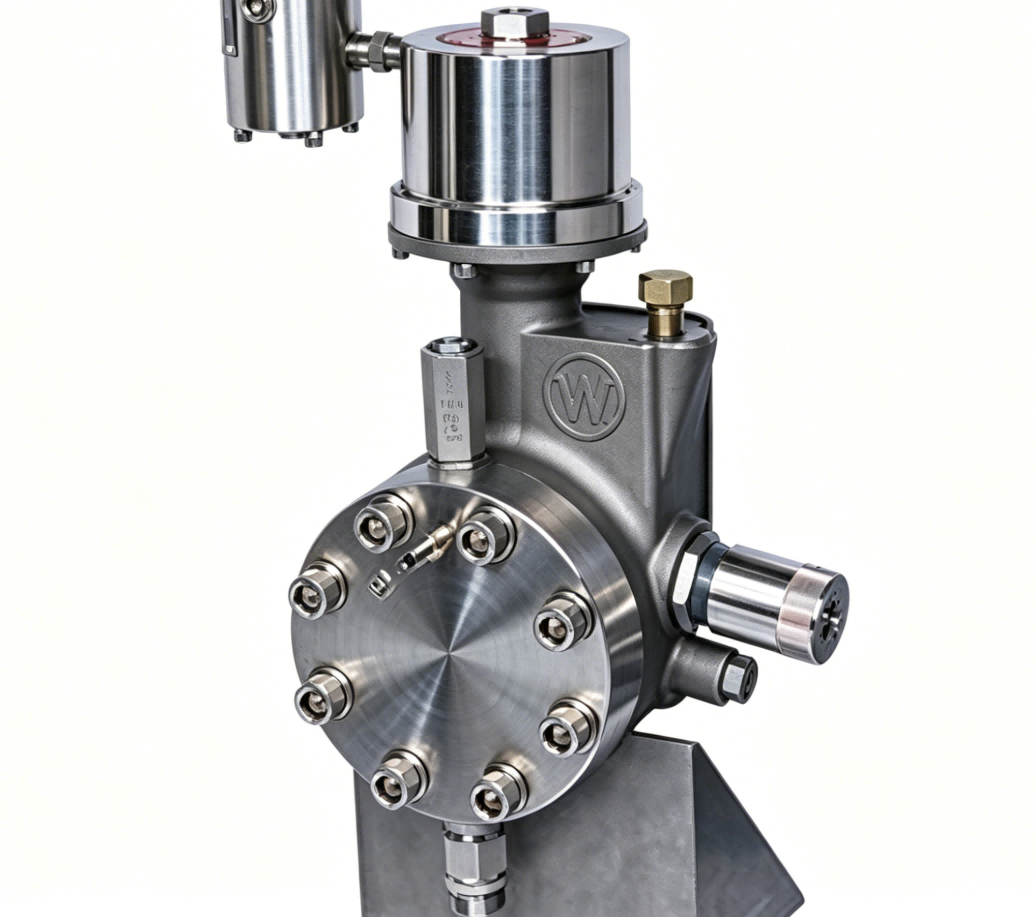
Compare tensile and tear behaviour, compression set, fatigue, chemical exposure and hydrolysis under the intended service conditions. Soft-segment chemistry is particularly relevant to wet service: selection of polyester or polyether prepolymers can matter more than the chain extender alone. A Shore hardness reading cannot substitute for these tests.
Condition Materials and Define the Cure Schedule
BDO can crystallise near room temperature. Set storage, melting or conditioning, tank holding and heated-line temperatures from the actual grade TDS/SDS and the approved recipe. Keep these distinct from prepolymer, mold and post-cure temperatures. Confirm stable liquid delivery throughout the material path and stay within the equipment’s rated temperature range.
Working time is measured after the streams are mixed, under defined material temperature and sample or shot conditions. Mold filling must finish within the validated working window. Demold and post-cure conditions follow measured property development, not a generic promise that every BDO system cures in a fixed number of minutes.
Thick sections can retain reaction heat. Review shot mass, part geometry, mold temperature and the formulation’s exotherm limits together. Discolouration, voids or a soft core require investigation of material condition, ratio, mixing and thermal history; they do not identify BDO dosage as the sole cause.
Match Casting Equipment to the Actual Recipe
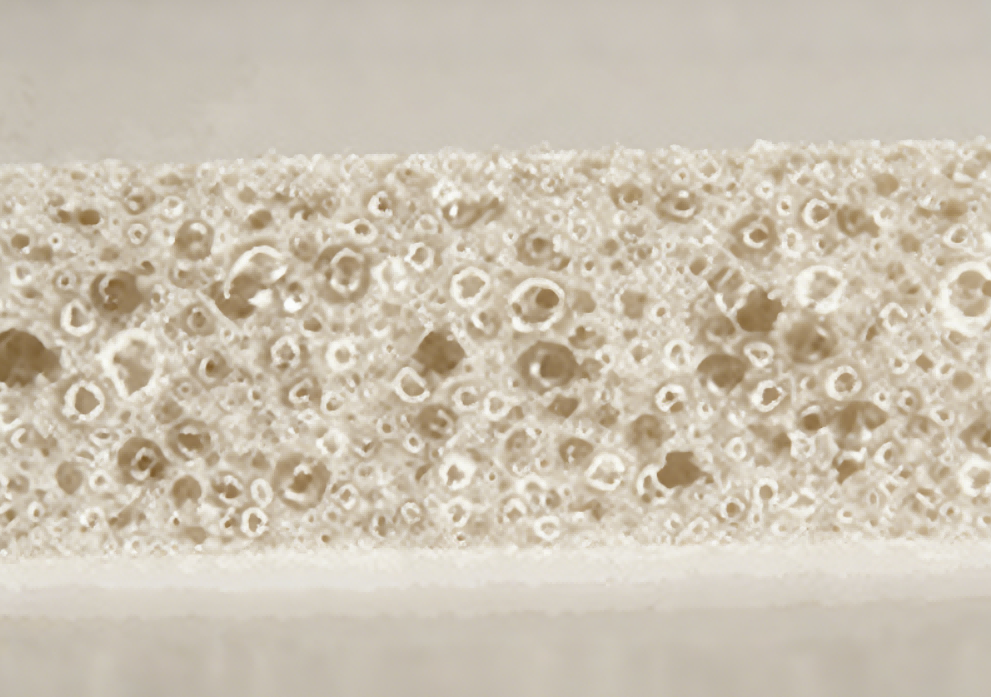
For cast-elastomer lines, identify the streams as prepolymer and curative. Check their tank labels and machine documentation instead of assuming that foaming-system A/B labels apply. In Haifeng PU foaming documentation, A is the polyol blend and B is the isocyanate.
Equipment selection requires the curative’s minimum and maximum mass flow, working ratio, viscosity at processing temperature, shot weight and dispensing time. Metering accuracy and repeatability need a stated measurement basis and a test at the agreed operating conditions; a generic percentage does not establish performance for every BDO casting system.
Rotor speed is relevant to a configured mechanical dynamic mixing head. A high-pressure impingement head is assessed through its flow, injector and pressure conditions. Degassing, cleaning and changeover procedures are selected for the materials and machine, with controls to prevent contamination between curatives.
Information Needed for a Casting-Line Review
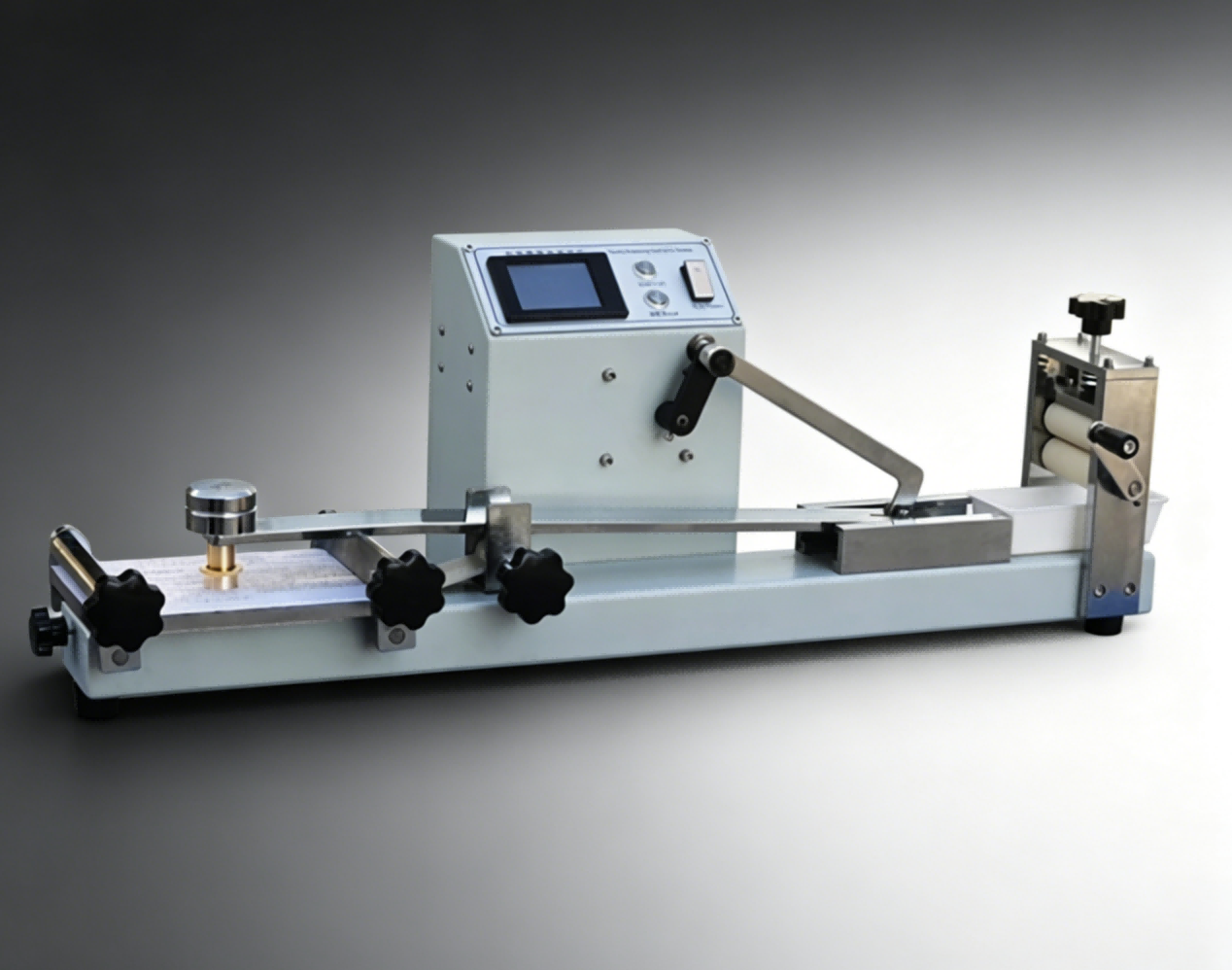
- Prepolymer grade, current NCO content and supplier-approved curative recipe.
- BDO grade, moisture limits, viscosity and conditioning requirements.
- Part dimensions, shot weight, production target and planned dispensing time.
- Required Shore scale, hardness and the relevant mechanical or exposure tests.
- Mold, demold and post-cure conditions, including thick-section exotherm controls.
- Current equipment, measured component outputs and the defect being investigated.
Frequently Asked Questions
Does adding more BDO raise the isocyanate index?
No. At fixed prepolymer mass and NCO content, more BDO adds hydroxyl equivalents and lowers the index. Use the approved stoichiometry rather than adding curative solely to change hardness.
Can BDO replace MOCA at the same mass ratio?
No. Their chemistry and equivalent weights differ. The material supplier must define a compatible prepolymer-curative system, ratio and cure schedule.
Is there one BDO tank temperature for every casting line?
No. Follow the actual grade’s conditioning requirements and approved processing recipe, within the configured machine rating. Verify liquid delivery in the tank, lines and metering unit.
Does selecting BDO determine the mixing-head type?
No. Head selection also depends on viscosity, flow range, ratio, working time, additives and cleaning requirements. Mechanical rotor speed should not be assigned to a high-pressure impingement head.





