
NCO Content in Polyurethane: How It Affects Formulation Control
Understand NCO content, equivalent-weight calculations and the effects of batch variation on polyurethane formulation, curative dosing and production control.


Understand NCO content, equivalent-weight calculations and the effects of batch variation on polyurethane formulation, curative dosing and production control.

Review NCO-group reactions in polyurethane gelling, blowing and crosslinking, with links between chemical measurements, formulation balance and equipment control.

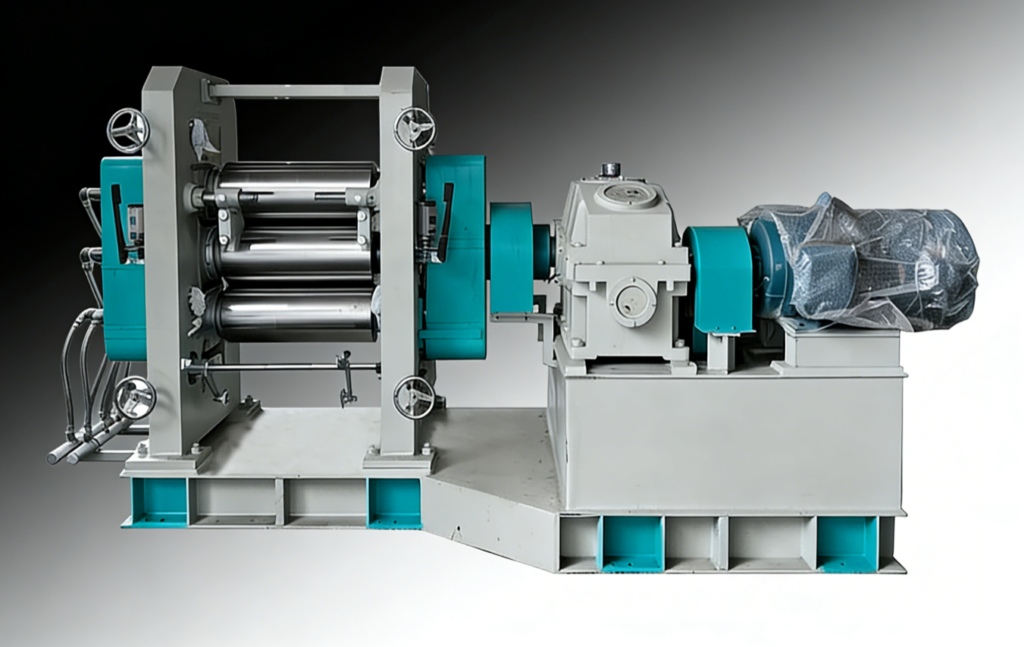
Explore millable polyurethane processing on rubber equipment, its typical properties and applications, and the differences from cast polyurethane and TPU.

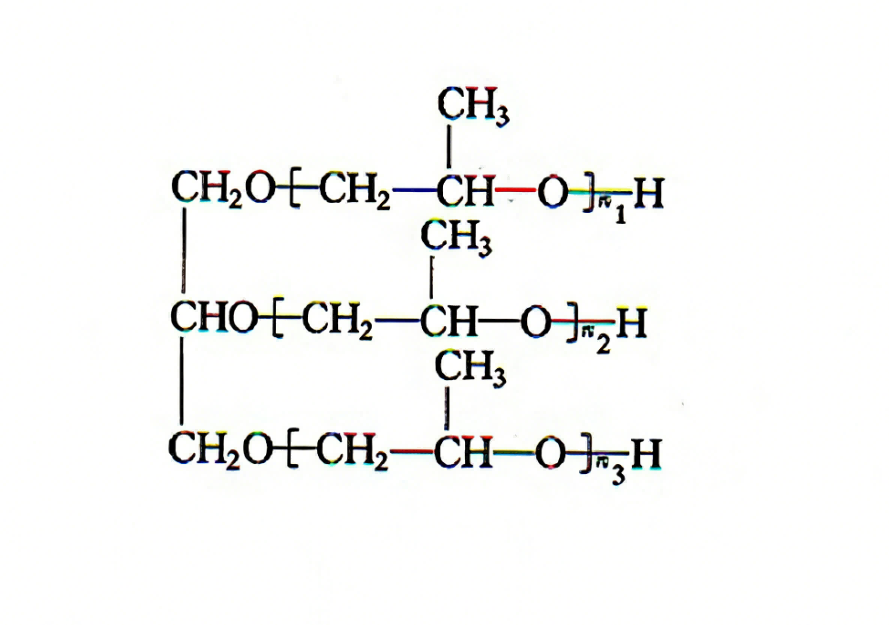
Understand how polyol and prepolymer molecular weight influence polyurethane properties, viscosity, material consistency and metering equipment requirements.

Compare free-rise and molded polyurethane foam density, understand overpack ratio, and review the mold and process variables used to set a production density target.

Review mold-release application practices for polyurethane molding, including mold cleaning, thin and even coating, drying, temperature and material compatibility.

Explore how mold temperature affects polyurethane surface cure, demolding and part quality, with setup checks and troubleshooting considerations for different processes.

Review MOCA use in cast polyurethane elastomers, processing requirements, alternative curatives and the equipment changes involved in switching material systems.

Learn how to establish an A/B mixing ratio from polyurethane material data, verify actual dosing, and trace ratio drift through temperature, viscosity and metering controls.

Compare mechanical, high-pressure impingement, dynamic and static polyurethane mixing heads, and review how shot size, material behavior and process needs guide selection.