

Manufacturers do not usually choose polytetramethylene ether glycol by accident. PTMEG-based polyurethane elastomers are selected when a part must survive water exposure, repeated flexing, and low temperatures without losing its load-bearing or rebound characteristics. The material delivers that combination only when the polyol backbone, hard segment, and casting process are controlled together.

Why PTMEG Builds a Different Polyurethane Backbone
PTMEG (polytetramethylene ether glycol) is a linear polyether diol used on the soft-segment side of cast polyurethane elastomers. Unlike a polyester polyol, its repeating tetramethylene oxide units contain no ester group, so the cured elastomer is much less prone to hydrolysis-driven chain scission in wet or humid service. This single backbone difference explains most of the material’s reputation in rollers, wheels, and dynamic seals [1].
The ether linkage also gives a low glass-transition temperature, which keeps parts flexible at temperatures where polyester-based elastomers stiffen. The trade-off is that PTMEG normally costs more and, in some formulations, can show lower resistance to hot hydrocarbon oils than a carefully selected polyester system. The choice is therefore application-driven rather than a simple upgrade.
Key Mechanical and Dynamic Properties
PTMEG-based elastomers are usually specified through a small set of tests rather than a single “quality” number. Hardness is typically measured to [2], and PTMEG systems can be formulated from roughly 70 Shore A to 70 Shore D depending on prepolymer NCO content, chain extender choice, and stoichiometry. Hardness alone does not predict dynamic life, but it remains the fastest first screen for part selection.
Tensile properties, measured per [3], depend heavily on the same formulation variables. PTMEG systems often deliver high ultimate elongation and good tensile strength when the hard segment is well controlled. Tear strength, tested per [4], matters most in rollers and seals that encounter cuts or edge loading. In wet applications, the gap between PTMEG and polyester systems usually widens after aging because ester bonds break down faster than ether bonds [1].
Two dynamic properties deserve attention. Rebound resilience, measured per [6], tends to be high in PTMEG elastomers, which reduces heat buildup under repeated compression. Compression set, tested per [7], is formulation-sensitive: it improves with effective crosslinking or a well-chosen isocyanate index, and it better predicts long-term recovery in static seals and loaded wheels. Abrasion resistance per [5] is generally good but depends more on cure completeness and void level than on the polyol alone.
Hardness is usually the first filter when a design engineer compares elastomer grades. Shore A vs Shore D Hardness in Polyurethane covers how the two Shore scales behave and when each one gives a more useful specification.
Processing Behavior and Equipment Demands
Set MOCA melting, holding and heated-line temperatures from the actual grade TDS/SDS and approved prepolymer recipe. Confirm fully liquid delivery throughout the material path. A nominal 90–115°C machine adjustment range does not establish that every MOCA grade is molten throughout that range. Configure BDO and other curatives to their own material requirements, within the equipment rating.
Shot weight matters because PTMEG elastomer parts are often cast into heated, closed molds. A shot that is too large wastes expensive material, builds mold pressure, and can create flash; a shot that is too small leaves short fills and surface defects. For consistent parts, dynamic metering accuracy at or below ±0.3% is a practical target for two-component casting units. Vacuum degassing below -0.095 MPa is commonly used before or during metering to remove dissolved gas from the prepolymer, which helps prevent pores in thick sections.
Shot weight calculation is the link between formulation density and mold fill. How to Calculate Shot Weight in Polyurethane covers the calculation steps and the corrections needed when mixed density differs from the final cured density.
Equipment Selection Support
If you are specifying a casting line for a PTMEG-based product, start from the process numbers: shot weight per mold, target Shore hardness, cycle time, and whether the formulation uses MOCA or BDO. Send those parameters to info@chinahaifeng.com or WhatsApp 86 13566296633, and ask for a metering and vacuum layout matched to the material viscosity rather than a generic machine quote.
Where PTMEG Earns Its Cost — and Where It Does Not
PTMEG-based elastomers are most justified where water exposure, dynamic loading, or low-temperature flexibility overlaps with wear. Common examples include high-speed rollers, elevator and fork-lift wheels, dynamic seals, vibration mounts, and parts that cycle between wet and dry service. In these roles, the material’s combination of hydrolysis resistance and rebound can extend service life enough to offset the higher polyol cost.
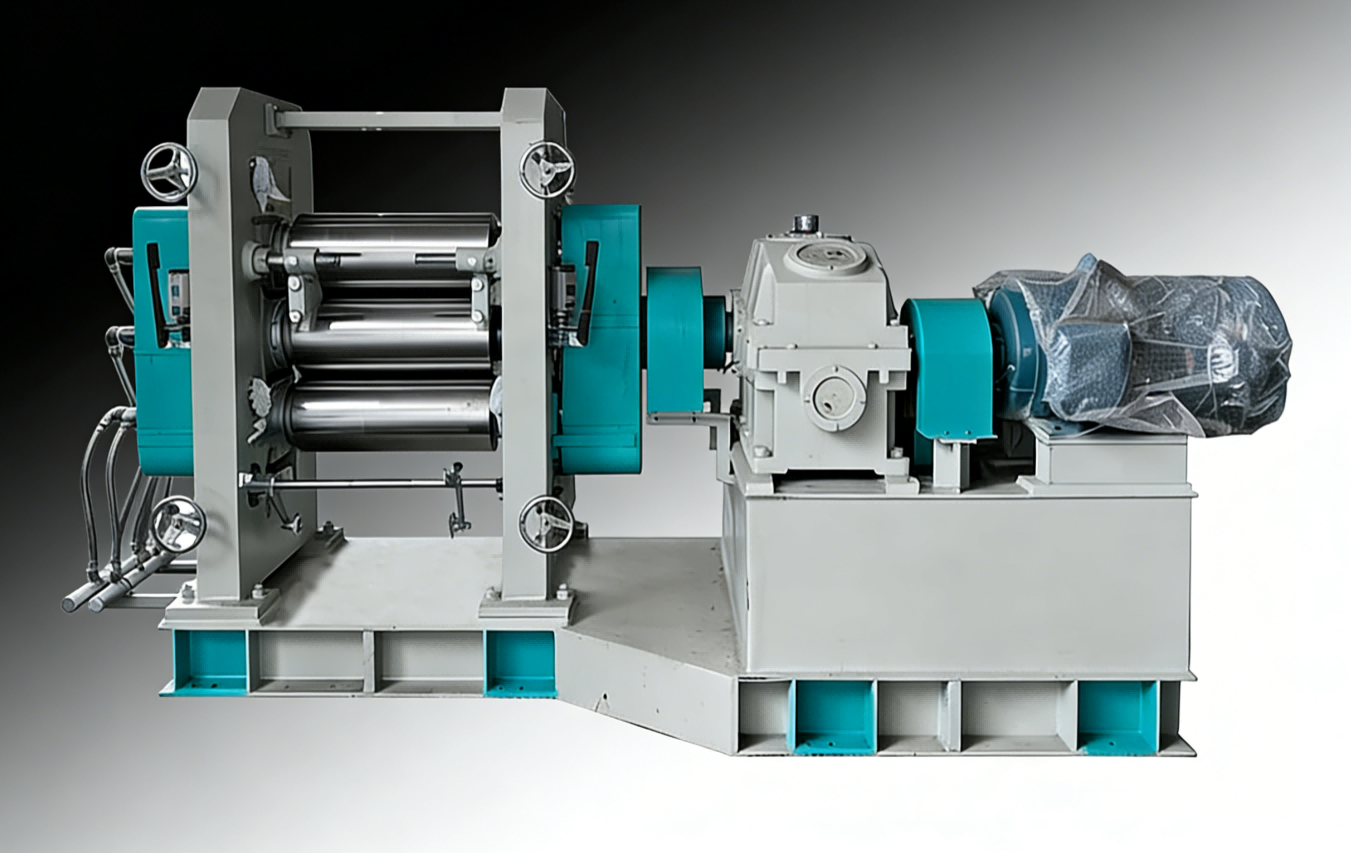
Casting quality determines whether the polyol’s theoretical properties show up in the finished part. How Polyurethane Rollers Are Made From Casting To Cure covers the sequence from metering through cure and the process points where voids and hardness drift usually come from.
The trade-off is real: for dry, static, or cost-driven applications, a lower-cost PPG polyether or a polyester polyol may be the more economical choice. PTMEG is also not automatically best for continuous high-temperature oil immersion, where certain polyester formulations or specialty materials may perform better. Ultraviolet and oxidative aging still require stabilizers, and the ether backbone can be sensitive to oxidation if stabilizer packages are ignored.
Formulators should avoid treating PTMEG as a drop-in replacement. Prepolymer NCO content, curative ratio, and cure schedule must be revalidated when changing polyol families. A hardness target alone is not sufficient; compression set, rebound, and post-cure behavior all shift with the backbone.
Selection Checklist for PTMEG-Based Elastomers
- Define the dominant failure mode first: hydrolysis, dynamic fatigue, abrasion, or compression set.
- Pin down the required Shore hardness and test method before comparing formulations.
- Require tensile, tear, and compression set data per the relevant ISO/ASTM standards—not only hardness.
- Confirm whether MOCA or BDO is compatible with the plant’s temperature and handling capability.
- Specify shot weight, mold fill time, and material temperature windows before selecting a casting machine.
- Make vacuum degassing a requirement for thick or high-durometer sections.
- Validate full-scale parts after aging in the expected service environment, not only as-cured samples.
- Compare total cost per usable part, not raw material price alone.
Engineering Support for PTMEG Elastomer Lines
Haifeng Polyurethane Machinery supports PTMEG-based elastomer production with metering and casting systems tailored to the process. If you are evaluating a new roller, wheel, or seal line, contact us at info@chinahaifeng.com or WhatsApp 86 13566296633 with your target hardness, shot weight, and cycle time. We will help you match the machine configuration to the material’s real processing window.
Frequently Asked Questions
Is PTMEG the same as a standard polyether polyol?
PTMEG is one type of polyether polyol. It has a regular tetramethylene oxide backbone, which gives better mechanical properties and hydrolysis resistance than many lower-cost polypropylene glycol polyols, but it also costs more.
What hardness range can PTMEG-based elastomers achieve?
PTMEG systems can be formulated across a wide range, roughly from 70 Shore A to 70 Shore D, depending on prepolymer NCO content, chain extender, and isocyanate index. The practical range for a given product depends on the process and cure schedule.
How does PTMEG compare with polyester polyols in wet environments?
PTMEG-based elastomers generally resist hydrolysis better because the polyol contains no ester linkage. Polyester-based systems often fail earlier in hot, humid, or water-immersed service, although they may offer advantages in dry abrasion or oil resistance for some formulations.
Does PTMEG require a prepolymer process?
PTMEG is commonly processed through the prepolymer route with MOCA or BDO chain extenders. Other routes are possible, but the two-component casting process is the practical standard for high-performance elastomer parts.
Can PTMEG elastomers be cast with both MOCA and BDO?
Yes. MOCA requires higher material temperatures and suits solid or high-hardness parts, while BDO runs cooler and is used for softer or high-resilience formulations. The choice affects pot life, cure speed, and handling.
References
[1] G. Oertel, Polyurethane Handbook, 2nd ed. Munich, Germany: Hanser Publishers, 1994.
[2] ISO 868:2003, Plastics and ebonite — Determination of indentation hardness by means of a durometer (Shore hardness).
[3] ISO 37:2017, Rubber, vulcanized or thermoplastic — Determination of tensile stress-strain properties.
[4] ISO 34-1:2022, Rubber, vulcanized or thermoplastic — Determination of tear strength — Part 1: Trouser, angle and crescent test pieces.
[5] ISO 4649:2017, Rubber, vulcanized or thermoplastic — Determination of abrasion resistance using a rotating cylindrical drum device.
[6] ISO 4662:2017, Rubber, vulcanized or thermoplastic — Determination of rebound resilience.
[7] ISO 815-1:2019, Rubber, vulcanized or thermoplastic — Determination of compression set — Part 1: At ambient or elevated temperatures.
If you’re interested, check out these related articles:
What Is Semi Rigid Polyurethane Foam
RRIM Vs RIM Which Process Suits Your Structural Part
Causes Of Shrinkage In Polyurethane Foam How To Control It
How To Calculate Shot Weight In Polyurethane





