
Shot weight in polyurethane is calculated by multiplying the finished part volume by the target molded density, then adding a controlled allowance for flash, runner loss, and mixing head residue. That sounds simple, but most calculation errors come from using the wrong density. A foam part poured against a cavity wall does not end up at free-rise density; it densifies under mold pressure. I see production lines underfill or overpack because the shot was fixed from a brochure value rather than the molded part itself.
Shot Weight Starts With Three Inputs
Shot weight is the total material weight dispensed by the metering pumps into the mixing head for one mold cycle. It covers the two liquid components before reaction, not the trimmed part weight after carbon dioxide release. The three inputs are part volume, molded density, and a process loss allowance.
Part volume comes from the cavity geometry, not the finished part dimensions. If you have a CAD model, take the solid volume of the cavity plus the runner and sprue. If you are working with an existing mold, water displacement of a known-good part works when the part does not absorb water. For a filled port or a part with an insert, subtract the insert volume.
Molded density is the weight of the cured material per unit volume inside the closed cavity. Do not use the supplier sheet density without checking whether it applies to the formulated system at the actual fill factor.

Molded Density Works Differently From Free-Rise Density
Free-rise density is what foam reaches when it rises in an open container. Molded density is the weight of the same material packed into a closed cavity. In a flexible foam seat cushion, a formulation that free-rises at 28 to 35 kg/m³ may reach 45 to 60 kg/m³ in a closed mold. If you calculate shot weight with the free-rise number, every cavity comes out short.
The same logic applies to integral skin foam. The surface skin is denser than the core, so one average molded density from the final part may understate the material needed to fill the skin layer completely. For solid elastomers, this issue is smaller, but filler loading still changes the mixed material density. A system loaded with calcium carbonate does not use the neat polyol and isocyanate densities.
A Practical Formula Covers Molded and Cast Parts
Shot weight (g) = part volume (cm³) × molded density (g/cm³) × (1 + process loss allowance)
Work From Cavity Volume
Use cavity volume when you can get it. For a solid elastomer roll, calculate the annular volume of the pour between the core and the shell. For a foam cushion, include the full cavity volume, not just the visible cushion crown.
Convert Density to the Same Unit
One kilogram per cubic meter equals 0.001 grams per cubic centimeter. A molded density of 55 kg/m³ is 0.055 g/cm³. Mixing units is the fastest way to order a shot that is off by a factor of ten.
Add the Process Loss Allowance
Allowances run lower for closed-mold machine pours than for manual open pours. Start with 2 to 5 percent for a closed-loop metering system with short runners. Use 5 to 8 percent for multiple cavities, long flow paths, or hand lance pouring. Do not pad by 10 percent just to feel safe. Overfill raises flash, increases insert stress, and extends demold time.
| Calculation input | Solid cast elastomer example | Molded flexible foam example |
|---|---|---|
| Part volume | 250 cm³ | 12,000 cm³ |
| Molded density | 1.10 g/cm³ | 0.055 g/cm³ |
| Net shot weight | 275 g | 660 g |
| With 4% allowance | 286 g | 686 g |
Metering Accuracy Defines the Real Shot Window
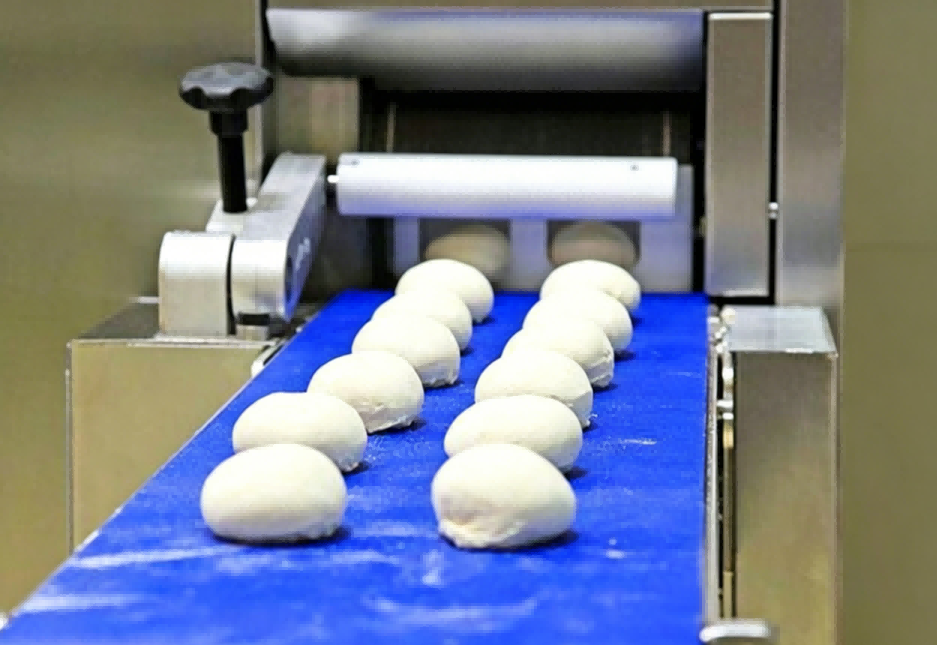
A calculated shot weight only matters if the machine can deliver it repeatably. We size the shot window from two values: the required mass and the metering accuracy. The Haifeng HF-LPUE-2A2B-Auto-Buffer lists a shot weight per mold of 50 to 500 g and dosing accuracy of ±0.3 percent. On a 300 g nominal shot, that means the delivered mass can vary by roughly ±0.9 g before material temperature and viscosity shifts even enter the picture.
On an automotive buffer block line in Zhejiang, the move from a semi-automatic line to a high-pressure closed-loop system did not change the shot weight formula. It reduced the band around the target. The older setup varied by ±1.2 mm in the molded part; the new setup held ±0.3 mm. Ratio deviations also move density. A one percentage point shift in the polyol and isocyanate ratio can shift final foam density by several kg/m³, which changes the shot weight needed for complete fill.
If your part family runs across several densities, cavity counts, or fill factors, it is worth confirming the full shot weight window before locking the mold specification. Send your part volume, target molded density, and current machine type to info@chinahaifeng.com for a shot window review.
Common Shot Weight Mistakes to Avoid
The wrong density is the first mistake. A formulator may quote free-rise density because that is the value used for softness comparisons. That number does not fill a closed mold.
The second mistake is ignoring the runner, sprue, and flash allowance. In a multi-cavity layout, the total dispensed weight includes material that never becomes saleable parts. I have watched lines order the correct net part weight, then run every cavity short because the shared runner was omitted from the calculation.
The third mistake is treating the mixing ratio as a second calculation independent of shot weight. You calculate total mixed shot weight first, then split it by the A and B ratio. Reversing that order creates rounding errors that become visible as density variation across the day.

Confirm Your Shot Weight Window Before Tooling
Getting shot weight wrong is expensive. An underfilled mold produces scrap or short shots, and an overpacked mold raises flash, stresses the venting, and adds trim labor. The calculation itself is not complicated, but molded density, fill factor, and metering accuracy change from formulation to formulation.
Send your part volume, target mold density, and molding method to info@chinahaifeng.com or WhatsApp 86 13566296633, and we will size the shot window around the equipment you are actually running.
Production Managers Often Ask These Shot Weight Questions
How do I calculate shot weight for a two-component system?
Calculate the total mixed shot weight first, then split it by the mixing ratio. If the total shot is 500 g and the machine runs at 100 parts polyol to 60 parts isocyanate, the polyol side is about 313 g and the isocyanate side is about 188 g. The split follows the ratio by weight after you have already included the process loss allowance in the total.
The supplier density should match the molded density, right?
The most common assumption is that tank density equals molded density. It does not. The supplier value is usually a neat component or a free-rise reference. Molded density includes the effect of cavity pressure, venting, filler loading, and the degree of overpack. Use the value from a good production part, not the datasheet, when you start a new tool.
Does the method change for solid parts versus foam?
It depends on whether the material volume changes during reaction. For a solid elastomer, part volume and mixed material volume stay close, so the calculation is direct. For foam, gas evolution and cavity pressure increase the material needed per unit of final part volume. That is why molded density, not free-rise density, belongs in the formula.
Why should I confirm a shot window instead of one number?
In the lines I work on, most shot weight errors surface after the first mold trial, not during calculation. A window accounts for metering tolerance, day-to-day viscosity movement, and small cavity variations. If you are seeing short shots, heavy flash, or density drift, share your part volume, target density, and current filling result with info@chinahaifeng.com, and we will identify which variable is moving the shot.