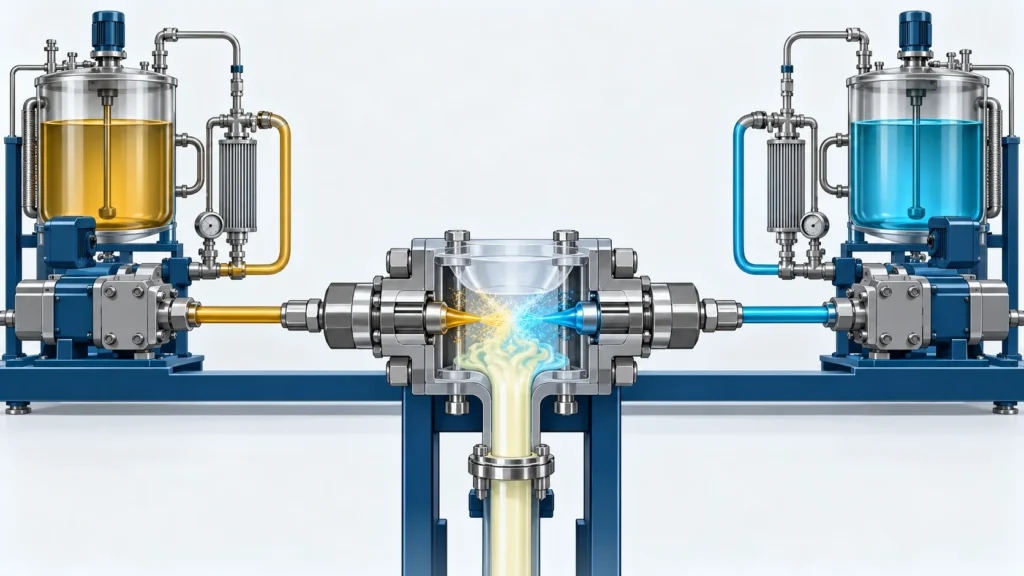
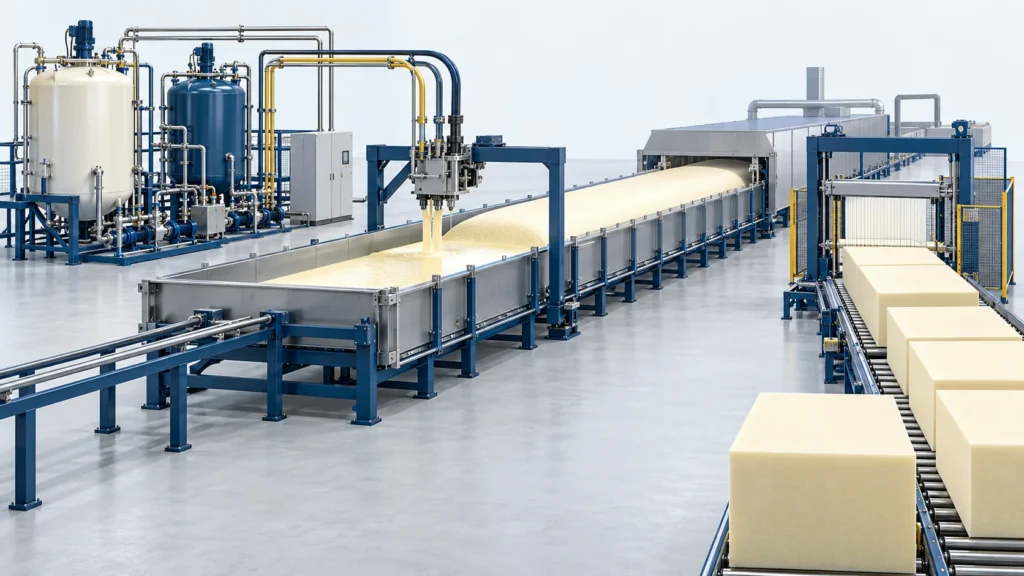
Synthetic leather plants rarely fail on chemistry. They fail on repeatability: the same coating formula run twice can come out darker on Tuesday than on Monday because a paste was weighed while the scale was still warm, because 1.7 kg became 2 kg, or because yesterday’s pigment stayed in the line overnight. Automated color batching targets that failure directly. It does not make the line faster on paper; it makes every dose land closer to the last one, and it makes each batch reconstructable when a customer asks why a roll is off-shade.
For the wider production route and equipment interfaces, explore our synthetic leather manufacturing systems.
Where Color Batching Sits in a PU Synthetic Leather Line
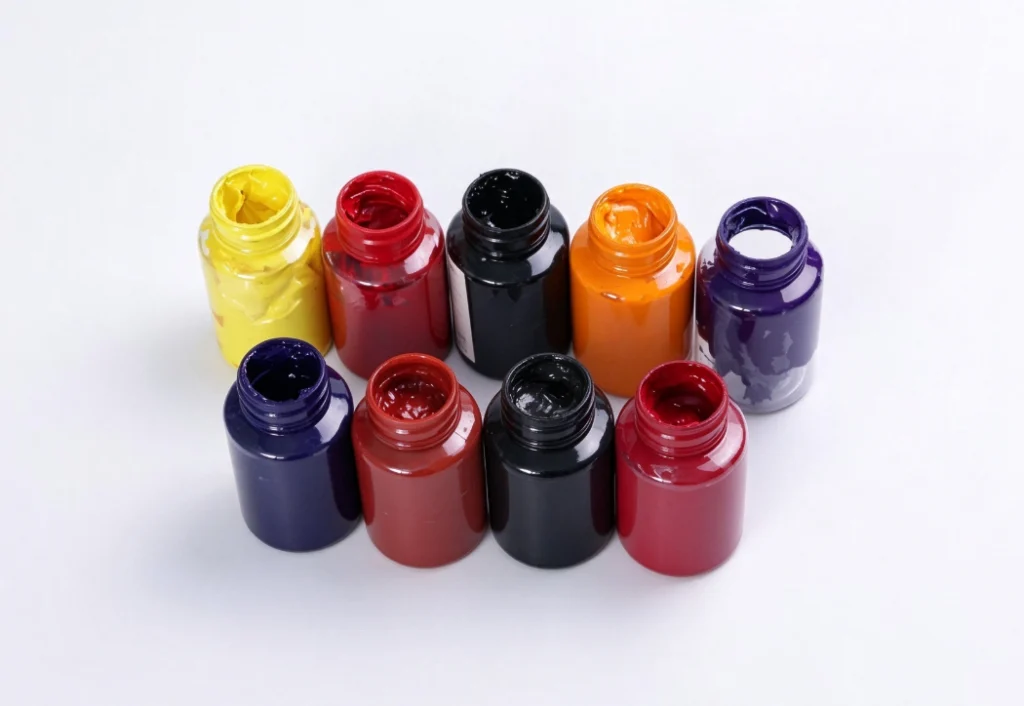
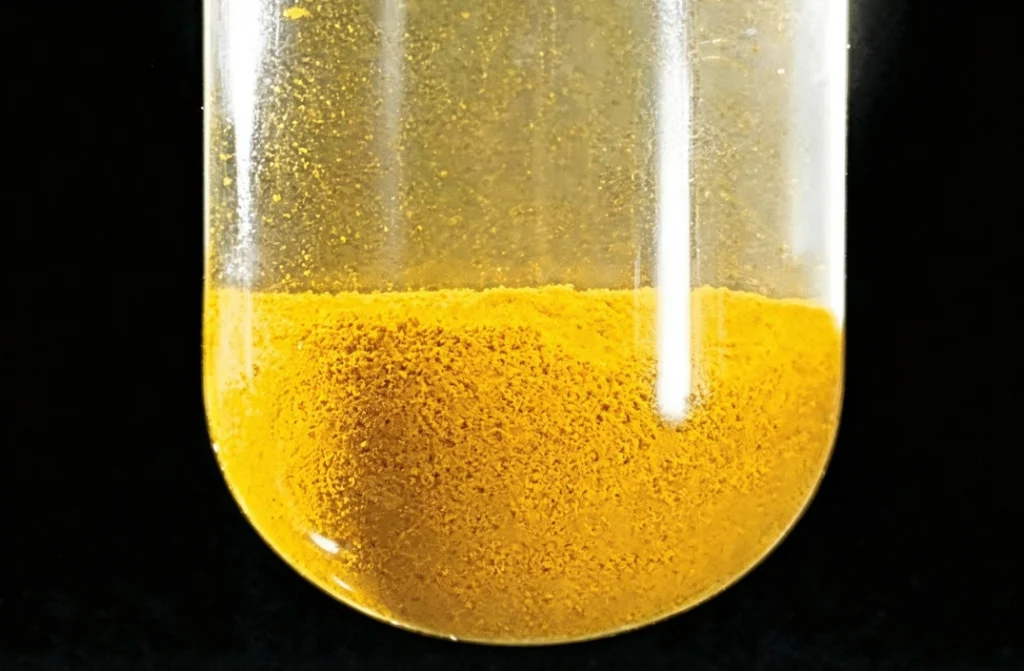
In both the wet process (coagulation and impregnation) and the dry process (transfer coating), color is decided before the PU reaches the fabric. A pigment paste or liquid colorant is introduced into the polyol side, sometimes together with a small functional additive, then mixed and carried through coating, foaming or coagulation and cure. On a manual line, an operator weighs the paste on a floor scale, adds it to a mixing or day tank, and stirs it in. That single step creates two recurring failure classes. The first is weighing error, which grows as campaigns shorten and operators rush. The second is carryover: pigment left in a line or tank shifts the next, lighter color in a direction no instrument can correct after cure.
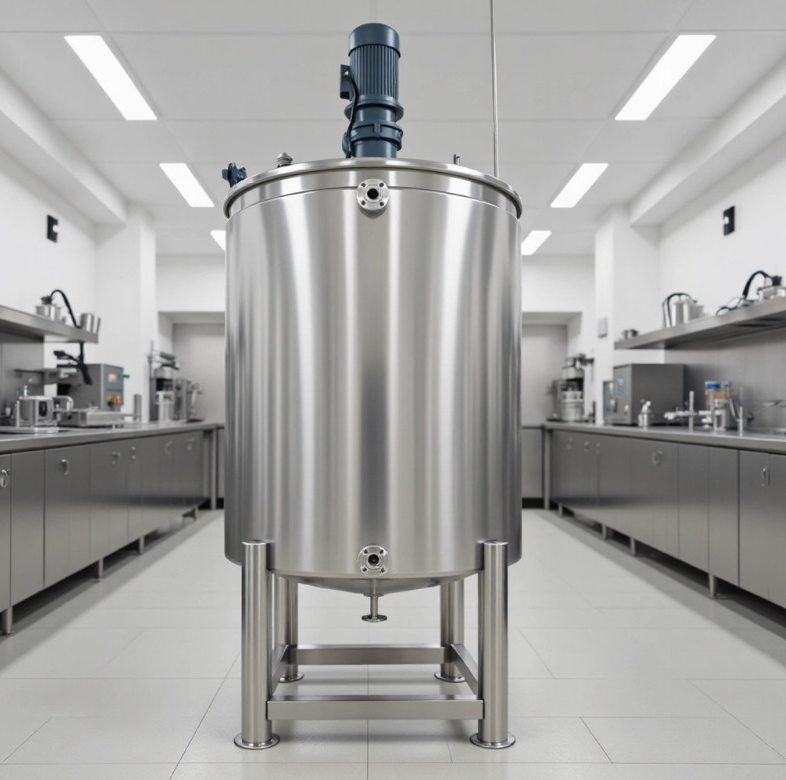
For material preparation and receiving-line interfaces, review the online color batching solution.
Pigment is effectively an additional metered stream on the polyol side, subject to the same dose-size, viscosity and pump-range constraints as any other component.
A color channel is another ingredient stream on a multi-component PU line, and it behaves by the same composition logic as the main streams. <What Is Spray Polyurethane Foam Composition And Application covers how component roles are defined before equipment streams are fixed.>
What Automated Color Batching Controls
An automated system meters color as a measured stream instead of a weighed batch addition. A typical configuration places one to three color channels, more on request, between the polyol tank and the mixing head, each channel with its own dosing pump, flow range and purge line. Metering accuracy on these channels is normally specified between ±0.3% and ±0.5% of full range, but that headline number matters less than the minimum reliable dose. If a paste must be dosed at 2 g/s while the pump’s stable floor is 5 g/s, precision in small batches drops sharply even though the full-range accuracy looks fine.
Where the requirement is to mix color additives, compare the three-color additive mixer as a separate preparation option. Its mixing duty should not be treated as equivalent to an automated online color-batching system.
The useful accuracy of a color channel is set by its smallest clean dose at production viscosity, not by the full-range rating on the datasheet. <How To Calculate Shot Weight In Polyurethane covers how the minimum practical shot is determined from end-use requirements.>
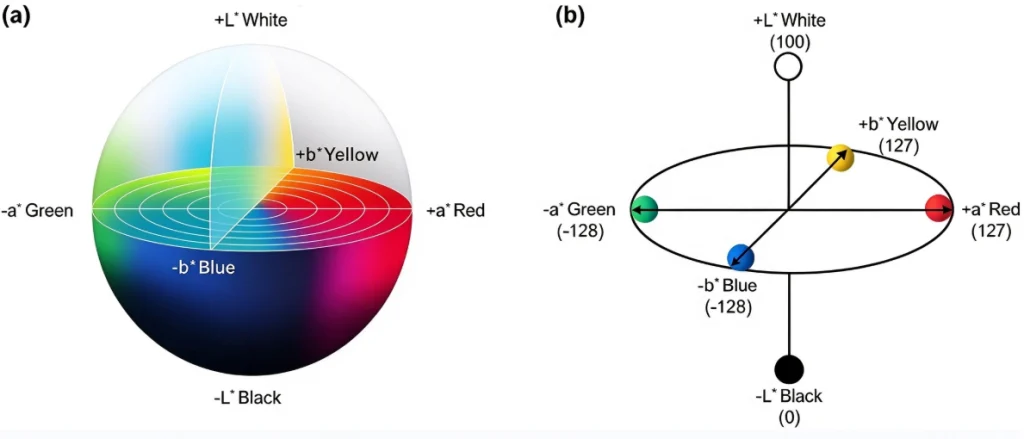
The control system stores recipes, so a color change is a selection rather than a re-weighing. Color acceptance is measured in CIELAB coordinates, with the difference between target and batch expressed as Delta E (ΔE) [1][2]. That is the metric that decides whether a match is close enough, and it is the variable automation influences most directly: a repeatable dose compresses the ΔE spread from batch to batch even before a formulator touches the recipe.
Two design details matter as much as the pump itself. First, agitation: many pastes settle, and settled pigment turns a correct channel into a starved or over-rich one. Second, purge: every color change leaves a residue film, and without a solvent-compatible purge line the next color picks it up. Recipe storage becomes useful only when both of those are reliable.
Metering repeatability shapes final properties in color work the same way it does in elastomer casting: a small, stable deviation is tolerable, a drifting one is not. <How Polyurethane Rollers Are Made From Casting To Cure covers the casting-to-cure discipline that keeps each pour consistent.>
Signals That Automation Fits
Automation earns its cost fastest under a recognizable set of conditions.
First, changeover frequency. When a line changes color several times per shift, manual weighing becomes the bottleneck no matter how fast the coating head runs. Second, tolerance pressure. Customers in automotive and export footwear specify ΔE values near or below 1.0, which is difficult to hold by hand once batches shorten. Third, a move to water-based or solvent-free PU. Closed dosing reduces open-paste handling, limits solvent exposure and creates the batch-level records that a low-VOC audit under REACH [3] or a brand ZDHC conformance check [4] will ask for. Fourth, traceability. If a customer or regulator can demand the exact pigment additions behind a finished roll, stored recipes and shot records are cheaper than reconstructing weigh-ups from paper.
None of these signals is about size alone. A large line making three colors can stay manual indefinitely; a small line changing color ten times a shift usually cannot. One pattern we see repeatedly: a solvent-free coating operation moves three pastes from manual weigh-up to metered channels with stored formulas, and the off-shade scrap that used to follow the first batches of a new color falls measurably, because the dose no longer depends on an operator reading a scale at the end of a shift.
When Manual or Semi-Automatic Batching Is the Better Call
Automation is not the default. It is the wrong answer in several situations.
If the plant runs a handful of colors in long campaigns, a careful manual weigh-up with a calibrated scale can hold an acceptable ΔE, and the automation cost never pays back. If the pigment portion is far outside a channel’s reliable dosing window, either too small to meter cleanly or so large that it no longer behaves as an additive, manual addition to the polyol tank may be more stable. If pastes settle badly and require constant manual handling anyway, adding a metering channel without solving settling solves nothing. For pilot and lab volumes, a precision syringe-style pump is usually the right level of spend, not a full color station. And if the customer’s tolerance is loose, the marginal gain from automation is small: no line should buy equipment to fix a problem the specification does not actually create.
The Fit Table: Numbers That Decide
The decision filters below are starting points, not specifications. A customer tolerance always overrides a rule of thumb.
| Deciding trigger | Manual batching holds | Automation is justified |
|---|---|---|
| Color changes per shift | A few or fewer | Roughly ten or more |
| Active recipes and SKUs | A stable handful | Dozens, still growing |
| Delta E target | Above 1.5 | 1.0 or tighter |
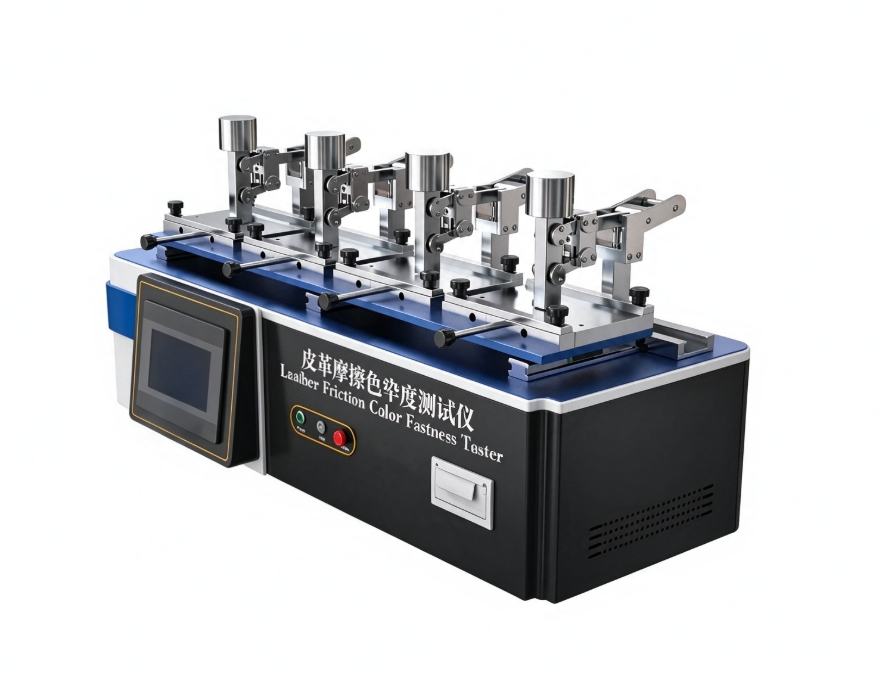
| Rubbing fastness | Basic, loosely specified | Wet-rub Grade 3–4 or brand-specified [5] |
| Resin system | Mature solvent-based | Converting to water-based or solvent-free |
| Traceability need | None | Recipe, batch or shot-level records |
| Pigment viscosity | Low and stable | Toward 10,000 mPa·s |
| Minimum color dose | Large compared with pump range | Small, near the pump’s stable floor |
Two of these rows decide more fits than the rest. Rubbing fastness is one: it is not a batching feature, but it is the customer-facing test that fails when metering drifts [5]. The other is minimum dose. A channel that cannot make a small addition cleanly will push light, subtle shades off target even when its accuracy specification looks strong, which is why the smallest clean dose deserves more attention than the headline percentage.
Specifying an Automated Color Batching System
Once the fit is confirmed, the specification should answer questions in this order.
First, how many channels are needed today and in three years, and what is each channel’s flow range against the smallest and largest real doses? Second, what is the pigment viscosity range, and do the pastes settle? Third, what purge solvent is compatible with the resin system, and how long does a clean changeover take? Fourth, does the color station link to the host line PLC over Ethernet or RS485 so recipes, batches and shots share one record? Fifth, can a pigment container be refilled without stopping the line, and does agitation run in every pigment day tank?
Comparing systems on price alone usually hides the deciding cost in the last three questions. If you are comparing metering options for a specific line, send the current color count, changeover frequency, ΔE target and pigment viscosity to Info@chinahaifeng.com. A fit review against those four numbers is usually faster than a site visit.
Get a Fit Assessment for Your Color Batching Line
If you are deciding between manual weighing, a single color channel, or a fully automated multi-channel station, the fastest path to a firm answer is to run the line against the triggers above. When you contact us, include:
- Number of colors and changeovers per shift
- Customer ΔE target and fastness requirements
- Resin system: solvent-based, water-based, or solvent-free
- Pigment viscosity and whether pastes settle
- Line speed and minimum color dose
- Traceability level needed: recipe, batch, or shot records
We review the fit against metering range, purge design, agitation and PLC integration rather than against a catalog price.
Email: Info@chinahaifeng.com · WhatsApp: 86 13566296633
FAQ
How many color channels does an automated batching system need?
Most synthetic leather plants start with three. That covers a base paste, a tinting paste and a functional additive stream. The right count is set by the recipes, not by the machine’s maximum: if four or five colorants appear regularly in production, specify the extra channels up front rather than re-plumbing later.
What metering accuracy is actually needed for synthetic leather color?
The answer depends less on the full-range percentage than on the smallest dose. A channel rated at ±0.3% full range is plenty when doses sit in the middle of the range; the same channel can miss small additions if the dose falls near its stable floor. Match the flow range to the real minimum dose, then judge accuracy at that operating point.
Does automated color batching work with water-based and solvent-free PU?
Yes, and these systems often justify automation more strongly than mature solvent-based lines do. Closed, metered dosing cuts open-paste handling and solvent exposure, and it produces the batch-level records that REACH and brand conformance audits request.
How fast is a color changeover with metered dosing?
With stored recipes and a properly specced purge line, the pigment-side change can drop to minutes. The true time depends on paste viscosity, the purge solvent and how well the channel is flushed. Changeover speed comes from purge design, not from the pump rating.
What happens if pigment settles in the day tank?
Settling turns a correct dose into an unreliable one: the pump can draw too little pigment early and too much later as the tank is stirred or emptied. Specify agitation in every pigment day tank, and run a settling test on each paste before the channel is sized. If a paste settles fast, agitation is part of the color system, not an accessory.
References
[1] ISO 11664-4:2008, Colorimetry — Part 4: CIE 1976 L*a*b* Colour Space, International Organization for Standardization, Geneva, Switzerland, 2008.
[2] ISO/CIE 11664-6:2022, Colorimetry — Part 6: CIEDE2000 Colour-Difference Formula, International Organization for Standardization, Geneva, Switzerland, 2022.
[3] European Parliament and Council, Regulation (EC) No 1907/2006 concerning the Registration, Evaluation, Authorisation and Restriction of Chemicals (REACH), Official Journal of the European Union, 2006.
[4] ZDHC Foundation, Manufacturing Restricted Substances List (MRSL), Version 3.1, 2023.
[5] ISO 105-X12:2016, Textiles — Tests for Colour Fastness — Part X12: Colour Fastness to Rubbing, International Organization for Standardization, Geneva, Switzerland, 2016.
If you’re interested, check out these related articles:
What Is Spray Polyurethane Foam Composition And Application
What Is Semi Rigid Polyurethane Foam