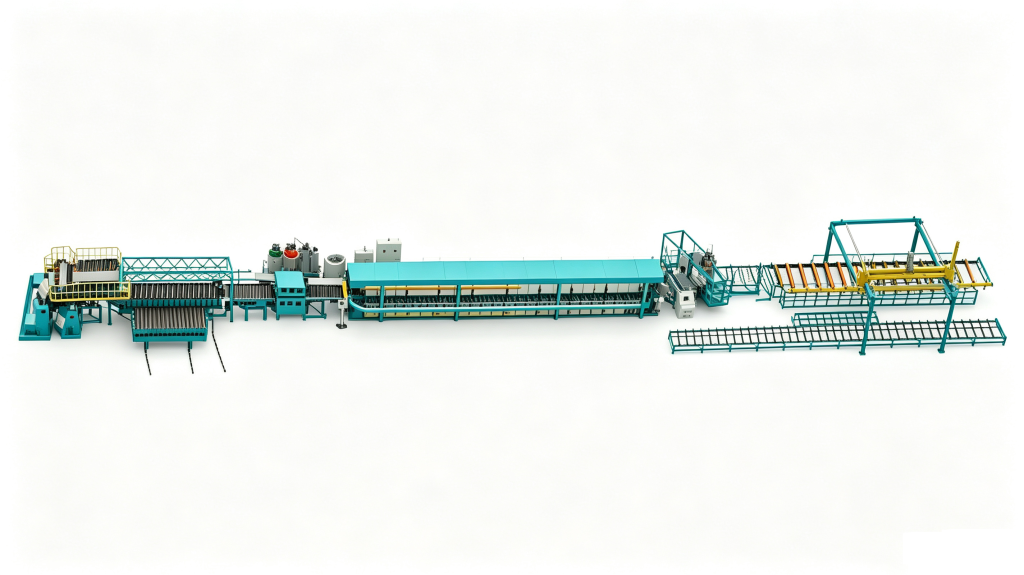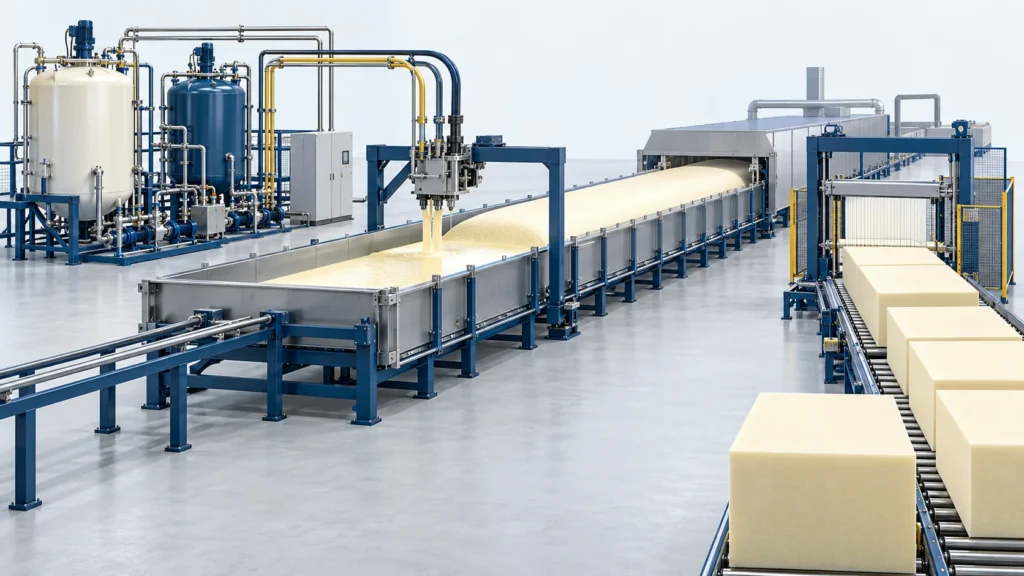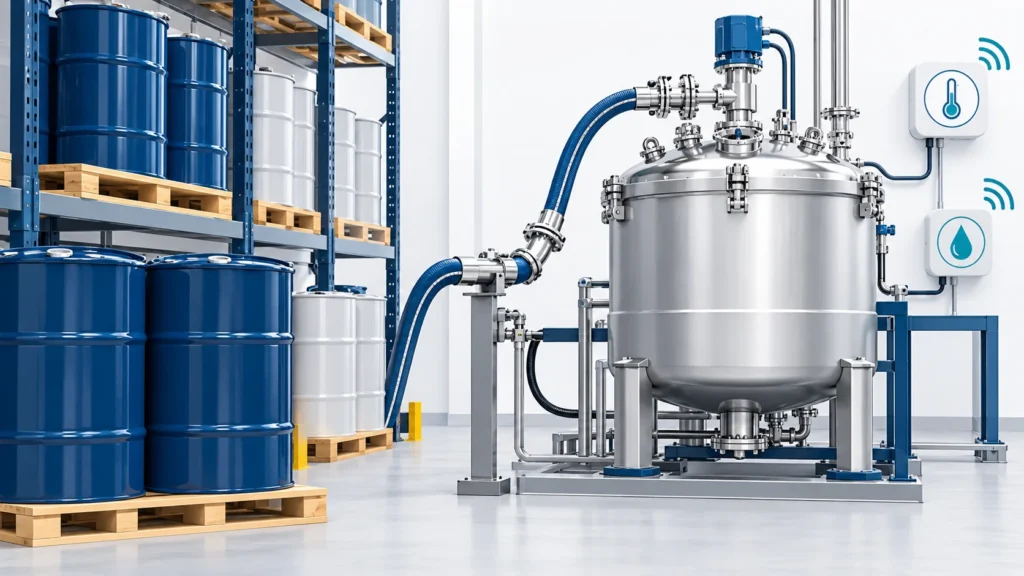

The term polyurethane foam injection machine can describe several ways of delivering a reacting polyurethane mixture. The key equipment decision is how the mixture enters the tool, how it flows before expansion, and how the mold must be supported. Define the forming route first, then specify the metering and injection equipment.
Find the tool interface before selecting a PU injection machine
| Route | How material is delivered | What to validate |
|---|---|---|
| Open pouring | The head pours into an open mold, which may be closed after dosing. | Material distribution, mold handling, time to close when required, and complete fill at the tool edges. |
| Closed-cavity foam filling | The mixture enters an assembled cavity through a defined port. | Fill path, venting, sealing, fixture support and shape after demolding. |
| Reaction injection molding | A reactive PU formulation flows into a closed mold and reacts in the tool. | Runner or gate design, purge and restart, venting, tooling conditions and the properties of the finished part. |
In RIM, reactive liquids can be used to form solid or cellular parts, as described in Covestro’s reaction injection molding guide. A conventional thermoplastic injection machine processes a polymer melt, so the terms may refer to different equipment families. A polyurethane molding machine quote should specify the actual materials and forming sequence. See Haifeng’s RIM process guide for the closed-mold process.

When does a high-pressure PU injection machine fit?
High pressure at the mixhead can provide the mixing energy for a specified polyurethane formulation. Evaluate the pressure and flow range on the approved components. Independently confirm the expected pressure in the cavity and the force needed to close and support the mold. Request a fixture review from the tooling supplier using the actual part and process. Haifeng’s high-pressure foaming machine guide explains the mixing system in more detail.
For large cavity filling, specify where the mixture enters, how the displaced air leaves, and how the faces are supported throughout curing. For an open pour, ask how the mixhead moves during the shot and what the closing sequence allows. Use the guide to pouring and mixing heads when comparing head designs.
Use the worst-case parts to agree acceptance
- Run the minimum stable shot, the greatest fill distance and the highest planned production temperature the formulation supplier approves.
- Measure shot mass and ratio, fill time, complete tool cycle and first acceptable part after a planned stop.
- Agree which samples are cut to inspect internal fill and density, where critical dimensions are measured, and how long the part sits before inspection.
- Separate the dosing unit, mold tooling, valves, fixtures, automation and startup support in the equipment quote.
Send your drawing, material data and required shift output for an equipment review