
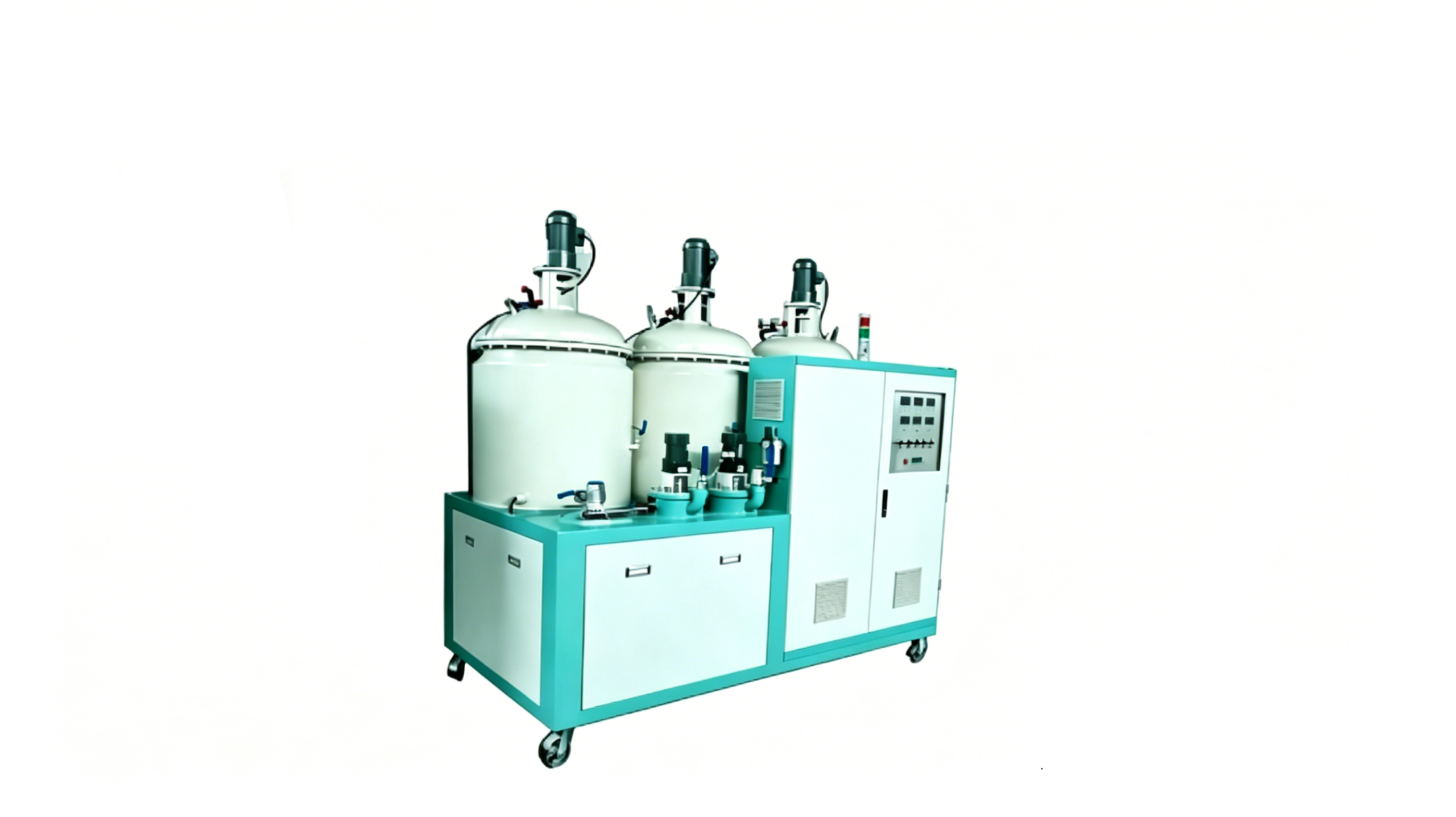
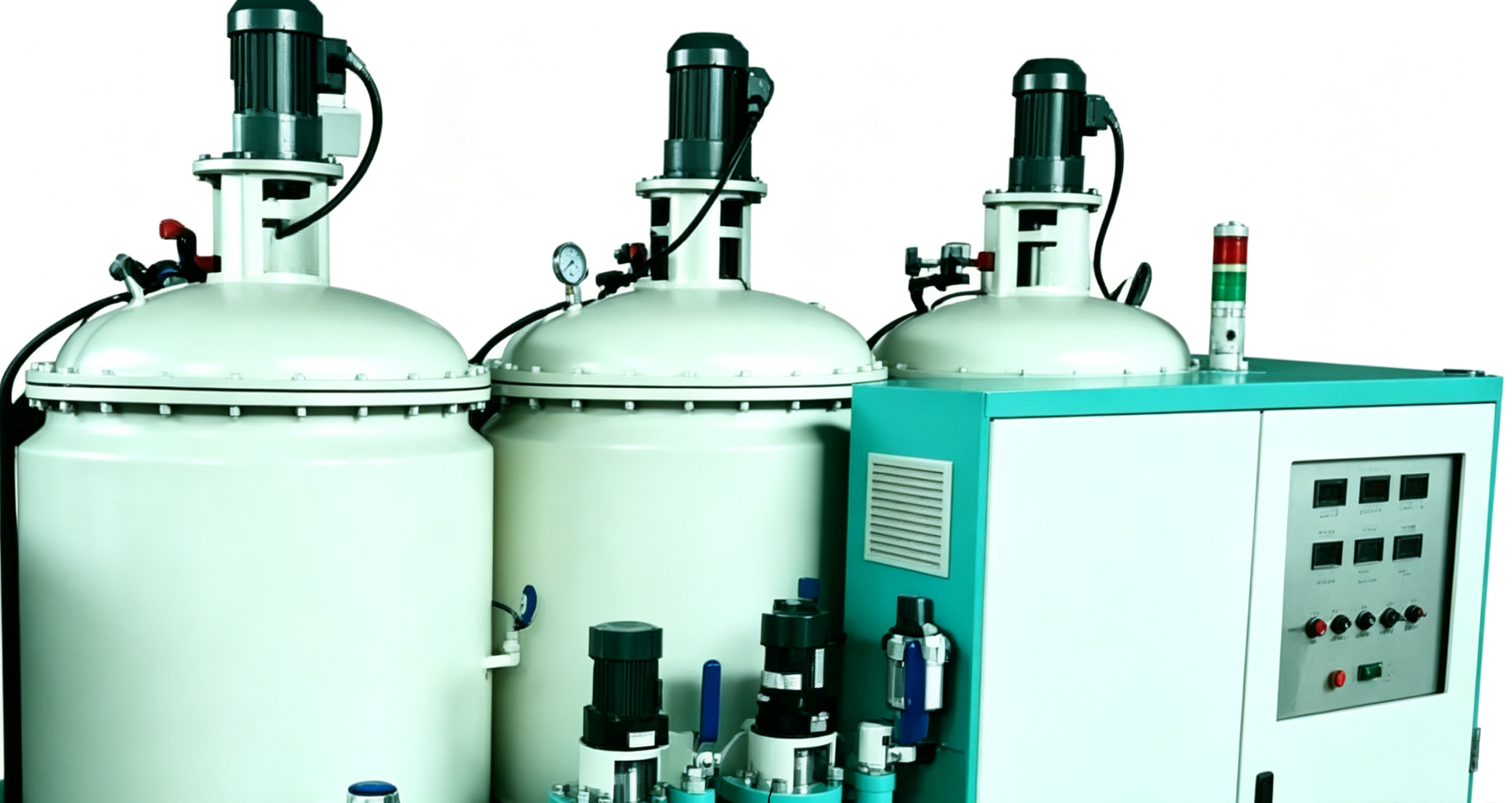
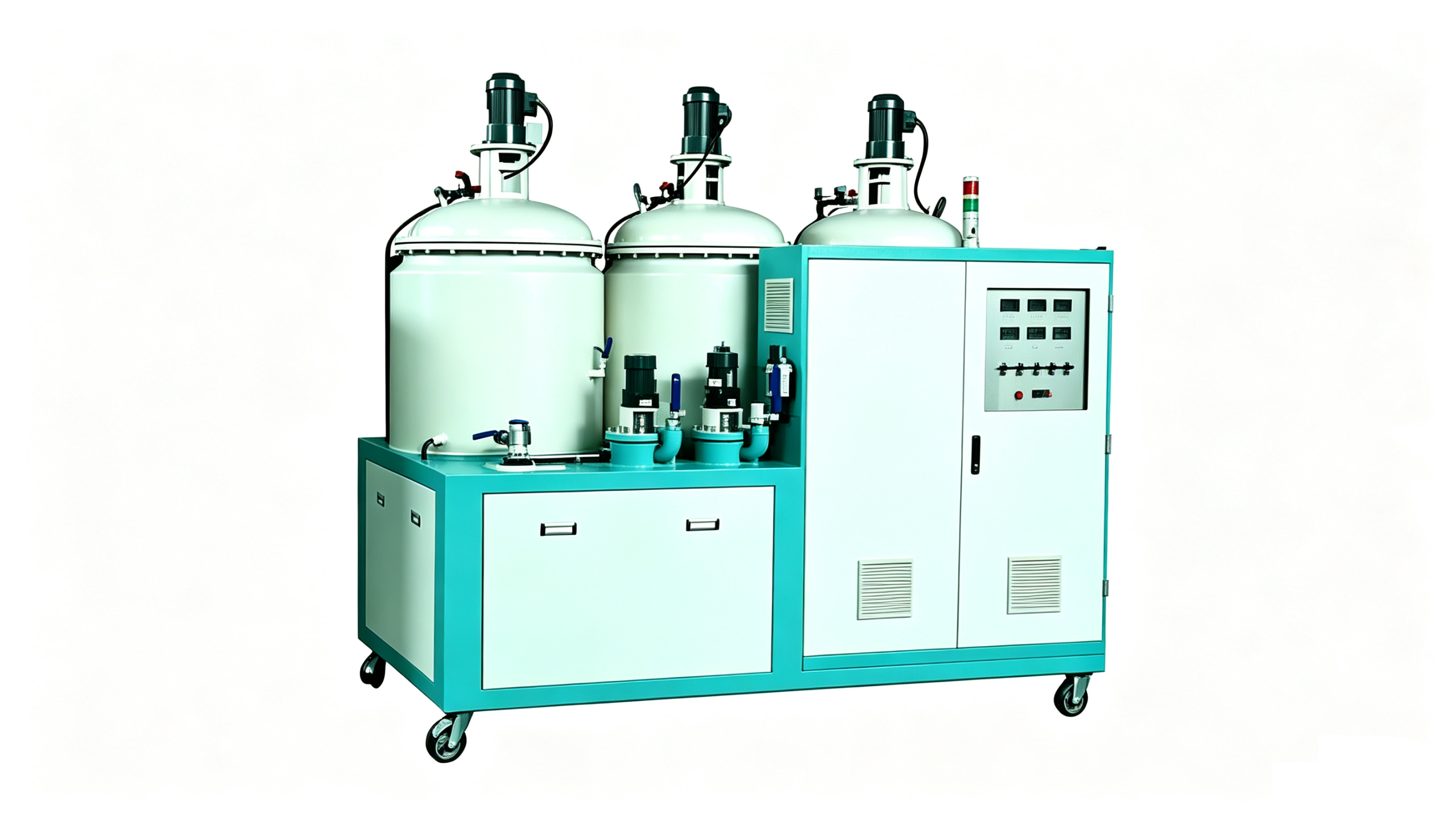
Low-Pressure PU Foaming Machine | Shoe Production
Low-pressure PU metering and mechanical mixing for configured footwear molding. Select casting or direct-injection tooling; any spraying arrangement is specified separately.
Discharge Flow Rate
30–150 g/s (adjustable)
Mix Ratio (A:B)
A:B = 100:40–120
Metering Accuracy Reference
±0.3%
Tank Capacity
220 L
Product Overview and Selection
Review the application, material or workpiece, tooling interfaces and selected equipment scope before choosing a configuration.
The HF-LPM-2A1B-F is a low-pressure PU system for footwear material delivery. The listed configuration has a 30–150 g/s flow range, 220 L tank reference and PLC recipe control. Casting, injection and any spraying configuration have different tooling and operating requirements.
Match the selected material, shot requirement, ratio, mold filling and cure conditions before selecting the head and handling interfaces. Mechanical mixing speeds listed for the configured low-pressure modes are not high-pressure impingement-mixing specifications.
Circular or banana-shaped mold handling, pneumatic opening and robotic pouring are project options. Define which functions, tools and manual tasks are supplied. Finished footwear appearance, bonding and performance require material- and product-specific validation.
Production Workflow
Material Preparation & Recipe Selection
Load polyol and isocyanate into the 220L tank; select the desired recipe (casting/injection/spraying) on the PLC touch screen and set ratio (100:40‑120) and flow (30‑150 g/s).
Mixing Mode Selection
Choose the appropriate processing mode—casting (open mold), injection (closed mold), or spraying (atomized coating)—and adjust mixing head speed accordingly.
Material Delivery & Pouring/Injection/Spraying
The machine precisely meters and mixes the two components, then delivers the PU material into the mold or onto the workpiece via the selected method.
Curing, Demolding & Cleanup
Allow the PU to foam and cure; demold the integrated shoe; automatic cleaning cycle prepares the system for the next production run.
Need a quote for your footwear equipment?
Request a QuoteTechnical Specifications
Specifications are based on standard configurations. Customizable component counts (2‑6) and optional automated assembly line solutions available.
| Technical Parameter | HF-LPM-2A1B-F |
|---|---|
| Discharge Flow Rate | 30–150 g/s (adjustable) |
| Raw Material Mix Ratio | A:B = 100:40–120 |
| Tank Volume | 220 L |
| Motor Power | 11 kW |
| Mixing Head Rotational Speed | Casting: 4,000–10,000 rpm (adjustable)Injection: 10,000–18,000 rpm (adjustable)Spraying: 2,000–8,000 rpm (adjustable) |
| Metering Accuracy | ±0.3% |
| Core Features | Short production workflow, wide product compatibility, stable product quality, intelligent control, high automation level |
| Warranty Period | 1 year |
| Net Weight | 1,500 kg |
| Certifications | Confirm applicable documents for the quoted configuration |
| Brand Name | Haifeng |
Equipment Functions and Configuration
Functions and options are selected for the material, tooling and tasks included in the order.
Direct Injection Against Prepared Uppers
The specified direct-injection route molds a sole against a prepared upper. Bonding, assembly stages and production comparisons are assessed for that route rather than assumed for every machine mode.
Process-Specific Filling Interfaces
Casting uses the selected sole mold; direct injection forms the sole against a prepared upper. Any spraying function requires a separately specified assembly and operating arrangement.
Sole Structure and Changeover Review
Specify color, density zones, material circuits, molds and cleaning requirements independently. A model designation or recipe-memory function does not establish every layer or color combination.
PLC Monitoring and Recipe Control
Configured controls monitor pressure, temperature and flow and support recipe records. Data export, continuous-duty requirements and remaining operator tasks follow the supplied control package.
Metering and Mixing Controls
The listed ±0.3% reference and mechanical mixing support controlled processing under the specified conditions. Void content, surface appearance and batch properties require footwear trials and tests.
Configured Automation Interfaces
Automation scope is selected for molds, upper handling, output and staffing. Cycle or labor improvements require a defined baseline and trials; risks are not assumed to be eliminated.
Need help selecting your equipment configuration?
Share your product, materials, tooling and production target. Equipment scope and commissioning requirements are agreed for each project.
Compare Footwear Equipment
Browse footwear equipment by material, tooling and task. These listings do not establish compatibility or the supplied production-line scope.
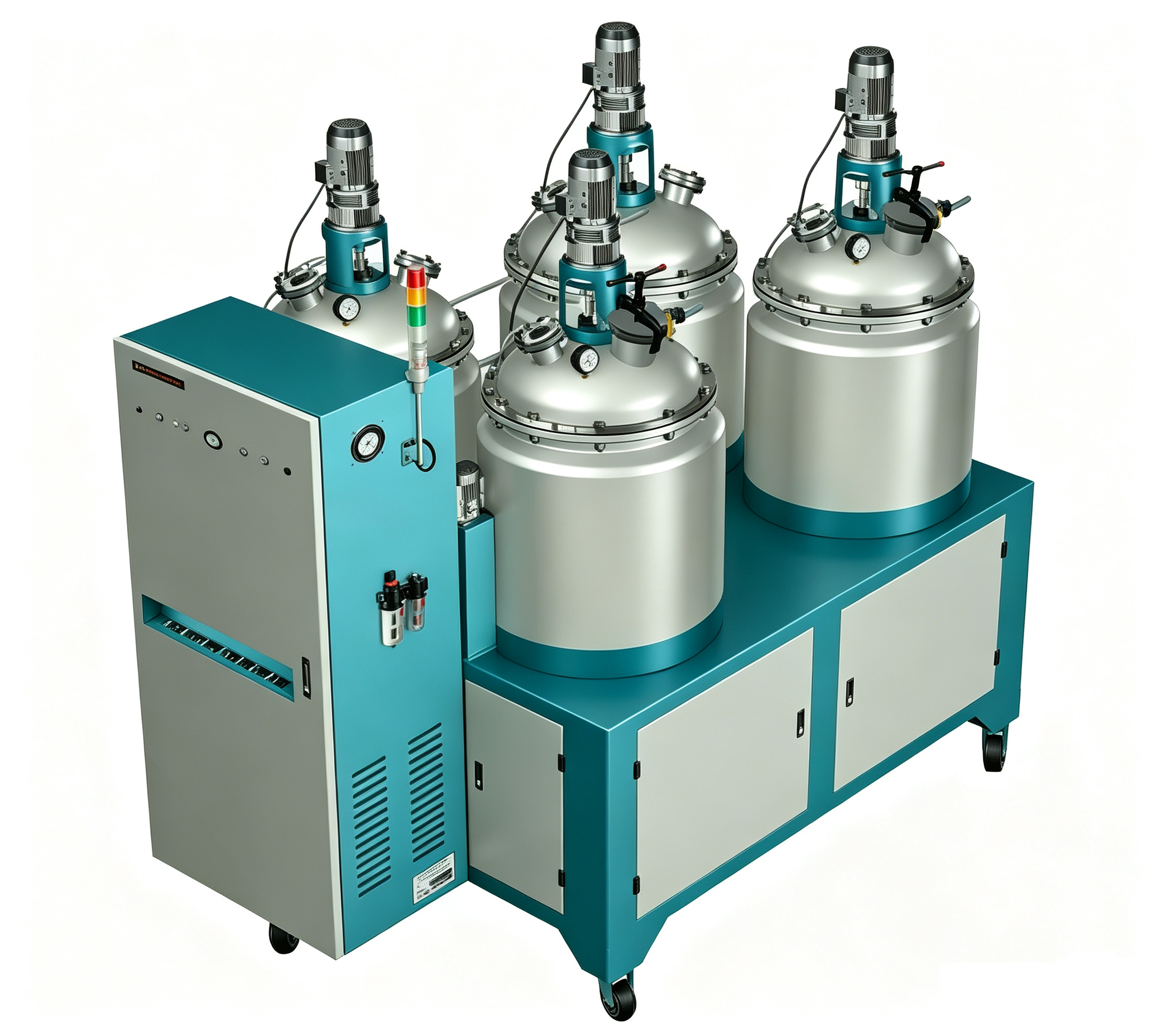
Low-Pressure PU Foaming Machine | Shoe Soles
Metering, Mixing & Resin Casting Equipment
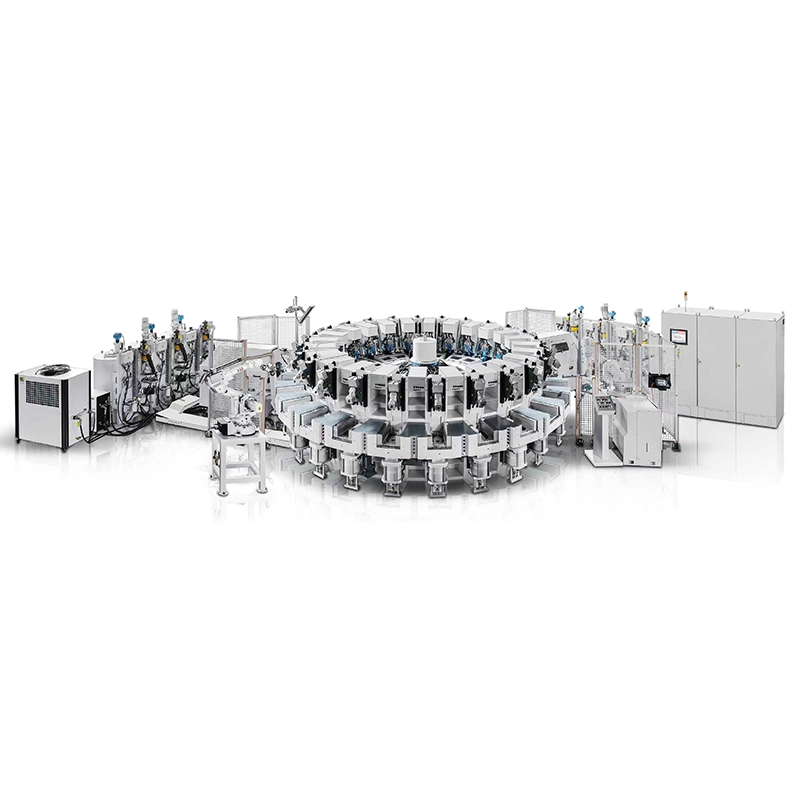
PU/PU Rotary Injection Machine | Multicolor Soles
Footwear Injection & Forming Equipment
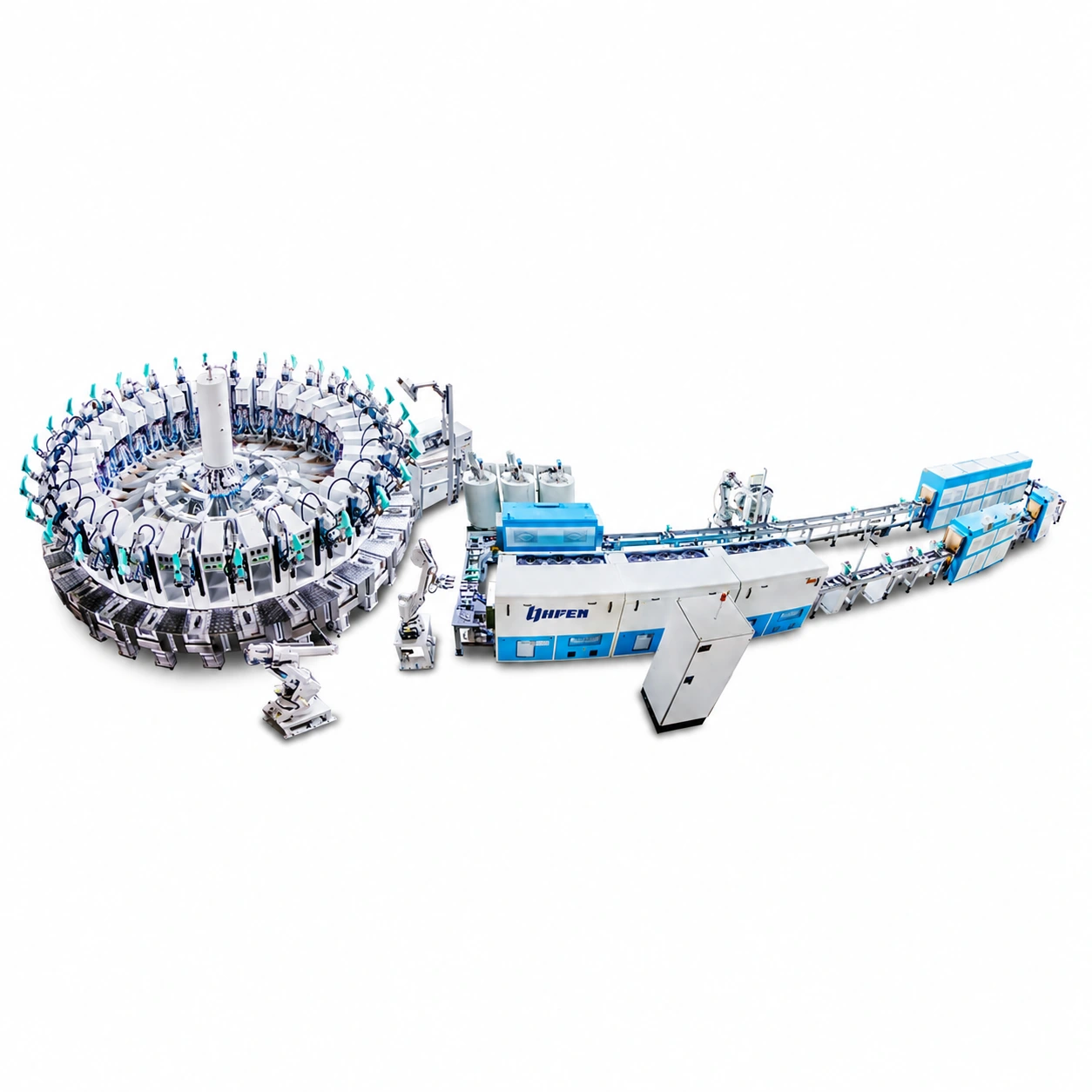
Automated Direct Injection Line | Footwear
Footwear Injection & Forming Equipment
Equipment Selection FAQ
How do casting, direct injection and spraying differ?
Can the unit support dual-density or dual-color soles?
Which footwear applications can be reviewed?
How is finished footwear quality assessed?
How is installation and training scheduled?
Ready to discuss your project?
Contact Our Team


