
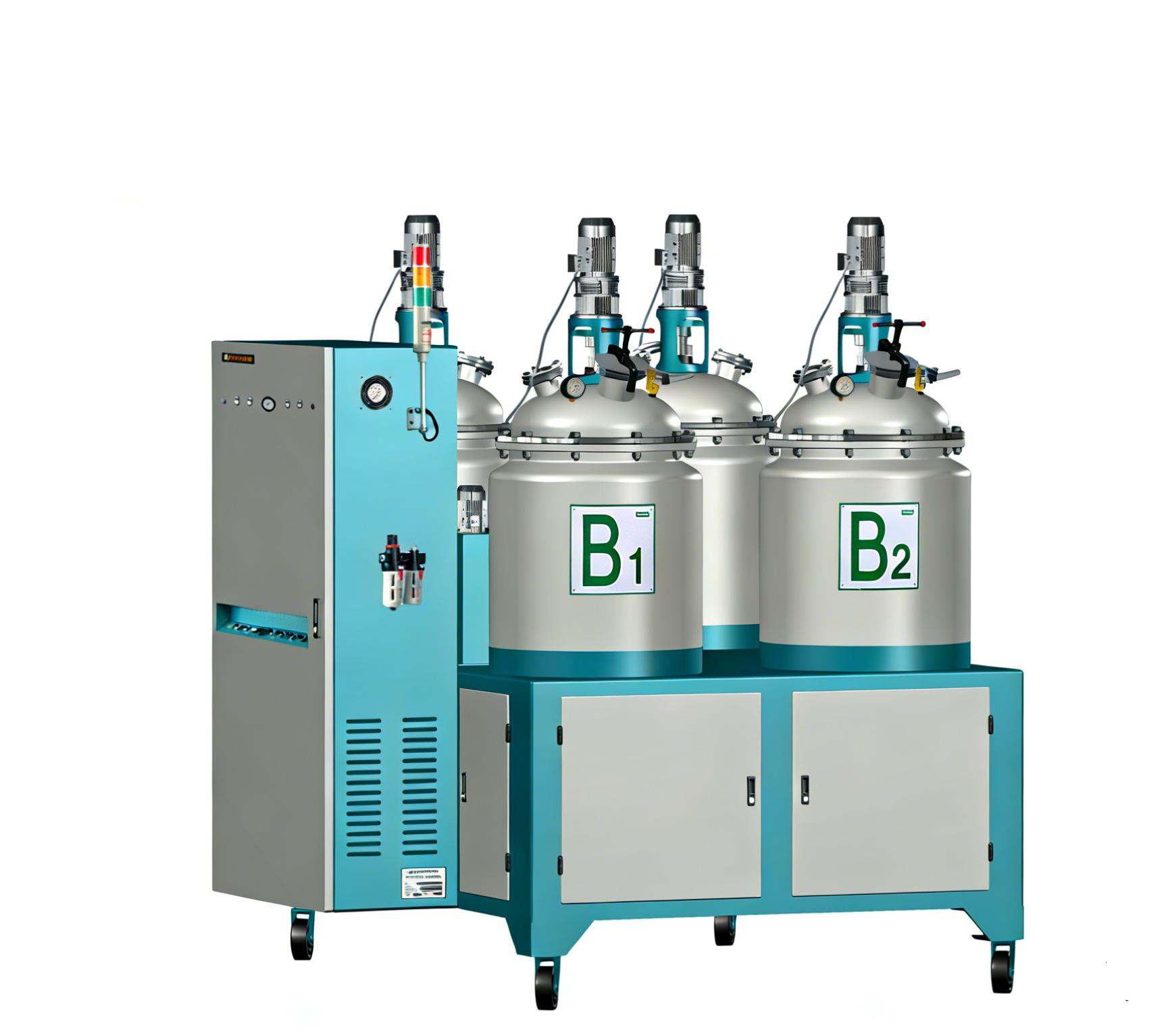
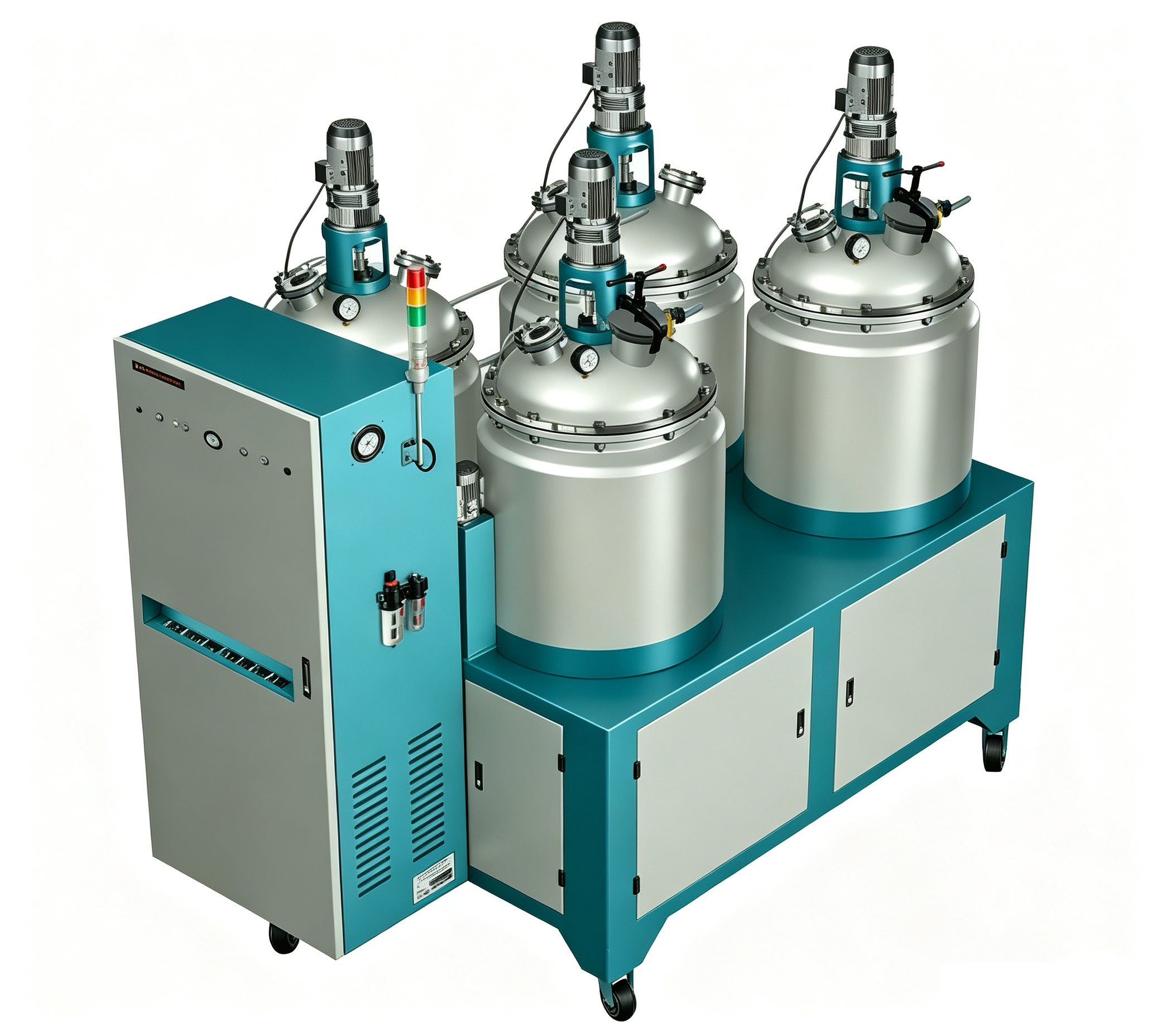
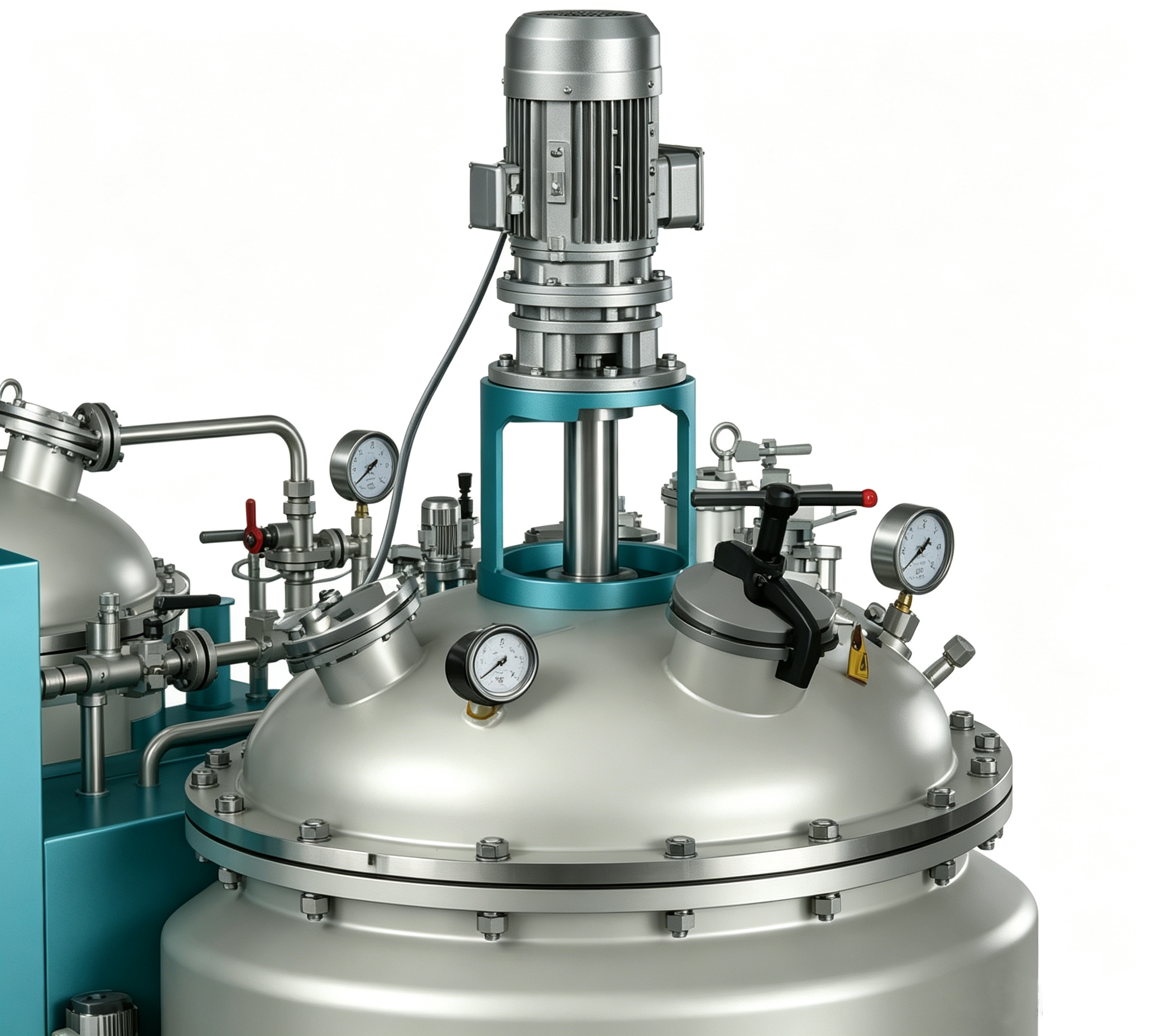
Low-Pressure PU Foaming Machine | Shoe Insoles
Low-pressure PU metering and mechanical mixing for insoles and midsoles, with needle-valve head cleaning, recipe control and configured color-change interfaces.
Discharge Flow Rate
30–85 g/s (adjustable)
Mix Ratio (A:B)
A:B = 1:1–1:4 (adjustable)
Metering Accuracy Reference
±0.3%
Tank Capacity
120 L per tank
Product Overview and Selection
Review the application, material or workpiece, tooling interfaces and selected equipment scope before choosing a configuration.
The HF-LPM-2A1B-F insole configuration combines low-pressure metering, mechanical mixing, material conditioning and PLC recipe control. Listed references include a 30–85 g/s working flow range, 120 L tanks and ±0.3% metering accuracy under the agreed conditions.
Select the formulation, shot weight, insole geometry, mold cavities and cure residence together. Needle-valve cleaning, color changes, automatic mold opening and pouring robots are reviewed for the intended product mix and supplied handling arrangement.
The existing 3–5 minute changeover reference applies to the agreed materials and cleaning sequence. Rebound, breathability, antimicrobial requirements and other functional properties are assessed on the actual formulation and finished insole rather than inferred from the machine name.
Production Workflow
Material Preparation & Recipe Selection
Load polyol and isocyanate into 120L tanks; select desired recipe on PLC touch screen and set ratio (1:1‑1:4) and flow (30‑85 g/s).
Configured Color or Material Changeover
Where required, follow the selected cleaning-valve and low-residence-head procedure. Define changeover time using the intended materials, residual-color limits and accepted first insole.
Precision Pouring into Molds
Mixed PU material is poured into open/semi‑closed molds via self‑cleaning needle‑valve injection head; residual material automatically scraped clean after each shot.
Curing, Demolding & Automatic Cleaning
Allow insole to cure; demold finished part; self‑cleaning mechanism and low‑residence channels prepare the head for the next cycle, preventing blockages.
Need a quote for your footwear equipment?
Request a QuoteTechnical Specifications
Specifications are based on standard configurations. Customizable component counts (2‑6) and optional automated production line integration available.
| Technical Parameter | HF-LPM-2A1B-F |
|---|---|
| Discharge Flow Rate | 30–85 g/s (adjustable) |
| Raw Material Mix Ratio | A:B = 1:1–1:4 (adjustable) |
| Raw Material Tank Volume | 120 L per tank |
| Total Motor Power | 8 kW |
| Mixing Head Rotational Speed | 4,000–10,000 rpm (adjustable) |
| Metering Accuracy | ±0.3% |
| Overall Machine Weight | 1,000 kg |
| Warranty Period | 1 year |
| Compliance Certifications | Confirm applicable documents for the quoted configuration |
Equipment Functions and Configuration
Functions and options are selected for the material, tooling and tasks included in the order.
Color and Material Changeovers
The low-residence head and cleaning valves support configured changeovers. Time and residue quantities depend on the actual materials, color sequence, cleaning method and accepted first-part quality.
Needle-Valve Head Cleaning
The described needle-valve arrangement removes residual material after a shot. Verify cleaning, reaction time and start-stop performance for the selected insole formulation.
Controlled Small-Flow Delivery
Check component delivery, recipe ratio and shot repeatability within the listed 30–85 g/s working range. The ±0.3% reference requires an agreed measured quantity and calibration method.
High Automation Compatibility
Integrates with circular/banana‑type production lines, pneumatic automatic mold opening/closing systems, and robotic casting arms for highly automated continuous production, greatly reducing labor costs.
Energy‑Saving, Low Consumption & Easy Maintenance
Compact layout with only 8 kW rated power for low operating energy costs. Modular pipeline design allows users to clean and replace sealing parts independently, with significantly lower maintenance costs than high‑pressure machines.
Insole Formulation Review
Select and trial the intended PU system for memory, rebound, support or other insole requirements. Antimicrobial, breathability and medical-use claims require finished-product validation.
Need help selecting your equipment configuration?
Share your product, materials, tooling and production target. Equipment scope and commissioning requirements are agreed for each project.
Compare Footwear Equipment
Browse footwear equipment by material, tooling and task. These listings do not establish compatibility or the supplied production-line scope.
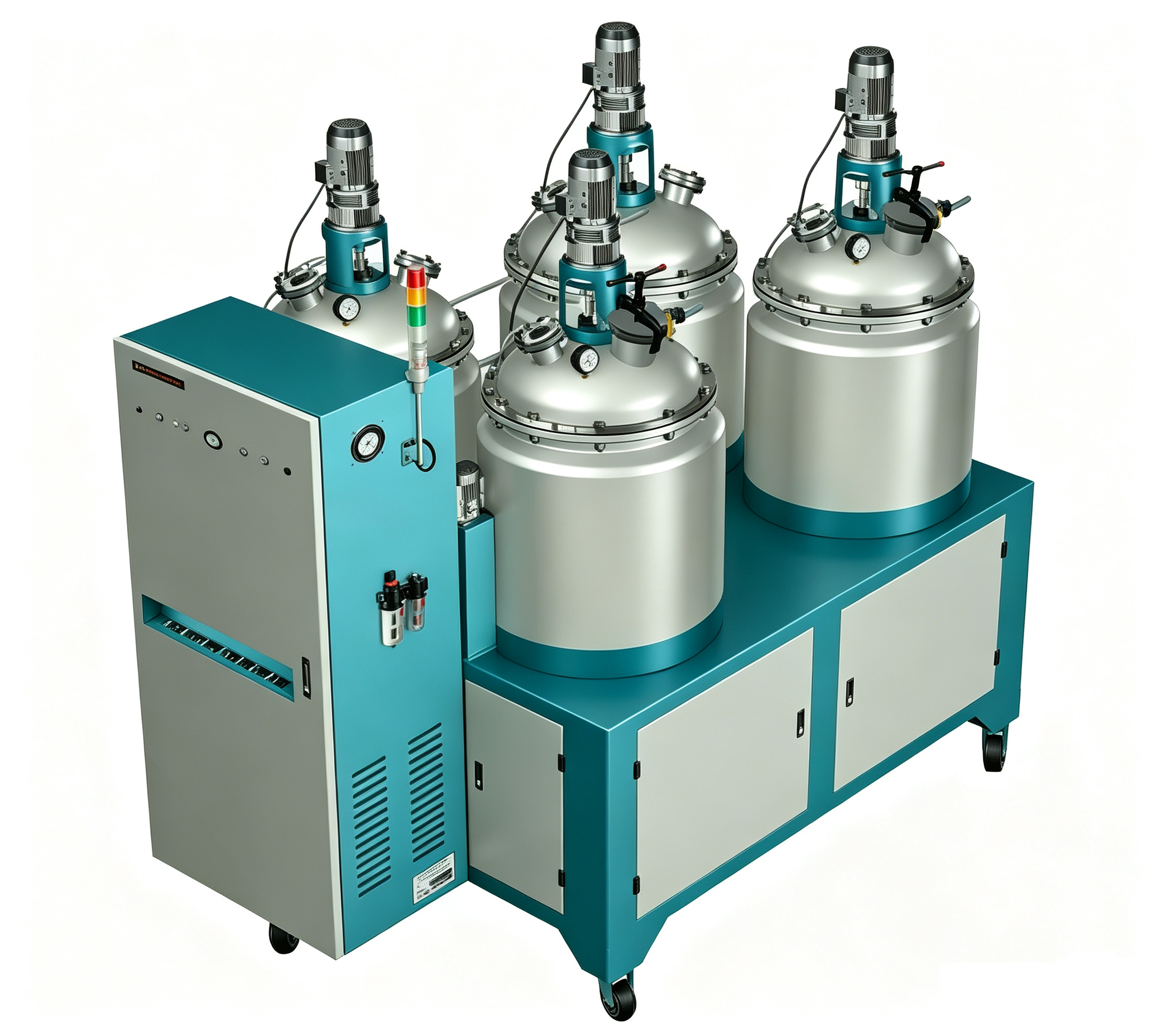
Low-Pressure PU Foaming Machine | Shoe Soles
Metering, Mixing & Resin Casting Equipment
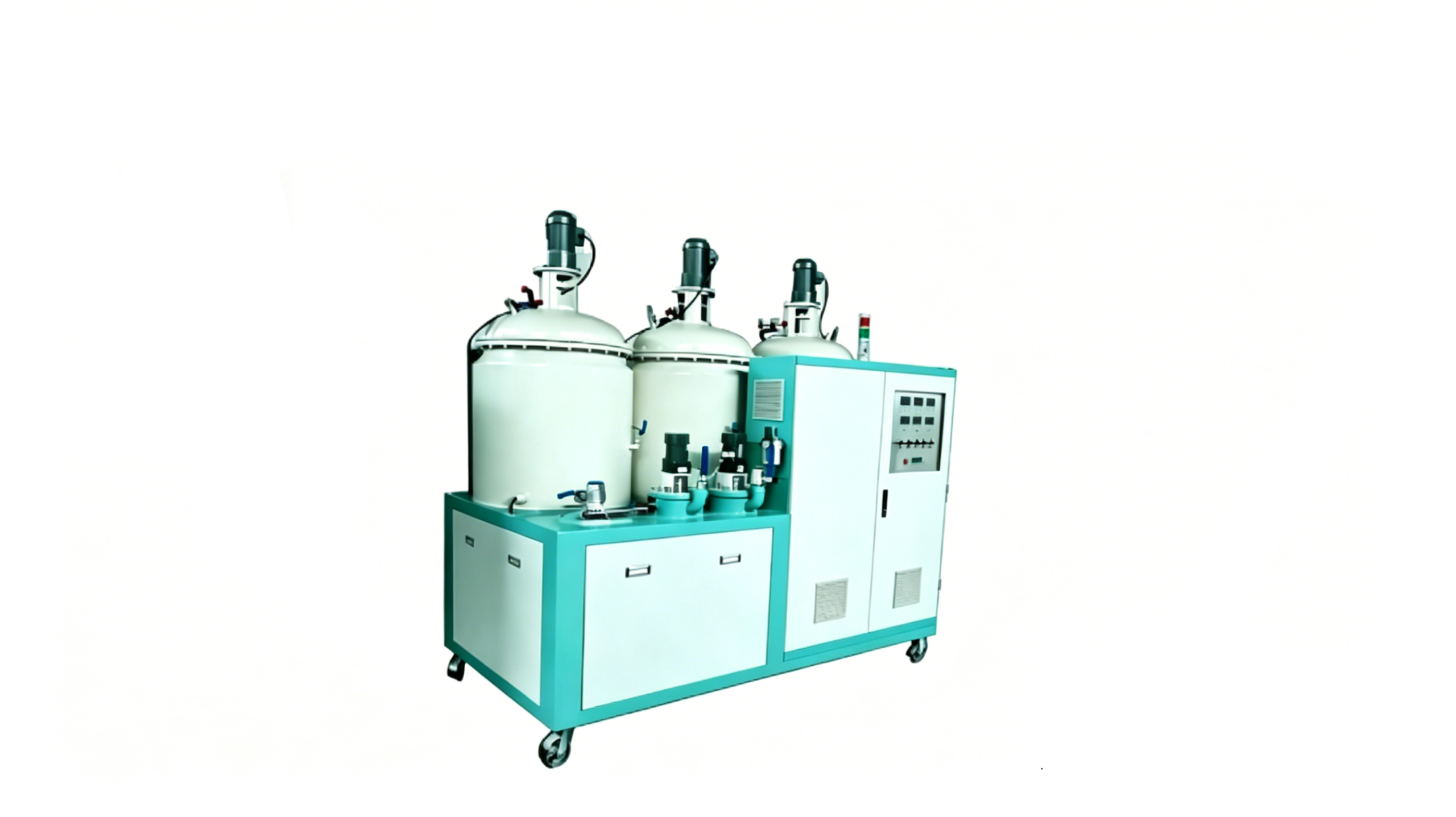
Low-Pressure PU Foaming Machine | Shoe Production
Metering, Mixing & Resin Casting Equipment
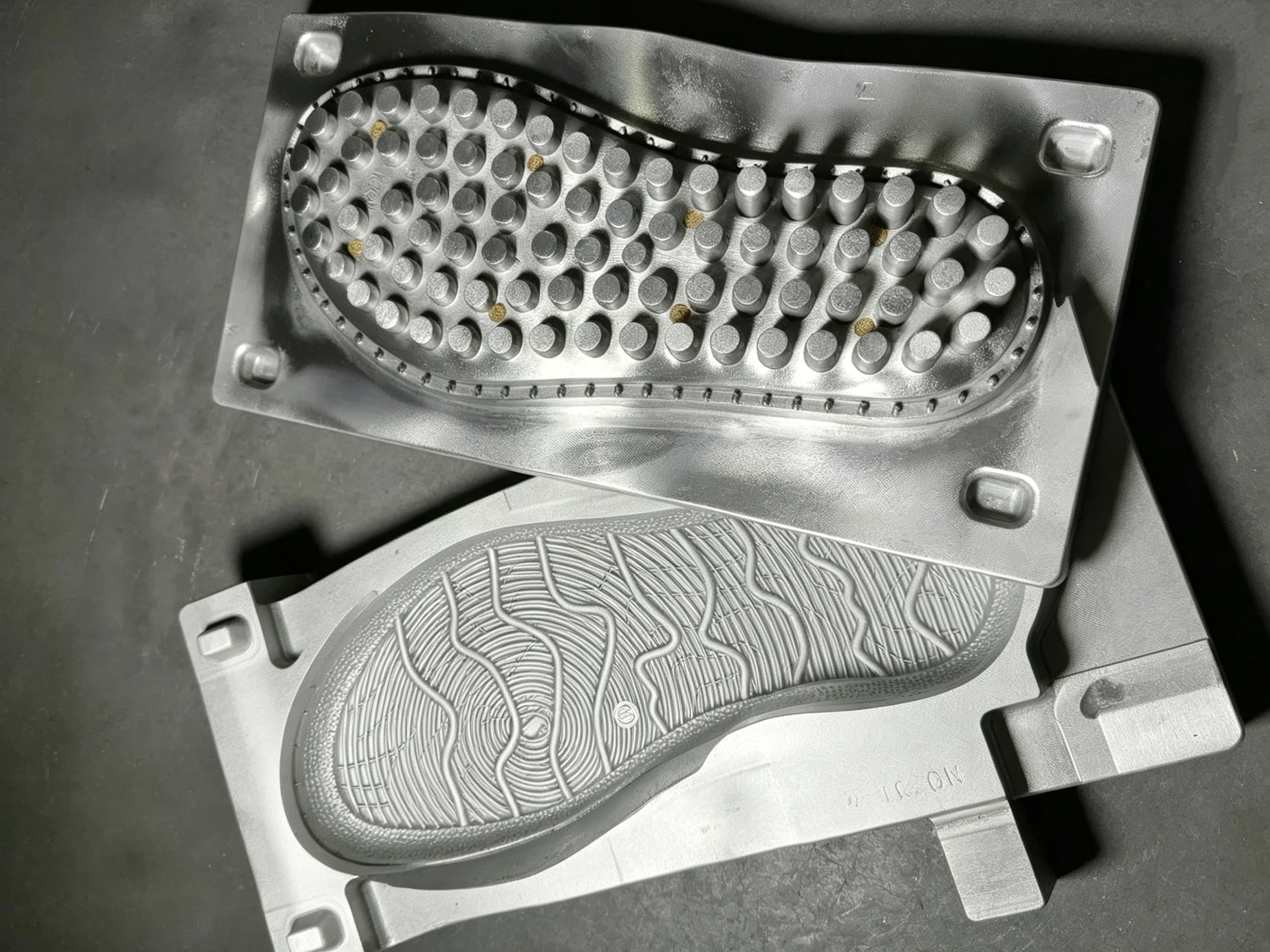
PU Sole Pouring Mold | Footwear
Footwear Moulds
Equipment Selection FAQ
How is an insole formulation selected?
What determines color or material changeover time?
How is the mixing head cleaned and controlled?
Can this machine be integrated with automated production lines?
How are installation and training arranged?
Ready to discuss your project?
Contact Our Team


