
PU Sole Pouring Mold | Footwear
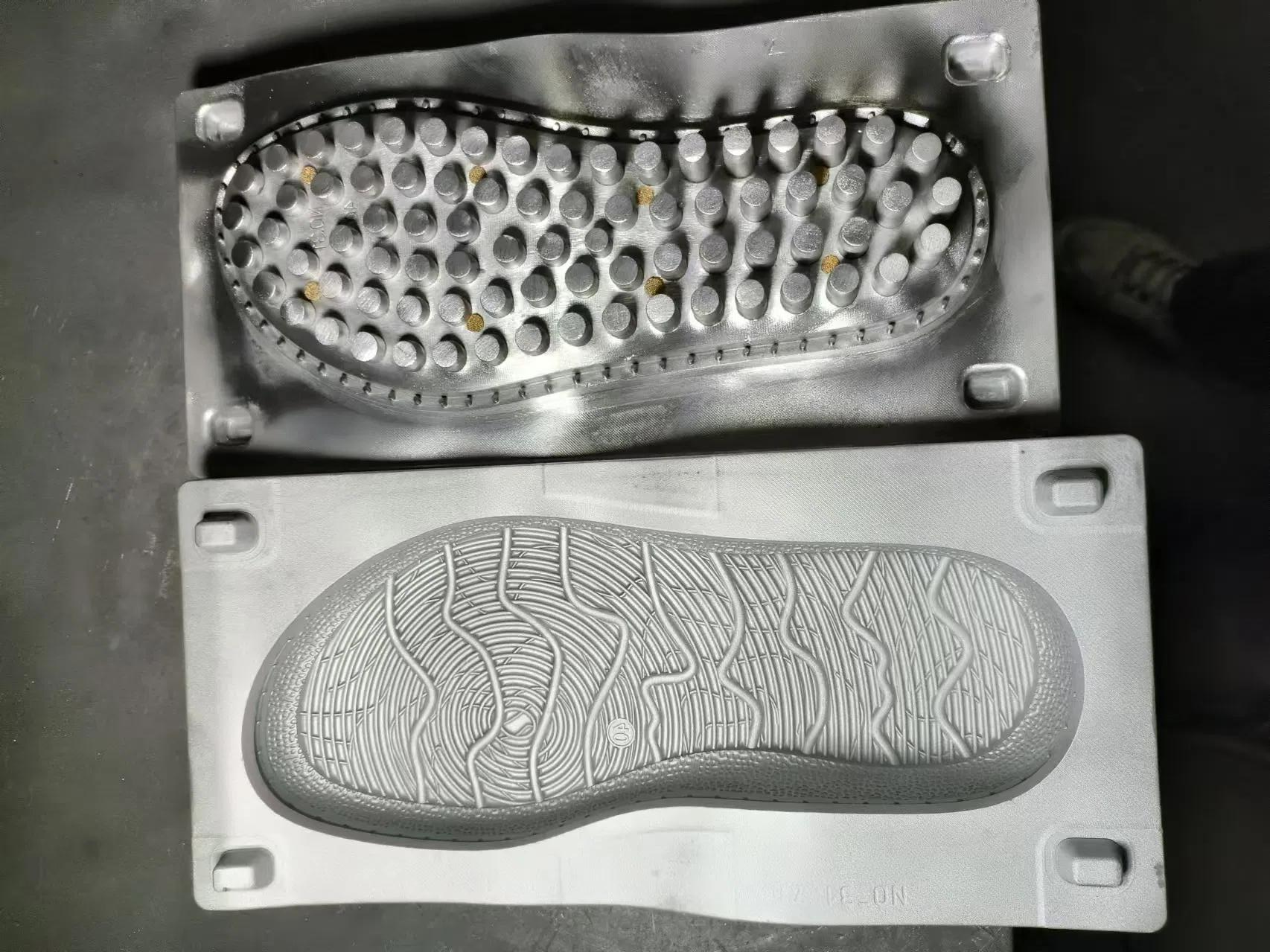
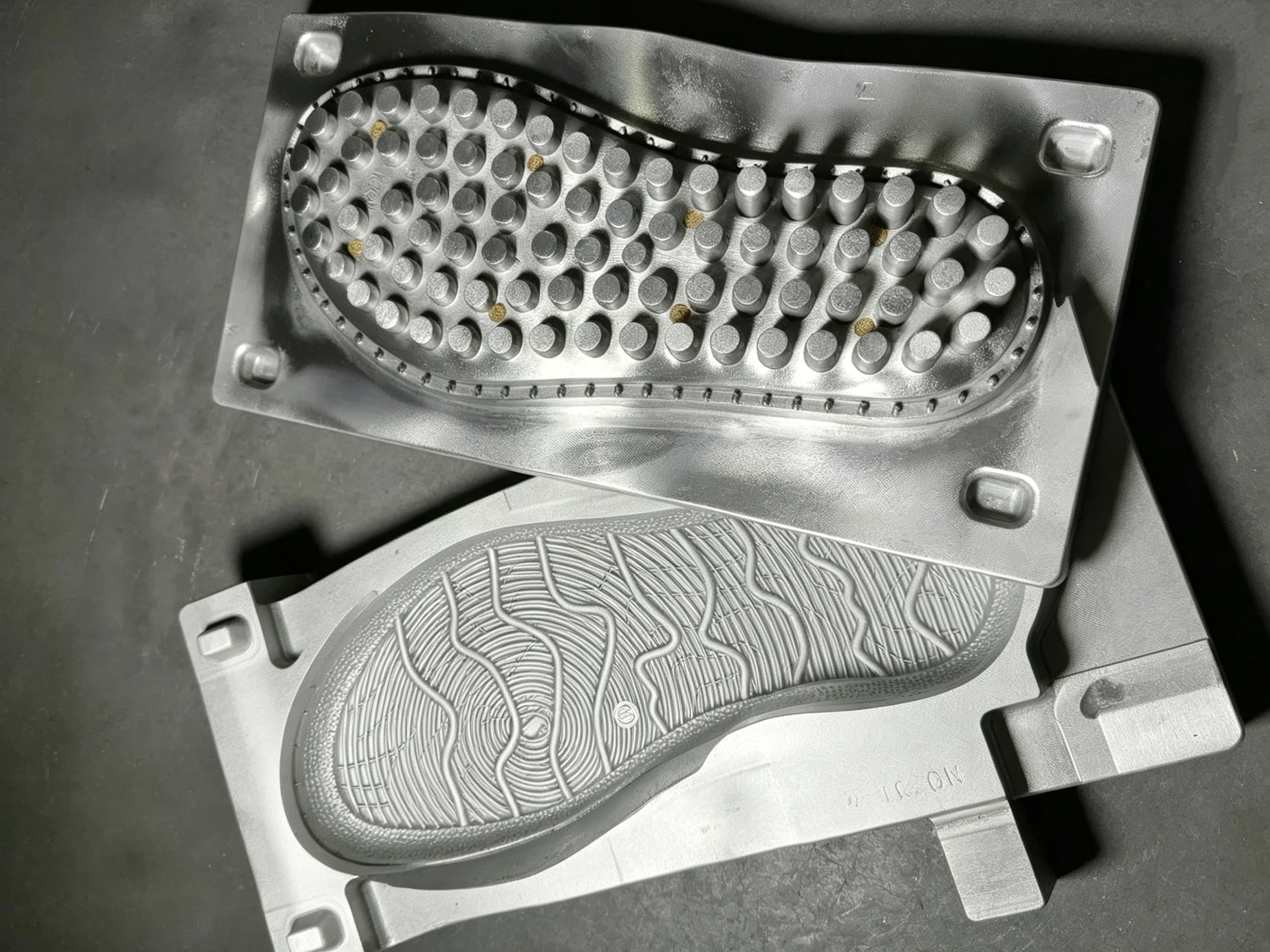
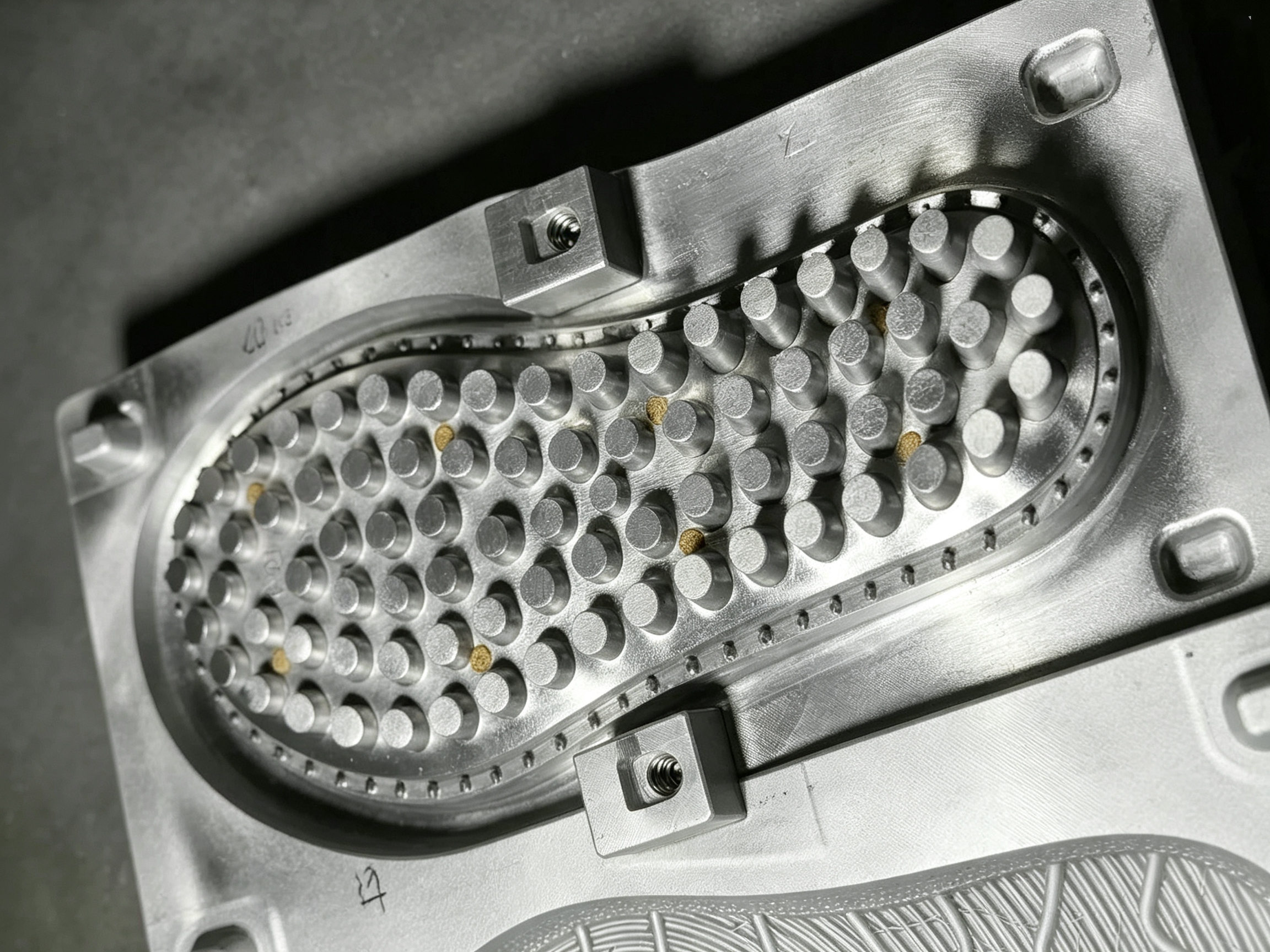
Split molds for independent PU footwear sole casting, with filling, venting, cavity geometry and heating interfaces selected for the sole design.
Mold Base Material
High-grade aluminum alloy / cast steel, optional according to production batch demand
Cavity Layout
Single cavity / double cavity optional, customized multi-cavity solutions for high-output production lines
Mold Heating
Electric heating / steam heating, constant temperature control at 45°C–65°C, compatible with rotary and linear PU pouring production lines
Cavity Tolerance Reference
±0.1 mm mold-cavity tolerance (listed reference)
Product Overview and Selection
Review the application, material or workpiece, tooling interfaces and selected equipment scope before choosing a configuration.
This split mold is intended for independent PU sole pouring, with no shoe-last structure. It produces a sole for later assembly to an upper; a direct injection mold that forms a sole onto a prepared upper has different interfaces.
Select aluminum or steel, cavity count, filling and venting, heating method and the sole geometry together. The listed 4–6 minute reference applies to the stated thickness, cavity and PU conditions. Dimensional and mold-life references follow their separately stated operating and maintenance conditions.
Review the casting machine, mold carrier and heating interfaces before installation. Trials establish filling, curing, demolding, shrinkage and the agreed sole inspection requirements. Mold supply does not by itself determine all finished-sole properties.
Production Workflow
Mold Preparation & Heating
Install mold on Haifeng low‑pressure pouring machine; set temperature (45‑65℃) via electric or steam heating system.
Material Ratio & Pouring
PU polyol and isocyanate are metered and mixed per recipe; liquid material is poured into the closed mold through the optimized runner system.
Curing & Demolding
Material fills cavity uniformly and cures under controlled temperature; open mold after 4‑6 min cycle; remove finished sole.
Finished-Sole Inspection
Trim and inspect finished soles against agreed product dimensions and surface requirements, allowing for formulation-dependent shrinkage. The ±0.1 mm entry is a mold-cavity tolerance, not a universal finished-sole tolerance.
Need a quote for your footwear equipment?
Request a QuoteTechnical Specifications
Specifications are based on standard PU formulations and Haifeng low‑pressure pouring equipment parameters. Custom cavity layouts and materials are available.
| Technical Parameter | PU independent shoe sole pouring mold |
|---|---|
| Base Material | High-grade aluminum alloy / cast steel, optional according to production batch demand |
| Molding Process | 4–6 minutes per pair (standard sole thickness 8–12mm, single cavity, conventional hardness PU material), calibrated to Haifeng low-pressure pouring process parameters for stable mass production |
| Compatible Materials | Polyurethane polyol + isocyanate dual-component formula, adaptable to PU sole materials of various hardness and density |
| Dimensional Accuracy | ±0.1mm mold cavity tolerance, finished sole dimensional deviation controlled within industry standard range after accounting for PU natural shrinkage |
| Service Life | Aluminum mold: up to 30,000 shots; Steel mold: up to 80,000 shots (under standard constant temperature, standard pouring pressure, conventional PU material and daily standardized maintenance conditions; actual life varies with production workload) |
| Cavity Layout | Single cavity / double cavity optional, customized multi-cavity solutions for high-output production lines |
| Structural Feature | Two-piece split mold design, no shoe last structure, dedicated for independent sole pouring molding |
| Heating Method & Temperature | Electric heating / steam heating, constant temperature control at 45℃–65℃, compatible with rotary and linear PU pouring production lines |
| Warranty | 1-year structural quality guarantee for mold core components, unified full-process technical support from Haifeng |
| Certifications | Confirm applicable documents for the quoted configuration |
| Brand | Haifeng |
Equipment Functions and Configuration
Functions and options are selected for the material, tooling and tasks included in the order.
Machine and Mold Interface Review
Match filling, clamping, heating and handling interfaces to the selected pouring machine. Define mold trials and process calibration for the supplied material and tooling.
Specialized Independent Sole Structure
Two‑piece split design with polished parting surfaces and controlled clamping clearance delivers flat, neat soles with full texture, perfectly optimized for subsequent upper bonding.
Configured Filling and Venting
Runner and vent design are selected for the sole geometry and formulation. Evaluate filling, shrinkage, trapped air and flash in representative mold trials.
Mold Material Selection
Aluminum-alloy and steel options are selected for the geometry, heating method, handling and production duty. Mold life depends on material, maintenance and operating conditions.
Coordinated Equipment and Tooling Supply
Equipment and mold scope can be reviewed together. Confirm the actual mounting, heating and filling interfaces in drawings before defining compatibility.
Customized Development & On‑Site Support
Support for non‑standard mold development based on samples/drawings, plus on‑site commissioning, troubleshooting, and long‑term process optimization guidance.
Need help selecting your equipment configuration?
Share your product, materials, tooling and production target. Equipment scope and commissioning requirements are agreed for each project.
Compare Footwear Equipment
Browse footwear equipment by material, tooling and task. These listings do not establish compatibility or the supplied production-line scope.
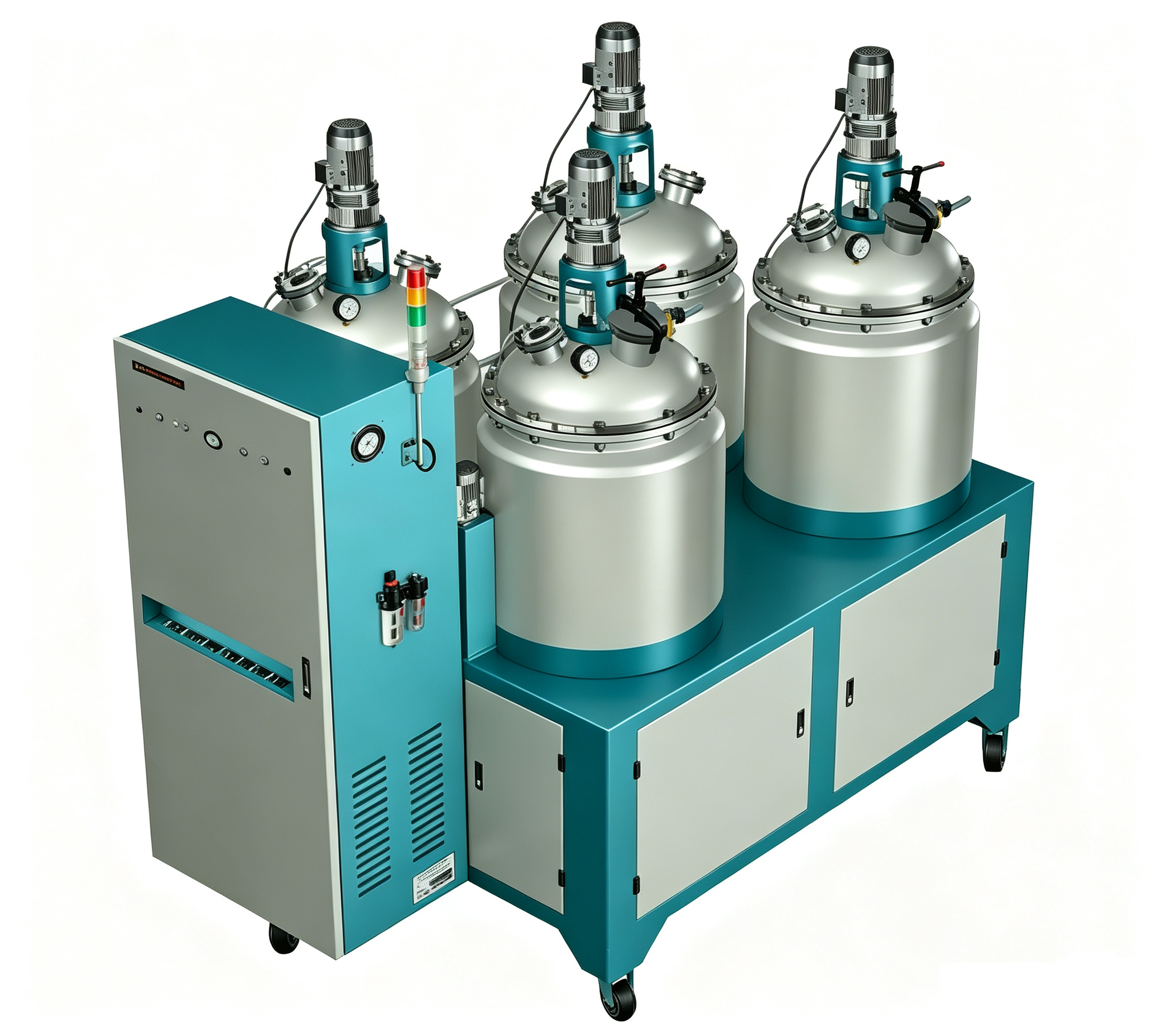
Low-Pressure PU Foaming Machine | Shoe Soles
Metering, Mixing & Resin Casting Equipment
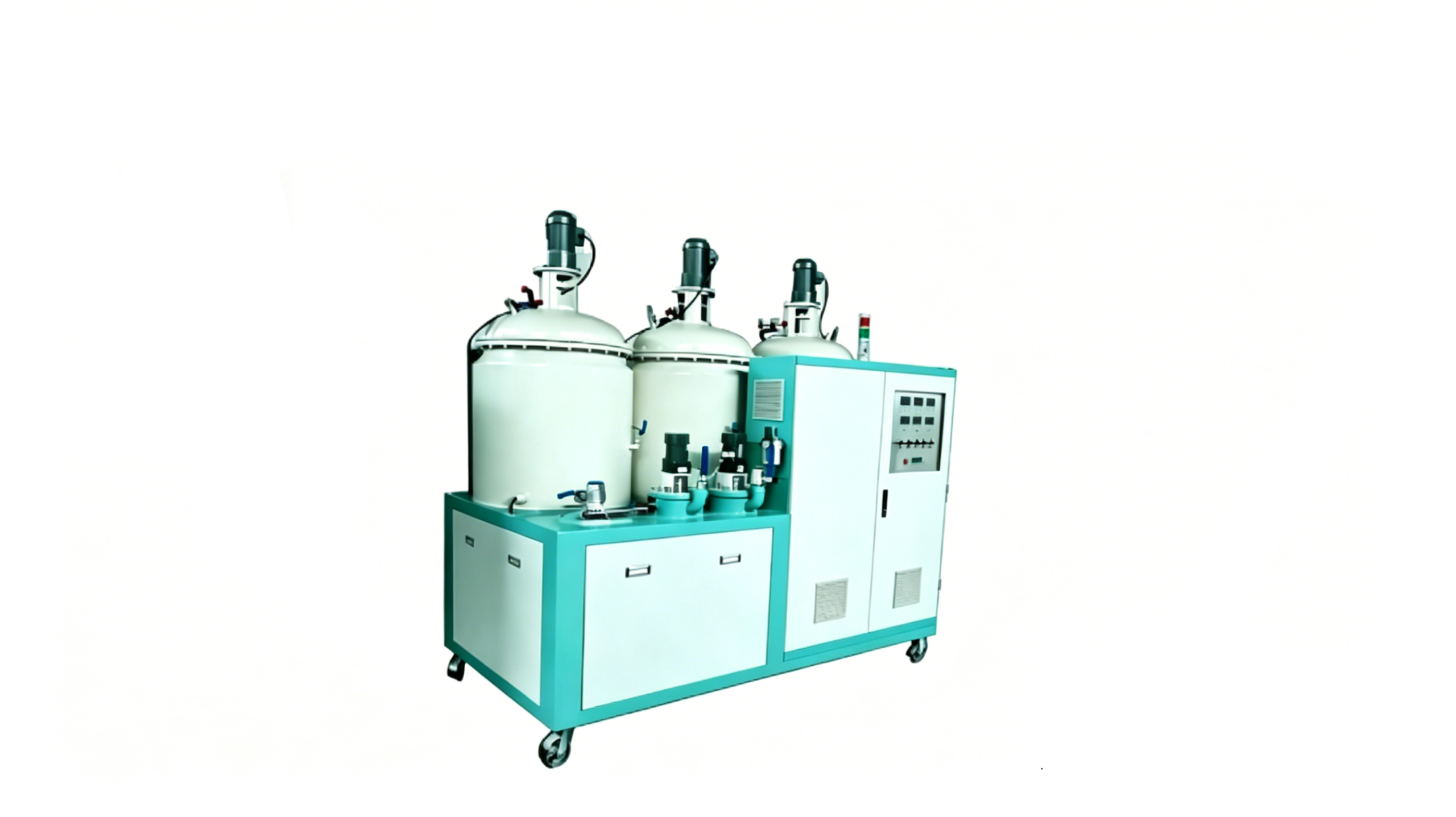
Low-Pressure PU Foaming Machine | Shoe Production
Metering, Mixing & Resin Casting Equipment
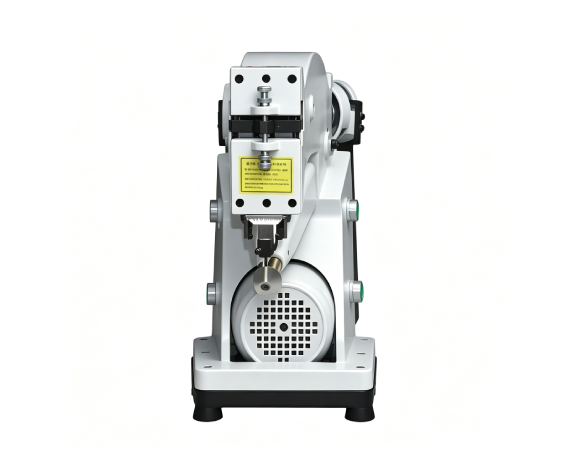
Semi-Automatic Shoe Sole Edge Trimmer | Small-Batch Production
Footwear Injection & Forming Equipment
Equipment Selection FAQ
What is the difference between an independent sole mold and a whole‑shoe mold?
How should aluminum and steel molds be compared?
Can you customize molds for non‑standard sole designs?
What is required before mold production trials?
What after‑sales support is available for the molds?
Ready to discuss your project?
Contact Our Team


