Can polyurethane foam be recycled? Some streams can. Clean, cured flexible foam offcuts can be shredded and bonded into new blocks. Rigid PU insulation, contaminated waste and appliance foam need separate handling and an outlet qualified for that feed. Keep an inventory by source before buying equipment for polyurethane foam recycling or choosing where to dispose of polyurethane waste.
Separate the streams before they reach the shredder
| Stream | What to verify |
|---|---|
| Flexible slabstock or molded PU offcuts | Foam grade, contamination, textile or adhesive content, and offtake for a recycled PU foam sheet or block. |
| Mixed mattresses or upholstery | Whether a sorter can separate flexible PU from latex, textiles and other layers. Confirm acceptance with the buyer before processing. “Foam rubber” can describe several different materials. |
| Rigid insulation from refrigerators or panels | Facing separation, appliance handling responsibilities, blowing agent and an authorized facility. Keep this feed separate from flexible rebond material. |
| Thermoplastic polyurethane scrap | Whether the known TPU grade can be sorted and reprocessed for the intended application. TPU material recyclability depends on grade, contamination and processing history. |
Qualify mechanical rebonding with a real feed blend
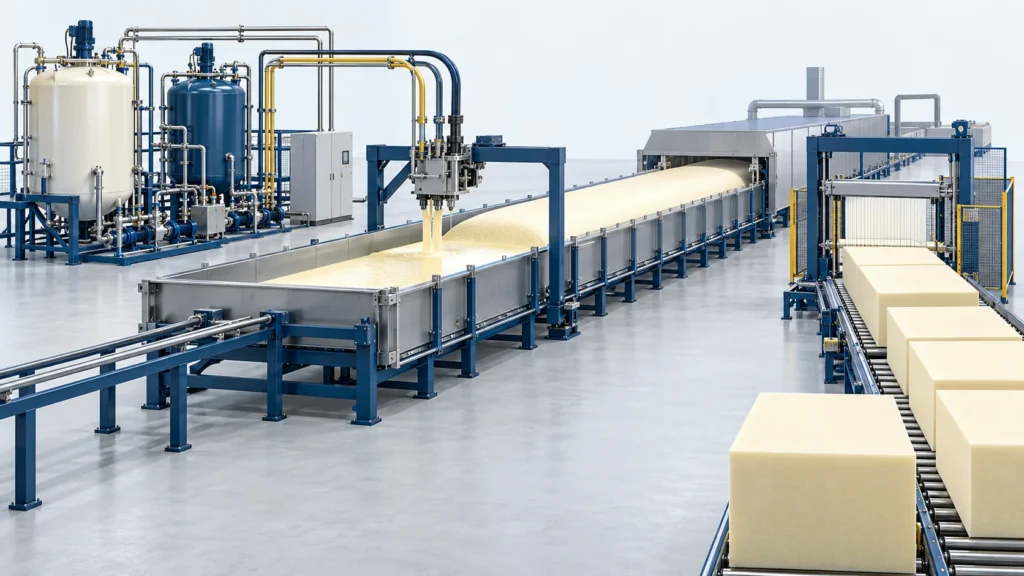
In PU foam recycling by rebonding, a processor reduces the size of clean scrap, blends it with a compatible binder and consolidates the mixture. The equipment buyer should specify cured foam sources, maximum piece size, hard contamination, the distribution of shred sizes and the acceptable density range of the new block. Inspect actual sheets cut from the center and edges. Record particle distribution, dimensions, density, compression behavior and the condition of the cut faces.
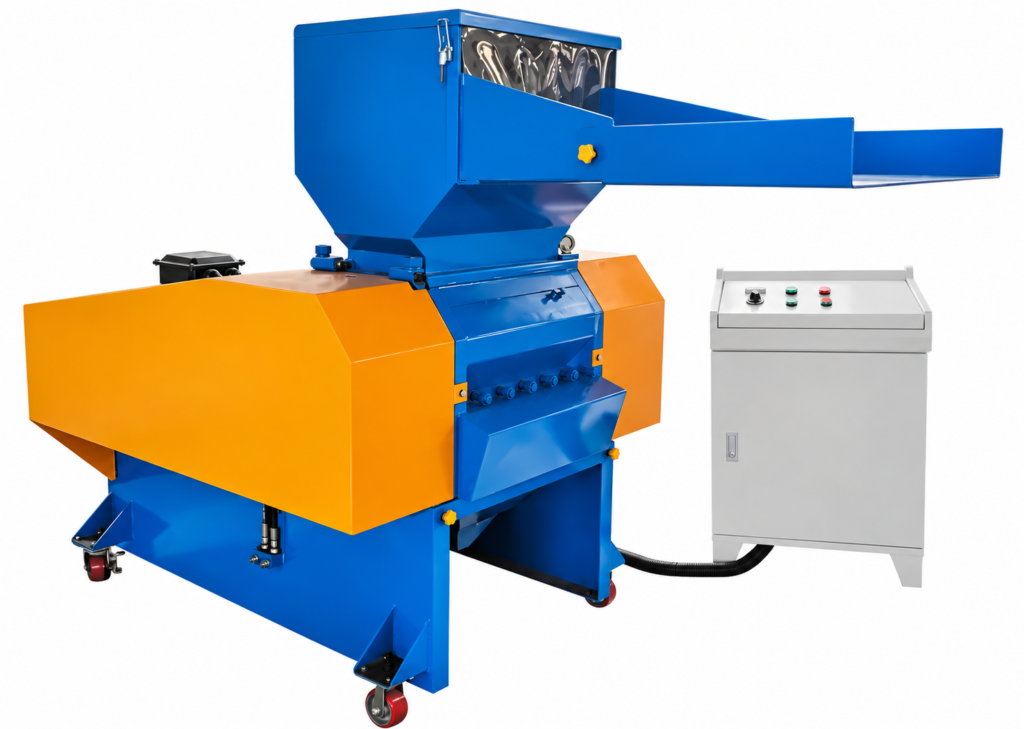
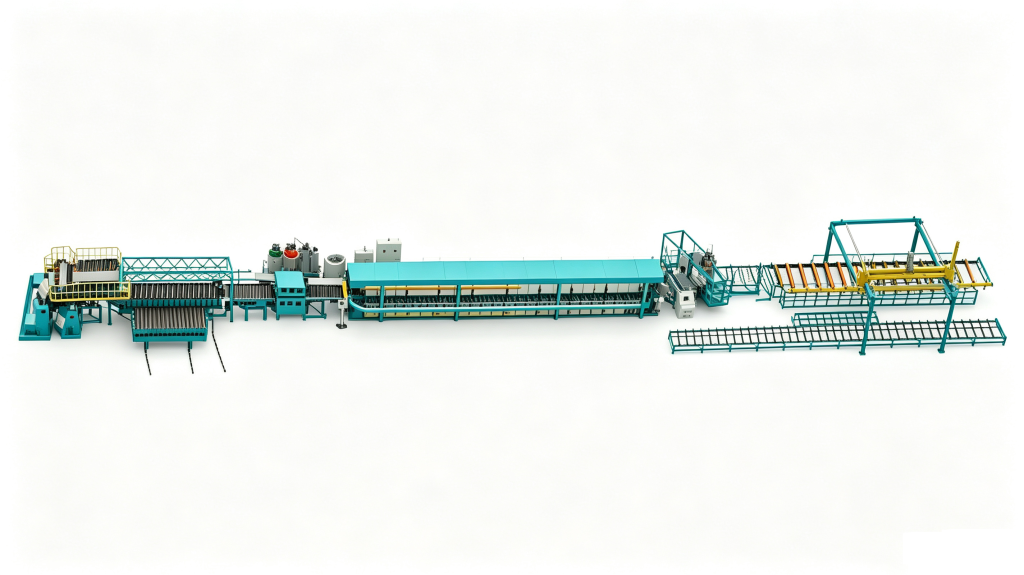
Build the capacity estimate on usable feed after sorting and other losses, then compare shredder output against mixing, block consolidation, curing and cutting. For equipment scope, see foam scrap shredder selection, the rebond foam recycling solution and the rebond foam block machine.
Plan the specialist route for unsuitable waste
Chemical recovery aims to recover feedstocks from polyurethane waste under a defined process. Covestro’s mattress foam program illustrates why sorting by foam type precedes that process. Acceptance and commercial availability depend on the processor. Refrigerator polyurethane foam recycling is a separate stream because the equipment can contain refrigerant and the foam can contain blowing agents. See EPA’s U.S. appliance disposal guidance and check the authority and qualified operator for the country of use.
For cured foam without a verified outlet, arrange disposal with a waste service qualified for the material and jurisdiction. Segregate uncured residues and contaminated containers for assessment using their safety data and local waste rules. For a rebond line review, send the waste source, monthly mass by grade, contamination photos, proposed block dimensions and required sheet performance.