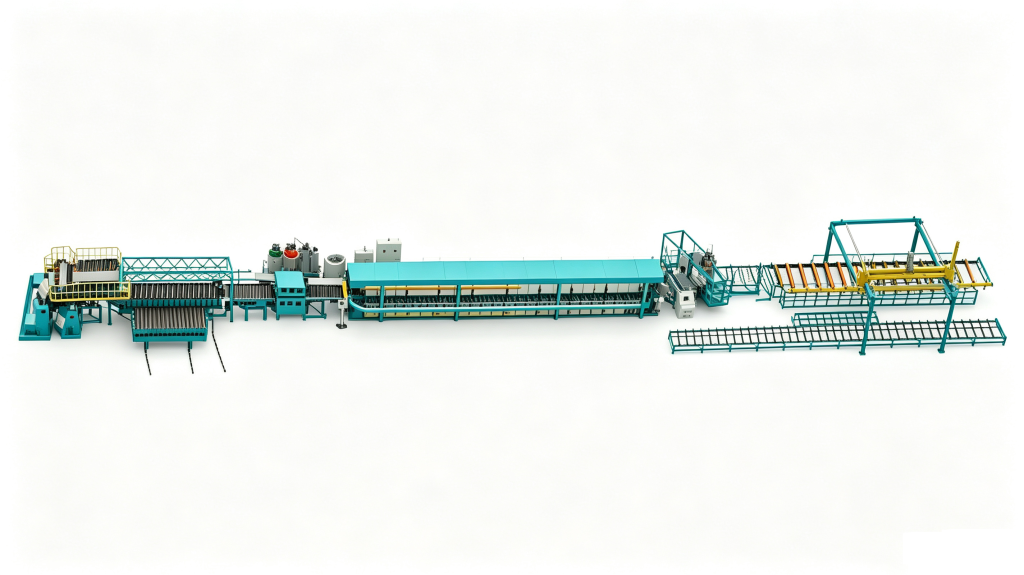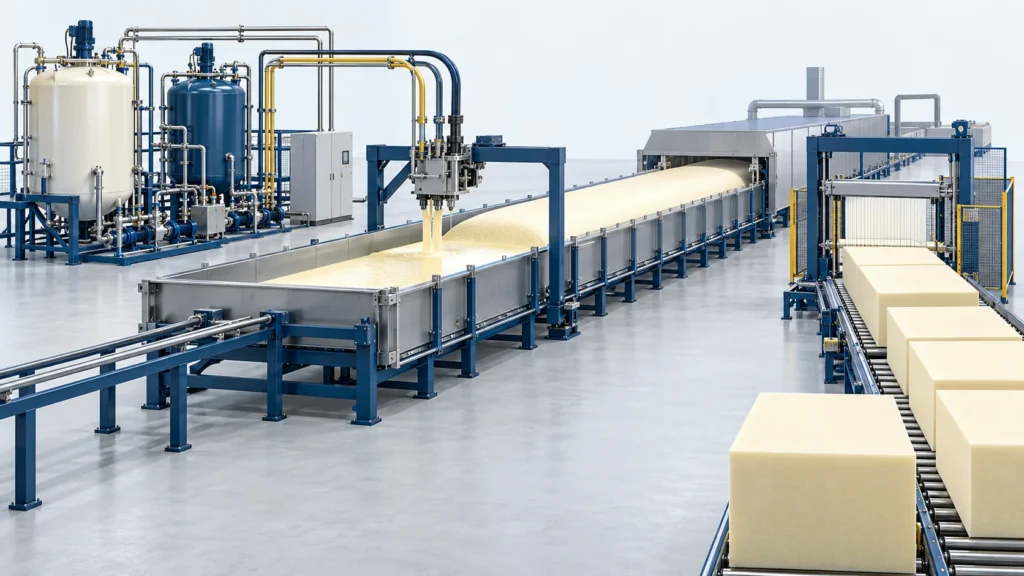

Is polyurethane toxic? Polyurethane describes a family of materials, and the hazards depend on the actual product, its state and how people are exposed. A cured foam part, reactive spray plume, uncured coating and smoke from a fire are distinct exposure situations. For a real product or task, read the specific safety data, follow the site exposure assessment and use qualified help to set controls.
When polyurethane processing presents an exposure risk
Uncured isocyanate-containing components can cause irritation and sensitization. OSHA’s isocyanate overview identifies skin, eye and respiratory effects and occupational asthma. People sometimes search for an allergic reaction to polyurethane after handling chemicals or developing symptoms near an application. An exposure history and professional assessment are needed to determine the cause. If a person has difficulty breathing after exposure, seek emergency medical care.
| Situation | Evidence and controls to review |
|---|---|
| Transfer or mix uncured ingredients | Safety data for each component, closed transfer, spill procedures, exposure assessment and maintenance isolation. |
| Spray polyurethane foam or coating | Application and cleaning exposure, isolation, ventilation, worker protection and product-specific guidance for re-entry. |
| Trim or handle cured foam | Confirmed material and cure state, task-generated dust, extraction and finished-product documentation for the intended use. |
| Heat-process TPU or perform hot work near foam | Grade limits, ventilation, decomposition and fire procedures specific to the task. |
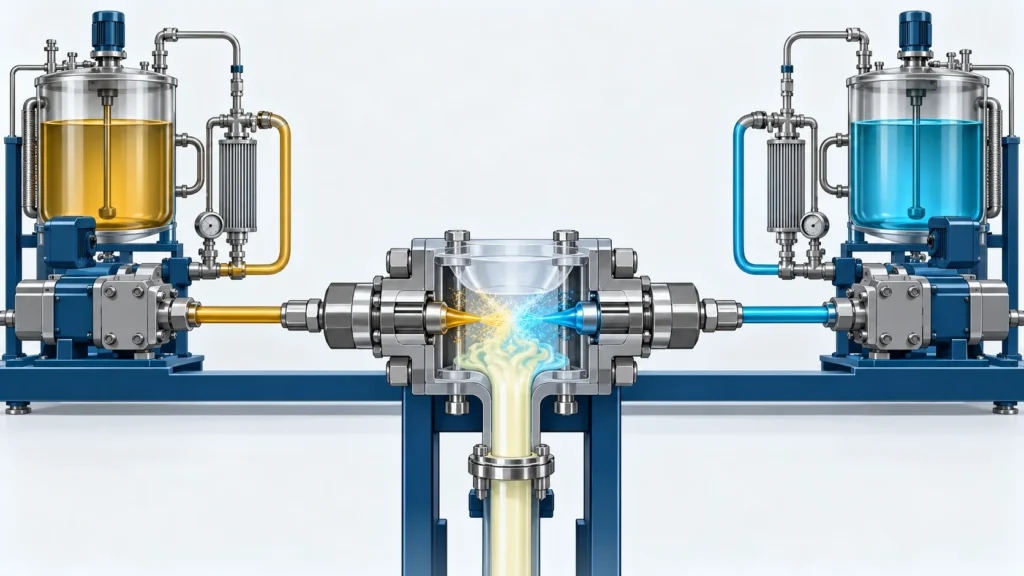
Are fumes dangerous, and how long do they last?
High exposure during spraying, curing or thermal breakdown can be dangerous. An odor by itself cannot establish whether a substance is present at a hazardous concentration. For spray polyurethane foam insulation, the EPA’s guidance on potential chemical exposure explains how application, ventilation, temperature and cure conditions can affect risk and re-entry. Ask the specific system supplier and installer for documented instructions. A single safe time for all installations would ignore these variables.
When polyurethane foam burns, the smoke can contain a range of toxic gases. A NIST review of rigid foam combustion identifies carbon monoxide and hydrogen cyanide among gases found under the test conditions reviewed. Treat smoke as a fire emergency and follow the facility’s emergency procedures.
How to evaluate cured polyurethane foam and TPU
Use the grade and application documentation for the finished product. For a consumer-contact part, obtain applicable emissions, contact or other product test evidence from the supplier. When cutting or heating a material, evaluate the task separately and apply dust or fume controls as appropriate. Thermoplastic polyurethane (TPU) is melt-processable, and safe processing depends on the specific grade and permitted processing range. See the TPU process engineering guide.
What to include in a factory equipment brief
Share the chemical safety data for the proposed formulation, process drawings and maintenance tasks. Agree with the site safety team how the machine connects to ventilation, spill management and other controls, and how those systems will be checked before commissioning. Review moisture and storage controls for PU materials and production considerations for VOC controls when preparing the brief.