A PU footwear line built for frequent changeovers is not simply a faster machine. It is a line whose cleaning, recipe recall, mold handling, and metering response are designed around short runs. The practical question is not how many pairs the line can make in a continuous eight-hour run, but how quickly and repeatably it can return to a known state after a color, size, or sole-design change. In many high-mix evaluations, changeover time and first-shot consistency matter more than peak throughput. A line that pours quickly but needs long purging, manual ratio adjustment, or repeated trial shots after every switch will lose much of the capacity it appeared to offer.
Changeover Time Matters More Than Rated Output
Rated output is a steady-state number. It assumes one recipe, one color, stable temperatures, and no interruption. A high-mix footwear plant rarely operates that way. The capacity that matters is the time left after changeovers, purges, mold swaps, temperature recovery, and startup trials. A line with lower nominal output and a short, repeatable changeover can outperform a faster line during a week with many style changes. The opposite is also true. A high-output line becomes the slower asset when each switch consumes most of a shift.
| Line decision | What it changes | What to verify |
|---|---|---|
| Oversized main tanks | More material carryover and longer drains | Time to drain and refill at the smallest batch you plan |
| Large mixing chamber | More purge volume per color change | Purge mass and solvent use for a dark-to-light change |
| Manual ratio adjustment | Operator-dependent recovery after a material change | Whether the recipe restores ratio, temperature, and pressure together |
| Fixed mold mounting | Longer mold swap and preheat | Clamp type, base-plate commonality, and preheat staging |
| Deep recipe library without guided recall | Search time and wrong-recipe risk | Whether the operator can call, verify, and lock a recipe by product code |
| High peak flow | Faster fill but a larger minimum shot | Whether the head holds mix quality at the smallest sole shot |
The buying mistake is to compare peak output and changeover time as separate line items. They interact. A short changeover creates more usable time, but only if the first shots after the change are saleable. Otherwise the saved time reappears as scrap, rework, and trimming correction.
The capacity you do not see in a rated output
Before comparing quotations, calculate the production minutes left after planned changeovers. Use your own style matrix rather than a single average. A line that looks efficient at one representative style may lose its advantage when colors alternate, mold sets change, or batch sizes fall below the main tank capacity. The result should be a capacity range for each candidate line, not one attractive number.
Where a PU Footwear Line Loses Time Between Styles
Changeover time should be measured from the last saleable part of the previous style to the first saleable part of the next. That definition includes purging, color change, mold change, temperature recovery, recipe recall, trial shots, and any trimming adjustment. It excludes maintenance and unrelated downtime. Without this boundary, a supplier can report a fast mold swap while leaving out the time needed to stabilize the next recipe.
| Changeover step | Where time goes | What to check |
|---|---|---|
| Last-shot purge | Flush volume, solvent, and disposal | Purge mass and cleaning time for a dark-to-light change |
| Color or additive switch | Tank drain, line flush, and mixer purge | Dedicated color circuit, purge sequence, and carryover |
| Mold change | Clamps, hoses, couplings, and preheat | Common base plates, quick couplings, and staged hot molds |
| Temperature recovery | Tanks, hoses, and mold | Recovery time from recipe call to ready signal |
| Recipe recall | Search, parameter entry, and verification | Product-code recall and lockout of the wrong recipe |
| First-shot trial | Visual, dimensional, hardness, and adhesion checks | What is checked before the line is released to production |

Define the changeover clock before you time anything
Write the start and end points down before a trial begins. Start when the last saleable part of style A leaves the line. Stop when the first saleable part of style B passes the same checks used in routine production. If the trial starts after the mold is already changed, or stops when the machine merely begins to pour, the number will flatter the line.
Look for the second changeover
The first change after a clean startup may be easier than the second. Residual material, temperature drift, and incomplete cleaning accumulate. Run A to B and then back to A. The return direction often exposes carryover, mold-temperature recovery problems, and recipe errors that a single switch hides.
Metering and Mixing Choices for Short Runs
Metering and mixing determine how much material is wasted at each switch and how quickly the next shot becomes stable. For high-mix footwear, the relevant question is not only nominal output. It is the smallest shot the line can deliver with a stable mix, and how much material and time are needed to clean the head between colors or formulations.
Smallest stable shot
A pump that holds ratio at high flow may not hold it at the low end of its range. Sole shot weight depends on cavity volume and material density, so a small size or a single-cavity mold can sit near the bottom of the machine’s useful range. Ask for a trial at the smallest and largest shot in the style matrix, not only at a convenient mid-range setting.
A new sole size or cavity layout changes the required shot before it changes the cycle time. <How To Calculate Shot Weight In Polyurethane> covers how shot weight is calculated from cavity volume and material density.
Cleaning method and purge volume
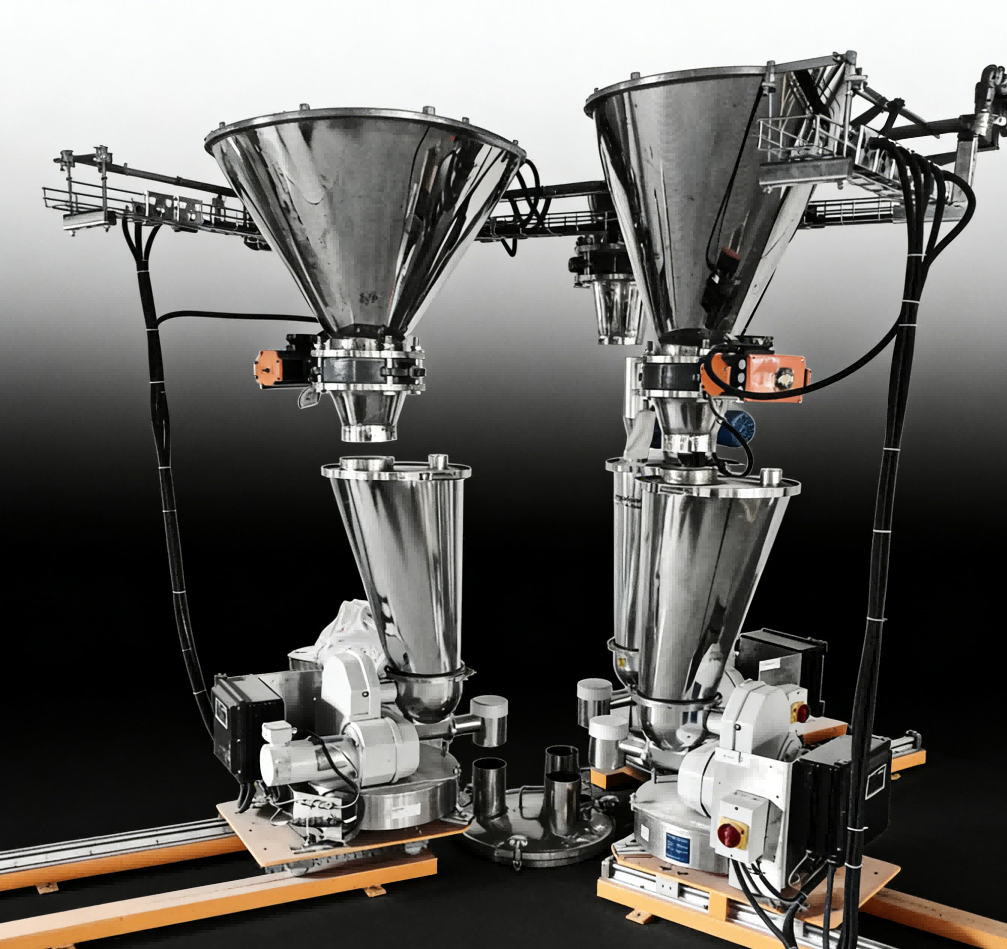
Mechanical purge, solvent flush, air blow, and self-cleaning heads have different waste profiles. A head that cleans quickly but sends a large slug of mixed material to waste can still be costly in a plant with many color changes. Check where the purge material goes, how the solvent is handled, and whether the operator can verify cleanliness before the next shot. A three-channel additive mixer with independent color circuits and a two-minute purge can shorten color changes, but the main PU circuit and mold handling must keep pace. Otherwise the mixer becomes a fast island in a slow line.
Low-pressure mixing is common in footwear because it can handle small to medium shots at moderate outputs. That does not make every low-pressure head suitable for high-mix work. Chamber volume, cleaning sequence, and ratio control at the low end decide the result. High-pressure impingement mixing can deliver strong mixing, but its minimum shot and cleaning routine still need to be tested against the style matrix.
Mold Handling and Sole Route Decisions
Mold handling often sets the real changeover floor. A machine can be ready in minutes while the mold is still cold, the wrong base plate is mounted, or the operator is searching for the next set of inserts. High-mix footwear needs a mold strategy, not just a mold count.
Direct soling versus separate sole casting
Direct soling attaches the sole to the upper in one line. It reduces separate handling, but the upper last, size, and sole design now change together. Separate sole casting can run sole families in batches, keep molds dedicated, and feed an assembly area. It adds handling and inventory. Choose direct soling when the upper and sole change together and the line can handle last changes quickly. Choose separate casting when sole designs change more often than uppers, or when a smaller sole cell can run ahead of assembly.
Mold interfaces that shorten the swap
Common base plates, quick clamps, standard water couplings, and a preheat cart do more for changeover than a large mold inventory. More molds help only when they are preheated and staged. A cold mold adds recovery time to every change, and an unfamiliar mold adds setup errors.
Small sole designs are less forgiving of uneven mold temperature than thick blocks, because a minor shrink difference shows up as a dimensional fault. Keep mold temperature and cure checks in the changeover procedure, not only in the initial machine setup.
Shrinkage differences that are minor in a thick block can become a visible dimensional fault in a thin sole. <Causes Of Shrinkage In Polyurethane Foam How To Control It> covers common causes of shrinkage in polyurethane foam and the controls used to reduce it.
Recipe, Color, and Material Changeover Controls
Recipe and color management are often treated as software features. In a high-mix line they are operating controls. A recipe that restores shot size and ratio but leaves mold temperature, conveyor speed, or cure time at the previous setting is incomplete. The operator needs one call that brings the line to a known state, and a clear signal when that state is reached.
Color changes are a separate problem. Pigment in the main polyol tank can force a full drain. A dedicated color circuit or a small additive mixer can reduce the cleaning burden. The tradeoff is extra hardware, more lines to flush, and another set of calibration checks. The right choice depends on how often the color changes, how dark the colors are, and whether the next batch can tolerate a small carryover.
Use product codes, not operator memory. Lock recipe edits and record who changed what. These are not paperwork preferences. They prevent a fast changeover from becoming a fast wrong shot. A formula library with hundreds of stored recipes is useful only when the right recipe can be recalled by product code, checked against the current mold and material batch, and released before the first pour.
What a Changeover Trial Should Prove
A changeover trial should reproduce the switch you will run in production, not the easiest switch the supplier can arrange. Use production operators, production temperatures, and the molds you will actually run. A demonstration by a supplier engineer at a stabilized temperature is not a changeover trial.
Run the switch in both directions
Test A to B and B to A. The return direction often reveals carryover, temperature drift, or cleaning problems that a single switch hides. Include one color change and one size change in the same trial if those changes will occur together in normal production. Combined changes expose the real sequence, including the waiting time between cleaning, mold setup, and temperature recovery.
Record the first saleable shot
Record time to first saleable part, number of trial shots, scrap mass, visual defects, dimensions, hardness, adhesion, and any trimming adjustment. Use the acceptance checks that will be used after installation. If the first saleable part needs a skilled technician to judge it, the line is not ready for high-mix work.
In one supplied East African sole project, style switching fell from 60 minutes to under 15 minutes after a single low-pressure line with a one-click formula library was installed. Daily output rose from 2,500 to 3,600 pairs, operators fell from nine to four, product compliance moved from 88% to 95%, and waste came down to 3.5%. The point is not that every plant should expect those numbers. The point is that the changeover result was measured as part of a production outcome, not presented as a machine specification.
| Record | Method context | Responsible use | Do not infer |
|---|---|---|---|
| East African sole plant with a single low-pressure line and one-click recipe library | Supplied project with 2,500 pairs/day before the change, 60-minute style switching, and nine operators | Shows the changeover and output improvement achieved in that plant after the compact line and recipe library were installed | That a recipe library alone produces the same switch time or compliance gain in a different plant |
| Sports-brand insole line with more than 500 stored formulas and dual-density modules | Supplied project with daily output rising from 3,000 to 12,000 pairs per line, waste at 1.5%, and defect rate below 1% | Shows that a large formula library can support a wider product range in a mature high-mix operation | That formula count measures changeover speed or that the same output gain applies to soles with different molds and chemistry |
A clean mixer does not by itself produce a saleable first shot. The foam still has to reach a stable rise and cure window after the new recipe is called.
A clean mixer does not by itself produce a saleable first shot; the foam still has to reach a stable rise and cure window. <The Role Of Rise Time In Polyurethane Foaming> covers how rise time is defined and monitored in polyurethane foaming.
RFQ Fields and Acceptance Criteria for High-Mix Footwear
An RFQ that asks for “quick changeover” will return a quick answer, not a usable one. Ask for the changeover steps, the time for each step, and the evidence that the line can repeat them after a real production switch.
| RFQ field | What to request | Why it matters |
|---|---|---|
| Style matrix | Top styles by change frequency, sole construction, cavity count, color list, and target batch size | A line optimized for one average style can fail on the actual mix |
| Changeover definition | Last saleable A to first saleable B, with each step timed | Prevents a mold-swap time from being presented as full changeover |
| Shot range | Smallest and largest shot, with ratio and mixing evidence at both ends | A pump stable at mid-range may not hold the low end |
| Cleaning and purge | Head cleaning method, purge mass, solvent use, and color carryover check | Fast cleaning with high waste is not fast changeover |
| Mold interface | Base plate standard, clamp type, coupling, preheat method, and staging space | Mold handling often sets the changeover floor |
| Acceptance trial | A-B-A run, first-shot scrap limit, dimensional and adhesion checks, and data record | Converts claims into a release condition |
A reject and replace example
Reject this RFQ line: “PU sole line, quick changeover, 3,000 pairs per day.”
Replace it with: “Low-pressure PU sole line, style matrix attached, changeover from last saleable A to first saleable B timed by step, smallest and largest shot tested with ratio records, dark-to-light color change with carryover check, common mold base plate across the style matrix, and an A-B-A trial with a first-shot scrap limit and dimensional record.”
Write acceptance criteria before the trial. Include the maximum number of trial shots, the first-shot checks, the allowed color carryover, the dimensional check, and the record the supplier must provide. If a supplier cannot state how each criterion will be measured, the criterion is not ready for the RFQ.
Plan the Changeover Before You Compare Machines
Send your style matrix, sole construction, target pairs per shift, mold count, color list, and the changeover steps you want timed to Info@chinahaifeng.com or WhatsApp 86 13566296633. Haifeng Polyurethane Machinery can review the line scope against those inputs and separate losses caused by metering, mold handling, and recipe control. Include one dark-to-light color change and one size change in the trial request, because those two switches often expose the real changeover floor.
FAQ
How long should a PU footwear line changeover take?
There is no universal number. It depends on the style matrix, color change, mold interface, and whether the first shot is saleable. Measure from the last saleable part of style A to the first saleable part of style B. A line that changes the mold quickly but needs repeated trial shots has a longer real changeover. Ask for step times and a trial that uses production conditions.
Is low-pressure equipment better for frequent changeovers?
Low-pressure mixing is common in footwear, but the label does not settle the question. The relevant points are the smallest stable shot, purge volume, cleaning method, and ratio control at the low end. A low-pressure head with a large chamber and manual cleaning can be slower than a well-matched alternative. Test the actual head on your smallest and largest sole shots, and time the cleaning step as part of the switch.
How many molds do we need for small batches?
Enough to keep the machine working while one set preheats or cools. For high-mix work, common base plates, quick couplings, and staged preheat often matter more than total mold count. More molds raise cost and storage requirements. Map the style matrix first, then size the mold set around the changeover sequence and the batch size you actually plan to run.
Can one line handle dual-density soles and frequent color changes?
Yes, but each added function creates another changeover step. Dual density needs a controlled pour sequence and a clear check that the interface bonds. Color changes need a purge and carryover check. Test the combined change, not separate demonstrations. If the combined switch is not timed, the plant is buying two capabilities without knowing their joint cost in time, scrap, and operator attention.
What should we record during a changeover trial?
Record each step, the operator, time to first saleable part, trial-shot count, scrap mass, color carryover, dimensions, hardness, adhesion, and any trimming adjustment. Use the production acceptance checks. Run A-B-A, not only A-B. Keep the record with the recipe version and material batch. The record should let a second shift repeat the switch without asking the trial engineer what happened.
If you’re interested, check out these related articles:
Measuring Polyurethane Foam Resilience A Practical Test Guide
RRIM Vs RIM Which Process Suits Your Structural Part