

Most PU sole problems are created before the first drop of mix reaches the mold. A slightly cold polyol, a drifted metering pump, or a mold that loses temperature at the edge can produce the same visible result: soft spots, surface blisters, or a sole that trims differently on every shift. The economical way to fix those problems is not to change the resin supplier first. It is to read the process chain the way a metering engineer reads it.
How Polyurethane Soles Come Together
PU sole making is a two-component reaction process. Component A is usually a polyol blend that carries catalysts, water or another blowing agent, chain extenders, surfactants, and sometimes pigments. Component B is the isocyanate side, often a prepolymer for microcellular footwear work. When the two streams meet in the mixing head, the reaction begins immediately: isocyanate groups react with polyol and chain extender to build molecular weight, while water or a physical blowing agent forms the gas that creates the microcellular structure.
The complete chain includes raw material conditioning, metering, mixing, mold filling, curing, demolding, trimming, and post-cure. Each stage has a normal operating window, and defects travel downstream when one window is missed.
Conditioning the Raw Materials
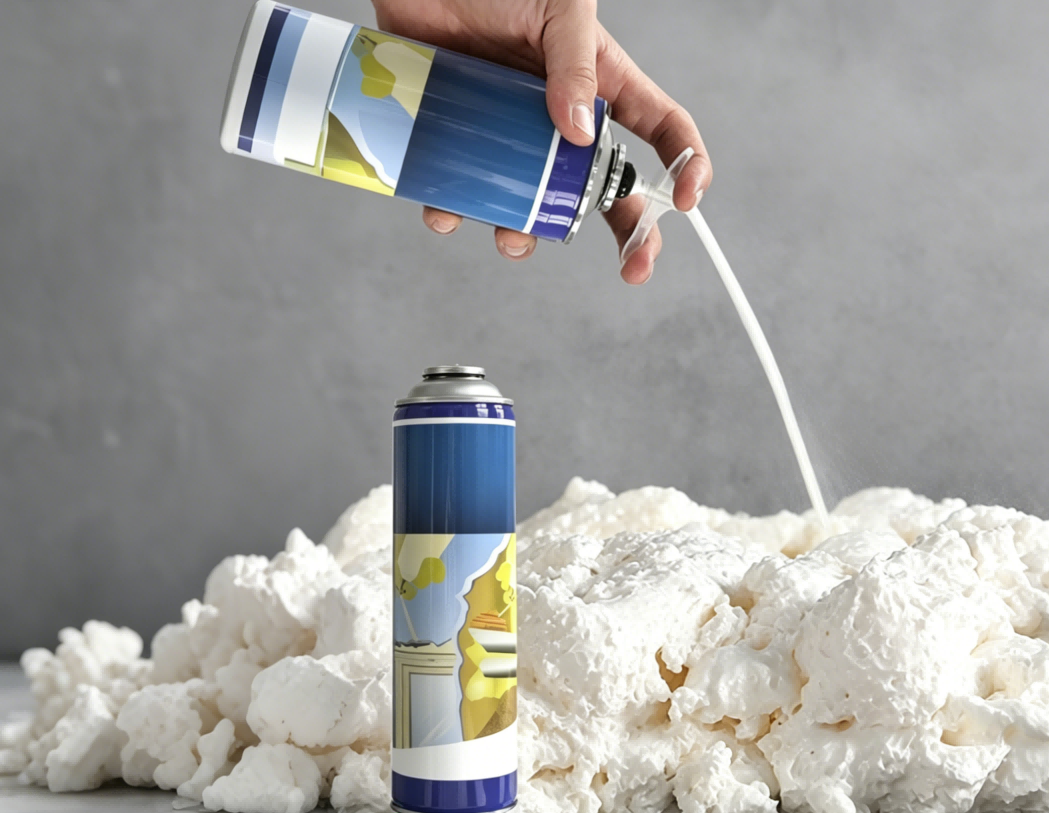
Sole quality starts in the day tanks and feed lines. Polyols and isocyanates must be held at stable, usable viscosity, and they must be protected from moisture. Water reacts with isocyanate to form ureas and carbon dioxide; when it enters as uncontrolled ambient moisture, it changes both density and chain extension and distorts the measured NCO content [1].
This is why serious sole operations keep lids closed, use dry nitrogen blanketing where the resin supplier specifies it, and preheat drums or tanks to a controlled temperature band. Many low-pressure sole machines hold components in the 20–45°C range and keep molds at 45–65°C. The objective is not to make the material hot for its own sake. It is to make viscosity repeatable so the meter pumps deliver the same volume every shot.
Metering, Mixing, and Filling the Mold
Metering is where a good sole process is won or lost. Gear pumps or servo-driven piston pumps move the A and B streams in a set ratio, and the mixing head has to combine them before the reaction localizes into unmixed pockets. Low-pressure heads mix by mechanical shear at a few thousand rpm. High-pressure heads impinge the two streams at high velocity and rely on impingement mixing plus a self-cleaning action.
The important number is ratio deviation across the shot, not nominal throughput. Small deviations change the isocyanate index, which shifts crosslink density, hardness, cure speed, and ultimately the feel of the finished sole. Mixing that is too short leaves unmixed component; mixing that is too aggressive can raise material temperature and accelerate gel before the mold is properly filled.
Shot weight control matters just as much. The machine has to deliver enough mixed material to fill every cavity with a small, controlled overflow allowance for venting and flash. Uneven fill shows up as short soles, density variation, or trapped air at the toe and rim.
If you are converting cavity volume into total pour weight before engineering a line, <How To Calculate Shot Weight In Polyurethane> covers the cavity-to-shot calculation and the allowance you need for fill loss.
Curing, Demolding, and Finishing
Once the mix is in the mold, cream time, gel time, and cure time run on their own clock. Mold temperature does much of the work: too cold, and the skin forms slowly and the sole may tear on demold; too hot, and gas evolution can outrun gel, leaving surface defects or irregular cell size. Most PU sole molds are held in the 45–65°C range, with heating through electric elements, steam, or water channels.
Demolding is a green-strength decision. The part must be strong enough to leave the cavity without tearing, but it does not need to be fully cured. Some soles are demolded warm, trimmed, and then allowed to continue curing under controlled conditions. Others move into a post-cure cycle to finish chain extension and stabilize hardness.
Shore A and Shore D hardness are measured according to ASTM D2240 and ISO 868 [2][3]. For footwear, the relevant question is not only the number on the datasheet. It is whether the part reaches that number consistently across the midsole, the outsole, and the flex zone.
When a sole spec mixes Shore A with Shore D values, <Shore A Vs Shore D Hardness In Polyurethane> covers the two scales and which material behavior each one measures.
The Variables That Decide Sole Quality
Four variables explain most production-floor variation: index control, moisture, temperature, and demold timing.
The isocyanate index sets the ratio of reactive groups and directly influences hardness, compression set, and cure completion. A formulation that is correct at 100 index will not behave the same way at 98 or 102, even if the change looks small in the control room.
Apparent density is determined according to ISO 845 [4]. Density is a structural variable, not a cosmetic one. A sole that comes out lighter than specification may have more gas or less fill, while a heavier sole may trap closed cells differently or use more material per pair than the costing model assumes.
Material chemistry also changes the process. Whether the system is polyester-based or polyether-based changes hydrolysis resistance, abrasion behavior, low-temperature flexibility, and raw-material cost; the trade-off is well documented in polyurethane reference works [5]. A production manager should treat chemistry and machine selection as one system, not as two separate purchases.
Shrinkage combines thermal contraction and polymerization shrinkage. Opening the mold too early lets the part leave before dimensions have stabilized, and the result may only appear after cooling or after the first flex test. Later dimensional drift is often mistaken for a mold problem when it is actually a cure-time problem.
Because early demolding usually shows up later as dimensional drift, <Causes Of Shrinkage In Polyurethane Foam How To Control It> covers the shrinkage mechanisms and the control moves that keep a sole within tolerance.
Choosing a Sole Line Without Buying the Wrong Capacity
The first thing to decide is not machine brand. It is root production data: average shot size, pairs per day, mold layout, single-density or dual-density product, and raw-material viscosity at processing temperature.
A useful example is a functional insole line moving from single-density to dual-density products. The bottleneck was not pouring speed; it was changeover and filling accuracy. Once the line moved to six-cavity molds with stored formulas and closed-loop servo metering, output shifted from roughly 3,000 to 12,000 pairs per line per day. The decisive factors were repeatable fill and one-click formula changeover, not a larger nominal pump.
For a low-pressure sole machine, check whether the metering accuracy stays consistent across the full shot range and whether the formula library can handle multiple hardnesses without manual adjustments between styles. For a high-pressure line, weigh the faster self-cleaning and shorter material residence time against higher cost and more demanding maintenance.
If you are comparing options, the useful next step is to list maximum shot size, target cycle time, and material viscosity range. Email info@chinahaifeng.com with those three numbers and request a metering configuration review.
Tell Us About Your Sole Line
Send your target pairs per day, sole weight, mold layout, and current scrap rate to info@chinahaifeng.com or WhatsApp: 86 13566296633. Mention whether you need single-density or dual-density, and whether the plant has compressed air, chilled water, and mold heating available. Those inputs determine metering capacity, clamping format, and changeover plan far better than a brochure-first pitch.
Frequently Asked Questions
What is the difference between low-pressure and high-pressure sole machines?
Low-pressure machines mix components by mechanical shear in a mixing head and are common for microcellular midsoles, soles, and small to medium runs. High-pressure machines use impingement mixing, offer faster self-cleaning between shots, and are often used for high-output or more demanding structural parts. The better choice depends on shot size, output, material reactivity, and whether the plant can support the higher-pressure system.
How long does a polyurethane sole take to mold?
Cycle time depends on sole thickness, mold temperature, catalyst package, and whether the formula is single-density or dual-density. For a standard sole thickness of 8–12 mm with mold heating in the 45–65°C range, 4–6 minutes per pair is a common starting point. Heavy or specialty soles can take longer.
What causes soft spots in a PU sole?
Soft spots usually come from unmixed or poorly mixed material, non-uniform mold temperature, moisture pickup, or index drift between the A and B streams. The fix is to check ratio control, mixing-head speed, tank conditioning, and mold temperature distribution before changing the formula.
Can one line make dual-density soles?
Yes. Dual-density production is normally done by sequential pouring: a harder outsole or rim layer is poured first, then a softer midsole layer is poured on top in the same mold or a second operation. The machine needs accurate shot control, multi-formula storage, and enough metering channels or pouring stations to handle both densities without manual recalibration.
Why are sole molds kept around 45–65°C?
That temperature band keeps the material viscosity low enough to fill the cavity cleanly while matching the gel and cure behavior of the formulation. A mold below the target range can produce surface defects and weak skin; a mold above it can accelerate blowing before gel and create irregular cells or flash-heavy parts.
References
[1] Ionescu, M. (2005), Chemistry and Technology of Polyols for Polyurethanes, Rapra Technology.
[2] ASTM D2240-15, Standard Test Method for Rubber Property—Durometer Hardness, ASTM International.
[3] ISO 868:2003, Plastics and Ebonite — Determination of Indentation Hardness by Means of a Durometer (Shore Hardness), International Organization for Standardization.
[4] ISO 845:2006, Cellular Plastics and Rubbers — Determination of Apparent Density, International Organization for Standardization.
[5] Randall, D. and Lee, S. (2002), The Polyurethanes Book, Wiley.
If you’re interested, check out these related articles:
The Role Of Rise Time In Polyurethane Foaming
Causes Of Shrinkage In Polyurethane Foam How To Control It
RRIM Vs RIM Which Process Suits Your Structural Part





