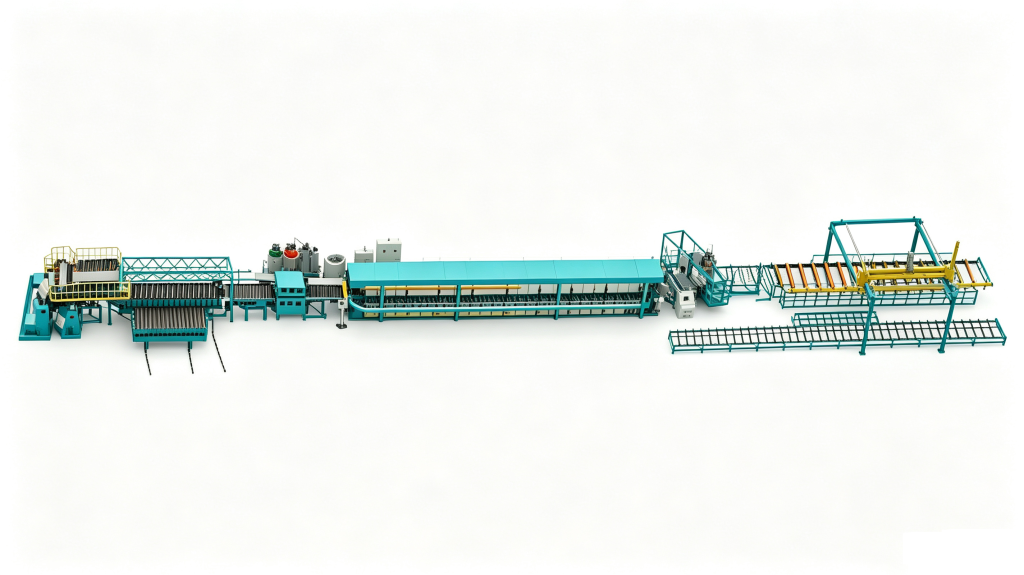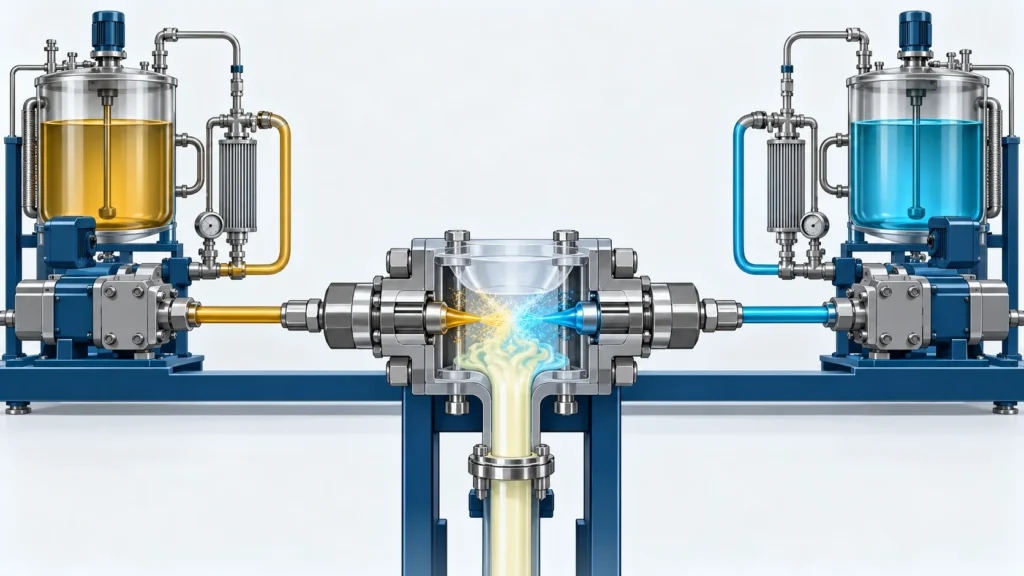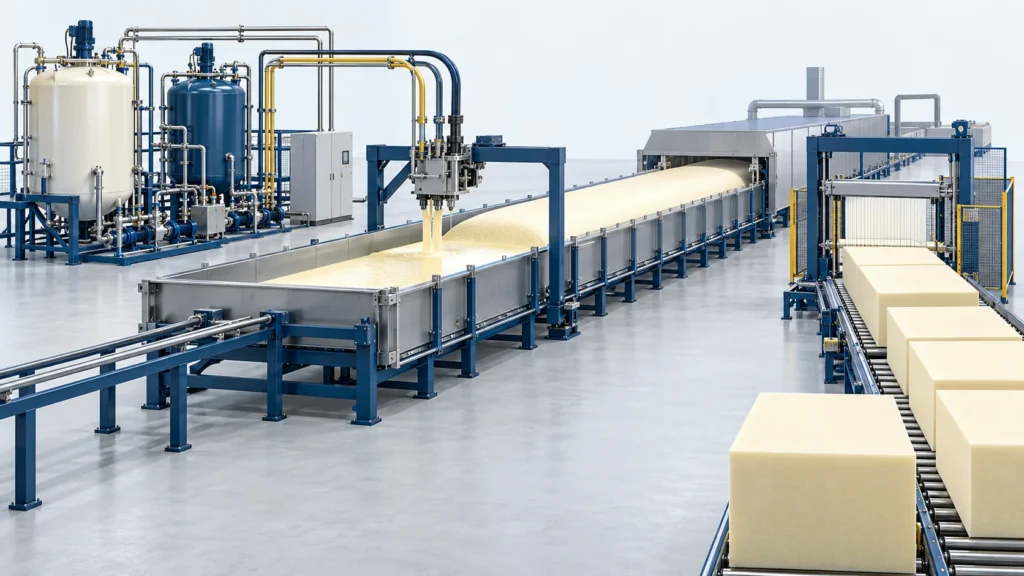

Memory foam is made by foaming a flexible polyurethane formulation designed for slow recovery. A pillow maker can mold a shaped foam core from a measured liquid shot or cut a pillow from a cured flexible foam block. Both routes can produce contoured pillows. The model, finish, trimming allowance and product mix determine which route is more practical.
How a molded pillow is made
- Define the product drawing, foam mass, target support and recovery, and the condition in which it will be measured.
- Condition both liquid components within the material supplier’s range. Check proportioning and shot weight before trialing the mold.
- Prepare and dose the mold. Validate the fill path, vents and parting line at the intended temperature.
- Demold after the validated interval, then condition and trim the core. Inspect the shape after recovery before fitting the cover or releasing it for packing.
For pillow-maker foam usage, weigh the accepted core separately from the material dispensed into the mold. Record vent losses, trimming and restart rejects. With cut pillows, record the usable parts per block and the foam left between contours. Compare material per accepted pillow for each route, including the effects of cut layout and mold utilization.
Choose the trial around the pillow range
Use the smallest and largest products and the deepest contour in the family. The smallest establishes whether a short shot is repeatable. The larger cores see more variation in fill and recovery if material or temperature drifts. Ask the machine bidder to bring the process window for both extremes, together with cycle time, cleaning method and how settings are stored when operators change recipes.
Qualify the product with agreed dimensions, mass, surface appearance, indentation force and recovery. Record the temperature, conditioning time and measurement method so suppliers are quoting against the same definition. Use the IFD and ILD guide for force test terminology, and verify recovery again after any proposed compression-packing duration.
Translate the test into a production quote
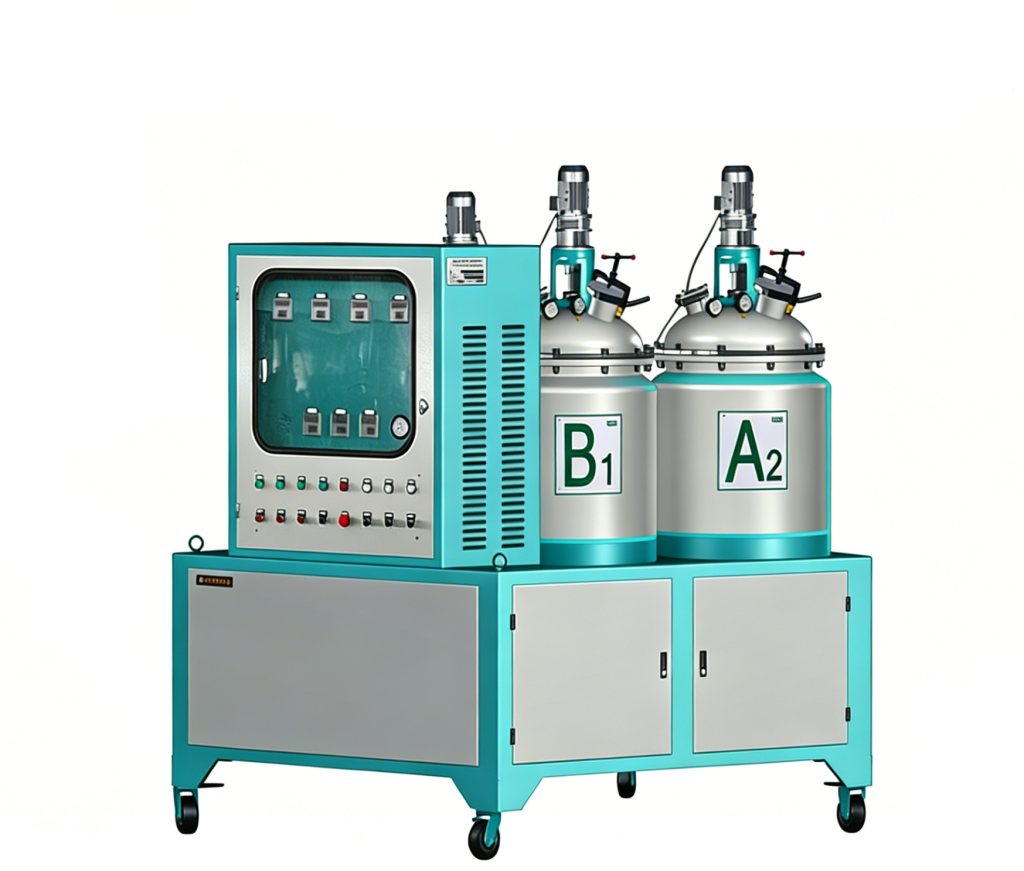
Calculate active mold count from the full time between two fills of the same mold. Confirm demolding, handling, conditioning and packing capacity independently of the dispensing unit. See the low-pressure PU machine for memory and neck pillows for a molded equipment option and the slabstock foam line for context on the block-cutting route. Send your drawing, planned quantities by SKU and target pillow characteristics for an engineering review.