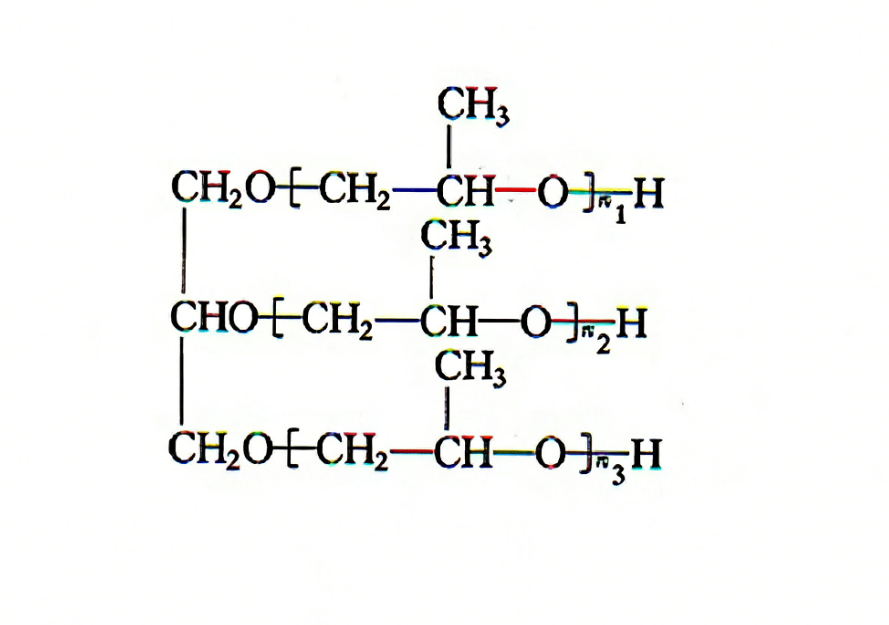
Structural reaction injection molding (SRIM) is a closed-mold process that combines a low-viscosity polyurethane system with a fiber preform placed in the tool before injection. The mixed liquid wets the reinforcement, fills the cavity, and cures into a stiff composite part. Most definitions stop there. The practical question for production managers is different: whether the metering unit, mixhead pressure, and clamp force can handle the viscosity rise and cavity pressure that the preform creates. If those parameters are specified from brochure numbers, the result is usually short shots, dry glass, or mold flash.
What Structural Reaction Injection Molding Is
Structural reaction injection molding is a variant of reaction injection molding. The defining difference is the reinforcement. A preform made from glass mat, continuous strand mat, or carbon fiber is cut and placed into the mold before the two polyurethane components are metered and mixed. The low-viscosity reactive mixture flows through and around the reinforcement, then cures into a solid composite part.
From the machine side, the important point is that the preform changes the process. The liquid does not simply fill an empty cavity. It must push through fiber bundles while the polyurethane reaction advances. That creates a narrow window between enough flow and the beginning of gel. The practical result is that metering accuracy and mixing pressure matter more in SRIM than in open casting or conventional RIM.
- Load or position the preform in the mold.
- Close the mold and lock it against the expected cavity pressure.
- Meter and mix the polyurethane components at the mixhead.
- Inject the mixture through the preform.
- Hold, cure, and open the mold for part removal.

The Difference Between SRIM, RIM, and RRIM
RIM, RRIM, and SRIM share the same core reaction, but reinforcement changes the machine specification. RIM has no long-fiber preform. RRIM introduces short or milled fiber into one or both liquid streams. SRIM keeps the reinforcement dry and fixed in the mold, and the mixed liquid is injected through it.
| Criterion | RIM | SRIM | RRIM |
|---|---|---|---|
| Reinforcement form | None or filler only | Dry preform in mold | Short or milled fiber in liquid |
| Fiber length | Not applicable | Long fibers, mat, or fabric | Very short, dispersed |
| Main machine risk | Ratio drift and shot weight error | Dry glass and high cavity pressure | Abrasion and settling |
| Metering priority | Stable ratio | Wet-out window | Homogeneous suspension |
| Typical parts | Fascia, covers, foam pads | Load floors, brackets, beams | Aesthetic or moderately reinforced panels |
SRIM parts normally carry more structural load than RIM parts, but the process is less forgiving to cold preforms and low mixhead pressure. If the reinforcement is not fully wetted, the part can look complete on the surface and fail at the fiber layer.

Preform Wet-Out and Clamp Force Requirements
Two variables decide whether an SRIM part comes out dense and stiff or dry and weak. The first is wet-out. The second is clamp force. Wet-out is controlled by material temperature, preform temperature, mixhead pressure, and the viscosity profile of the formulation. Clamp force is controlled by projected area and cavity pressure.
How Clamp Force Is Estimated
Clamp force is calculated from projected area multiplied by cavity pressure. If a mold face has 1.2 m² of projected area and the cavity peaks at 0.5 MPa, the machine and mold need roughly 600 kN of clamp force. That number rises when the preform restricts flow or the chemistry has a fast gel time. I see teams build the mold first and buy the press later, which leaves the machine either overbuilt or unable to hold the tool closed.
Why Preform Placement Needs Repeatability
A preform that shifts during mold closing changes wall thickness and fiber distribution. The result is not always visible immediately. It shows up in warpage, random stiffness variation, or early fatigue in field service. Mechanical preform retention, accurate loading fixtures, and consistent mold movement matter as much as shot weight.
If your program involves long glass fiber or continuous strand mat, it is worth confirming clamp tonnage and mixhead pressure before finalizing your bill of materials. Send your part drawing and preform details to info@chinahaifeng.com and we will check the load case before tooling is cut.
Material, Mold, and Mixing Head Decisions in SRIM
Material choice and mold design are not separate from machine selection. The formulation’s viscosity and reactivity set the temperature band for the metering unit and mixhead. The mold must vent without letting resin short-circuit the preform.
Material Viscosity and Temperature Control
The polyurethane system must stay low enough to penetrate the preform. A formulation that mixes at 25 °C and a formulation that needs 35 °C can require different tank heating and hose tracing. If the B side is too cold, the mixhead sees a viscosity spike. If it is too hot, the gel time shortens and the fill window collapses. We set material temperature control as a separate acceptance point, not a default setting.
Mold Design and Preform Loading
Mold shear edges, vent locations, and preform clamping features determine whether the resin path is controlled. A mold that fills from one gate and vents across the top can wet a flat glass mat predictably. A deep rib with a blind pocket can trap air and leave dry glass even when the machine is working correctly.
Mixing Head Pressure and Metering Accuracy
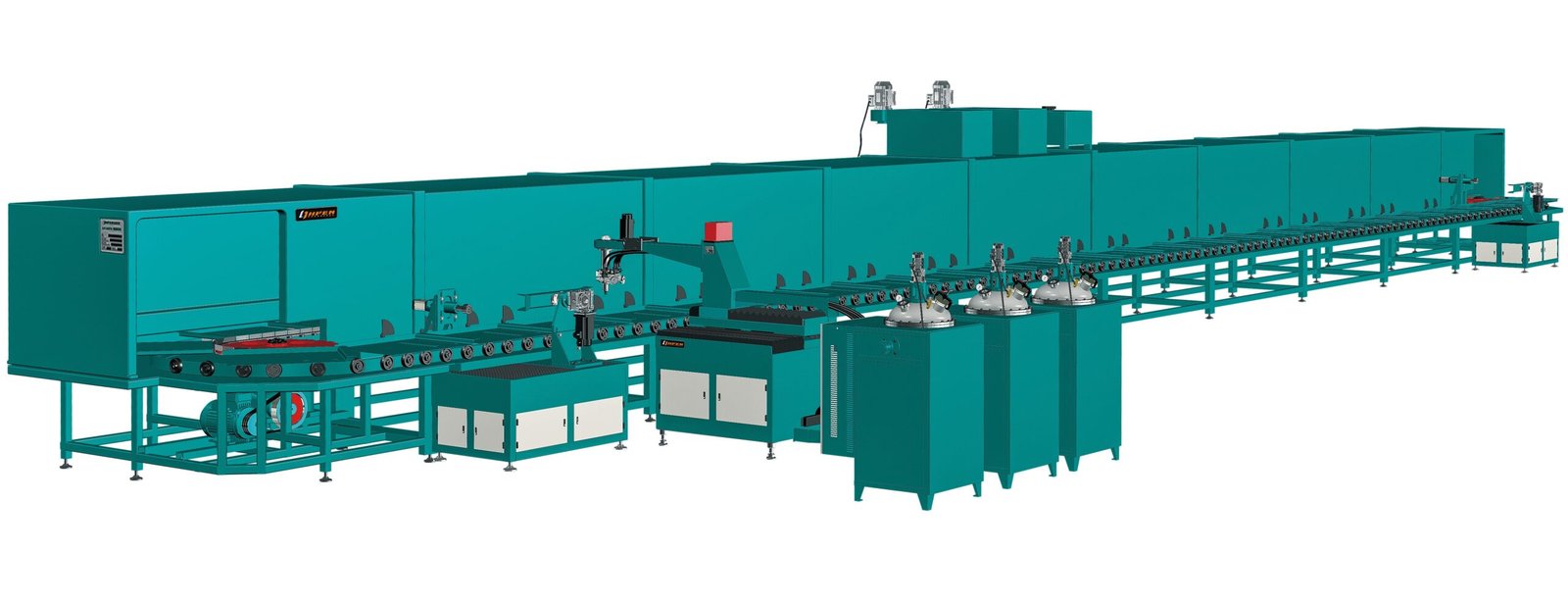
For SRIM work, the mixhead operates against more flow restriction than an empty mold. Our RIM composite machines are built around 150 bar to 200 bar mixing pressure and ±0.3% full-range dosing accuracy across a 100 g/s to 2000 g/s pour window. In the Xi’an SAFE rail pad line, Coriolis mass flow meters recorded parameters every 5 seconds. That measurement matters when the preform changes apparent viscosity during a shot.
A Practical SRIM Equipment Specification Checklist
An SRIM line should be specified from the part outward, not from a standard machine list. These are the six points I ask production teams to resolve before equipment pricing.
- Define shot weight and pour window from part volume, fiber content, and cycle time.
- Require metering accuracy no worse than ±0.3% across the full range, not only at mid-flow.
- Check mixhead pressure in the 150 bar to 200 bar window for wet-out.
- Calculate clamp force from projected area and expected cavity pressure.
- Confirm preform loading and mold closing repeatability before robotic handling is added.
- Specify closed-loop temperature control on both the A and B material circuits.
Production teams usually find out where a specification was too thin after the first scrap batch. We review the part drawing, preform weight, cycle time, and mold plan before quoting, because those numbers drive the metering unit, the mixhead selection, and the clamp table. Send your part number, preform details, and target output to info@chinahaifeng.com or WhatsApp at 86 13566296633, and we will confirm the machine configuration before you commit to tooling.

Questions Buyers Ask About Structural Reaction Injection Molding
Is SRIM the same as RTM?
No. SRIM uses reactive polyurethane chemistry and a mixhead that meters, mixes, and injects the two components. RTM typically uses resin transferred into a closed mold, often with a separate injection pump and a different pressure profile. The shared idea is the dry preform in the mold, but the material handling and reaction control are different. For a parts buyer, the distinction matters because SRIM brings faster cure and tighter integration of the metering unit with mold opening and closing.
Do I need a different mixhead for SRIM?
You do not necessarily need a completely different mixhead. You need one sized for the viscosity, shot volume, and fill window. A mixhead that works well on open casting may not hold enough pressure for wet-out through a dense preform. The larger risk is wearing the impingement chamber because the back pressure changes when the preform restricts flow. That wear shows up as ratio drift long before a visible part defect appears.
What is the main cause of dry glass in SRIM parts?
It depends on where the dry glass appears. If dry spots are near the gate, the mixhead pressure or material temperature is usually too low. If dry glass appears at the end of fill, the mold may be venting incorrectly or the shot size is too small. If the dry areas are random, preform shifting during mold close deserves attention. We trace the location first, because the same visible defect can have different machine corrections.
How do I know if SRIM is right for my part?
In the programs we review, SRIM becomes the right choice when a part needs a stiff, load-bearing composite and the production volume justifies the preform handling. If the part only needs a small stiffness increase, RRIM or a filled RIM system may be simpler. If the part has deep ribs, high fiber content, or a tight weight target, SRIM earns its cost. Share your part drawing and reinforcement type, and we will confirm whether SRIM or RRIM fits the performance and cost target at info@chinahaifeng.com.