
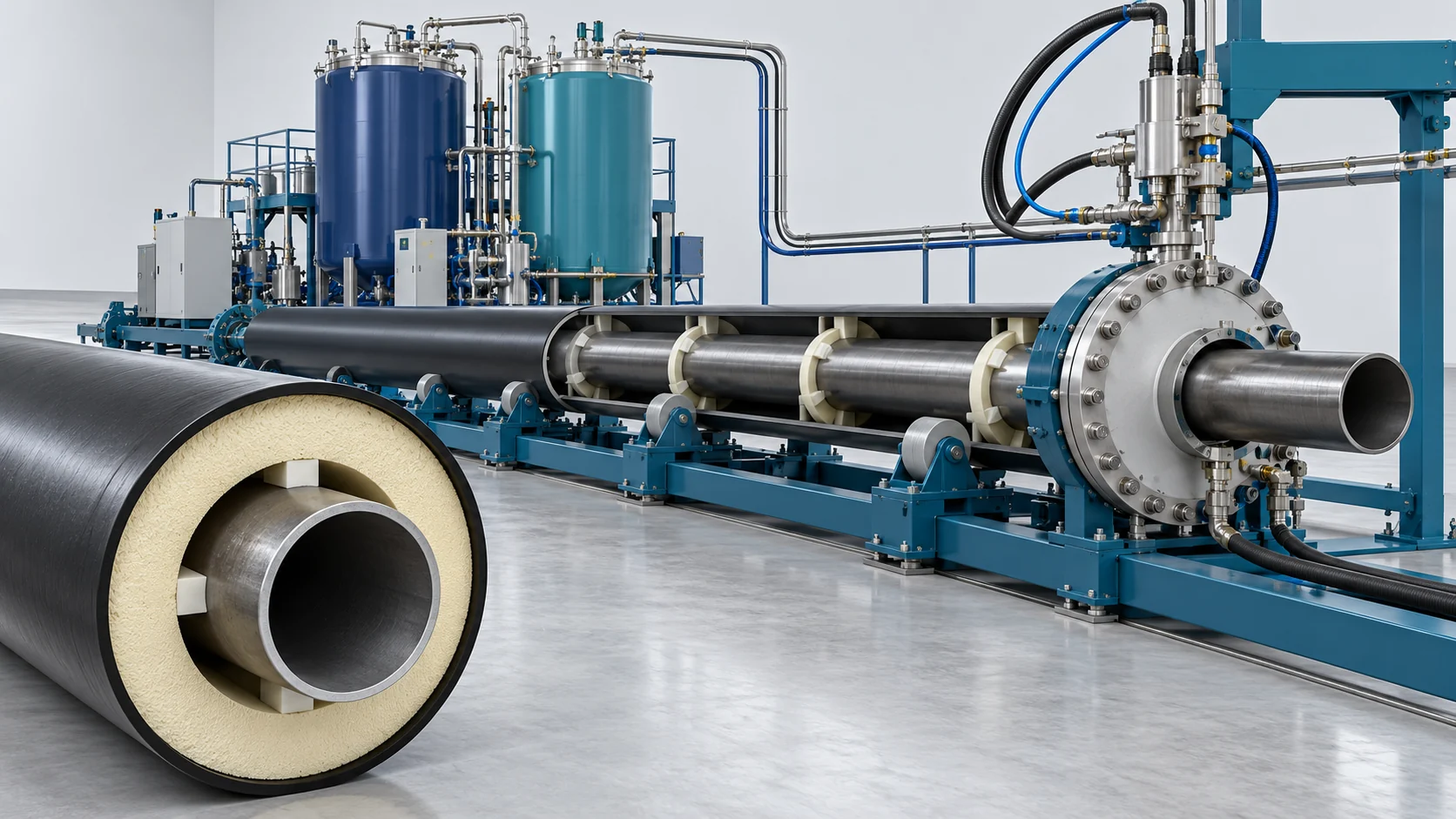
Pipe and Pipeline PU Insulation Solution
Configure pipe-in-pipe PU insulation equipment around pipe dimensions, annular volume, material data and output. Centering, sealing, dosing and handling are coordinated for the selected pipe system.
Precision Pipe-in-Pipe Polyurethane Injection Solutions for District Energy & Process Lines
Configure pipe-in-pipe metering, centering, sealing and handling for the selected pipe dimensions and PU formulation. Jacket integrity, joints, moisture protection and thermal-expansion design are assessed for the complete pipe system.
Pipe-System Design
Bonding, pipe supports, joints and thermal movement are reviewed for the selected system. EN 253 applies to its specified factory-made bonded hot-water pipe construction; other applications require their own standards and acceptance plan.
Filling and Material Selection
Confirm annular volume, shot mass, venting and reaction timing through material and pipe trials. Closed-cell foam is considered together with jacket and joint integrity.
Compare Related Production Routes
Size pipe centering, sealing, venting and PU injection for the actual annulus and length. Thermal, bond and expansion requirements belong to the complete pipe construction. Resolve differing flow references through the selected working point rather than substituting a number.
Production Workflow for Pipe & Pipeline Polyurethane Insulation Line
The sequence is configured for the selected application and material. Temperatures, pressures, reaction timing and pass thickness are reference conditions reviewed through project trials.
Steel Pipe Shot-Blasting & Casing Centering
Steel pipes are blasted to Sa 2.5; snap-on plastic centering spiders are attached to center the steel pipe precisely inside the outer HDPE casing pipe.
Pipe End Flange Clamping & Venting Setup
Pneumatic or hydraulic end-sealing flanges clamp onto both ends of the pipe assembly, sealing the annular gap while providing micro-perforated air-venting channels.
High-Pressure Annular Cavity Injection
An L-shaped impingement mixing head docks with the central injection port; servo displacement pumps inject liquid precursors at up to 180 bar within 3–8 seconds.
Technical Specifications
Supplied application and equipment references for configuration review. Material properties, operating conditions and acceptance tests are agreed for the selected project.
| Technical Parameter | Supplied Reference / Configuration | Engineering Context & Verification |
|---|---|---|
| Target Application | District Chilled-Water Lines, Chemical Process Piping | Underground direct-buried & overhead pipelines |
| Material Matrix | Rigid Polyurethane Foam (PUR / PIR) | Material and pipe-system design selected for the service conditions |
| Applicable Pipe Diameters | DN50 to DN1200 (2 Inch to 48 Inch) | Small building risers to giant district trunks |
| Core Foam Density | 60 – 80 kg/m³ | High compressive and axial shear capability |
| Thermal Conductivity (λ) | 0.024–0.026 (supplied reference) W/(m·K) | Supplied thermal reference; applicable pipe-system standard and test conditions to be confirmed |
| Axial Shear Strength | ≥0.12 MPa (At 23°C and 140°C) | Supplied bond reference; define test method and thermal-movement design |
| Proportioner Fluid Output | 30 – 80 kg/min | High-output capability for large annular volumes |
Pipe Insulation Equipment and Application Views
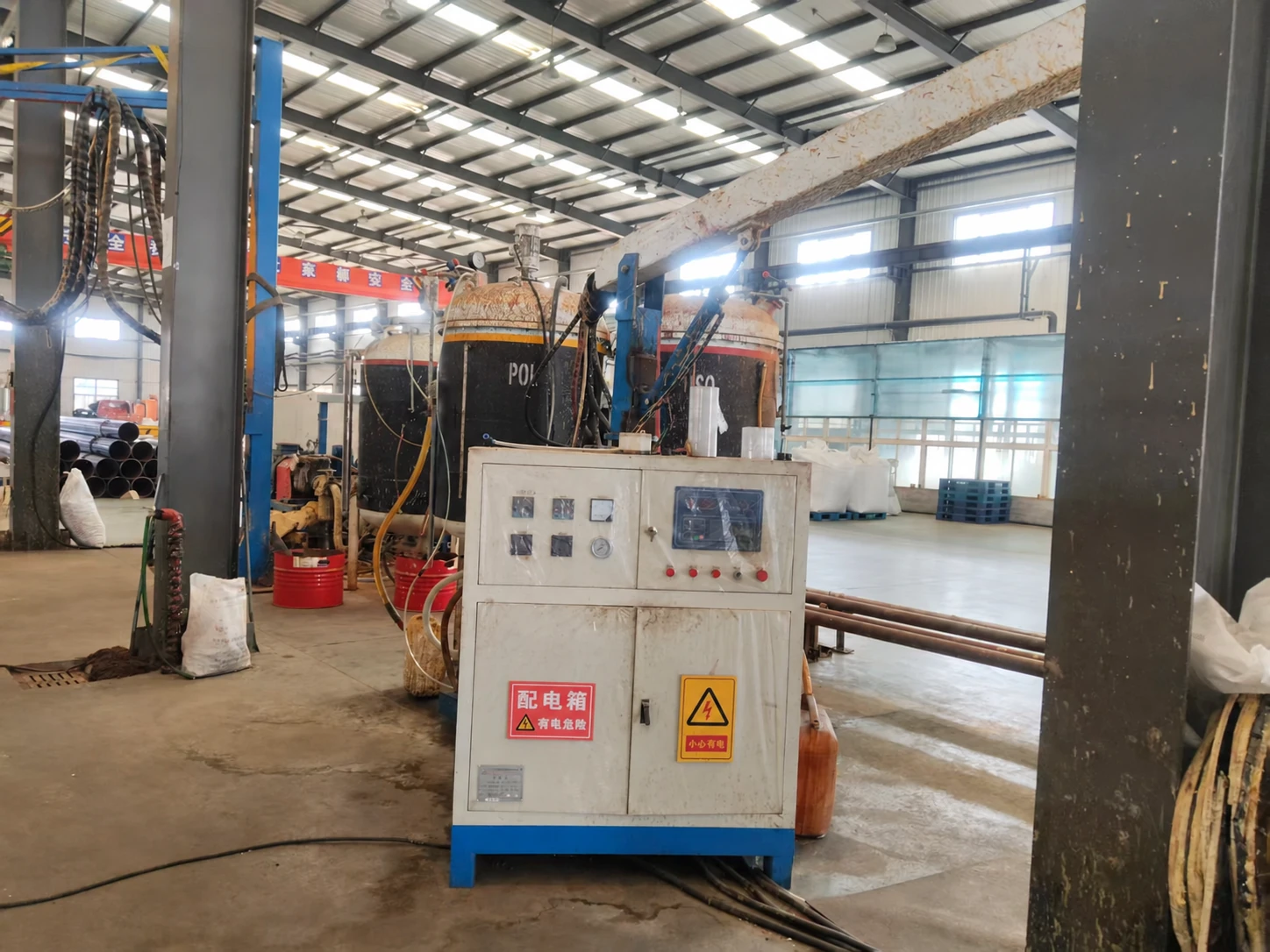
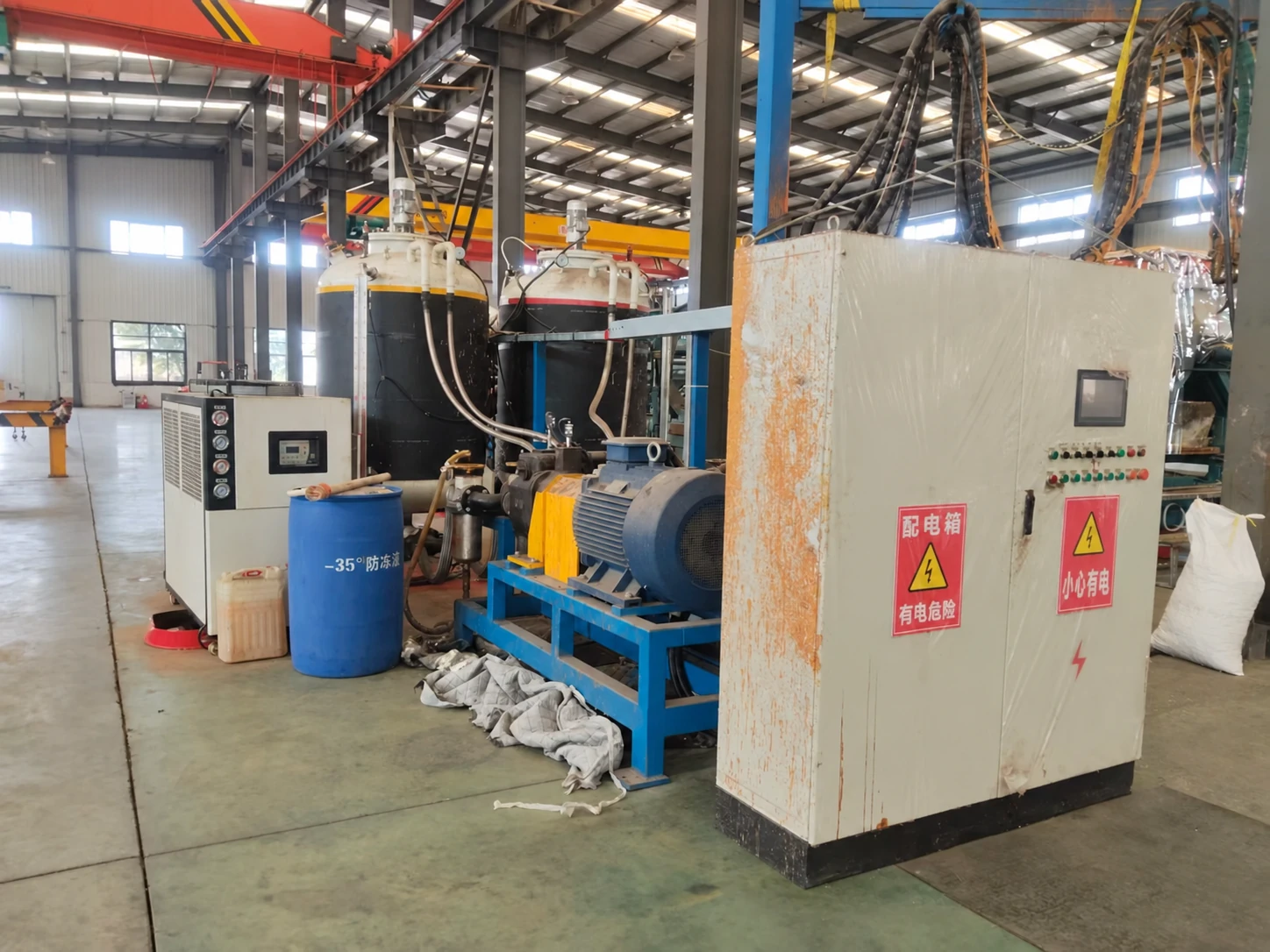
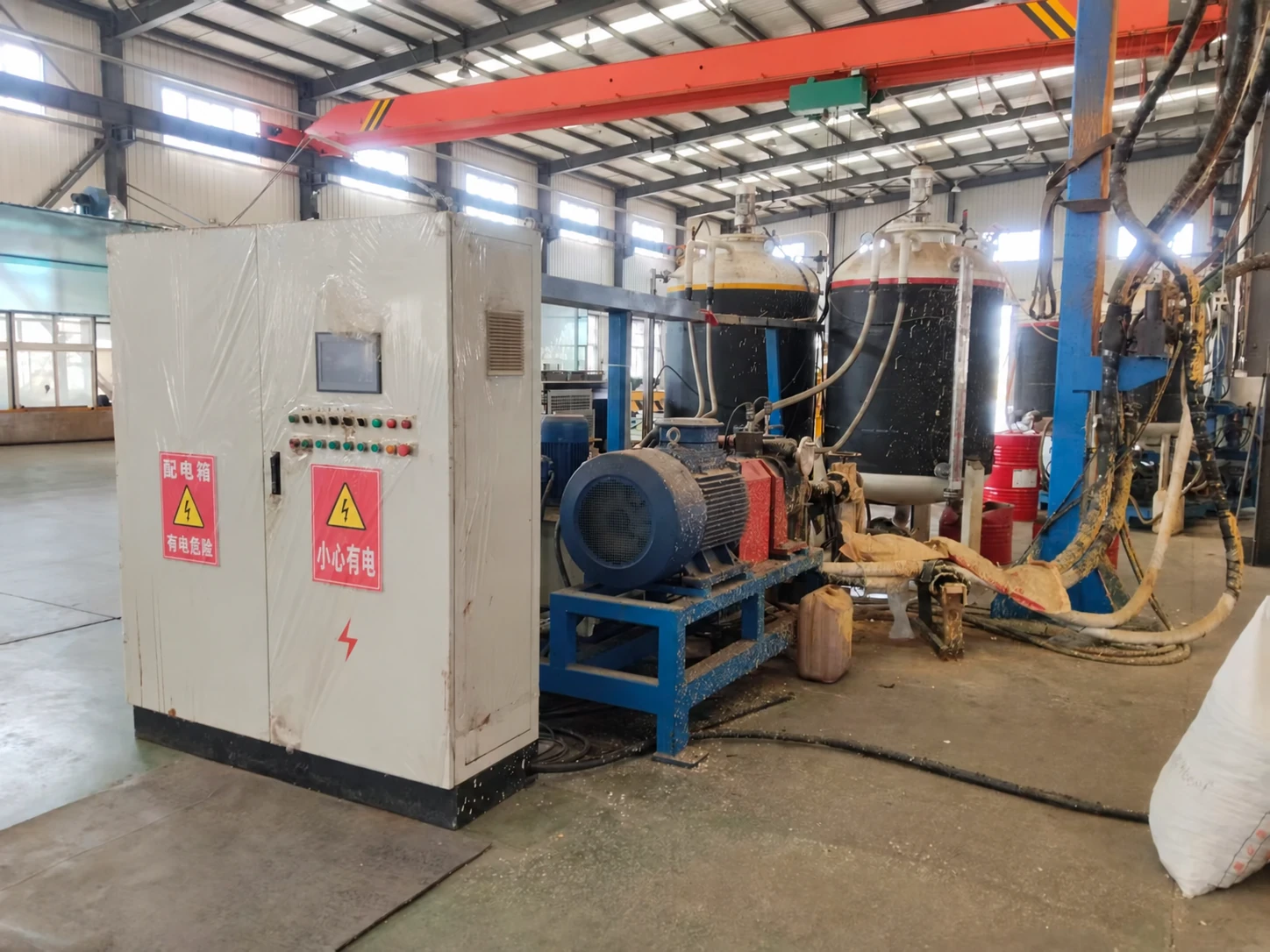
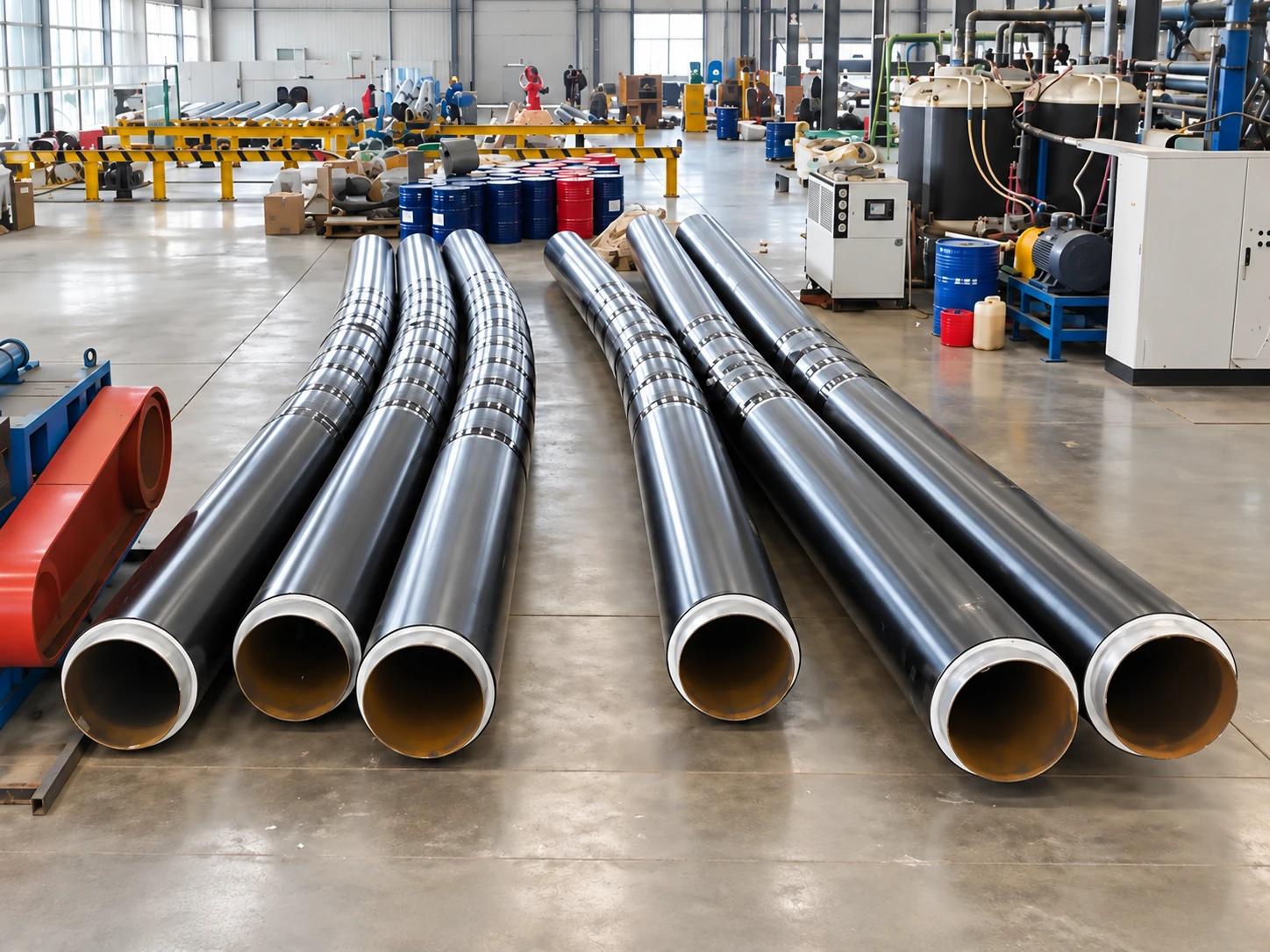
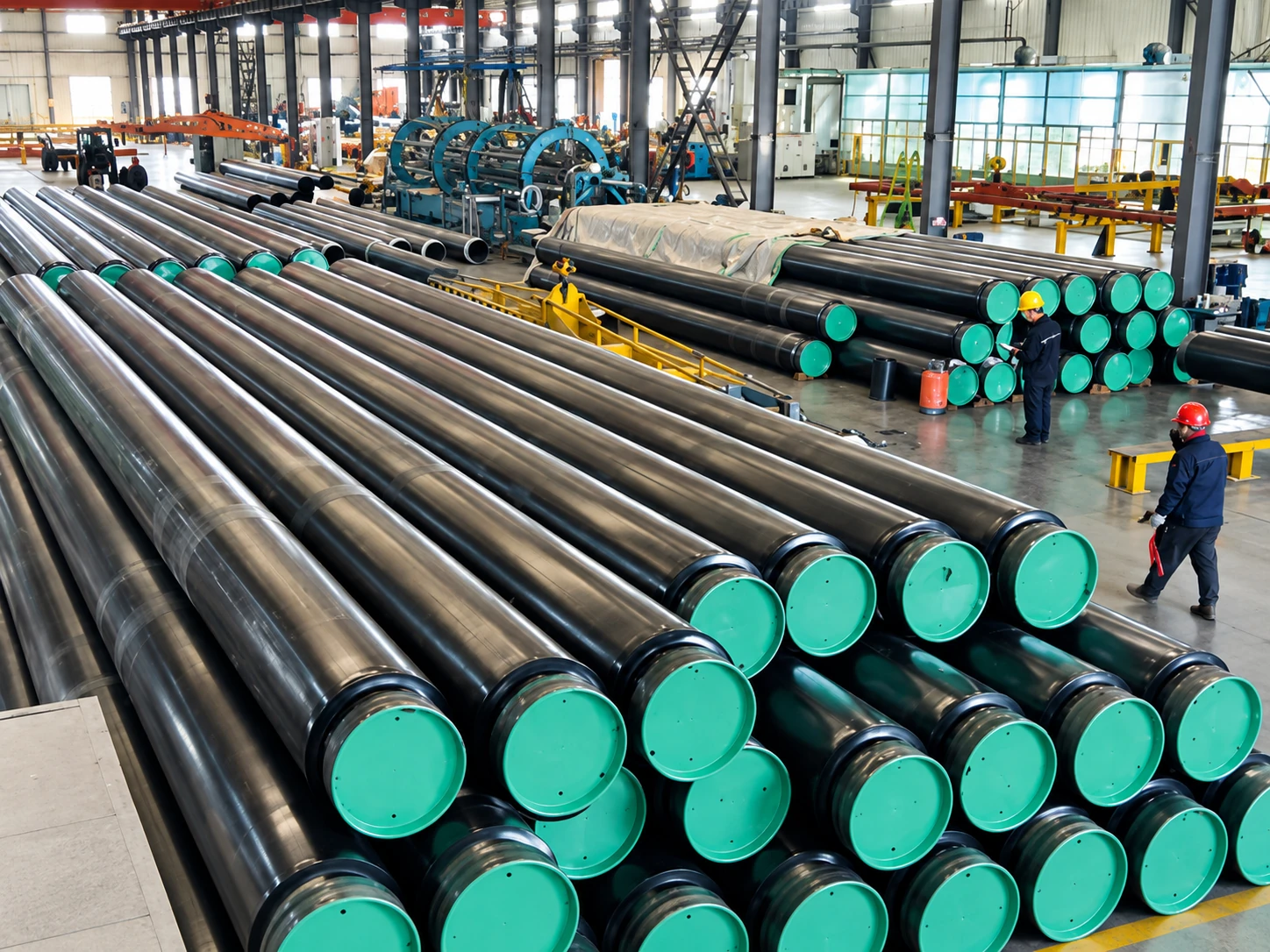
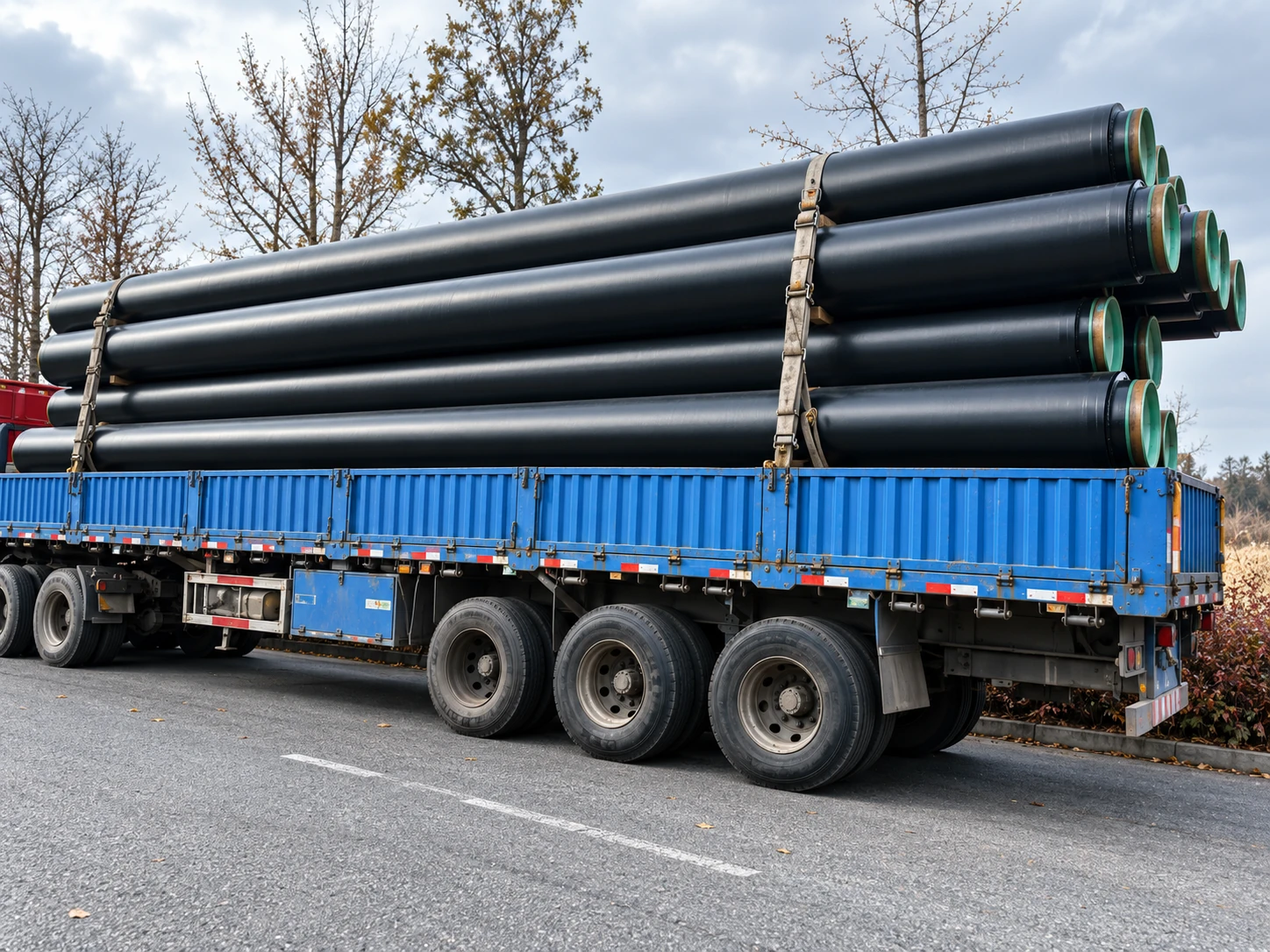
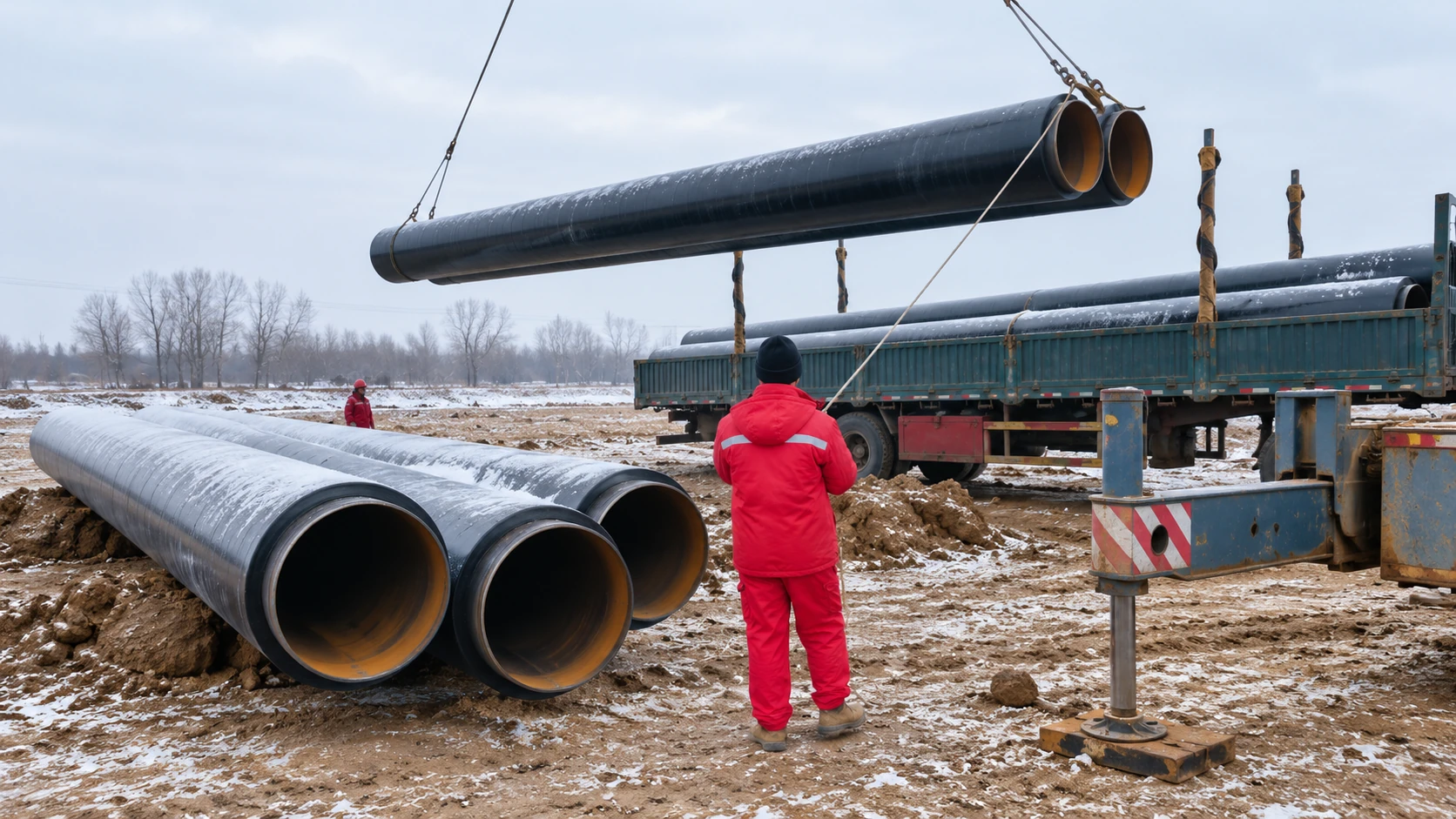
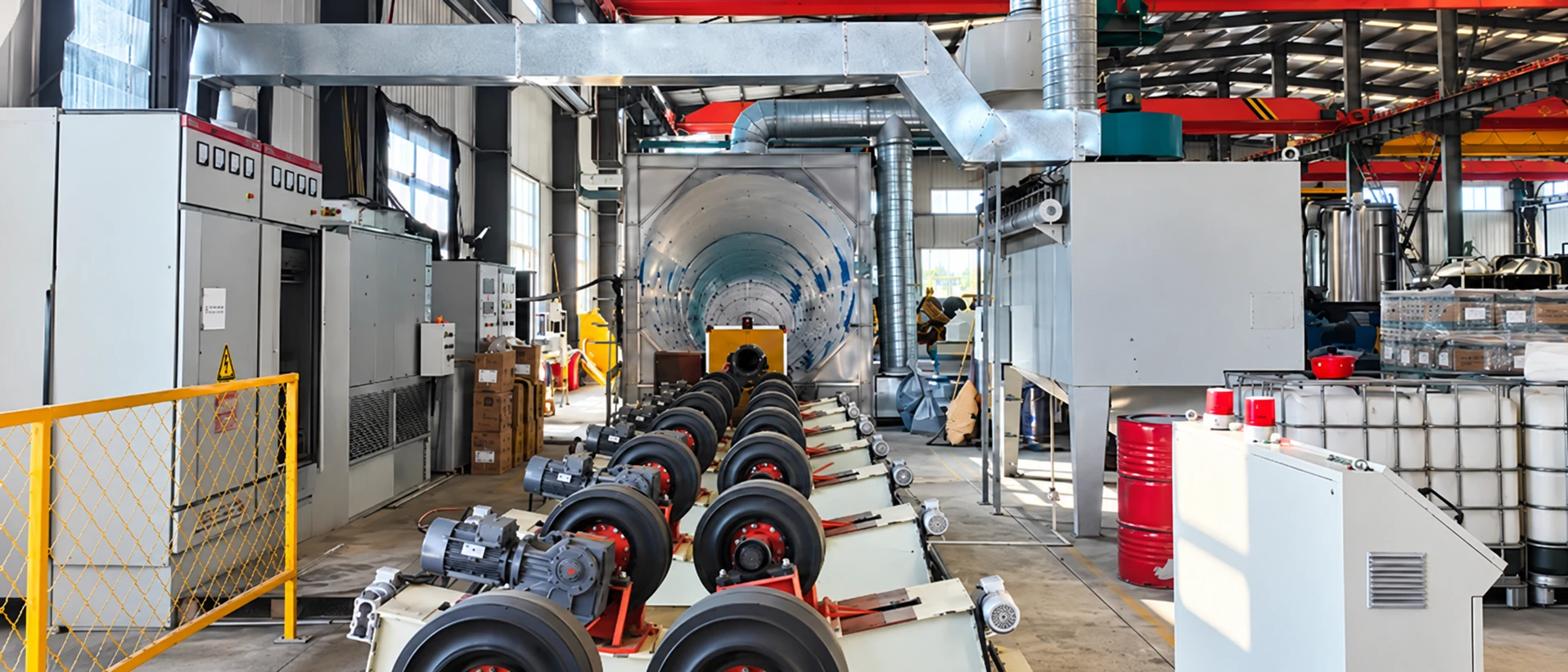
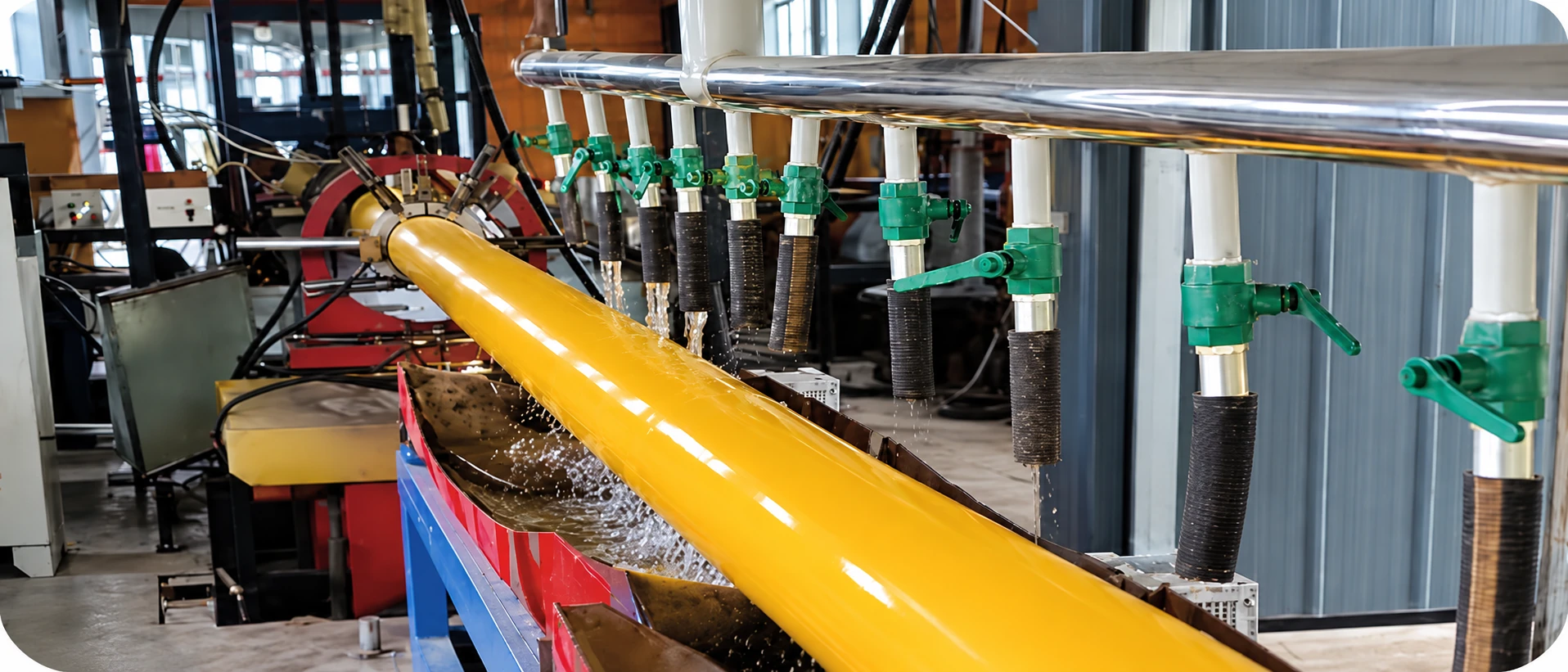
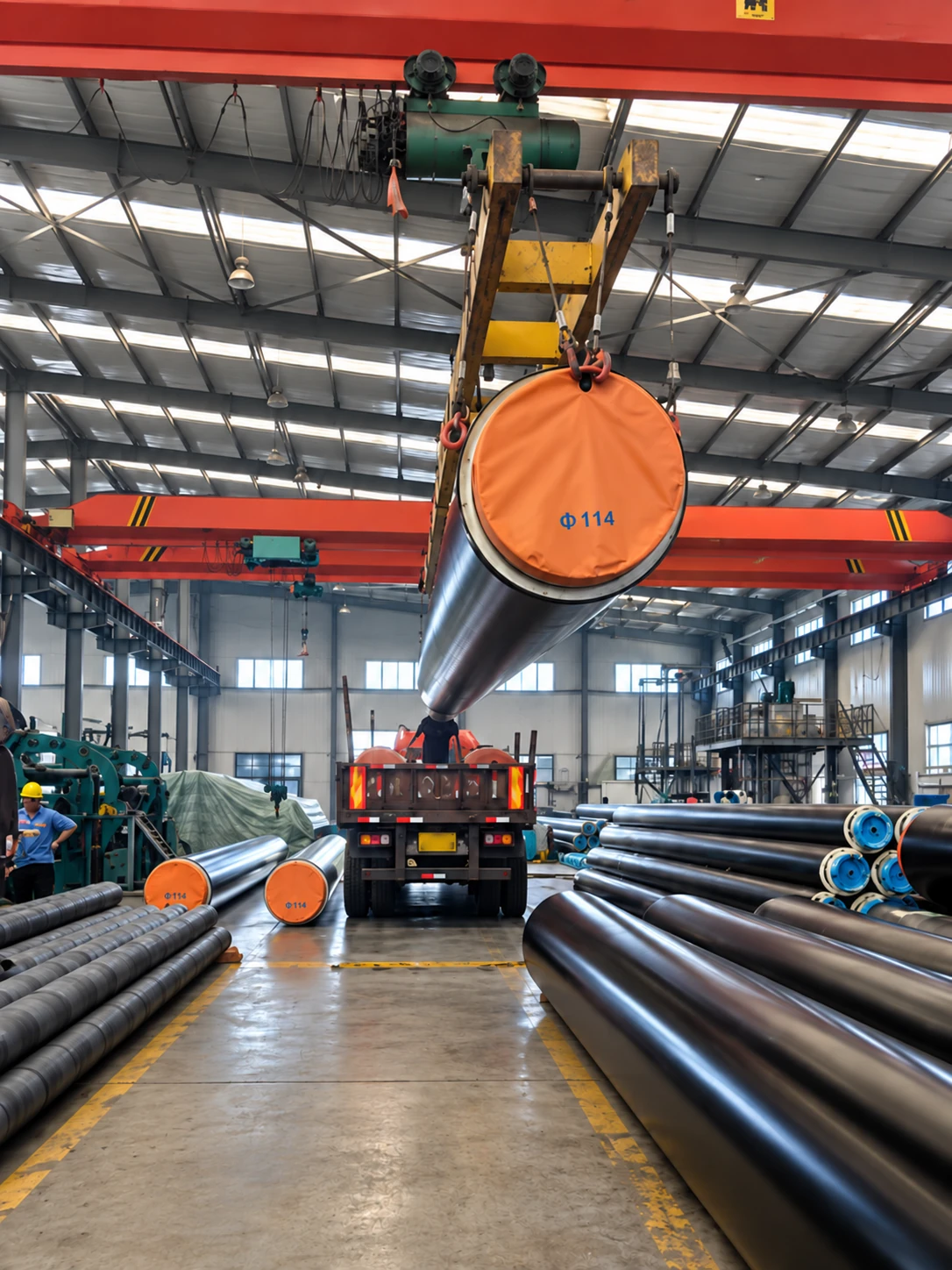
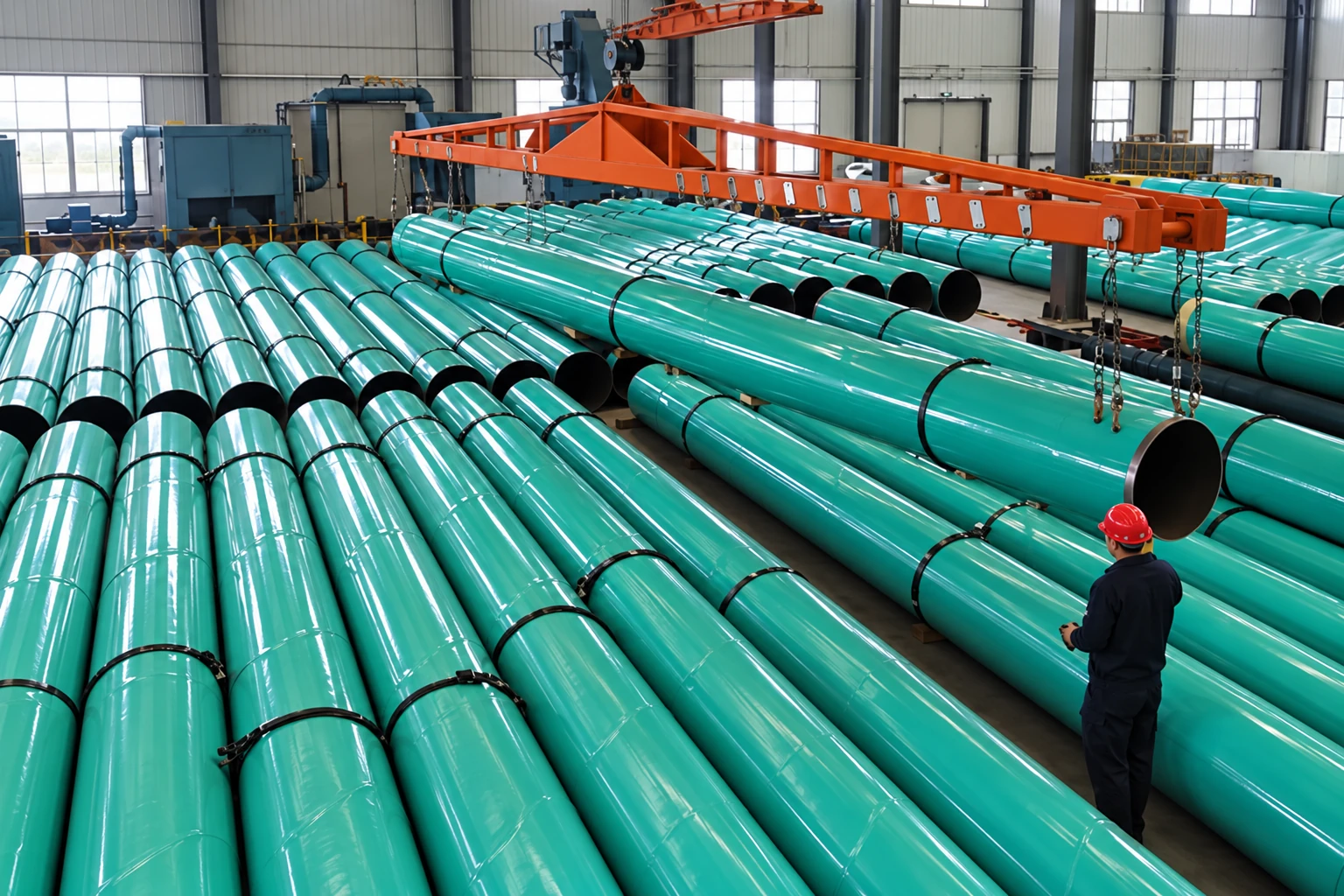
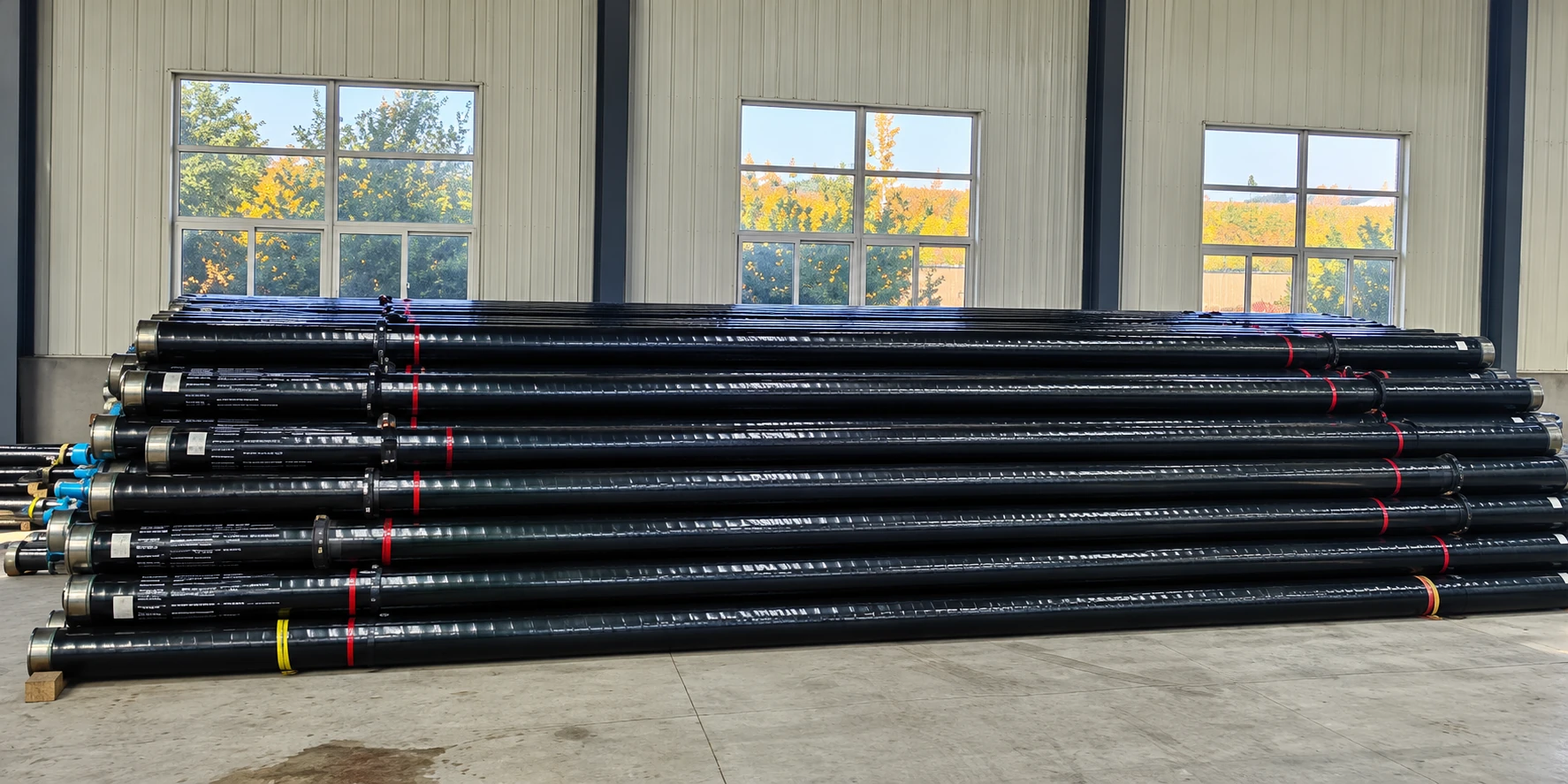
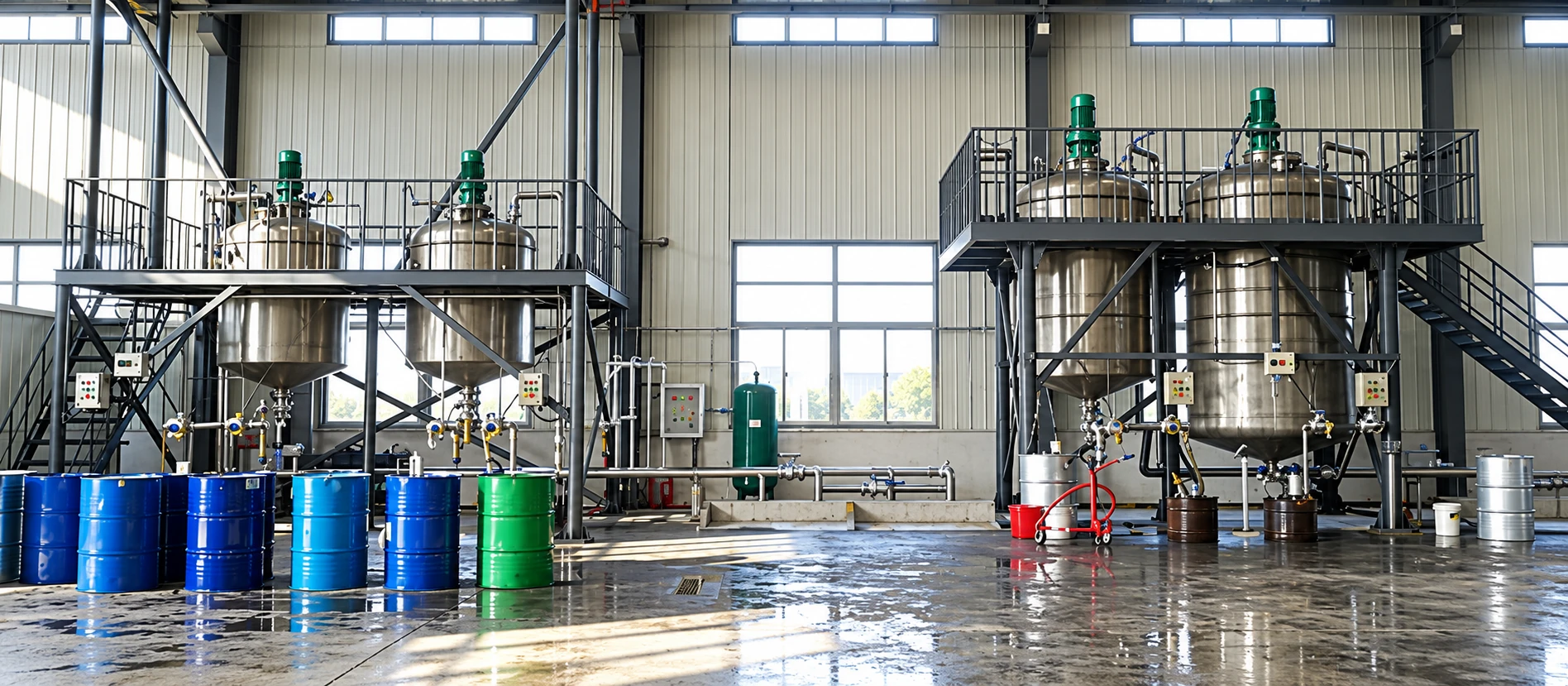
The equipment views and application illustrations show workshop equipment, pipe handling, storage and transport. Application views do not identify a specific customer delivery or verify foam properties, jacket material or coating chemistry.
Pipe-Insulation Equipment — Liaoning Workshop Views
Pipe Manufacturing and Handling Illustrations
More pipe workshop and handling illustrations
Additional Application Views
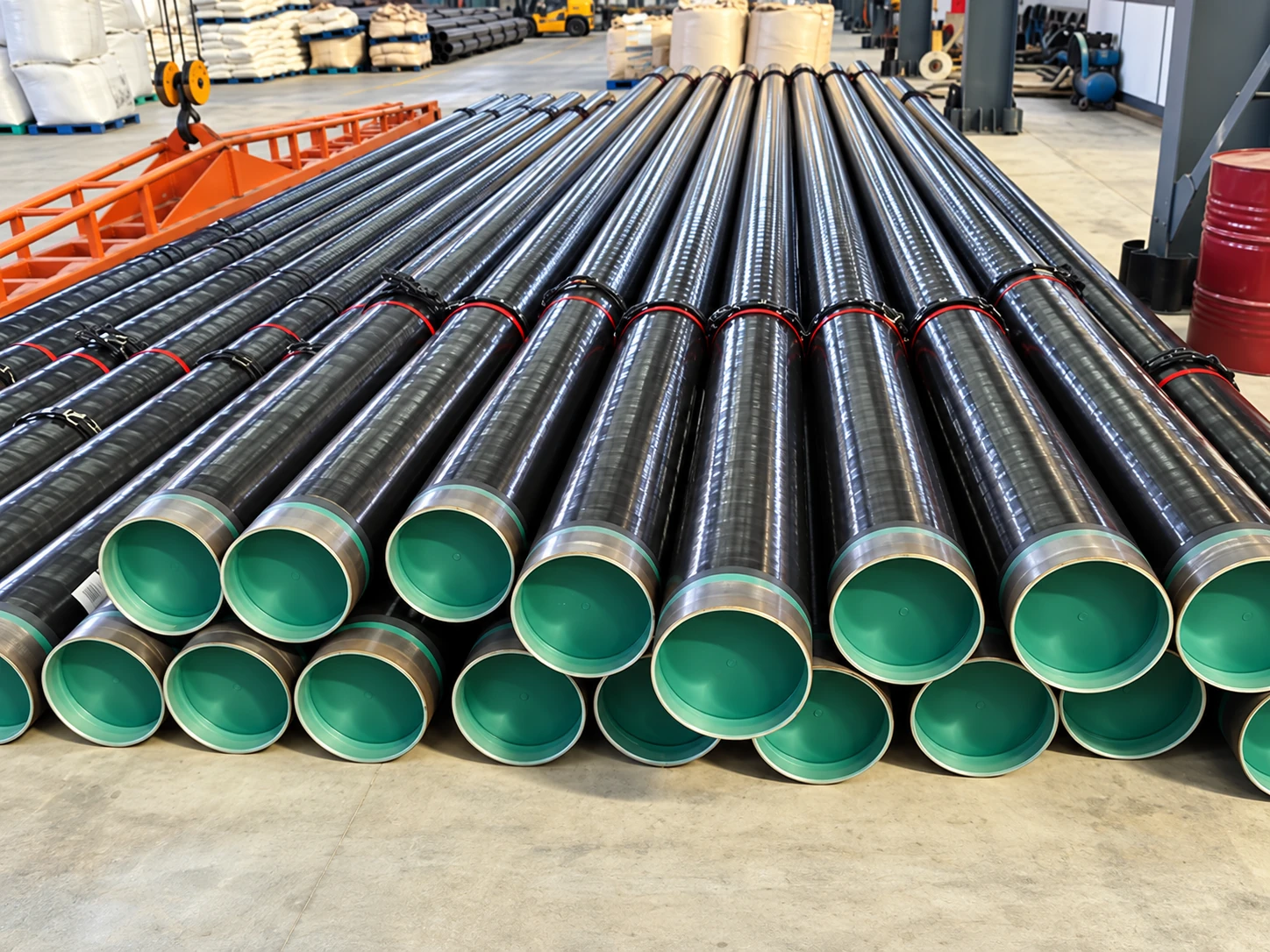
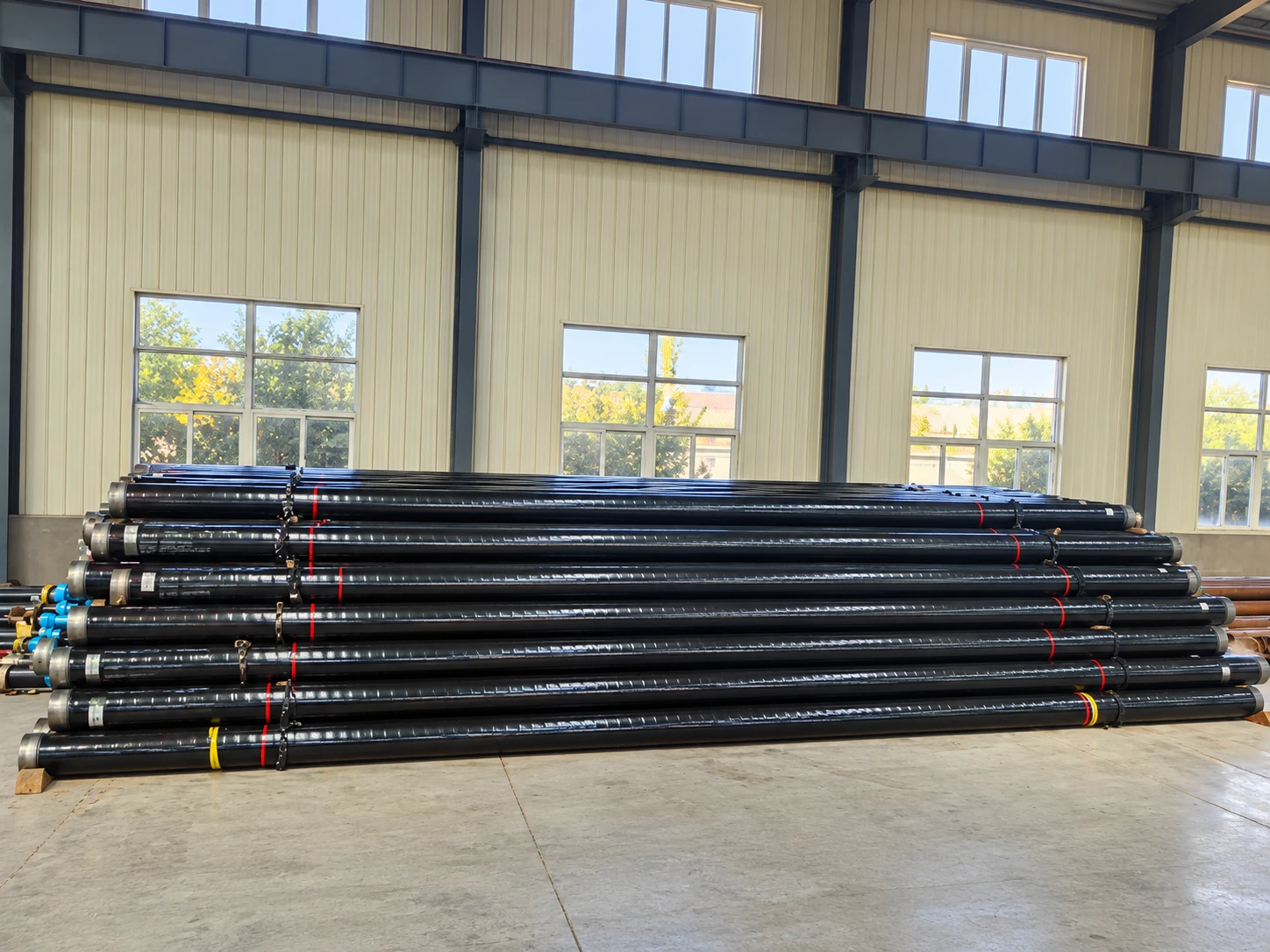
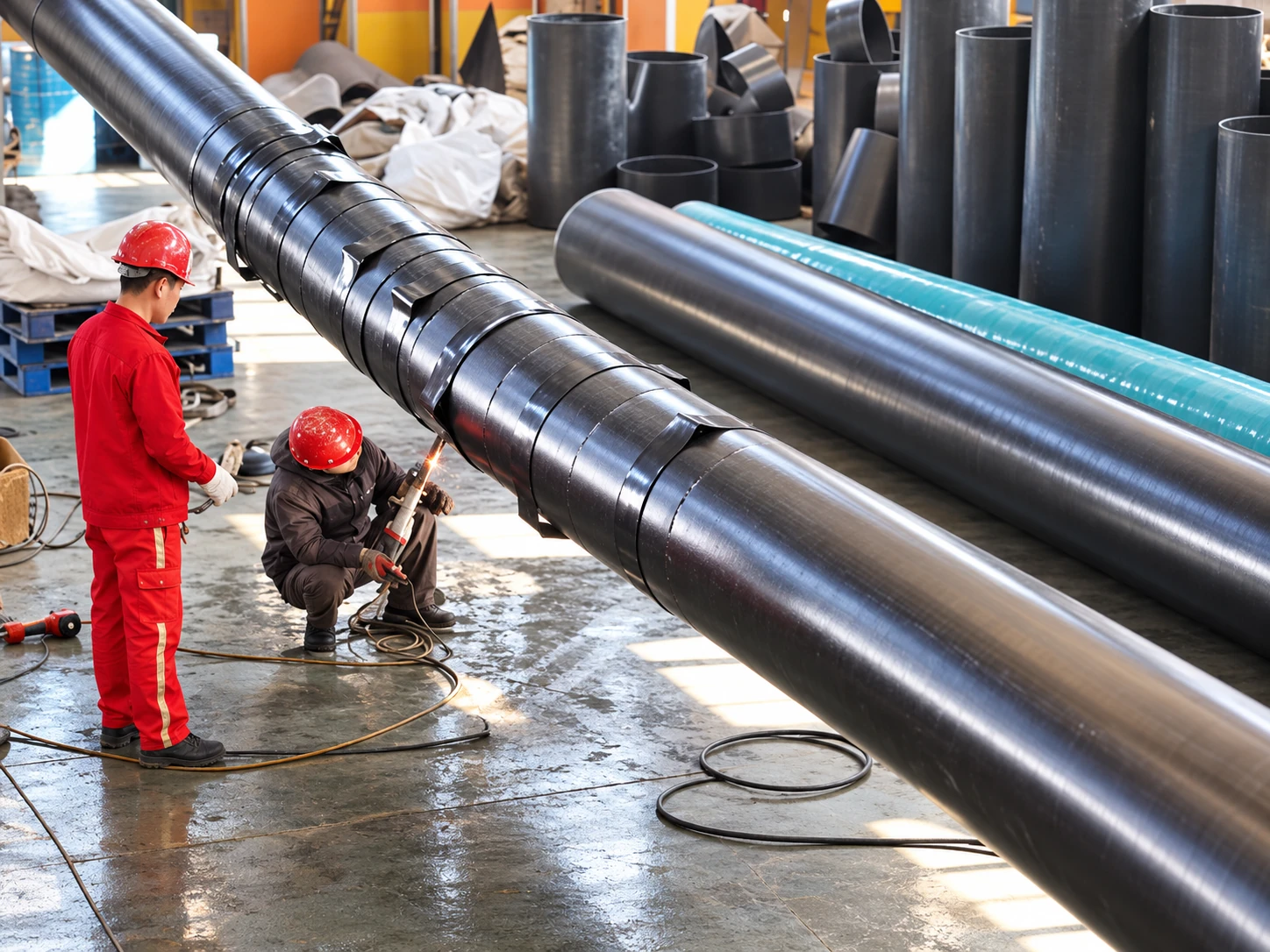
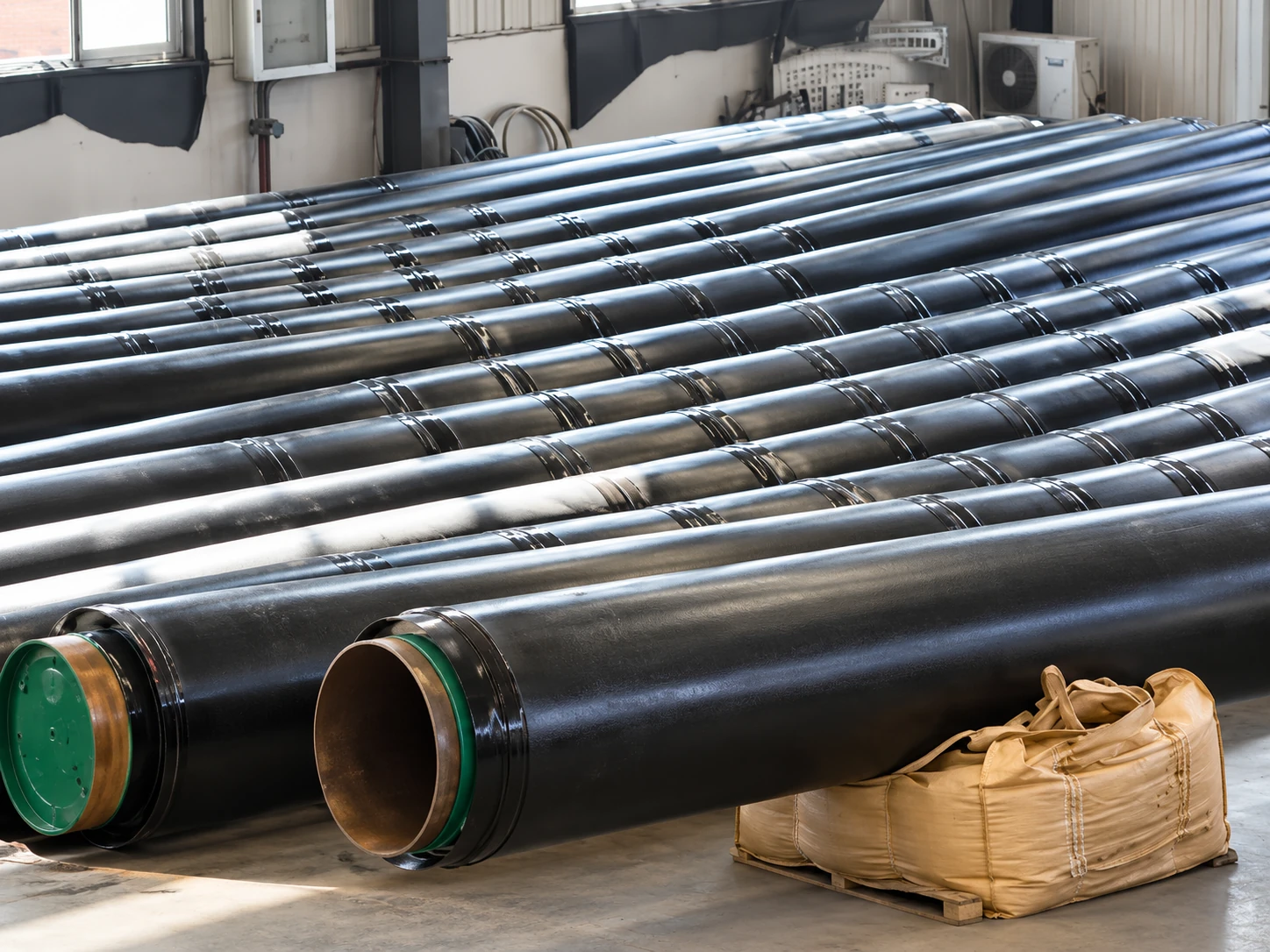
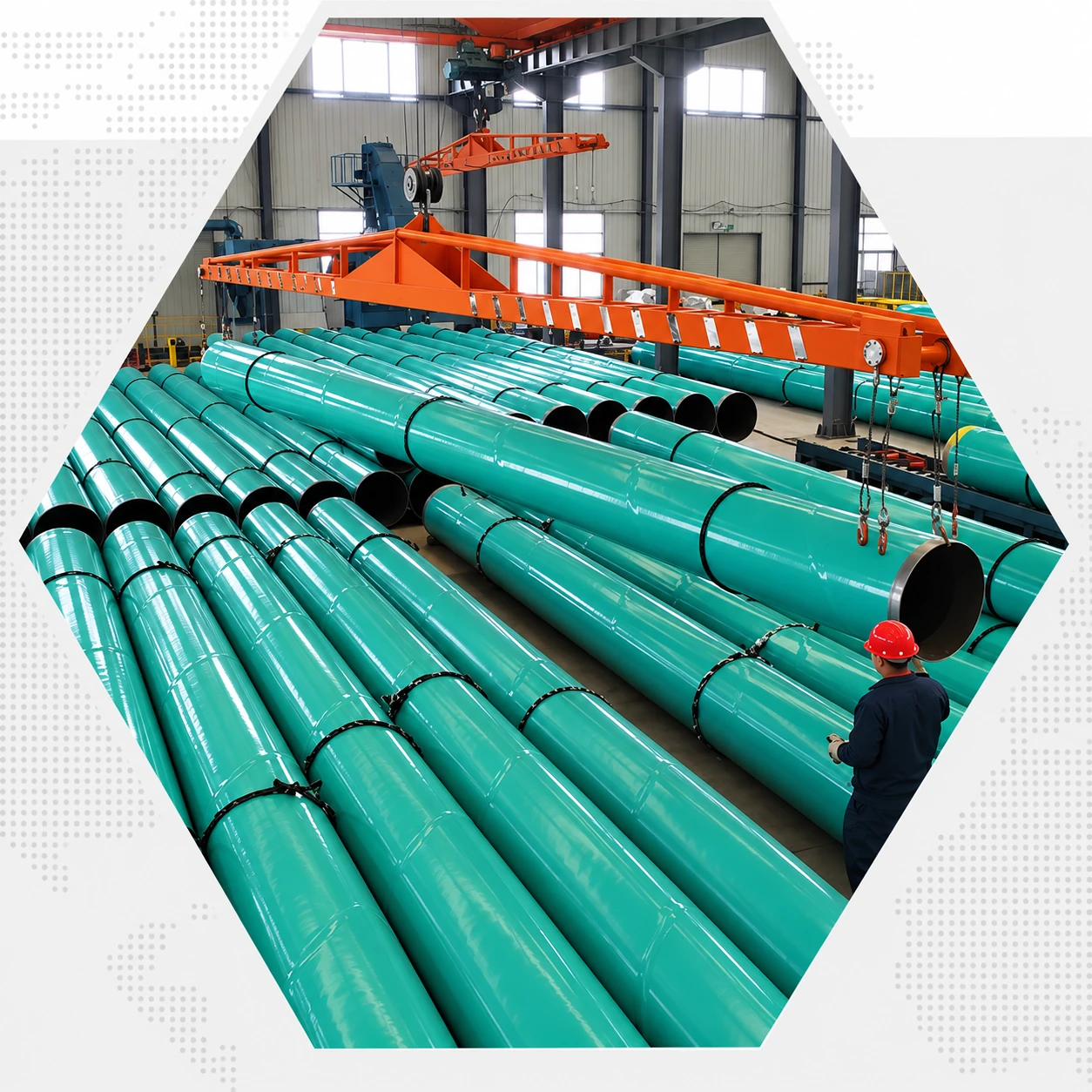
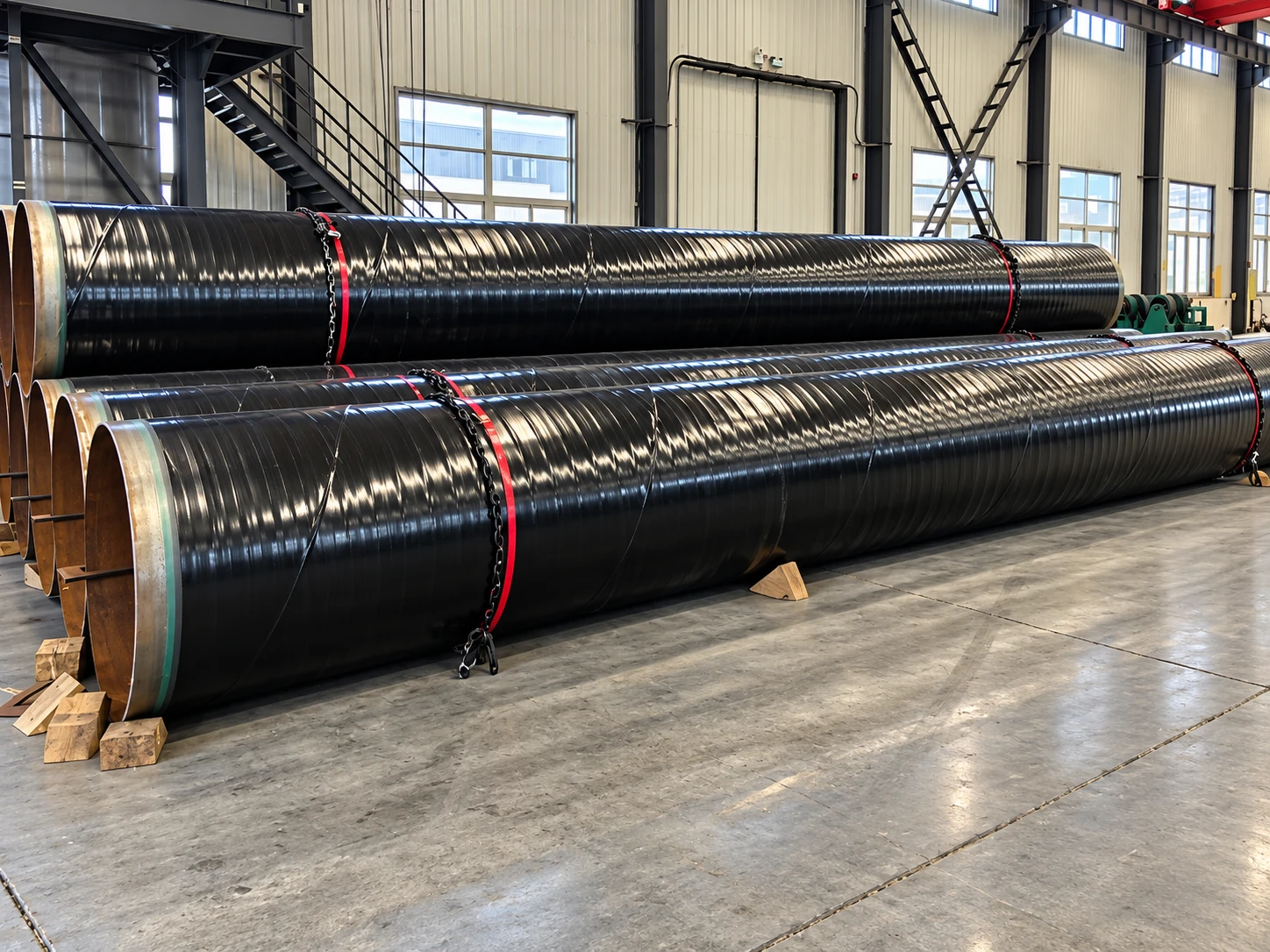
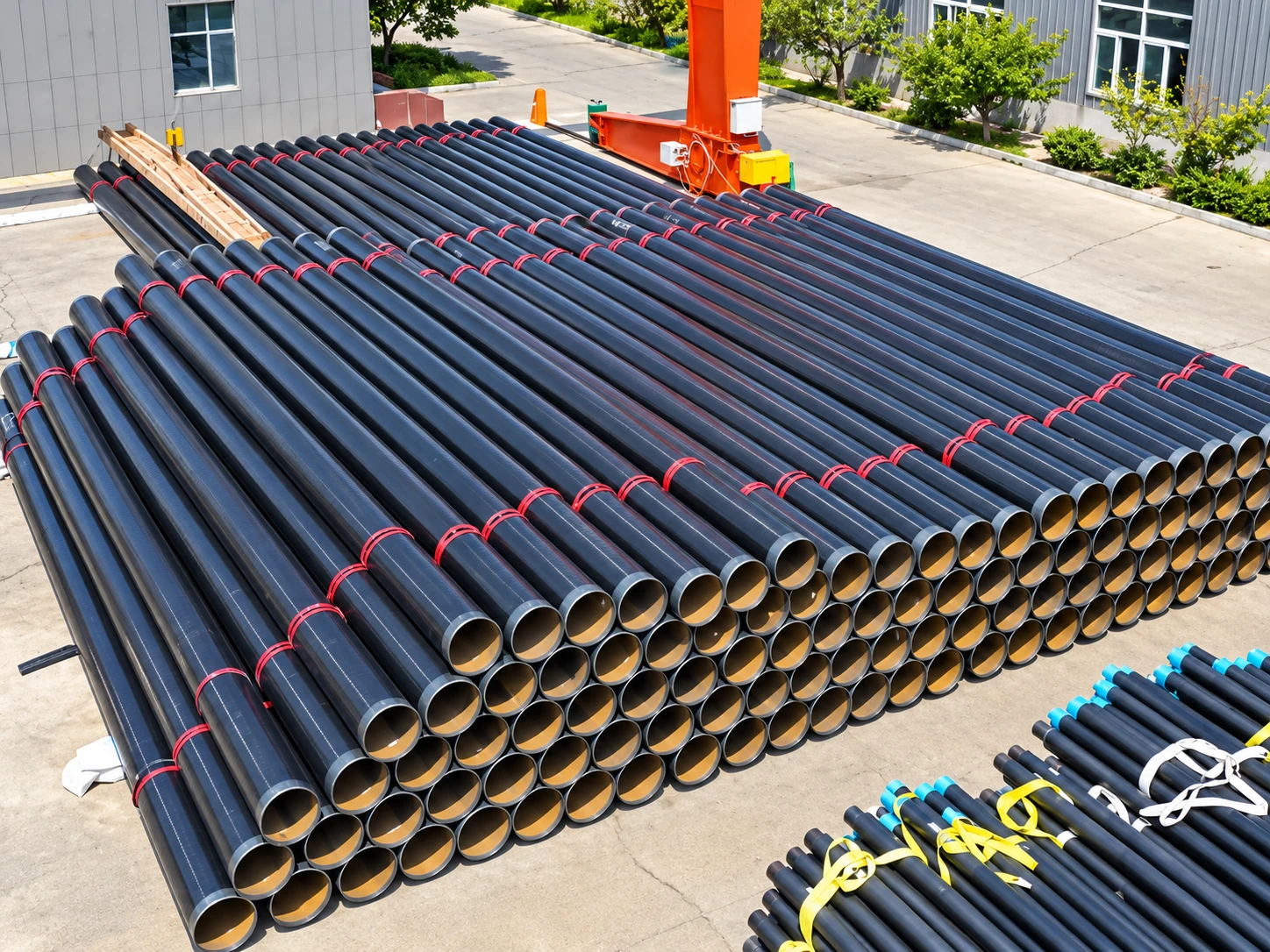
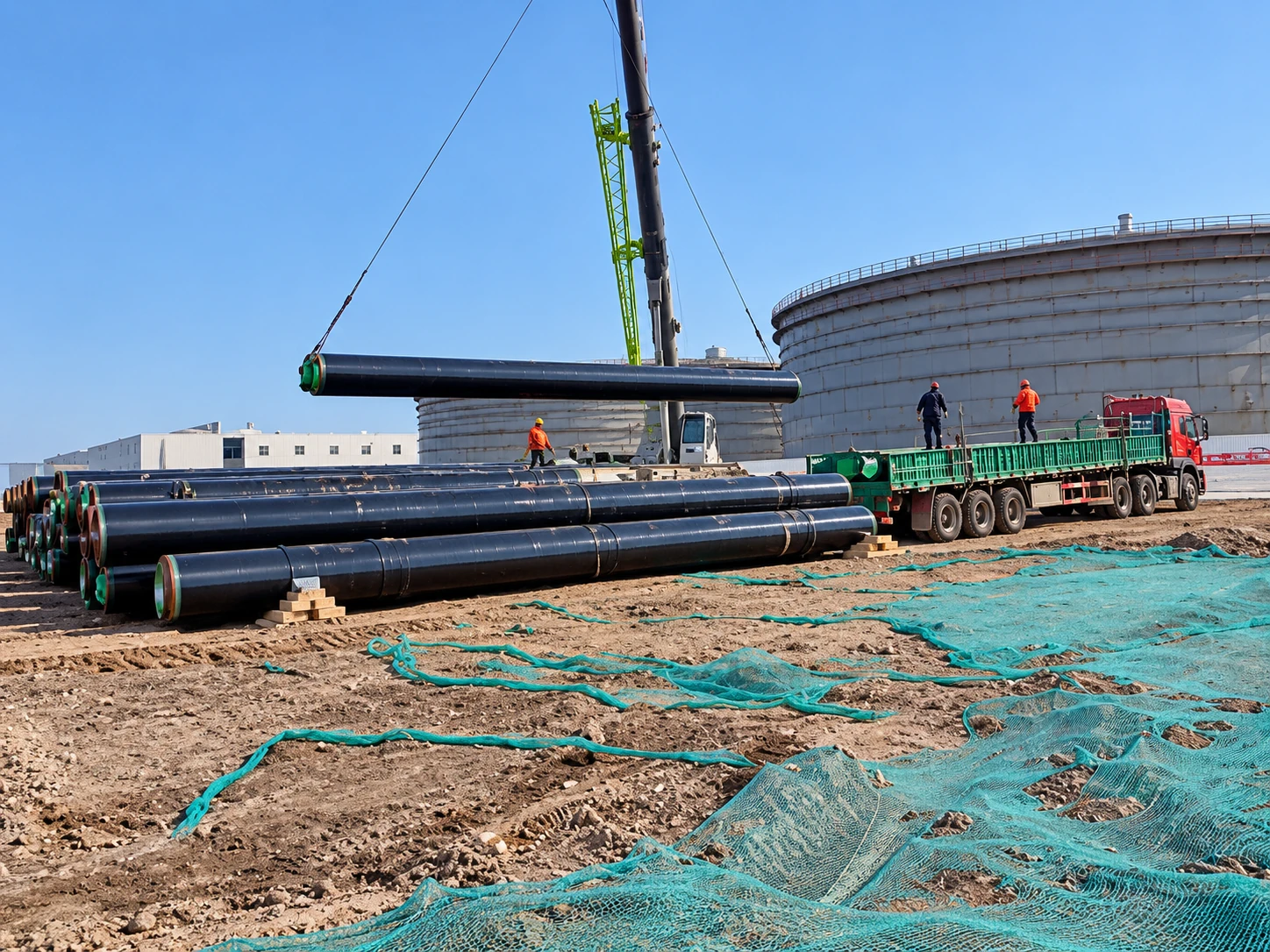
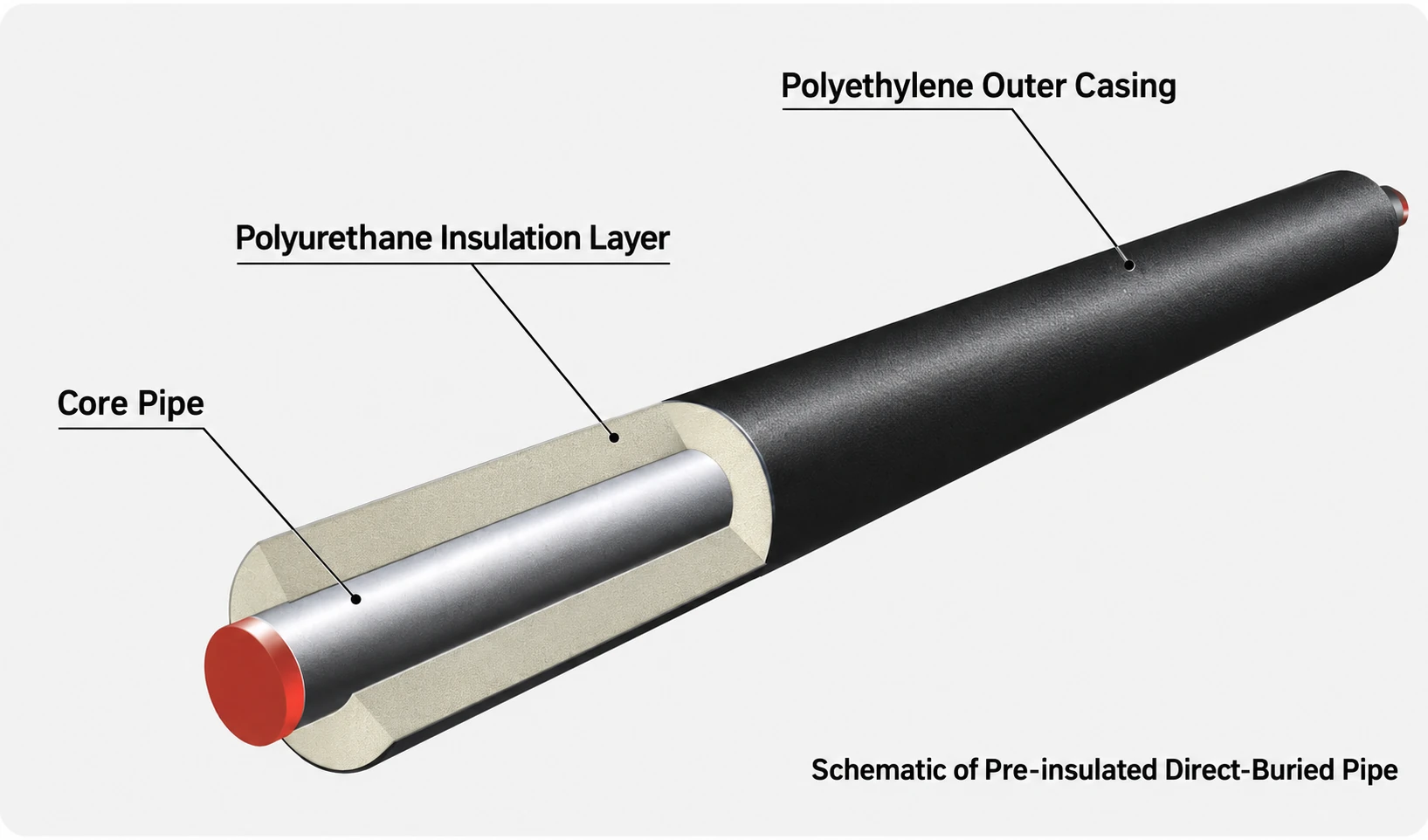
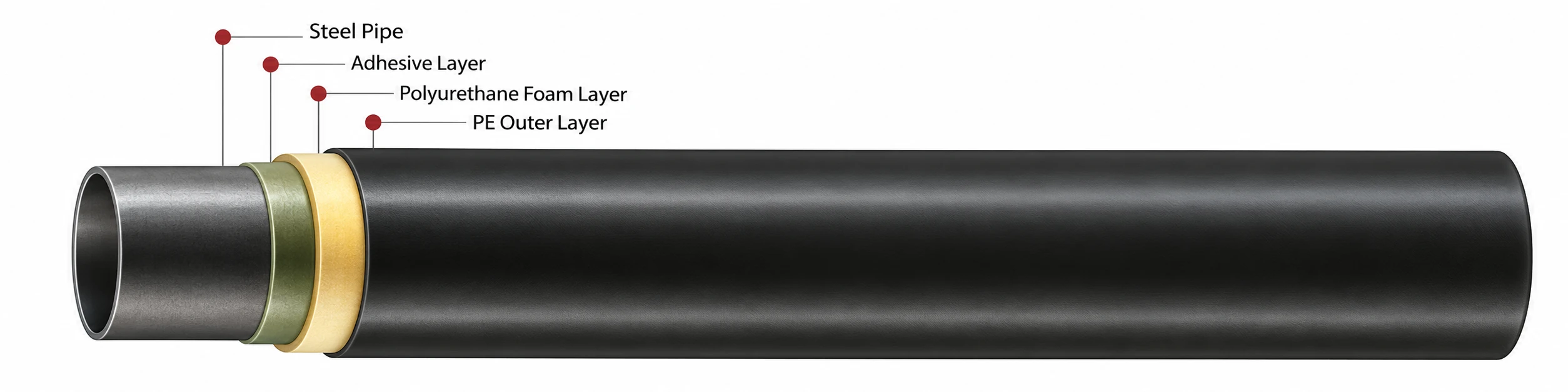
Pipe workshop equipment views and layered-pipe schematics show handling, material conditioning and pipe construction. Schematic layers describe application concepts; specific equipment duties and material properties follow the project configuration.
Pipe Workshop and Structure Views
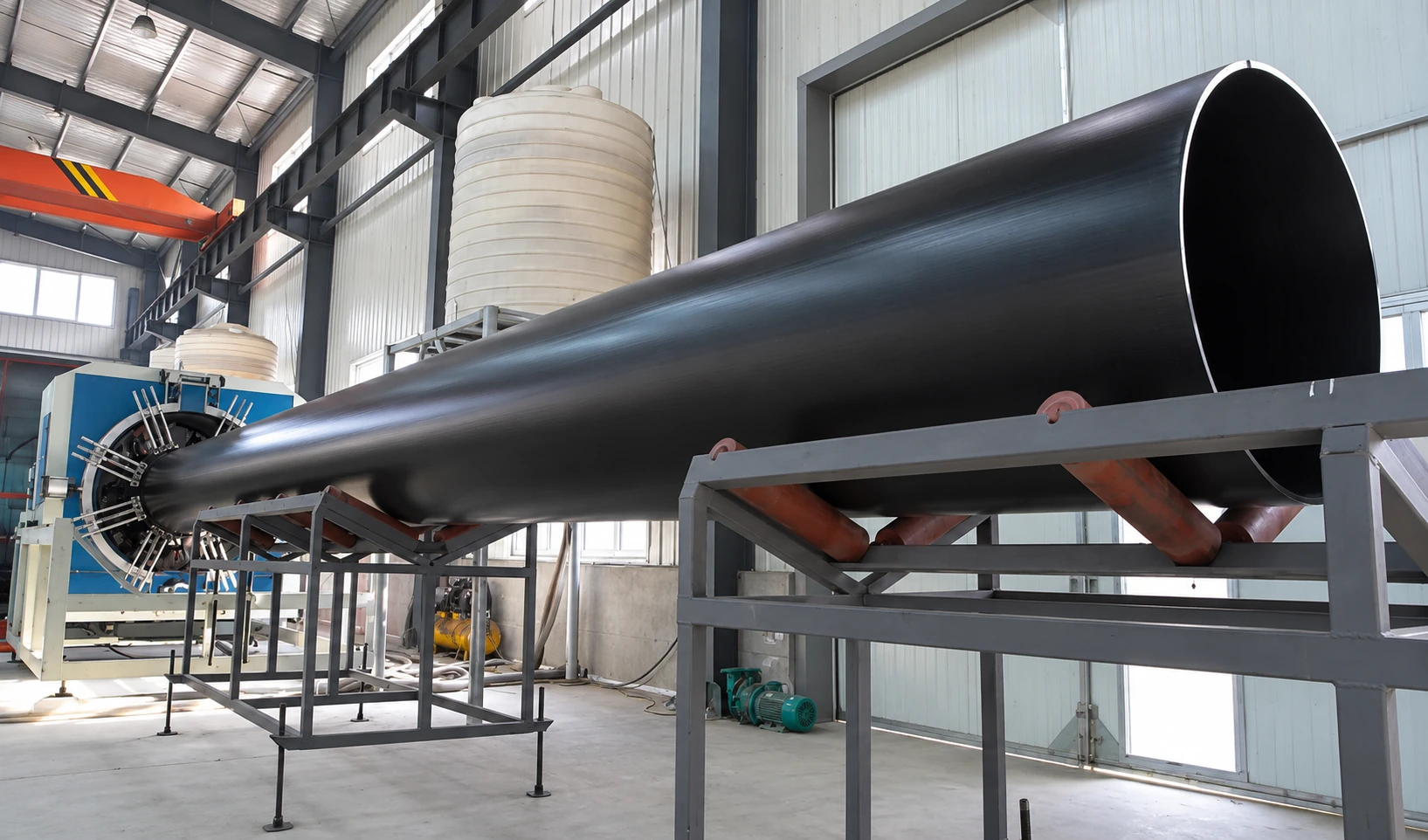
Reference Haifeng Insulation Equipment
The pipe-insulation metering reference requires matching centering, end seals, fixtures and handling. Confirm those modules in the delivery scope.
Key Engineering Advantages
Application-specific process controls, tooling and equipment integration.
Moisture-Protection Planning
Coordinate jacket integrity, joints and inspection with the insulation design.
Thermal-Performance Review
Specify formulation, thickness and thermal test conditions for the pipe system.
Bond and Movement Verification
Review bond tests and thermal-expansion design for the complete pipe assembly.
Coordinated Pipe Handling
Arrange centering, clamping, injection and transfer around the required pipe duty.
Related Projects
Chilled-water and chemical-service pipes use different design conditions. Keep shear, temperature and standard applicability tied to the actual pipe system.
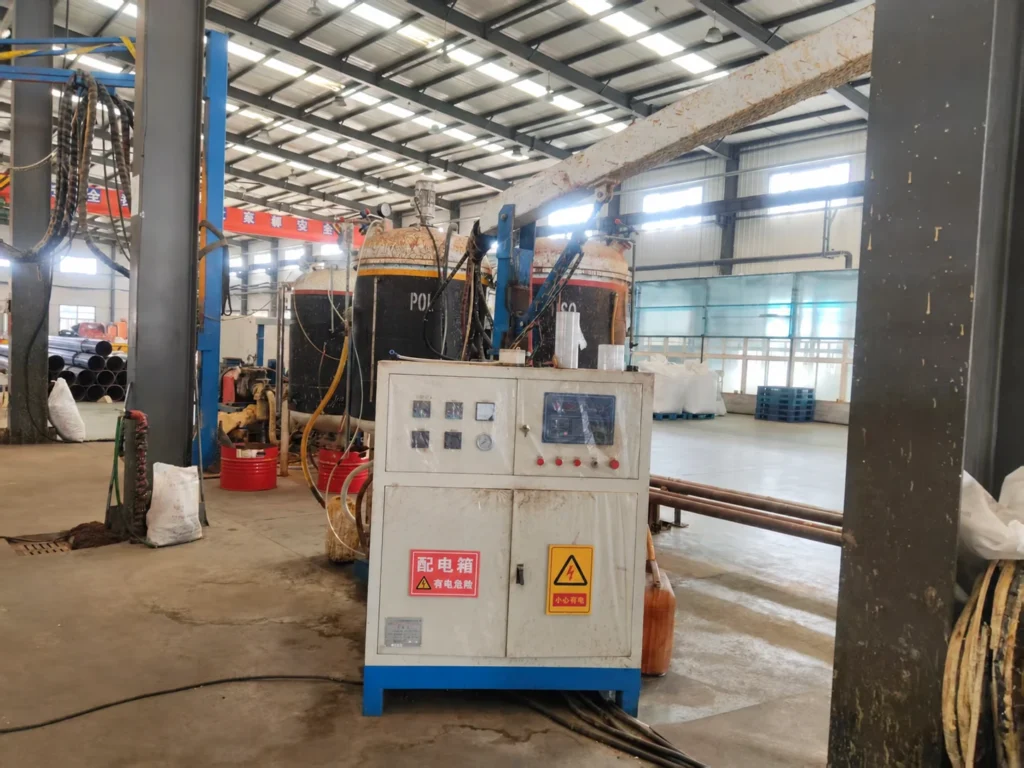
District Chilled-Water Pipe PU Insulation Project in Liaoning, China
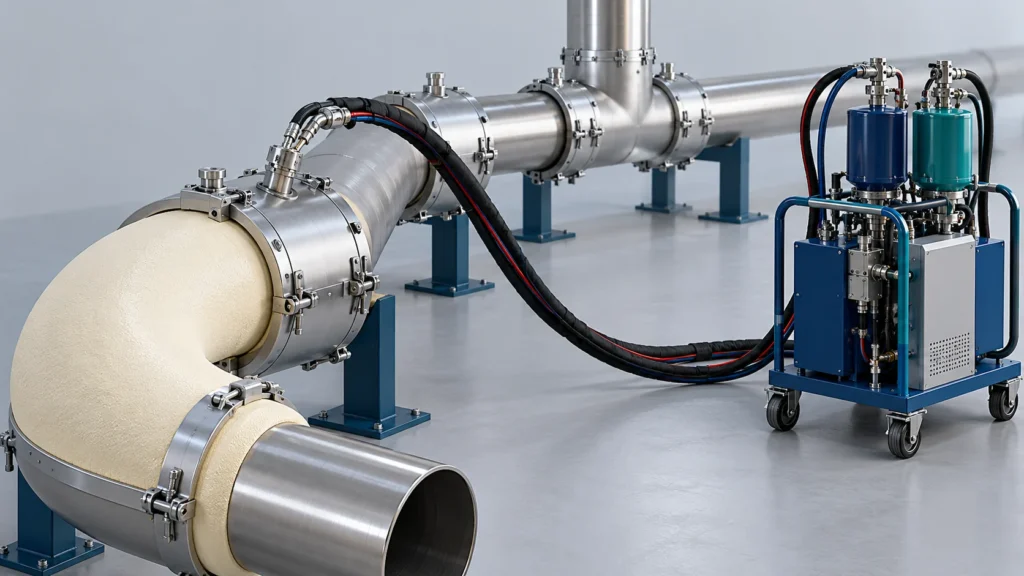
Chemical Process Pipe PU Line Project in Argentina
Frequently Asked Questions
Compare production routes, material requirements, equipment configurations and project inputs.
How is filling selected for a 12 m pipe?
Does EN 253 cover every insulated pipe application?
Can the line process pipes up to DN1200?
How is the commissioning schedule agreed?
What inputs are needed for this configuration?
What determines the filling arrangement for a long pipe?
Discuss Your Insulation Equipment and Application
Share the following for this application: Inner/outer pipe sizes, length, jacket, insulation thickness, formulation, vents, handling and thermal-movement requirements. Our team will reply within one business day. Once requirements are clear, we provide a preliminary proposal within two business days.


