
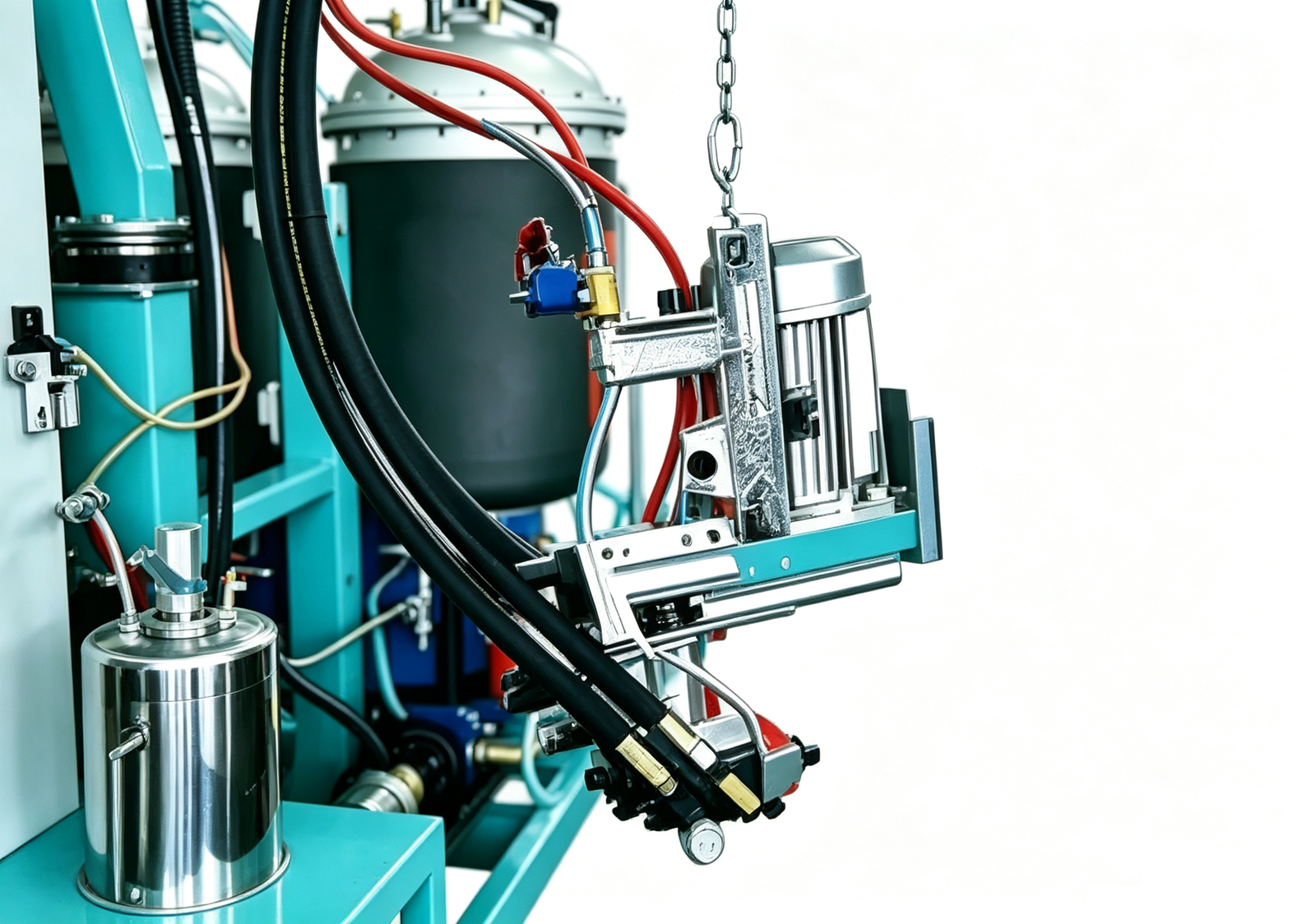
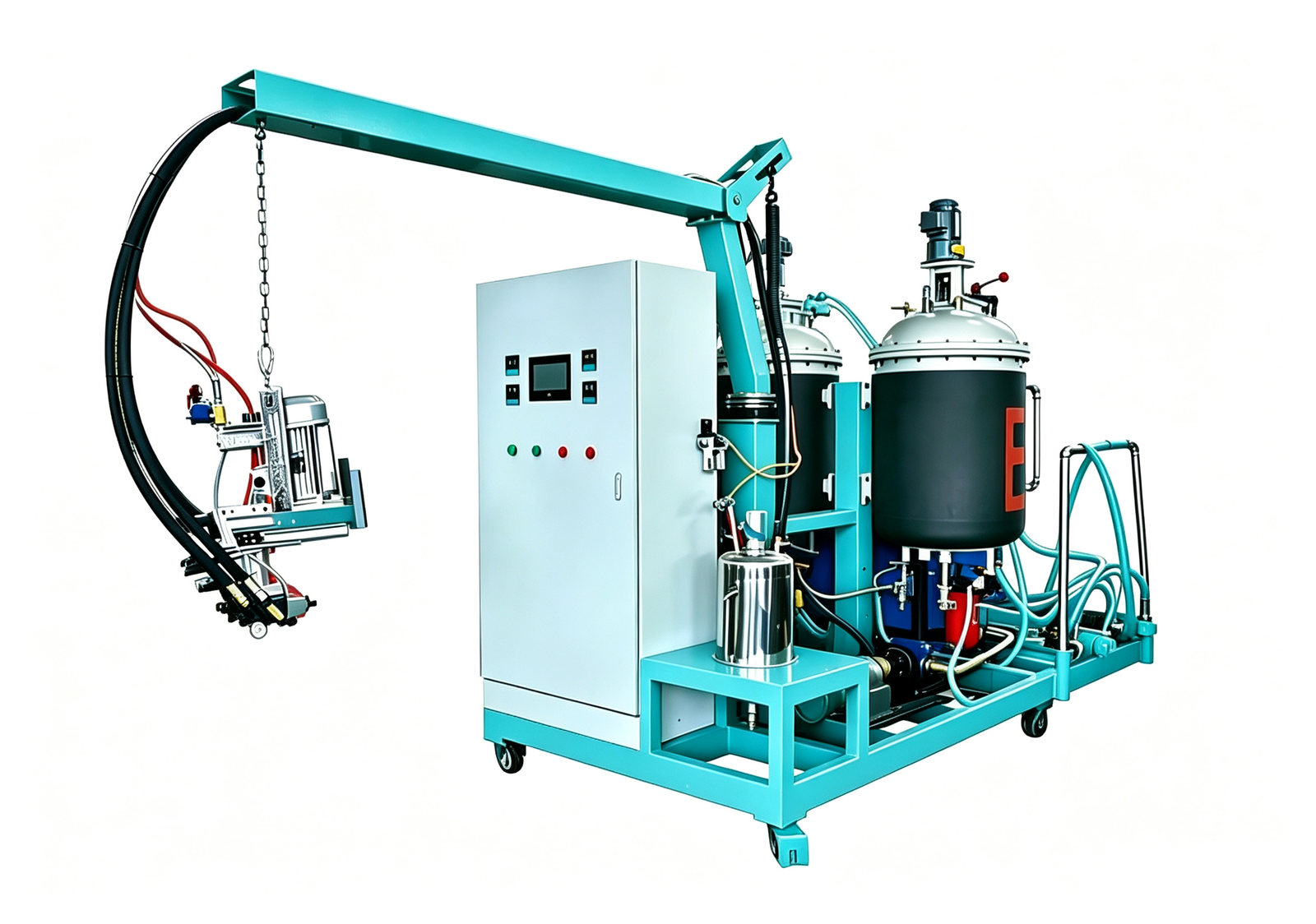
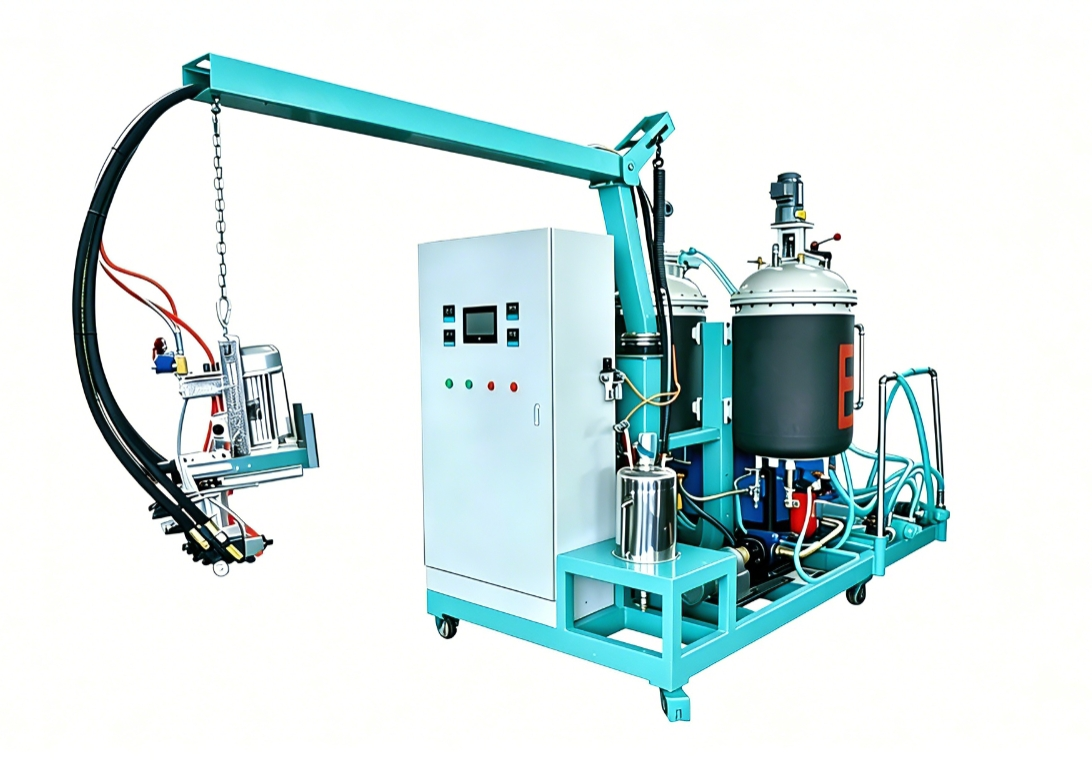
Low-Pressure PU Foaming Machine | Medical Solid Tires
Intelligent low‑pressure foaming system for medical solid tires with sterile, low‑noise finished products
Discharge Flow Rate
100–500 g/s
Mix Ratio (A:B)
100 : 90~120
Metering Accuracy
±0.3%
Rolling Noise Level
≤55 dB
Product Overview
This machine is used to manufacture medium & low hardness polyurethane elastomer products, including medical solid tires, wheelchair wheels, roller skate wheels, skateboard wheels, luggage casters and other small load-bearing rollers.
This PU foam machine is purpose-built for manufacturing medical solid tires, wheelchair wheels, and other small load-bearing rollers. The tires deliver stable shock absorption to absorb vibration during pushing. The dense, smooth surface resists repeated wiping with alcohol and disinfectant, repels dust, and enables easy cleaning, fully meeting sterile standards for hospital environments. Optimized material composition reduces rolling resistance for effortless pushing, with rolling noise controlled below 55 dB. The intelligent pouring system realizes full automation from raw material pretreatment, mixing, precision pouring to automatic sorting, eliminating manual quality fluctuations and ensuring uniform hardness, rebound, and dimensions. Flexible production with product changeover ≤1 hour, versus 2–3 days for traditional processes. Optional integrated inspection covers hardness, shock absorption, noise, and surface cleanliness, stabilizing mass production yield above 98%.
Operation Workflow
Raw Material Preparation & Color Paste Selection
Prepare polyurethane raw materials (A:B = 100:90–120). Color paste can be added inside the mixing unit to satisfy personalized appearance and functional requirements of different customers.
Tank Loading & Parameter Setting
Load materials into the 200 L tanks. The self‑developed intelligent pouring system dynamically adjusts pouring temperature and raw material ratios for optimal process conditions.
Intelligent Mixing & Precision Pouring
The mixing head operates at 4,000–5,000 r/min with metering accuracy ±0.3%. Discharge flow rate is 100–500 g/s. The intelligent control system ensures consistent mixing and pouring quality.
Molding, Curing & Automatic Sorting
The injected material cures in the mold to form solid tires. Full automation from pouring to automatic sorting ensures efficient production. Product changeover takes ≤1 hour for rapid response to multi‑category orders.
Technical Specifications
Standard configuration parameters for the medical solid tire PU foam machine. Customizations including tank capacity and inspection equipment are available.
| Technical Parameter | HF-LPM-1A1B-T |
|---|---|
| Discharge Flow Rate | 100–500 g/s |
| Raw Material Mix Ratio (A:B) | 100:90–120 |
| Tank Volume | 200 L |
| Total Motor Power | 15 kW |
| Mixing Head Rotational Speed | 4,000–5,000 r/min |
| Metering Accuracy | ±0.3% |
| Warranty Period | 1 year |
| Net Weight | 1,000 kg |
| Certifications | Confirm applicable documents for the quoted configuration |
Key Features & Advantages
Engineered for sterility, low-noise performance, intelligent automation, and flexible production in medical tire manufacturing.
Premium, Sterile, Durable & Low‑Noise Finished Products
Stable shock absorption effectively absorbs vibration during pushing. Dense, smooth surface resists alcohol/disinfectant wiping, repels dust, and enables easy cleaning. Rolling noise <55 dB for quiet medical spaces.
Intelligent Precision Molding for Consistent Quality
Self‑developed intelligent pouring system automates raw material pretreatment, mixing, pouring and sorting. Dynamic real‑time adjustment of temperature and ratios eliminates manual quality fluctuations.
Flexible Production for Fast Response to Orders
CAD modeling and rapid mold development enable flexible production of various tire sizes. Product changeover ≤1 hour, compared with 2–3 days required by traditional processes.
Intelligent Inspection for Full‑Process Quality Control
Optional integrated inspection covers hardness, shock absorption, noise and surface cleanliness. Unqualified products auto‑rejected, stabilizing mass production yield >98% with full data traceability.
End‑to‑End Solutions & One‑Stop Service
One‑stop services cover technical scheme design, formula development, production line planning, and after‑sales O&M. Customized for new factory lines or traditional line automation retrofits.
Low Rolling Resistance & Easy Maneuverability
Optimized material composition and structure greatly reduce rolling resistance for effortless pushing under full load, improving user experience in medical environments.
Complete Your Production Line
Integrate the product with our full range of auxiliary equipment for a turnkey polyurethane processing system.
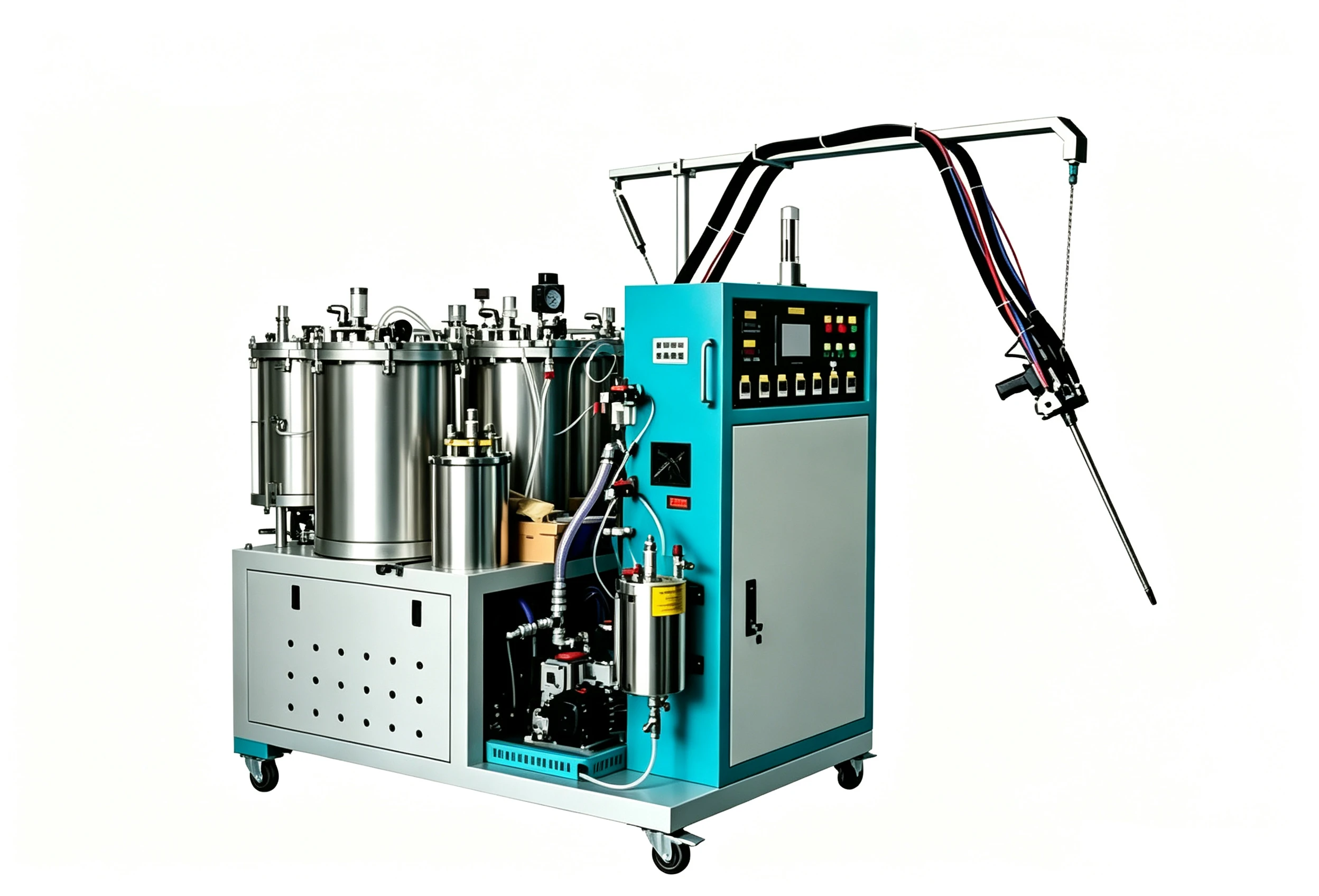
Epoxy Pouring Machine | Printing Rollers
Low Pressure Polyurethane Machine
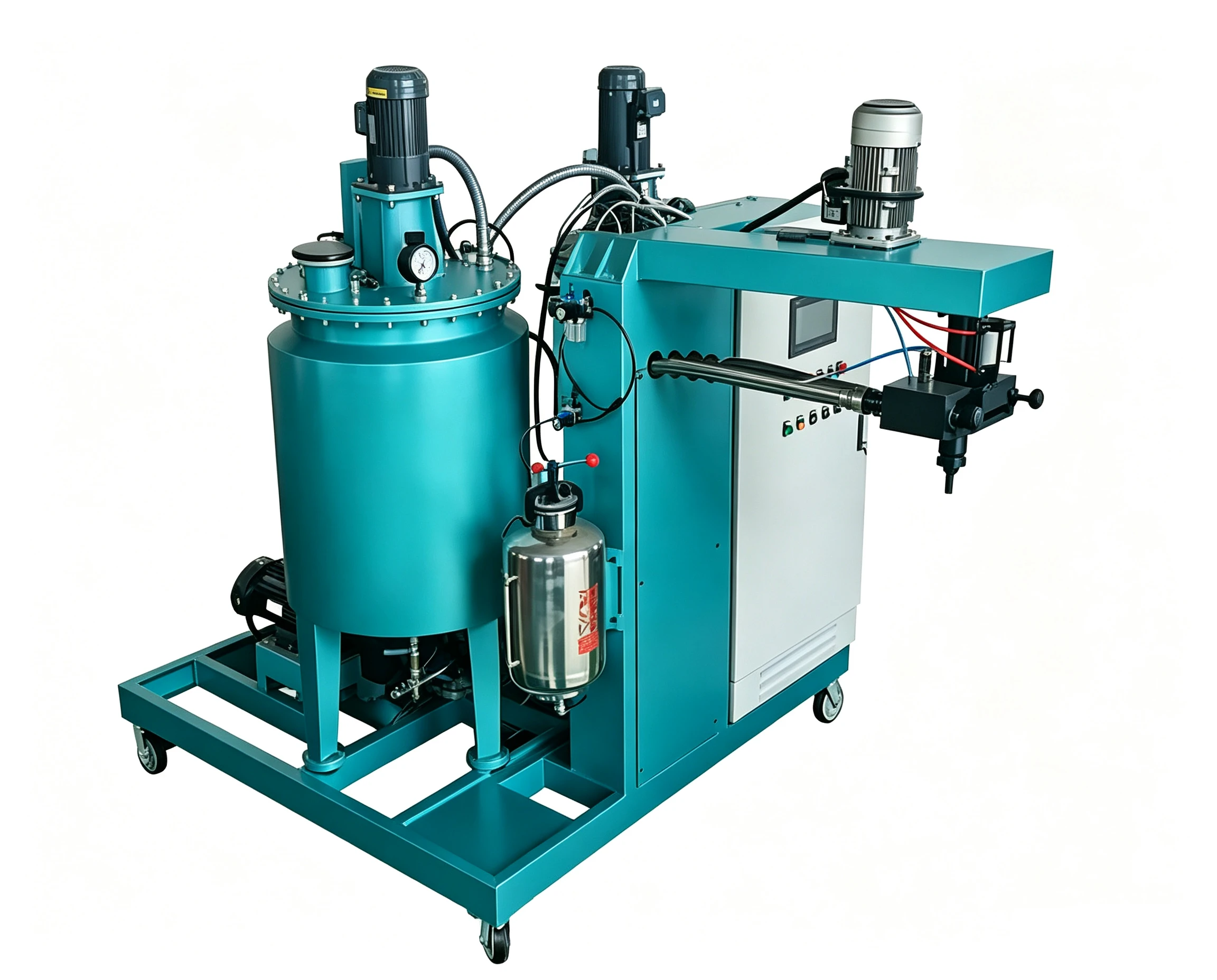
PU Elastomer Casting Machine | Hydraulic Seals
Polyurethane Machinery &Equipment
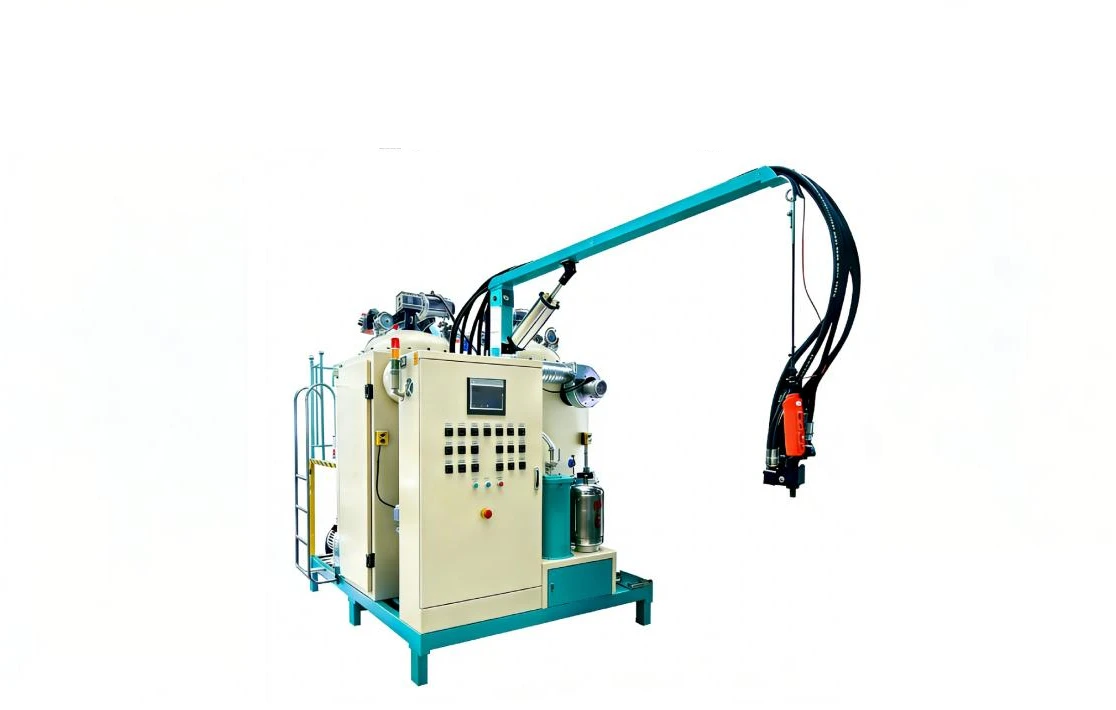
MC Nylon Casting Machine | Cast Nylon Parts
MC Nylon Casting Machines
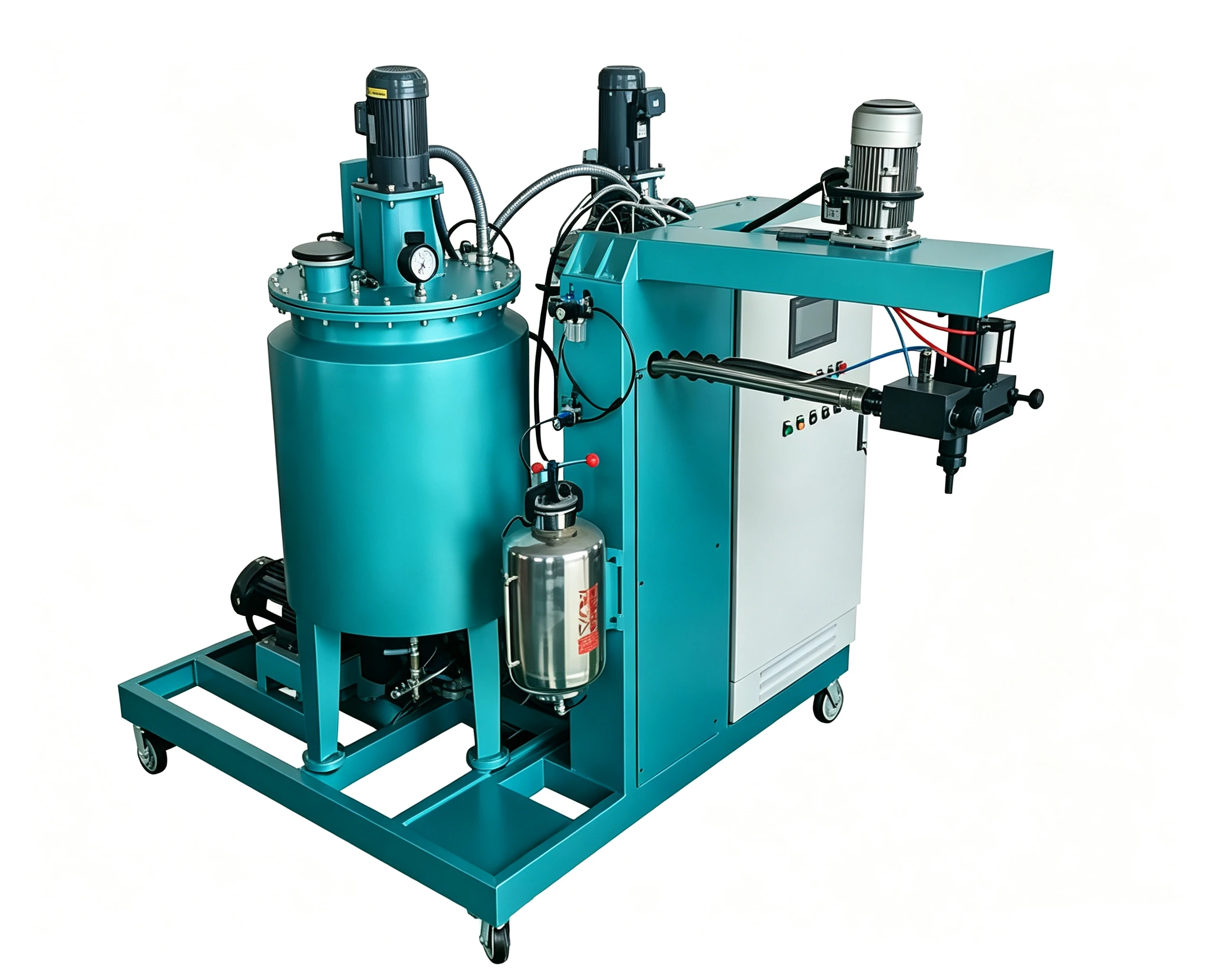
PU Elastomer Casting Machine | Cold Rolling Rollers
Polyurethane Machinery &Equipment


