
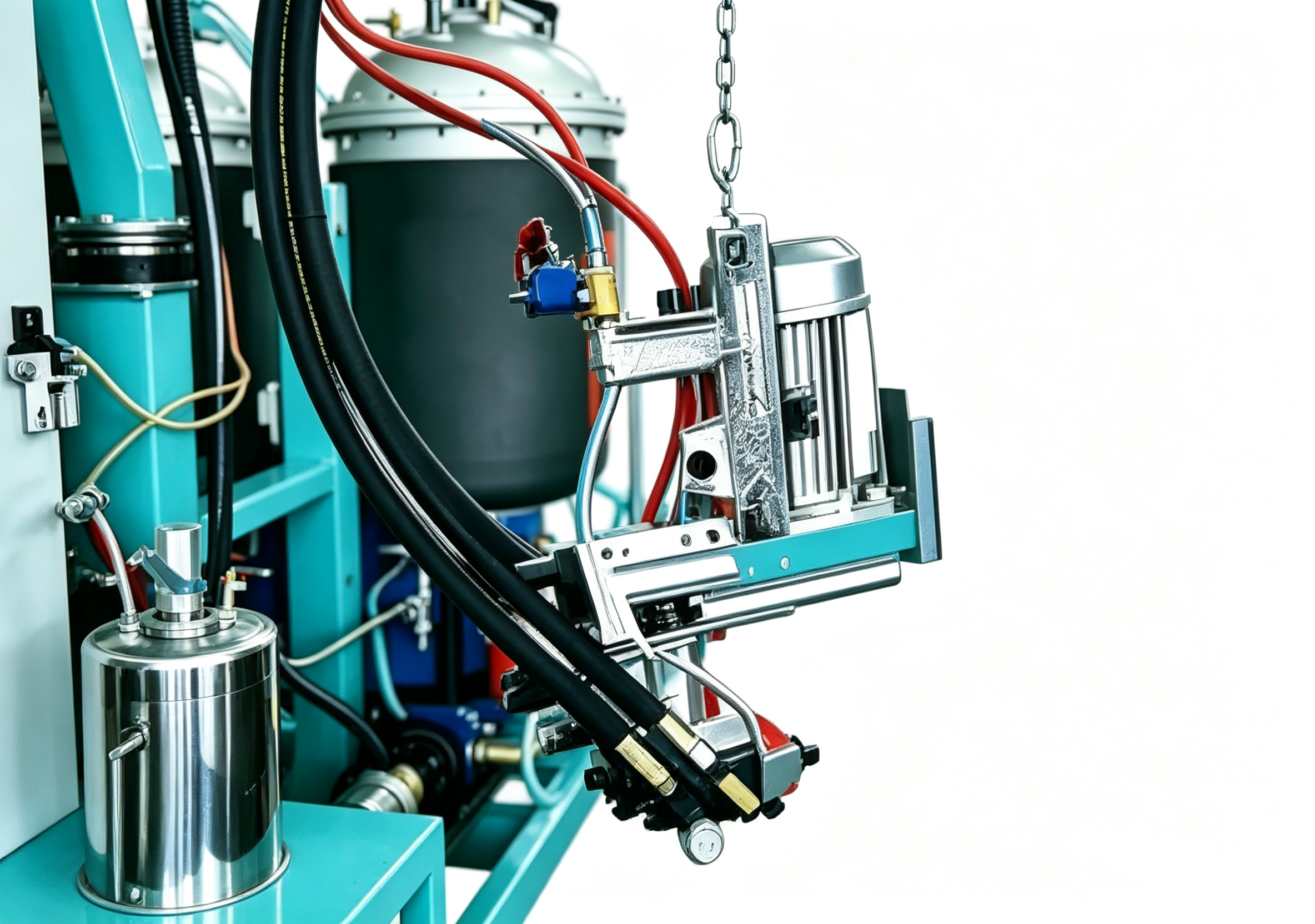
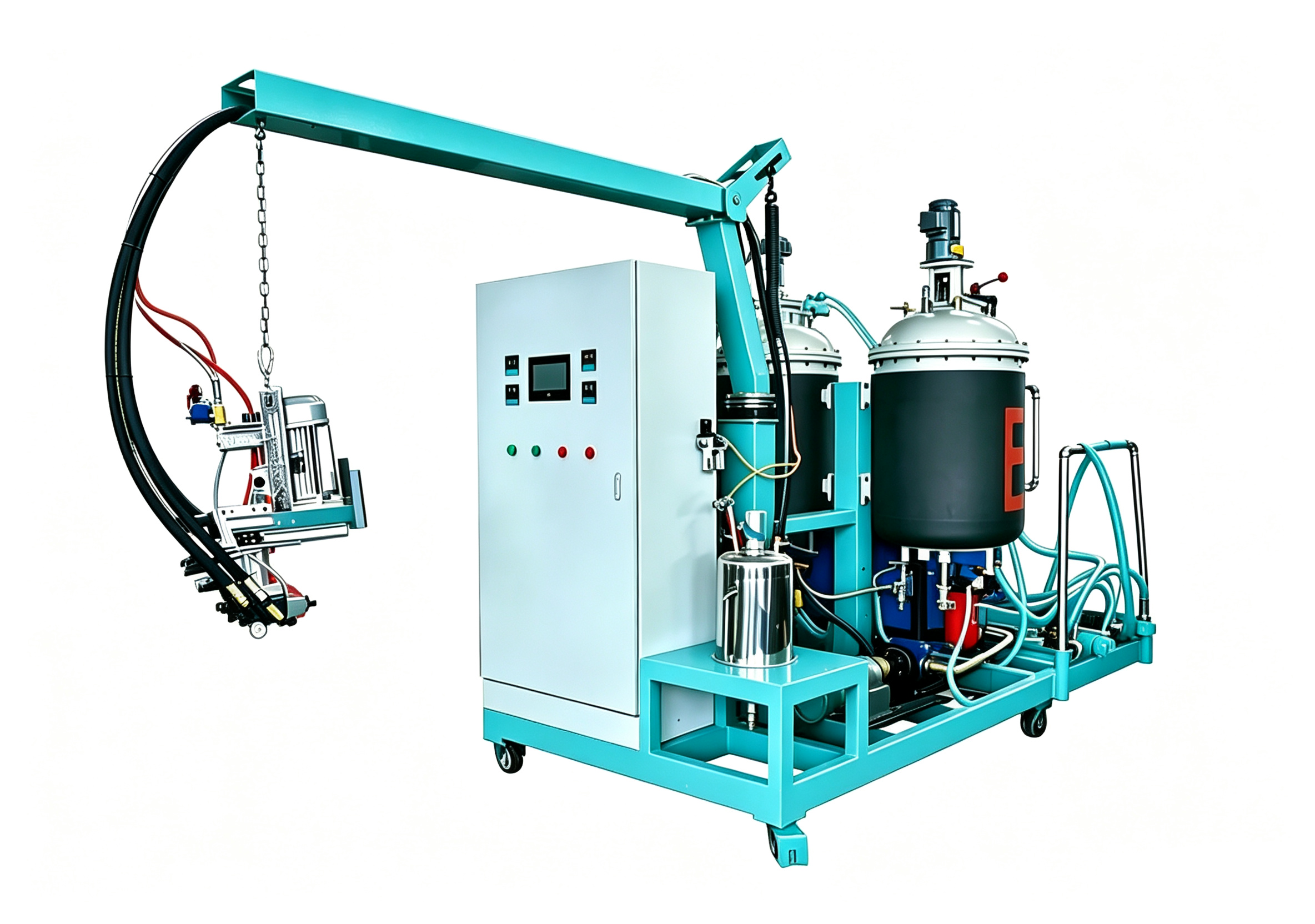
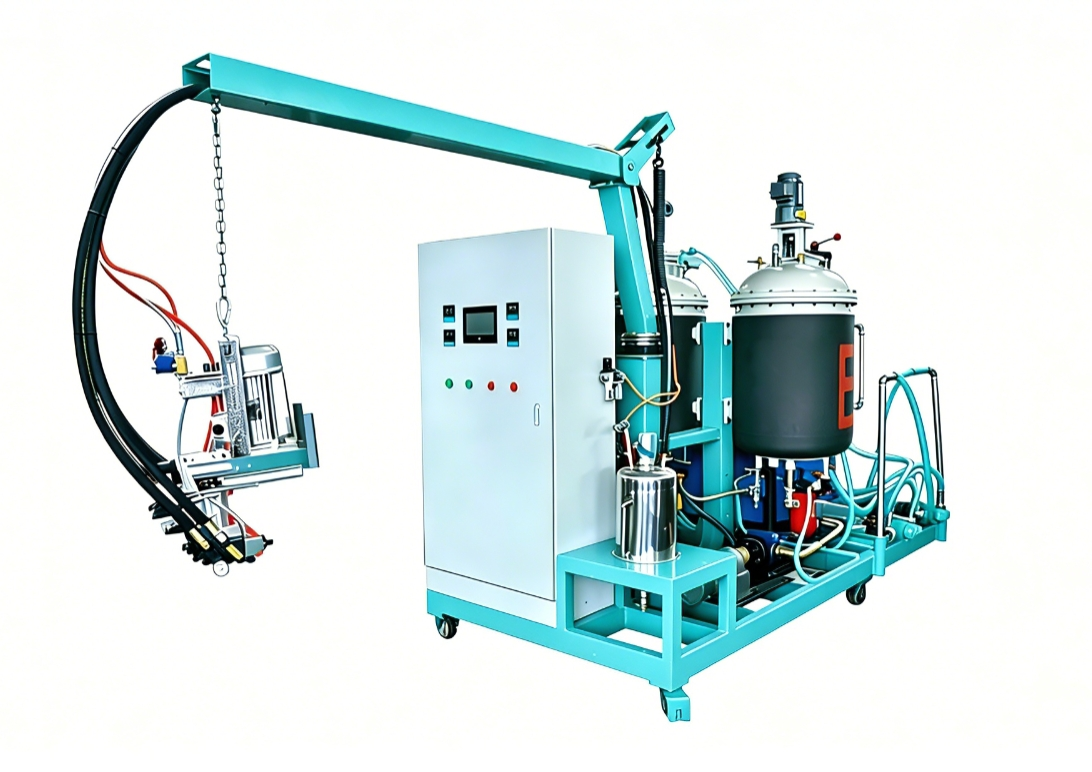
Low-Pressure PU Foaming Machine | Bicycle Solid Tires
Low-pressure PU metering and mechanical mixing for molded solid bicycle tires, with material conditioning and mold-handling interfaces selected for the tire design.
Discharge Flow Rate
100–500 g/s
Mix Ratio
100:90–120
Metering Accuracy Reference
±0.3%
Temperature Control Reference
±1°C (listed control reference)
Product Overview
This machine is mainly used for mass production of air‑free polyurethane solid tires for commuter bicycles (including shared bikes), mountain bikes, children's bikes, wheelchairs, golf carts, electric scooters and other medium & light‑duty vehicles.
This PU equipment supplies material preparation, metering and mechanical mixing for molded solid bicycle tires and selected related wheels. The described servo-driven pumps, mixing head, temperature controls and mold interfaces are coordinated with the material recipe and tire geometry.
Define shot size, mold positions, cure residence, loading and unloading together. Material and product changes require their own cleaning, setup and first-part validation. Inspection and sorting modules are identified in the supplied line scope.
A solid tire does not require pneumatic inflation. Load capacity, rolling behavior, wear, aging and service suitability still require finished-tire and assembly testing. Material compliance and actual consumption depend on the selected formulation and operating conditions.
Operation Workflow
Raw Material Preparation & Formula Selection
Prepare polyurethane raw materials (A:B = 100:90–120). Select the appropriate formula for the target tire size (12–29 inches) and tread pattern via the PLC touch screen.
Tank Loading & Temperature Setting
Load materials into the 200 L tanks. The intelligent temperature control system dynamically adjusts foaming temperature with precision within ±1℃ to maintain stable foaming ratio and material hardness.
High‑Precision Mixing & Pouring
The servo‑driven gear metering pumps and high‑shear mixing head operate at 4,000–5,000 r/min with metering accuracy ±0.3%. Material mixing uniformity remains above 98% for uniform cell structure and complete reaction.
Multi‑Mold Molding & Curing
The composite production mode combines single‑cavity and multi‑mold linkage to drastically boost productivity. Tires range from 12 to 29 inches with various tread patterns. Line changeover is shortened to within 1.5 hours.
Need a quote for this equipment?
Request a QuoteTechnical Specifications
Standard configuration parameters for the bicycle solid tire PU foam machine. Customizations and modular upgrades are available upon request.
| Technical Parameter | HF-LPM-1A1B-T |
|---|---|
| Discharge Flow Rate | 100–500 g/s |
| Raw Material Mix Ratio (A:B) | 100:90–120 |
| Tank Volume | 200 L |
| Total Motor Power | 15 kW |
| Mixing Head Rotational Speed | 4,000–5,000 r/min |
| Metering Accuracy | ±0.3% |
| Warranty Period | 1 year |
| Net Weight | 1,000 kg |
| Certifications | Confirm applicable documents for the quoted configuration |
| Brand Name | Haifeng |
Key Features & Advantages
Engineered for high‑precision mixing, mass production efficiency, and eco‑friendly manufacturing of bicycle solid tires.
Metering and Mechanical Mixing
Calibrate component delivery and the selected mixing conditions for the tire formulation. Metering accuracy and mixing-uniformity measurements use different acceptance methods.
Solid-Tire Tooling
Match mold geometry, shot size, cure and handling to the selected tire design and intended wheel assembly.
Recipe and Temperature Control
The described recipe and temperature controls support repeatable material preparation. Finished density, hardness and dimensions require product checks.
Defined Automation and Inspection
Select mold handling, inspection and sorting for the agreed layout. Output, yield and changeover are established under defined production conditions.
Discuss Your Equipment Configuration
Share your product, materials, tooling and production requirements so we can review the equipment and interfaces for your project.
Explore Other Equipment
Browse other equipment in our catalog. These listings are for product discovery; compatibility and production-line scope are confirmed separately for your material, process and output requirements.
Epoxy Pouring Machine | Printing Rollers
Metering, Mixing & Resin Casting Equipment
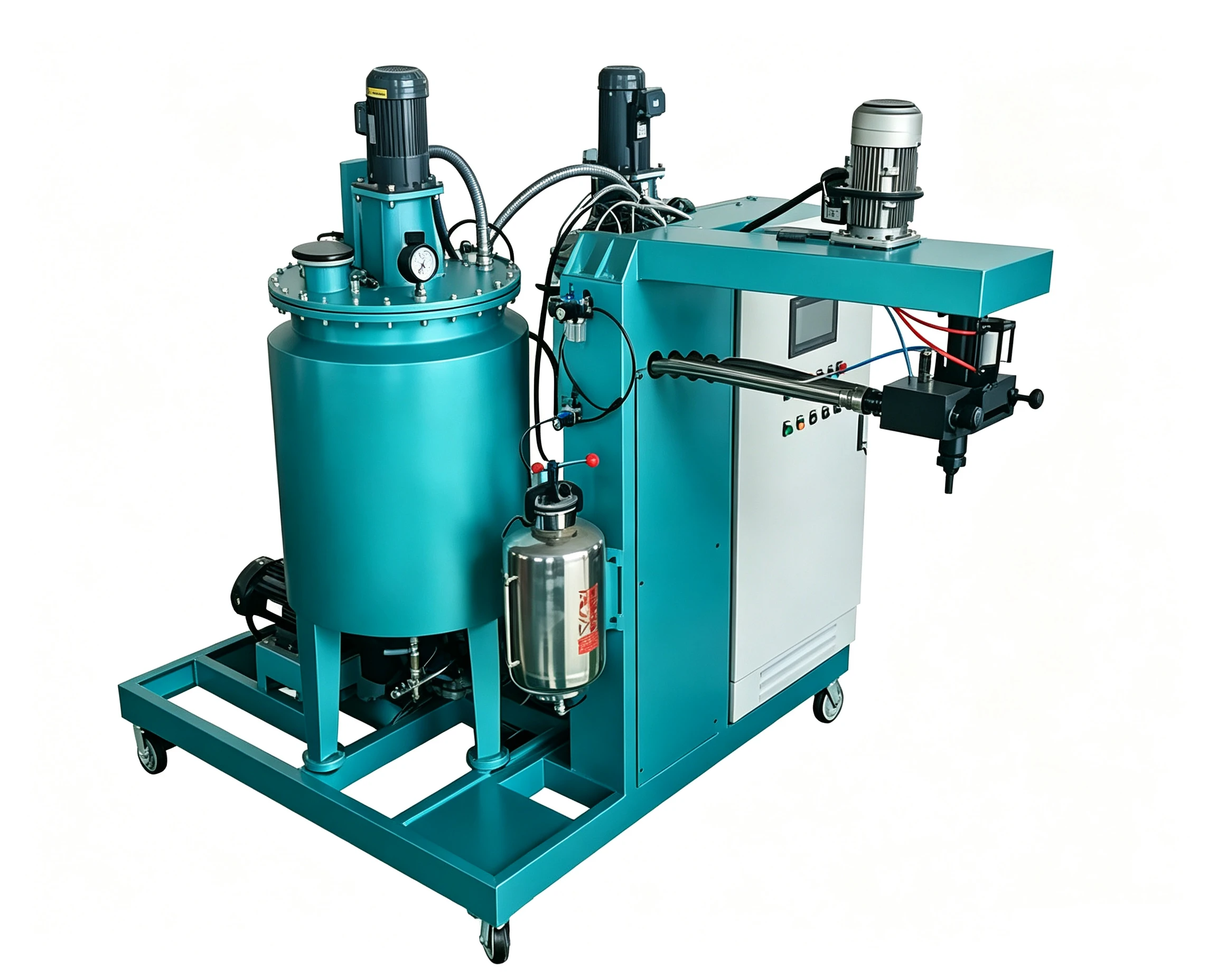
PU Elastomer Casting Machine | Hydraulic Seals
Polyurethane Machinery & Equipment
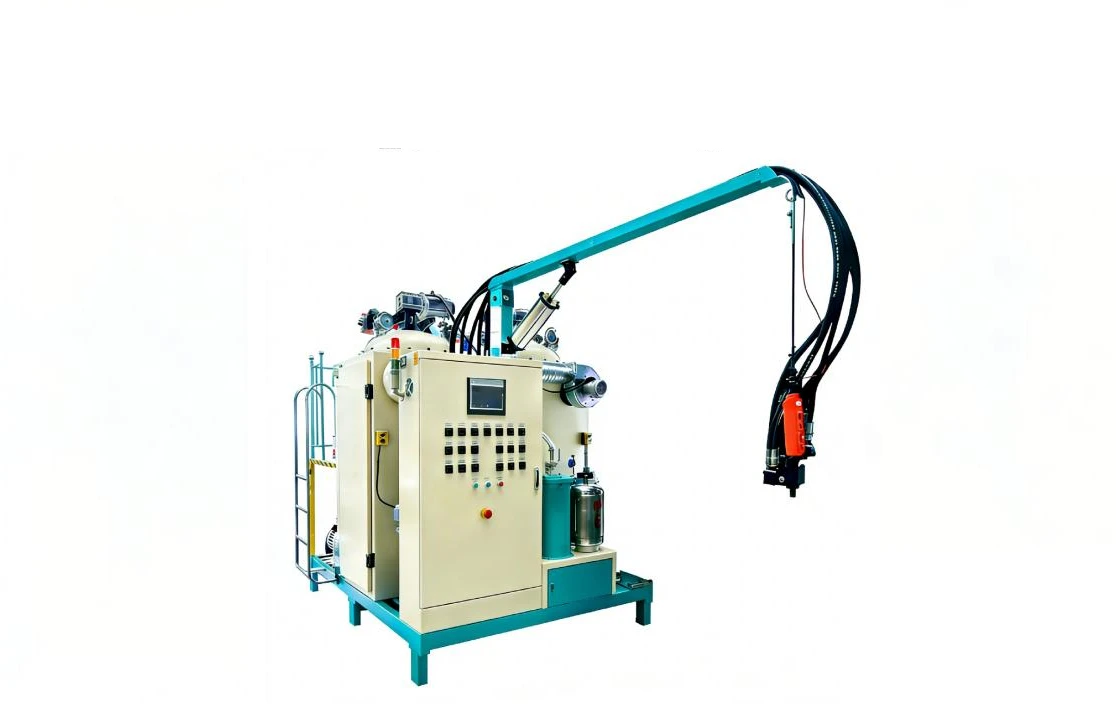
MC Nylon Casting Machine | Cast Nylon Parts
MC Nylon Casting Machines
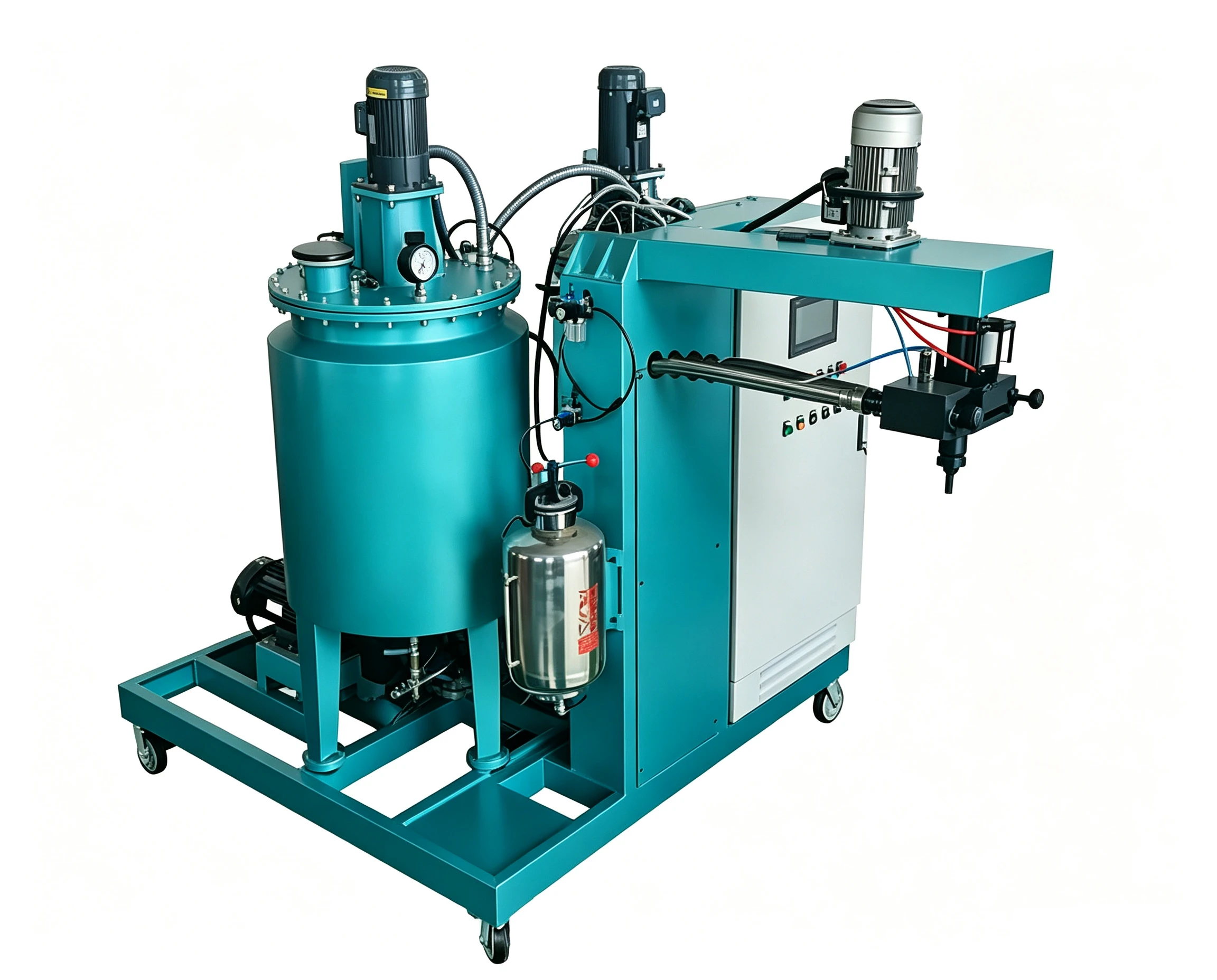
PU Elastomer Casting Machine | Cold Rolling Rollers
Polyurethane Machinery & Equipment
Frequently Asked Questions
How does solid-tire molding differ from tire filling?
Does the machine establish tire service suitability?
How are changeover and capacity assessed?
How are material compliance and waste evaluated?
Ready to discuss your project?
Contact Our Team


