
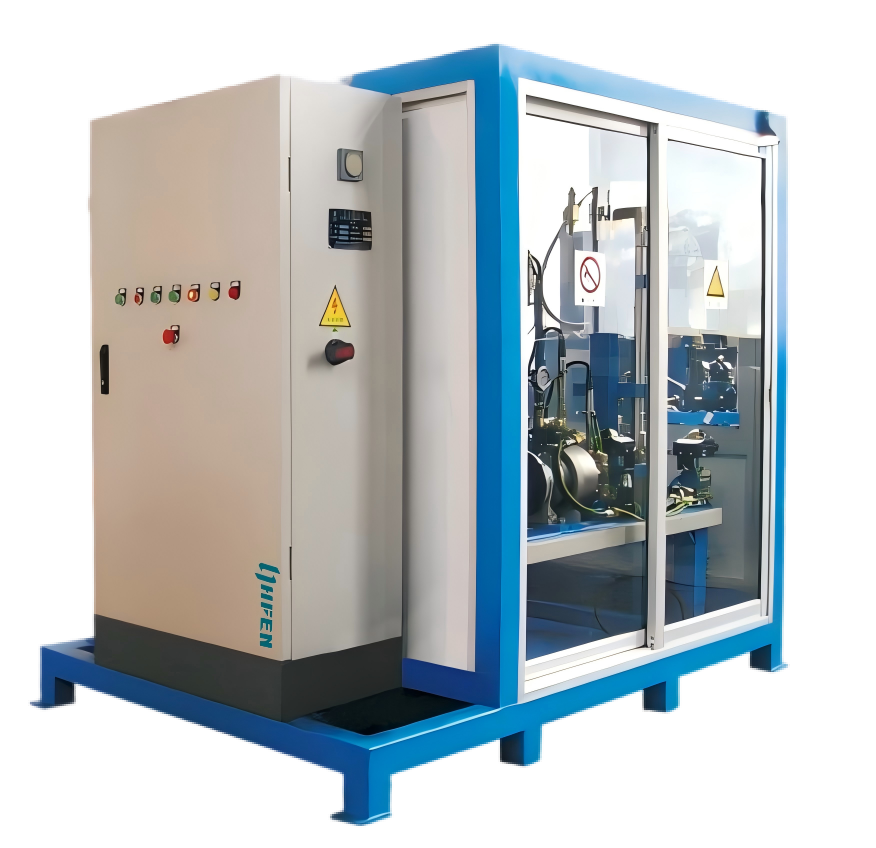
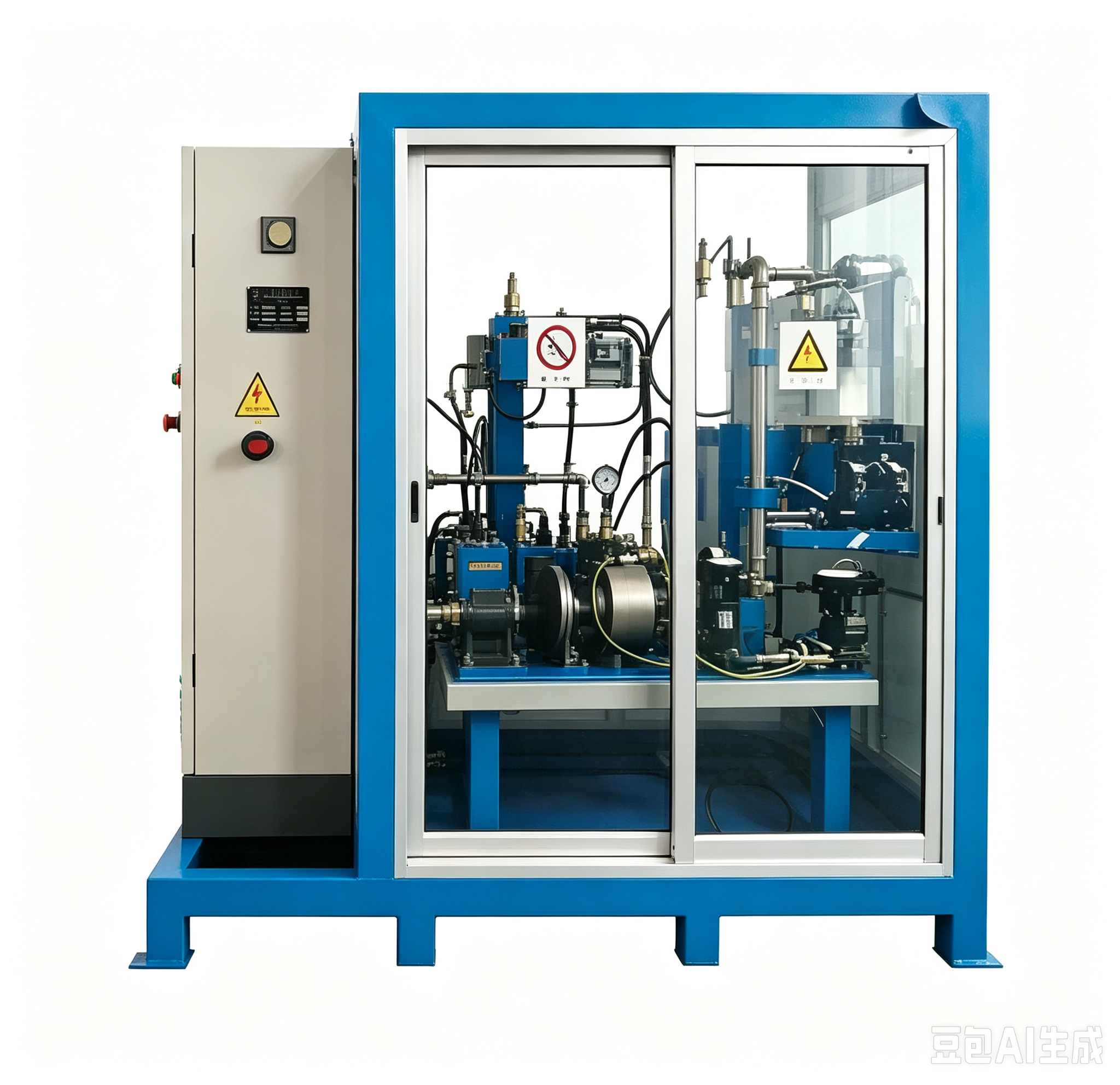
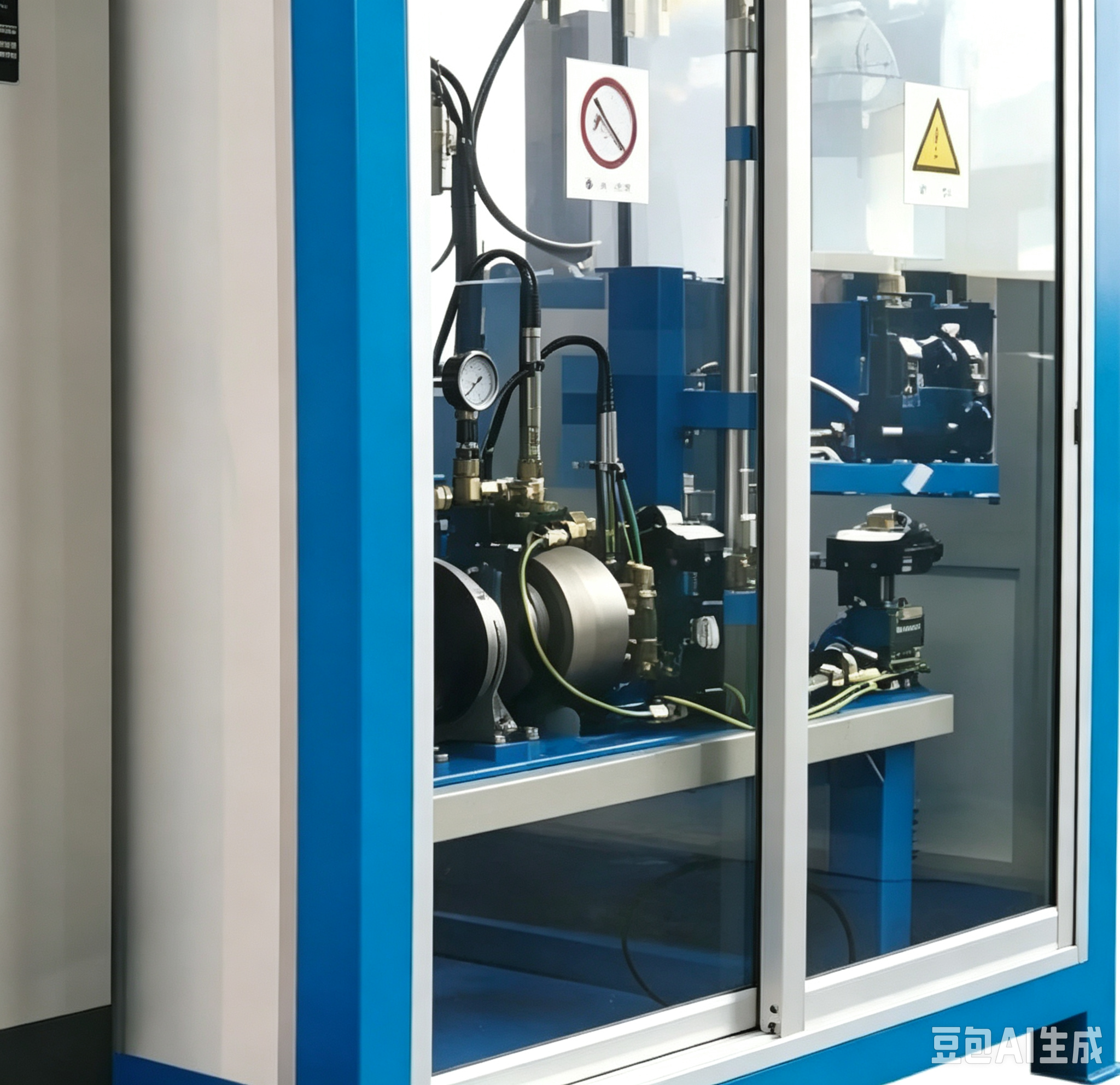
Cyclopentane Premixing Station | PU Foaming
An explosion-protected inline premixing system for polyol, cyclopentane, 245fa and catalysts in polyurethane foam production. Open mixing tanks are unsuitable for low-boiling flammable blowing-agent formulations. Engineering follows material vapor pressure, nitrogen sealing, hazardous-area classification, metering tolerances, cell consistency and the TDS.
±0.3% Closed-Loop Metering Target
Ratio/metering target ≤±0.3%, limited to materials, processing temperature, pressure and flow agreed in the technical specification. Recipes and operating windows follow technical confirmation.
PLC + HMI and Remote IoT Monitoring
Configure recipes, alarm interlocks and data recording from the TDS. Pentane working areas require the specified explosion-protected electrical package, subject to the technical agreement.
Gas Detection and Explosion Protection
Integrated gas detection, audible/visual alarms, emergency ventilation and stop interlocks. Nitrogen protection excludes oxygen and moisture to limit deterioration of the polyol/blowing-agent blend.
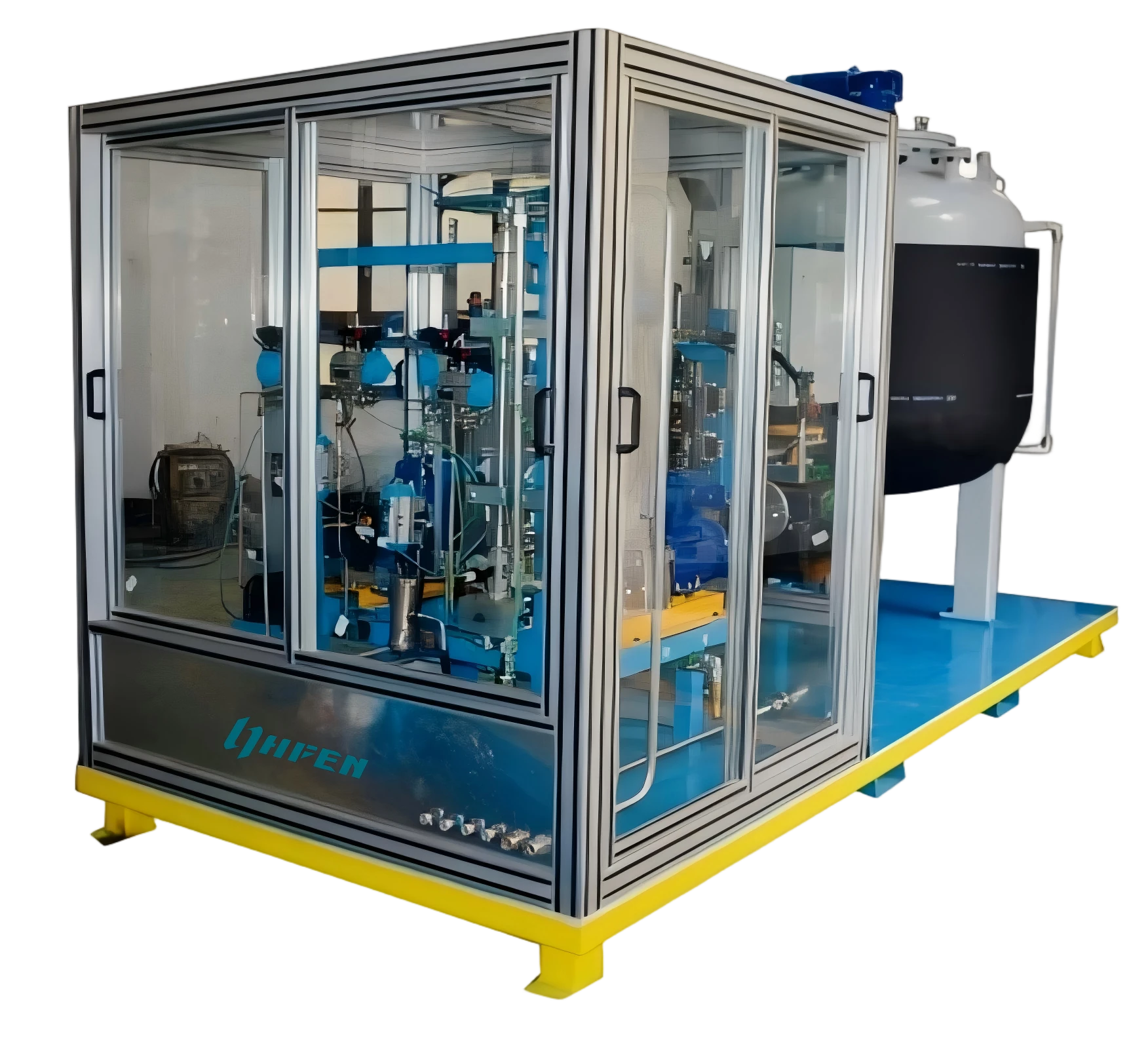
Project-Specific Modular Skid
Main polyol/blowing-agent circuits and independent calibratable metering circuits for catalysts, CO₂ nucleation and other trace additives enable multicomponent inline premixing.
Cyclopentane Static Polymer Premixing Station
Explosion-protected inline premixing of polyol, cyclopentane, 245fa and catalysts for rigid polyurethane foam.
This skid-mounted explosion-protected inline system premixes polyol, cyclopentane, 245fa, catalysts and related blowing-system materials for rigid PU manufacturing. Conventional open agitation tanks are unsuitable for low-boiling flammable blowing-agent formulations. Design follows the TDS, vapor-pressure constraints, nitrogen sealing, hazardous-area classification, metering tolerances and target cell consistency.
Specifications describe product-family reference ranges, not identical precision across every operating point of one skid. Calculate ratios from polyol hydroxyl value, blowing-agent loading and catalyst addition; perform weighed discharge calibration under actual viscosity, pressure and throughput. Final foam density, thermal conductivity and cell structure depend on materials, process and equipment; small trials are required before production.
Commissioning and Production Start-Up
Confirm Recipe and Hazardous-Area Classification
Confirm formulation, capacity, hazardous-area classification, target foam cells, material grades and process boundaries. This configuration serves cyclopentane/245fa systems and is not universally compatible with unprotected open processes.
Prepare Materials and Equipment
Set pressure and temperature from the TDS/SDS and manage nitrogen sealing. Inspect pressure vessels, filtration, explosion-protected electrics, gas alarms and safety components.
Calibrate Flow and Ratio
Calibrate component discharge using actual materials, temperature, pressure and target flow. Confirm pumps operate in their stable range.
Premix, Trial and Validate
Apply validated recipes and monitor temperature, pressure, flow and alarms during inline premixing. Sample trials for foam density, cells and thermal conductivity and retain complete batch records.
Technical Specifications
The values describe optional product-family configuration ranges. Final equipment configuration, capacity, accuracy, power, material compatibility and acceptance methods are defined in the technical agreement.
| Technical Parameter | HF‑PREM‑CYC‑245‑EXP |
|---|---|
| Components | Polyol, cyclopentane/245fa blowing systems and trace catalysts. Explosion-protected design; unsuitable for unprotected open solvent processes |
| Output Range (g/s) | 0.5‑1 t/h; customized to line cycle |
| Mixing Ratio Range | Calculated from polyol hydroxyl value, blowing-agent proportion and catalyst loading; available ratio range depends on pump selection and on-site calibration |
| Ratio Accuracy | ≤±0.3% target; only for agreed material, temperature, pressure and flow conditions |
| Working Pressure | Calculated from material vapor pressure, pipework losses and safety-valve settings |
| Tank Capacity (L) | Sized from hourly consumption and residence time; fabricated, welded and pressure-tested to pressure-vessel standards |
| Model | HF‑PREM‑CYC‑245‑EXP |
| Processing Capacity | 0.5‑1 t/h; customized to line cycle |
| Ratio Setting | Calculated from polyol hydroxyl value, blowing-agent proportion and catalyst loading; available ratio range depends on pump selection and on-site calibration |
| Pressure-Vessel Tanks | Sized from hourly consumption and residence time; fabricated, welded and pressure-tested to pressure-vessel standards |
| Mixing Unit | Static mixer without moving parts; fluid division, recombination and shear homogenize the materials |
| Metering / Ratio Accuracy | ≤±0.3% target; only for agreed material, temperature, pressure and flow conditions |
| Component Circuits | Main polyol/blowing-agent circuits; independent calibratable trace-metering modules for catalysts and CO₂ nucleation additives |
| Temperature and Pressure Control | Integrated heat exchangers and automatic pressure-maintaining valves reduce blowing-agent cavitation and stabilize the premix thermodynamic state |
| Working Pressure | Calculated from material vapor pressure, pipework losses and safety-valve settings |
| Safety System | Nitrogen sealing, cyclopentane gas detection with audible/visual alarms, emergency ventilation and emergency-stop interlocks |
| Installed Power | 8‑18 kW; determined by actual explosion-protected motors, heat exchange, sensors and auxiliaries |
| Control System | PLC + HMI touchscreen; recipe storage, remote IoT monitoring, process recording and exportable alarm logs |
| Compatible Materials | Polyol, cyclopentane/245fa blowing systems and trace catalysts. Explosion-protected design; unsuitable for unprotected open solvent processes |
| Warranty | Standard 12 months; commencement date, coverage, wear parts and service boundaries are defined in the contract. |
| Compliance and Documentation | CE, explosion-protection certificates and accompanying documents are supplied according to the sales region, final configuration and contract. ISO9001 is a company management-system certificate, not individual equipment product certification. |
Core Equipment Capabilities
Engineering for production efficiency, material consistency and operating conditions.
Closed-Loop Metering
Mass flowmeters and variable-speed metering pumps form a closed loop that monitors component flow, reduces formulation deviation and limits expensive raw material waste.
Static-Mixer Homogenization
Static mixing elements continuously shear and combine fluids without rotating parts, reducing maintenance and supporting consistent premix batches.
Precise Trace-Additive Dosing
High-resolution mass flowmeters and trace valve assemblies control catalysts and CO₂ nucleation additions for uniform cells and stable thermal properties.
Integrated Explosion Protection
Explosion-protected electrics, nitrogen isolation and combustible-gas interlocks address electrical ignition risks in pentane foaming workshops.
Accuracy Within Agreed Conditions
≤±0.3% metering target only within the material, temperature, pressure and flow range agreed in the technical specification.
Dynamic Temperature and Pressure Control
Heat exchangers and automatic pressure-maintaining valves work together to avoid blowing-agent cavitation and stabilize premix conditions.
Explore More Polyurethane Equipment
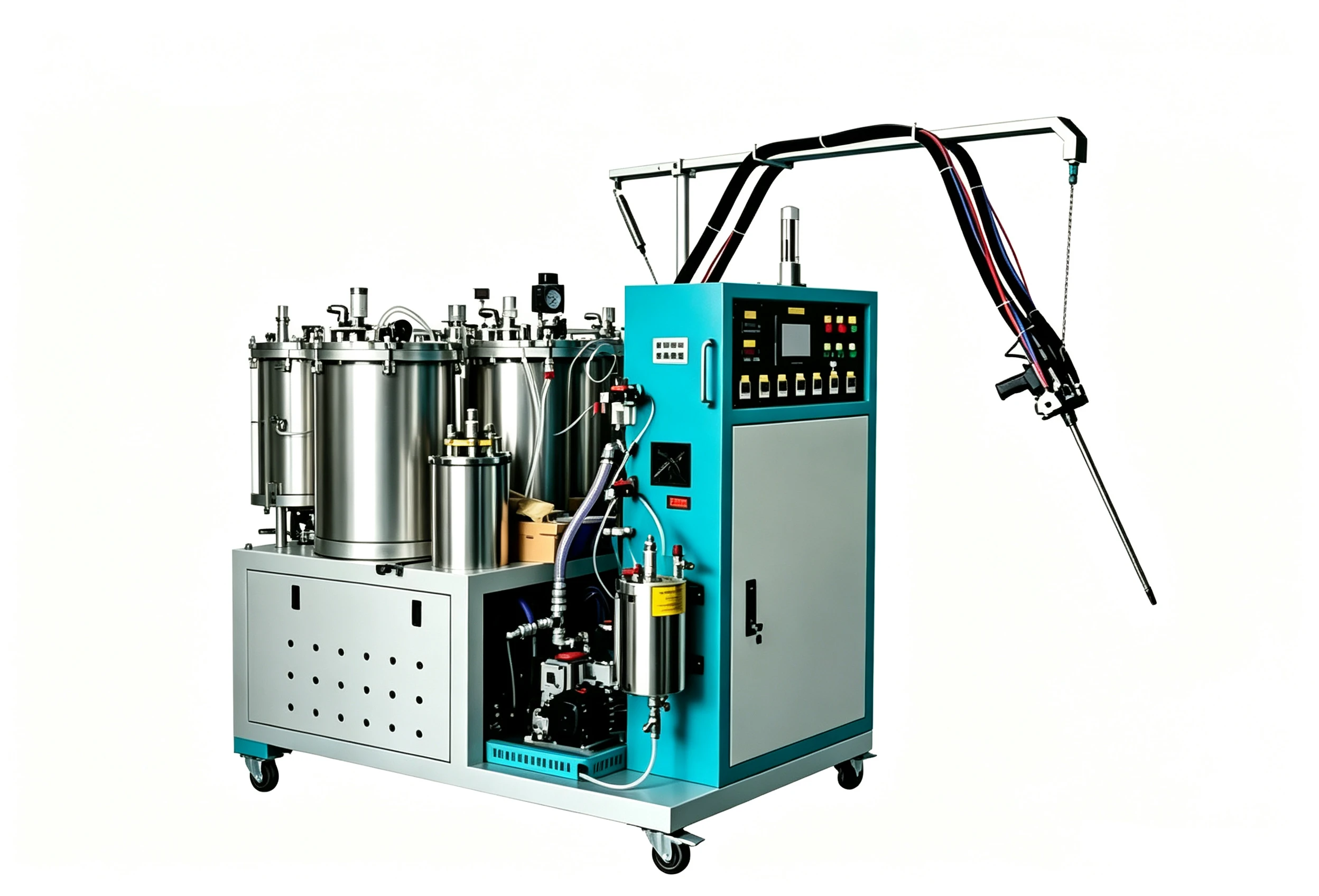
Epoxy Pouring Machine | Printing Rollers
Low Pressure Polyurethane Machine
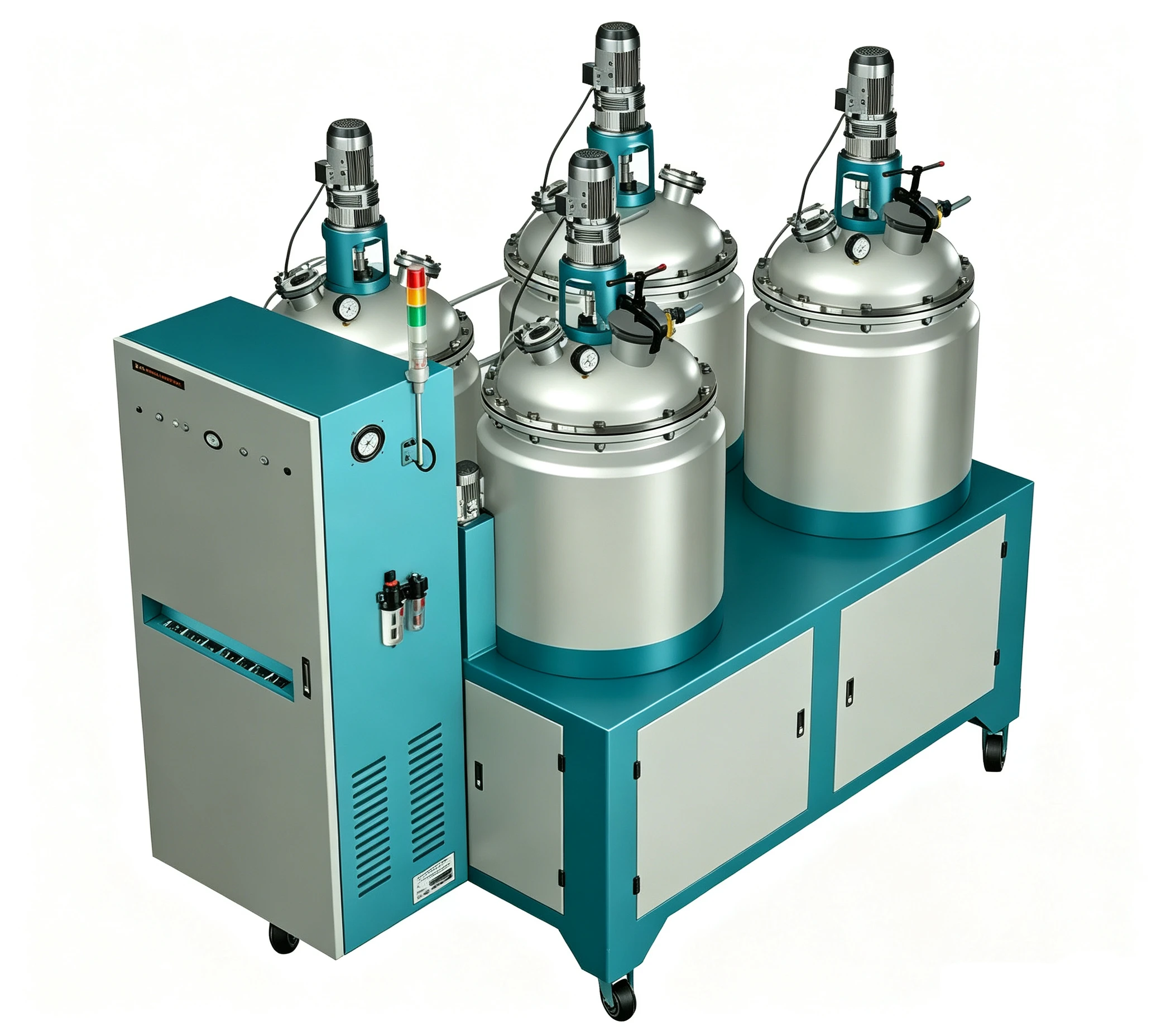
Low-Pressure PU Foaming Machine | Refrigerator Rigid Foam
Low Pressure Polyurethane Machine


