
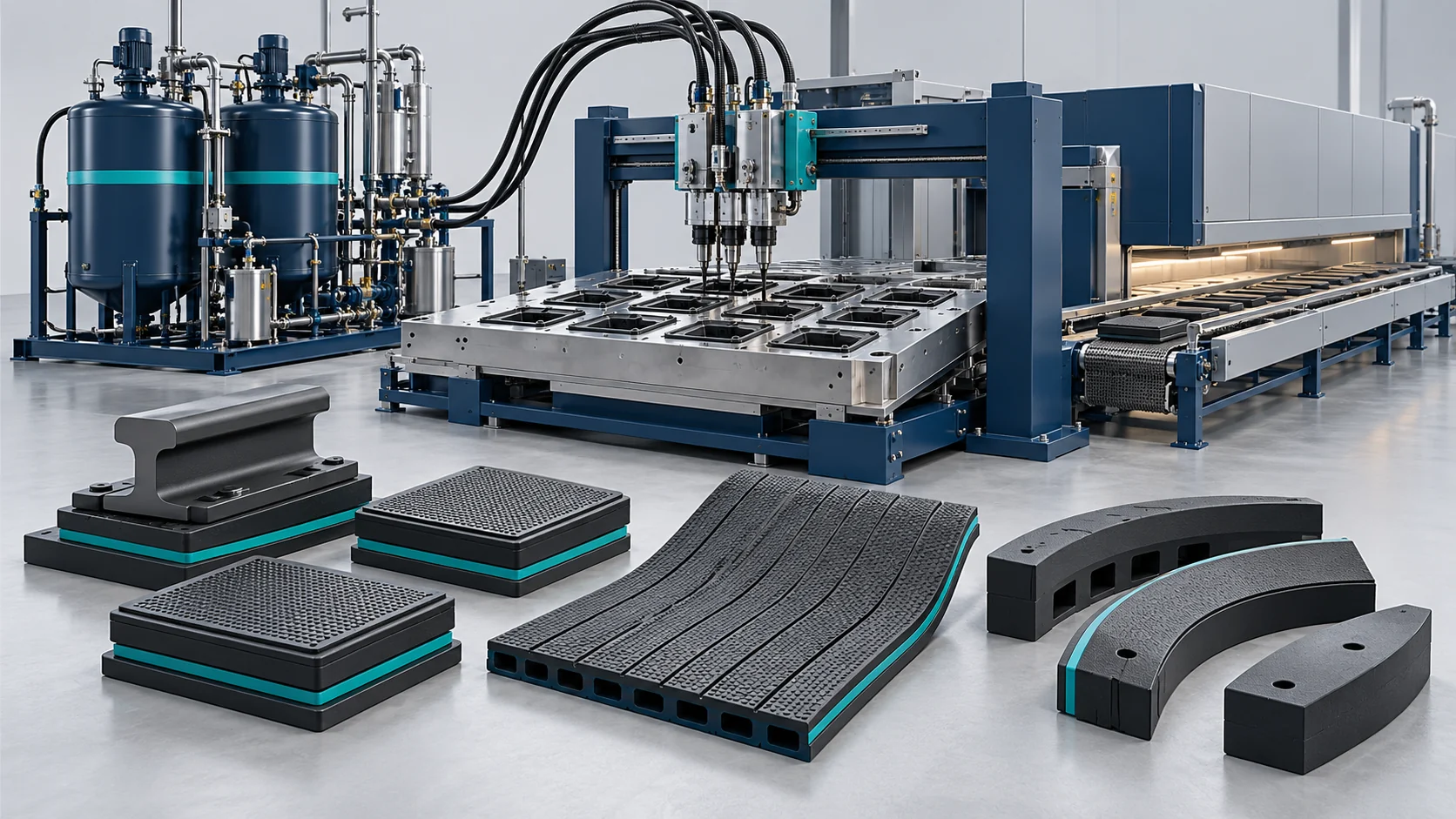
Rail Vibration-Control Component Casting Solution
Plan cast polyurethane damping components around their geometry, dynamic requirements and curing behavior.
Build the Process Around Your Product
Plan cast polyurethane damping components around their geometry, dynamic requirements and curing behavior.
Product and material first
Start with the finished-product drawing, material system and acceptance requirements. The process route and equipment configuration are assessed together.
Capacity across the whole process
Define output with preparation, forming/reaction, curing, handling and inspection included. The slowest stage and product changes determine practical line capacity.
Metering/mixing/casting and agreed handling automation are specified with molds and test interfaces. Final damping performance is qualified for each component.
From Preparation to Qualified Product
A planning sequence for the specified route. Final settings and acceptance conditions are established through material and part review.
Specify the component
Separate rail pads, mats, curved-track damping parts and other isolation components by drawing and duty.
Prepare material and molds
Confirm formulation, inserts, release, heating and venting for the part.
Meter and fill
Coordinate shot quantity and filling path with component length and cavity distribution.
Information Needed to Configure the Line
Provide these inputs so the equipment range, interfaces and validation plan can be defined.
| Design input | Information required |
|---|---|
| Component geometry | Dimensions, inserts and interfaces |
| Dynamic specification | Stiffness, damping, load range and test conditions |
| Material process | Solid/microcellular system and cure instructions |
| Output plan | Parts per shift, mold logistics and automation |
Core Equipment and Integrated Interfaces
Metering/mixing/casting and agreed handling automation are specified with molds and test interfaces. Final damping performance is qualified for each component.
Low-Pressure PU Foaming Machine | Railway Damping Pads
A high-performance PU foam casting system developed for industrialized manufacturing of elastic pads for high-speed railways, heavy-haul railways, subways and full rail transit systems.
Low-Pressure PU Foaming Machine | Rail Vibration Pads
High-precision PU foam casting system for small-radius curve rail pads & complex contour elastic pads. Delivers lightweight, high-elasticity products with excellent impact & flex resistance for rail transit.
PU Elastomer Casting Machine | Railway Engineering
PU casting unit designed for railway engineering components, offering excellent wear resistance and impact strength. Ideal for track fasteners, vibration pads, and rail infrastructure.
Coordinate the Equipment With the Process
Evaluate repeatability, handling and acceptance across the full workflow.
Material-specific configuration
Component circuits, thermal control, mixing and receiving equipment are matched to the approved chemistry and processing window.
Defined interfaces
Metering/mixing/casting and agreed handling automation are specified with molds and test interfaces. Final damping performance is qualified for each component.
Documented acceptance
The proposal defines trials, process records, inspection responsibilities and product-specific acceptance conditions.
Related Project Records and Industry References
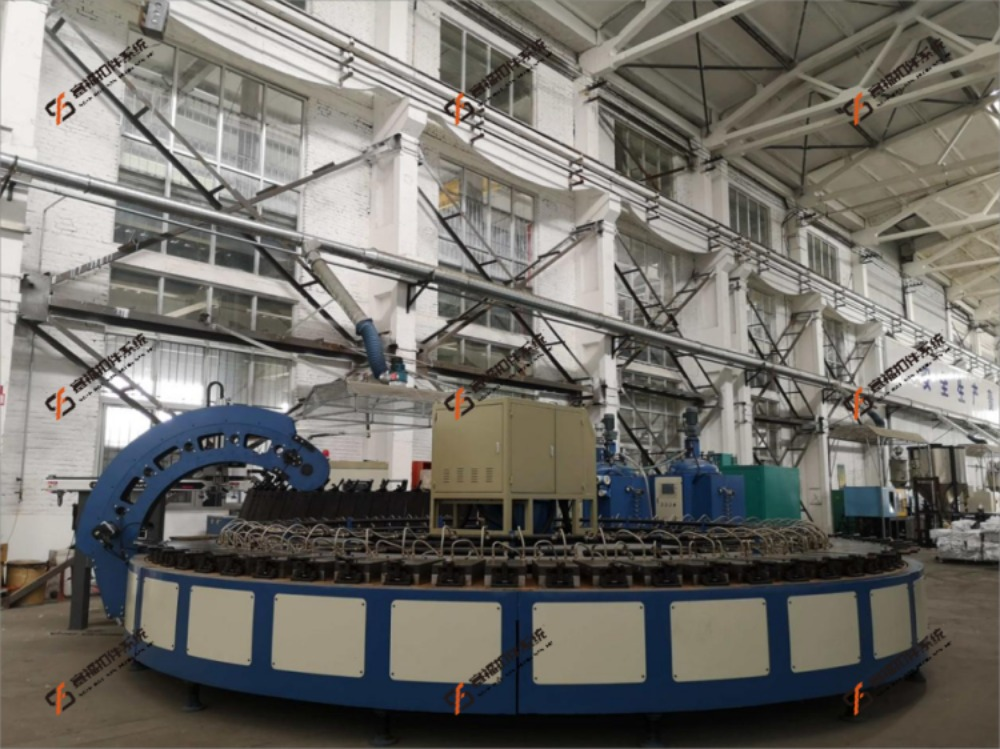
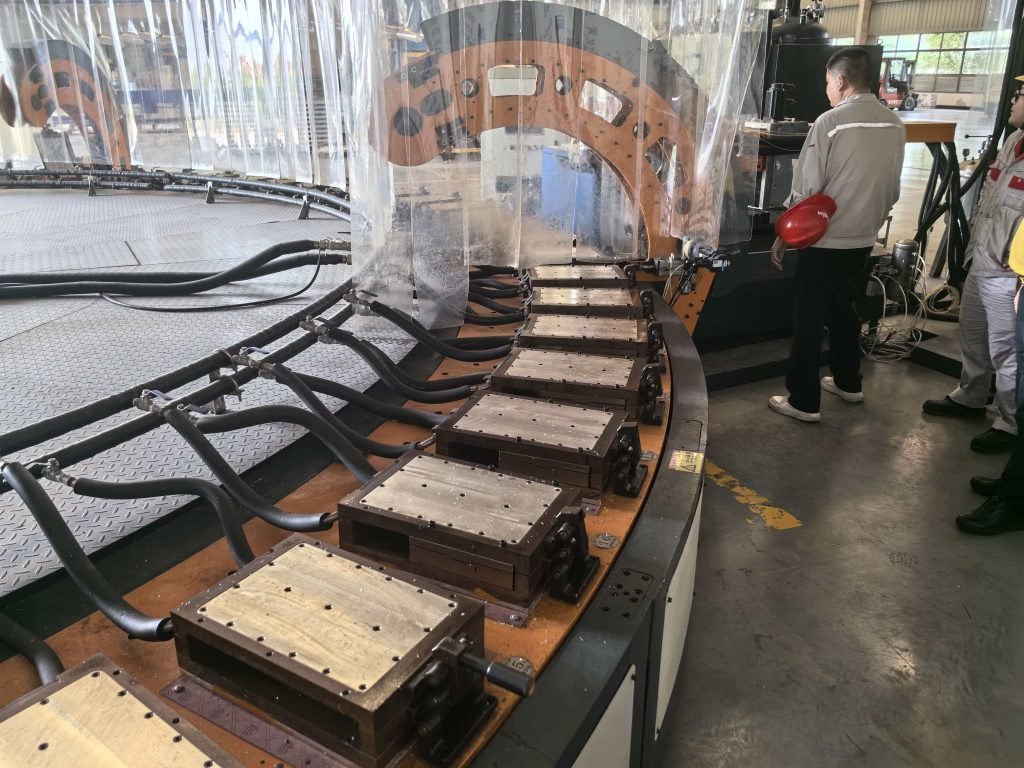
Review the evidence type on each record. Haifeng project figures describe their own configuration; public industry references identify third-party sources and are not Haifeng deliveries.
Frequently Asked Questions
Clarify the production route before selecting a machine.
Can rail pad project data be used for every damping product?
What information is needed to size the production line?
What is included in the equipment package?
Are cycle time and finished-product performance fixed?
Submit Your Production Goals
Share the finished product, material, target capacity, automation requirements and factory conditions to discuss a project-specific line configuration.


