
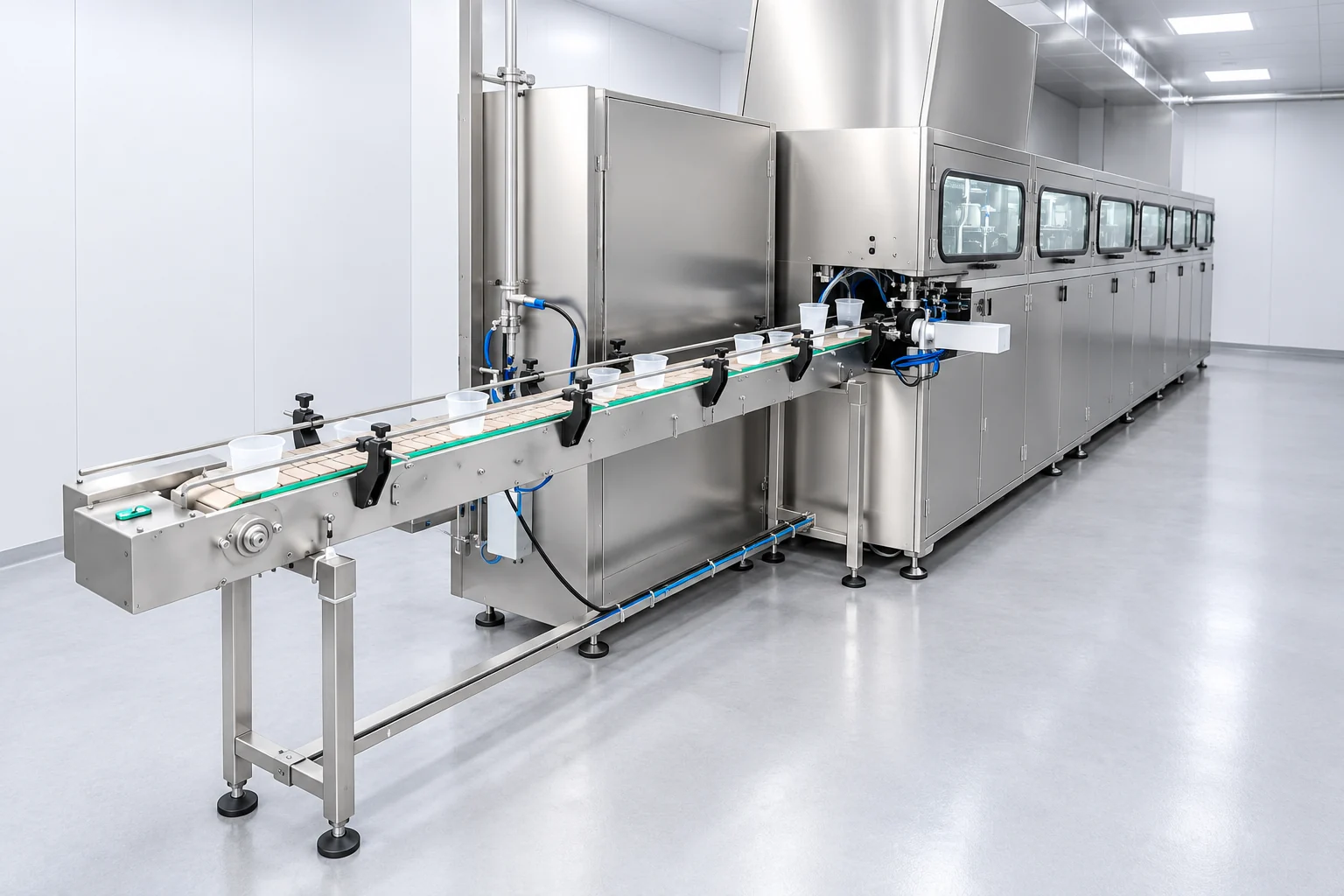
Dry-Process Sample Batching Solution
Concept illustration · Configuration varies
Prepare small coating-mixture samples before production batching. Configured dosing, cup handling and recipe records support resin and color-paste trials, color correction and transfer of approved formulations.
Scope and Material Requirements
Prepare small coating-mixture samples before production batching. Configured dosing, cup handling and recipe records support resin and color-paste trials, color correction and transfer of approved formulations.
Application Boundary
The sample system supports formulation evaluation for dry-process coating. It is not a coating line, a production-scale mixer or a guarantee that a laboratory color transfers unchanged to a finished leather surface. High-viscosity ingredients require compatibility and discharge trials.
Configuration Inputs
Share ingredient identities and material data, minimum additions, batch sizes, container details, output goals and site interfaces. Equipment selection and acceptance are agreed for the actual application.
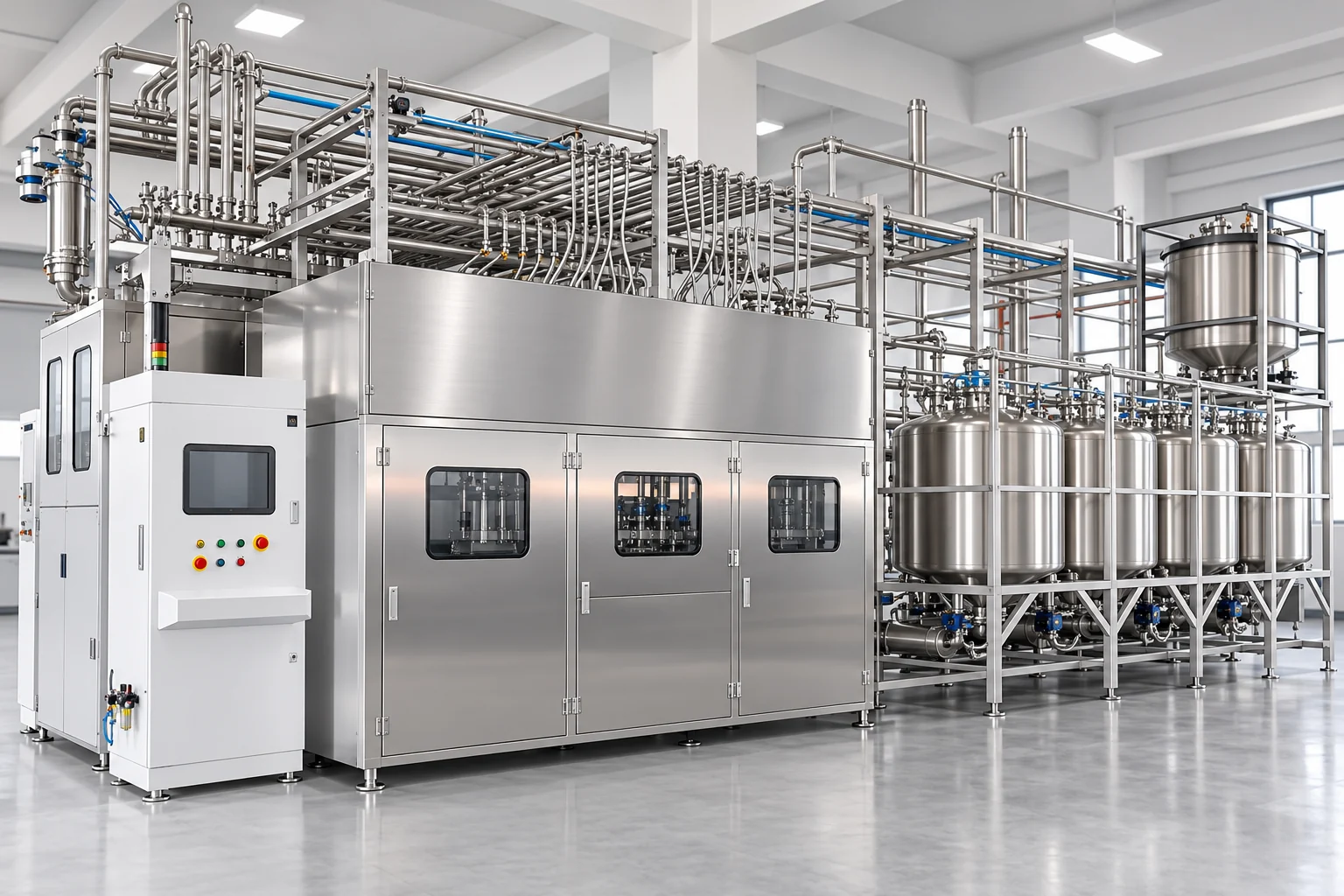
Concept illustration: the equipment views on this page are generated engineering visualizations, not photographs of delivered installations.
Material Preparation and Batching Process
Coordinate the selected equipment, recipe, material conditions and receiving-process interfaces. The workflow below describes the planning scope rather than a fixed configuration for every installation.
Register the target and materials
Record the target sample, ingredient identities, resin system and required laboratory batch size.
Prepare and calibrate the dosing circuits
Condition materials, review settling and viscosity, and check the selected balance and minimum reliable addition.
Dispense into identified cups
Coordinate recipe selection, container tare, dosing sequence and cup movement where configured.
Parameters and Operating Conditions
All numerical values describe selected reference configurations. Confirm the material properties, minimum dose, batch size, weighing conditions and acceptance method before equipment selection. Scale readability, ingredient dosing error and total batch tolerance are separate quantities.
All numerical values describe selected reference configurations. Confirm the material properties, minimum dose, batch size, weighing conditions and acceptance method before equipment selection. Scale readability, ingredient dosing error and total batch tolerance are separate quantities.
Sample Batching References
| Parameter | Reference configuration | Scope and conditions |
|---|---|---|
| Equipment material | Stainless-steel construction reference | Grade, wetted components and seals follow material compatibility. |
| Sample output | 40–50 cups/hour | Reference throughput; recipe complexity, dose mass and handling affect output. |
| Dosing-accuracy reference | ±0.002 g stated | A reference claim for the selected configuration; minimum dose, material, repeatability and acceptance test must be established. |
| Balance graduation reference | 0.001 g in a separate system brief | Readability is not proof of ±0.001 g or ±0.002 g system accuracy. |
| Workstations | 2–4 | Cup-handling and weighing arrangements follow the layout. |
| Ingredient capacity | Up to 48 ingredient types in a separate configuration | Not necessarily the same arrangement as the 2–4-workstation example. |
| Material capability | High-viscosity pigment pastes and resins, subject to trials | Define viscosity at the actual operating temperature and check feed stability. |
| Operating mode | Continuous cup-handling reference | Actual sequence, changeover and cleaning depend on the approved design. |
| Data interfaces | Recipe transfer and production-management connectivity where configured | Confirm software scope, data mapping, access and validation. |
Equipment and Process Concept Views
Related Production Routes
Dry-process synthetic leather production · PU synthetic leather solutions
Sample-to-Production Transfer
Record ingredient identity, recipe version, actual additions and sample evaluation conditions. A laboratory result must be checked at production scale with the selected dispensing and mixing equipment.
Related Preparation Systems
Chemical Processing Turnkey Plant · Batching-room integration
Equipment and Integration Scope
A sample-batching package can combine compatible ingredient circuits, a precision balance, cup identification, controlled dosing and an optional cup conveyor. Recipe-management and production-system interfaces are specified separately. The catalog coating line below illustrates the receiving production route, not the sample-dosing equipment.
Configuration Benefits
Benefits depend on the agreed material, equipment and operating workflow. Validate dosing, handling and product acceptance separately.
Prepare before scaling up
Evaluate a recipe and make corrections at sample scale before committing to a production batch.
Controlled recipe records
Connect sample identity, ingredient additions, observations and approved recipe versions.
Matched handling
Select workstation count, cup size and movement for the real sample mix and workflow.
Production Planning FAQ
Clarify the configuration, measurement conditions and delivery scope before requesting a proposal.
Is a 0.001 g balance graduation the dosing accuracy?
Can the system handle every high-viscosity resin?
Will the laboratory color match production without adjustment?
Can recipes connect to the production-management system?
Does an approved sample recipe transfer unchanged to production?
Discuss Your Sample Batching Requirements
Share your material data, batch or sample requirements, receiving-process details and factory conditions. Our team will reply within one business day. Once requirements are clear, we provide a preliminary proposal within two business days.


