
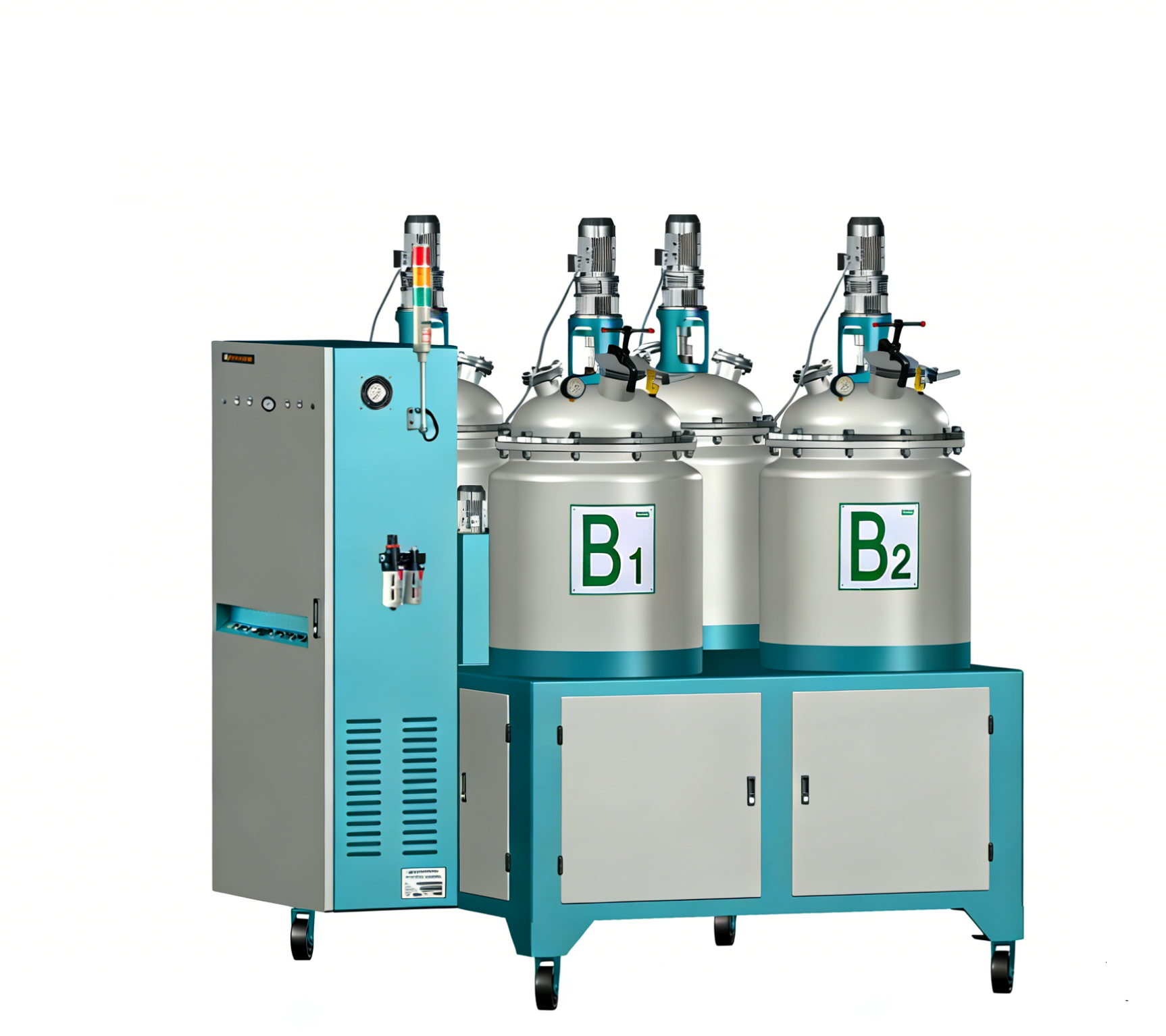
Low-Pressure PU Foaming Machine | Rain Boots
Multi‑process PU system for rain boots, supporting pouring/injection/spraying. Delivers lightweight, odorless, one‑piece molded waterproof boots with ±0.3% accuracy and PLC control.
Output Flow Range
30~200 g/s (adjustable)
Mix Ratio (A:B)
1:1~1:4 (adjustable)
Mixing Head Speed (Pouring)
4,000‑10,000 rpm
Metering Accuracy
±0.3%
Product Overview
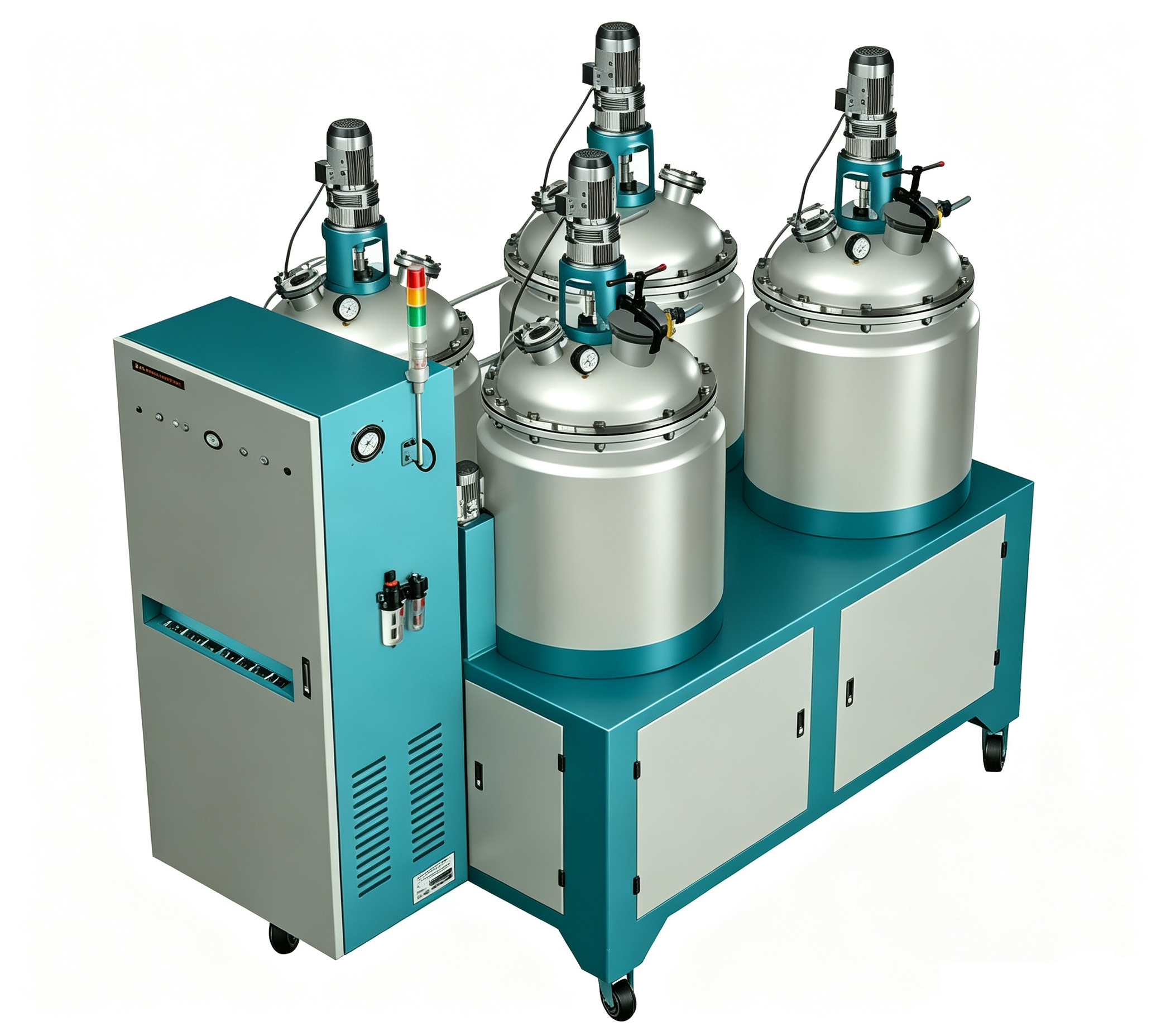
The HF‑LPM‑2A2B‑F is a multi‑process PU foaming machine for rain boots, supporting pouring/injection/spraying, with ±0.3% accuracy and eco‑friendly formulations.
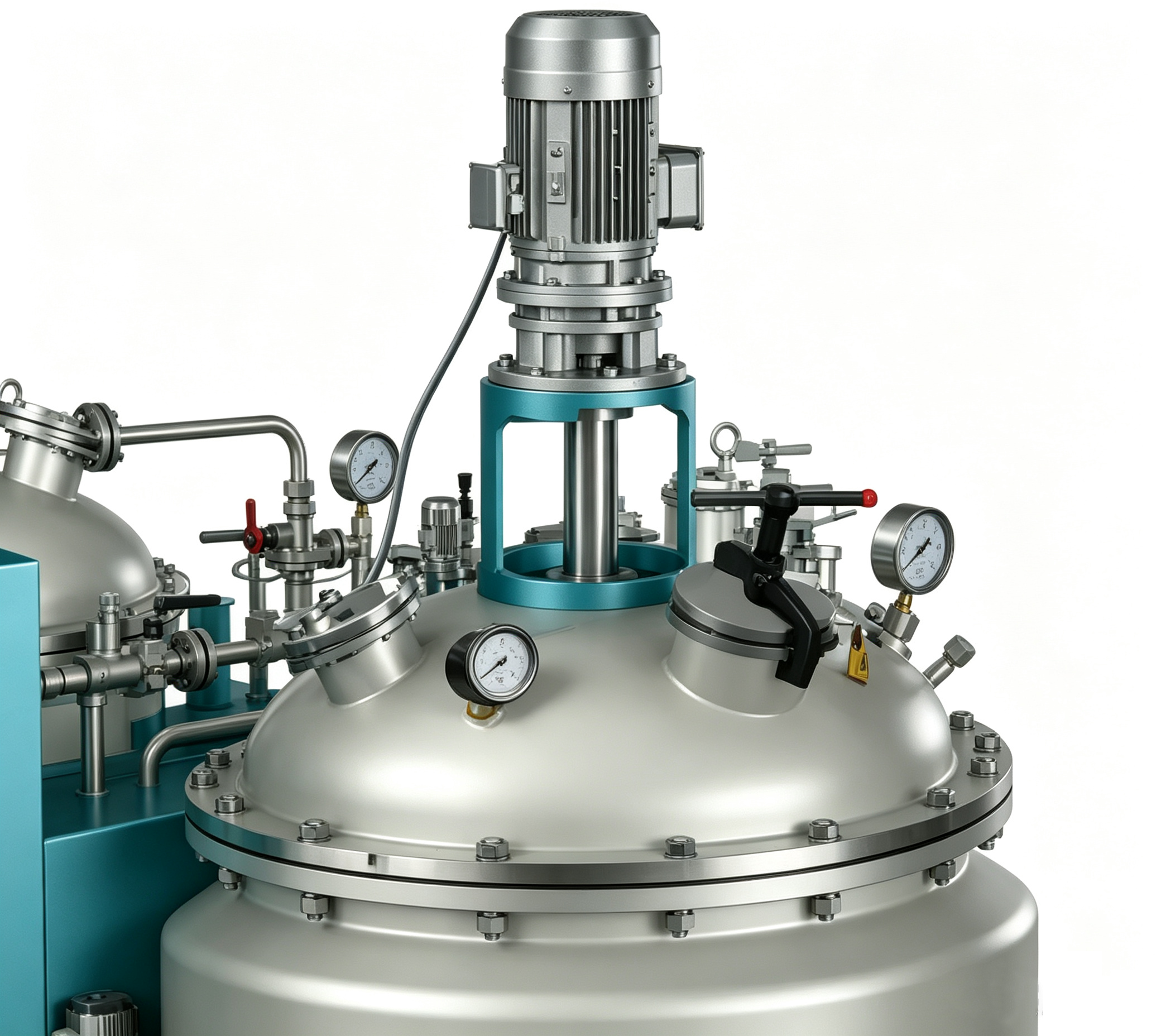
The HF-LPM-2A2B-F is a multi-process low-pressure PU foaming machine optimized for PU rain boot production, supporting pouring (open molds), injection (fully closed molds), and spraying (inner surface coating) modes. It features a 120L tank system, adjustable output flow of 30–200 g/s, flexible A:B ratio of 1:1–1:4, and independently adjustable mixing head speeds—pouring (4,000–10,000 rpm), injection (10,000–18,000 rpm), and spraying (2,000–8,000 rpm). Wear-resistant gear metering pumps with servo closed-loop control achieve ±0.3% accuracy for stable ratio precision. Advanced PLC and constant temperature systems precisely control ratio and material temperature, while insulated pressure-resistant tanks ensure long-term stability of the PU circulation system. The machine produces one-piece molded rain boots with a seamless structure, achieving 100% waterproof performance and eliminating sole delamination common in traditional vulcanization. Eco-friendly PU foaming formulas make boots odorless and lightweight (30%–50% lighter than rubber) with a microcellular foam structure providing cushioning rebound. Waste PU boots can be chemically recycled to reuse polyols, achieving closed-loop production with a lower carbon footprint than PVC and rubber.
Production Workflow
Material Preparation & Recipe Selection
Load polyol and isocyanate into 120L tanks; select desired recipe on PLC touch screen; set ratio (1:1‑1:4) and flow (30‑200 g/s).
Process Mode Selection
Choose pouring (open molds), injection (closed molds), or spraying (surface coating) mode; mixing head speed adjusts automatically per selection.
Material Delivery & Molding
Mixed PU material is delivered via the selected process into/onto molds; material foams and cures to form the one‑piece boot structure.
Demolding, Trimming & System Cleaning
Open mold; remove finished rain boot; trim excess material; automatic cleaning cycle prepares the system for the next run.
Technical Specifications
Specifications are based on standard configurations. Customizable component counts (2‑6) and optional automated production line integration available.
| Technical Parameter | HF-LPM-2A2B-F |
|---|---|
| Output Flow | 30–200g/s, freely adjustable |
| Mixing Ratio Range | A:B = 1:1 ~ 1:4, adjustable |
| Raw Material Tank Capacity | 120L standard tank |
| Installed Power | 13kW |
| Mixing Head Speed | Pouring: 4000–10000rpm adjustable Injection: 10000–18000rpm adjustable Spraying: 2000–8000rpm adjustable |
| Metering Accuracy | ±0.3% |
| Total Machine Weight | 1000kg |
| Warranty | 1-year full machine warranty |
| Certifications | Confirm applicable documents for the quoted configuration |
| Brand | Haifeng |
Key Advantages
Six engineering and production benefits that deliver lightweight, odorless, one‑piece molded rain boots with low operating costs and eco‑friendly production.
One‑Piece Molding, Non‑Slip & Wear‑Resistant
Seamless integrally molded boot body achieves 100% waterproof performance, eliminating sole delamination. PU material delivers superior anti‑slip performance on wet, muddy, and oily ground compared to rubber.
Odorless & Lightweight for All‑Day Comfort
Eco‑friendly PU formula—no pungent odor or solvent residue. 30%‑50% lighter than rubber rain boots; microcellular foam structure provides cushioning rebound to reduce fatigue during long standing and walking.
Recyclable & Eco‑Friendly Production
Waste PU boots can be chemically recycled to reuse polyols, achieving closed‑loop production. Lower full‑life‑cycle carbon footprint than PVC and rubber, meeting sustainability requirements of international brands.
Three Process Modes in One Machine
Supports pouring (open molds), injection (fully closed molds), and spraying (inner surface coating) with independently adjustable mixing head speeds—covering all rain boot manufacturing requirements.
Precision Metering & Stable Mixing
Wear‑resistant gear metering pumps with servo closed‑loop control and PLC constant temperature system ensure accurate ratio (±0.3%) and stable material temperature for consistent quality.
Low Equipment Cost & Easy Maintenance
Low‑pressure system reduces power consumption and equipment wear, extending core parts life. Simple structure requires low operator training cost and straightforward daily maintenance.
Explore Other Equipment
Browse other equipment in our catalog. These listings are for product discovery; compatibility and production-line scope are confirmed separately for your material, process and output requirements.
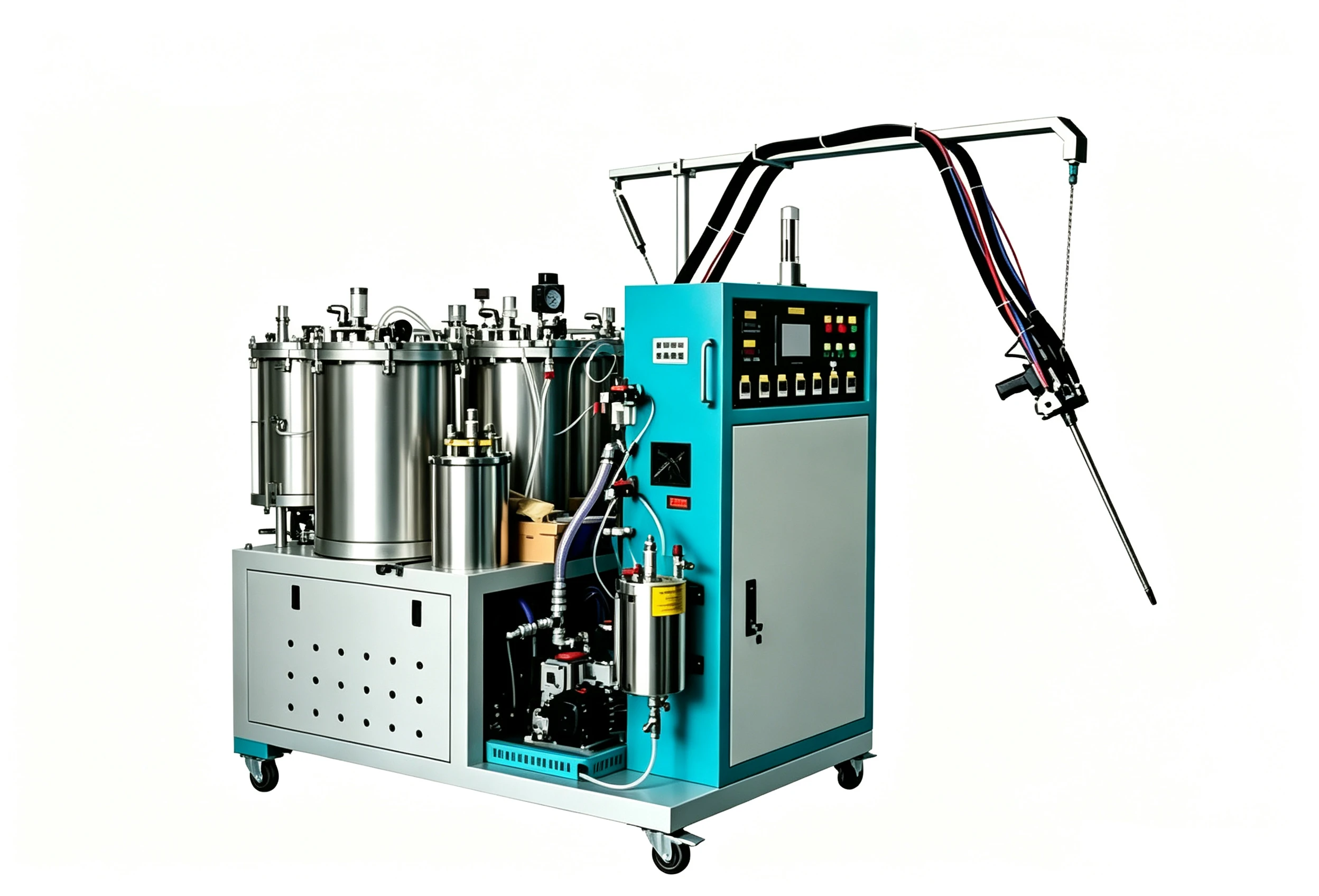
Epoxy Pouring Machine | Printing Rollers
Low Pressure Polyurethane Machine
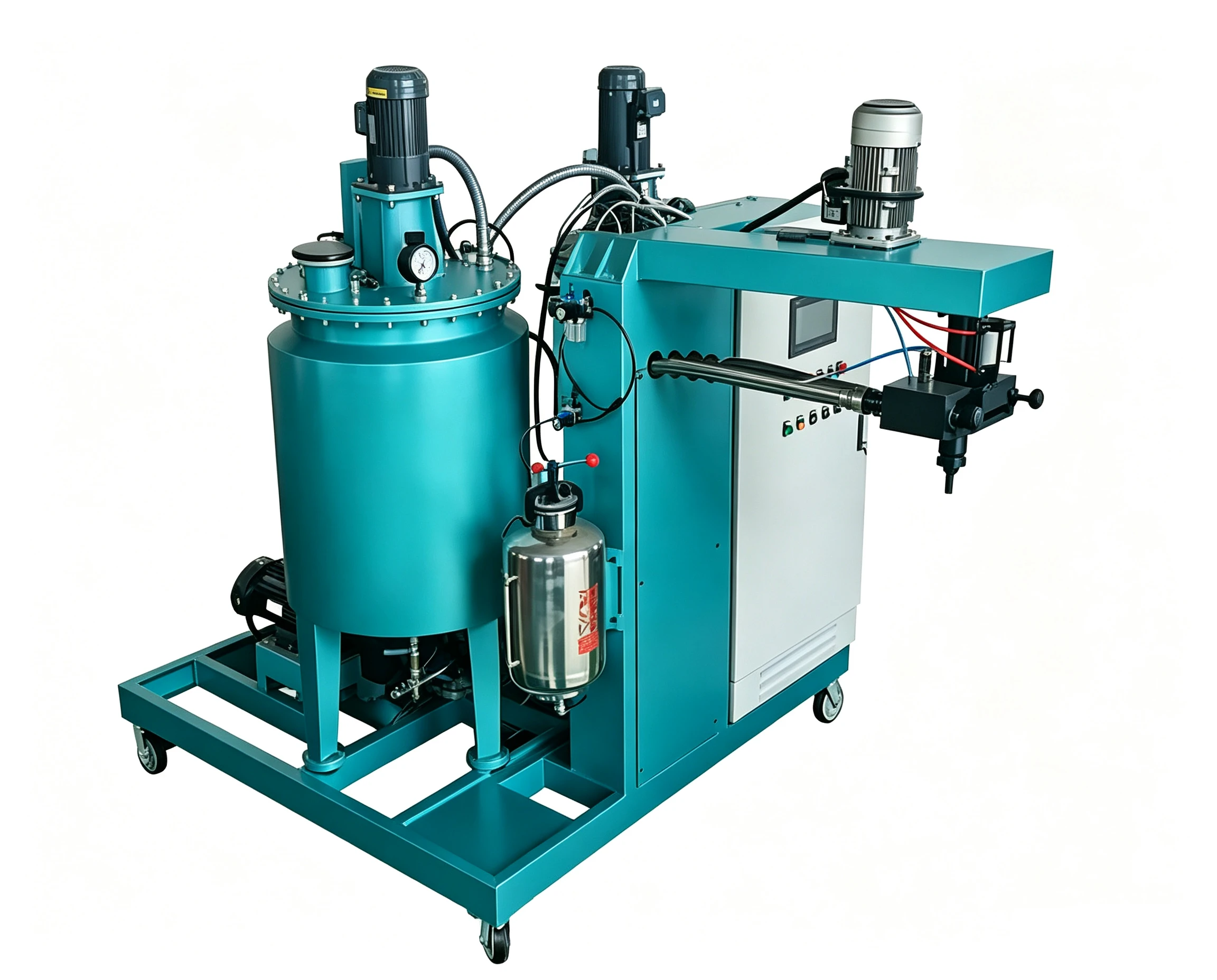
PU Elastomer Casting Machine | Hydraulic Seals
Polyurethane Machinery &Equipment
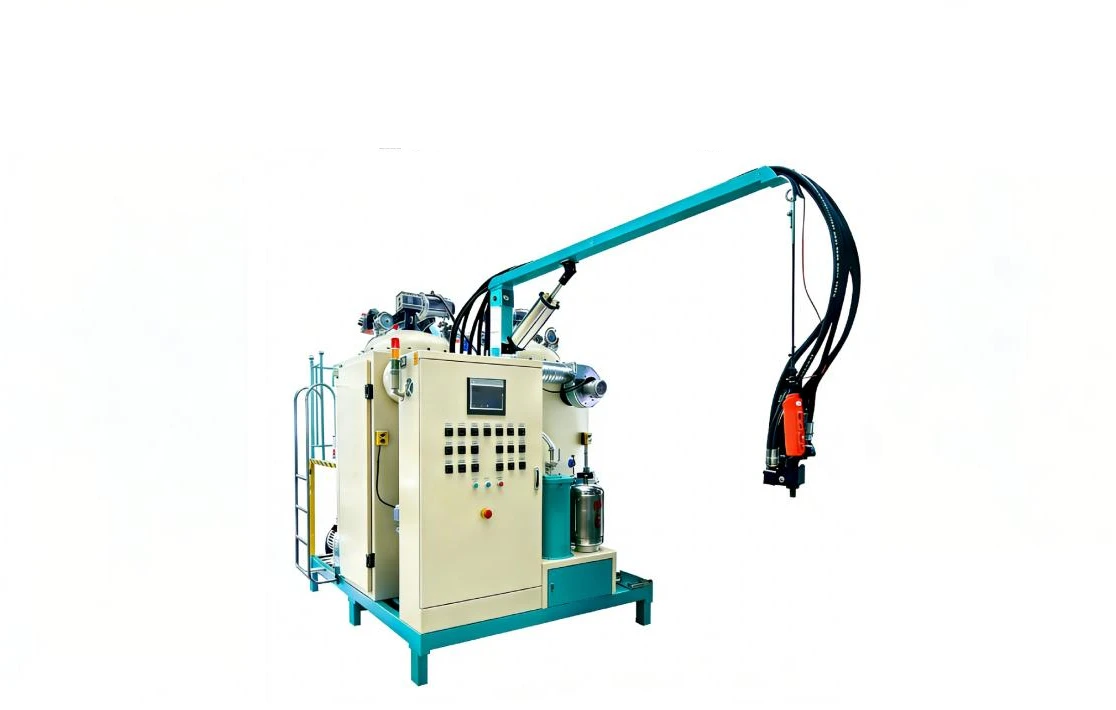
MC Nylon Casting Machine | Cast Nylon Parts
MC Nylon Casting Machines
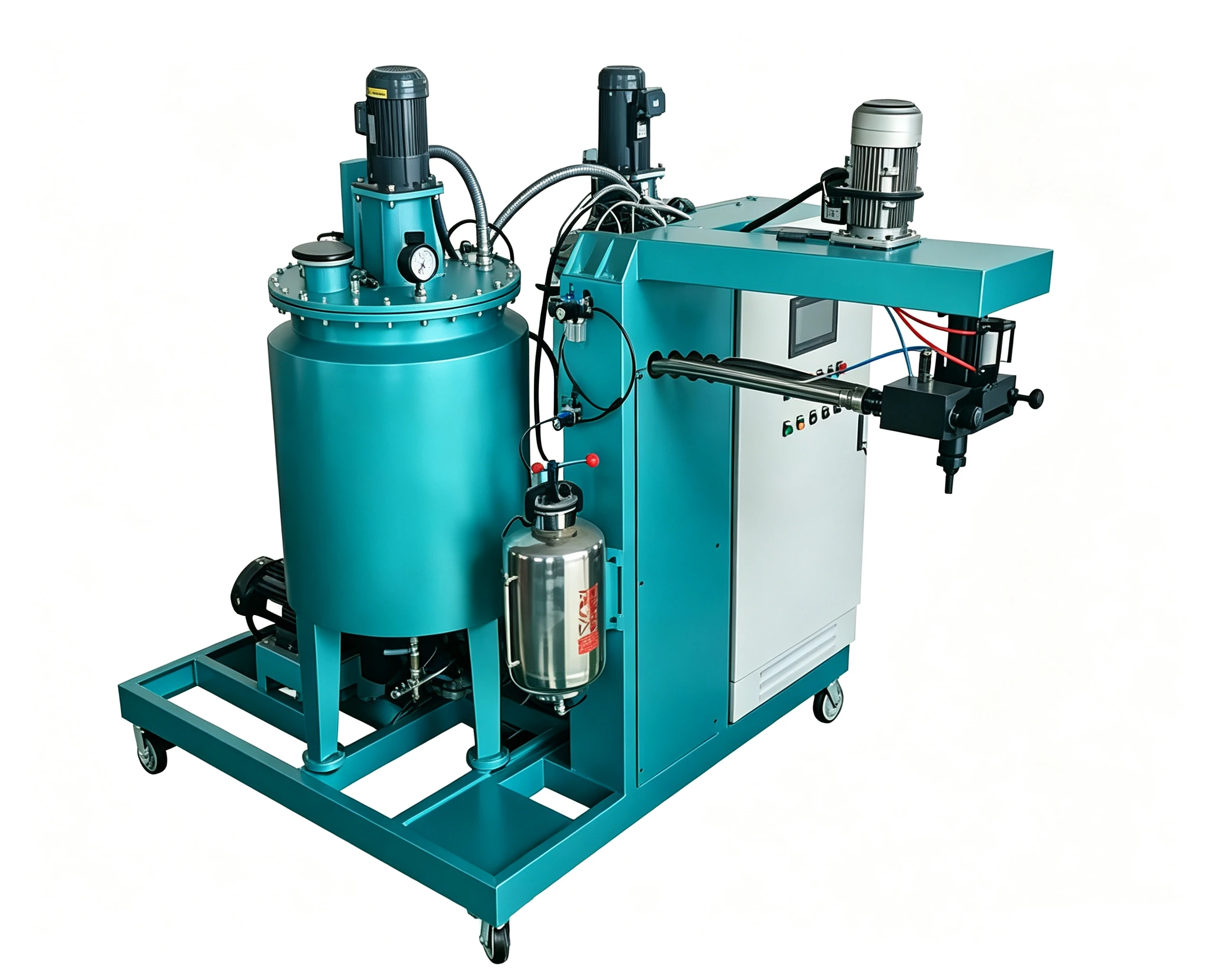
PU Elastomer Casting Machine | Cold Rolling Rollers
Polyurethane Machinery &Equipment


