
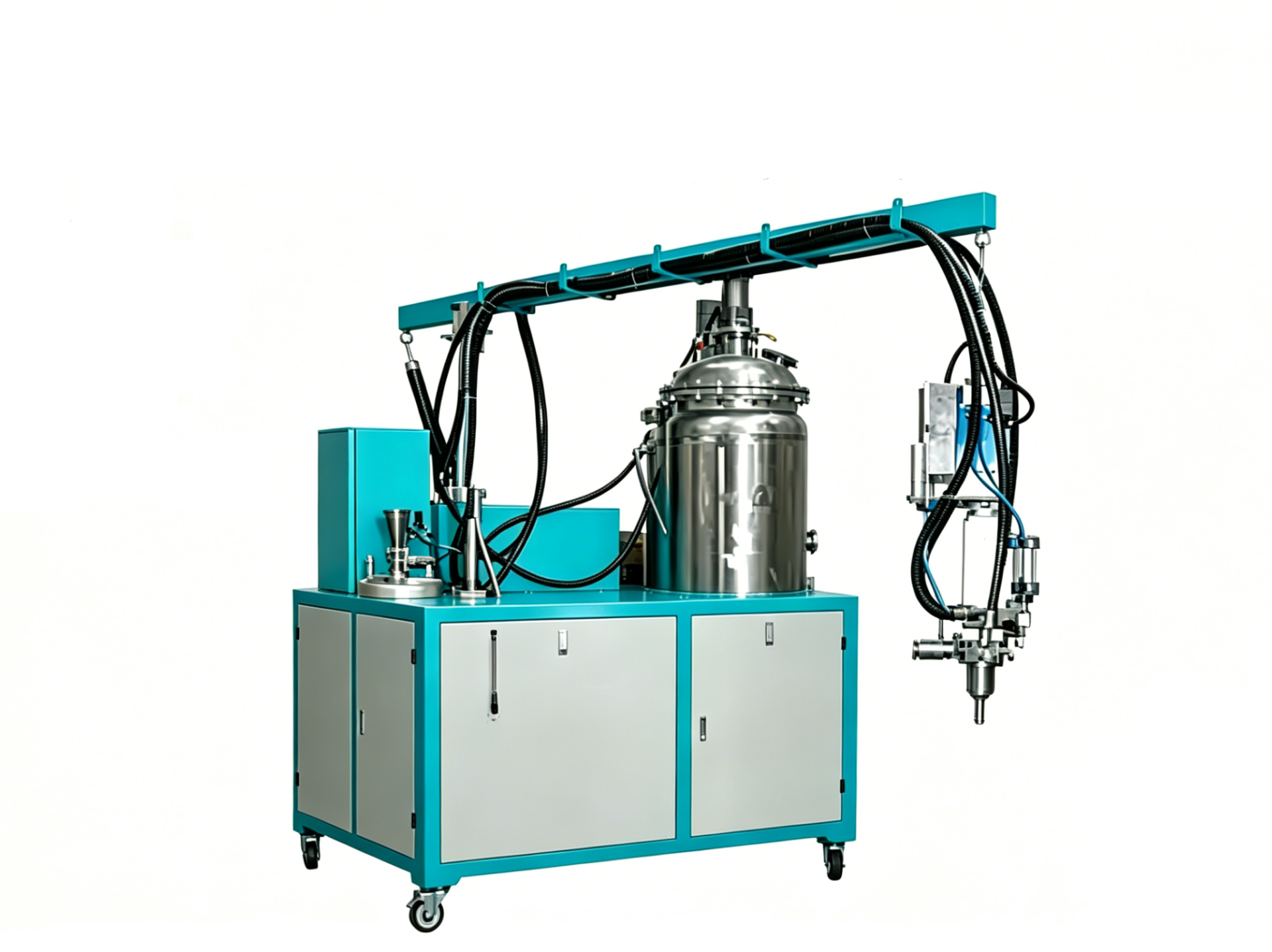
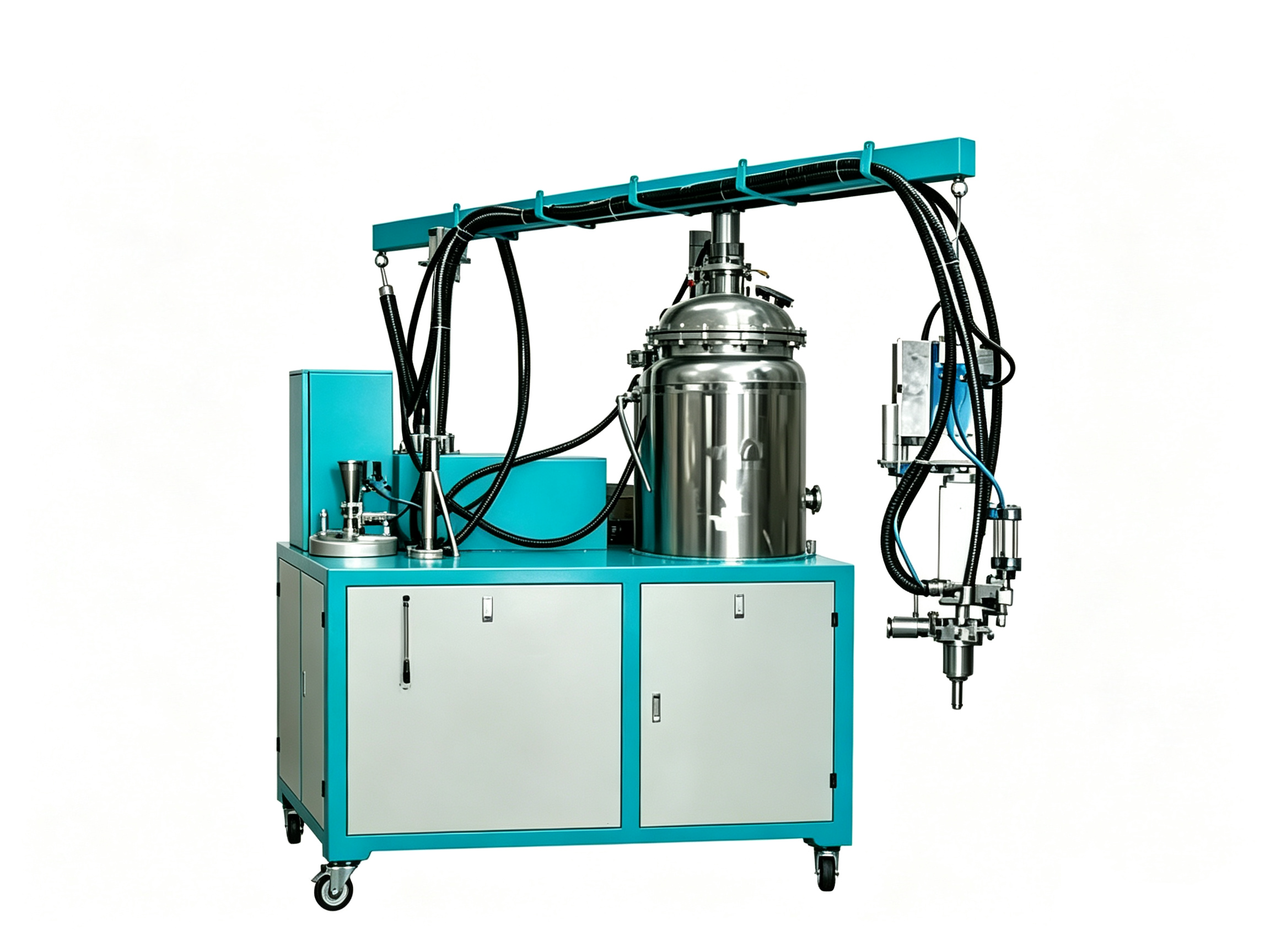
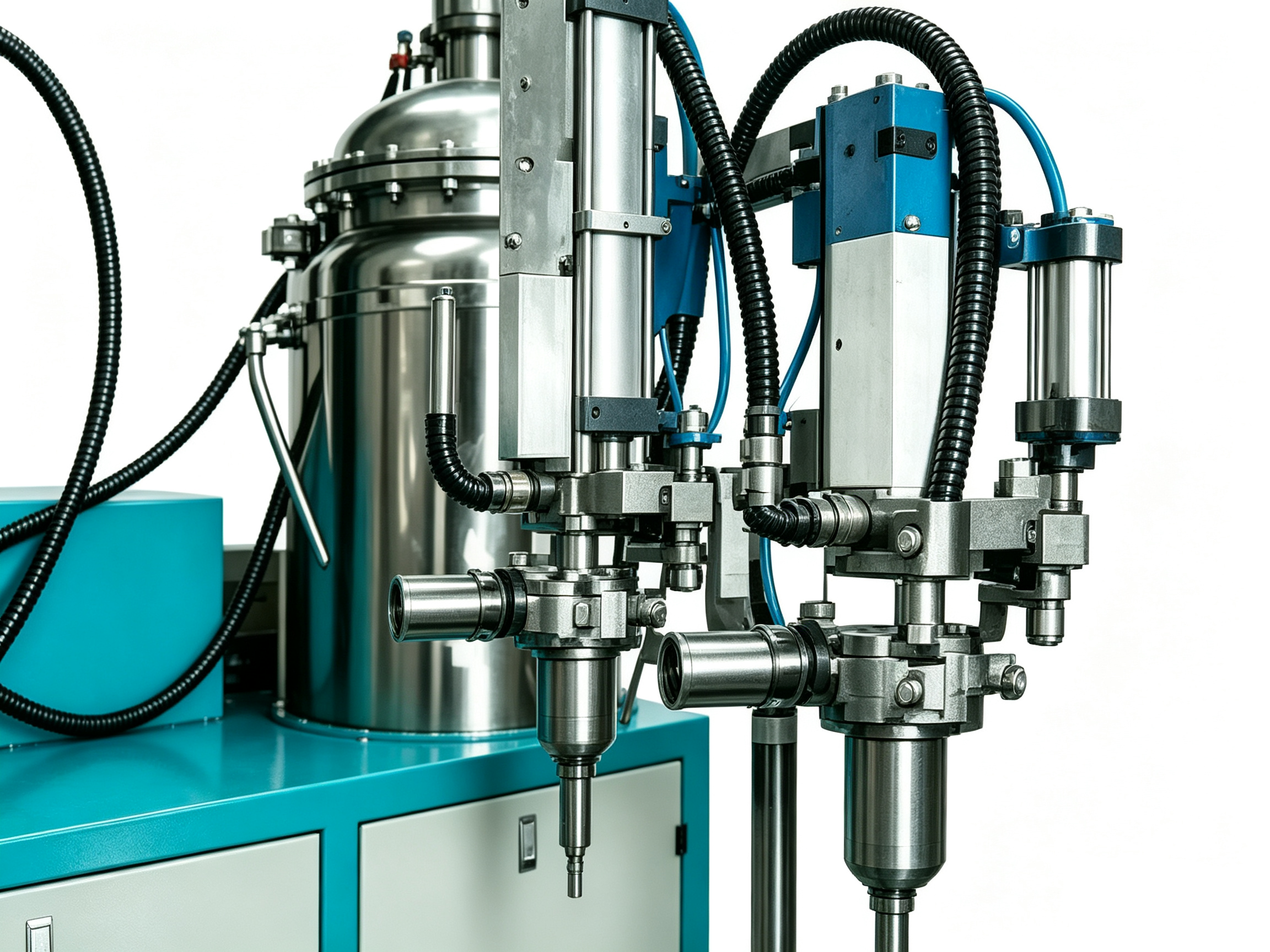
Low-Pressure PU Foaming Machine | Medical Sponges
Configured dispensing for sponge formulations intended for medical applications; finished-product and process validation are separate requirements.
Pouring Rate
50~1000 g/s
Mix Ratio (Medical Polyol:MDI)
100 : 85~95
Metering Accuracy
≤ ±0.3% full range
Foaming Pressure
0.5~2.0 MPa
Product Overview
Specially designed for precision pouring of medical polyurethane sponge, stably producing wound dressings, medical pads, hemostatic sponges and other medical consumables.
This low-pressure PU dispensing machine can be evaluated for sponge formulations intended for medical applications. Metering, mixing, temperature control and cleaning arrangements are selected around the material and production brief. Medical-use suitability, biocompatibility, contamination control and sterilization require separate validation of the formulation, finished device and manufacturing process. Equipment supply does not establish a sterile production environment or medical-product approval.
Operation Workflow
Material Preparation
Select the formulation and establish controlled handling and cleaning procedures for the intended sponge application.
Temperature and Recipe Setting
Confirm the material temperatures, tank arrangement and mixing ratio with the formulation supplier.
Metering and Mixing Trials
Verify dispensing repeatability and mixing quality on the selected formulation and operating range.
Molding and Finished-Part Validation
Mold representative specimens and validate absorption, contamination control and any intended medical-use requirements separately.
Technical Specifications
Standard configuration parameters for the medical sponge PU foam pouring machine. Customizations including tank capacity are available upon request.
| Technical Parameter | HF-Sponge-1A1B-Medical Sponge |
|---|---|
| Pouring Rate | 50–1000 g/s |
| Raw Material Ratio | Medical‑grade polyether polyol : Medical‑grade isocyanate (MDI) = 100:85–95 |
| Tank Capacity (Optional) | 100 / 150 L |
| Mixing Head Speed | 5000–9000 r/min |
| Dynamic Metering Accuracy | ≤±0.3% (Full range) |
| Tank Configuration | 1A1B two‑component independent temperature control |
| Material Temperature Control (Tank A) | 25–45℃ |
| Material Temperature Control (Tank B) | 20–40℃ |
| Foaming Pressure | 0.5–2.0 MPa |
| Cleaning System | Configured circulation cleaning and air purge; cleaning and contamination-control procedures require validation for the intended application. |
| Power | 5.5–8 kW |
| Control System | PLC + touch screen + multi‑formula storage |
| Warranty | 1 year |
| Certifications | Confirm applicable documents for the quoted configuration |
Key Features & Advantages
Engineered for sterility, biocompatibility, and precision in medical sponge manufacturing.
Configured Material Handling
Confirm tank arrangement, material-contact construction and cleaning requirements in the equipment specification.
Temperature and Metering Control
Set control requirements around the selected formulation and verify them during commissioning.
Finished-Sponge Validation
Absorption, biocompatibility and intended medical-use suitability require formulation and finished-product testing.
Applicable Documentation
Request records for the quoted equipment. Medical-product approval and quality-system certification are separate from dispensing-machine capability.
Explore Other Equipment
Browse other equipment in our catalog. These listings are for product discovery; compatibility and production-line scope are confirmed separately for your material, process and output requirements.
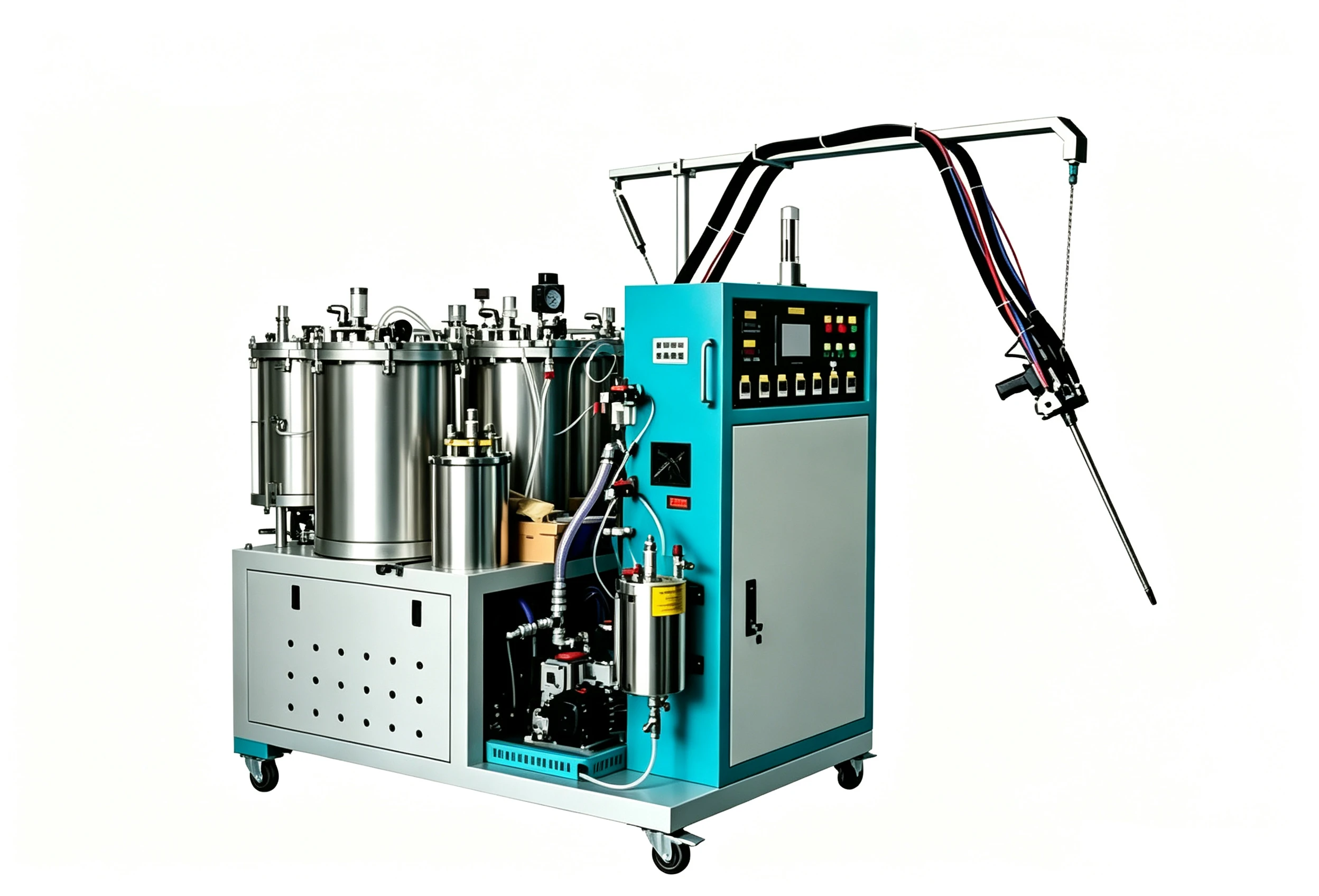
Epoxy Pouring Machine | Printing Rollers
Low Pressure Polyurethane Machine
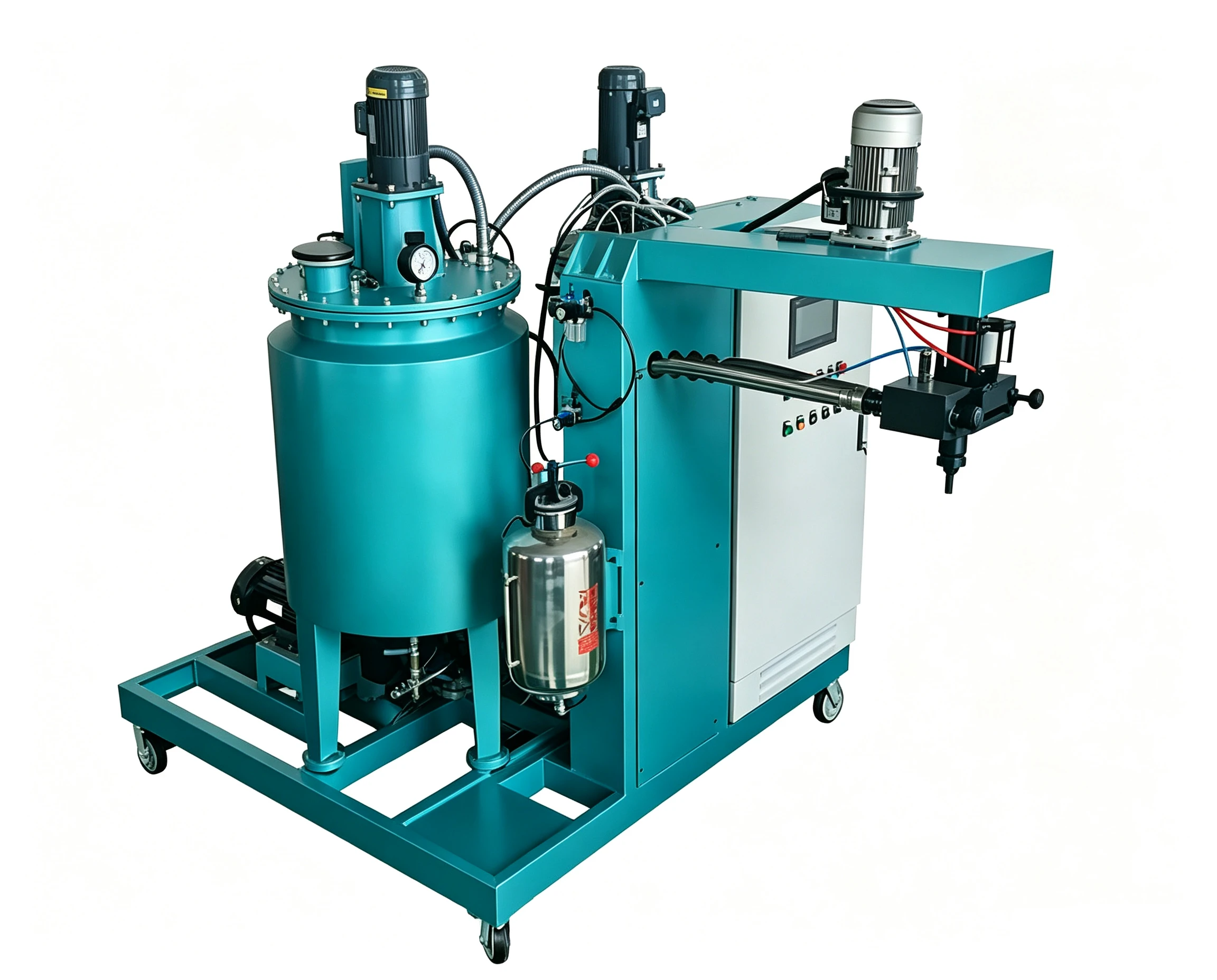
PU Elastomer Casting Machine | Hydraulic Seals
Polyurethane Machinery &Equipment
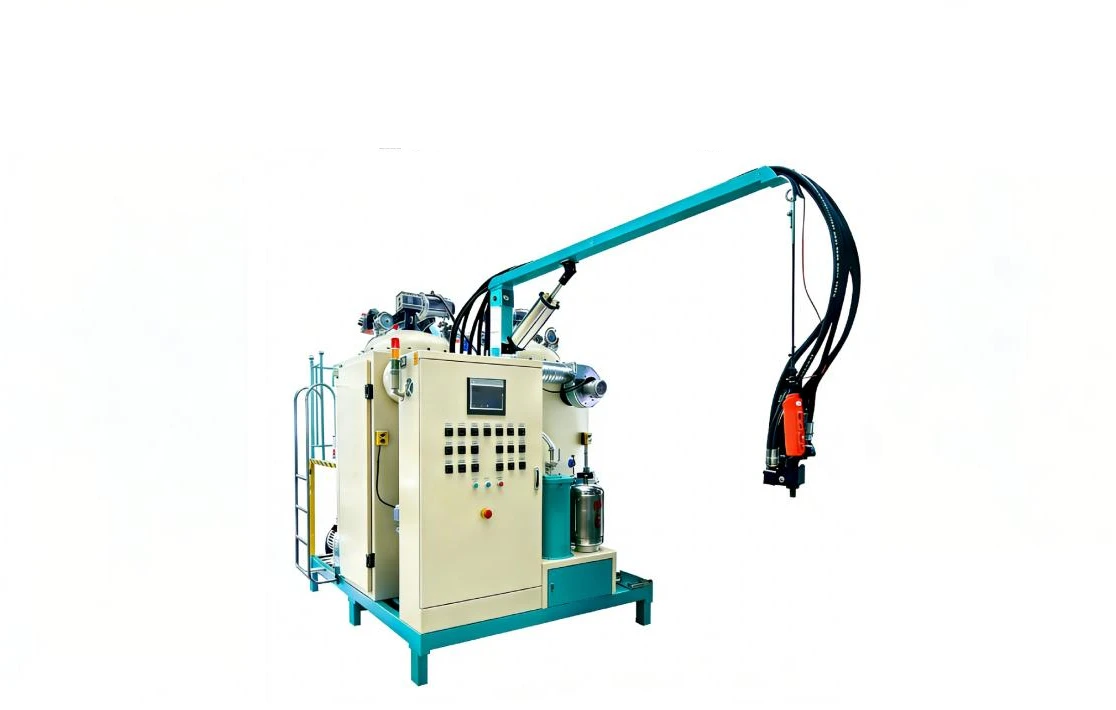
MC Nylon Casting Machine | Cast Nylon Parts
MC Nylon Casting Machines
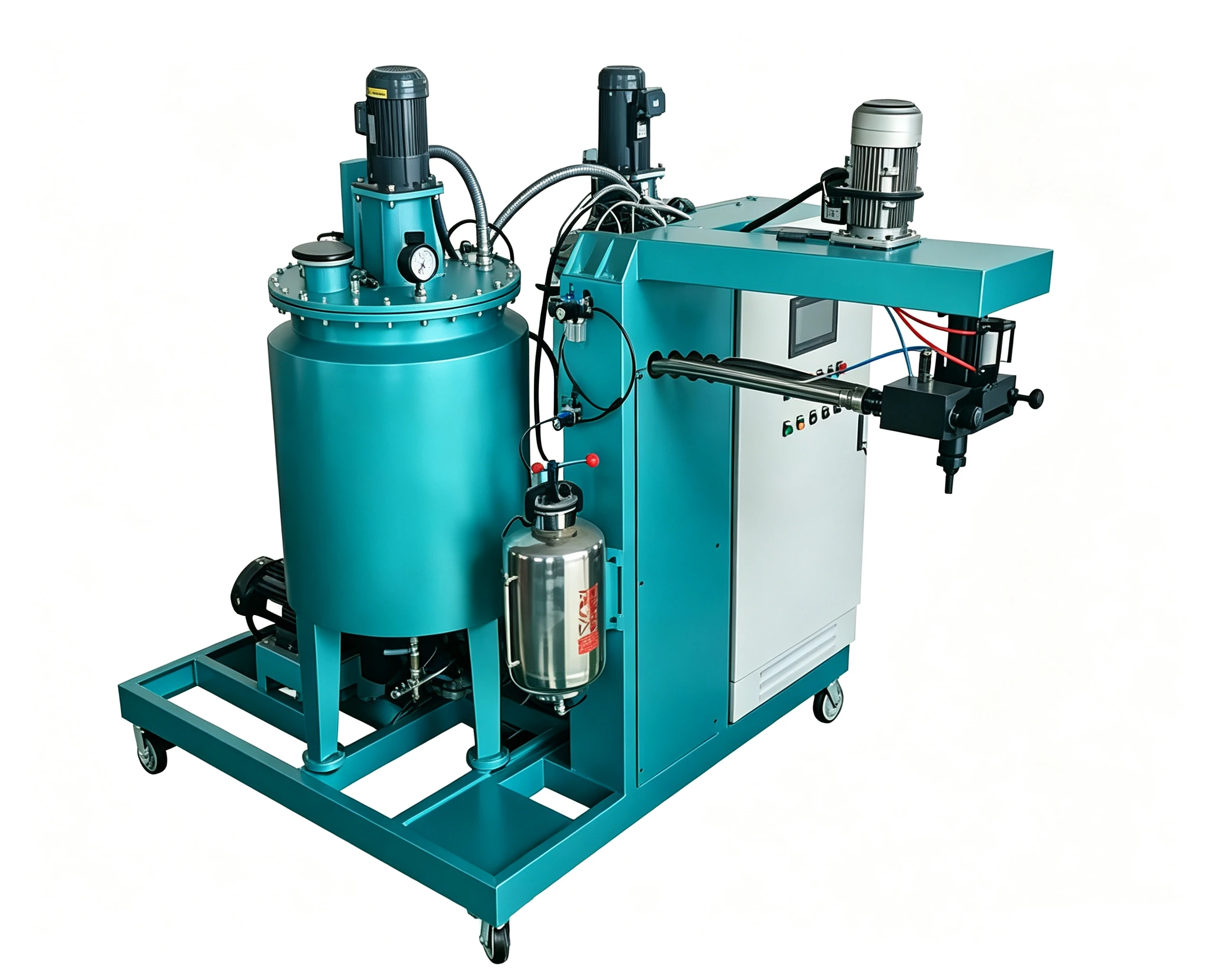
PU Elastomer Casting Machine | Cold Rolling Rollers
Polyurethane Machinery &Equipment


