
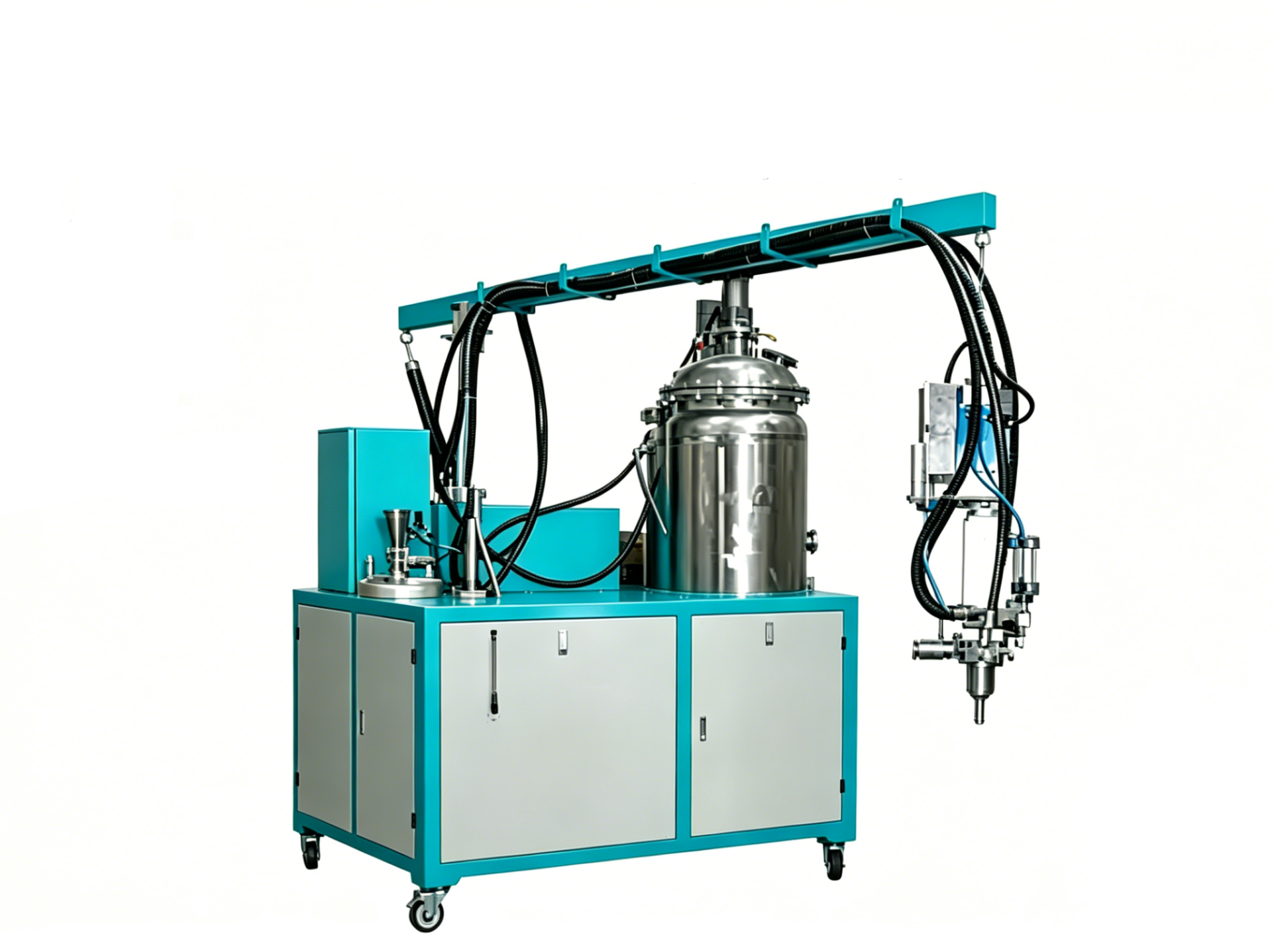
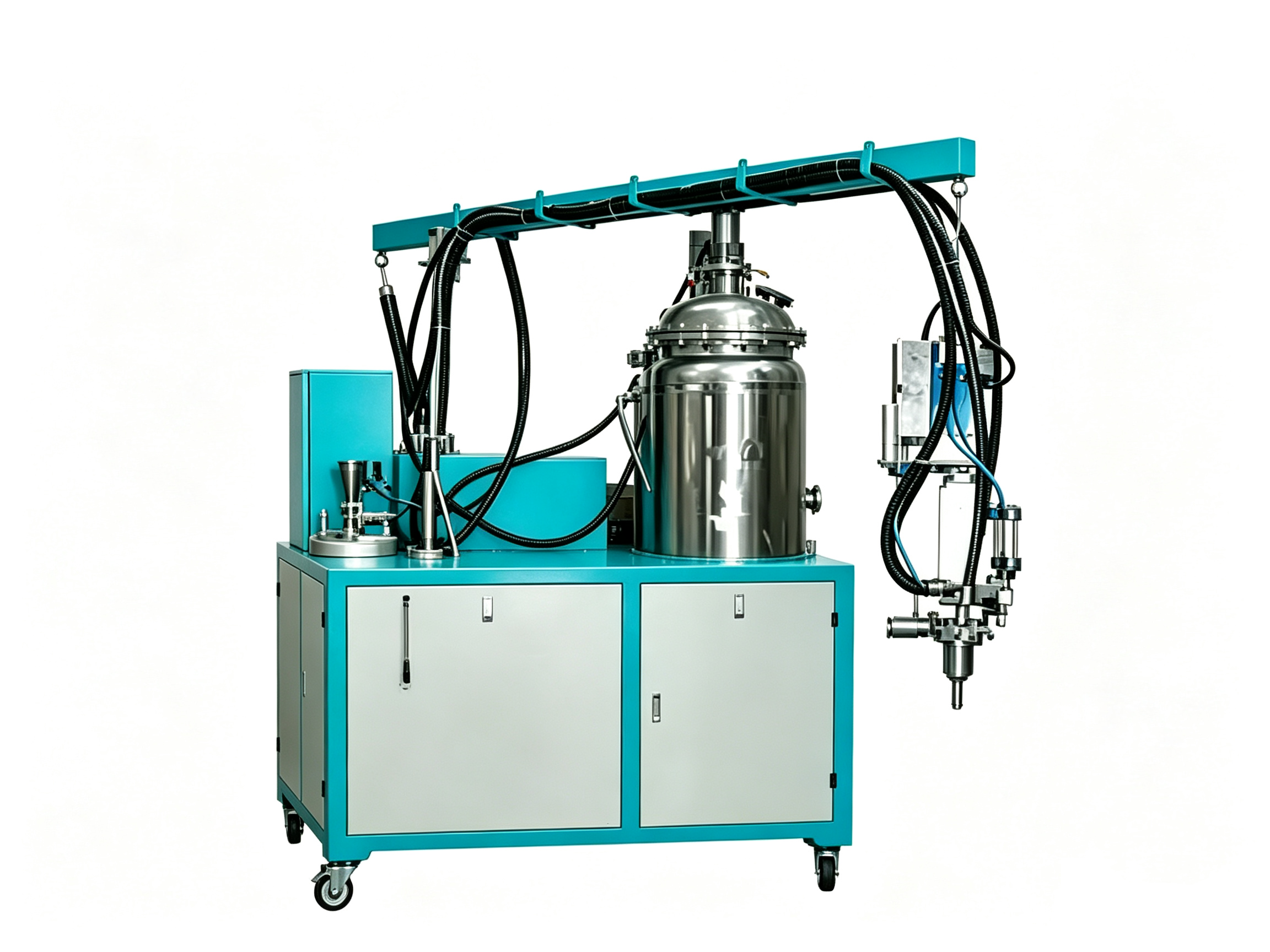
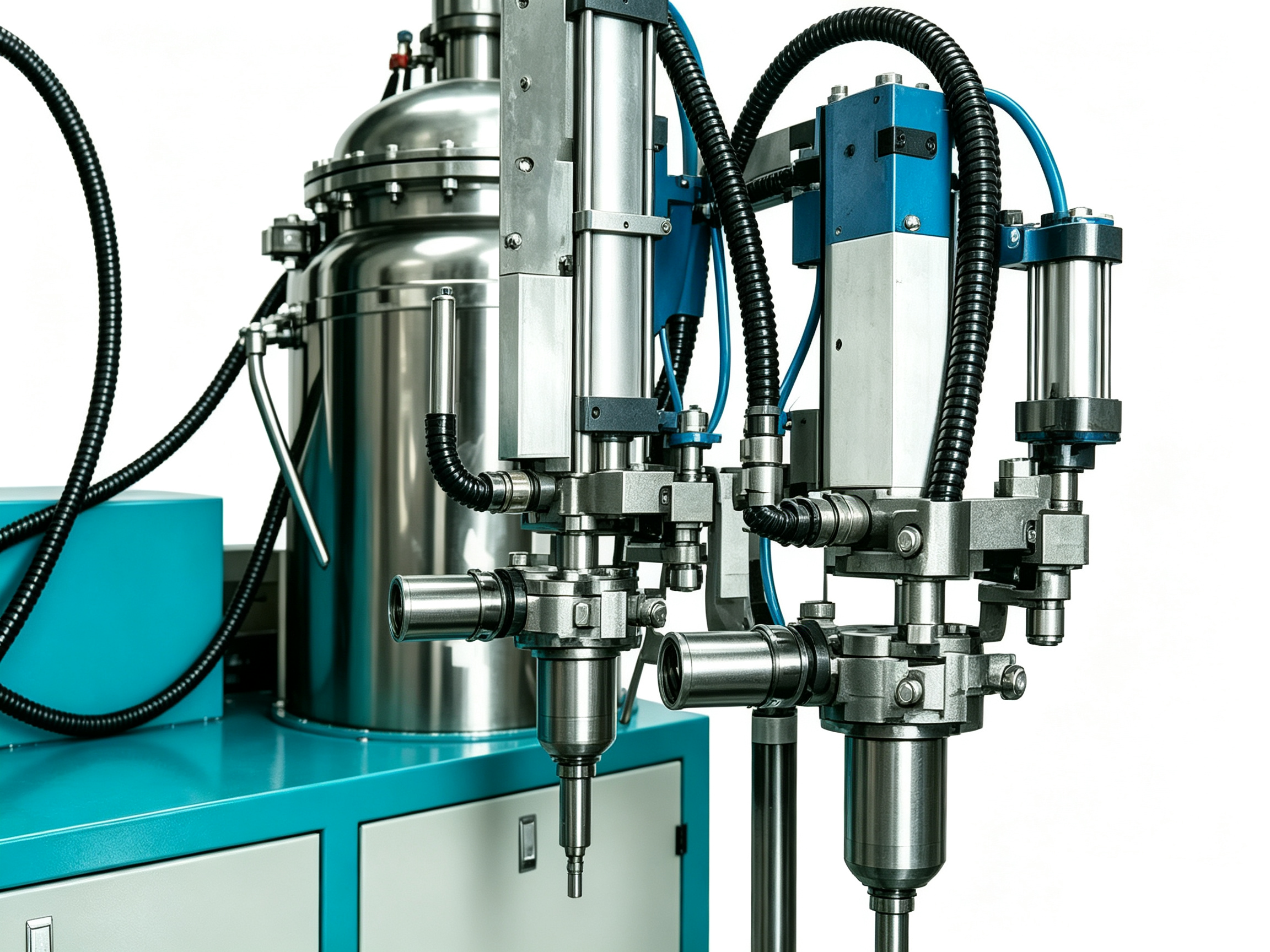
Low-Pressure PU Foaming Machine | Hydrophilic Sponges
Configured PU metering and dynamic mixing for hydrophilic sponge formulations; absorption and intended skin-contact suitability require finished-product testing.
Pouring Rate
50~1000 g/s
Mix Ratio (Polyol:Isocyanate)
100 : 85~95
Metering Accuracy
≤ ±0.3% full range
Foaming Pressure
0.5~2.0 MPa
Product Overview
Specially developed for hydrophilic polyurethane sponge pouring molding, suitable for high water absorption products such as wound dressings, incontinence care, maternal and infant products, beauty sponges.
This low-pressure PU dispensing machine can be evaluated for hydrophilic sponge formulations. Confirm material preparation, metering, mixing, cleaning and molding arrangements through trials. Absorption and skin-contact or medical-use suitability require testing of the selected formulation and finished product. The equipment does not establish biocompatibility, sterile production or medical-device approval.
Operation Workflow
Raw Material Preparation
Prepare hydrophilic modified polyether polyol and isocyanate (TDI/MDI) according to the target mix ratio (100:85–95). Load materials into the 100/150 L tanks.
Tank Loading & Temperature Setting
Load polyol into Tank A and isocyanate into Tank B. Set Tank A temperature to 25–45°C and Tank B to 20–40°C for optimal hydrophilic foam formulation.
Ultra-High Precision Metering & Mixing
The PLC-controlled dynamic metering system (accuracy ≤±0.3% full range) dispenses materials precisely. The mixing head operates at 5000–9000 r/min under foaming pressure of 0.5–2.0 MPa for homogeneous blending.
Hydrophilic Sponge Pouring & Molding
The mixed material is poured into molds for hydrophilic sponge formation. Fine cells with high open cell rate ensure stable water absorption and retention. Uniform softness is achieved through precise temperature and pressure control.
Technical Specifications
Standard configuration parameters for the hydrophilic sponge PU foam pouring machine. Customizations including tank capacity are available upon request.
| Technical Parameter | HF-Sponge-1A1B-HydrophilicSponge |
|---|---|
| Pouring Rate | 50–1000 g/s |
| Raw Material Ratio | Hydrophilic modified polyether polyol : Isocyanate (TDI/MDI) = 100:85–95 |
| Tank Capacity (Optional) | 100 / 150 L |
| Mixing Head Speed | 5000–9000 r/min |
| Dynamic Metering Accuracy | ≤±0.3% (Full range) |
| Tank Configuration | 1A1B two-component independent temperature control |
| Material Temperature Control (Tank A) | 25–45℃ |
| Material Temperature Control (Tank B) | 20–40℃ |
| Foaming Pressure | 0.5–2.0 MPa |
| Cleaning System | Automatic circulating cleaning + air purge cleaning |
| Power | 5.5–8 kW |
| Control System | PLC + touch screen + multi-formula storage |
| Warranty | 1 year |
| Certifications | Confirm applicable documents for the quoted configuration |
Key Features & Advantages
Engineered for high water absorption, biocompatibility, and production flexibility in hydrophilic sponge manufacturing.
1A1B Exclusive Single Hydrophilic Formula
Material conditioning, metering and mixing are configured for the selected hydrophilic formulation. Absorption, cleanliness and intended-use suitability require representative finished-sponge tests.
Ultra-High Precision Metering Control
Material conditioning, metering and mixing are configured for the selected hydrophilic formulation. Absorption, cleanliness and intended-use suitability require representative finished-sponge tests.
Special Hydrophilic Modified Raw Material Adaptation System
Material conditioning, metering and mixing are configured for the selected hydrophilic formulation. Absorption, cleanliness and intended-use suitability require representative finished-sponge tests.
Precise Temperature & Pressure Control Foaming Process
Material conditioning, metering and mixing are configured for the selected hydrophilic formulation. Absorption, cleanliness and intended-use suitability require representative finished-sponge tests.
Finished-Material Validation
Request applicable material and finished-product test records for the intended use. Biocompatibility is not an equipment certification.
PLC Intelligent Control with Multi-Formula Storage
PLC + touch screen interface with multi-formula storage simplifies operation and enables rapid changeovers between different sponge specifications.
Explore Other Equipment
Browse other equipment in our catalog. These listings are for product discovery; compatibility and production-line scope are confirmed separately for your material, process and output requirements.
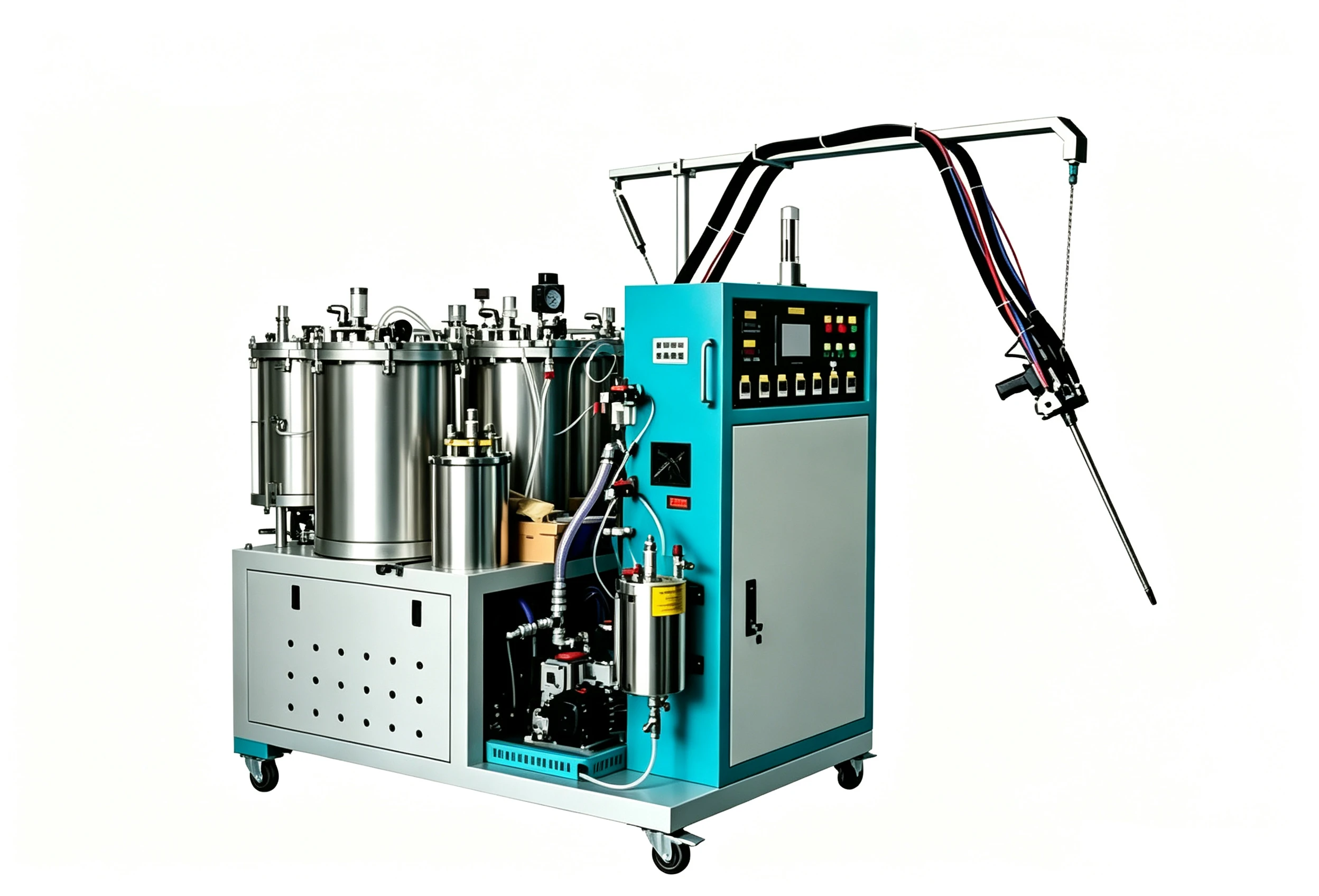
Epoxy Pouring Machine | Printing Rollers
Low Pressure Polyurethane Machine
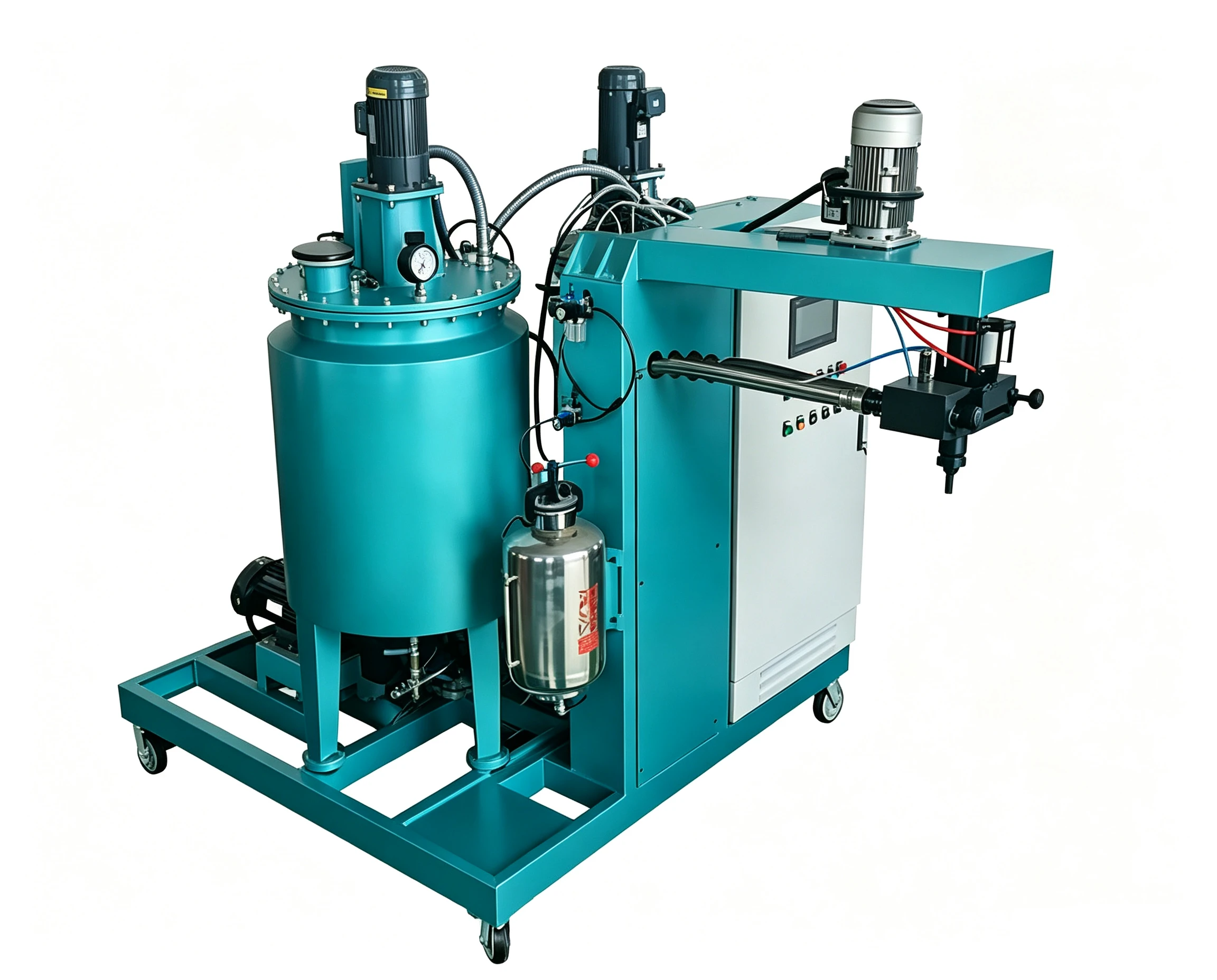
PU Elastomer Casting Machine | Hydraulic Seals
Polyurethane Machinery &Equipment
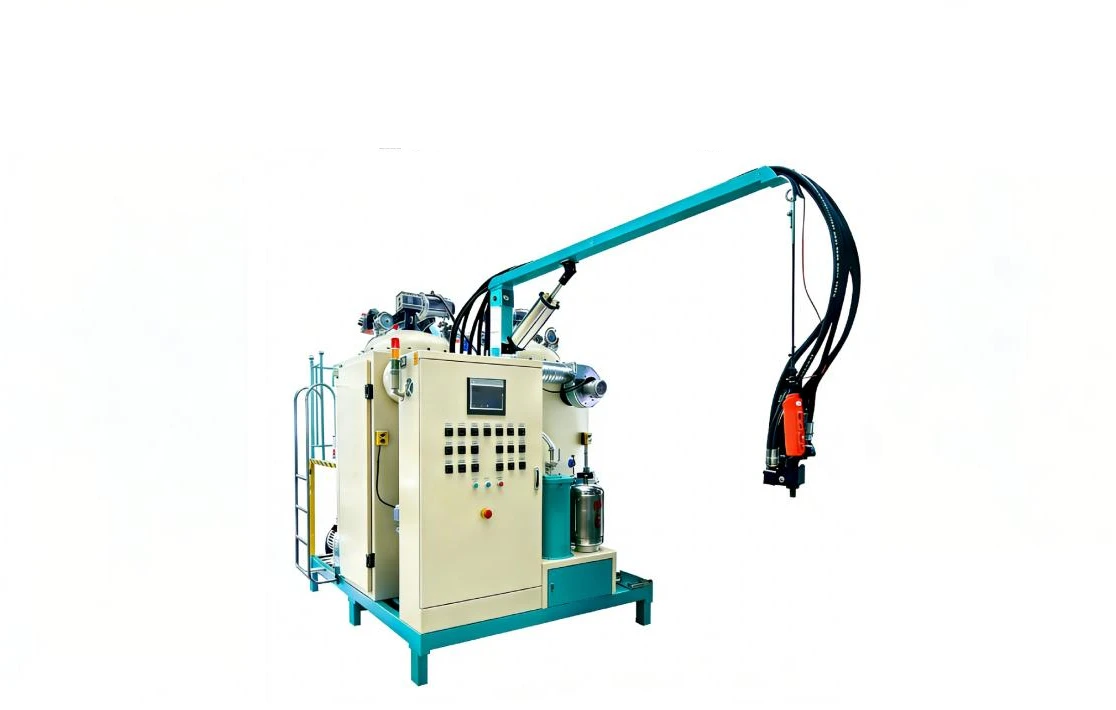
MC Nylon Casting Machine | Cast Nylon Parts
MC Nylon Casting Machines
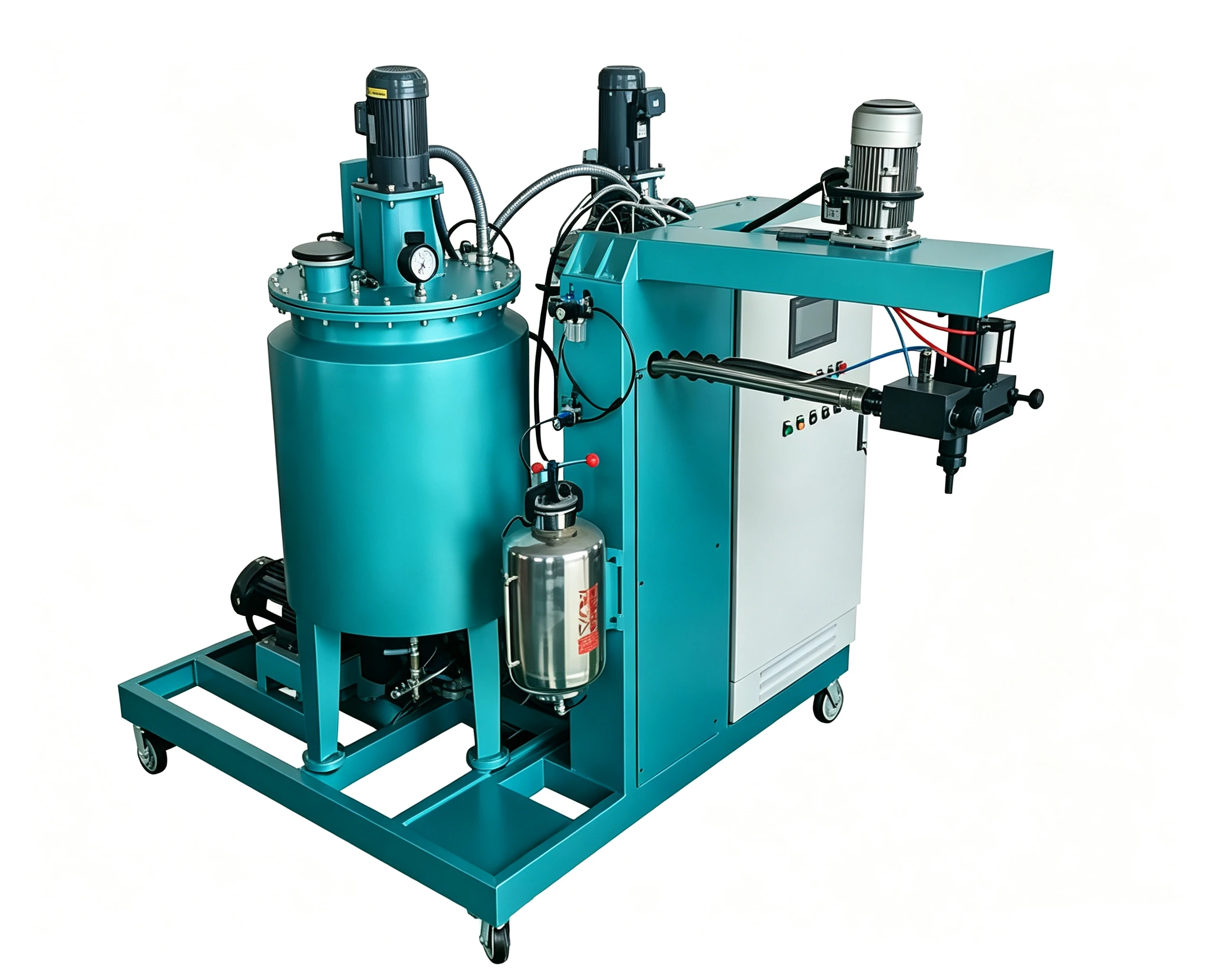
PU Elastomer Casting Machine | Cold Rolling Rollers
Polyurethane Machinery &Equipment


