
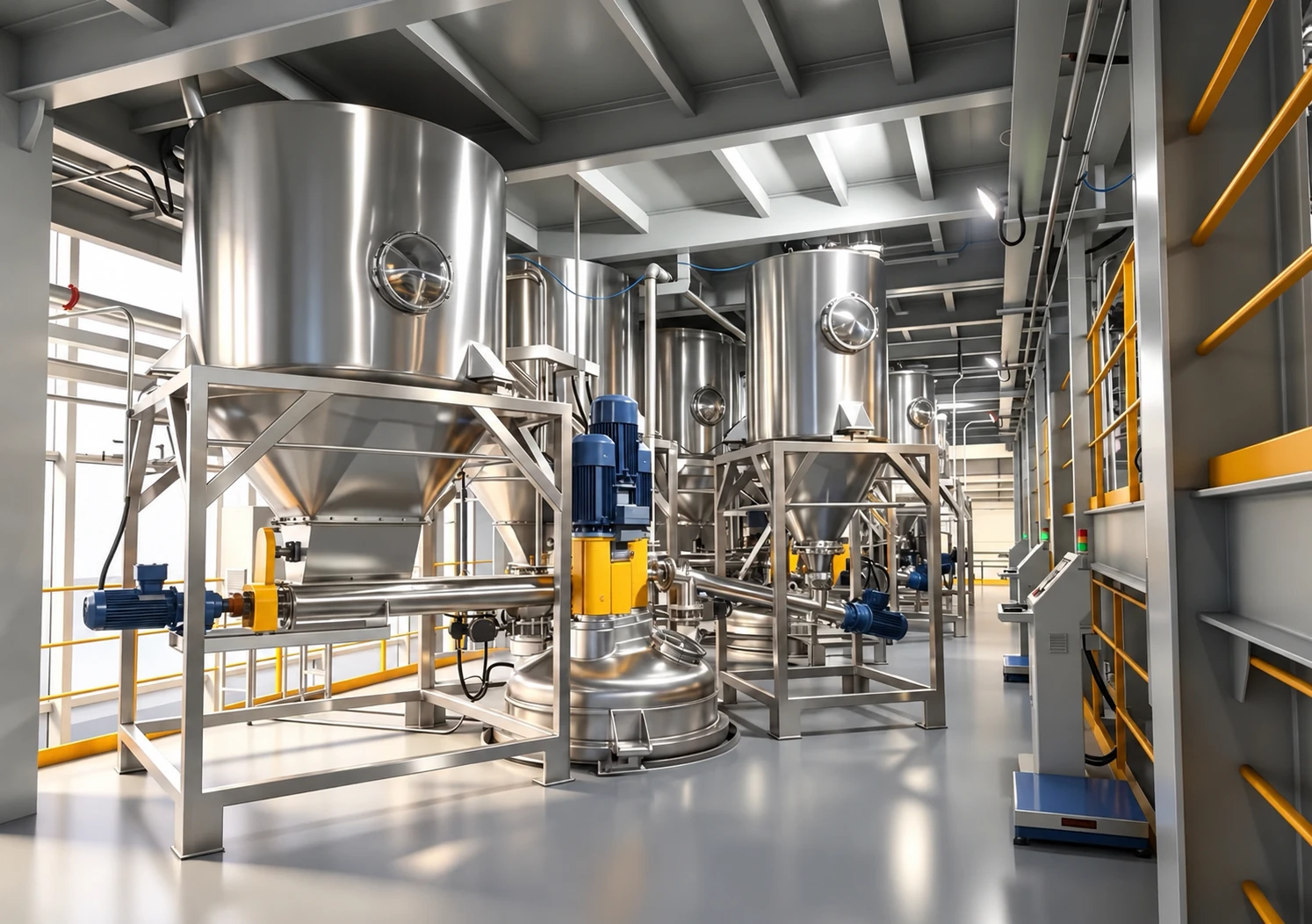
Multi-Shaft Dispersion and Batching Solution
Coordinate material addition, multi-shaft dispersion, vessel instrumentation and transfer interfaces for a selected chemical formulation. Define the configuration with Haifeng.
Multi-Shaft Dispersion and Batching Solution
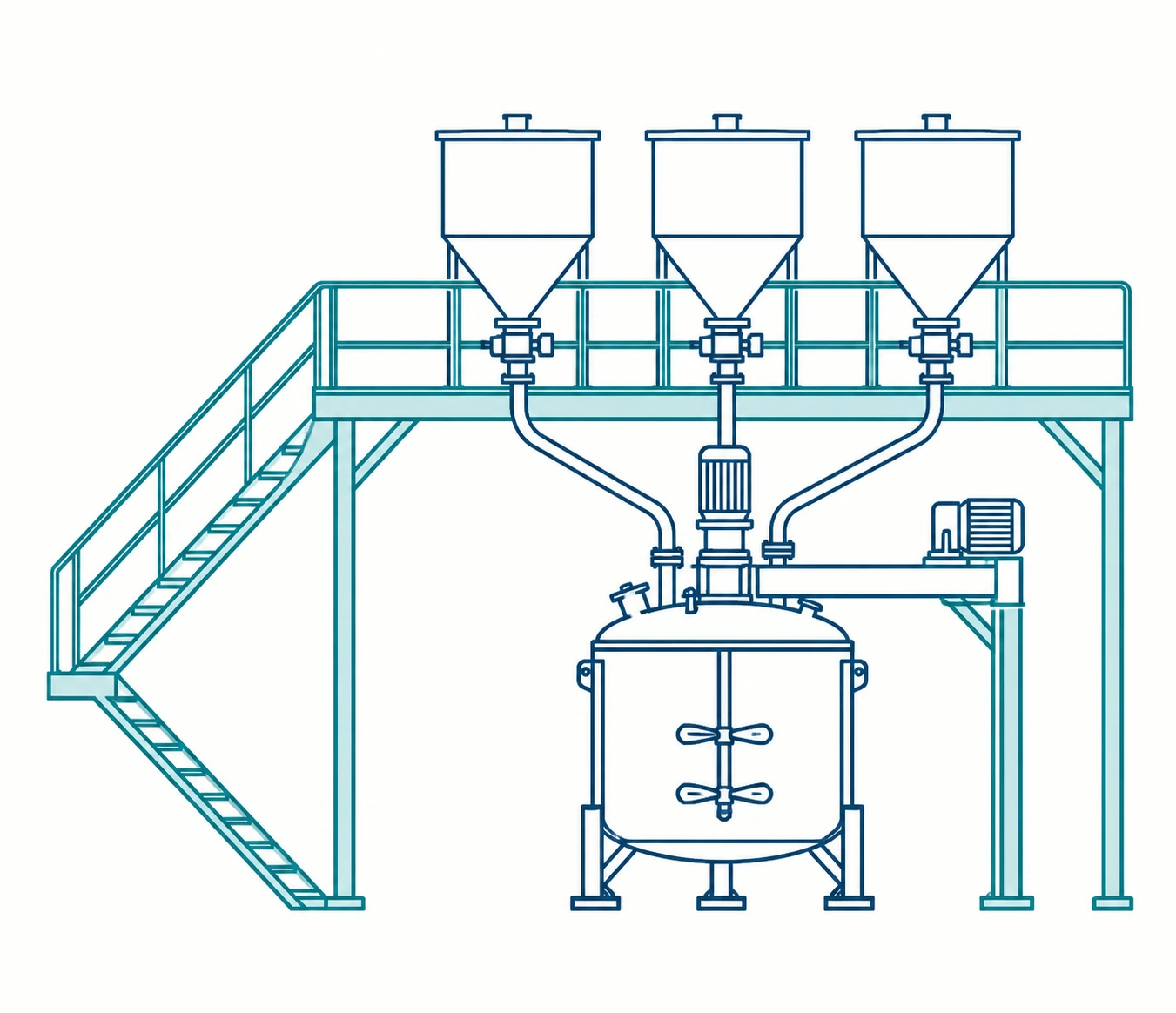
Coordinate liquid and powder addition with agitation, dispersion and discharge. Shaft duties, vessel geometry, instrumentation and any temperature-control circuit are selected for the formulation and the required dispersion endpoint.
Material system
Liquid and powder properties, compatibility and preparation requirements
Dispersion duty
Mixing arrangement, batch requirements and material evaluation
Equipment scope, material conditions, commissioning milestones and acceptance criteria are agreed for each project.
Material Preparation and Production Interfaces
The stages below describe the functional route. The supplied equipment, operating sequence and control states are defined for the selected formulation and receiving process.
Prepare the material additions
Define liquid charge order and powder introduction for the formulation, including supply form and containment requirements.
Coordinate agitation and dispersion
Select bulk agitation and dispersing duties for the viscosity, solids and batch volume. Shaft speed, motor power and working elements belong to the selected configuration.
Monitor the vessel conditions
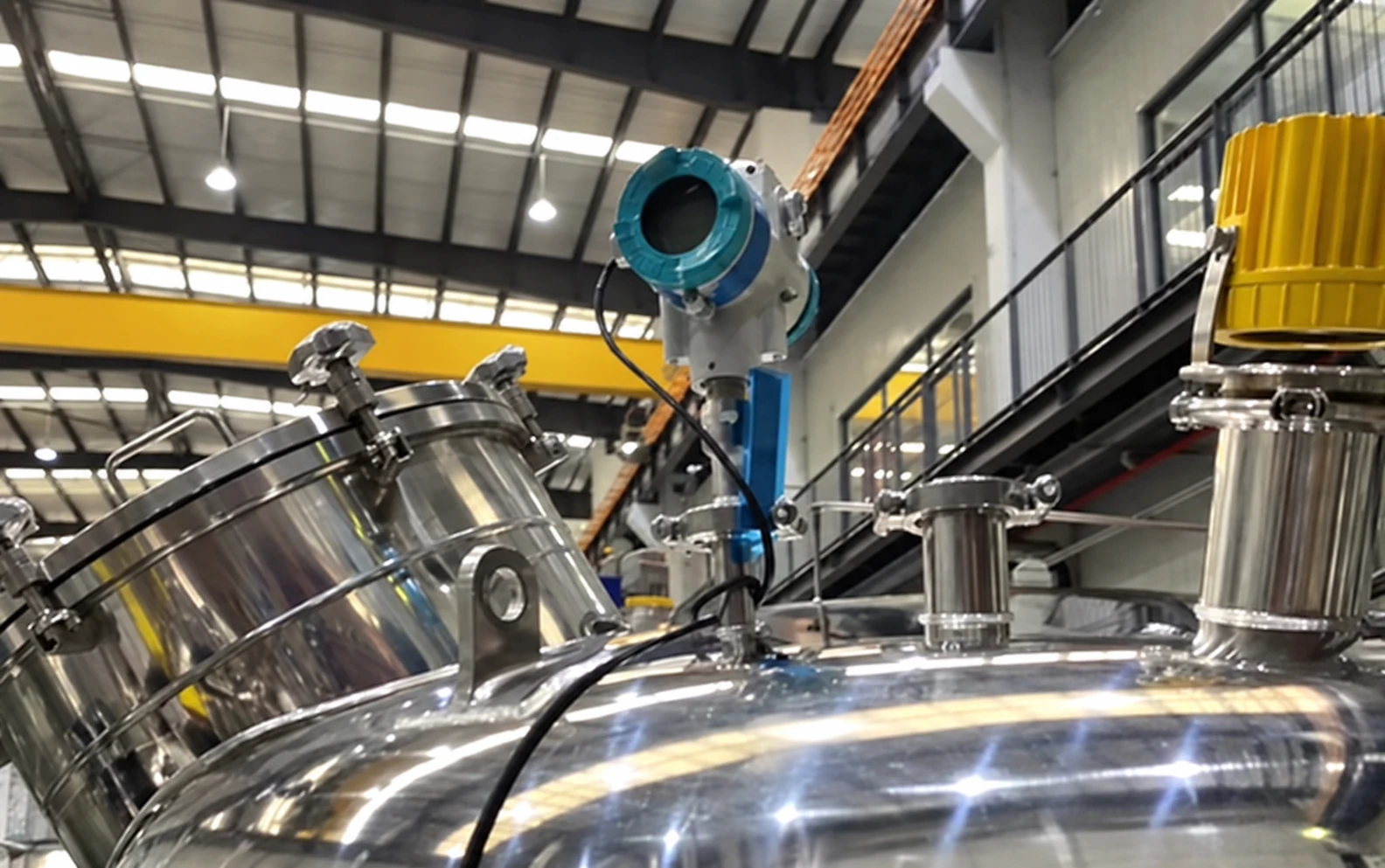
Specify the required level, pressure and temperature measurements. Agree alarms and interlocks with the vessel and process design.
Selection Conditions and Delivery Boundaries
Use these conditions to define the configuration and acceptance method. Capacity, dosing tolerance and product acceptance are specified for the selected application.
| Selection area | Required conditions | Scope distinction |
|---|---|---|
| Agitation versus dispersion | Bulk circulation and dispersing duty are assessed separately. | Multi-shaft equipment does not imply one universal shaft arrangement. |
| Powder introduction | Provide powder flow, dust behavior, loading and wetting requirements. | Addition and containment arrangements follow the material and site. |
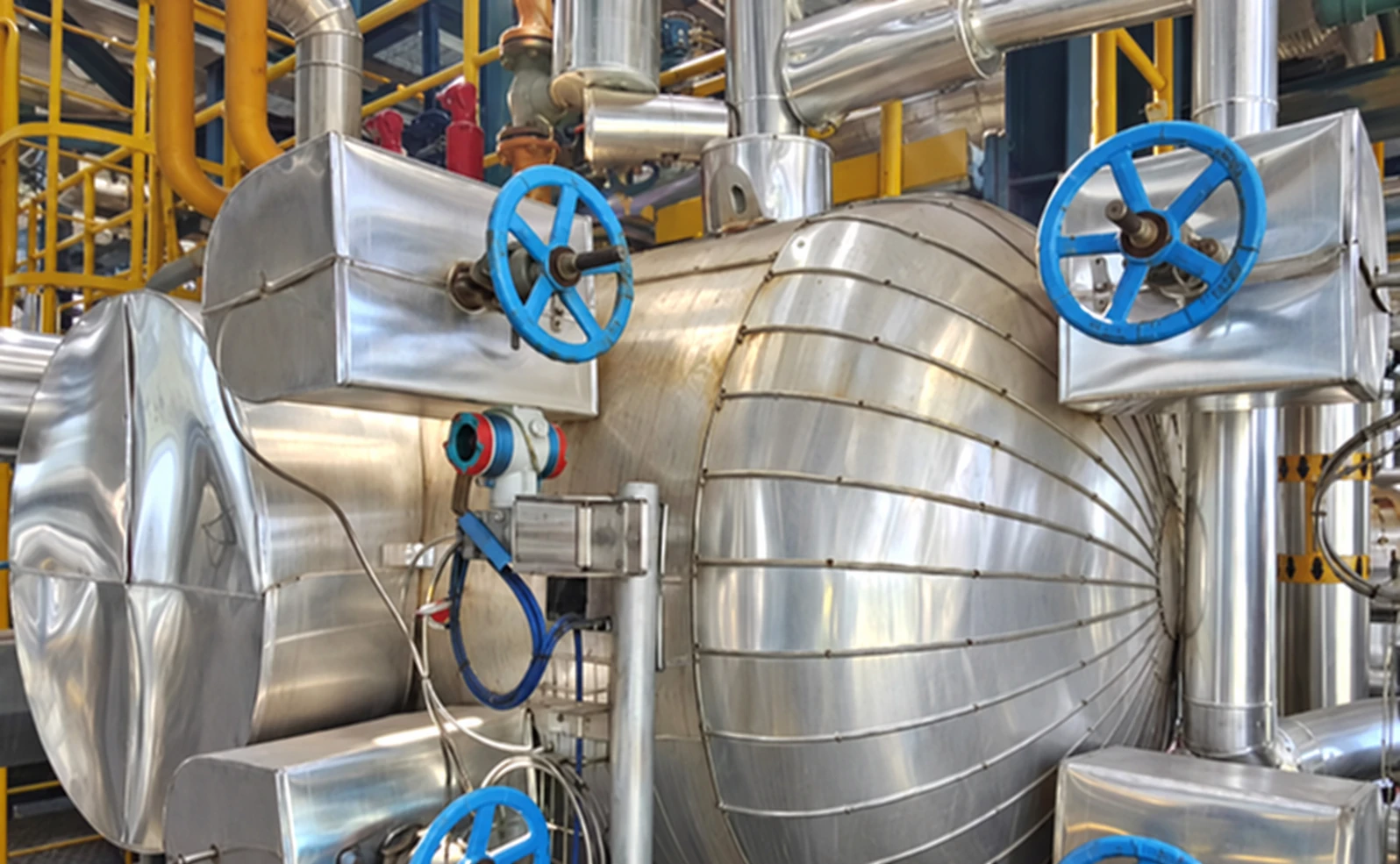
| Temperature control | State permitted processing temperature and heat-removal or heating duty. | A temperature-control option requires a defined utility interface. |
| Dispersion acceptance | Agree the sampling method and material evaluation endpoint. | Shaft settings and evaluated material results belong to the selected configuration. |
Equipment and Process Views
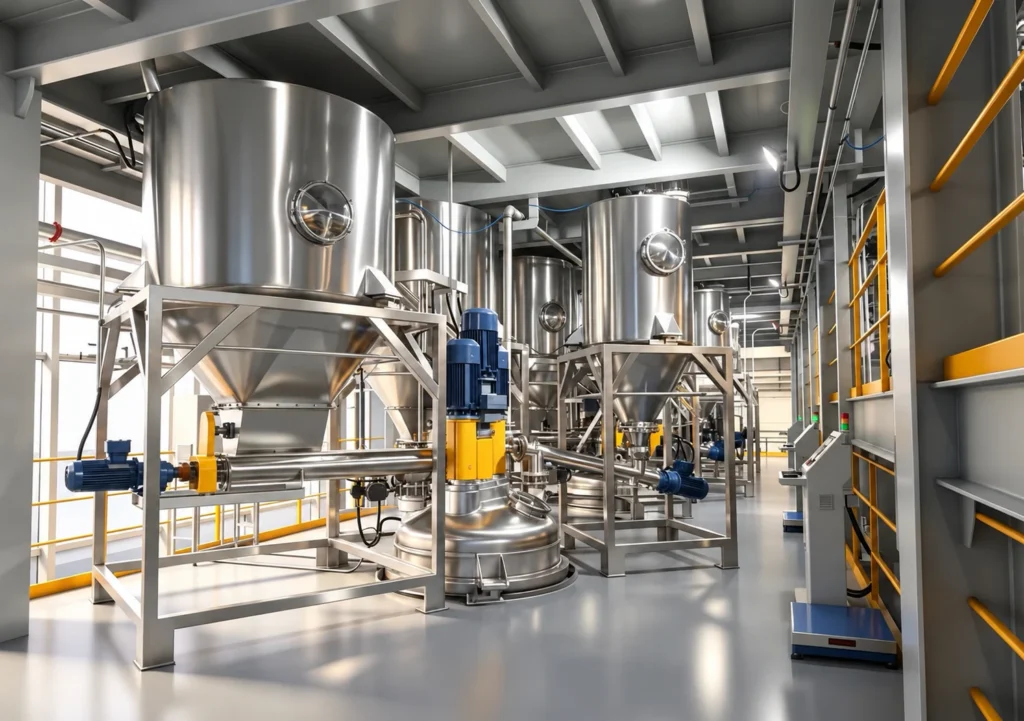
Project photographs have been edited to remove identifying details. Conceptual illustrations do not reproduce the exact installed configuration.
Related Chemical Processing Routes
Chemical Processing Turnkey Plant · Compare material preparation solutions
Resolve Material, Equipment and Factory Requirements Together
These configuration features support the agreed process. Material performance, operating procedure and product acceptance are evaluated for the actual application.
Agitation versus dispersion
Bulk circulation and dispersing duty are assessed separately.
Powder introduction
Provide powder flow, dust behavior, loading and wetting requirements.
Temperature control
State permitted processing temperature and heat-removal or heating duty.
Related Projects
Review the related Haifeng-delivered application. Its scope and illustrations are specific to that project.
Application-Specific FAQ
Clarify the process boundary, material requirements and receiving interfaces.
Why use more than one shaft?
Does multi-shaft dispersion guarantee a particle size?
Is temperature control always included?
What is needed to assess powder addition?
Discuss Your Dispersion Project
Send material data, the required batch or feed duty, receiving connections and available factory layout. Our team will reply within one business day. Once requirements are clear, we provide a preliminary proposal within two business days.


