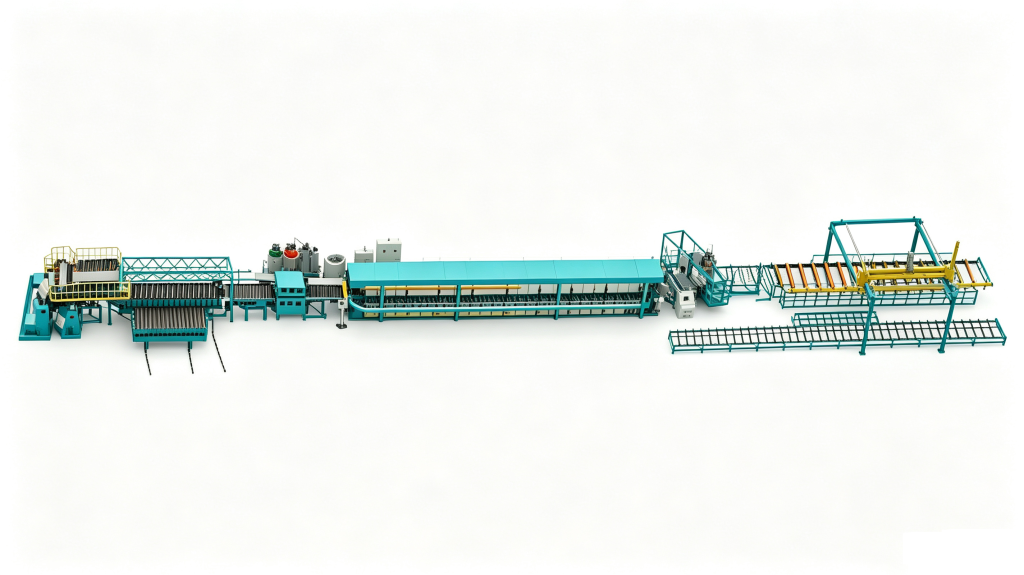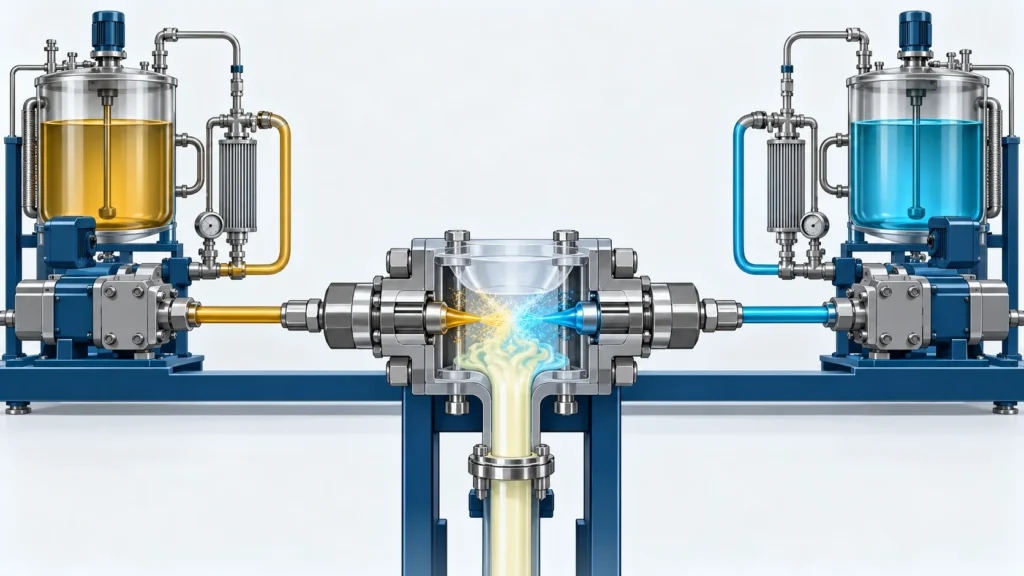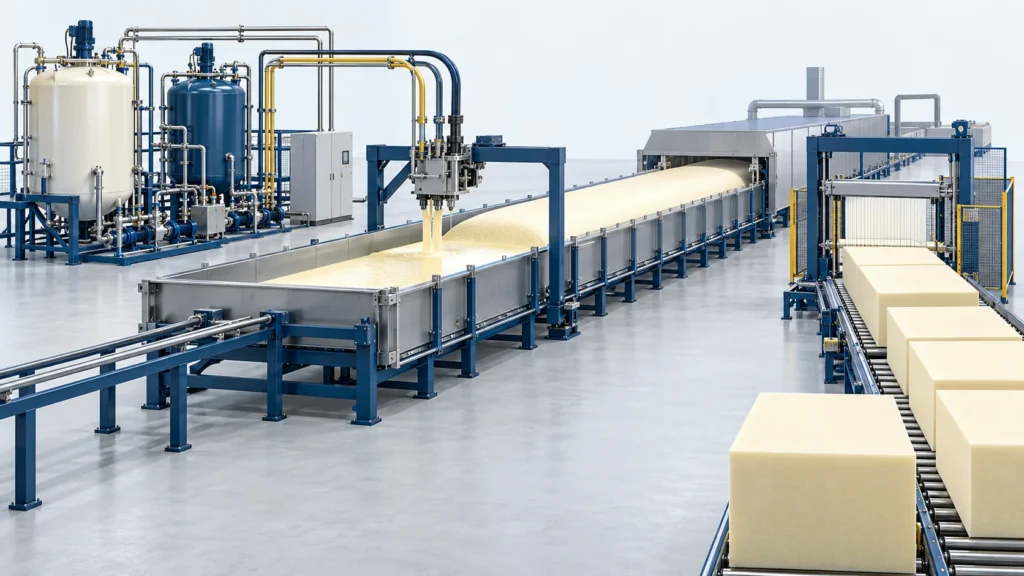
Automotive polyurethane foam is specified for several jobs. A seat cushion supports its occupant, a foamed instrument panel couples a skin to a carrier, and carpet backing can provide spacing and acoustic functions. Each part asks for a different tool and finished-part test. A cushion production line is best scoped around the seat family, foam formulations, handling and validation fixtures.
Match the station to the PU foam application
| الجزء | Key line interfaces | Trial measurements |
|---|---|---|
| Molded seat cushion | Tool rotation, vent access, skin or insert positioning, single- or dual-hardness dispensing. | Complete fill, mass, comfort measurements and the location of the hardness boundary if required. |
| Instrument panel back-foaming | Skin loading, carrier location, tool closing and dose path. | Appearance, void location, layer thickness and bond under the approved test. |
| Carpet backing and acoustic padding | Substrate restraint, controlled material deposition and stable part positioning. | Backing thickness, mass distribution, bond and functional test results at the agreed sampling points. |
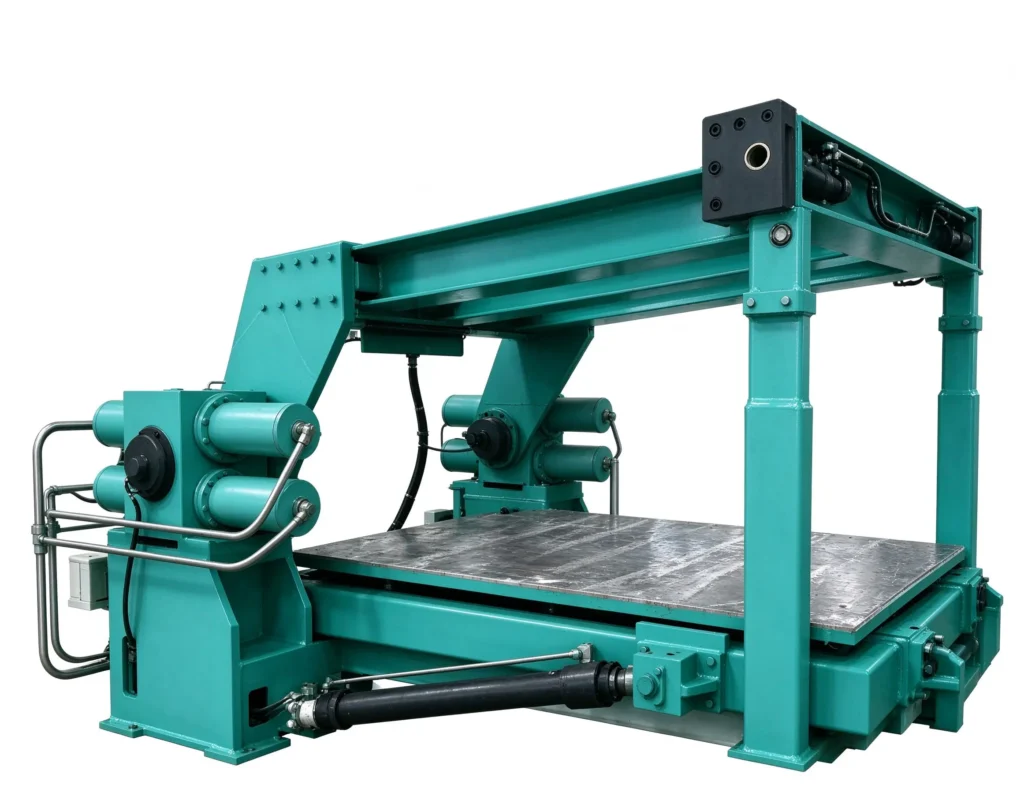
Size the cushion production line using complete mold cycles
Start with the full route from mold preparation through dosing, curing, demolding and return to ready condition. A rotary table can spread the work across stations, but the tool count and station load must match the slowest part and the staffing plan. Run a product with the shortest shot, the longest curing or handling time and a variant that challenges changeover. Compare the rotary automotive seat cushion solution and the seat cushion line upgrade case.
Use the same approved substrate and foam system for competing trials. Record component ratio and shot mass, mold and material conditions, cure time and first-pass yield. Photograph agreed defect locations and explain which test belongs at the machine factory and which requires a complete seat or vehicle assembly. Refer to the guides to dual-hardness seat foaming و automotive carpet backing production cells and to the dashboard back-foaming solution for application-specific details.
What to include in a production request
Send the part family, planned output per shift, representative drawings and substrate samples, foam requirements and what handling steps must be automated. Include mold ownership, the acceptance procedure and the space and utilities available. Put the tooling trials and data handover in the quotation so the floor team can reproduce acceptable parts after installation.