
In polyurethane foam manufacturing, foam quality depends on stable dosing, the reaction conditions and the way the part is formed. During equipment selection, define where the line can measure and record those conditions and how the factory will connect the measurements to finished items. Quality records become more useful when an operator can tell which shot, time window or bun section produced a defect.
How polyurethane foam is manufactured at line scale
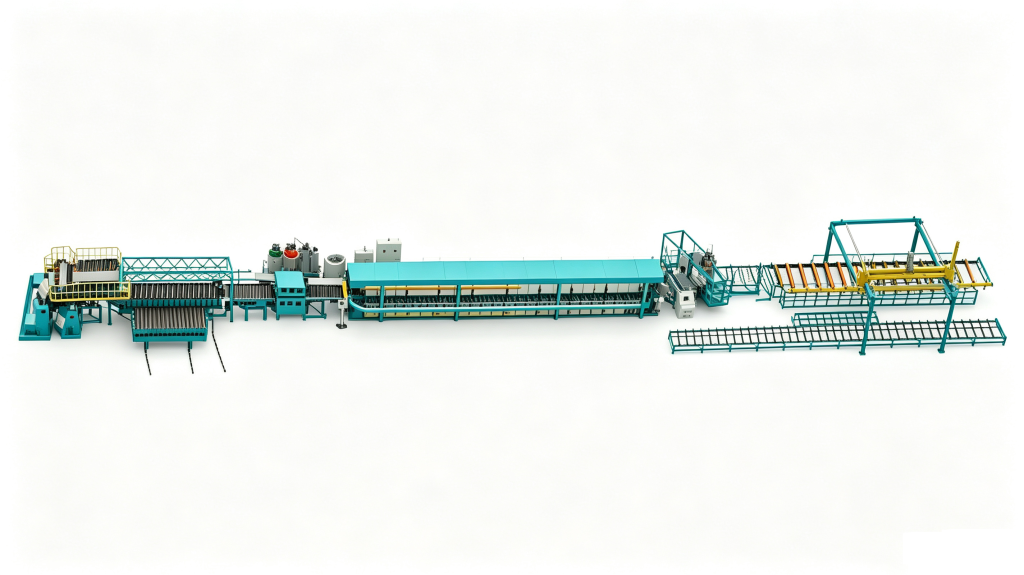
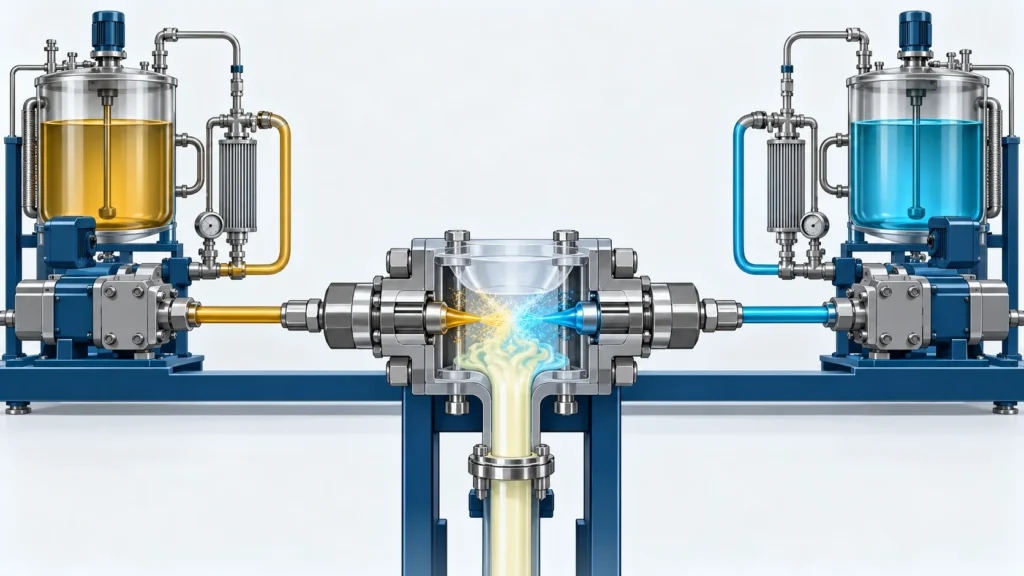
Condition the components, meter and mix them, and deliver the reaction mixture to a mold, cavity or moving surface. The gas expands as the polymer network develops. The section then cures or conditions before inspection and conversion. Molded production follows shot and tool cycles. Continuous slabstock production is tracked along the conveyor by time or position. Cannon’s slabstock overview illustrates common continuous and discontinuous block production configurations. Haifeng’s reaction profile guide covers the corresponding rise and set stages.
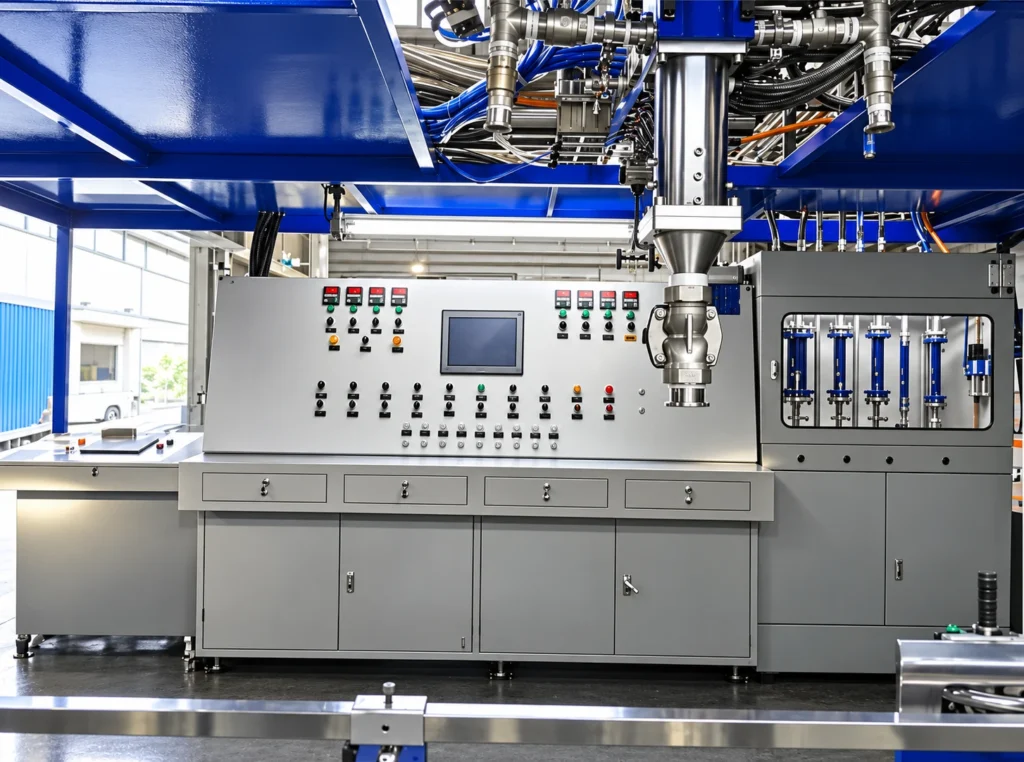
Specify what in-line quality monitoring sensors can prove
| Point | Process signal | Finished-product confirmation |
|---|---|---|
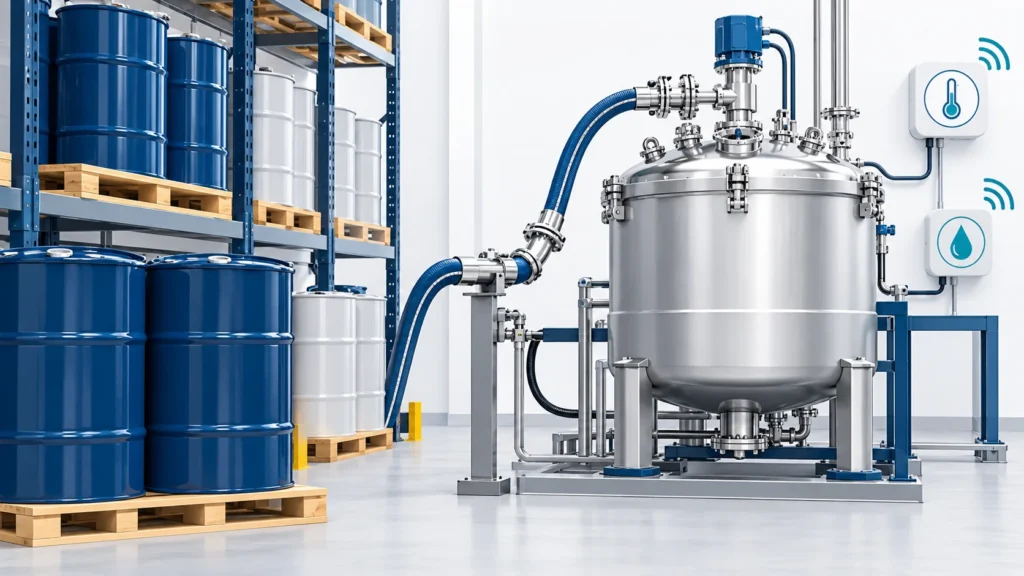
| Component feed | Lot, temperature and refill or supply alarm | Confirm lot and conditions for each suspect run. |
| قياس الجرعات | Recorded ratio, flow or shot weight and head pressure | Compare against calibrated gravimetric checks and accepted specimens. |
| Forming | Tool position, mold temperature or belt speed and material distribution | Inspect the agreed zones for fill, dimensions and mass or density. |
| Release | Time, recipe version and sample ID | Record the condition at test, response to the agreed property test and disposition. |
Pick limits from validated data. A pressure trend can help isolate a feed or mixing disturbance, but proving foam density requires a suitably sampled measurement. In continuous stock, mark the position at the time of an upset and agree how to quarantine the affected section before converting it. Use the metering pump selection guide و the A/B mix-ratio measurement guide to define what can actually be verified.
Compare the cost of accepted foam
For custom PU foam production, report total consumables, direct labor, setup and lost material for the shift. Divide by released parts or usable foam mass under the agreed criteria. If a shift produces 1,000 molded parts and releases 930, use 930 for cost per accepted part. Record rework separately and measure handling or storage where it controls output.
Write the trial around the minimum and maximum shot or block dimensions, normal stops and one recipe change. Decide who takes the samples, which data is handed over, and how the operator identifies a suspect lot. See the continuous foam-block line and the slabstock manufacturing project in Brazil for equipment scoping.