Большинство покупателей полиуретана воспринимают Шор A и Шор D как две отдельные категории материалов. На производстве деталь с твёрдостью 70 по Шору A и деталь с твёрдостью 70 по Шору D различаются не столько цифрой на приборе, сколько рецептурой, смешиванием и режимом отверждения, с помощью которых эта цифра достигается. В этом и заключается слепое пятно большинства обсуждений твёрдости. Твёрдость по Шору A и Шору D в полиуретане — это не только выбор метода измерения, но и вопрос технологической спецификации. Шкала должна соответствовать нагрузке, удару и восстановлению, которые деталь реально испытывает. Затем нужно убедиться, что оборудование и химия позволяют удерживать это значение в каждой смене.
Что измеряют две шкалы Шора
Шор A и Шор D оба измеряют сопротивление вдавливанию, но используют разную геометрию индентора и силу пружины. Шор A подходит для более мягких полиуретановых эластомеров, прокладок, амортизирующих элементов и большинства формованных гибких деталей. Шор D подходит для более твёрдых уретанов, колёс, роликов и жёстких инженерных деталей, где показание по Шору A превысило бы 90 и потеряло бы разрешение.
Две шкалы перекрываются примерно в диапазоне от 90 по Шору A до 40 по Шору D, но зависимость не линейна. Разница в два пункта по Шору A вблизи 60 — это не то же самое, что разница в два пункта по Шору D вблизи 60. Именно поэтому деталь следует измерять по той шкале, которая даёт приемлемое разрешение в её рабочем диапазоне, а не по той, что оказалась под рукой в лаборатории.
Где спецификации твёрдости идут не так
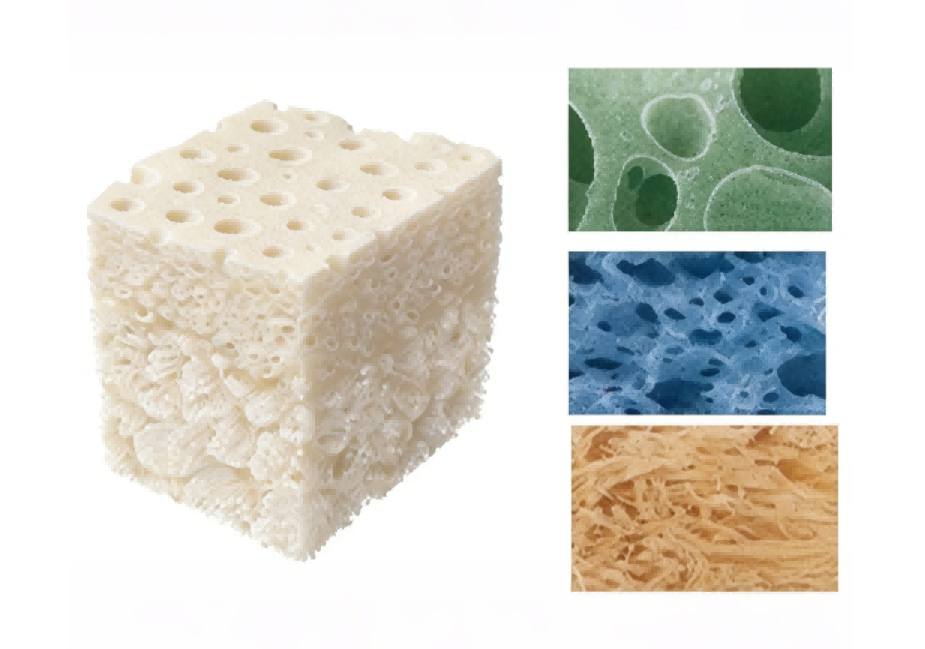
Твёрдость — самое простое свойство полиуретана для указания в спецификации и самое простое для неправильного применения. На чертеже может быть указан Шор A 80 плюс цвет и толщина, но ничего не сказано об остаточной деформации сжатия, упругом восстановлении, сопротивлении раздиру или восстановлении после многократной нагрузки. Два материала могут показывать одинаковые значения на дюрометре и вести себя по-разному в эксплуатации, потому что твёрдость — это испытание на вдавливание поверхности, а не полное описание полимерной сетки.
Самая крупная ошибка, которой можно избежать, — выбор шкалы до понимания характера отказа детали. Буферный блок амортизатора, который должен тысячи раз возвращаться в форму, требует твёрдости в сочетании с низкой остаточной деформацией сжатия. Нагруженное колесо роликовой опоры требует твёрдости в сочетании с несущей способностью и стойкостью к раздиру. Когда контролируется только Шор, поставщики оптимизируют под прибор, а не под деталь.
Как Шор A и Шор D влияют на дозирование и смешивание
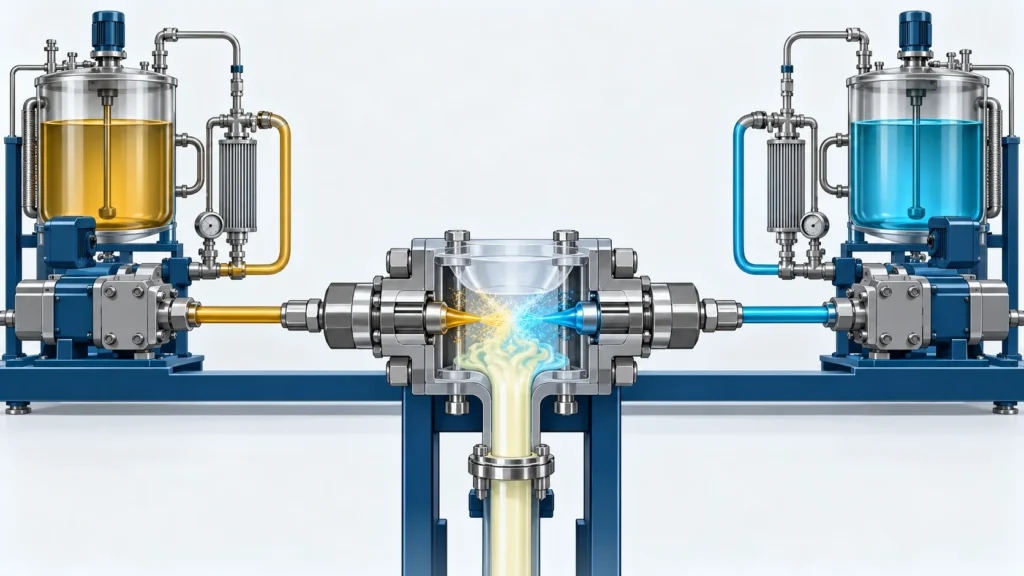
Твёрдость не живёт только в рецептуре; её создают условия дозирования и смешивания на линии. Стехиометрия, температура компонентов и качество смешивания влияют на плотность поперечных связей и итоговое значение по Шору. Небольшое отклонение соотношения A/B может увести реакцию от целевой сетки и проявиться после отверждения более низким или более высоким показанием дюрометра.
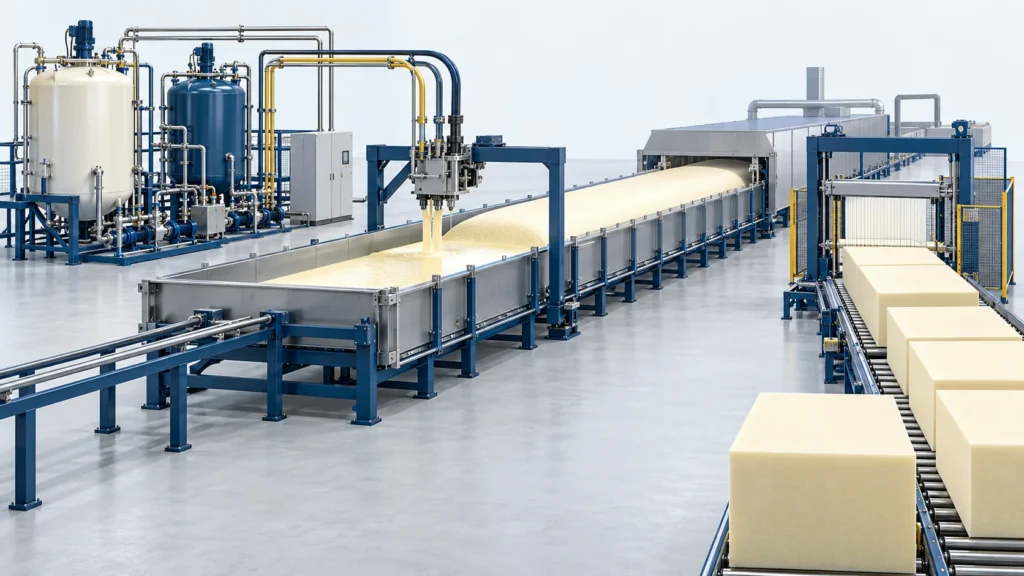
In one Taizhou automotive buffer block line we upgraded, the previous semi-automatic process ran at 5.2% defect and ±1.2 mm tolerance. After moving to high-pressure foaming with closed-loop control, the same line held ±0.3 mm tolerance and brought defects down to 2%. The hardness stayed stable because the ratio stayed stable. For production managers, this is the reason to read hardness as a process output, not a raw material guarantee.
If your part combines a narrow Shore window with high output, confirm metering accuracy and mixing head speed before finalizing the BOM. Send your target hardness and shot weight to info@chinahaifeng.com and we can check whether the flow range matches.
Подбор твёрдости под нагрузку, удар и восстановление
Shore value narrows the material class but does not choose the formulation. The table below shows how common polyurethane applications map across the two scales and what equipment considerations follow.
| Применение | Typical working range | Scale that gives better resolution | Primary equipment consideration |
|---|---|---|---|
| Gaskets and cushion pads | 30–70 Shore A | Shore A | Smooth low-pressure casting, mold temperature control |
| Automotive suspension buffers | 35–65 Shore A | Shore A | Low-pressure 2A2B metering, ±0.3% dosing, external mold heat |
| Industrial rollers and wheels | 70 Shore A to 50 Shore D | Shore A or Shore D depending on formulation | High-shear mixing, vacuum defoaming, MOCA/BDO switching |
| Printing and conveying rollers | 80 Shore A to 60 Shore D | Shore D for harder grades | High-precision metering, color paste addition, automatic cleaning |
| High-load wear parts and screen plates | 50–75 Shore D | Shore D | Large-flow casting, wear-resistant additive tank |
These ranges are starting points, not a substitute for a molded sample. A 75 Shore A roller made with BDO and a 75 Shore A roller made with MOCA can differ in rebound and compression set even when the durometer agrees.

Последовательность подтверждения спецификации перед запуском линии
Before a hardness value goes onto a production drawing, run it through this sequence. The goal is to make sure the number is testable, repeatable, and tied to the right equipment.
- Define the functional failure first: compression set, abrasion, impact, or recovery. Hardness is the confirmation, not the target.
- Pick the scale with resolution. If the expected reading sits above 90 Shore A or below 30 Shore D, switch scales.
- State the full material context: prepolymer type, chain extender, filler, post-cure time, and molded density where relevant.
- Confirm the metering and mixing equipment can hold the A/B ratio at your shot weight and cycle time. A hardness spec without ratio control is a wish, not a process.
- Run pilot samples at three points around the target hardness and measure after full cure, not just at demold.
Production teams usually find a hardness gap during pilot runs, when the part feels right on a hand gauge but fails after compression set or recovery testing. That is the wrong time to rework the chemistry. If you are still at the specification stage, work backward from the part’s end-use requirements and let the machine parameters follow the material choice.
Haifeng Polyurethane Machinery designs metering and pouring systems with ±0.3% dosing accuracy and closed-loop temperature control for low-pressure and high-pressure polyurethane processing. For parts with a narrow Shore window and high output, that control is what keeps hardness from drifting shift to shift.
Send your part drawing, target Shore value, and shot weight to info@chinahaifeng.com, or reach us on WhatsApp at 86 13566296633. We will confirm the metering range and mixing head configuration before you lock the BOM.
Частые вопросы о Шоре A и Шоре D в полиуретане
Можно ли пересчитывать значения Шора A и Шора D друг в друга?
No single formula converts a Shore A reading to a Shore D reading. The scales use different indenter geometries and spring forces, so conversion charts are approximations at best. If a part reads near the top of the Shore A range or the bottom of the Shore D range, measure it on the other scale and specify that value. For production control, the useful step is to pick the scale that gives mid-range resolution for your target, then keep every incoming and molded check on that same scale.
Почему две детали с одинаковым показанием Шора ведут себя по-разному?
A common assumption is that equal Shore hardness means equal performance. Hardness only measures the surface response to a small indentation. The polymer network behind that surface depends on prepolymer type, chain extender, crosslink density, filler, and post-cure. Two 80 Shore A rollers can differ in rebound, tear strength, and compression set. When a supplier says “same hardness,” ask for the full property set that matters for the part rather than treating the durometer number as the specification.
Указывать твёрдость до или после разработки рецептуры?
It depends on which side of the part carries more risk. If end-use performance is fixed, specify the functional requirement and let the formulator propose the hardness and the chemistry together. If the line and cycle time are already fixed, specify both the target Shore range and the metering window the machine can hold. The mistake is to lock a single Shore number before the part has been molded, then force the equipment to chase a reading the formulation cannot produce.
Какой диапазон твёрдости обычно требуется полиуретановым роликам и колёсам?
A better question is what the roller or wheel needs to resist. Soft wheels for maneuverability often run 50 to 70 Shore A. Industrial rollers that must carry load and resist wear often fall between 80 Shore A and 60 Shore D. High-load wear parts can go to 50 Shore D and above. The range alone is not enough because hardness does not predict tear resistance or rebound. If your part needs a hardness in that span and you want to confirm whether metering can hold it at production speed, send your drawing and shot weight to info@chinahaifeng.com.