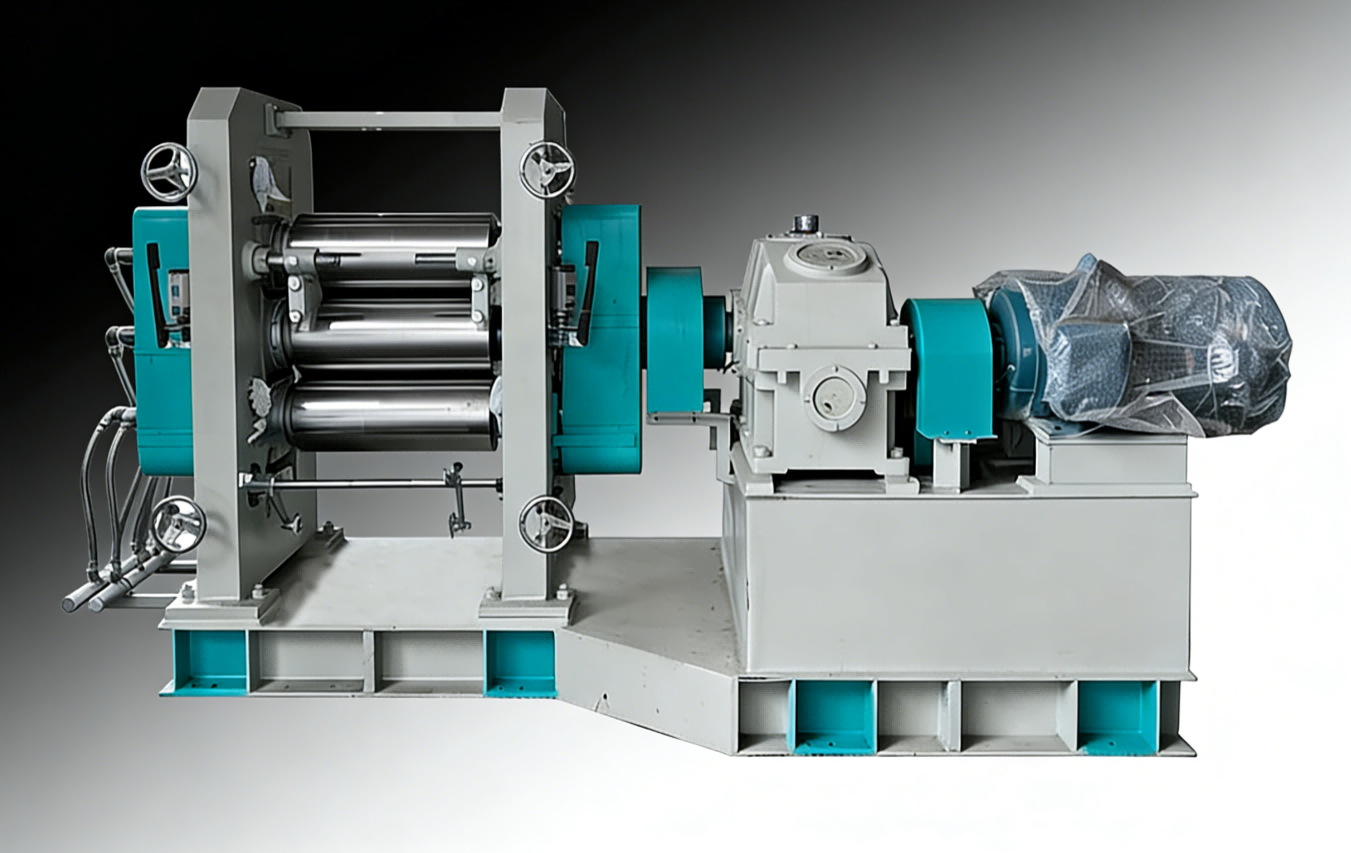
التحلل المائي لا يُعلن عن نفسه. فأسطوانة في مصنع ورق تتشقق عند السطح بعد عامين من الخدمة في بيئة رطبة، ومانع تسرب هيدروليكي يتحول إلى مادة طباشيرية بعد موسم واحد من الغسل بالماء الساخن، ودفعة من نِعال البولي يوريثان تفقد مقاومة التمزق قبل أن تتغير الصلابة بما يكفي لإطلاق إنذار جهاز قياس الصلابة. وبحلول الوقت الذي يصبح فيه العطل مرئيًا، تكون روابط الإستر أو اليوريثان قد انقسمت بالفعل على المستوى الجزيئي. السؤال العملي ليس ما إذا كان التحلل المائي قد يحدث؛ بل أي روافع في التركيبة والمعالجة تدفعه بعيدًا بما يكفي ليتوافق مع عمر الخدمة المقصود.
من أين يبدأ التحلل المائي
السؤال الأول هو أي رابطة يهاجمها الماء. فمجموعات الإستر هي عادةً الحلقة الأكثر عرضة. وعندما تتحلل رابطة إستر في مقطع طري من البوليستر، فإنها تنقسم إلى حمض كربوكسيلي وكحول؛ ويمكن لمنتج الحمض الثانوي أن يحفّز ذاتيًا مزيدًا من التحلل المائي للإستر، لذا يمكن أن يدخل نظام قائم على البوليستر في حلقة تتسارع ذاتيًا [1]. وروابط اليوريثان واليوريا أكثر مقاومة نسبيًا، ولهذا تهيمن كيمياء السلسلة الرئيسية — وليس مجرد اكتمال المعالجة — على عمر الخدمة في البيئات الرطبة.
الصلابة هي الإنذار المبكر الخاطئ. فالتلف المائي يبدأ كقطع للسلسلة وانخفاض بطيء في الاحتفاظ بمقاومة الشد، وليس كتحول كبير في الصلابة. فقد يظل الجزء مقروءًا ضمن المواصفات على جهاز قياس الصلابة بينما يكون قد فُقد بالفعل قدر كبير من الوزن الجزيئي.
اختيار المقطع اللين: بولي إيثر مقابل بولي إستر
أكبر قرار في التركيبة هو السلسلة الرئيسية للبوليول. فالمقاطع الطرية من البولي إيثر (PTMEG وPPG) أقل عرضة بكثير للتحلل المائي من المقاطع الطرية من البوليستر، لأن رابطة الإيثر أكثر استقرارًا في الماء بطبيعتها من رابطة الإستر [2]. والمقايضة ميكانيكية وكيميائية: فأنظمة البوليستر توفر عادةً مقاومة أفضل للزيوت ومقاومة للتآكل وقدرة على تحمل الأحمال، ولهذا تظل شائعة في موانع التسرب الهيدروليكية وأسطوانات البلى الجاف.
بالنسبة للتطبيقات التي تجمع بين التلامس الرطب والتعرض العالي للزيوت، تحتل ثنائيات الكربونات المتعددة (البولي كربونات) الطرف الأعلى في الجودة: فهي تقدم من بين أقوى مستويات مقاومة التحلل المائي والأكسدة بين السلاسل الرئيسية الشائعة، وبتكلفة مواد أعلى بشكل ملحوظ [2].
| السلسلة الرئيسية | مقاومة التحلل المائي | مقاومة الزيوت | المقايضة النموذجية في الخدمة الرطبة |
|---|---|---|---|
| بولي إيثر (PTMEG/PPG) | جيد | معتدلة | البحرية، والغمر في الماء، وتلامس المواد الغذائية |
| بوليستر (أديبات) | منخفض–متوسط | عالية | موانع التسرب الهيدروليكية وأسطوانات البلى الجاف |
| بولي كربونات | جيد جدًا | عالية | أجزاء الإحكام والبلى الرطب عالية التكلفة |
الاختيار ليس تمرينًا للترتيب؛ بل قرار تكلفة مقابل أداء. فقد يظل الجزء المصنوع من البوليستر الذي تبلغ تكلفته نصف تكلفة بديل البولي إيثر الخيار الصحيح إذا كان التعرض الرطب متقطعًا وكانت المواصفات تسمح بعمر أقصر.
كيمياء المقطع الصلب في الخدمة الرطبة
في الخدمة عالية الرطوبة، يكون اختيار المقطع الصلب لا يقل أهمية عن البوليول. فالمقاطع الصلبة من MDI–BDO تحتفظ عادةً بالخصائص مدة أطول في الماء الساخن من أنظمة TDI–MOCA عند محتوى مقطع صلب مماثل، لأن نطاقات MDI–BDO المنتظمة عالية التراص تشكّل حاجزًا أكثر انتظامًا أمام تسرب الماء [2]. وبالنسبة لأكثر تطبيقات البلل تطلبًا، تجمع الإلاستومرات القائمة على PPDI بين احتفاظ عالٍ بالصلابة وامتصاص أقل بكثير للماء، مقابل تكلفة أعلى بالمقابل للمواد الخام.
تظهر أعطال التحلل المائي بشكل أوضح في الإلاستومرات المصبوبة مثل الأسطوانات وموانع التسرب التي تعمل باستمرار في تلامس رطب. كيف تُصنع بكرات البولي يوريثان من الصب حتى المعالجة covers the casting-to-cure sequence where BDO-cured systems are chosen for exactly this kind of damp service.

إضافات مقاومة التحلل المائي
For an existing polyester-based formula that already passes oil-resistance and abrasion tests, changing the backbone can be a project. The most common retrofit is the addition of a carbodiimide-class stabilizer at roughly 1–3 wt%. Carbodiimides react with the carboxylic acid groups generated during ester hydrolysis, quenching the autocatalytic loop before it accelerates further chain scission [1].
The dosage is not a fixed number. It depends on the polyester acid value, service temperature, and how much tensile retention the specification demands after aging. Start from the stabilizer supplier’s guidance, then confirm with the same hot-water aging test used for the finished part.
الروافع التصنيعية التي تحمي القطعة
Formulation matters, but processing determines whether the chosen chemistry reaches the mold intact. Three levers have an outsized effect on wet-service life.
First, dry the polyol side. Residual moisture in polyols reacts with isocyanate during casting, consuming stoichiometry and generating carbon dioxide. Unreacted water-reactive sites left in a poorly controlled mix can become ingress points later. Vacuum degassing below about −0.095 MPa, combined with consistent tank temperature control, keeps the polyol side within a repeatable moisture window.
Second, hold the index. A one-percentage-point deviation in the component ratio can shift the concentration of unreacted isocyanate or unreacted hydroxyl groups; both can leave softer, more water-accessible regions in the finished elastomer. In one elastomer casting line, dynamic metering within ±0.3% kept the index window narrow enough to avoid under-cured, water-accessible soft segments.
Third, complete the cure. A short post-cure cycle after demold builds the final hard segment order and reduces residual stress. An under-cured part may pass an initial hardness check and still lose tensile retention faster in wet service.
If you are trying to hold a hydrolysis-prone formula inside a tight index window on an existing casting line, the fastest first step is a metering audit. Contact our application engineers at info@chinahaifeng.com or on WhatsApp at 86 13566296633 with your current ratio deviation, material temperature, and wet-aging results; we can help you decide whether the fix belongs to the formula, the drying system, or the machine.
اختبار مقاومة التحلل المائي قبل الالتزام
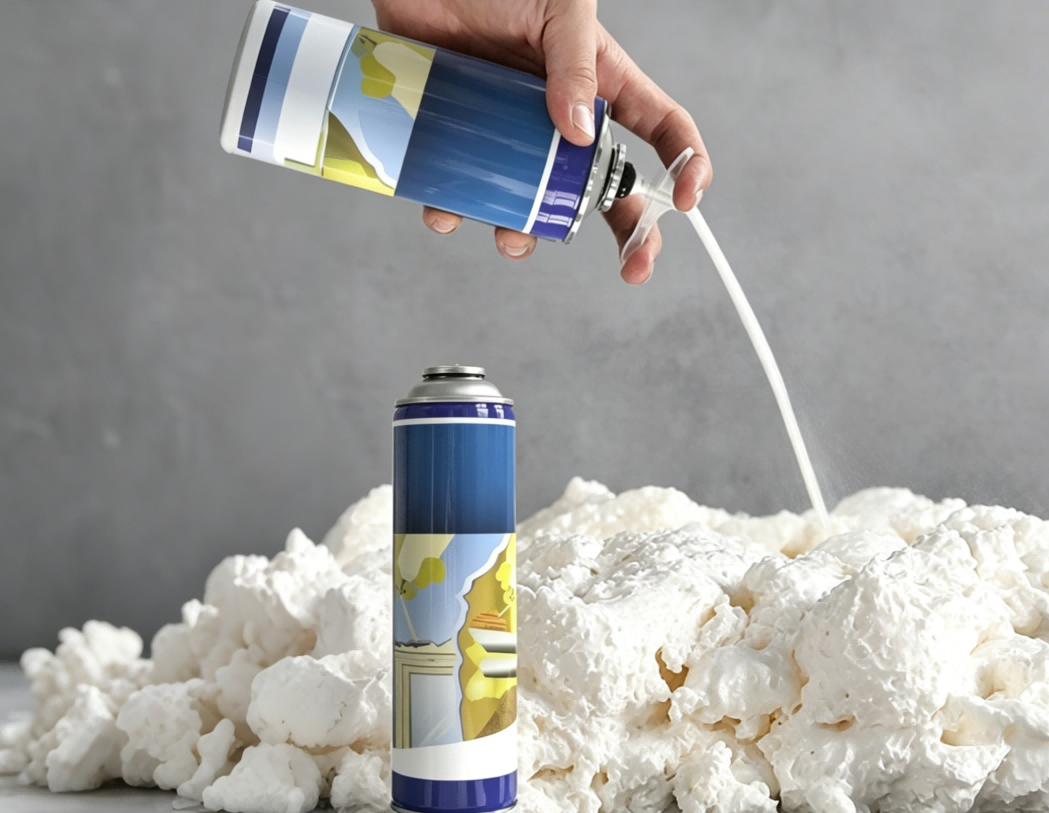
Run the wet-aging test on the same geometry and hardness as the production part. The standard approach is hot-water immersion, commonly 70–80 °C for 7–14 days, followed by tensile strength and elongation measurement [4]. A frequently used acceptance threshold is at least 70% tensile retention after the aging period, but the exact value must come from the application specification. Water absorption can be measured separately per ISO 62 to compare how much water a given backbone takes up before mechanical testing [3].
Durometer is usually the first check a QC lab runs after aging, but it can mask hydrolysis damage: the surface often reads close to the original value while tensile retention has already dropped. صلابة Shore A مقابل Shore D في البولي يوريثان covers what the two scales tell you when comparing aged and unaged parts.
قائمة تحقق للقرار بشأن تركيبات الخدمة الرطبة
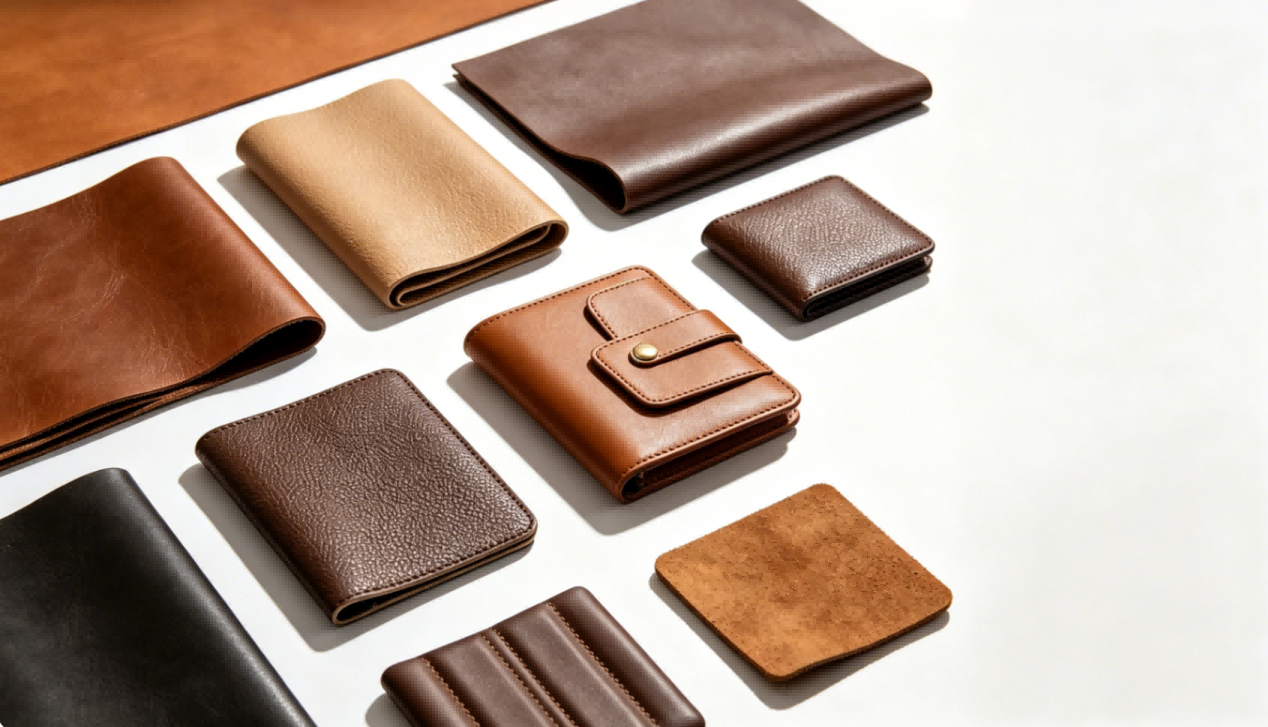
- Confirm the failure mode before changing chemistry: run a hot-water tensile-retention test, not just a hardness check.
- Match the backbone to the full service environment, including oil, temperature, and cost constraints.
- For polyester systems, evaluate a 1–3 wt% carbodiimide stabilizer first.
- Specify the hard segment (MDI–BDO, PPDI, or TDI–MOCA) for wet contact, not only for hardness.
- Verify polyol dryness, index control, and post-cure completeness on the existing line before blaming the formula.
تحدَّث إلى مهندس عمليات قبل العطل التالي في الخدمة الرطبة
Haifeng Polyurethane Machinery has spent 40 years on R&D for metering precision and turnkey polyurethane production — from low-pressure casting units to high-pressure foaming lines across footwear, automotive, and rail transit. As the sole drafter of China’s PU pouring machine industry standard, we treat hydrolysis failures as a process problem, not a brochure problem.
If you are specifying a new wet-service part or chasing a field failure, send us:
- the current backbone and index,
- service temperature and immersion time,
- current tensile retention versus the specification,
- and your existing machine’s metering accuracy and degassing setup.
Reach us at info@chinahaifeng.com or on WhatsApp at 86 13566296633, and we will help you separate the formulation issue from the machine issue before you commit to a costly material change.
الأسئلة الشائعة حول مقاومة التحلل المائي
هل يتفوق البولي يوريثان البولي إثيري دائمًا على البولي إستر في الخدمة الرطبة؟
Not in every case. Polyether backbones are generally more hydrolysis-resistant, but polyester systems often provide better oil resistance, abrasion, and load-bearing. Polycarbonate offers the strongest wet-service performance of the common backbones but at a higher cost. The right choice depends on the full service environment, not on hydrolysis alone.
ما مقدار مثبّت الكربودييميد الذي ينبغي أن تستخدمه التركيبة؟
A common starting range is 1–3 wt%, but the optimum depends on the polyester acid value, service temperature, and the tensile-retention target. Confirm the dose with a hot-water aging test on the production part rather than accepting a fixed recipe.
أي اختبار يكشف التحلل المائي مبكرًا؟
Tensile retention after hot-water immersion is the most revealing early indicator. Hardness checks can miss early chain scission because the surface may remain within specification while tensile strength has already fallen. Water absorption per ISO 62 is useful for comparing backbones before mechanical aging.
هل يمكن للمعالجة اللاحقة أن تحسّن مقاومة التحلل المائي؟
It helps, but only within limits. A complete post-cure builds final hard segment order and reduces residual stress, which supports wet-service property retention. It cannot compensate for a polyester backbone that is fundamentally wrong for continuous immersion.
هل تؤثر الصلابة على مقاومة التحلل المائي؟
Hardness alone is a weak predictor. Hard segment content and network order influence water uptake and retention, but two formulas can share the same Shore hardness and behave very differently in hot water. Specify the chemistry and run the aging test instead of relying on hardness.
المراجع
[1] G. Oertel, Ed., Polyurethane Handbook: Chemistry – Raw Materials – Processing – Application – Properties, 2nd ed., Munich, Germany: Hanser Publishers, 1994.
[2] C. Hepburn, Polyurethane Elastomers, 2nd ed., London, U.K.: Elsevier Applied Science, 1992.
[3] ISO 62:2008, Plastics — Determination of water absorption, International Organization for Standardization, 2008.
[4] ASTM D3137, Standard Test Method for Rubber Property—Hydrolytic Stability, ASTM International, West Conshohocken, PA, USA.
إذا كنت مهتمًا، فاطّلع على هذه المقالات ذات الصلة:
أسباب الانكماش في رغوة البولي يوريثان وكيفية التحكم فيه
كيفية حساب وزن القذفة في البولي يوريثان
دور زمن الارتفاع في رغونة البولي يوريثان