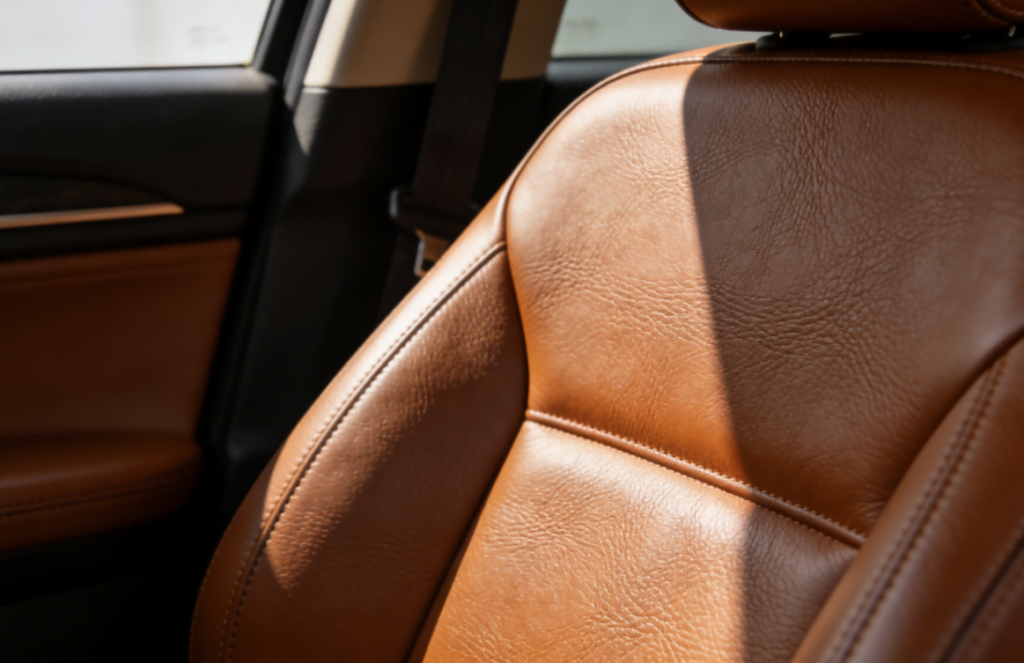
При вспенивании сидений с двойной жёсткостью проблема обычно возникает на границе между мягким центром и жёсткой боковой поддержкой, а не в середине той или иной зоны. Подушка может пройти проверку на вдавливание в центре обеих зон и при этом показать линию проступания в месте контакта двух пен или боковую поддержку, которая становится мягкой в 20 мм от края. И то, и другое — симптомы зонирования и синхронизации. Карта зон определяет, где должна проходить ступень жёсткости, последовательность заливки определяет, свяжется ли второй впрыск с первым, и только после этого спецификация машины что-либо значит. Поменяйте этот порядок местами — и даже хорошо дозирующая линия всё равно отправляет подушки на обрезной стол.
Почему ступень жёсткости не выдерживается на границе
Когда второй впрыск ложится на первый, возможны три исхода, и приемлем только один из них.
Если первый впрыск ещё жидкий, входящий поток сдвигает его по полости. Две композиции смешиваются в полосе, ширина которой зависит от скорости потока и от разницы вязкости между ними. Эта полоса отверждается с жёсткостью где-то между двумя целевыми значениями, с иной структурой ячеек, и она смещается при любом изменении траектории заливки или массы впрыска. Ничто на чертеже её не описывает.
Если первый впрыск уже начал вспениваться и подниматься, но ещё не загелировал, его поверхность по-прежнему несёт реакционноспособные группы. Второй впрыск смачивает её, обе зоны поднимаются вместе на границе, и в результате получается одна непрерывная пена со ступенью жёсткости и без шва. Именно к этому окну и нужно стремиться, и оно узкое.
Если первый впрыск уже отверждён, второй может лишь зацепиться за поверхность. Соединение выдерживает обращение и разделяется при циклических испытаниях на долговечность, а поскольку две зоны усаживаются при охлаждении на разную величину, граница читается как линия под тонкой отделкой.
Почему две композиции редко реагируют с одинаковой скоростью
Жёсткость формованной пенополиуретановой пены высокой эластичности определяется плотностью, плотностью поперечных сшивок и содержанием уретановых групп, образующихся в реакции воды с изоцианатом. Повышение жёсткости боковой поддержки за счёт увеличения изоцианатного индекса или функциональности полиола также заставляет эту сторону реагировать быстрее. Добавление воды повышает жёсткость через мочевину и одновременно увеличивает газовыделение, что снижает плотность. Поэтому жёсткая и мягкая зоны редко имеют одинаковое время начала вспенивания, и разрыв растёт по мере увеличения разницы в жёсткости.
Таким образом, окно заливки задаётся парой композиций, а не фиксированным числом, которое может гарантировать поставщик машины. Измерьте время начала вспенивания и время гелеобразования для обеих сторон предлагаемой пары, затем решите, может ли баланс катализаторов сблизить их настолько, чтобы подходил одногнёздный двухвпрысковый процесс. Дозирующий блок способен выдерживать интервал с точностью до доли секунды. Но он не может заставить две композиции согласоваться.
Интервал между двумя впрысками настолько воспроизводим, насколько воспроизводимо поведение каждой композиции при подъёме, поскольку дрейф времени подъёма смещает границу даже при стабильном соотношении дозирования. <Роль времени подъёма в пенообразовании полиуретана> описывает, как измеряется время подъёма и что его сдвигает.
Привычка с разделительным агентом, которая разрушает связь
Операторы, обученные на формах с одной жёсткостью, наносят разделительный агент всякий раз, когда полость кажется сухой. В двухвпрысковом процессе разделительный агент, нанесённый между первым и вторым впрыском, ложится именно на ту поверхность, которая должна связаться. Деталь чисто выходит из формы, проходит визуальный контроль и позже разделяется по границе. В технологической карте должно быть указано, когда наносится разделительный агент, и ответ таков: только перед первым впрыском, либо разделительный агент заменяется внутриформенным покрытием, совместимым с обеими композициями.
Фиксация карты зон до настройки машины
Чертёж с надписью «мягкий центр и жёсткая боковая поддержка» — это не спецификация. Её делают три величины на каждую зону: основа измерения жёсткости, плотность и положение и ширина границы.
Основа измерения жёсткости означает усилие вдавливания при двух уровнях вдавливания на заданной геометрии образца, плюс коэффициент прогиба, то есть отношение значения при 65% к значению при 25%. Показание дюрометра на эластичной пене сиденья его не заменяет. Коэффициент прогиба также сообщает формовщику, будут ли две зоны ощущаться по-разному под нагрузкой сидящего или только в лаборатории, поскольку две пены могут иметь одинаковое значение при 25% и вести себя совершенно по-разному при 65%.
Плотность — второе решение. Если жёсткой зоне для достижения её жёсткости нужна ещё и более высокая плотность, деталь прибавляет в весе, а две зоны усаживаются при охлаждении на разную величину. Именно эта разница и проступает сквозь кожу. Если жёсткости боковой поддержки можно достичь за счёт индекса и сшивающего агента при согласованной плотности, границу гораздо легче сохранить незаметной.
Сама граница должна иметь на чертеже положение с допуском, а не словесное описание. Точки заливки размещают с учётом этой линии, вентиляцию размещают вокруг неё, а припуск на обрезку задают от неё.
| Элемент | Что указывать на чертеже | Зачем это нужно заливщику | Что идёт не так без этого |
|---|---|---|---|
| Центральная зона | Усилие вдавливания 25% и 65%, коэффициент прогиба, плотность, допуск по толщине | Определяет рецептуру и вес заливки | Центр в пределах нормы по замерам, но через двадцать минут ощущается жёстким |
| Подушка | Та же основа плюс предел остаточной деформации сжатия | Определяет индекс и сшивающий агент, а также время отверждения, от которого зависит извлечение из формы | Подушка размягчается у края, ближайшего к границе |
| Граница | Положение с допуском, допустимая ширина переходной полосы, метод испытания на схватывание | Определяет точки заливки, вентиляционные каналы и положение разделителя | Переходная полоса смещается вслед за путём заливки и проявляется под обивкой |
| Стык под обрезку | Допустимые утяжины или их проступание через фактический чехол | Определяет, нужно ли выравнивать две плотности | Полоса появляется только после обивки сиденья |
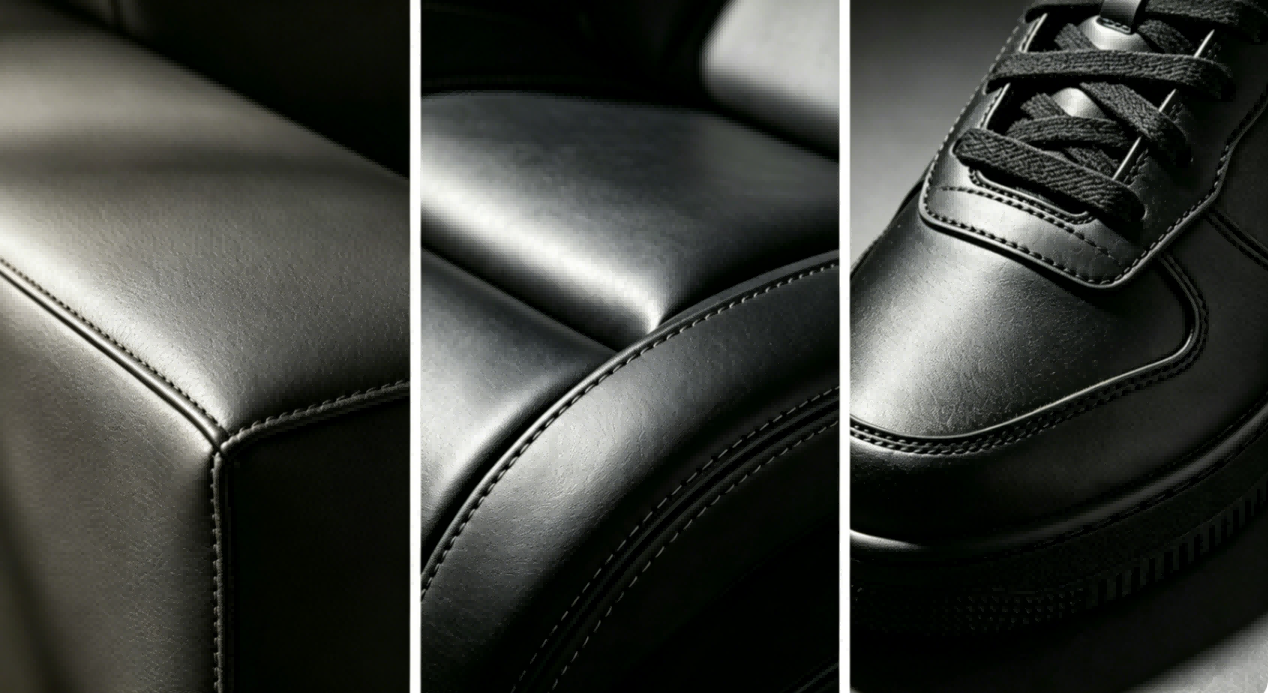
Три пути к двум зонам жёсткости в одном сиденье
Выбор маршрута — это решение, которое определяет количество машин, производственную площадь и трудозатраты, поэтому он должен быть принят до расчёта стоимости оборудования, а не после.
| Маршрут | How the step is made | Fits when | Do not choose it when |
|---|---|---|---|
| Two sequential pours, one cavity | Second shot lands on the first while it is still reacting | Both formulations can be trimmed to converge cream and gel, and the zone map is stable across the model range | Reactivities cannot be converged, or the pour path cannot be repeated from part to part |
| Split cavity with a removable divider | Zones pour independently, divider pulled on a set schedule | Hardness difference is large, or the two formulations need very different catalyst packages | The trim cannot hide a seam, or the divider would mark a visible skin |
| Pre-formed insert in a single pour | A firmer pad is located in the bolster before one shot | One metering system is enough, volumes are low, or designs change often | Insert placement time exceeds the takt, or the insert shifts under the pour |
A single-cavity two-shot process needs two polyol lines against one isocyanate, plus either two pour stations or one station with a dwell. A split-cavity process can run on two independent machines feeding one line, which is sometimes cheaper than a two-polyol metering unit when a plant already owns a spare machine. The insert route needs one stream and more labor. Routes can be mixed across a seat set, with the cushion on one and the backrest on another, but not within one cavity.
Что должна делать система дозирования при смене рецептуры в середине цикла
The architecture follows the chemistry. If both zones share the same isocyanate and differ only in polyol, water, catalyst and crosslinker, one isocyanate line and two polyol lines will do. If the isocyanates differ, for instance a TDI-based system against an MDI-based one, the cell needs two complete component sets or two machines, because blending isocyanates in one manifold invites ratio error and gelling at the head.
The HF-HPM-1A1B-CarSeat head covers 50 to 1000 g/s, holds a polyether to isocyanate ratio of 100:45 to 60, and meters within ±0.3% across the range, with 100 L and 150 L tanks and 10 to 18 MPa mixing pressure. Those figures matter in three ways for a dual-hardness cell. The pour rate has to cover the larger of the two shots inside the takt. The ±0.3% figure is effectively the hardness tolerance, because index drift moves hardness and cure speed together. And tank size must be set on consumption split rather than total shot weight, since a bolster polyol that accounts for a third of the shot drains at a third of the rate and needs its own changeover schedule.
Calculate shot weight per zone rather than per part, then check both numbers every cycle.
Shot weight errors show up as density drift long before they show up as scrap, and two shots per cycle give you two chances to drift. <Как рассчитать массу впрыска в полиуретане> covers how the volume, density and loss terms are put together.
Every switch between polyols at the head needs a purge, and every purge is material loss plus time inside the takt. Count it in the cycle before you promise an output figure.
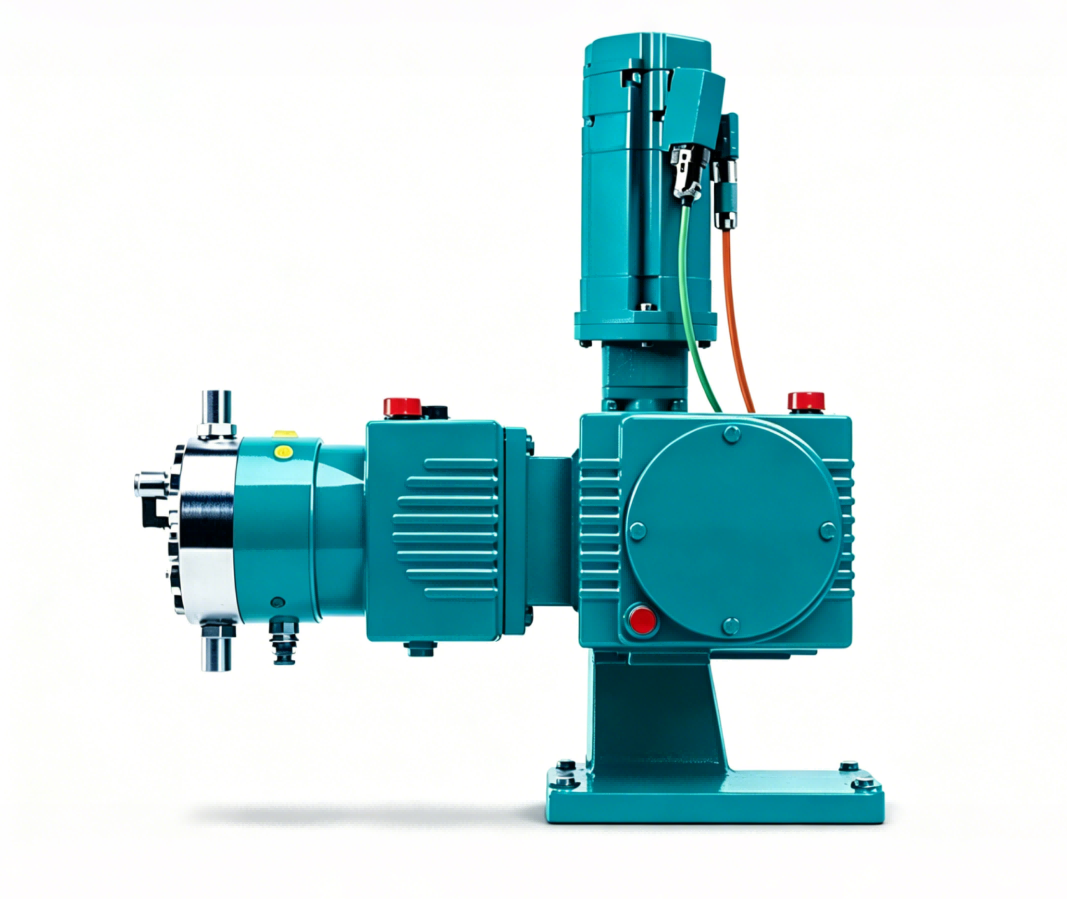
Компоновка формы, разделителя и точки заливки
Pour points should be placed so each zone’s flow front arrives at the boundary at the end of fill, and so the second shot never has to travel across the first zone. A front that reaches the boundary late leaves that surface fresh and reactive when the second shot lands. A front that arrives early leaves a cooled, coarser free-rise skin on exactly the line that needs to bond.
Vent each zone at its high point and vent the boundary as well. Gas trapped along the boundary becomes a void band, which reads as a soft strip and fails a cross-section check even when the indentation values are correct.
The divider, where one is used, should be thin, drafted, and located where the trim can cover it. Pull it before the first zone gels if a chemical bond across the line is required, or after demold if a mechanical seam is acceptable. Record the pull time on the process sheet, because it drifts when the line gets busy.
Hold both zones at the same mold setpoint within the tolerance the trial establishes. A temperature difference between zones changes cream and gel locally and moves the boundary with no change to the recipe at all, so check temperature at the mold face rather than at the heater controller.
Locate any insert with pins or pockets rather than operator judgement. An insert that shifts 5 mm under the pour produces a bolster that is firm on one part and soft on the next, with no metering fault to find.

Компоновка линии для двухстадийного цикла
On a rotary carousel the interval between pours is a multiple of the index time plus any dwell. That turns the geometry of the line into a process constraint, and it is the part most often missed at the quotation stage.
| Interval the formulation pair needs | Pour head layout | Effect on the carrier |
|---|---|---|
| Less than one index time | Both heads at one station, second pour on a dwell | Carrier waits; takt becomes both pours plus the dwell |
| About one index time | Heads one station apart | No dwell, interval fixed by the machine index |
| About two index times | Heads two stations apart | No dwell, but the first zone cures further than a clean bond may tolerate |
If the trial says the pair needs 130 seconds and the index is 94 seconds, the carousel offers 94 or 188 and neither is right. The pair then has to be trimmed to fit an achievable interval, or the index time has to change.
A seat project delivered by Haifeng Polyurethane Machinery in Changzhou shows how the arithmetic behaves. Sixteen-station rotary carriers on three lines, running at 25 minutes per cycle, produced about 550 seat sets a day over two shifts, which works out to roughly a 94 second takt, while the defect rate fell from 11% to 1.5% after metering and carrier changes. Add a second pour and that cycle grows by the interval unless the interval hides inside the index, and the station count grows with it.
Those figures describe what a metering and carrier change achieved on a single-formulation seat line. They do not predict what a dual-hardness conversion will deliver, because the interface yield and the extra station are new variables that only a trial on the actual mold can settle.
Проверки перед запуском сиденья с двойной жёсткостью в производство
- Peel the boundary at three locations. The failure must be a foam tear, not a clean separation. A clean pull means the second shot keyed instead of bonding.
- Cut cross-sections at the center, the boundary and the bolster. Measure the mixed band width and count voids against the limit on the drawing.
- Run indentation force at 25% and 65% in each zone center and at the boundary, then calculate the sag factor per zone.
- Weigh every part in the first twenty and compare against the calculated shot weight for each zone.
- Apply a static load or compression set check at the boundary, since that is where the two cell structures meet.
- Check the demolded part under the actual trim, not bare foam, because a read-through line appears only after upholstery.
- Record the pour interval, ratio actuals, mold temperature and both shot weights for the first twenty parts, so a later drift can be traced to one variable.
Comfort checks and bond checks answer different questions, and a seat can pass one while failing the other. <Измерение упругости пенополиуретана: практическое руководство по испытаниям> covers how resilience is measured and what the result does and does not tell you about a finished seat.
Что отправить для проверки компоновки
Send the zone map with the boundary position and tolerance, the hardness basis and density for each zone, your preferred route, the required interval if the trials have produced one, takt time and shift pattern, cavity count and mold footprint, available floor length, and the metering assets you already own. With those, the station count and the pour head spacing can be worked out before any quotation, and the formulation pair can be checked against the interval the line can actually deliver.
Haifeng Polyurethane Machinery, Info@chinahaifeng.com, WhatsApp 86 13566296633.
Часто задаваемые вопросы
Может ли одна заливочная машина производить обе зоны жёсткости?
Yes, when both zones share the same isocyanate and differ only in the polyol side, which is the common case for molded high-resilience seat foam. The machine needs one isocyanate line, two polyol lines and a head that can switch and purge between them. If the two zones require different isocyanates, for example a TDI system against an MDI system, one machine with two full component sets is needed, or two separate machines feeding the same line. Confirm the isocyanate question before comparing quotations, because it changes the machine count.
Насколько боковая поддержка может быть жёстче центра?
There is no universal ratio, because the limit comes from the reactivity gap rather than from hardness alone. The further the bolster formulation is pushed on index or crosslinker, the faster it reacts, and the harder it becomes to land the second shot inside the bonding window. If the pair can be brought close in cream and gel time, a substantial step is achievable in one cavity. If the gap stays wide, a split cavity or a pre-formed insert is the more reliable route.
Меняет ли двойная жёсткость время выемки из формы?
Usually yes, because the cycle is set by the slower of the two zones rather than by the average. A firm bolster with a high index may cure quickly while the soft center, with more water and a lower crosslink density, needs longer before it can be handled without tearing. The interval between shots also consumes cycle time unless it is absorbed by the carrier index. Measure both zones separately, then set demold on the slower one.
Почему граничная линия проступает сквозь кожу?
Two mechanisms, often together. The first is a density step, which makes the firmer zone shrink less than the softer one as the part cools, leaving a small ridge along the boundary. The second is a mixed band of intermediate hardness that cures at a different rate and pulls differently from both zones. Matching densities reduces the first. Placing the boundary under a seam or a bolster crease hides what remains, and that placement is a design decision, not a molding one.
Если вам интересно, ознакомьтесь с этими статьями по теме:
Роль времени подъёма в пенообразовании полиуретана
Как рассчитать массу впрыска в полиуретане
Измерение упругости пенополиуретана: практическое руководство по испытаниям
Как изготавливают полиуретановые валки: от литья до отверждения