Foam-in-place packaging creates a cushion that fits an item and its carton. In a common foam-in-bag process, a flexible film contains the reacting foam as it expands around the part. A different route uses pre-molded or cut inserts made before packing. The right choice depends on shipment volume by SKU, part fragility, pack-space constraints and the evidence from package tests.
When on-demand cushions make sense
On-demand cushioning is worth trialing when several part shapes share one station and storing a separate insert for each SKU is expensive. The bag placement, shot amount and time before the top cushion is placed can affect part position and clearance. Standardize the support points and teach operators to keep foam away from surfaces or openings the package design must leave clear. Use the consumable supplier’s approved film, foam and work instructions. Sealed Air’s foams and films overview shows how film and chemistry are specified together.
When to compare cut or molded inserts
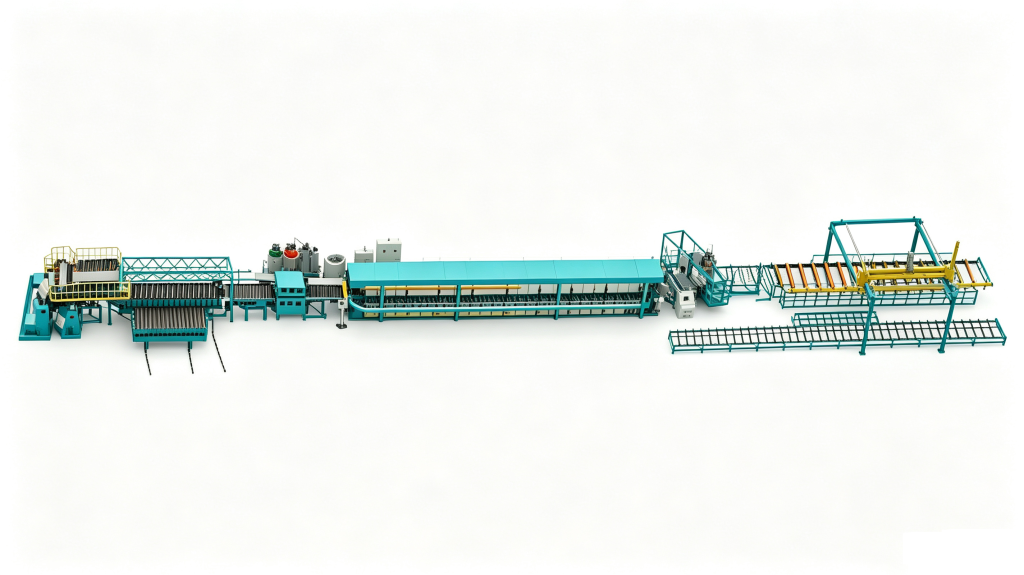
A repeated high-volume pack can justify a fixture or dedicated preformed insert. Preforming makes the geometry easier to inspect before it reaches packing, while on-demand material can accommodate a broader SKU range in a single station. Compare production of inserts upstream with the storage and picking cost at the packing station. See Haifeng’s foam block cutting and conversion scope for the separate process used to make cut foam components.
Use the actual item and carton for the qualification
- Define the most vulnerable face, protrusion or connection and agree with the product team what damage or shift is unacceptable.
- Document product mass, center of gravity, support points, carton construction and required clearance. Include sharp corners or heat-sensitive surfaces in the trial.
- Run the assembly with the proposed foam mass and film. Weigh the consumed materials and time multiple operators from an empty carton to final closure.
- Ask the test laboratory to select package tests for the distribution route. Where useful, the lab can consider ASTM D4168 for foam-in-place cushioning as part of the test plan. Examine the product, insert and carton after testing.
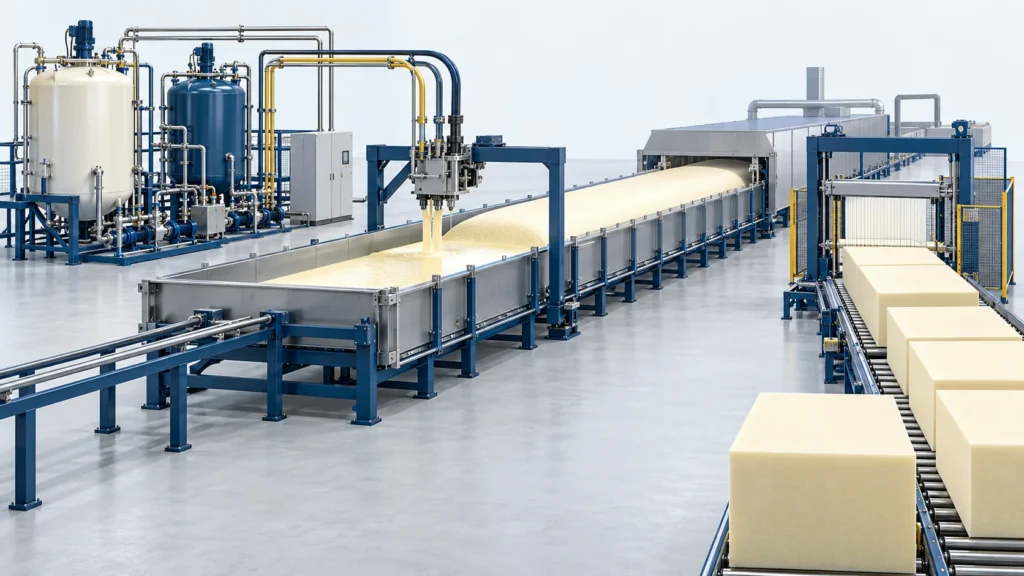
Compare accepted pack cost using material per pack, packing labor, rework, storage and the effect of the chosen carton size. A foam roll compression and packaging system handles a different operation in which finished foam is compacted for shipment. See Haifeng’s foam compression and packing solution for that route. To evaluate equipment for producing preformed PU cushions, send the part drawings, volumes and proposed manufacturing route.